
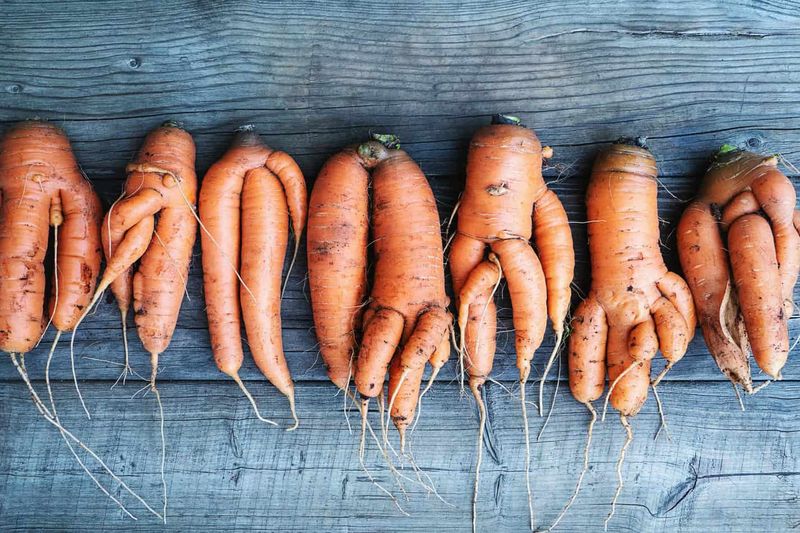
Pulling up a carrot and finding a twisted, forked, or stubby root instead of a smooth, straight one is genuinely frustrating, especially when you did everything right at planting time. Warm late-summer soil gets blamed for a lot of carrot problems in the South, and heat can certainly play a role, but it rarely tells the whole story.
Forked roots, hairy roots, and stunted growth each point toward different causes, and knowing which one you are actually dealing with is the fastest way to protect what is left of your crop.
Heat Can Stress Carrots, but It Is Only One Suspect
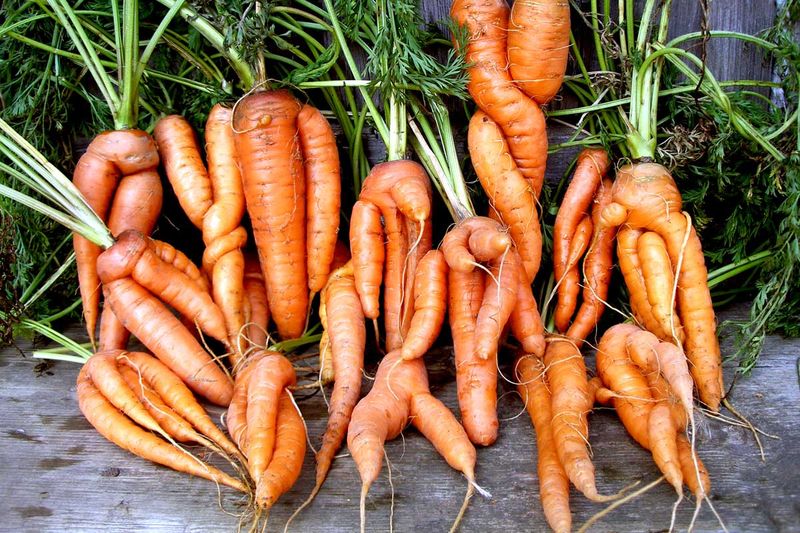
Soil temperature matters far more to carrot performance than the air temperature reading on any given afternoon. Carrot seeds germinate best when the soil in the seed zone sits around 55 to 70 degrees Fahrenheit.
Utah State University Extension guidance identifies temperatures above roughly 80 degrees as conditions that can cause heat-induced dormancy, slow or poor germination, and reduced root quality over time. That threshold is a useful general reference, not a hard cutoff that applies equally to every Southern variety, region, or production system.
When soil stays warm through much of the growing period, carrots can produce roots that are shorter, blunter, and coarser than expected. Color may be washed out, sugar levels can drop, and the roots may taste bitter at harvest.
University of Georgia Extension notes that prolonged hot weather can reduce carrot yield and quality in these ways. These are real heat-related outcomes worth taking seriously.
What heat does not do on its own is reliably cause pronounced forking or dense hairy roots. Broadly short, blunt, poorly colored, or bitter roots make warm-soil stress a plausible contributor.
Pronounced forking or hairiness requires a closer look at other causes before heat gets the full blame.
Start With the Root and the Foliage
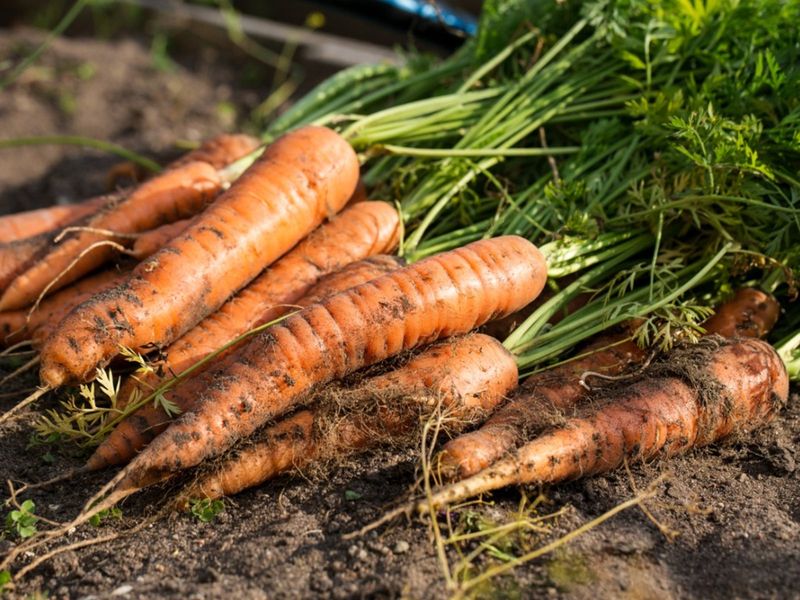
Before changing anything about the bed or reaching for a soil amendment, pull a few representative carrots and lay them next to each other. Look at the roots first.
A clean fork or branch, with no knots, swellings, or unusual texture, tells a different story than roots covered in fine hair-like secondary roots, or roots with visible bumps and galls along the surface. University of Minnesota Extension’s carrot root diagnostic tool separates forked roots from hairy roots as distinct symptom categories with different likely causes.
Then look up at the tops. Yellowing older leaves, reddish or purplish coloration, twisted or bunched new growth, and overall stunted foliage are meaningful clues.
Healthy, lush green tops paired with underwhelming root development can point to crowding or growing conditions rather than a specific pathogen. The companion hairy-root diagnostic from the same extension system walks through how foliage appearance helps narrow the list of suspects.
Minnesota Extension’s full carrot growing guide reinforces that above- and below-ground evidence should be read together. Matching root appearance to foliage symptoms is the diagnostic pivot this article returns to in every section that follows.
Clean Forks Usually Point to a Blocked or Injured Primary Root
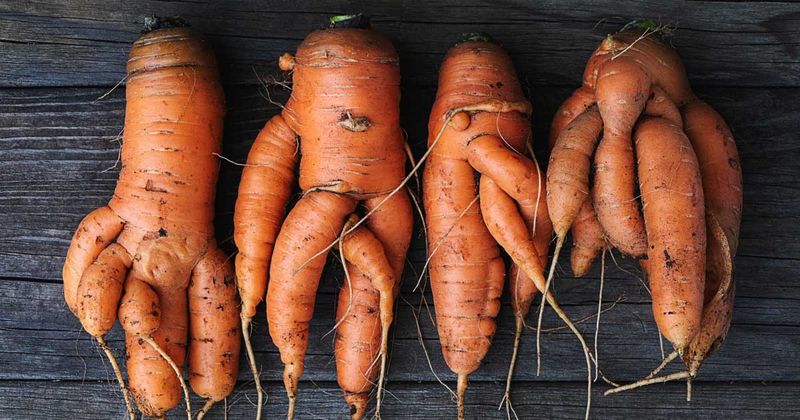
A carrot’s primary root grows straight down when it meets no resistance. When something stops or injures that downward tip, the plant compensates by sending out lateral branches, producing the forked shape that frustrates so many growers.
Stones, clods, old plant roots, hardpan layers, and compacted soil are the most common physical culprits. University of Minnesota Extension lists these obstructions as primary causes of forked carrot roots, distinguishing them from heat-related poor quality.
Root disturbance during cultivation, especially hoeing or tilling close to young plants, can also nick the primary root and trigger branching. Excess available nitrogen and fresh manure are additional contributors: both push rapid top growth and can encourage the root to branch rather than extend cleanly.
UF/IFAS production guidance specifically warns that excessive nitrogen at planting can cause carrot root forking and reduced stands, so adding fertilizer in response to malformed roots can worsen the problem rather than correct it.
Utah State University’s garden carrot resource also connects compaction and soil obstructions to forking. Where several of these factors could be present at once, the diagnosis stays uncertain until the bed is properly inspected.
Heat may reduce overall root quality, but it is a weaker explanation for pronounced forking than a blocked or injured primary root.
Hairy Roots Need a Closer Disease and Nematode Check
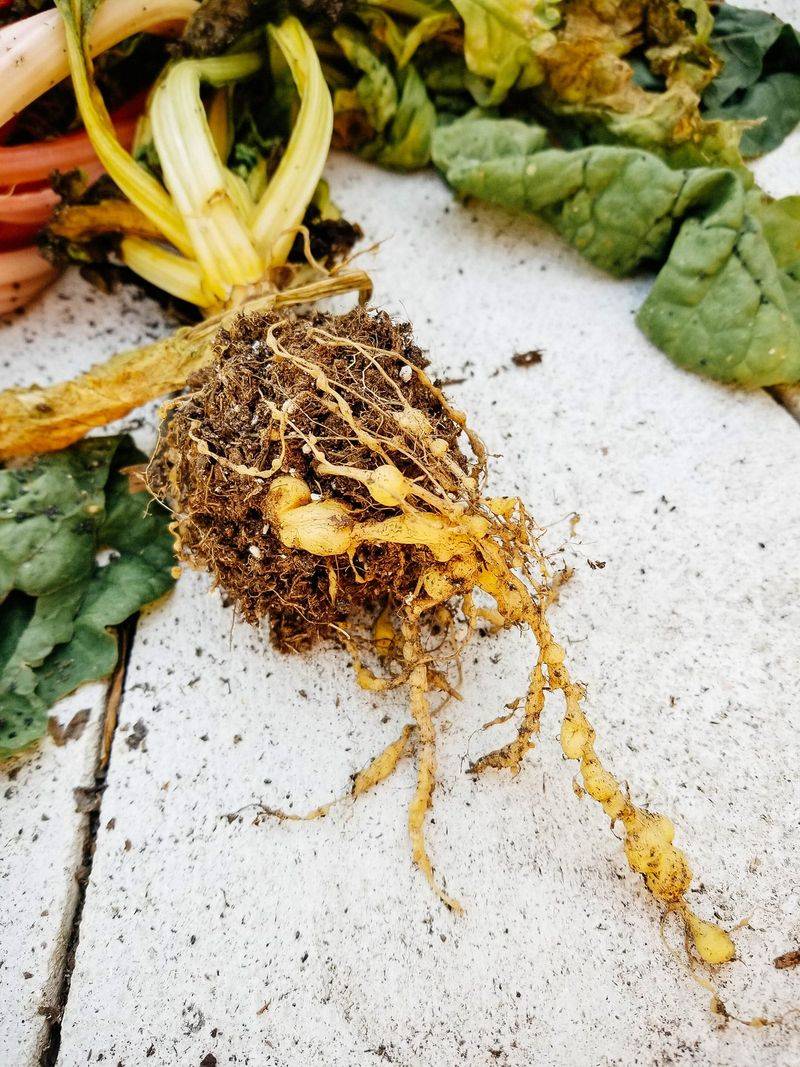
Fine secondary roots covering the surface of a carrot are not a single diagnosis. Several different problems can produce that appearance, and the accompanying signs are what separate them.
When hairiness comes paired with yellowing older leaves, reddish or purplish coloration on mature foliage, twisted or tightly bunched new growth, and noticeably bitter-tasting roots, those combined symptoms raise concern about aster yellows. Minnesota Extension’s carrot guide describes aster yellows as a phytoplasma disease spread by leafhoppers, not a heat injury, and emphasizes that the foliage pattern is central to the diagnosis.
Root-knot nematodes produce a different picture. Hairiness and branching may be present, but the more telling sign is visible knots, galls, or swellings on the root surface.
UF/IFAS nematode identification guidance describes how root-knot species produce these recognizable swellings, which distinguish them from aster yellows infections that tend to produce dense fine roots without distinct galls. Minnesota Extension’s hairy-root diagnostic reinforces that hairiness alone is not enough to assign either diagnosis.
Florida gardeners in warm, sandy soils face particular nematode pressure. Visual inspection may not settle the question, and UF/IFAS carrot production guidance for Florida recommends soil and root sampling or a nematode assay when nematodes are suspected.
UF/IFAS nematode management resources caution that treatment decisions should follow confirmed identification, not a guess based on appearance alone. Where roots show lesions, decay, or wet-soil damage, describe those signs as possible evidence of a root disease and seek a qualified diagnosis before taking action.
Check the Seed Zone, Moisture, and Spacing
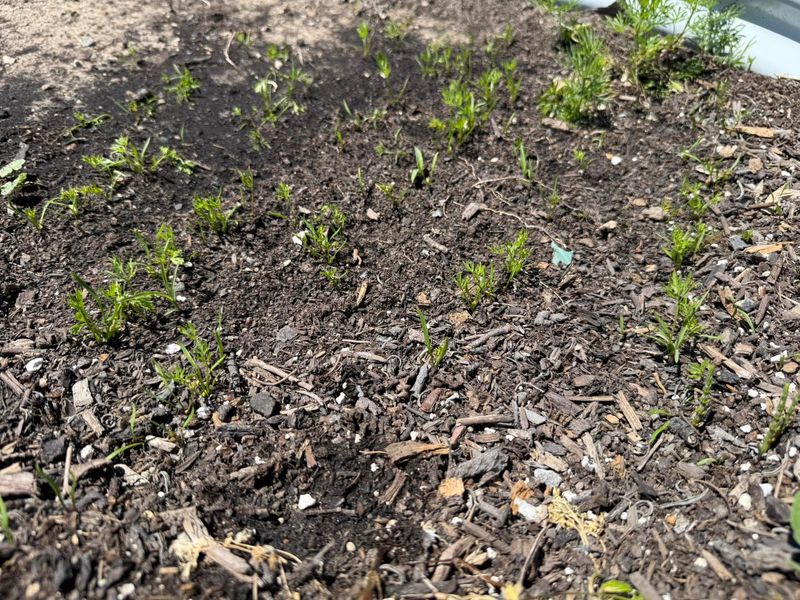
Measuring soil temperature at seed depth gives more useful information than watching the thermometer on the porch. Utah State University Extension notes that carrot seed germination is best around 55 to 70 degrees Fahrenheit in the seed zone, and that readings above roughly 80 degrees can impair establishment.
A simple probe thermometer pushed to seed depth in the morning gives a reading close to actual germination conditions.
Moisture management during emergence is equally important. Carrot seeds are planted shallowly and take longer to emerge than many vegetables, so the surface of the bed can crust or dry out before the seedlings break through.
Utah State University’s garden carrot resource and Texas A&M AgriLife Extension carrot guidance both connect uneven moisture to reduced stands and root disorders such as cracking. Keeping the seedbed consistently moist through slow, even watering, rather than alternating between dry spells and heavy soakings, gives seeds the best chance of establishing without stress.
Spacing matters more than many home gardeners expect. Minnesota Extension recommends thinning to roughly 1 to 3 inches between plants, depending on variety and intended harvest size.
UF/IFAS Florida carrot production guidance also supports proper thinning for root development. Lush green tops with limited roots below ground often mean the plants are competing too closely for space.
Prepare a Deeper, Looser Bed Before the Next Sowing
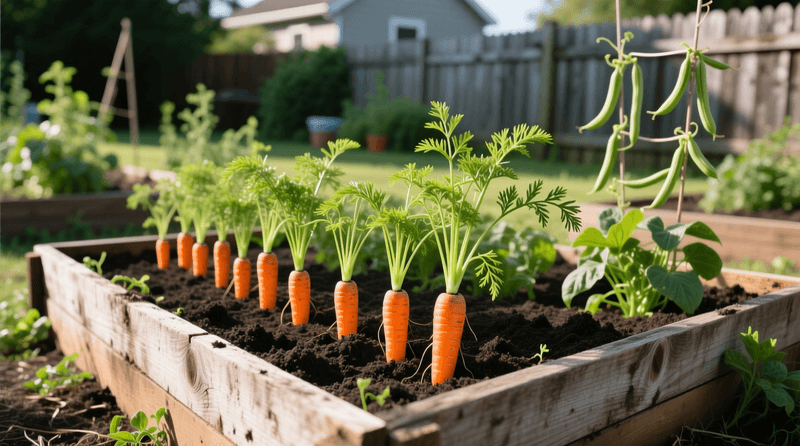
Bed preparation is where the real prevention happens, and it belongs before seeds go in the ground, not after roots have already formed. Removing stones, clods, old plant roots, and any other obstructions from the top 10 to 12 inches of soil gives the primary root a clear path downward.
Minnesota Extension’s carrot guide and Utah State University’s garden carrot resource both identify a deep, loose, well-drained bed as foundational for straight, well-formed roots.
Compaction and hardpan should be addressed before sowing, not during or after the crop is established. Aggressive cultivation near growing carrots risks nicking the primary root and causing the very forking you are trying to prevent.
Raised beds can help by providing a naturally looser growing medium with better drainage, though they are a preventive tool rather than a guaranteed fix for every soil type or situation.
Organic matter improves soil structure over time, but the source matters. Penn State Extension guidance on organic nutrient sources explains why fresh manure near a vegetable bed carries risks, including nutrient imbalances and potential pathogens.
Use only well-composted material when amending a carrot bed, and keep concentrated fertilizer away from the planting area. UF/IFAS production guidance recommends basing fertilizer decisions on a soil test rather than adding nutrients by habit or in response to poor-looking roots.
Stabilize This Crop and Rethink the Next Fall Sowing
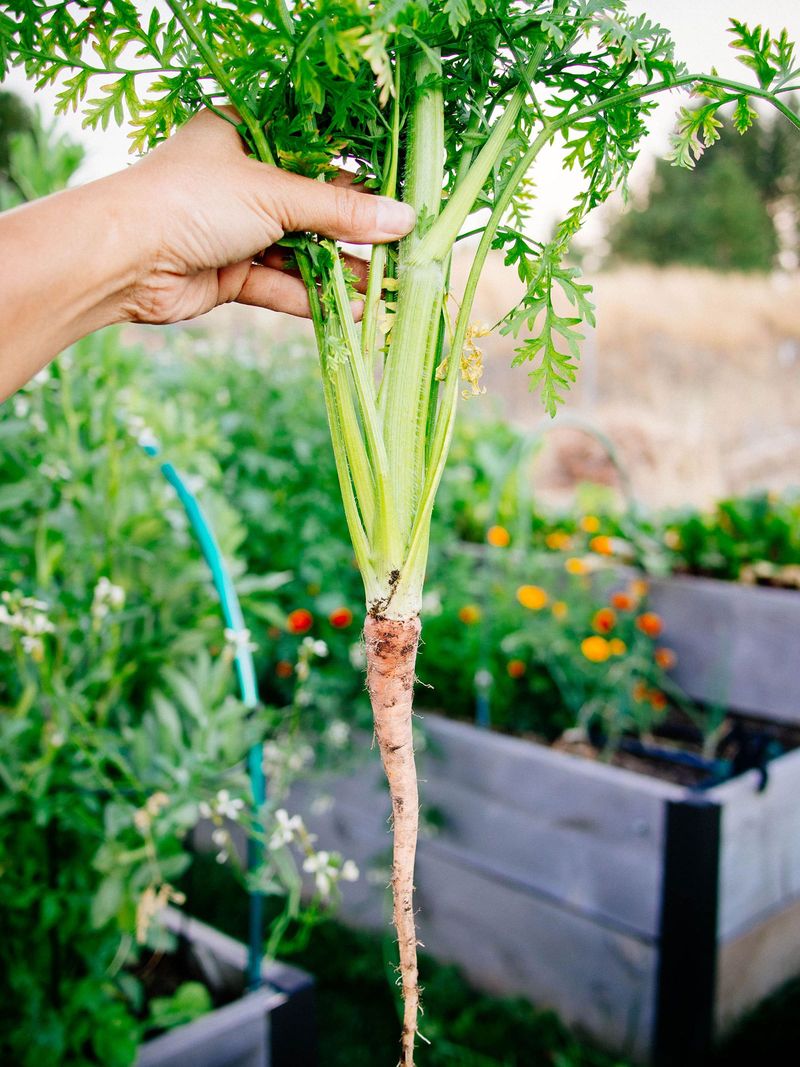
For the carrots already in the ground, the realistic goal is to reduce additional stress, not to straighten roots that have already forked or branched. Mulch applied over the bed can help moderate soil temperature and slow moisture loss from the surface.
Utah State University Extension and Minnesota Extension both support mulching as a way to improve growing conditions, while being clear that it cannot repair an established deformity. Harvest affected roots when they reach a usable size rather than waiting and hoping the shape will improve.
Timing the next sowing more carefully pays bigger dividends than any in-season rescue. Florida planting windows are region-specific: UF/IFAS Florida carrot production guidance lists approximate windows of August through March for North and Central Florida and September through March for South Florida, with September through November identified as a particularly favorable seeding period in North Florida because of cooler growing temperatures.
Additional UF/IFAS guidance ties optimal root growth and color to air temperatures around 61 to 75 degrees Fahrenheit.
Texas timing also varies by region. Texas A&M AgriLife Extension carrot guidance lists August planting for fall crops in some areas, while AgriLife Extension’s carrot library resource notes that South Texas can grow carrots from July through February and Central Texas commonly plants for winter harvest from September through December.
Commercial growers sometimes seed into warmer soil than home-garden recommendations suggest, because field production systems differ from a backyard bed. Use the window that fits your specific area rather than applying one statewide date to either state.
Use the Pattern to Choose the Next Move
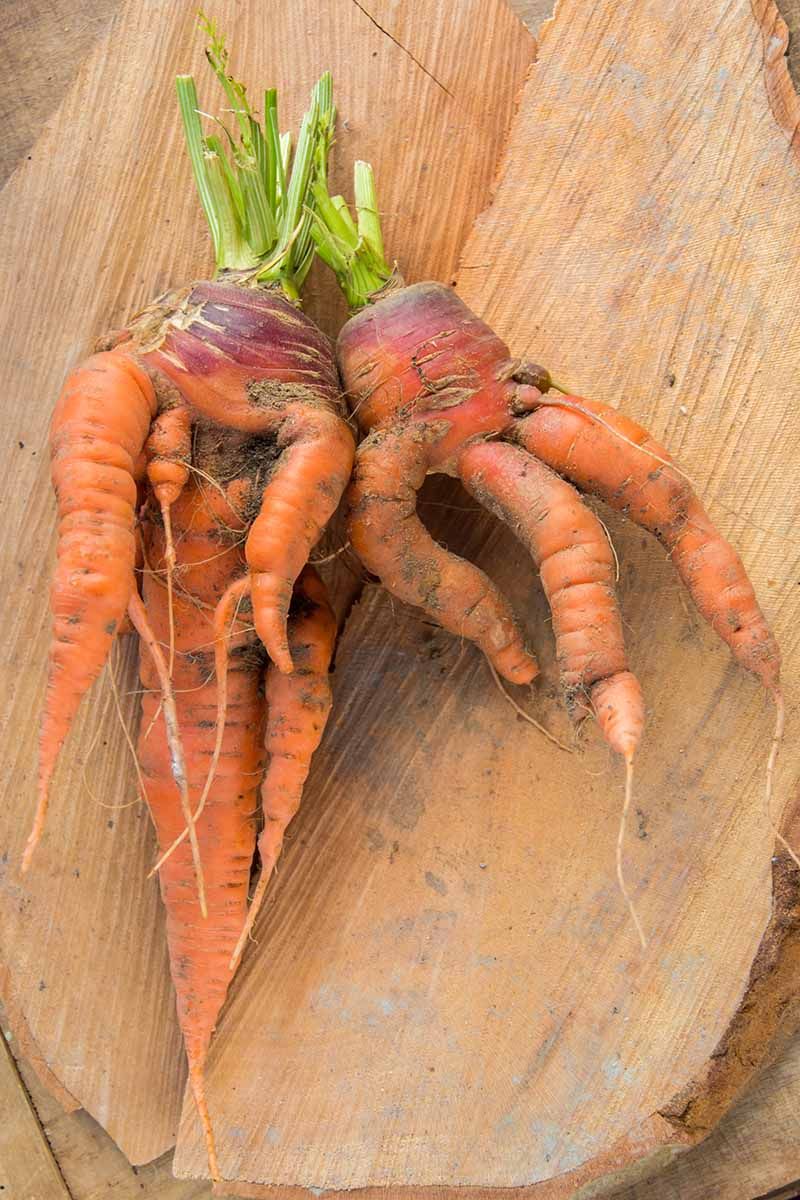
Reading the pattern of symptoms points toward the most likely cause without guessing. Clean forks without galls or hairiness point first toward physical obstructions, compaction, root disturbance, or excess nitrogen in the bed.
Broadly short, blunt, coarse, poorly colored, or bitter roots, especially across much of the planting, make heat-related stress a more plausible contributor. Minnesota Extension’s forked-root diagnostic and its hairy-root companion give side-by-side symptom comparisons that make the distinction clearer.
Hairiness paired with characteristic foliage symptoms or visible galls warrants a disease or nematode investigation before any treatment decision. Wet conditions with lesions or decay on the root surface should be treated only as possible evidence of a root disease and referred for qualified diagnosis.
Utah State Extension and Minnesota Extension both reinforce that steady moisture, correct spacing, a prepared loose bed, and region-appropriate sowing timing are the foundation of a better carrot crop, not reflexive fertilizer or pesticide use.
The gardener who inspects roots and tops together, measures seed-zone temperature, and prepares the bed before the next sowing is already ahead of most problems before the seed hits the ground.