
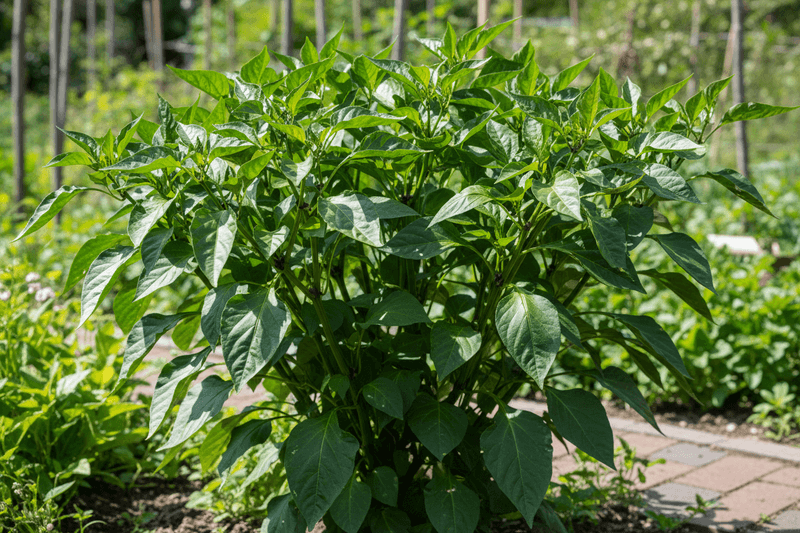
August in the South can be genuinely puzzling for pepper gardeners: the plants look green and full, flowers keep appearing, and yet no fruit ever forms. Warm nights are a leading suspect when this happens, but they are not the whole story.
Daytime heat, uneven watering, too much nitrogen, and a handful of pest or disease problems can all play a role. Understanding what is actually going on gives you a real shot at protecting what fruit your plant can still set.
Read the whole heat pattern, not just the overnight low
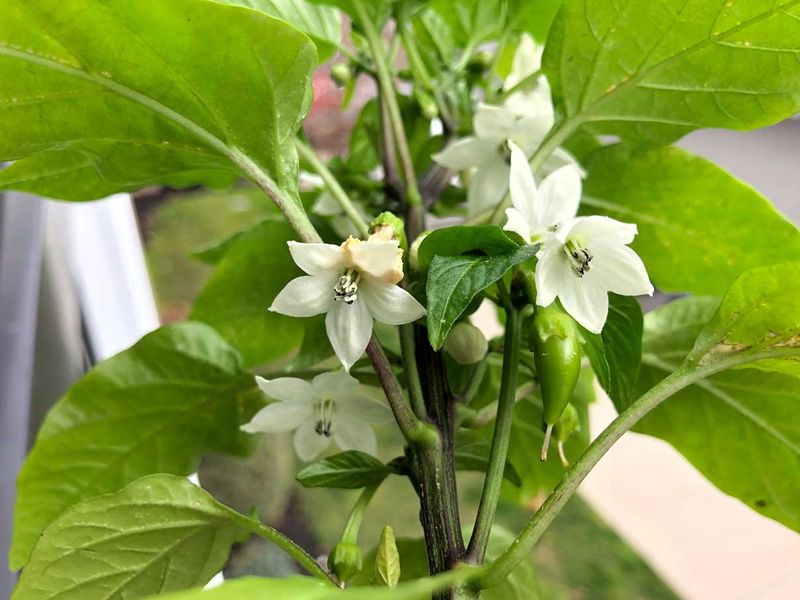
A pepper plant that looks perfectly healthy, pushes out flower after flower, and still produces no fruit is one of the more frustrating sights in a Southern summer garden. The reflex is to check the overnight temperature and stop there, but that misses part of the picture.
Nighttime lows, daytime highs, and how long the heat has lasted all belong in your assessment before you decide what is causing the problem.
Extension services across the country offer approximate warning ranges worth keeping in mind. University of Maryland guidance on blossom and fruit set flags nights above roughly 75 degrees F and days above about 95 degrees F as conditions that can cause pepper flowers and small fruit to drop.
Oklahoma State pepper production guidance reports very little fruit set above 90-degree days, while UC IPM notes on pollination in peppers put the problem threshold for warm nights closer to 85-degree days. These numbers differ because peppers are not all the same, and no single cutoff applies to every cultivar or growing situation.
Warm nights are a reasonable leading suspect when the timing fits and your foliage still looks healthy, but they should not close the investigation. Daytime heat, the duration of a hot spell, and non-temperature causes all deserve a look before you settle on a diagnosis.
Heat can disrupt fruit set while the plant keeps flowering
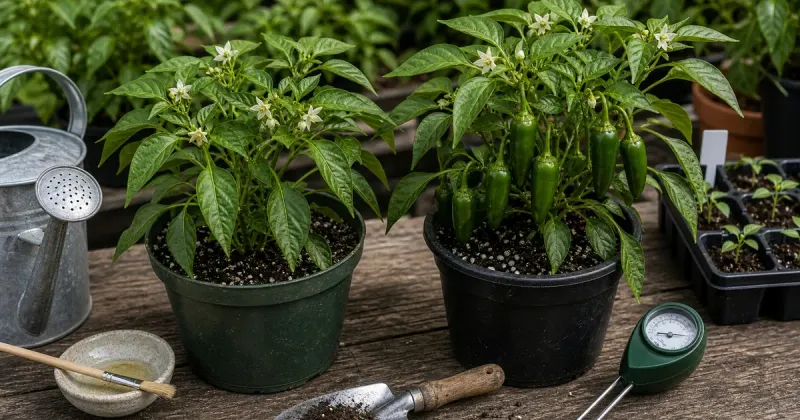
Pepper plants separate their vegetative growth from their reproductive success in ways that can fool even experienced gardeners. A plant can keep producing leaves, stems, and blossoms under high temperatures while the biological steps needed to actually form fruit quietly break down.
The flowers are real, but the internal conditions for setting fruit may not be.
Research on heat effects in pepper reproduction shows that excessive temperatures can reduce pollen viability, lower pollen germination rates, and interfere with fertilization directly. Additional work on pepper pollen under heat stress confirms that even when flowers open normally, the pollen they carry may be too damaged to complete fertilization.
More recent genotype-level research makes clear that heat sensitivity varies substantially by cultivar and pepper type, so one variety may struggle while another nearby plant handles the same conditions better.
The flower-development stage also matters. Pollen formed during the hottest part of a heat event may be more compromised than pollen that developed before temperatures peaked.
Young fruit that did manage to form can still abort if heat continues after fertilization. None of this means every dropped flower represents the same failure, but it does explain why healthy foliage is not proof that fruit set is proceeding normally.
Inspect the plant before assigning blame to heat
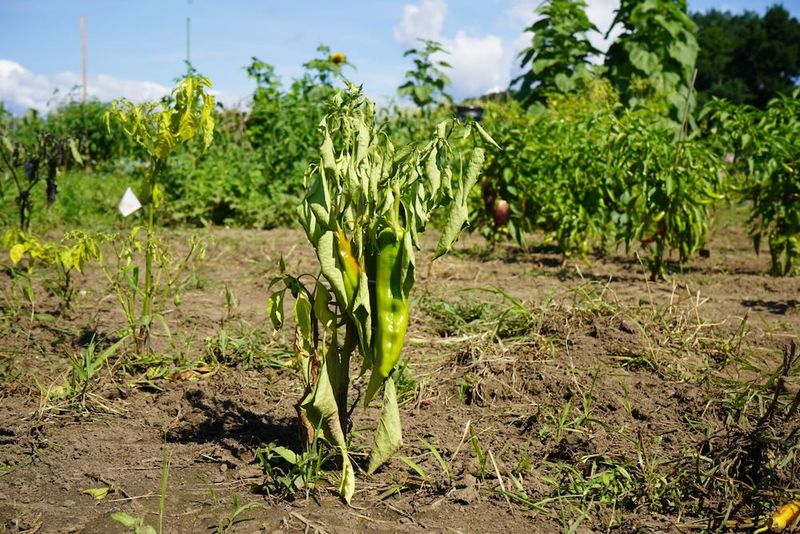
Before heat gets all the blame, spend a few minutes looking at the plant itself. A thorough inspection often reveals a contributing cause that temperature alone cannot explain, and finding it early saves time and plants.
Start with the soil and water situation. New Mexico State University guidance on pepper production specifically lists insufficient water, hot dry wind, high relative humidity, insect damage, and nutrient problems alongside heat as recognized causes of flower drop.
Check whether the soil has dried out severely between waterings, swung between bone-dry and waterlogged, or drains so poorly that roots sit in standing water. Hot wind can accelerate moisture loss from both soil and plant tissue faster than you might expect.
Next, look at nitrogen. Heavy feeding that produces thick, dark-green, lush foliage can direct the plant’s energy away from reproductive growth.
If your plants look almost too leafy for the season, excess nitrogen may be part of the story.
Then inspect buds, open flowers, pods, leaves, and stems carefully. Virginia Tech extension information on pepper weevil describes how this pest can damage buds and developing pods in ways that mimic heat-related drop.
Look for chewing marks, small larvae, stippling, distorted leaves, mosaic color patterns, or scarring on stems that might point to insects, mites, or disease instead.
Finally, separate flower drop from blossom-end rot. UF/IFAS guidance on blossom-end rot explains that this disorder appears as a sunken, darkened area on the bottom of developing fruit and reflects a different problem entirely, related to inconsistent water availability and calcium transport.
A flower that falls off the plant is not the same thing, and confusing the two leads to the wrong response.
Keep the root zone evenly moist through the heat
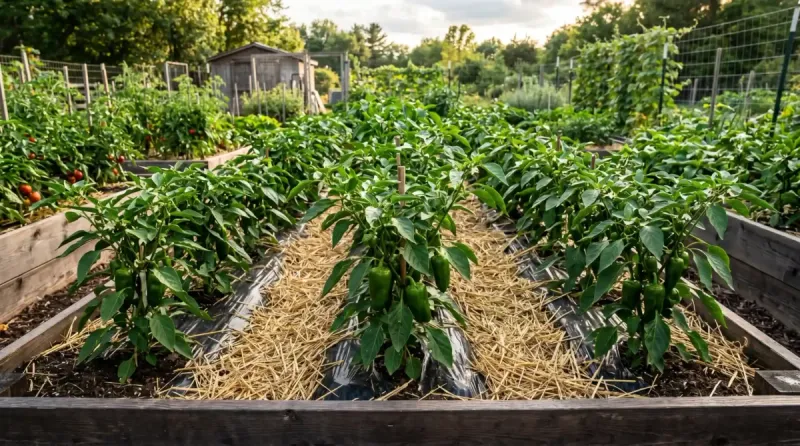
Moisture management is the most controllable variable you have during a Southern heat spell, and it directly affects whether your pepper plant can hold onto flowers and small fruit. The goal is consistency in the root zone, not a fixed number of gallons per day or a saturated bed.
Oklahoma State’s pepper production fact sheet and Oregon State guidance on growing peppers both emphasize deep, even watering that wets the root zone without leaving soil saturated. Drought stress, irregular watering patterns, hot dry wind, and excessive moisture loss through leaves can all trigger bud, flower, and small-fruit abortion even when temperatures are not the primary problem.
Water deeply enough that moisture reaches the roots, then allow the top layer to begin to dry before watering again. The right interval depends on your soil type, container size if applicable, and how hot and windy conditions are.
Checking soil moisture a few inches down is more reliable than watching the surface.
UF/IFAS pepper guidance for Florida specifically recommends mulching as temperatures rise. A 2-to-3-inch layer of organic mulch around the base of the plant conserves soil moisture, moderates root-zone temperature, and reduces the dramatic swings between wet and dry that can stress flowers and small fruit.
Avoid piling mulch directly against the stem. Overwatering is a real risk: soggy soil limits oxygen to roots, invites root disease, and can cause just as many problems as drought during a heat event.
Use temporary shade as a heat-relief measure
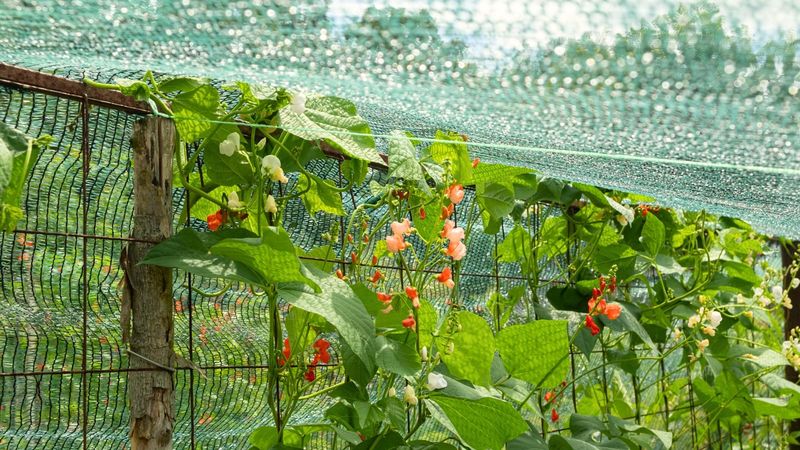
Shade cloth is not a cure for heat stress, but used correctly it can meaningfully reduce the temperature load on your pepper plants during the worst part of a heat event. The key word is temporary: peppers still need strong light to grow and eventually set fruit, so shade should be a short-term tool, not a permanent fixture.
University of Delaware Extension guidance on protecting vegetables from heat stress reports that 30% shade cloth can cool pepper and tomato crops without blocking so much light that plants suffer. Support the cloth above the plants on hoops or a simple frame so it does not rest on foliage, trap heat close to the leaves, or cause abrasion during wind.
Denser shade material used for longer periods can slow growth and reduce the light plants need to develop flowers and fruit.
UF/IFAS recommendations for Florida pepper growers reinforce the value of pairing shade with mulch and reliable irrigation during heat spikes. Together, these three measures work as a protective package: shade lowers air and leaf temperature, mulch moderates the root zone, and consistent moisture keeps the plant from stacking water stress on top of heat stress.
None of these steps guarantee fruit set during prolonged extreme heat. What they do is reduce the severity of stress so the plant is in better shape to set fruit when temperatures finally ease.
Think of shade as buying time, not solving the problem.
Avoid fixes that cannot reverse heat-related failure
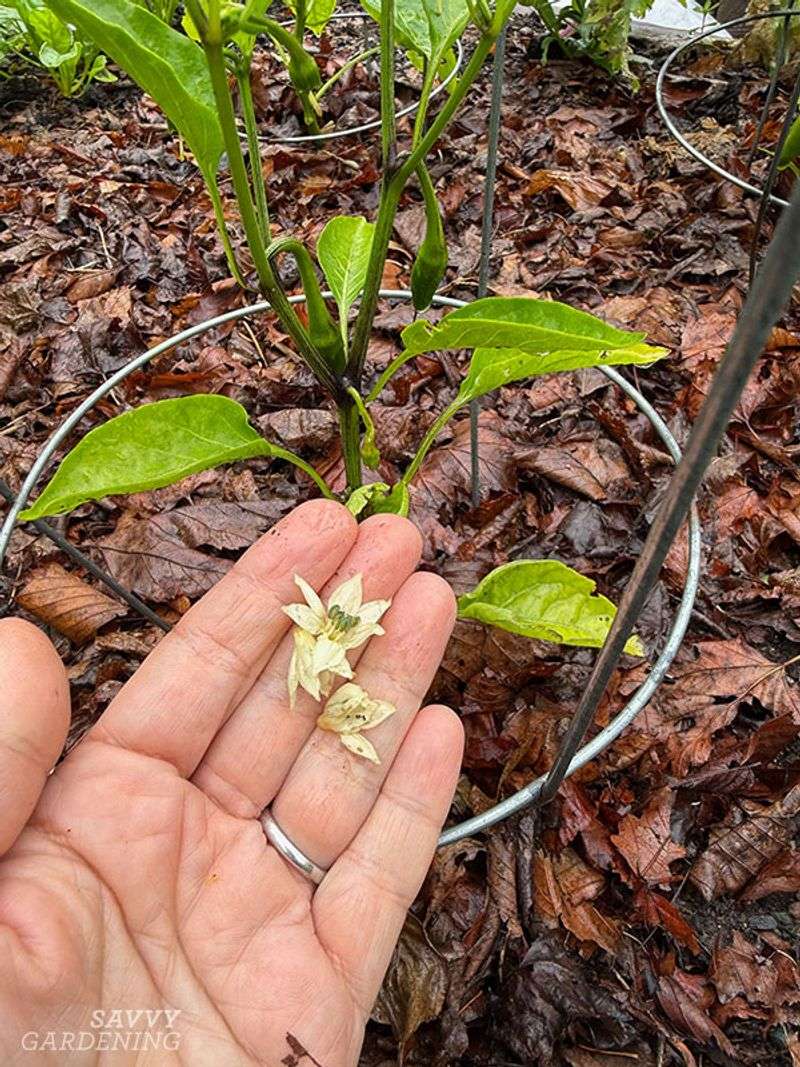
Several popular remedies circulate every summer among gardeners watching their pepper flowers drop, and some of them do more to reassure than to actually help. Knowing what each intervention can and cannot address keeps you from wasting effort or making the situation worse.
Peppers are generally self-fertile and mostly self-pollinating. UC IPM guidance on pollination in peppers notes that air movement and insects can help transfer pollen, but a shortage of bees is not the default explanation for poor fruit set.
Gently tapping or shaking a plant may help move pollen in a still, enclosed space like a greenhouse, but it cannot restore pollen that heat has already damaged. If the pollen is not viable, mechanical movement of it accomplishes nothing.
Adding nitrogen to an already leafy plant is counterproductive. Kansas State University guidance on tomato and pepper fruit set identifies excess nitrogen as a recognized contributor to poor blossom set, because the plant channels energy into foliage rather than reproduction.
Hold off on any high-nitrogen fertilizer until fruit is actively forming.
Fruit-setting hormones are sometimes suggested as a fix, but NC State Extension guidance on blossom drop makes clear that these products may help with low-temperature problems in some crops but do not solve high-temperature failure and can produce poor-quality or seedless fruit. Any plant-growth-regulator product must be legally labeled for peppers and used exactly as directed.
Misting flowers is sometimes mentioned as a cooling trick, but in the humid conditions common to Florida and much of Texas, prolonged wet foliage raises disease risk. Base watering, mulch, airflow, and temporary shade are more defensible choices for Southern gardeners.
Plan for recovery when conditions become favorable
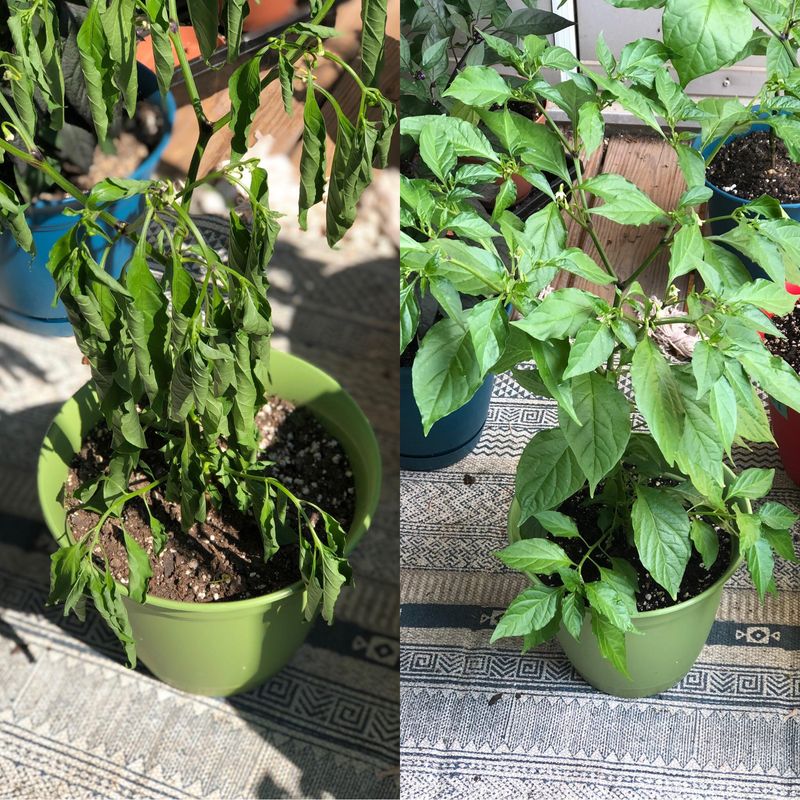
Shade cloth, mulch, and steady irrigation can reduce stress, but they cannot override prolonged extreme heat. Recovery for most pepper plants comes when nighttime and daytime temperatures moderate and the plant produces a new flush of flowers under conditions that allow fertilization and fruit retention to actually succeed.
Dropped flowers do not come back. The plant has to generate new ones, and those new flowers need to develop during a period when pollen quality and fertilization conditions are better.
Oklahoma State pepper production guidance frames recovery this way: when temperatures ease, plants that have been maintained through the heat often resume setting fruit on new growth relatively quickly.
Cultivar choice plays a real role in how this plays out from year to year. Genotype-level research on pepper heat tolerance documents substantial differences in how various pepper types respond to the same temperature conditions.
Small-fruited and hot pepper types often perform differently from some bell pepper varieties under extended heat, and a cultivar that struggles in your garden this August may be worth replacing next season with a locally recommended alternative.
UF/IFAS pepper guidance and Florida summer vegetable planting information both note that peppers in Florida can sometimes be replanted for a later production window, with timing varying by region. Texas gardeners should consult their local extension office rather than transferring Florida planting dates directly, since regional conditions, variety availability, and fall heat patterns differ meaningfully between the two states.
Use a simple checklist before changing course
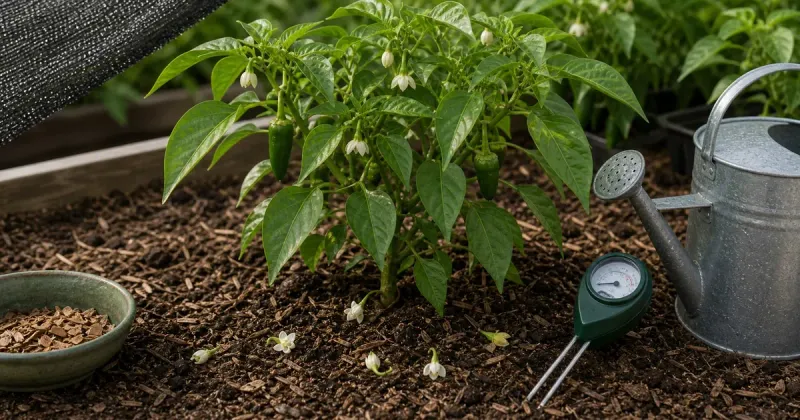
When pepper flowers keep dropping and no fruit forms, a short checklist gets you to the right response faster than guessing. Work through it before making any changes to your watering, feeding, or setup.
Check both nighttime lows and daytime highs over the past week or two, and note how long the heat has lasted. University of Maryland blossom and fruit-set guidance and Oklahoma State pepper production information both treat the full temperature pattern as the relevant measure, not a single overnight reading.
Then inspect the plant carefully for pest damage, disease symptoms, or signs of moisture stress before concluding that heat is the main driver.
Check soil moisture a few inches below the surface, not just at the top. If the root zone has been swinging between dry and waterlogged, even moisture is the first thing to correct.
New Mexico State guidance reinforces that water problems, wind, and nutrition issues belong on this list alongside heat. Hold off on nitrogen if foliage is already dense.
Apply 30% shade cloth during the worst heat, supported above the canopy, and remove it once conditions ease.
University of Delaware Extension heat-stress guidance reminds gardeners that no single intervention guarantees fruit set during extreme weather. Continued flowering is not a sign that the plant is failing – it means new opportunities are forming.
Watch for those new flowers to begin holding on as nights shorten and cool, and contact your local cooperative extension office if symptoms do not match what heat stress typically looks like in your area.