
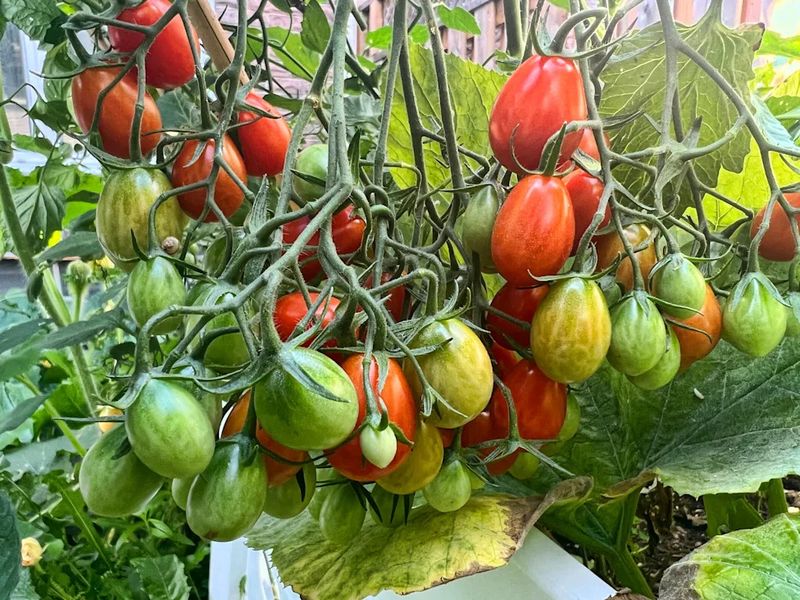
Something feels wrong when a tomato plant looks perfectly healthy but stops producing flowers or fruit in the middle of summer. Southern gardeners in Florida and Texas know this frustration well, watching lush green vines sit idle through weeks of brutal heat.
Several things can cause a tomato to stall, and sorting out which one is happening makes all the difference between a fix that works and one that makes things worse.
Start with the symptom, not the fertilizer bag
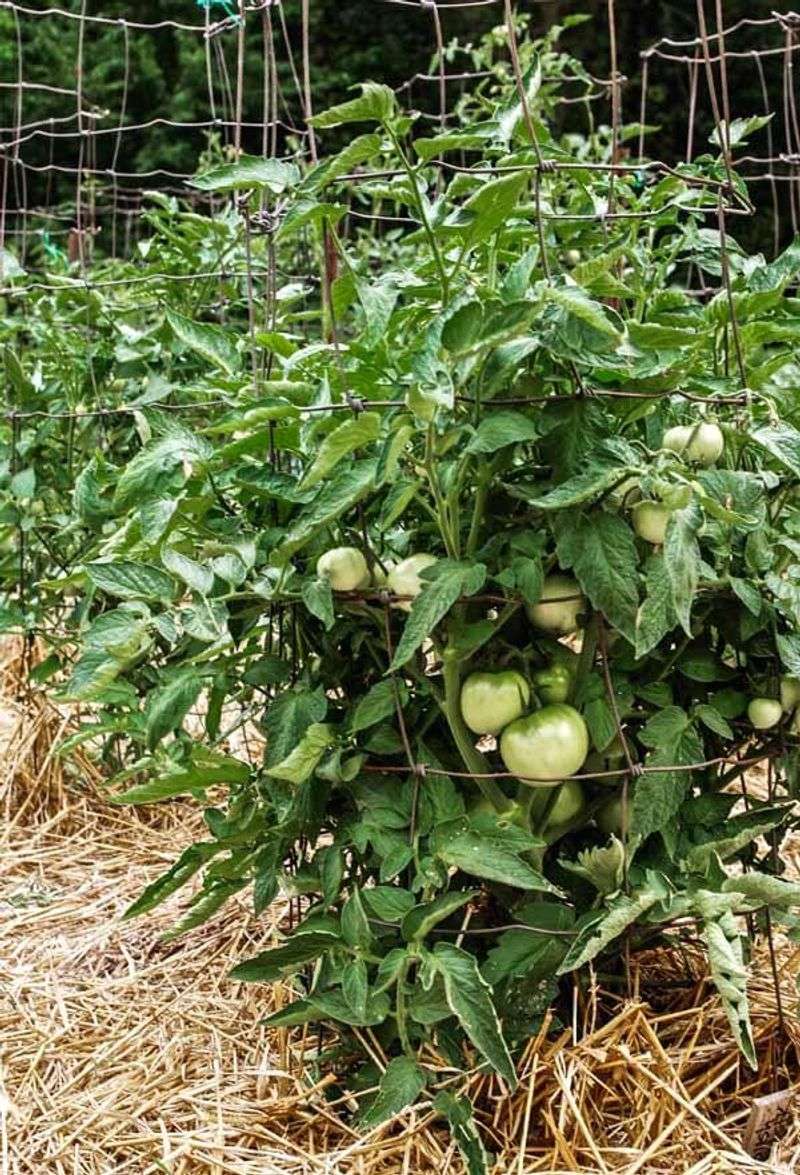
A tomato that goes quiet in late summer can show that silence in several ways. You might notice the plant looks full and vigorous but carries almost no flowers.
Blossoms might open and fall off before setting fruit, or the fruit that does appear stays small or develops a dark, leathery spot at the bottom.
Each of those symptoms points in a different direction. Dropped blossoms during a heat wave usually reflect something different from green fruit that refuses to ripen or from blossom-end rot appearing on otherwise normal-looking tomatoes.
Treating them all as the same problem often means applying the wrong fix, which can extend the stall rather than end it.
One pattern does stand out as worth investigating. According to Mississippi State University Extension, a large plant with dark green, leafy growth and few flowers or fruits can be a sign that nitrogen has gotten out of balance.
That combination, lush foliage paired with poor flowering, is a useful clue. Even so, heat, uneven moisture, cultivar limits, shade, and disease can produce a similar picture, so the goal at this stage is observation, not a quick trip to the fertilizer shelf.
Heat can block fruit set even when nutrition is adequate
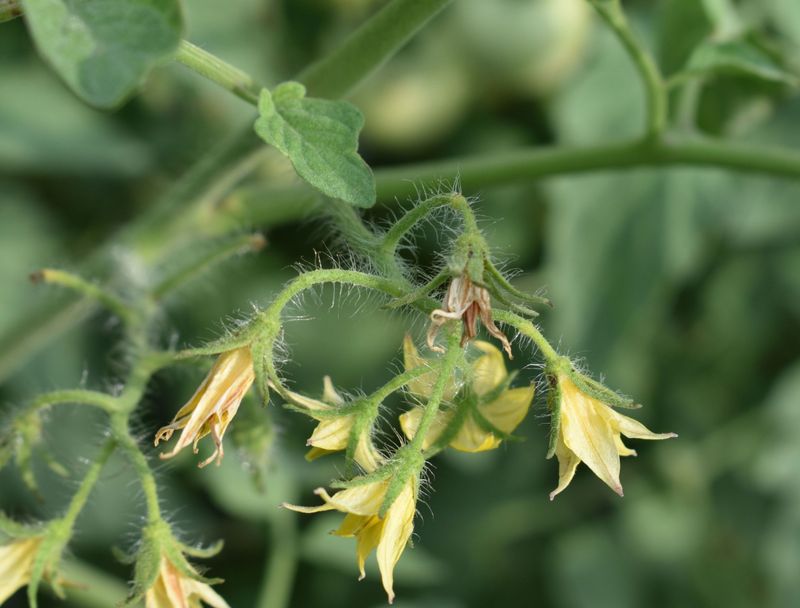
Before blaming the fertilizer bag, check the forecast history. High daytime heat is one of the most immediate reasons Southern tomatoes stop setting fruit, and it operates completely independently of what you have or have not fed the plant.
Tomato pollen becomes non-viable at high temperatures. Mississippi State University Extension identifies approximately 93 degrees Fahrenheit as a point where pollen sterilization can cause fruit development to fail.
Night temperatures matter too. When nights stay above roughly 70 degrees Fahrenheit, blossom drop can increase even if daytime highs are manageable.
These numbers are useful warning ranges rather than exact universal cutoffs, since cultivar and local conditions shift where the threshold falls for any individual plant.
Florida guidance from UF/IFAS specifically notes that extreme temperatures during bloom and fruit set can cause poor or no fruit set, particularly in cultivars that are not bred for hot-set conditions. Drought and salt stress can compound the problem by adding physical pressure to already heat-stressed blossoms.
Applying more fertilizer during this period cannot reverse pollen that heat has already damaged. Oklahoma State University Extension reports that blossom-set sprays have little effect on tomato set under high-temperature conditions, which means the fix has to address the stress, not the nutrient ledger.
Excess nitrogen can produce vines instead of tomatoes
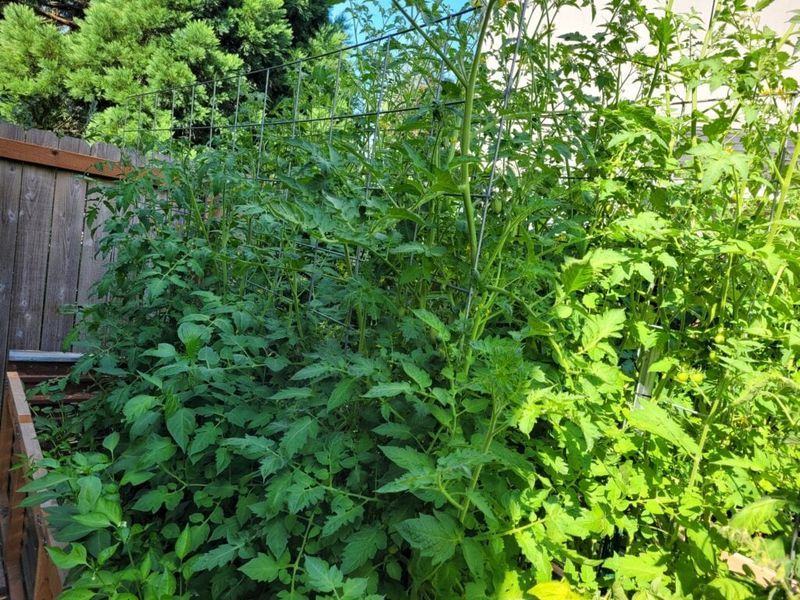
When the heat argument does not fully explain what you are seeing, and your plant is unusually dark green, dense, and leafy while producing very few flowers or fruits, excess nitrogen becomes a reasonable suspect. Texas A&M AgriLife describes heavily nitrogen-fertilized tomatoes as capable of producing all vines and no fruit, a pattern that results from the plant directing energy into vegetative growth rather than reproduction.
Too much nitrogen applied late in the season can delay or reduce fruiting. It can also raise salt levels in the root zone, which adds another layer of stress to plants that are already coping with summer heat.
University of Minnesota Extension notes that excess nitrogen late in the season can minimize or delay fruiting, a finding that applies to home gardeners who keep feeding on a fixed schedule regardless of how the plant is responding.
Dark foliage alone cannot prove nitrogen excess. A plant can look lush because of good soil, adequate water, or favorable genetics, not just because of over-feeding.
The diagnostic pattern that raises concern is the combination of exceptional leaf growth, deep green color, and a notable absence of flowers or fruit during a period when the plant should be productive. That combination, alongside a history of regular or heavy feeding, is what makes pausing high-nitrogen applications worth considering.
Pause unneeded high-nitrogen feeding first
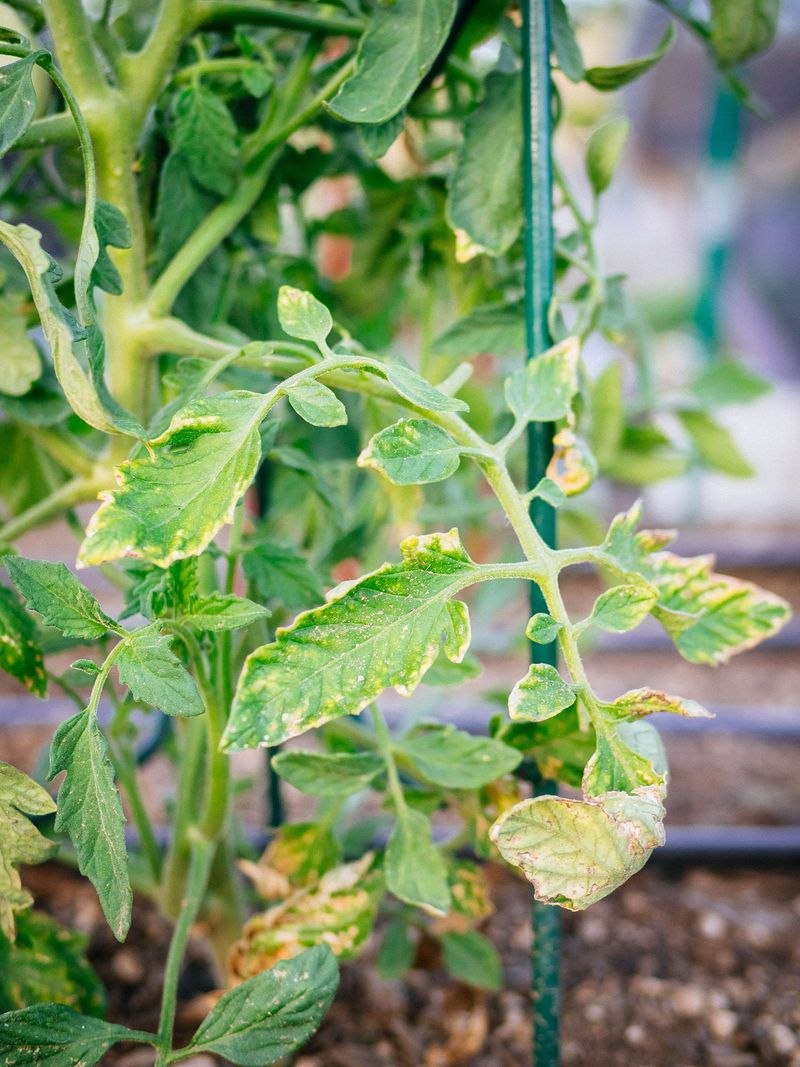
The safest first move for a heat-stressed tomato that is lush and producing little fruit is to stop adding high-nitrogen fertilizer until you understand what is actually happening. That pause is not a punishment for the plant; it is a way to avoid making a manageable situation worse while you gather better information.
Stopping unneeded high-nitrogen applications is different from cutting off all feeding forever. Tomatoes are heavy feeders, and plants in containers or sandy soils may genuinely need supplemental nutrients even during a heat stall.
The distinction that matters is between feeding that the plant actually needs and feeding that continues out of habit or anxiety. University of Minnesota Extension is clear that fertilizer decisions should be driven by soil-test results and visible deficiency patterns rather than a fixed schedule or a generic product label.
A soil test takes the guesswork out of resuming fertilizer. University of Georgia Cooperative Extension guidance reinforces that nutrient applications should match confirmed plant needs, not a product’s marketing claims.
A bag labeled “tomato food” with a high first number in the N-P-K ratio is not automatically the right choice for a plant that is already over-green and under-flowering. Wait for test results, watch for actual deficiency signs like yellowing in a specific pattern, and follow the product label when you do resume feeding.
Reduce heat and moisture stress while blossoms recover
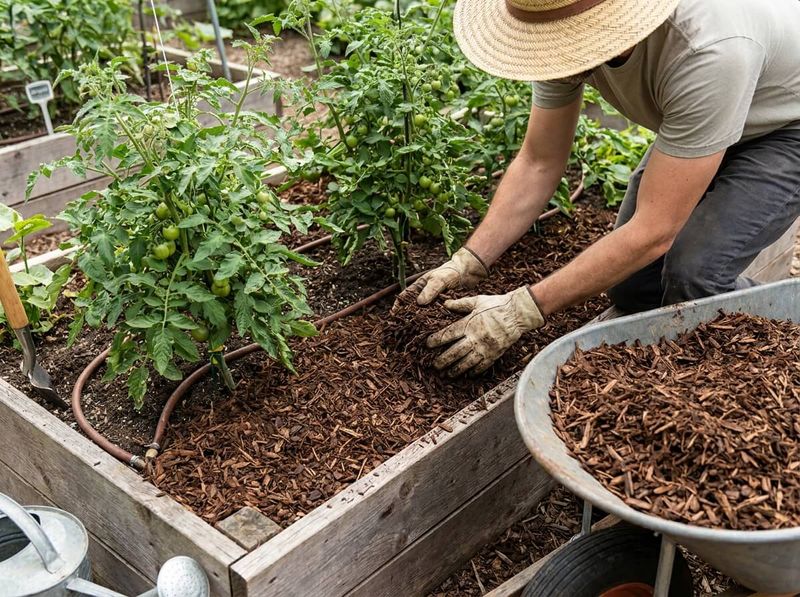
Fertilizer decisions matter, but the actions that most directly support a heat-stressed tomato are about water and protection, not nutrients. Keeping soil moisture relatively steady is the single most useful thing you can do during a summer stall.
Letting the root zone dry out severely and then flooding it with a heavy irrigation triggers its own set of problems, including blossom-end rot and fruit cracking, so consistent moderate watering beats irregular deep soaks.
Mulch is your best tool for maintaining that consistency. A few inches of organic mulch around the base of the plant slows evaporation, moderates soil temperature, and reduces the swings in moisture that stress roots during hot weather.
Texas A&M AgriLife Extension recommends mulch, adequate water, and heat-tolerant varieties as the primary response to blossom drop during hot, dry periods. University of Minnesota Extension also highlights consistent root-zone moisture as a key protective measure during heat stress.
Pruning deserves a word of caution here. Texas A&M AgriLife’s fall vegetable guide warns that heavy pruning during hot weather can contribute to leaf curl, and removing foliage also strips the shade that protects developing fruit from sunscald.
Hold off on aggressive trimming until temperatures moderate. These steps reduce plant stress and create better conditions for fruit set to resume, but they cannot force flowers to appear while daytime temperatures stay in the range where pollen becomes non-viable.
Match the treatment to the symptom
A tomato that has “slowed down” can mean several completely different things, and each one calls for a different response. Grouping them under one label leads to treatments that miss the actual problem.
Dropped or absent flowers during a heat spell most often reflect pollen failure from high temperatures, drought stress, or some combination of both. Excess nitrogen is worth considering if the plant is unusually lush, but heat is usually the more immediate driver.
Green fruit that takes a long time to color up is a separate issue: University of Minnesota Extension explains that high temperatures can delay pigment production in ripening tomatoes, which is not a sign of fertilizer deficiency. Small fruit, another common complaint in Southern summers, generally reflects heat stress and inadequate water rather than a missing nutrient.
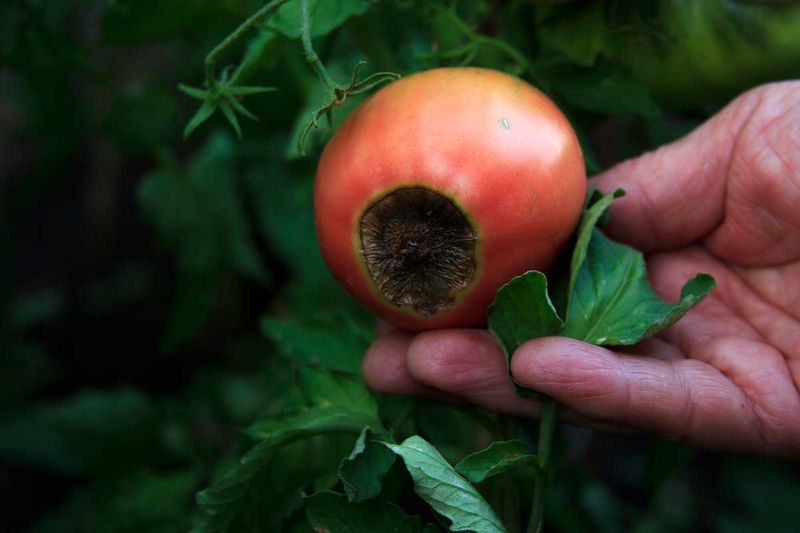
Blossom-end rot sits in its own category. University of Minnesota Extension explains that blossom-end rot involves calcium transport and inconsistent moisture, not necessarily a shortage of calcium in the soil.
University of Georgia Cooperative Extension reinforces that correcting watering consistency and protecting roots are more reliable responses than adding calcium amendments. Seeing blossom-end rot does not mean the soil is deficient; it more often means the roots could not move available calcium to the fruit because of moisture swings.
Matching the right response to the right symptom keeps you from adding nutrients that will not help and may create new imbalances.
Avoid untested bloom and blossom-end-rot remedies
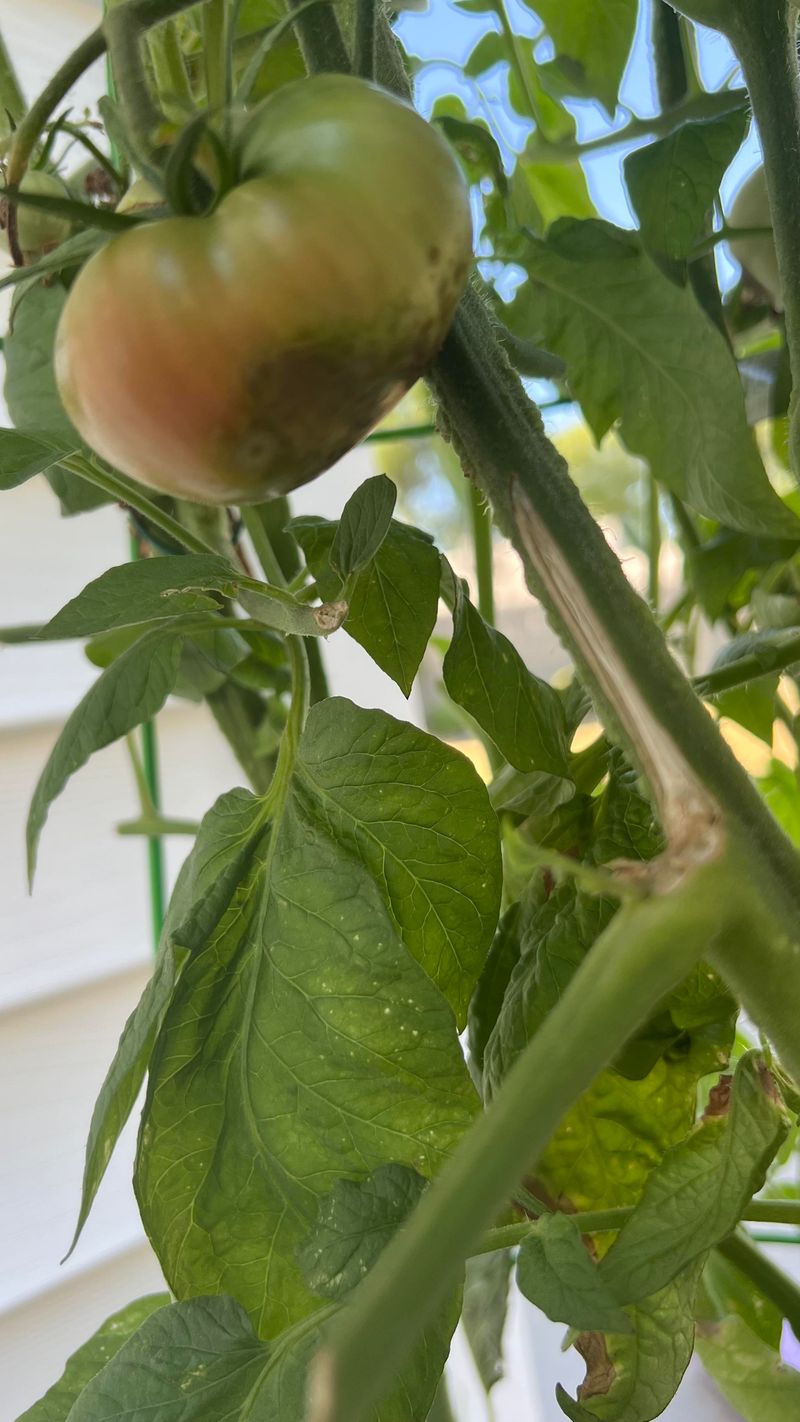
When tomatoes struggle, the impulse to reach for something, anything, is understandable. But several popular fixes circulating in gardening communities do not have solid support for the problems they are supposed to solve, and some can create new complications.
Phosphorus, potassium, and calcium are not universal rescue nutrients. University of Minnesota Extension is direct: nutrient applications should be based on soil-test results and confirmed plant needs, not on a general assumption that more is better.
A high-phosphorus bloom booster will not reverse flower abortion caused by heat-sterilized pollen. Adding potassium without knowing your soil’s current levels risks creating imbalances with other nutrients.
Epsom salts and eggshells come up frequently in home-garden advice, but University of Minnesota Extension’s guidance on common soil health home remedies is clear: Epsom salts do not prevent blossom-end rot or increase tomato productivity unless a magnesium deficiency has been confirmed, and excess magnesium can interfere with calcium uptake. Eggshells decompose too slowly to address an active problem.
Calcium sprays often perform poorly for blossom-end rot because calcium does not move efficiently through the plant to reach developing fruit.
Blossom-set sprays fall into a similar category. Oklahoma State University Extension reports that these sprays have little effect during high-temperature conditions.
Stable watering, mulch, and a soil test before adding any amendment are the more defensible starting points when something goes wrong.
Let cooler conditions and regional planning improve the next crop
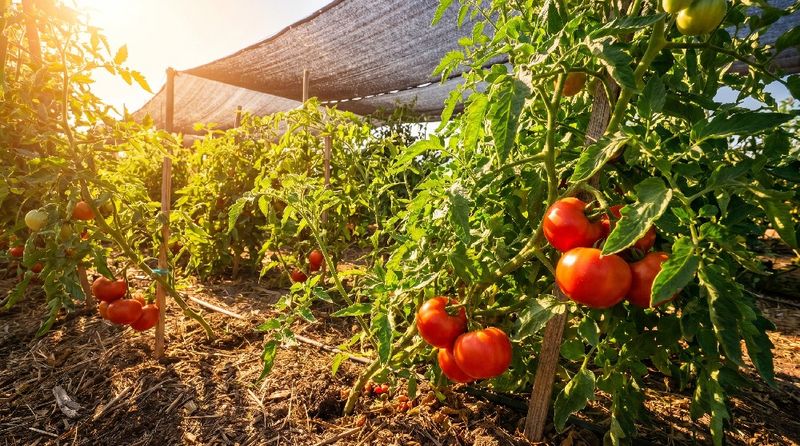
Fruit set often improves on its own as temperatures begin to moderate in early fall, even without any change in feeding. Giving the plant stable moisture and protection during the hottest weeks keeps it healthy enough to take advantage of that window when it arrives.
For Florida gardeners, the timing of that window depends heavily on location and cultivar. UF/IFAS guidance notes that tomatoes transplanted in July or early August in north Florida will likely need a heat-tolerant hot-set type to have any realistic chance of setting fruit during summer heat.
Heirlooms and many standard varieties generally perform poorly under those conditions, no matter how well you feed them. That is a cultivar decision made at planting time, not something fertilizer can compensate for later.
Texas gardeners work with a different calendar. Texas A&M AgriLife’s fall vegetable guide describes fall planting as a way to move fruit set into more favorable temperatures, which is a timing strategy rather than a nutrient strategy.
Neither the Florida nor the Texas example should be taken as a universal rule for the entire South. The action sequence that applies broadly is this: identify which symptom you are actually seeing, stop any unneeded high-nitrogen feeding, stabilize root-zone moisture with mulch and consistent irrigation, protect foliage from aggressive pruning, and run a soil test before adding any nutrient.
A tomato that gets through the heat with its roots and leaves intact is already positioned to finish the season well.