
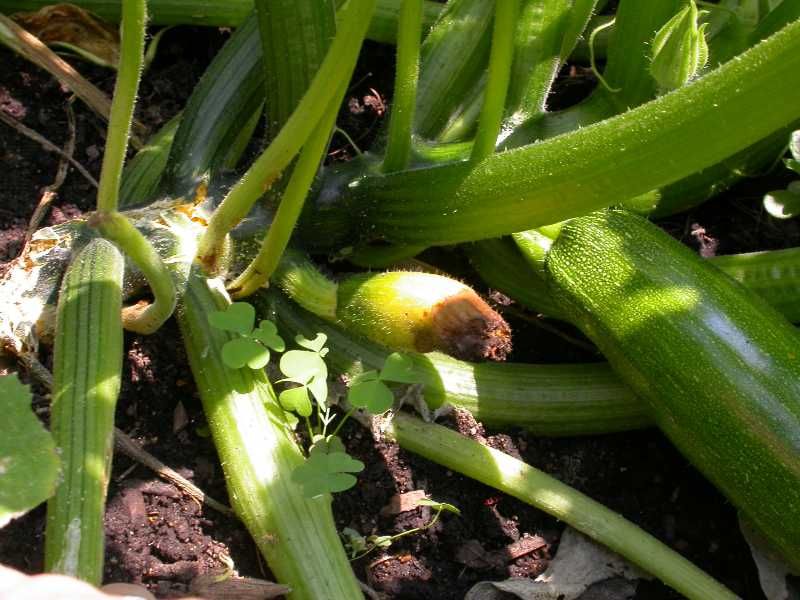
Watching a tiny zucchini turn yellow and mushy at the tip is one of the more frustrating moments in a summer garden. Many gardeners assume the heat is to blame, or that the soil is missing something, and reach for a quick fix that may not match the actual problem.
Before you change your watering schedule or add anything to the soil, the first step is figuring out what you are actually looking at. A rotting tip can mean several different things, and treating the wrong cause rarely helps the next fruit.
A rotting tip is a symptom, not a diagnosis
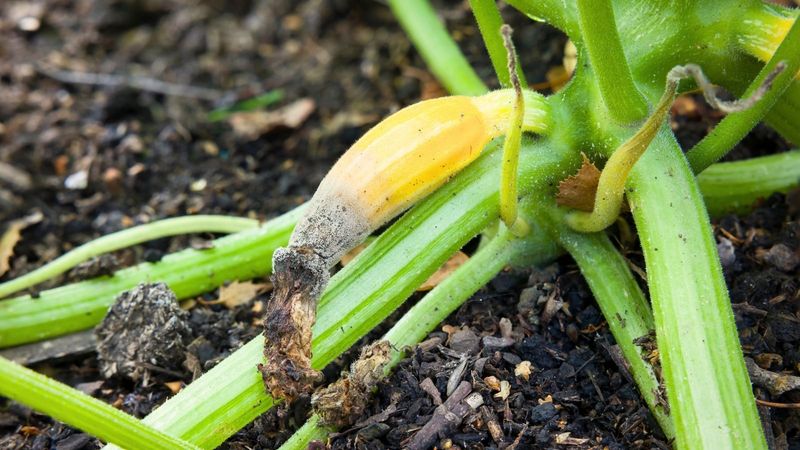
Rot at the blossom end of a zucchini tells you where the damage is, not what caused it. Before choosing any treatment, look closely at the fruit and match what you see to a specific pattern.
The location alone is not enough information to act on.
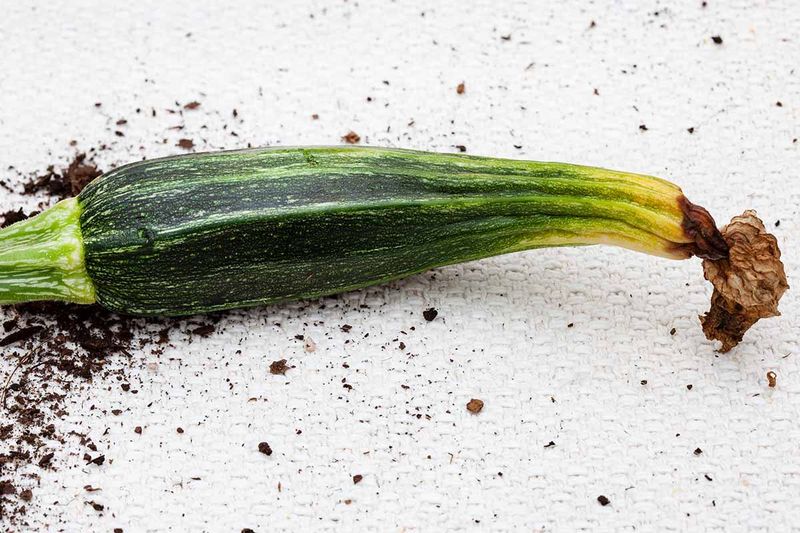
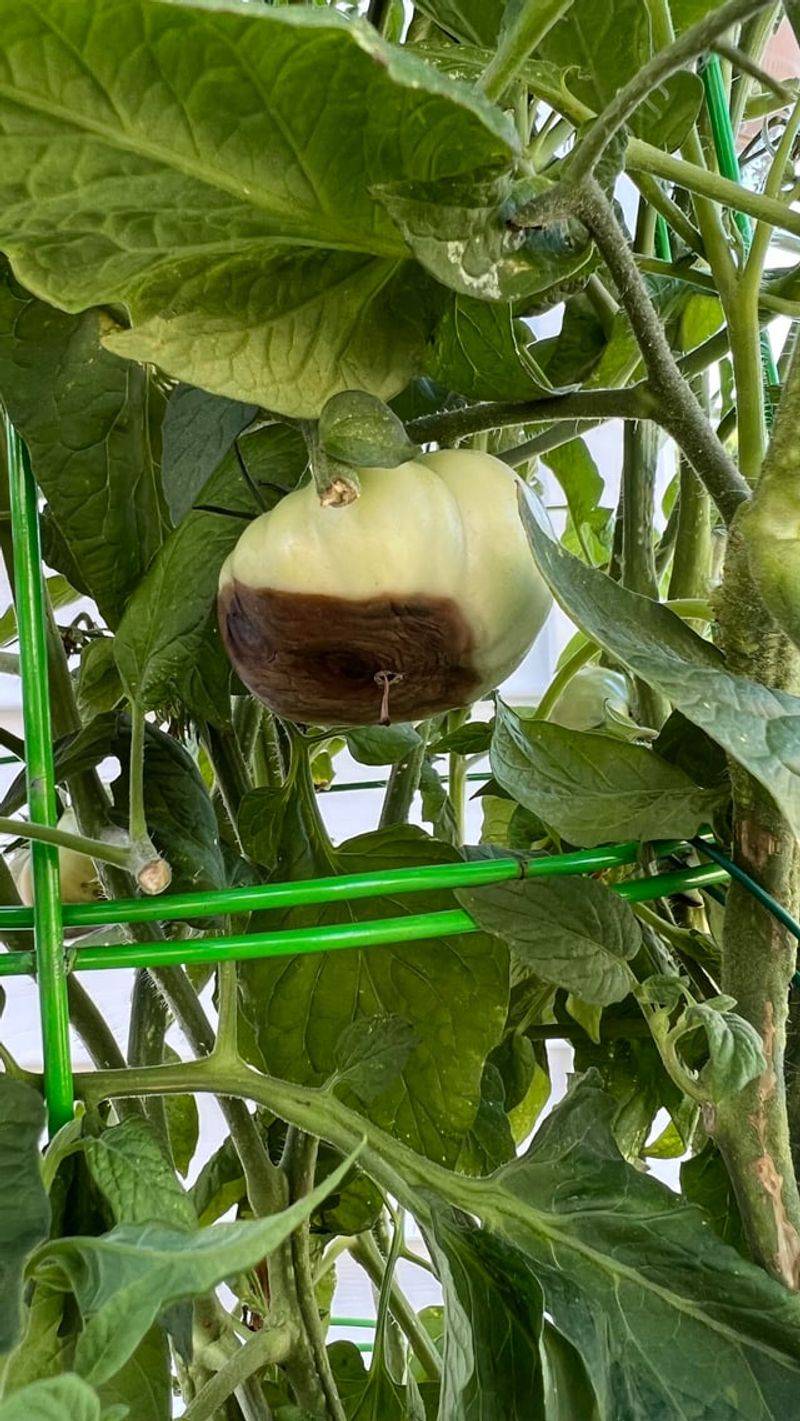
Classic blossom-end rot follows a recognizable sequence. According to Utah State University Extension guidance on blossom-end rot, the lesion typically starts as a water-soaked, tan or light-brown spot at the blossom end of the fruit, then progresses into a dark, sunken, dry, and leathery patch.
That texture and color progression is what distinguishes it from other problems.
A tiny zucchini that simply yellows, goes soft all over, or shrivels without any dry or leathery tissue does not fit that pattern. Those fruits may have failed to develop for a completely different reason.
Soft, watery rot with fuzzy growth points toward a fungal problem like Choanephora wet rot, which thrives in prolonged wet conditions and has nothing to do with water stress or calcium.
Small zucchini that yellow and collapse without any lesion at all may reflect poor pollination rather than a physiological disorder, as noted in Oregon State Extension guidance on growing zucchini. The rest of this article focuses on blossom-end rot specifically, but only when the lesion actually matches the classic description above.
How water movement affects calcium delivery
Developing zucchini fruit needs calcium to build healthy cell walls, and calcium travels through the plant primarily with water moving up through the xylem. Once calcium reaches plant tissue and gets deposited there, it becomes relatively immobile and cannot be redistributed elsewhere.
That one-way movement is at the center of why blossom-end rot happens.
Leaves transpire heavily and pull a large share of the water moving up through the plant. Because calcium rides along with that water flow, leaves tend to receive more calcium than the developing fruit, which transpires far less.
University of Wisconsin Extension explains that this competition for calcium-carrying water is why fruit can suffer even when soil calcium levels appear adequate. The problem is delivery, not necessarily supply.
Anything that interrupts water uptake at the roots – drought, waterlogged soil, damaged roots, or salt buildup – can reduce the flow of calcium-carrying water reaching the fruit. University of Minnesota Extension notes that inconsistent soil moisture is a common contributing factor, not a deficiency of calcium in the soil itself.
Research published in a peer-reviewed plant physiology study and reviewed in a journal analysis of blossom-end rot mechanisms suggests that calcium depletion in fruit tissue may sometimes be a consequence of cell stress rather than its only initiating cause. Treat this water-and-calcium model as a practical framework for management decisions, not a guaranteed explanation for every case.
What hot August weather can—and cannot—tell you
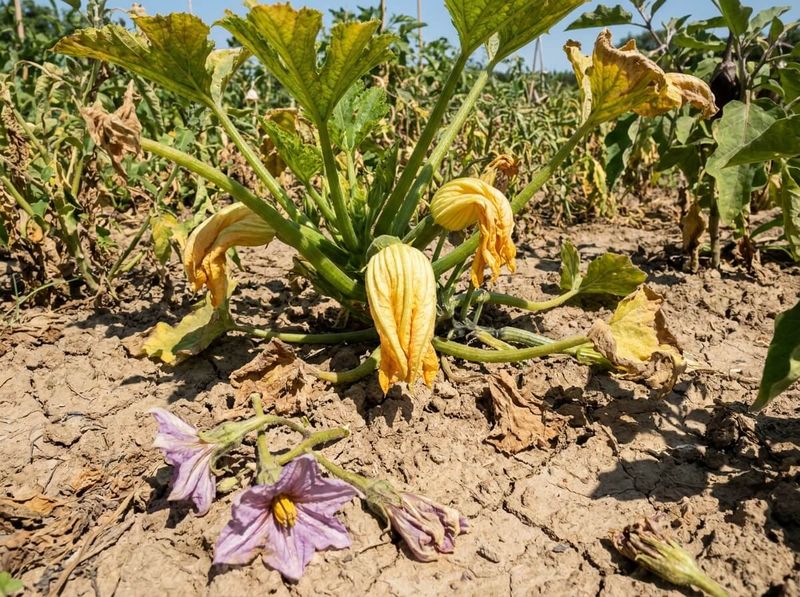
August heat raises water demand across the whole plant. When the soil cannot keep up – because it dried out between waterings, or because roots are stressed – the flow of calcium-carrying water to developing fruit slows down.
That sequence can set the stage for blossom-end rot, but heat itself is not the cause, and seeing symptoms in August does not mean heat is the explanation.
Hot, windy days also accelerate fruit development, which means cells are dividing rapidly and need steady calcium delivery precisely when the plant is most stressed. UW-Madison Extension and University of Georgia Extension both note that blossom-end rot risk increases when dry-to-wet swings in the root zone occur during fruit set.
Letting soil dry out and then flooding it is more disruptive than a steady dry spell.
Other contributors have nothing to do with summer temperatures. Waterlogged or cold soil, compacted ground, root injury from cultivation, excessive nitrogen fertilizer pushing rapid vegetative growth, and high concentrations of competing salts like ammonium, potassium, or magnesium can all limit calcium uptake.
Utah State University Extension lists several of these non-heat factors alongside drought as recognized contributors.
Prolonged wet weather during August can produce a completely different problem. Soft, watery fruit with fuzzy growth after rainy stretches points toward Choanephora rot or another fungal disorder, not a hidden root-zone stress.
Hot and humid conditions together can favor both water stress and fungal disease, which is why the fruit’s appearance matters more than the calendar date.
Check the root zone before changing your watering routine
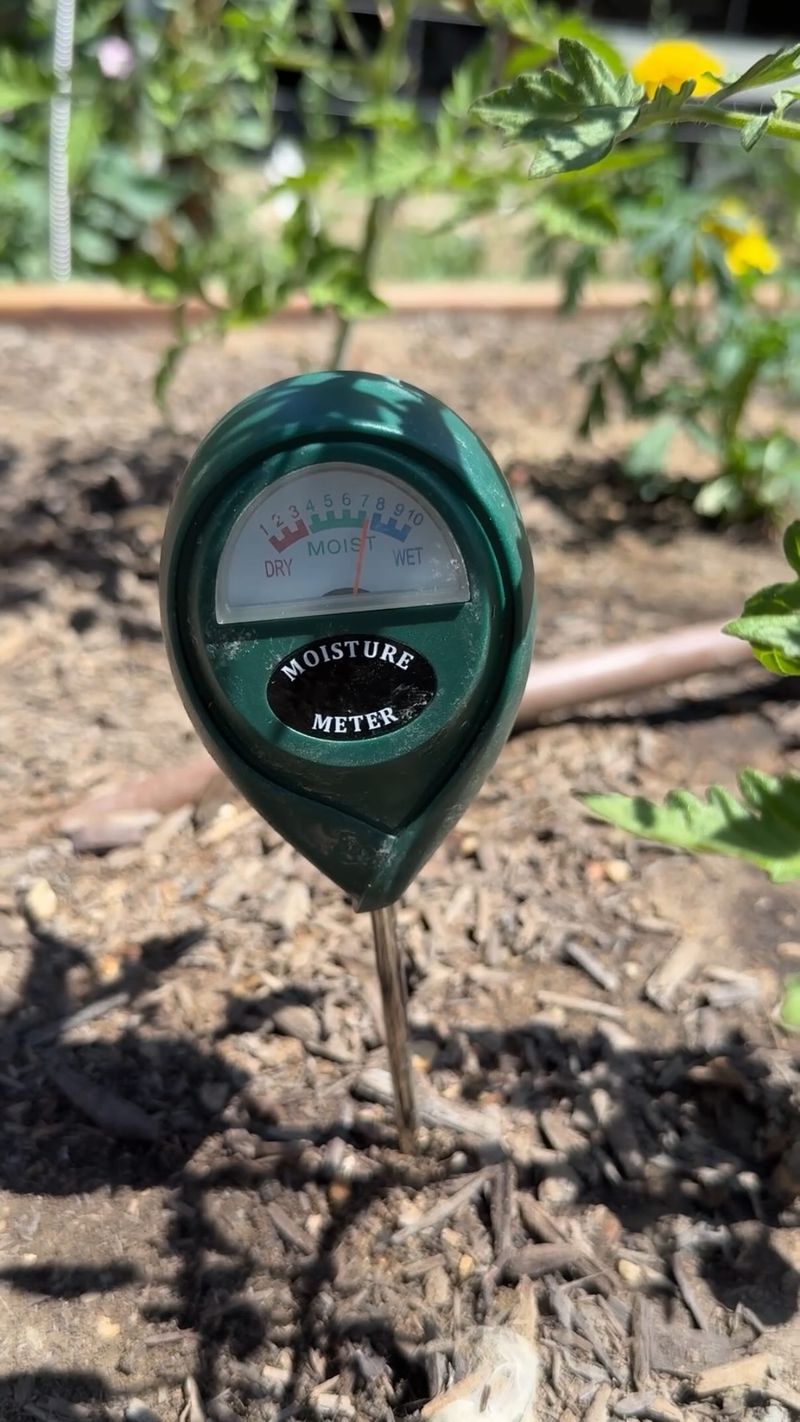
Adjusting irrigation without checking what the soil is actually doing can make things worse. Sandy soil drains fast and may need water every day or two during a heat wave, while heavy clay holds moisture much longer and can stay wet enough to damage roots even when the surface looks dry.
A container-grown zucchini in a small pot can dry out within hours on a hot afternoon.
University of Minnesota Extension advises watering when soil feels dry about 2 inches below the surface. Oregon State Extension recommends keeping soil moist but not saturated at roughly 4 inches below the surface for summer squash.
Push a finger or a wooden dowel into the soil near the root zone and check the actual moisture before reaching for the hose.
The target is moist, well-drained soil rather than constant wetness. Overwatering is as damaging as drought because saturated soil drives out oxygen, stresses roots, and can prevent calcium uptake just as effectively as dry conditions.
Utah State University Extension notes that a practical baseline for summer squash is roughly 1 to 2 inches of water per week from rain and irrigation combined, but that figure needs adjustment for your specific conditions. Drainage, plant size, wind exposure, and current temperatures all change how often the plant actually needs water, and a Penn State Extension guide to drip irrigation timing illustrates how much those variables can shift the math.
Keep moisture steady for the next flush of fruit
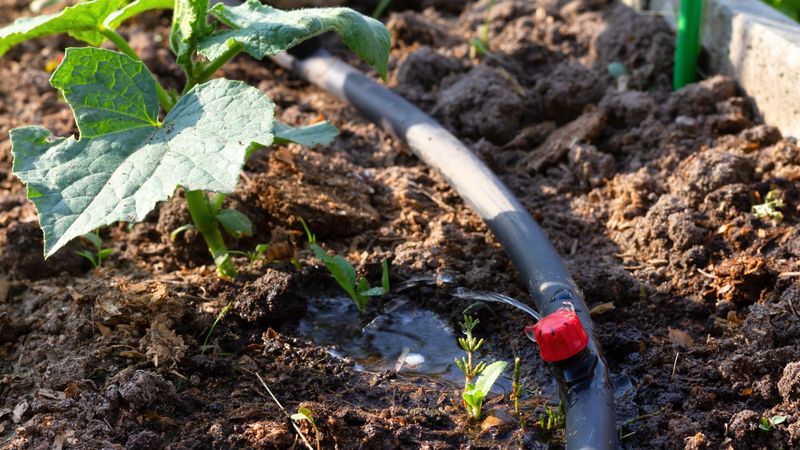
Steady moisture during flowering and fruit development is the most practical step a home gardener can take to reduce blossom-end rot risk. Water deeply enough to reach the active root zone rather than applying frequent shallow sprinkles that wet only the top inch or two of soil.
Shallow watering encourages shallow roots, which are far more vulnerable to heat and drying.
Oregon State Extension recommends watering at the soil surface rather than overhead to reduce leaf wetness, and using drip or soaker irrigation when practical. Wet foliage and flowers invite fungal problems like Choanephora rot, which overhead sprinklers can encourage.
A soaker hose or drip line puts water where roots can use it and keeps the canopy dry.
Mulch is a reliable partner for steady moisture. A 2- to 3-inch layer of straw, wood chips, or shredded leaves over the root zone slows evaporation and buffers the soil against rapid temperature swings.
University of Minnesota Extension and Utah State University Extension both recommend mulching around vegetable plants, with one consistent caution: keep mulch a few inches away from the crown and stem to avoid trapping moisture against the base and creating conditions for rot.
Correcting moisture going forward protects the fruit that is still developing. According to Oregon State Extension’s vegetable gardening guide, tissue that has already been damaged by blossom-end rot cannot recover regardless of what you do to the soil afterward.
The goal of better watering is the next set of fruit, not the ones already showing lesions.
Do not reach for calcium remedies automatically
Eggshells, Epsom salts, lime, gypsum, and foliar calcium sprays are among the most commonly suggested home remedies for blossom-end rot. Most of them are either ineffective for the current fruit, potentially counterproductive, or simply untested for your specific soil.
Reaching for them without evidence of an actual soil problem can delay the changes that actually help.
University of Minnesota Extension explains that eggshell calcium breaks down slowly in soil, far too slowly to help fruit already showing symptoms. The same source notes that Epsom salts supply magnesium, not calcium, and that excess magnesium can compete with calcium at root uptake sites, potentially making the problem worse rather than better.
Foliar calcium sprays attract attention because they seem direct, but University of Illinois Extension and UW-Madison Extension both note that calcium moves poorly through leaf tissue into developing fruit. Spraying leaves does not reliably deliver calcium where it is needed.
Some commercial production guides discuss foliar calcium as a supplemental measure under specific documented conditions, but for a home garden, consistent moisture and healthy roots are the more reliable path.
Lime and gypsum can raise soil calcium and adjust pH, but Utah State University Extension guidance on soil preparation and University of Georgia Extension recommend a soil test before adding either. Many garden soils already contain adequate calcium.
Adding more without testing can shift pH or nutrient ratios in ways that create new problems.
Tiny yellow squash may have failed to pollinate
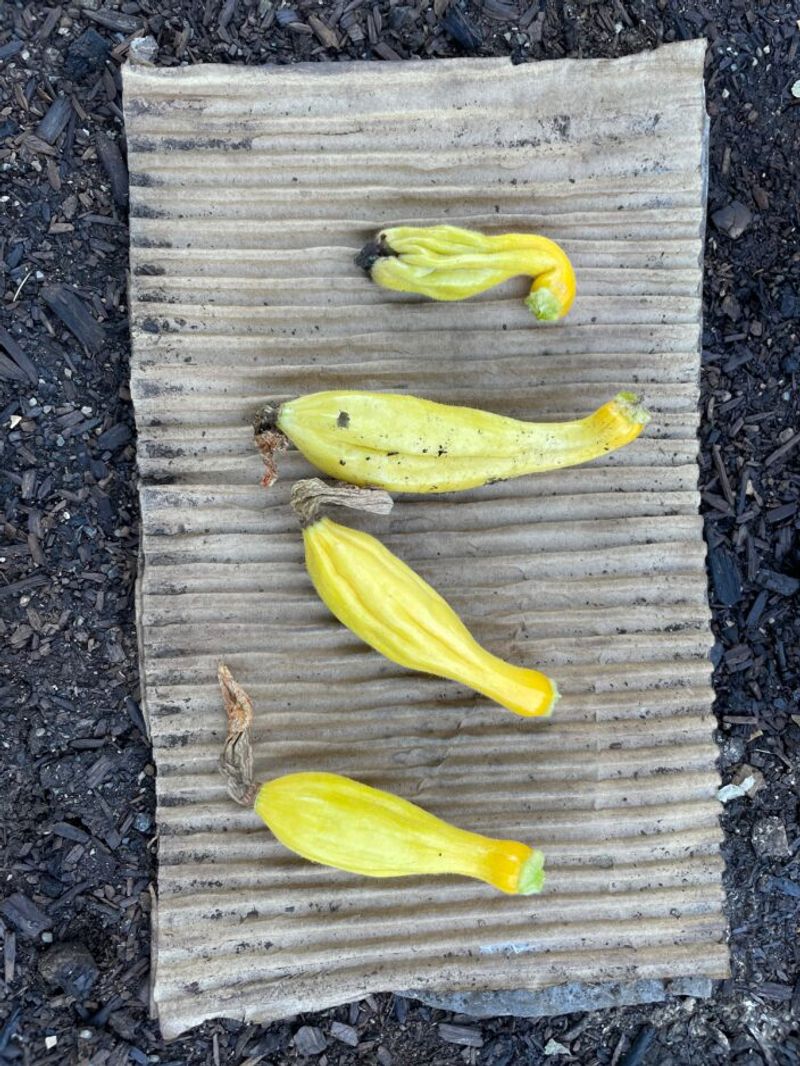
Not every baby zucchini that yellows and stops growing is suffering from blossom-end rot. Many of them never had a chance to develop because the flower was not adequately pollinated.
Knowing the difference saves time and prevents unnecessary changes to watering or soil management.
Zucchini requires insect transfer of pollen from a male flower to a female flower for the fruit to develop. When that transfer is incomplete or does not happen, the tiny fruit behind the female flower typically stays small, turns yellow, becomes soft, and drops off or shrivels on the vine.
According to University of Minnesota Extension’s guide to growing summer squash, poor pollination is a common reason for early fruit failure, especially during the first flush of the season when male and female flowers may not open at the same time.
A few practical clues help separate pollination failure from blossom-end rot. Fruit that fails from poor pollination often collapses entirely and does not develop a dry, leathery lesion at the tip.
The fruit may also look misshapen or stay very small before yellowing. Oregon State Extension notes that reduced bee activity during very hot weather or early morning can also limit pollination success.
When insect activity seems low, hand-pollination is a straightforward option. Use a small brush or a male flower to transfer pollen directly to the center of an open female flower.
University of Minnesota Extension’s vining vegetable guide describes hand-pollination as a practical tool when natural pollination is unreliable.
Fuzzy, watery, or ground-level rot needs a different response
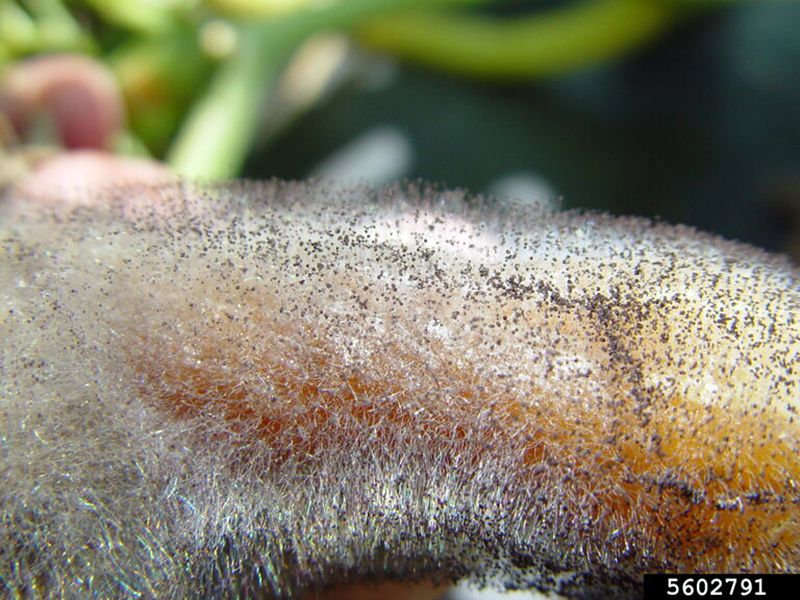
Some rotting zucchini look nothing like blossom-end rot, and applying a BER response to a fungal or soil-contact problem will not help. Matching the treatment to what you actually see is the fastest way to protect the rest of the plant.
Soft, watery rot with white, gray, or purplish-black fuzzy growth on the fruit surface is a strong visual signal pointing toward Choanephora wet rot, a fungal disease that infects zucchini flowers and young fruit during periods of prolonged wet weather. The fuzz is fungal sporulation, not a BER lesion.
Choanephora rot is favored by high humidity, overhead irrigation, and crowded plant spacing that slows air circulation. Reducing leaf wetness and improving airflow are more relevant responses than adjusting calcium or soil moisture for BER.
Rot that appears where the fruit rests on the soil, cottony white growth at the base of the plant, or sudden wilting despite moist soil suggests a different group of problems. Utah State University Extension’s Pythium guide describes how Pythium fruit rot and root rot can cause collapse and decay in cucurbits, often in wet or poorly drained conditions.
These soil-associated diseases require attention to drainage and plant spacing rather than calcium management.
Insect feeding damage on fruit can also create entry points for secondary rot organisms, producing soft spots and decay that look superficially similar to BER. The University of Minnesota’s summer squash fruit-rot diagnostic tool walks through several possible causes based on symptom appearance.
When the pattern does not match a dry, sunken, leathery lesion at the blossom end, a different diagnosis and a different response are needed.
Remove damaged fruit and judge the next ones
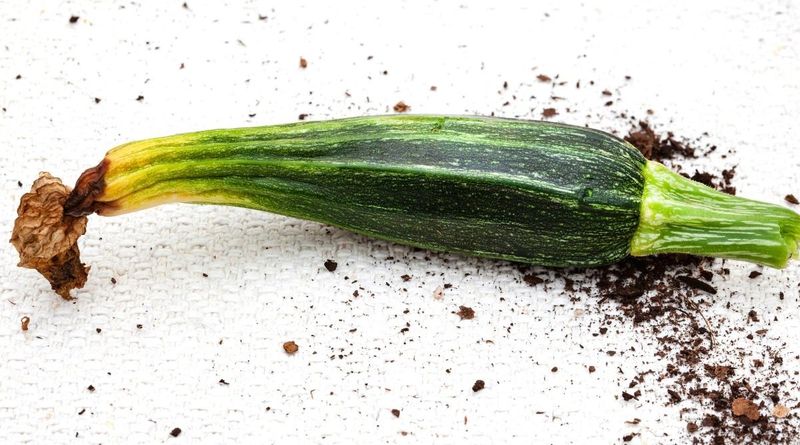
Severely affected, visibly rotten, or moldy zucchini should come off the plant. Damaged tissue cannot recover regardless of what is done to the soil or water supply, and leaving decaying fruit on the vine invites secondary bacteria and fungi to colonize it and potentially spread to healthy plant parts.
Remove those fruits cleanly and discard them rather than composting heavily moldy material.
A small, localized blossom-end lesion that is dry, firm, and confined to the tip does not automatically make the rest of the fruit unsafe. UW-Madison Extension and Utah State University Extension both note that BER is not an infectious disease and does not spread from fruit to fruit.
However, visibly rotten or heavily moldy fruit should be discarded rather than salvaged.
After removing problem fruit, shift attention to the plants still setting new zucchini. Check soil moisture below the surface, confirm drainage is working, keep mulch away from the crown, and hold off on any nutrient additions unless a soil test supports them.
University of Minnesota Extension guidance on tomato and squash disorders reinforces that steady, even moisture going forward is the most reliable way to protect developing fruit. Monitor new fruit over the next week or two – if the characteristic dark, sunken lesion stops appearing, the plant’s root zone is likely stabilizing.
A garden that stops losing fruit to blossom-end rot is not one that was cured; it is one whose conditions finally caught up with what the plant needed all along.