
Some winter nights in Central Texas, a rough, raspy scream drifts over the yard near the shed. It might be a barn owl, a ghostly hunter that eats small mammals.
That does not mean your shed is safe from rats, though. Here is what a night caller can and cannot tell you, and what to do about rodents yourself.
A winter scream is a clue, not proof of a barn owl
Hear a long, harsh shriek after dark and your mind may jump straight to a horror movie. One real possibility is the American Barn Owl.
Cornell’s Lab of Ornithology describes the barn owl’s call as a long, harsh scream, nothing like the soft hooting people expect from owls.
Barn owls are a reasonable guess for Texas. According to the Texas Breeding Bird Atlas, they live in Texas year-round across much of the state.
They use open habitats from farmland to towns and cities, and some roost in Texas during winter.
Still, a raspy sound alone is only a clue. Other animals make strange noises at night too, and a scream by itself cannot name the caller.
To be confident, you need a sighting or a recording that you can compare with reference calls.
Try this on the next calm evening. Record the sound on your phone from the same spot, note the time, and look up toward the roofline, tree limbs, and fence posts with a dim flashlight.
A pale, heart-shaped face or ghostly white underside gliding by is a strong hint. Without that, call it a possible barn owl and keep listening.
Treating the sound as a maybe keeps you curious instead of certain. It also sets up the real question for anyone with a shed or garage: if an owl is out there, what does it actually mean for your rodents?
Texas barn owls hunt small mammals, including rodents
Barn owls are hunters of small mammals, which is why folks with sheds and garages pay attention to them. A north-central Texas pellet study looked at the coughed-up remains of owl meals.
Every identified prey item in its sample was a small mammal, mostly rodents, and hispid cotton rats were the most common.
That result describes one study site and the animals living there. It tells us barn owls in that Texas habitat were eating rodents.
It does not tell us what an owl in your neighborhood eats.
Diets shift from place to place. The University of Florida’s barn owl overview describes different prey patterns in southern Florida, a good reminder that menus follow local wildlife.
Here is the catch for homeowners. A cotton rat is a field animal.
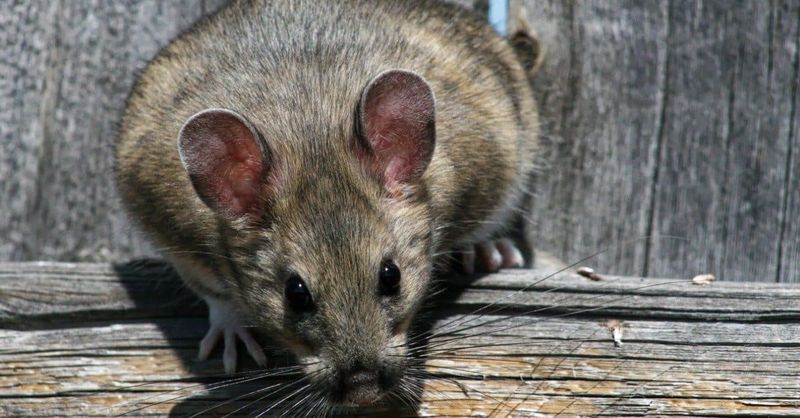
The Norway rats and roof rats that move into buildings are different species with different habits. Seeing the word rodent in a study does not mean an owl is taking the specific animals scratching in your shed.
So think of a barn owl as a hunter that likely takes rodents from the open ground around it. That is a nice bonus for a yard, but it is not a pest service with your address on it.
A nearby owl cannot promise a rat-free shed
An owl eating rodents somewhere is one claim. An owl clearing rodents from your shed is a much bigger one.
The owl’s hunting range may be a field, a ditch, or a pasture, and your shed may sit outside it or offer rats a safe indoor spot the owl cannot reach.
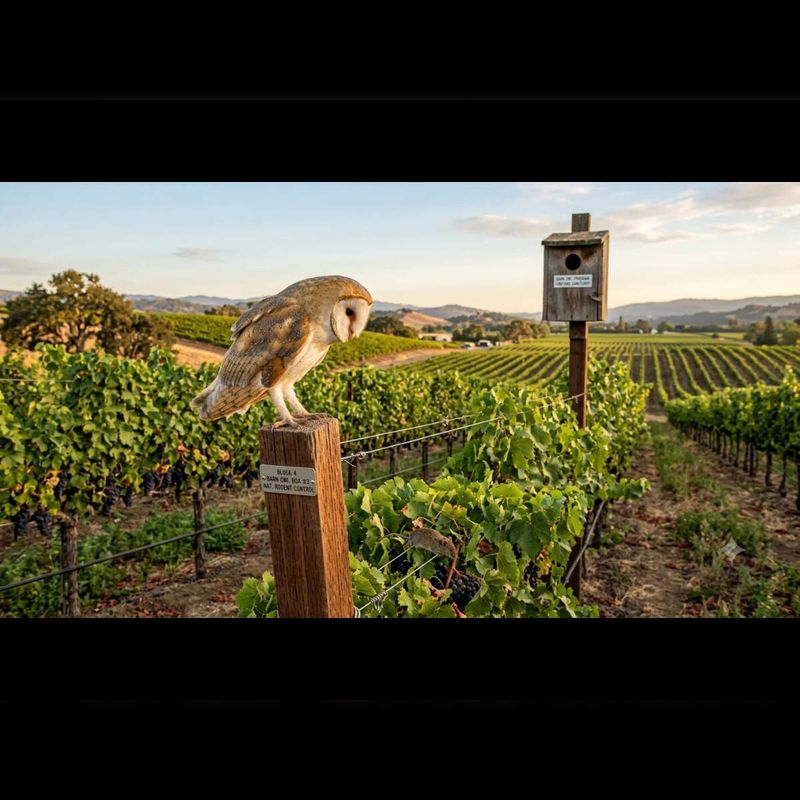
Vineyard research shows why results do not travel well. A 2026 Napa Valley study reported lower numbers of mostly deer mice under the hunting pressure it measured.
That finding belongs to that crop landscape and its mix of prey.
Other work was mixed. A 2022 vineyard study found gopher activity dropped on the site with owl boxes, mouse numbers fell without a clear box effect, and vole results were inconclusive.
Counting prey carried to chicks is another trap. One project estimated rodent deliveries to nestlings in vineyard boxes, but food brought to a nest does not prove the local rodent population shrank for good.
None of these studies looked at a Texas backyard. An owl hunting nearby is welcome company, yet your shed’s rat problem still depends on what you leave out and what you leave open.
Remove the food and access that keep rodents around
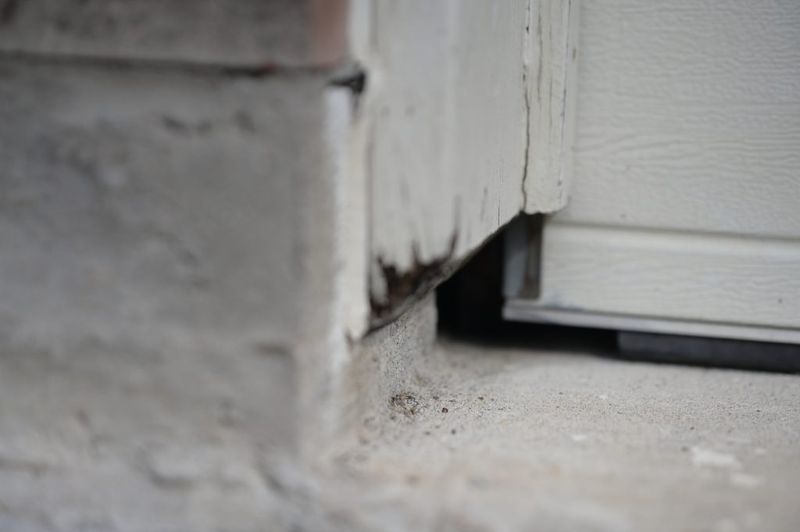
Rodents move in where there is food, water, and cover. Take those away and sealing the gaps, and the shed becomes a poor place to stay.
The EPA’s advice on identifying and preventing rodent infestations centers on removing food, water, and shelter.
Start with storage. Move grain, birdseed, pet food, and animal feed into tight metal or heavy plastic bins with lids.
Sweep up spilled seed, empty trash often, and fix drips that leave standing water.
Next, look at the building. CDC guidance on sealing up notes that a mouse can squeeze through a hole about as wide as a pencil.
Check door bottoms, vents, pipe openings, and the spots where walls meet the foundation, in sheds, garages, and other outbuildings.
Patch gaps with durable materials such as metal mesh, steel wool packed in tightly, or sealant, rather than anything a rodent can chew through. Trim brush and stacked wood back from walls so there is less hiding room.
Do not leave out seed or pile cover near the shed in hopes of luring an owl. That same buffet feeds rodents.
A tidy, closed-up shed is the better plan, and any owl hunting nearby still has plenty of open ground to work.
A nest box is an invitation, not a pest-control guarantee
A nest box can make sense if you have open ground nearby, a quiet spot, and a willingness to maintain it. It is an invitation only.
No box guarantees an owl will move in, and none guarantees fewer rodents.
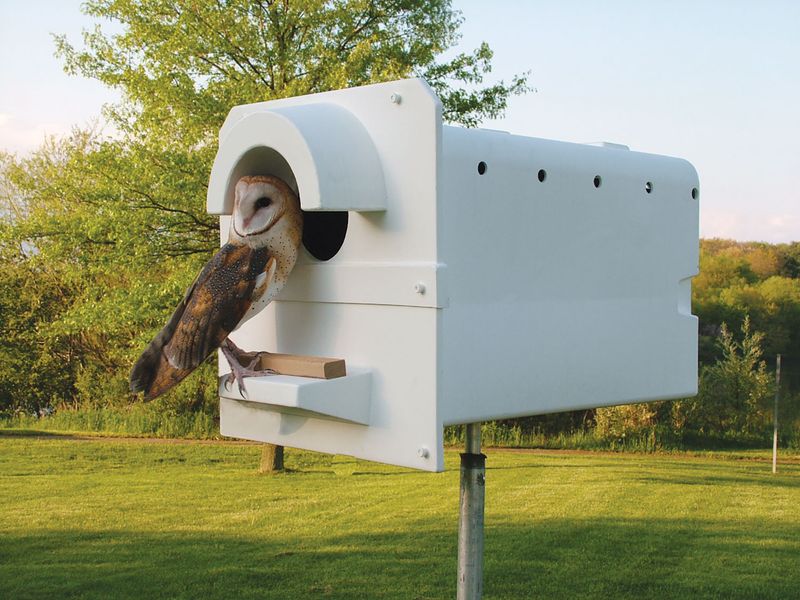
Texas Parks and Wildlife lists the numbers on its birdhouse page. Mount a barn owl box 12 to 18 feet high, with a 10-by-18-inch floor, a depth of 15 to 18 inches, and a 6-inch entrance.
Placement matters. Missouri Extension’s barn owl guide suggests quiet areas and putting off cleaning when a nesting female is present.
Skip any blanket winter cleaning schedule here. The Texas Breeding Bird Atlas notes barn owls can breed in more than one season, so a box that looks empty in January may not be.
If a box is occupied, keep your distance. Never handle owls, eggs, or young.
TPWD explains that wild birds native to or passing through Texas, along with their nests, eggs, and young, are protected by state and federal law.
Watch from a distance, and treat any tenants as wild neighbors, not equipment.
Manage an active infestation directly and let the owl remain a wild neighbor
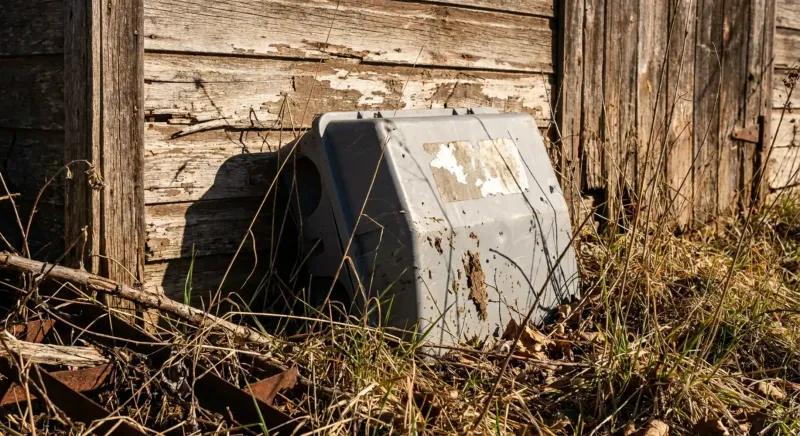
If you already hear scratching or see droppings in the shed, do not wait for an owl to fix it. CDC guidance on trapping rodents recommends snap traps placed where signs show up, such as along walls and near droppings.
Keep traps and any bait well away from children and pets.
The CDC treats poison or bait stations as an option for persistent infestations. If you go that route, follow the product label closely and use tamper-resistant stations as directed.
There is also a cost to wildlife. Rodenticides can expose predators that eat poisoned prey to secondary poisoning, and Missouri Extension suggests considering dropping toxic baits when you want to attract barn owls.
That makes trapping and sealing the gentler first choices.
So the plan is simple: close the gaps, cut off the food, trap what is inside, and then let the night take care of itself.
The scream over the yard may belong to a hunter working the dark fields, and your job is the shed door.