
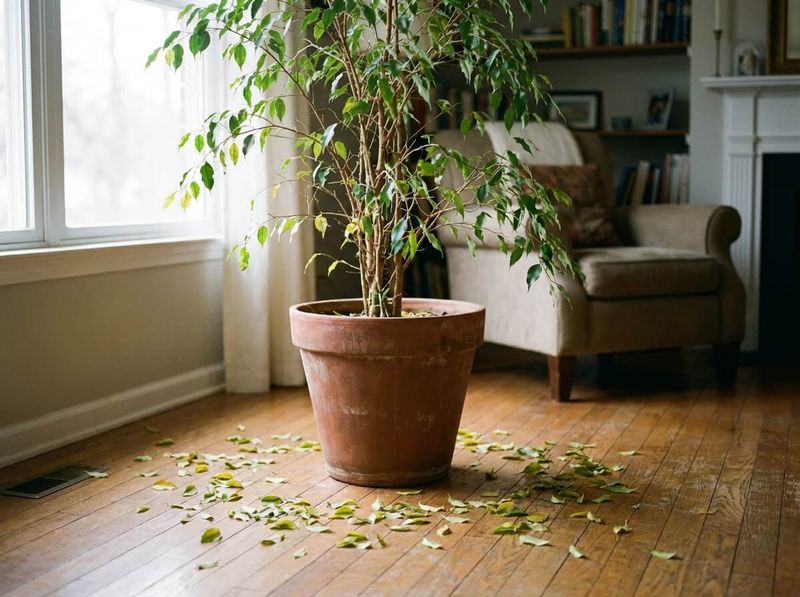
Yellow leaves on a potted fig in late fall can make any caretaker nervous. Sometimes it is simply the tree responding to shorter days and cooler weather.
Other times, something else is going on. Knowing how to tell the difference helps you decide what to clean up, what to leave alone, and how to protect the pot.
Late-fall leaf drop can be seasonal, but it does not confirm dormancy
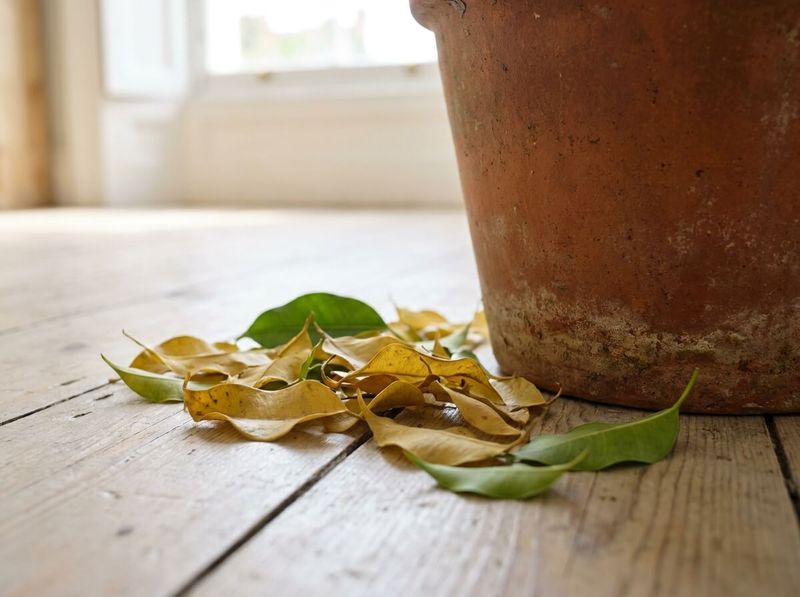
Figs are deciduous, which means they are built to lose their leaves at some point each year. As days get shorter and temperatures cool, a potted common fig may yellow and drop leaves as it slides toward dormancy, a point covered in UNH Extension container fig guidance.
That makes seasonal leaf fall one believable explanation for what you are seeing.
Still, a few yellow leaves on a late-October date do not prove dormancy has started. The calendar means different things across the South.
A fig in a colder part of Texas may be feeling real chill, while a fig in South Florida may still be in warm, growing weather. UF/IFAS notes that Florida figs often are not cold-conditioned before winter cold arrives.
So treat leaf drop as a clue, not a verdict. Look at your local weather, how the tree grew this year, and what the leaves look like up close before you decide anything.
Check leaves for rust and clean up affected foliage
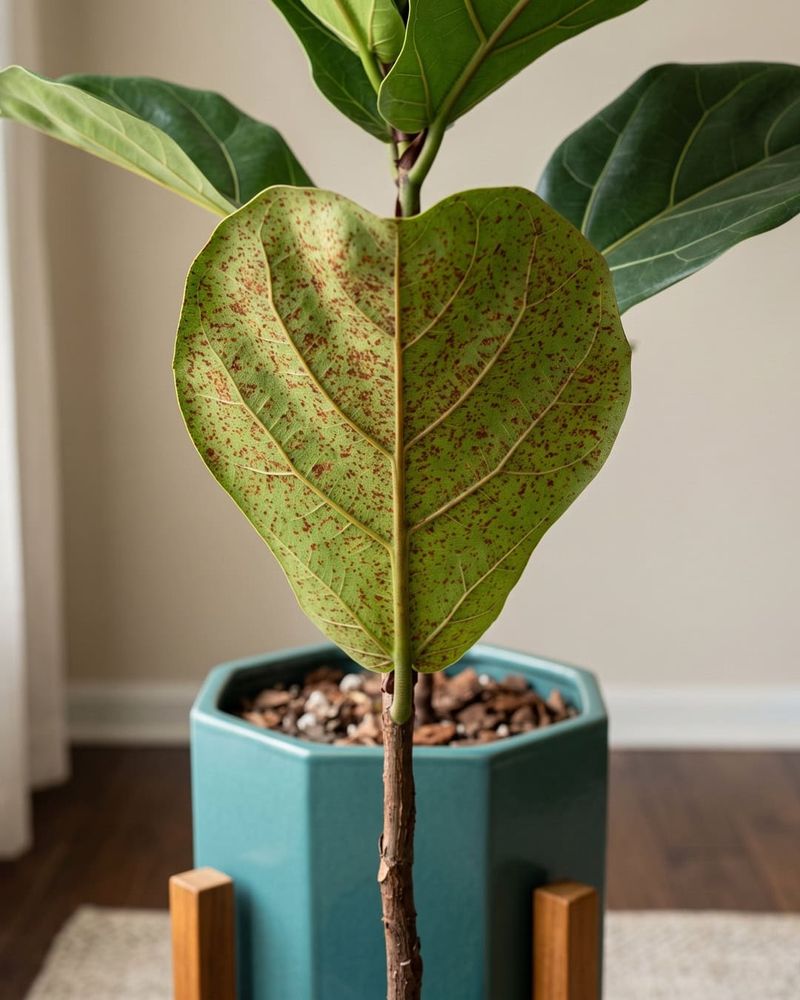
Before blaming dormancy, flip a few leaves over. Fig rust often starts as small yellow spots that grow larger and turn reddish-brown.
Leaves may also develop raised, blister-like spots underneath and drop early, according to LSU AgCenter’s fig rust publication. Rust is common along the Gulf Coast and in the Southeast.
A visual check is a helpful start, but it will not diagnose every tree. Dry potting mix can also lead to poor performance, and Mississippi State Extension lists both rust and lack of soil moisture as possible reasons.
Push a finger into the mix to see how dry it is.
If you suspect rust, rake up and discard fallen or spotted leaves. Think of it as housekeeping.
LSU says sanitation and airflow offer only marginal control, so cleanup will not cure rust or promise to prevent it.
Prune only when the tree needs it
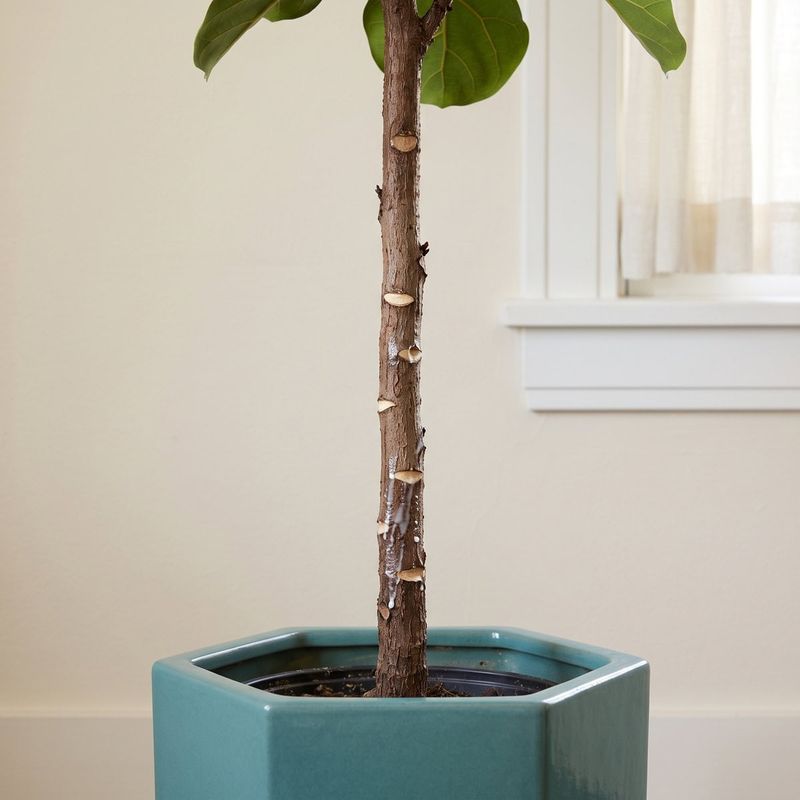
Late October is not a universal signal to grab the shears. UF/IFAS says figs do not need pruning to be productive.
If you do choose to prune, it suggests doing so after harvest, and it warns that heavy winter pruning can wipe out the following year’s crop.
Timing also depends on your cultivar, when it fruits, and your local conditions. Pruning late-maturing types can cut yield, and UF/IFAS Gardening Solutions offers no one-size cutback date for Florida.
A safe approach is to remove only branches that are clearly dead, damaged, or diseased, and skip a hard routine cutback. Wear gloves and long sleeves, because fig sap can irritate skin, especially with sun exposure, as the Royal Horticultural Society notes.
No pruning choice can guarantee next year’s figs.
Adjust watering to where the fig spends winter
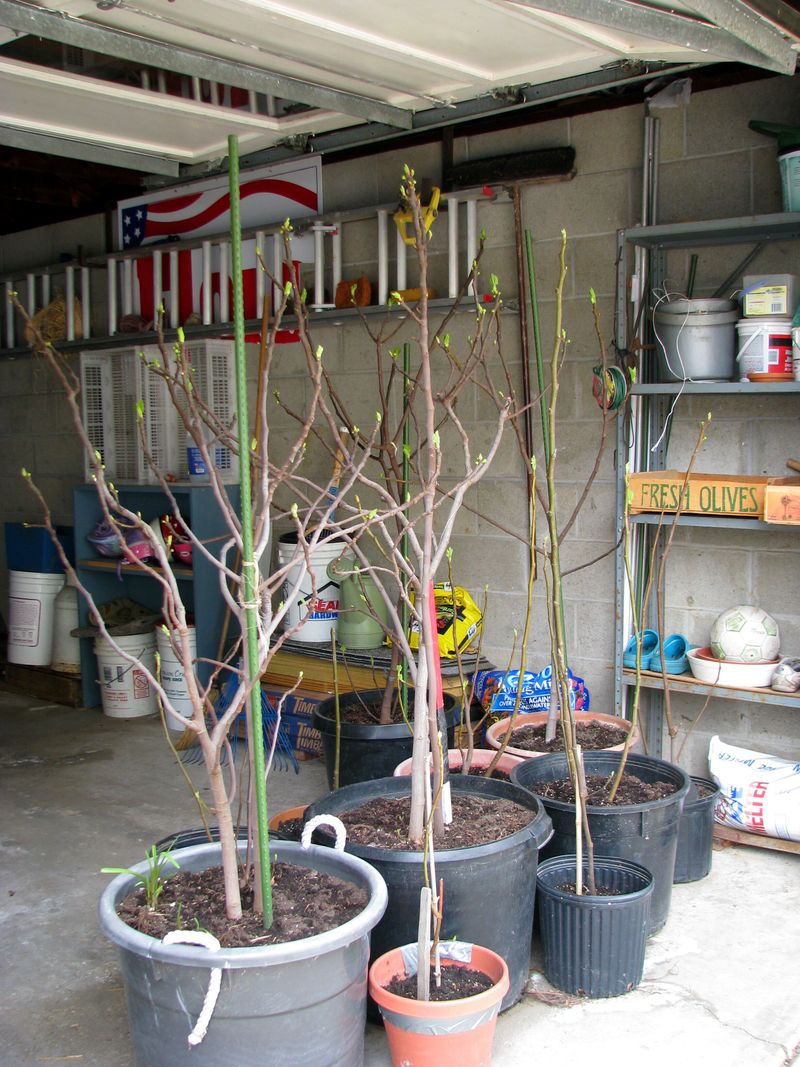
A fig that stays outdoors and keeps growing still needs regular water. Let the potting mix and the tree guide you, not a date on the calendar.
Container figs should not sit in saturated mix, so make sure the pot drains well.
A dormant fig moved into cool, protected storage is a different case. UNH Extension advises reducing watering and waiting until the upper two inches of mix are dry before watering again.
How often that happens depends on your pot, your mix, and how cool the storage spot is.
That two-inch rule comes from indoor winter storage advice in New Hampshire. It is not a fixed outdoor schedule for Florida or Texas, and UF/IFAS guidance is built around local growing conditions.
Whichever case fits your tree, do not let a dormant root ball dry out completely.
Protect container roots when local freezes threaten
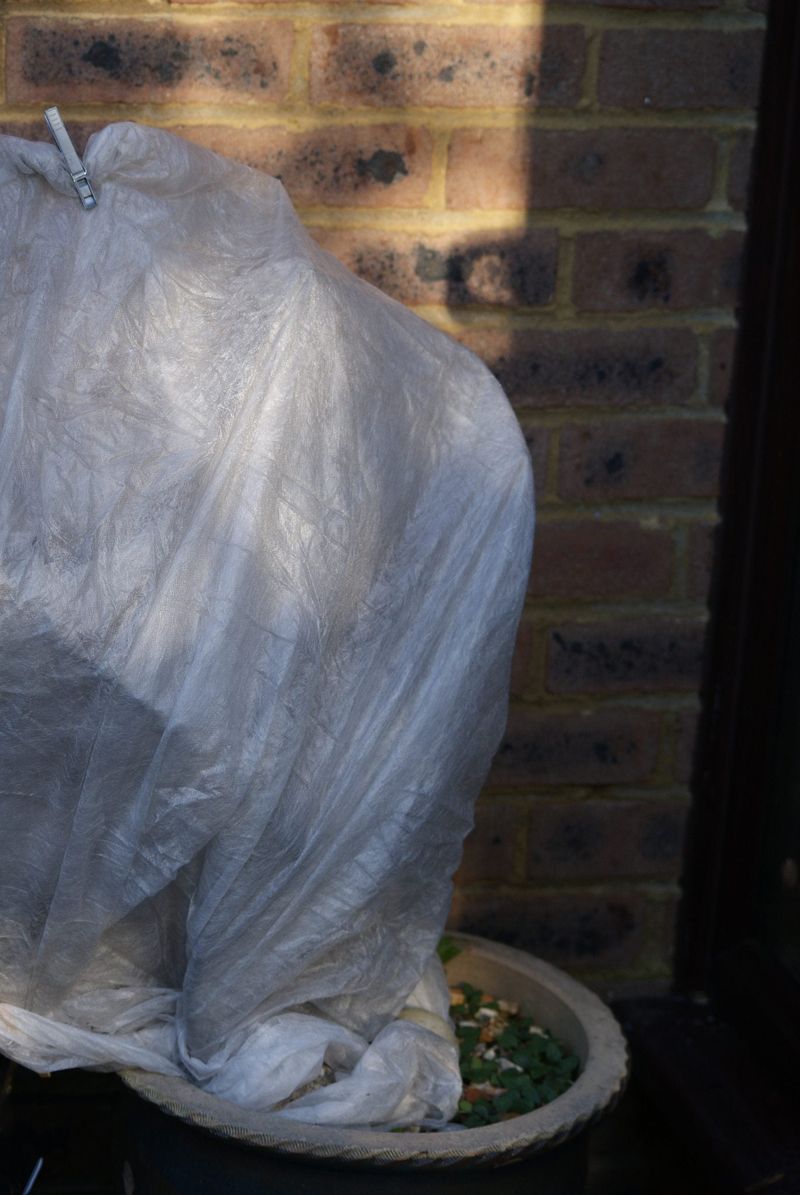
A pot sits above ground, so its roots get hit by cold air from every side. Roots of a fig planted in the ground have soil around them for insulation.
That is why container roots are more vulnerable, as University of Maryland Extension explains.
Where winter freezes are a real threat, you can move the pot to a sheltered spot, such as against a wall or into a garage, or insulate the container. University of Georgia Extension covers cold protection for home figs.
There is no single temperature that fits every potted fig. Cultivar, pot size, and your location all matter, and numbers for in-ground trees should not be applied to containers. Check your own forecast and decide how much risk your tree faces.
Use the tree’s condition, not the calendar, to choose your next step
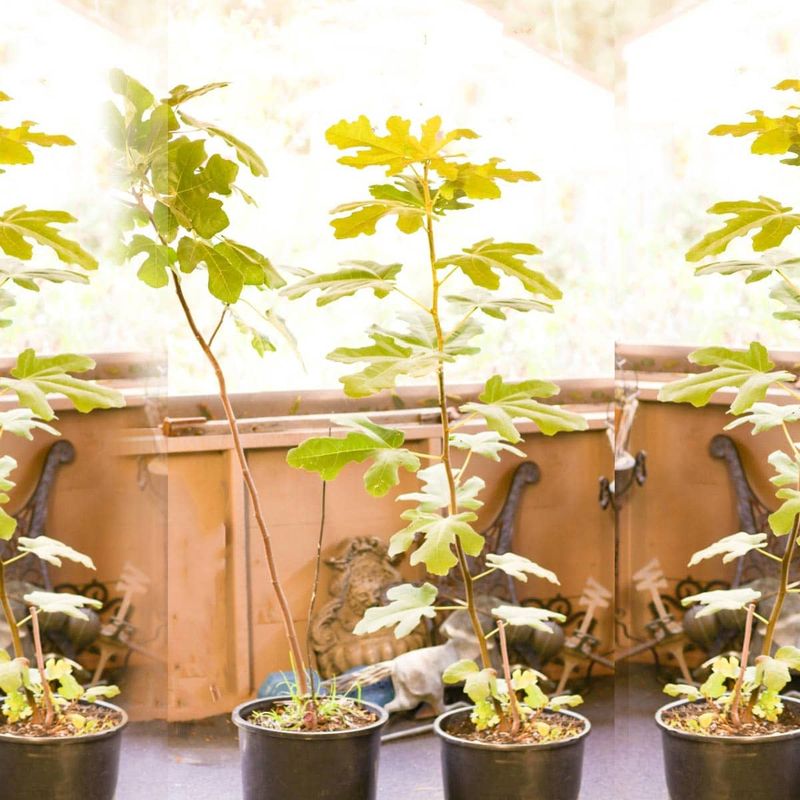
Start with the leaves. Look for spots, check the mix for moisture, and think about your local weather.
Then match cleanup, pruning, watering, and protection to what your tree is showing you.
Yellow leaves in late October are a clue, not an answer. A fig that reads the weather well is often the best guide you have.