
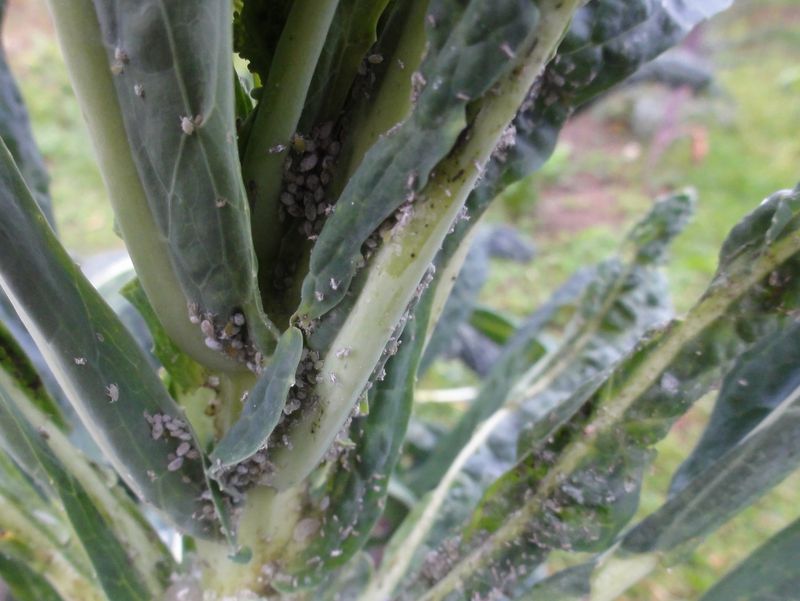
Your fall kale was looking great, and now the leaves are curling and feel tacky to the touch. That sticky film can be a clue that tiny sap-sucking insects are feeding underneath.
A quick look and a blast from the hose may be all it takes to get started. Here is how to check, what to do today, and when to leave well enough alone.
Sticky, curling kale leaves may point to aphids
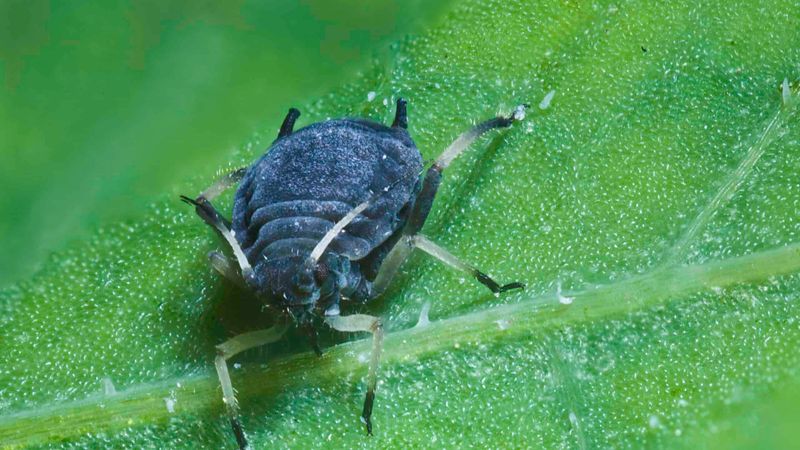
Sticky leaves and curled edges on fall kale send plenty of gardeners looking for answers. When that tackiness shows up along with visible insects, aphids become a plausible suspect, since they leave behind sugary honeydew as they feed.
University of Minnesota Extension notes that heavy feeding can twist and curl leaves.
Curling alone proves nothing, though. A University of Delaware diagnostic guide lists thrips, whiteflies, leafhoppers, leaf rollers, viruses, and herbicide injury as other causes of distorted leaves.
So flip the leaves over and check the undersides and the newest growth for live, pear-shaped insects.
Timing matters too, and it differs across the South. UF/IFAS says Florida kale can be started from seed September through January or February, while Texas A&M lists September through November as ideal for greens in Central Texas.
Those calendars should not be applied to every Southern location.
Gray, waxy colonies can fit cabbage aphids
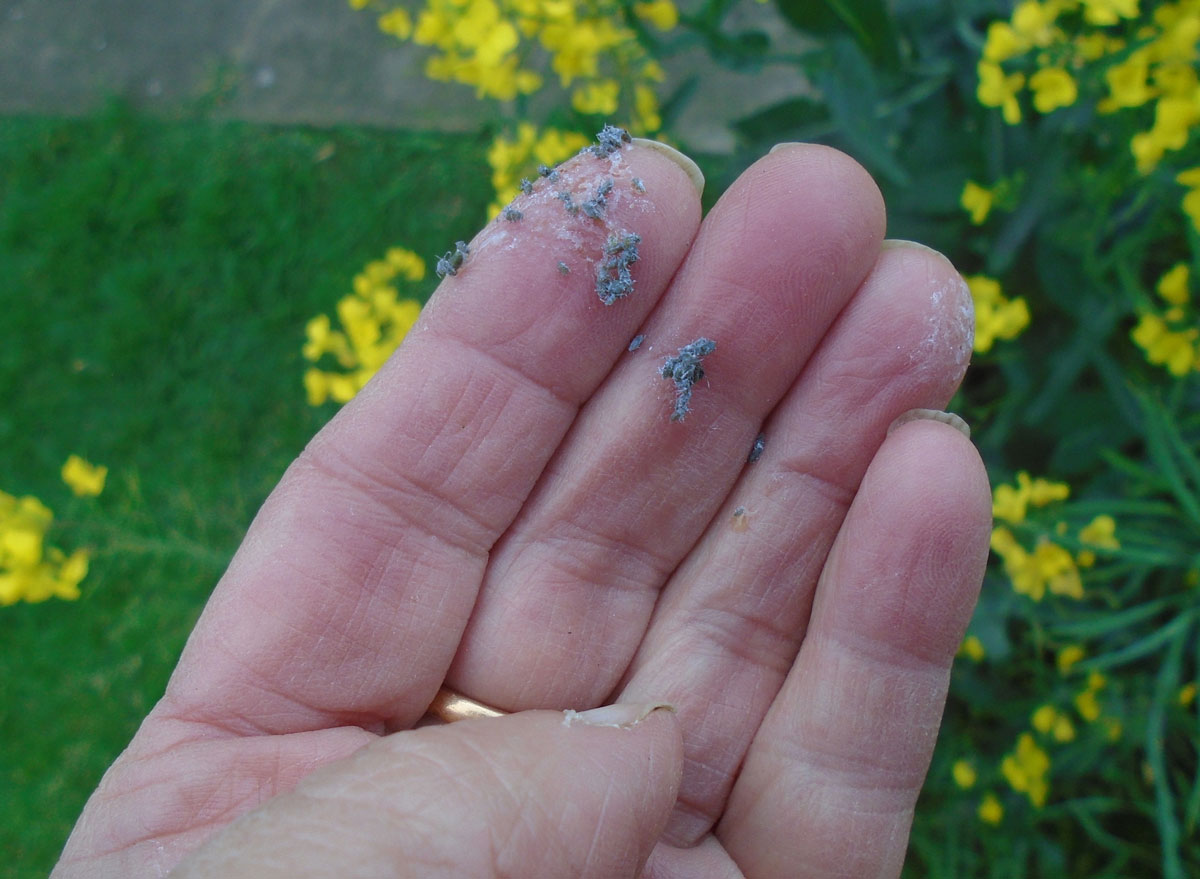
Cabbage aphids are small, soft-bodied insects that gather in tight clusters. According to Utah State University Extension, their green-gray bodies often look gray or white because of a waxy coating, and dense colonies commonly sit beneath kale leaves.
That description fits what many gardeners find when they turn a leaf over: a powdery-looking mass that shifts when touched. It is a good clue, but it is not a name tag.
Other aphids also feed on brassicas, and UF/IFAS notes that cabbage and turnip aphids can be hard to tell apart. For a home garden, the exact species matters less than confirming that live aphids are present.
If you see crawling insects, honeydew, and curled leaves together, you have enough to act on.
Use water as a knockdown on sturdy plants
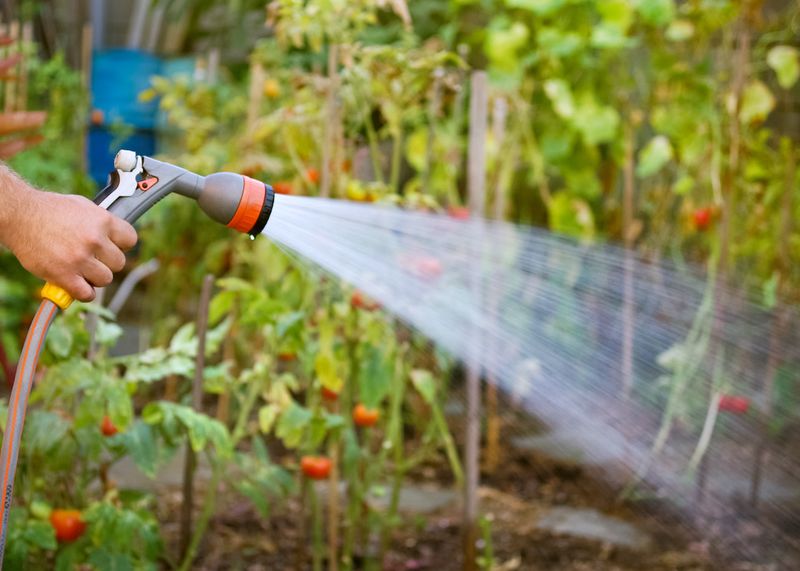
Today’s cheapest fix is already coiled in your yard. Set the hose nozzle to a firm stream and aim it at the undersides of infested leaves, where colonies hide.
UC Statewide IPM describes water sprays as a way to dislodge aphids from plants.
Pressure is the balancing act. You want enough force to knock insects loose and rinse off sticky honeydew, but not so much that leaves tear or stems bend.
Oklahoma State University Extension advises using forceful water only on sturdy plants. Skip it on seedlings or any plant the spray could damage.
Think of the rinse as a knockdown, not a cure. It can reduce numbers the same day, but some aphids will hang on or slip back, so plan to look again.
Recheck for survivors before choosing another treatment
Curled leaves make good hiding places. Aphids tucked inside a tight curl can stay dry while the rest of the plant gets rinsed.
A day or two later, lift the leaves again and check the undersides and the tender new growth for survivors.
If you still find colonies, repeat the water spray. Utah State University Extension describes repeating water sprays every few days as needed, with no promise that a set number of rinses will finish the job.
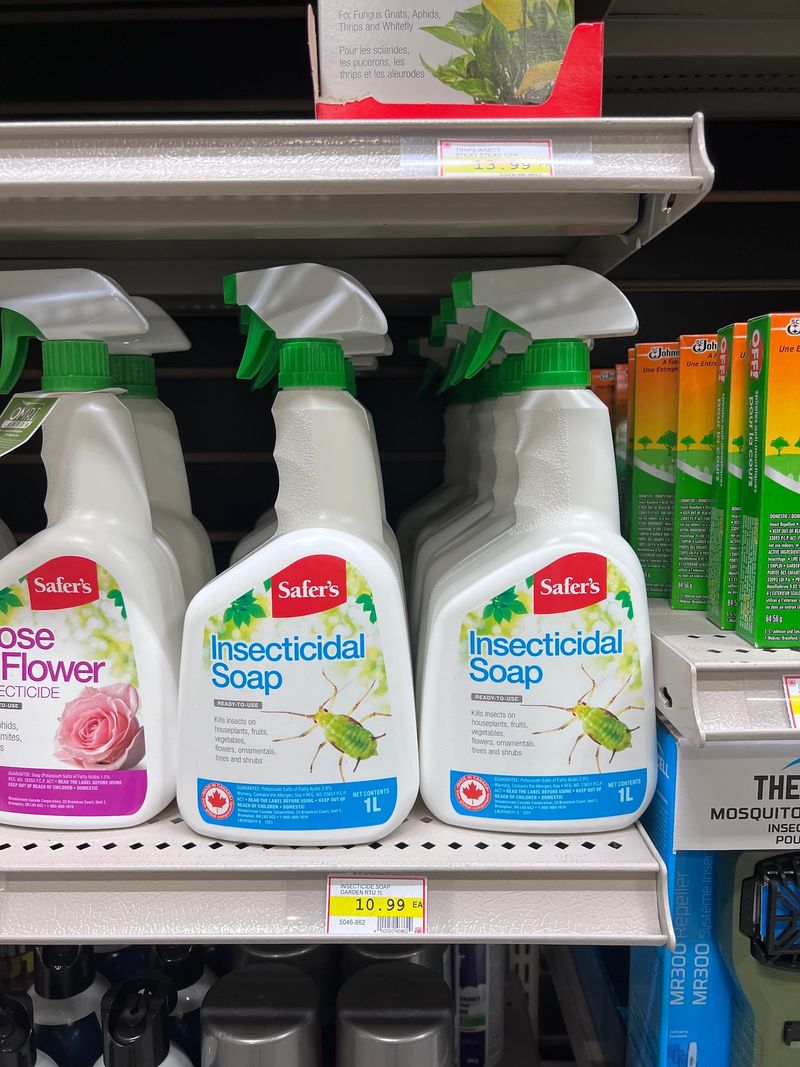
When heavy colonies persist, pinch off the worst leaves and discard them. You can also consider an insecticidal soap labeled for kale.
Utah State research notes that soaps work on contact, so coverage of the insects matters, and UC IPM stresses following the label.
Household dish soap is not a substitute. It is not made for use on food plants and can harm leaves.
Look for natural enemies before escalating
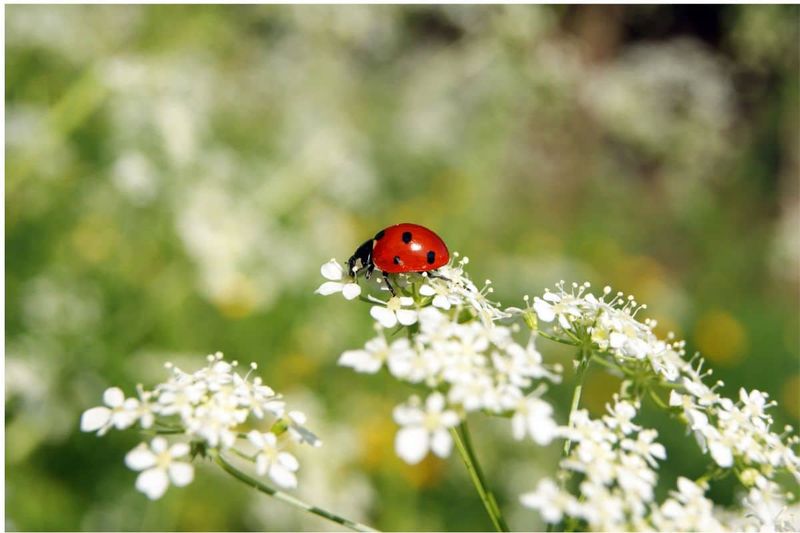
Before reaching for another treatment, spend a minute hunting for helpers. Lady beetles, lacewings, and hoverfly larvae all eat aphids, and you may spot spiky lady beetle larvae or small, slug-like hoverfly larvae among the colonies.
Parasitized aphids look swollen, tan, or papery, a sign that tiny wasps are at work.
According to Utah State University Extension, these natural enemies can help suppress aphid populations, and broad-spectrum insecticides can harm them.
Not every colony needs treatment. A small cluster with helpers nearby may fade on its own, especially on established plants.
Keep checking every few days, and save stronger steps for colonies that keep growing.
Rinse harvested kale with water, not household cleaners
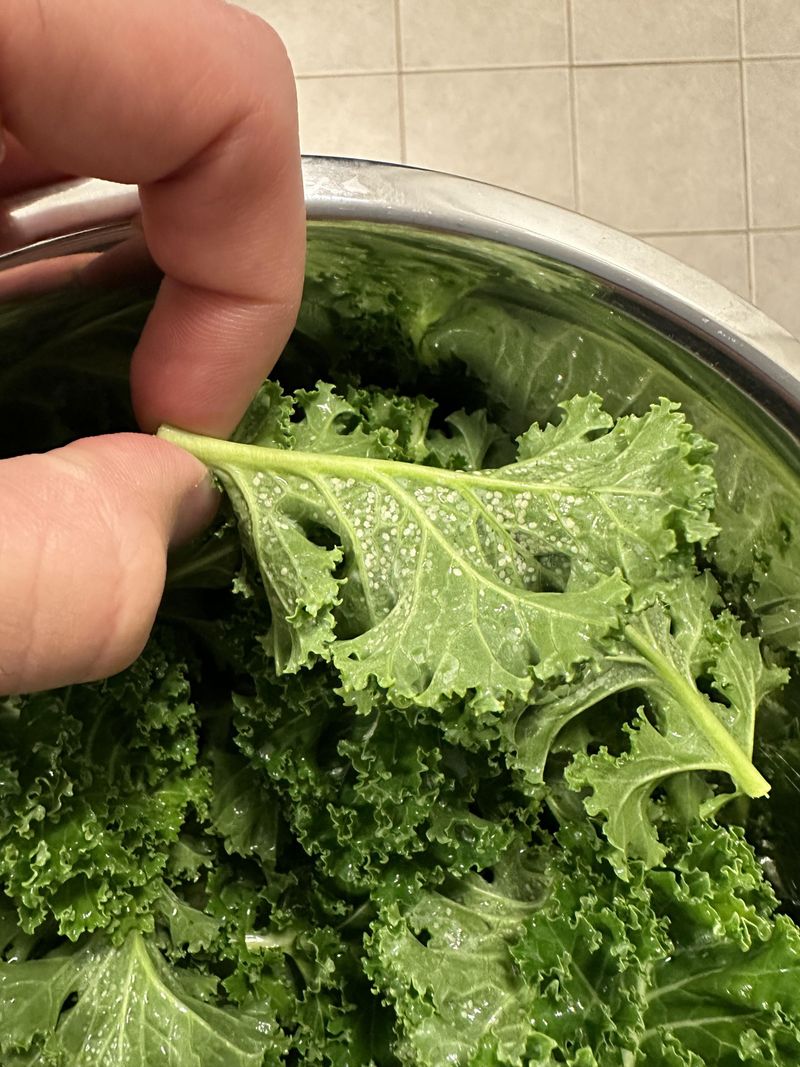
Aphids can be stubborn on leafy greens, so check each leaf before it goes in the kitchen. Texas A&M AgriLife Extension advises checking greens for aphids and washing the leaves carefully.
Pay attention to ruffled edges and folds, where insects tuck in.
Rinse the leaves under running water, rubbing them gently. FoodSafety.gov recommends running water for produce and advises against soap or bleach.
This is a different matter from the labeled insecticidal soap you might use on growing plants. That is a garden product applied by label directions, not a way to clean food.
In the kitchen, plain water does the work.
A little attention at the sink keeps your fall harvest worry-free.