
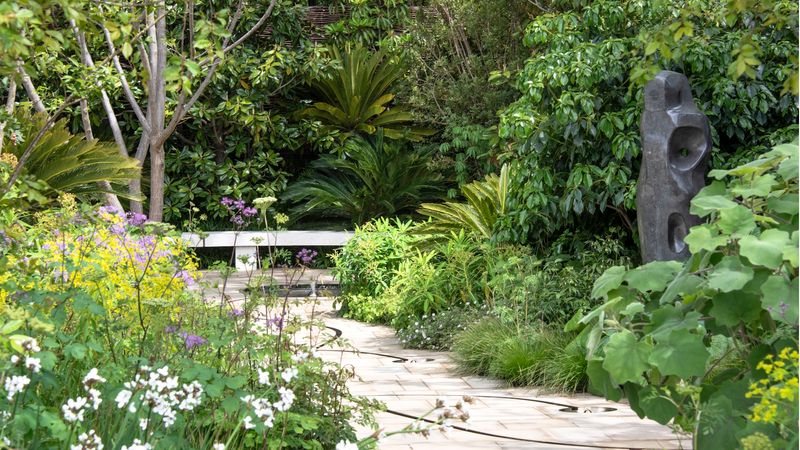
Some plants that have lived in California yards for decades are now showing up on county lists with words like “prohibited” or “avoid,” and that can feel alarming. Before pulling anything out of the ground, though, it pays to understand exactly what those labels mean and who they actually apply to. A retail sales restriction in one county, a dated planning document in another, and a fire-zone approval rule in a single city are very different things, and none of them is evidence of a sweeping statewide ban on ordinary home gardens.
What California’s plant rules actually regulate
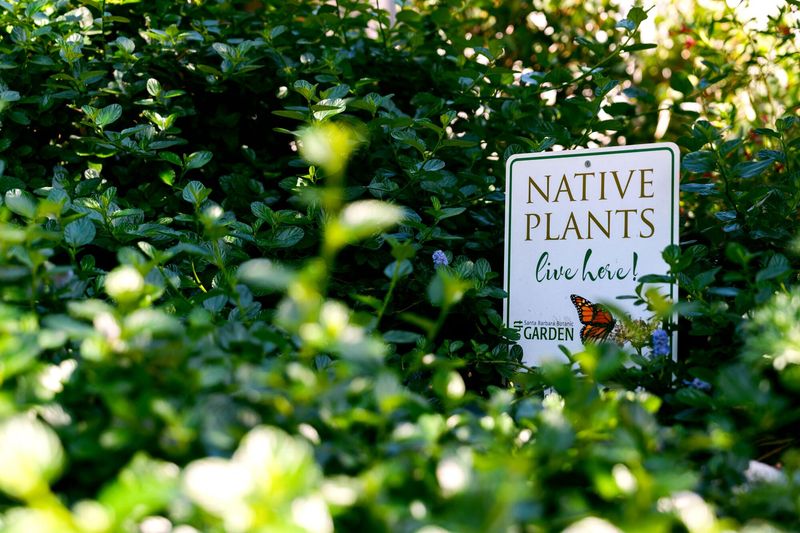
Scrolling through gardening forums, you might get the impression that California counties are racing to ban the plants in half the yards on your street. The reality is more layered. No single statewide wave of homeowner bans on familiar ornamentals is documented by the available evidence, and the word “ban” can mean very different things depending on which agency issued the rule and which action it actually governs.
California’s plant regulatory framework is built from several overlapping layers. At the top are federal and state noxious-weed designations. Below those sit quarantine restrictions managed by the California Department of Food and Agriculture, which publishes a Plant Quarantine Manual covering plant material moving into and within California counties. County agricultural commissioners then add their own local rules, and cities can layer on additional requirements for fire zones, development approvals, or specific habitat concerns.
What makes this confusing is that each rule targets a specific action. A restriction might prohibit commercial sales, block the importation of plant material across county lines, require approval before planting in a designated zone, or apply only to new landscaping tied to a development permit. California also has invasive species regulations administered at the state level that are separate from local planning lists.
A heading that says “prohibited” or “avoid” on a county document does not automatically answer whether a homeowner may legally own, grow, or sell a given plant. The relevant questions are: which agency issued the rule, what specific action does it restrict, does it apply to private residential property, and is the document currently in force? State law also limits local governments from prohibiting drought-tolerant landscaping using living plant material on residential property, though that protection does not override rules tied to invasive species, fire hazards, or quarantine requirements. Knowing the distinction upfront saves a lot of unnecessary digging.
Marin restricted tropical milkweed sales, not existing home gardens
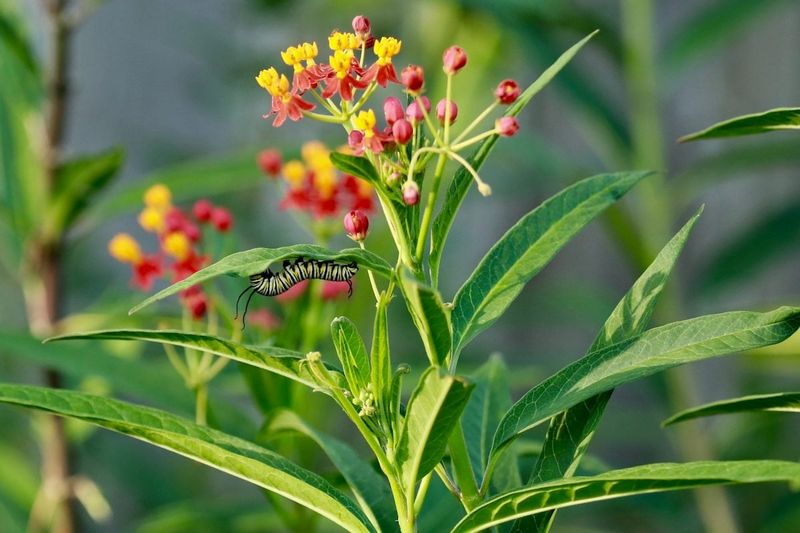
Marin County made news when it moved against tropical milkweed, and the word “banned” spread quickly through gardening communities. But reading the actual county notice changes the picture considerably. Marin County’s action targets nurseries and retail centers that sell tropical milkweed (Asclepias curassavica), requiring them to remove stock from their shelves. Homeowners who already have the plant growing in their gardens are not required to remove it.
The county’s concern centers on monarchs. Tropical milkweed, unlike native milkweed species, does not die back in winter in mild coastal climates. That persistence can encourage monarchs to skip their natural migration cycle and remain in the area year-round, which raises the risk of a parasitic protozoan called Ophryocystis elektroscirrha accumulating on the leaves and infecting butterflies at higher rates than would occur on seasonally dormant plants.
That local, species-specific rationale matters. Marin’s action applies to Asclepias curassavica in the context of its local monarch overwintering sites. It does not create a statewide rule covering every milkweed species, and it does not mean that growing native milkweed varieties such as Asclepias californica or Asclepias speciosa in your yard is a problem anywhere in California. Several native milkweed species are actively encouraged by wildlife and pollinator advocates throughout the state.
The lesson here is about precision. A restriction on retail sales of one non-native milkweed species in one county is a carefully targeted action, not a broad prohibition. If you garden in Marin and want to support monarchs, the practical step is to replace tropical milkweed with a locally appropriate native species rather than assume the rule applies to your garden or your county. Elsewhere in California, the right starting point is checking with your own county agricultural commissioner before drawing any conclusions from Marin’s example.
San Luis Obispo’s list is a dated document, not proof of current homeowner bans
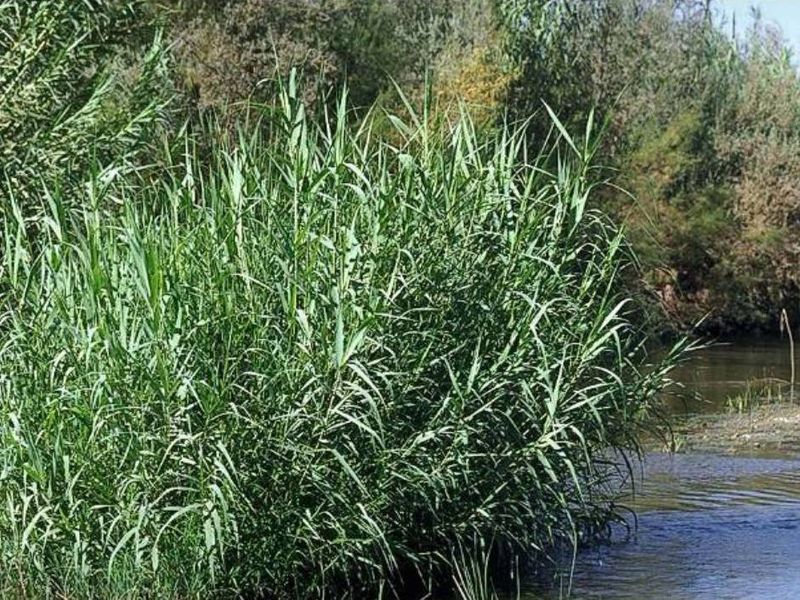
San Luis Obispo County hosts a document titled with language about prohibited plants, and it lists species that show up in a significant number of California yards: pampas grass (Cortaderia selloana), giant reed (Arundo donax), highway iceplant (Carpobrotus edulis), various eucalyptus species, brooms such as French broom (Genista monspessulana) and Scotch broom (Cytisus scoparius), and periwinkle (Vinca major). Seeing familiar plants on a county “prohibited” list understandably raises alarm.
Before treating that document as proof of a current countywide homeowner ban, though, the context matters. The document is embedded in the county’s planning and environmental materials and is marked as last revised in June 2005. Nearly two decades have passed since that revision date, and planning documents can change in scope, enforceability, and application over time.
The document’s placement within planning and environmental materials also raises questions about its reach. A prohibition that applies to landscaping submitted with a new development application is a different thing from a rule that forbids an existing homeowner from keeping a plant already growing in a long-established yard. The available document does not clearly resolve that distinction on its face.
Any writer or homeowner relying on this document to make decisions should verify its current legal status and private-property scope directly with San Luis Obispo County before acting on it or publishing it as current law. Contacting the county planning department or the county agricultural commissioner is the appropriate step. Using a 2005 planning document as evidence of a present countywide restriction on residential gardens, without that verification, overstates what the document actually establishes. It remains a useful example of how local policy documents can name familiar ornamentals as problematic, but its current enforceability requires confirmation.
Santa Barbara’s fire-zone rule is local and approval-based

Fire-zone landscaping rules represent a third category of plant restriction, and they work differently from invasive-species lists or sales bans. The City of Santa Barbara provides a clear example. Its high-fire-hazard area landscaping requirements include a list of plants that require specific approval from the fire official before they can be used in designated fire-hazard zones. Among the familiar plants on that list: rosemary (Salvia rosmarinus), sage species, bamboo, fountain grass (Pennisetum setaceum), arborvitae, Cape honeysuckle (Tecoma capensis), and periwinkle (Vinca major).
The key phrase is “require specific approval.” The City of Santa Barbara’s high-fire-hazard landscape requirements do not simply forbid those plants outright. They establish a process by which a homeowner or contractor in the designated zone must get sign-off from the fire official. That is an approval-based rule, not a blanket prohibition applying to every yard in the region.
Geography matters here as well. This document is issued by the City of Santa Barbara Fire Department. It applies within city limits in designated high-fire-hazard areas. It is not a Santa Barbara County rule, and it does not automatically extend to unincorporated areas of the county or to neighboring cities.
Treating a city fire-zone requirement as a countywide ban misrepresents the rule’s actual reach.
The document itself includes a caution that is worth taking seriously: all plant material will burn under various conditions. A plant’s absence from the restricted list does not mean it is fire-resistant or that it is automatically approved for any planting configuration. Conversely, a plant’s presence on the list does not mean it is permanently forbidden. The rule is about managing risk in a specific geographic and regulatory context, and the path forward for a homeowner in that zone is to contact the city fire department rather than assume the worst or the best about any particular species.
Ecological risk and wildfire risk are not the same as illegality
Plenty of common garden plants carry an ecological risk rating or appear on fire-awareness lists, and neither of those things automatically makes the plant illegal to own or grow. Understanding what those ratings actually represent changes how you read any “plants to avoid” resource.
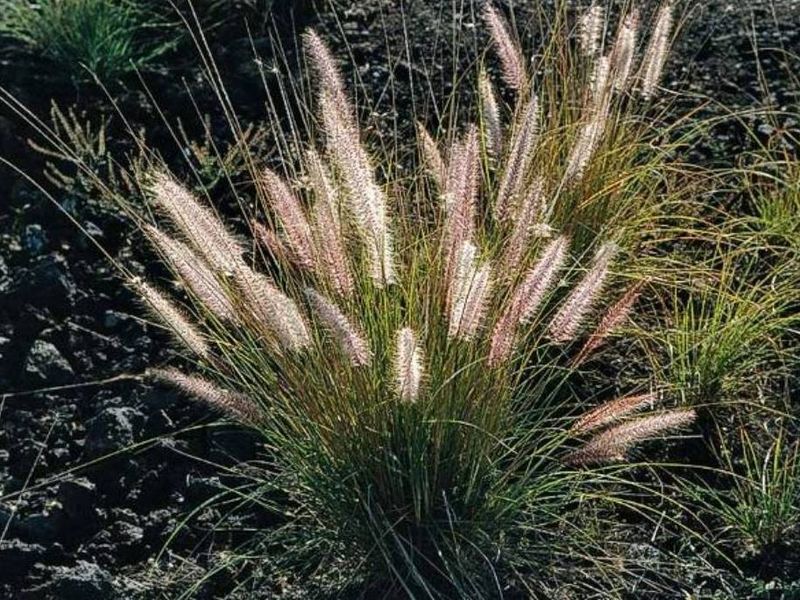
The California Invasive Plant Council assigns ratings of high, moderate, limited, or watch to ornamental plants based on their potential to spread into natural areas and displace native species. Cal-IPC’s plant ratings flag familiar ornamentals including pampas grass (Cortaderia selloana, rated high), highway iceplant (Carpobrotus edulis, rated high), crimson fountain grass (Pennisetum setaceum, rated moderate), periwinkle (Vinca major, rated moderate), Canary Island date palm (Phoenix canariensis, rated limited), and olive (Olea europaea, rated limited). These are ecological-risk assessments produced by scientists reviewing evidence of spread. They are not ordinances, and a Cal-IPC rating by itself does not make a plant illegal to plant, sell, or own anywhere in California.
Cal-IPC also offers landscaping alternatives guidance for homeowners who want to reduce their ecological footprint voluntarily. Deer grass (Muhlenbergia rigens) appears as an alternative to invasive pampasgrass, and the Cal-HIP plant palette offers regionally appropriate substitutes across California climate zones. Choosing alternatives is a stewardship decision, not a legal requirement in most residential contexts.
Wildfire risk follows a different logic entirely. California’s defensible space framework organizes property into zones based on distance from a structure: Zone 1 spans roughly 5 to 30 feet and Zone 2 extends from 30 to 100 feet. Requirements in each zone focus on removing dead material, maintaining plant spacing, pruning trees, and reducing continuous fuel paths. CAL FIRE recommends mowing annual grass to a maximum of four inches and keeping combustible materials at least 30 feet from the home.
Critically, UC Cooperative Extension research notes that many California native plants can become highly flammable during drought conditions. Fire safety depends on how a plant is maintained, how it is spaced, whether dead material is removed, and how it is irrigated, not simply whether it is native or nonnative. A well-maintained nonnative in a properly spaced garden can present lower fire risk than a drought-stressed native planted too close to a structure. Neither native status nor drought tolerance alone guarantees fire safety.
How to check one plant before planting or removing it
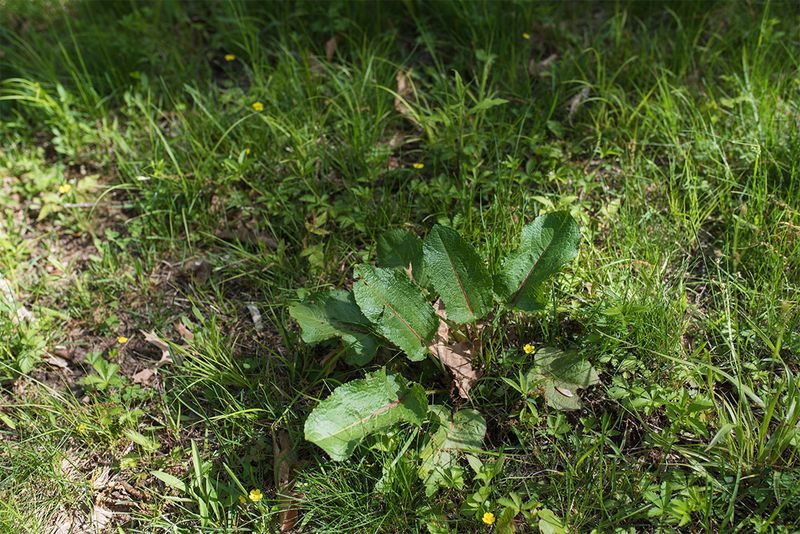
Reacting to a viral list by pulling plants out of the ground is one of the more common ways homeowners create new problems while trying to solve old ones. Removing established vegetation without checking applicable rules can trigger erosion on sloped lots, disturb wildlife habitat, violate local fire or grading permits, or run into disposal requirements for certain invasive species. A short verification process before acting protects both the yard and the homeowner.
Start with the exact plant identity. Common names are unreliable because a single name can cover multiple species with very different legal and ecological profiles. “Fountain grass” can refer to Pennisetum setaceum, which carries a Cal-IPC moderate rating, or to other Pennisetum species with different profiles. Get the genus and species name confirmed before checking any list.
Next, contact or check the county agricultural commissioner for your specific county. The commissioner’s office manages quarantine restrictions and noxious-weed rules at the local level. The CDFA Plant Quarantine Manual covers state-level and county-level quarantine rules for plant material, but the commissioner’s office can clarify what applies to private residential property in your area.
If your property is in a designated high-fire-hazard area, check city and county fire department requirements separately. As covered earlier, the City of Santa Barbara’s fire-zone approval process applies within city limits. Your city or county may have its own version of those rules, and they may differ significantly from neighboring jurisdictions.
When you find a relevant document, ask what action it actually regulates. Does it restrict commercial sales? Does it apply to new landscaping tied to a development permit? Does it require fire-official approval for planting in a specific zone?
Does it address imported plant material rather than plants already in the ground? A document that governs one of those actions may say nothing about the others. California’s Model Water Efficient Landscape Ordinance encourages climate-adapted plants and efficient irrigation but does not create a blanket prohibition on familiar residential plants.
State law offers some protection for homeowners: California law limits cities and counties from prohibiting drought-tolerant landscaping using living plant material on residential property. That protection has real limits, though. It does not override rules tied to invasive species, fire hazards, quarantine requirements, or other specific legal concerns. Do not rely on it as a blanket defense against every type of restriction.
Verify the rule instead of reacting to a viral “ban” list
The three examples covered in this article, Marin County’s retail sales restriction on tropical milkweed, San Luis Obispo County’s dated planning document, and the City of Santa Barbara’s fire-zone approval requirement, represent three genuinely different kinds of local controls. None of them, individually or together, adds up to evidence of an expanding wave of county bans sweeping through California’s residential gardens.
Marin’s action targets a retail transaction. San Luis Obispo’s document requires verification of its current legal status before anyone relies on it as present law. Santa Barbara’s fire-zone list requires approval, not removal, and applies within city limits in a designated hazard area. Each is a real rule worth knowing about if you live in that jurisdiction, and none of them tells you what applies to your yard in a different city or county.
The practical habit worth building is matching the exact plant, jurisdiction, property location, and regulated action before changing an established landscape. Choosing ecologically appropriate alternatives and keeping up with fire-zone maintenance are genuinely good stewardship choices. But informed verification, not reflexive removal based on a headline, is what actually protects both your yard and the ecosystems around it. A well-tended garden and an accurate reading of the local rules are not in conflict.