
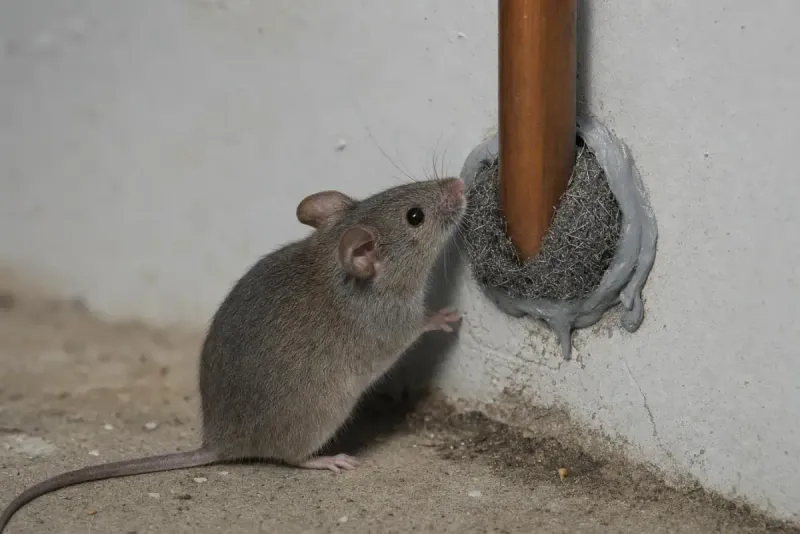
When the nights turn cold, a warm car engine looks like a five-star hotel to a hungry mouse. Mice crawl in after you park, build nests from insulation and leaves, and sometimes chew through wires that cost hundreds of dollars to fix.
The good news is that mice have sensitive noses and strong dislikes, and you can use that against them. Here are nine simple things you can tuck under your hood tonight to make your engine the last place a mouse wants to sleep.
1. Peppermint Oil Cotton Balls
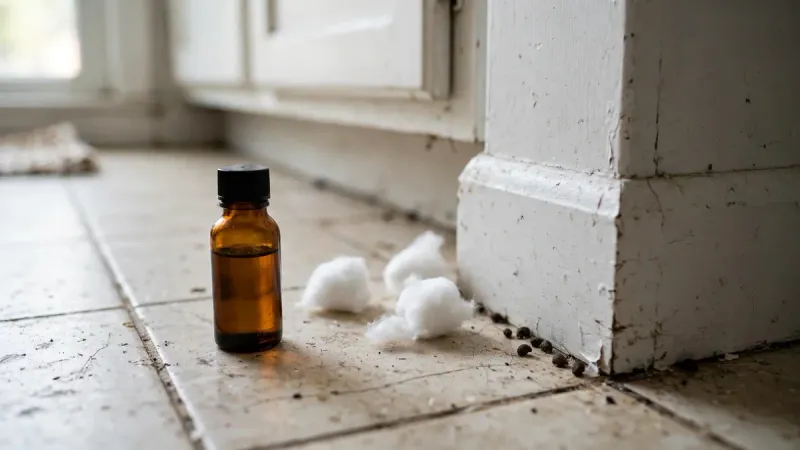
Ask any mechanic who works through a cold snap, and you will hear stories about peppermint. Mice rely on their noses to find food and danger, and a blast of strong mint overwhelms their senses.
To a mouse, it is like walking into a room full of smoke.
Grab a few cotton balls and add five to ten drops of pure peppermint essential oil to each one. Skip the cheap scented versions, since they are too weak to bother anything.
Tuck the cotton balls inside small mesh bags or old tea tins with holes punched in the lid, then set them near the battery tray, along the firewall, and in corners away from moving belts.
Never place anything soaked in oil directly on the exhaust manifold or other parts that get very hot. Safety comes first, and a cool corner works just as well.
The scent fades quickly, usually in about a week, so refresh the oil every few days during peak mouse season. A small bottle costs only a few dollars and lasts all winter.
As a bonus, your garage will smell like a candy cane shop instead of a musty barn, which is a pretty nice trade for a little upkeep.
2. Dryer Sheets
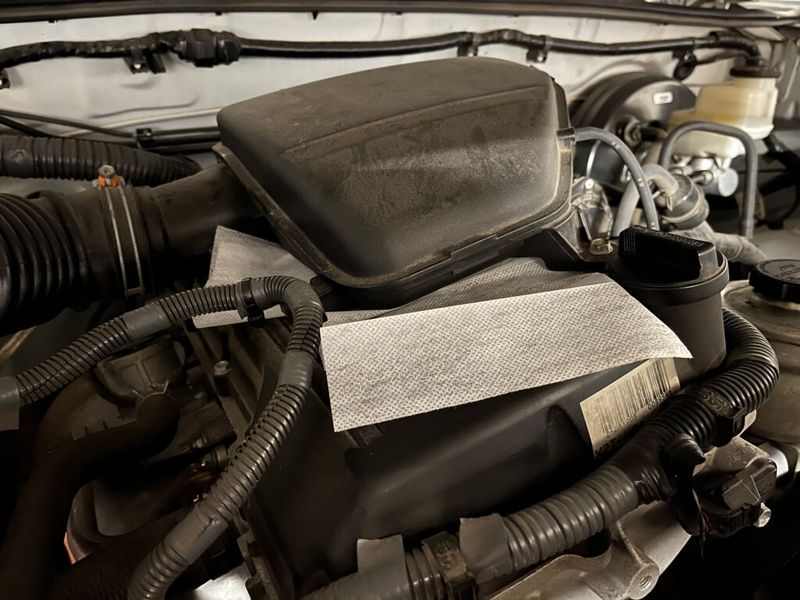
Grandma swore by them, and plenty of farmers still stuff a few into tractors every November. Strongly scented dryer sheets give off a perfume that many mice find unpleasant, and they cost just pennies apiece.
Pick the boldest scent you can find, since lightly scented or unscented sheets will not do much. Fold a few sheets and wedge them into cool spots, such as behind the headlight housings, near the air filter box, or along the inside fender wells.
Some people also tuck one inside the cabin air intake area under the windshield cowl, where mice love to sneak in.
Here is the honest part. Dryer sheets are a mild deterrent, not a force field.
A very hungry or very cold mouse may push past the smell, especially once the scent weakens after a week or two. They work best as one layer in a bigger plan, paired with stronger tricks from this list.
Swap them out every week or so, and always remove them before a long drive so nothing gets loose. Check that no sheet sits close to the belts or fans.
Cheap, easy, and harmless, they are a smart starting point for anyone new to the battle.
3. Rodent Repellent Pouches
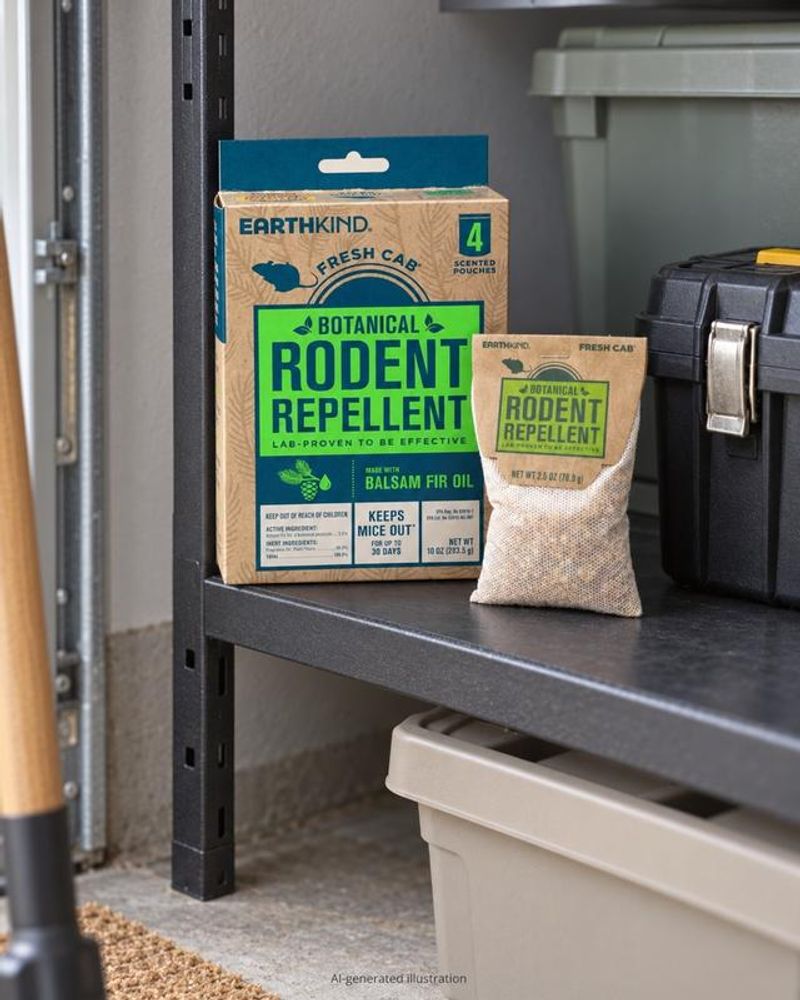
Picture a little sachet that smells like a pine forest to you and like a warning sign to a mouse. That is the idea behind ready-made repellent pouches, many of which use balsam fir oil, cedar, or other plant extracts.
These pouches are popular with RV owners, boat owners, and anyone who parks a car for weeks at a time. The big selling point is convenience.
You do not have to mix oils or refresh cotton balls every few days, because most pouches keep working for 30 to 90 days.
Place two or three under the hood in spots that stay cool, and add one inside the trunk or cabin if mice have been visiting there too. Read the label before you buy, since quality varies widely between brands.
Look for products that say they are safe around pets and kids, and avoid anything that contains poison.
A poisoned mouse often crawls somewhere hidden to die, and the smell of a dead rodent inside your air vents is something you will never forget. Plant-based pouches send mice packing without that nasty surprise.
For busy families who want a set-it-and-forget-it option, this choice is hard to beat.
4. Rodent Deterrent Tape
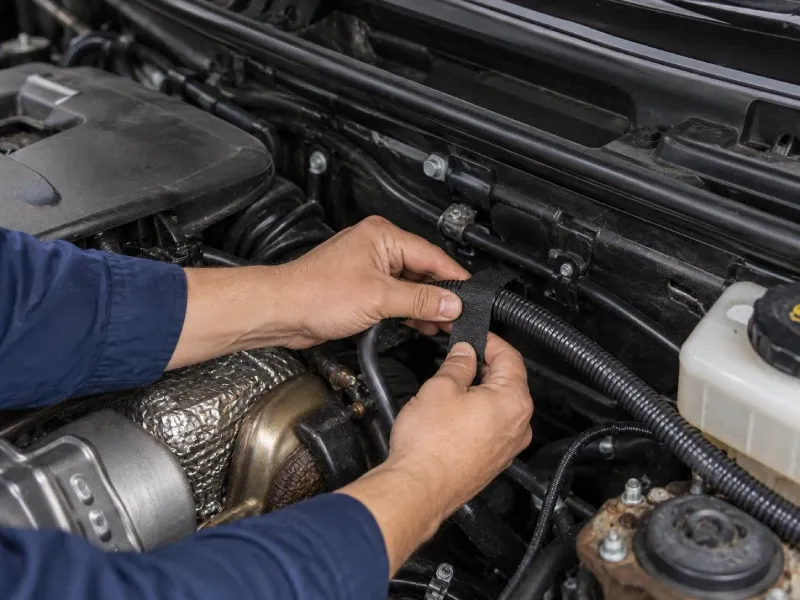
Chewed wires are the nightmare that sends most drivers looking for answers. One mouse with a taste for soy-based wire coating can cause a dashboard full of warning lights and a repair bill large enough to ruin your holiday budget.
Rodent deterrent tape is made for exactly this problem. It looks like regular electrical tape, but it is treated with capsaicin, the same fiery compound found in hot peppers.
One bite, and a mouse gets a mouthful of burn it will not soon forget.
Fun fact: many newer cars use wire insulation made partly from plant materials, which may be one reason rodents seem drawn to chewing them. Wrapping the most exposed wires adds a spicy shield right where it matters.
Focus on wiring harnesses you can reach easily, especially near the fuse box and along the sides of the engine bay. Wear gloves while handling it, and wash your hands before touching your face, because that pepper punch works on people too.
Do not wrap anything that moves or gets extremely hot. If you are unsure, ask your mechanic to tape the trickier areas during your next oil change.
It is a small cost compared to replacing a harness.
5. Ultrasonic Engine Repeller
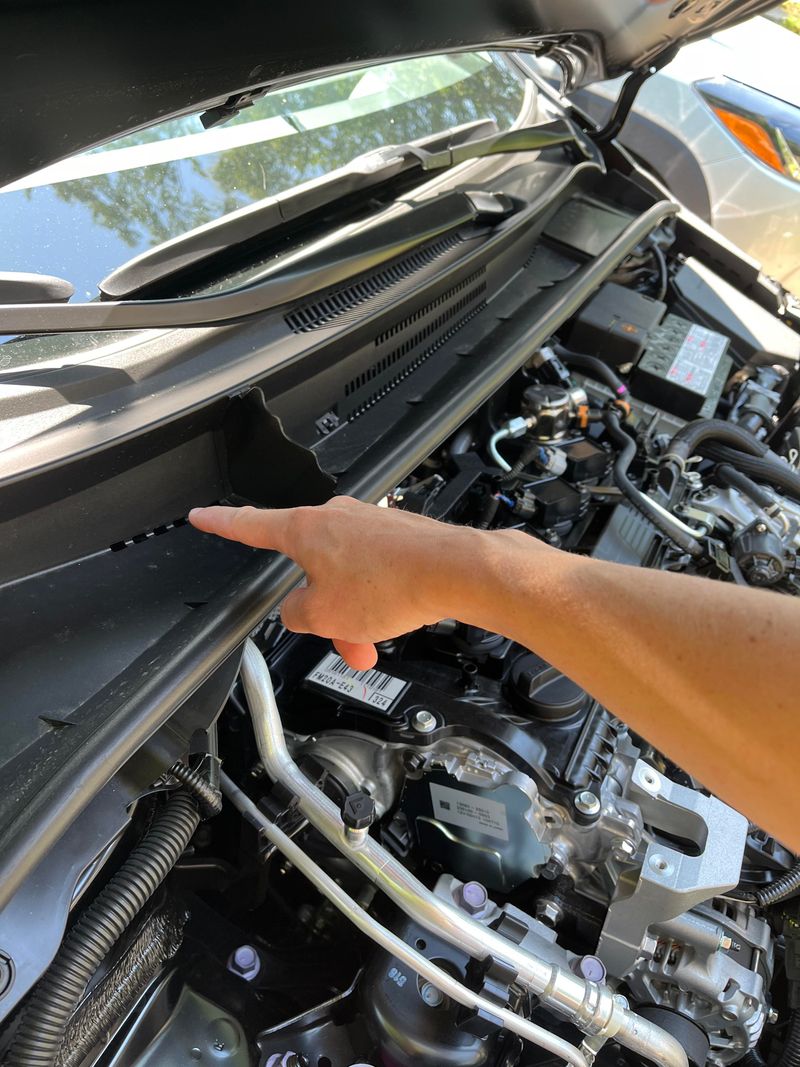
Imagine trying to fall asleep while a smoke alarm beeps nonstop. That is roughly what an ultrasonic repeller aims to do to a mouse, using high-pitched sound waves that most humans cannot hear.
Engine versions are small boxes that connect to your car battery or run on their own batteries. Many switch on automatically when the car is parked and off when the engine starts, so they will not drain power while you drive.
Some also have flashing LED lights for an extra layer of annoyance.
Results can vary, and it helps to keep expectations realistic. Mice may get used to a single steady sound over time, so look for models that change frequencies.
Sound also bounces off metal and gets blocked by parts, so place the unit where it can cover open spaces in the engine bay.
Pet owners should check the details, since hamsters, guinea pigs, and pet rats in a nearby garage could be bothered by the noise. Dogs and cats usually do fine.
Think of an ultrasonic repeller as a nightly security guard that never takes a break, and pair it with scent-based tricks so mice face more than one problem at once.
6. Steel Wool and Copper Mesh
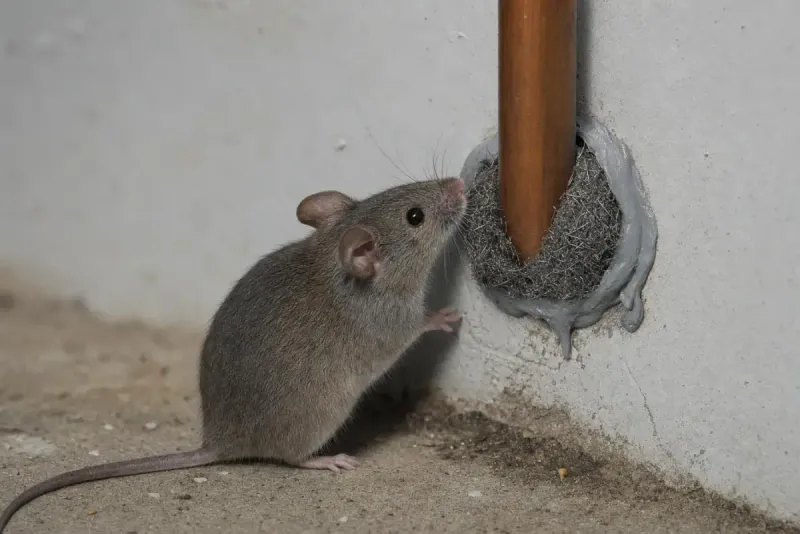
Mice can squeeze through a hole about the size of a dime. Blocking their favorite entry points is often more powerful than any smell, because a mouse that cannot get in cannot build a nest.
Copper mesh and steel wool are rough, scratchy, and nearly impossible for small teeth to chew through. Mice hate the feel of these materials on their gums, and they usually give up quickly.
Start by checking where mice like to enter. Common spots include the cabin air intake under the windshield, gaps around the firewall, and openings where cables pass through.
Stuff small wads of mesh into these spaces, making sure nothing blocks airflow your car actually needs. Never cover the air filter intake fully, and keep the mesh well away from belts and fans.
Copper mesh is the better choice for long-term use because it does not rust the way steel wool can. Rust stains on your engine parts are no fun to clean up later.
Take a photo of every spot you fill so you remember where everything is. Before spring trips or service visits, you or your mechanic can pull it out easily.
Simple, cheap, and surprisingly effective.
7. Irish Spring Soap Shavings
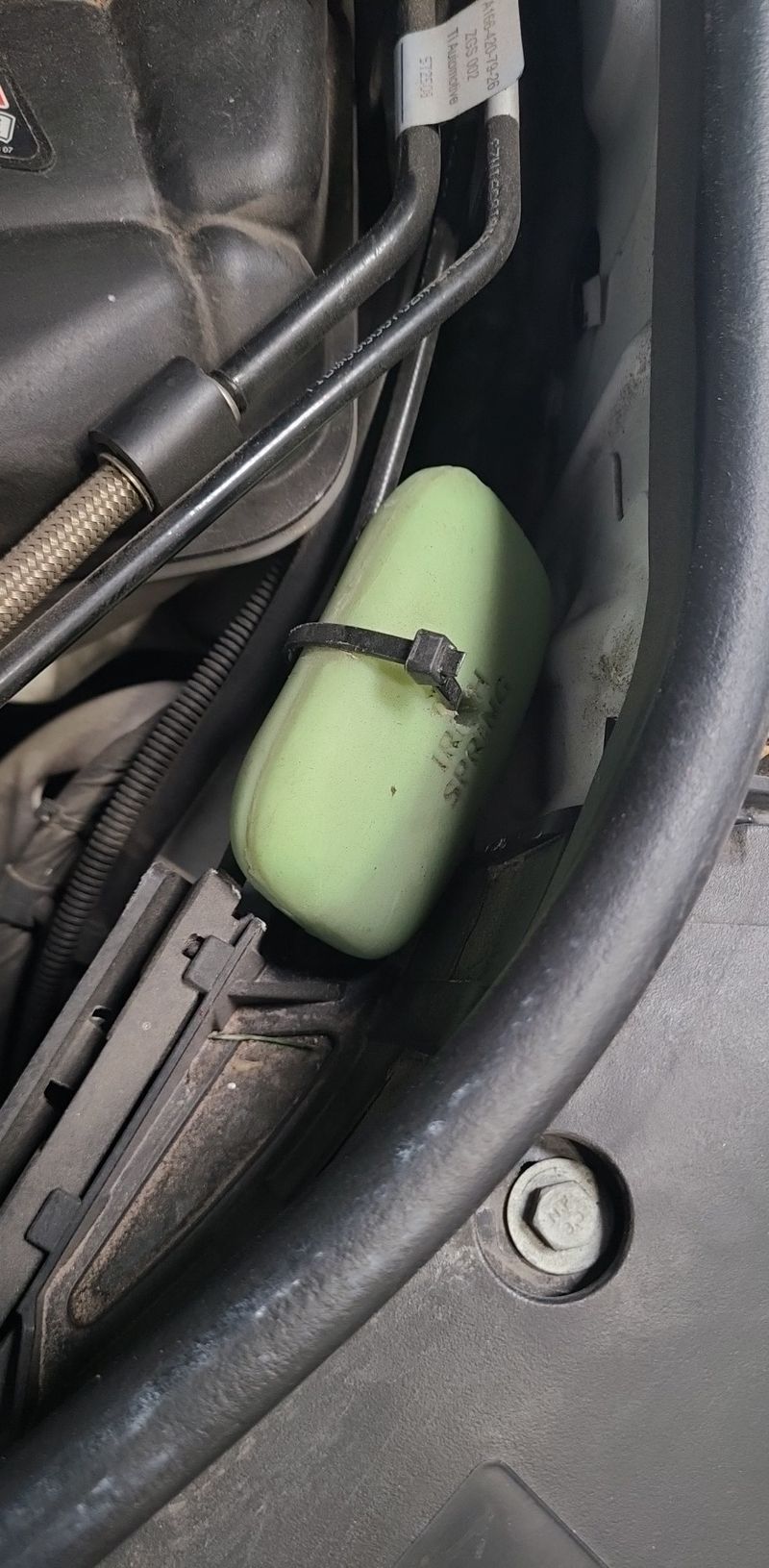
Walk down any farm supply forum, and someone will recommend a green bar of Irish Spring soap. It sounds like an old wives tale, but plenty of gardeners and truck owners keep using it year after year.
The theory is simple. The soap has a very strong, sharp fragrance, and mice seem to avoid places where that smell hangs in the air.
It is the same trick some gardeners use to keep critters out of vegetable beds.
Do not toss a whole bar into the engine bay, since loose items can shift and get caught in moving parts. Instead, shave the bar with a vegetable peeler or cheese grater and pack the shavings into a small mesh laundry bag or old pantyhose.
Tie it to a secure spot away from heat, like a hood brace or inner fender.
Moisture from snow and rain can make the soap get gooey, so check it every couple of weeks and replace it as needed. One bar can fill several bags, making this one of the cheapest options around.
Bonus tip: tuck an extra bag in your shed or garage corner. Mice that skip the car may be hunting for a backup home nearby.
8. Cayenne Pepper Spray
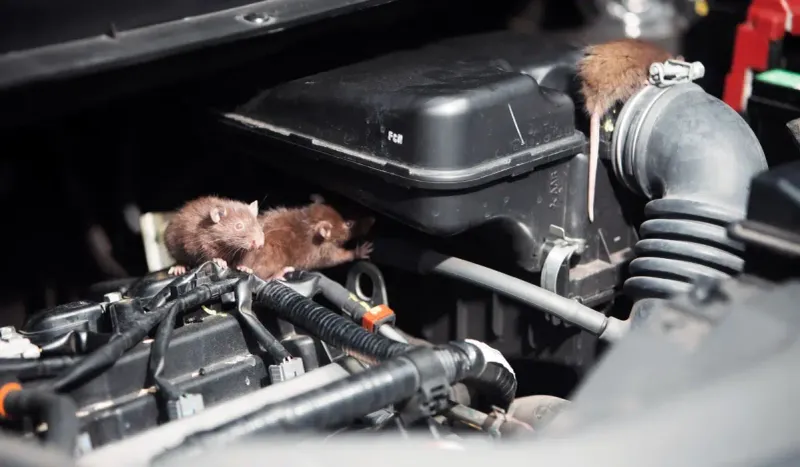
Spicy food lovers, take note. Mice have no tolerance for heat, and a homemade cayenne spray turns your engine bay into an unwelcome hot zone.
Mixing a batch takes about five minutes. Stir two tablespoons of cayenne pepper or a splash of hot sauce into a quart of warm water, then add a few drops of dish soap to help it stick.
Let it sit overnight, strain out the chunky bits, and pour it into a spray bottle.
With the engine completely cool, lightly mist areas where mice like to travel. Good targets include the plastic engine cover, inner fender walls, and around the battery tray.
Avoid spraying directly onto electrical connectors, the air intake, or belts. A light coat is plenty.
Wear gloves and safety glasses, and do not spray on windy days unless you want a sneezing fit in the driveway. Keep pets away until the area dries.
The spray loses strength after rain, snow, or a few days of evaporation, so plan to reapply about twice a week. It pairs well with deterrent tape on wires, giving mice a fiery welcome from every direction.
Cheap pantry staples, real results, and no harsh chemicals involved.
9. Under-Hood LED Light
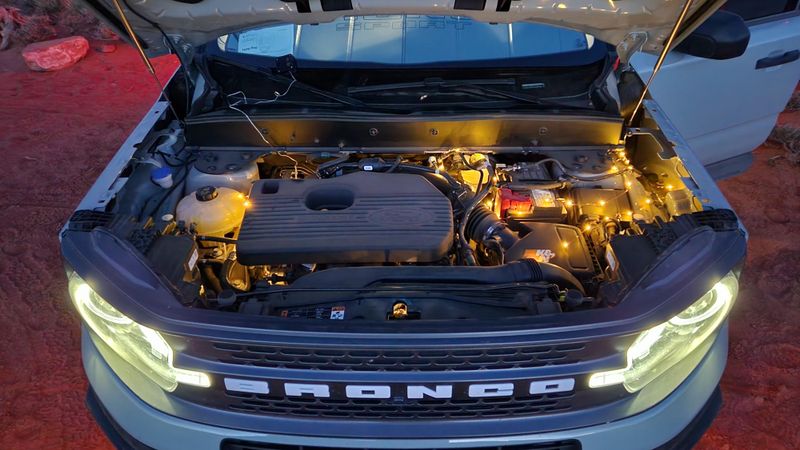
Mice are creatures of the shadows. They come out at night because darkness keeps them hidden from owls, cats, and other hungry hunters.
Take away that darkness, and an engine bay suddenly feels much less safe.
Some drivers have had good luck simply leaving a light on under the hood overnight. A small battery-powered LED work light or a magnetic puck light works well, since LEDs stay cool and use very little energy.
You can also leave the hood propped open in a closed garage, which removes the cozy cave feeling that mice love.
A clever trick is to use a light with a timer or motion sensor. Sudden bursts of brightness can startle mice away before they settle in.
Just make sure the light is battery powered, not plugged into your car battery, so you do not wake up to a dead car on a frozen morning.
Opening the hood also lets you peek inside each evening. Look for droppings, chewed bits of insulation, or stashes of seeds and dog food, which are clear signs mice have checked in.
Catching them early makes a huge difference, and a quick nightly glance becomes an easy winter habit.