
That big fall plant sale came and went, but your garden plans do not have to wait another year. Florida has native plant nurseries, local plant groups, and other sources beyond the seasonal sale tables.
Finding the right seller can help you choose plants that fit your soil, support wildlife, and look good near your home. Here are 10 places and shopping routes worth checking before you give up on that empty garden bed.
1. Florida Association of Native Nurseries Directory
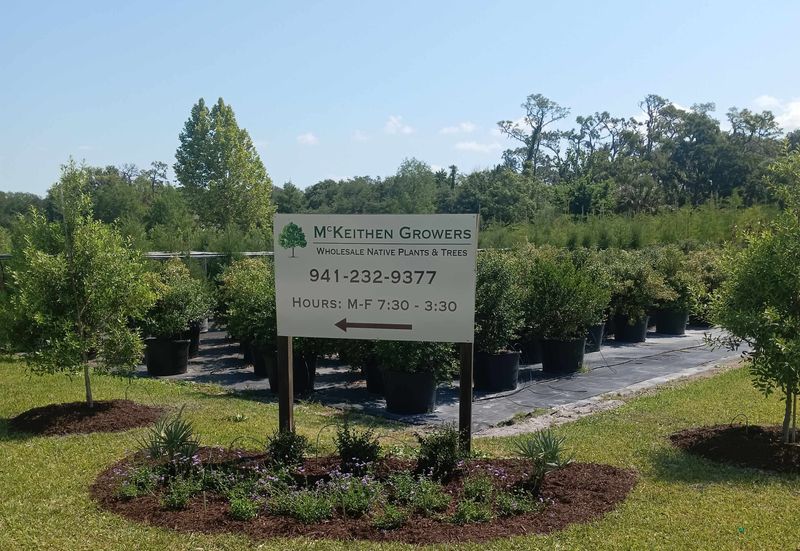
Your next plant stop may be closer than the sale you missed. The Florida Association of Native Nurseries, often called FANN, offers an online directory that helps gardeners find native plant businesses around the state.
Use it to build a short list of growers near your county rather than driving across Florida for a single plant. Check each listing carefully because some businesses serve wholesale buyers, work by appointment, or offer landscape services instead of regular retail shopping.
Before calling, write down your bed’s sunlight, drainage, and available space. A request for a low-growing native for dry sand is much easier to answer than a request for something pretty.
Ask whether the nursery sells to homeowners, what sizes are available, and whether your choices occur naturally in your part of Florida. The directory is a starting point, not a live inventory feed, so confirm stock and visiting details directly before making the trip.
2. Florida Native Plant Society Chapters
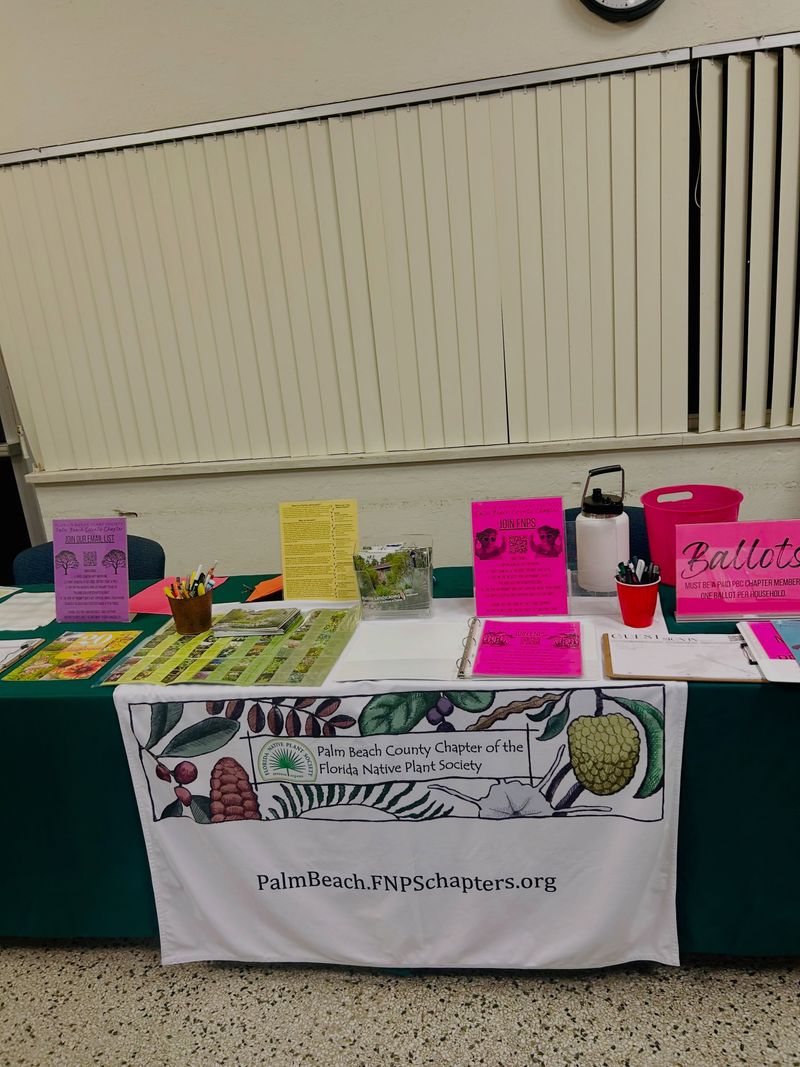
A local plant enthusiast can sometimes solve a shopping problem faster than a search engine. Florida Native Plant Society chapters connect gardeners with people who know their area’s plants, growers, and growing conditions.
Check your chapter’s calendar for smaller sales, meetings, and public events after the big fall sale season. Some chapters may arrange plant swaps or share notices from nearby sellers, though activities vary and plants are not available at every meeting.
The real advantage is local knowledge. Members may know which nursery carries a hard-to-find shrub or which native groundcover handles your neighborhood’s sandy soil without spreading into every nearby bed.
Contact the chapter before attending with shopping bags in hand. Ask about upcoming buying opportunities and whether an event welcomes nonmembers.
If someone offers divisions or seedlings, confirm the botanical name and inspect for weeds and pests. Accept cultivated plants with permission, never plants collected from parks, roadsides, or natural areas without proper authorization.
3. Native Nurseries in Tallahassee
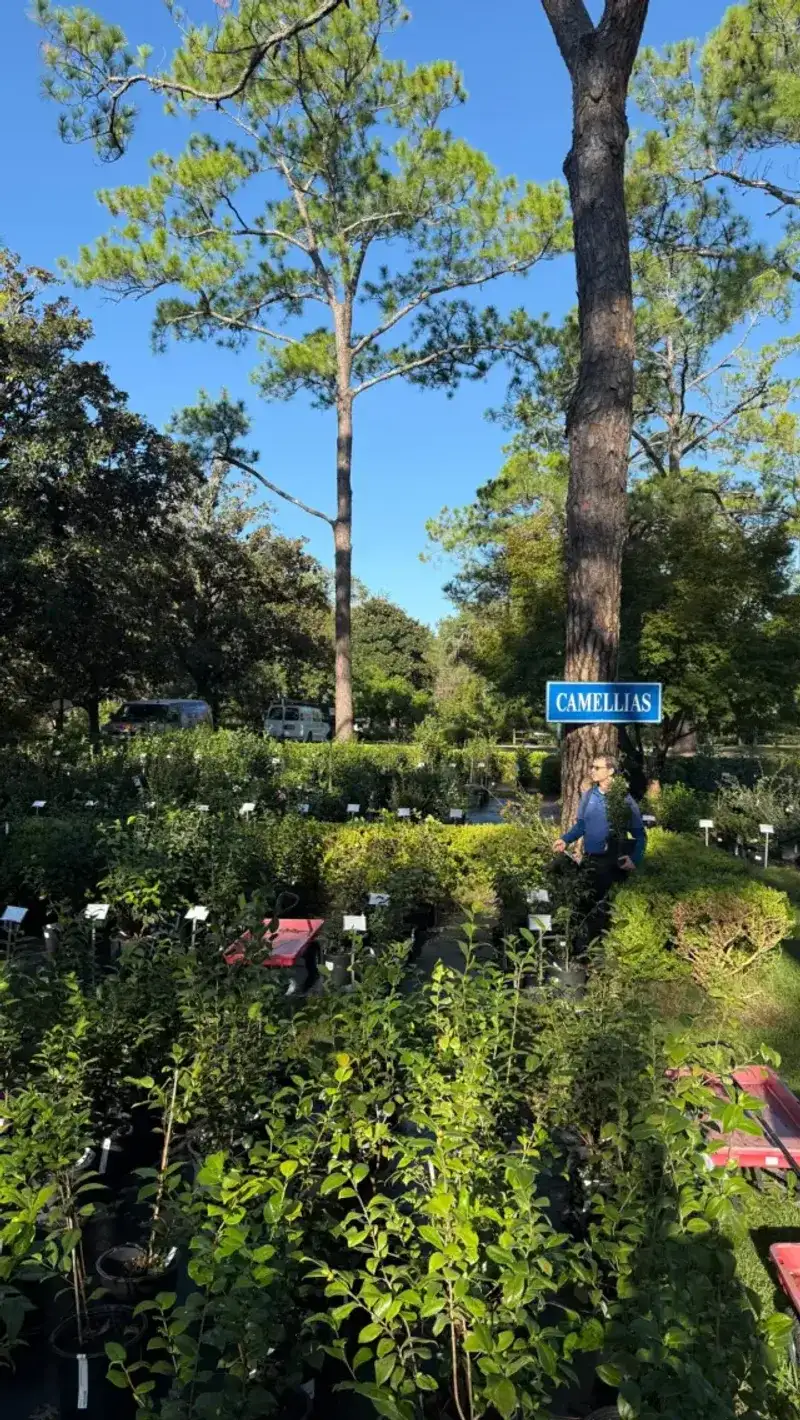
North Florida gardeners face a different plant puzzle from their neighbors near Miami. Winter freezes, shaded yards, and seasonal changes make a regionally focused nursery especially useful.
Native Nurseries in Tallahassee is an established destination for gardeners interested in native plants and wildlife-friendly yards. Check its current hours and selection before visiting, especially if you want several matching plants for a front-yard border.
Bring photos of the planting area and explain what happens there after heavy rain. A dry slope beneath trees needs a different plant mix from a low spot that stays wet for days.
For a manageable first project, ask about a small grouping of locally suitable flowers, grasses, and one shrub. That layered approach can provide more cover and seasonal interest than scattering unrelated plants across the lawn.
Keep mature size in the conversation, too. A shrub that looks tidy in a nursery pot may eventually block a window or walkway, even when it is native and well suited to Tallahassee.
4. Notestein’s Nursery in Gainesville
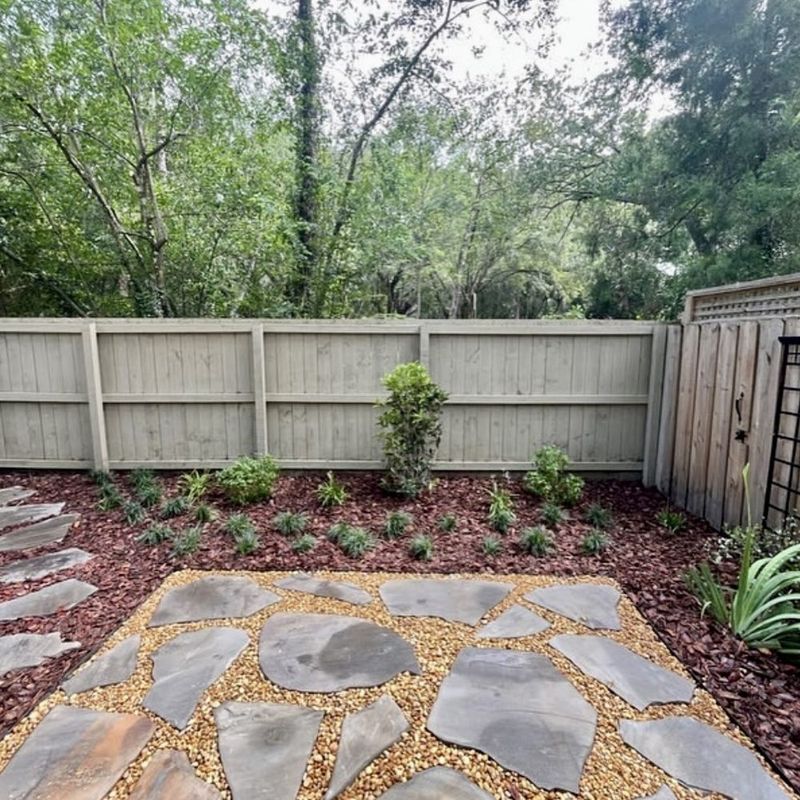
One well-placed shrub can do more for a bare yard than a trunk full of impulse buys. Gainesville-area gardeners can look into Notestein’s Nursery as a native plant source, while confirming current purchasing and visiting arrangements directly.
A specialist grower is particularly helpful when you need to match a plant to a tricky site. Around north-central Florida, deep sand, tree roots, shade, and occasional cold snaps can all shape what belongs in a bed.
Start with the job you want the plant to perform. Perhaps you need a loose screen along a fence, flowers beside the porch, or cover for birds near an existing tree.
Then discuss suitable species, mature width, and the time needed to fill the space. Buying smaller plants can lower the initial cost, but it requires patience and careful watering while roots establish.
Do not assume a specialty nursery operates like a large garden center. Confirm access, payment options, and availability before traveling, and bring a way to keep pots upright on the ride home.
5. Green Isle Gardens in Groveland
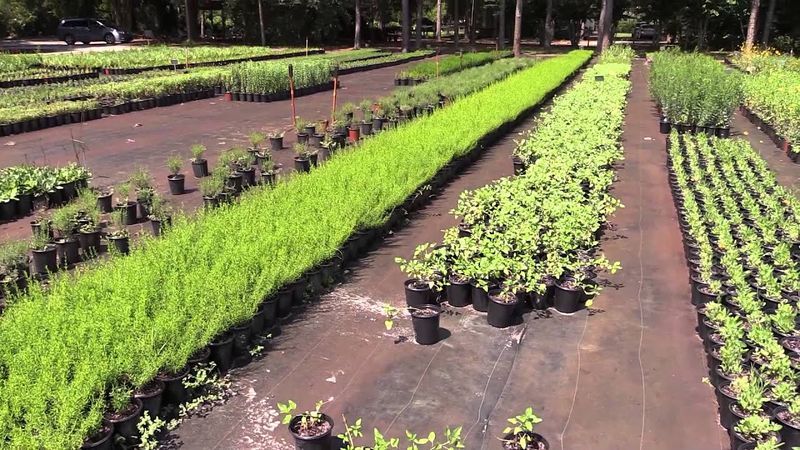
Repeating a few good plants often creates a cleaner-looking bed than collecting one of everything. Green Isle Gardens in Groveland is a native plant nursery to investigate when you want to turn a plant wish list into a more organized Central Florida landscape.
Review current visiting information and ask about stock before setting out. If your plan calls for seven matching wildflowers or a row of grasses, confirm quantities rather than assuming the growing area has everything ready for sale.
Bring rough bed measurements and note nearby pavement, roof runoff, and irrigation. A sunny planting beside a driveway may dry faster than another sunny spot just across the yard.
Ask which locally appropriate plants can share the same watering conditions. Grouping plants by their needs helps prevent the common mistake of keeping a dry-site native constantly wet to satisfy its thirsty neighbor.
Leave room between young plants based on their adult spread. The open spaces may look modest at first, but sensible spacing reduces crowding and future transplanting.
6. Sweet Bay Nursery in Parrish
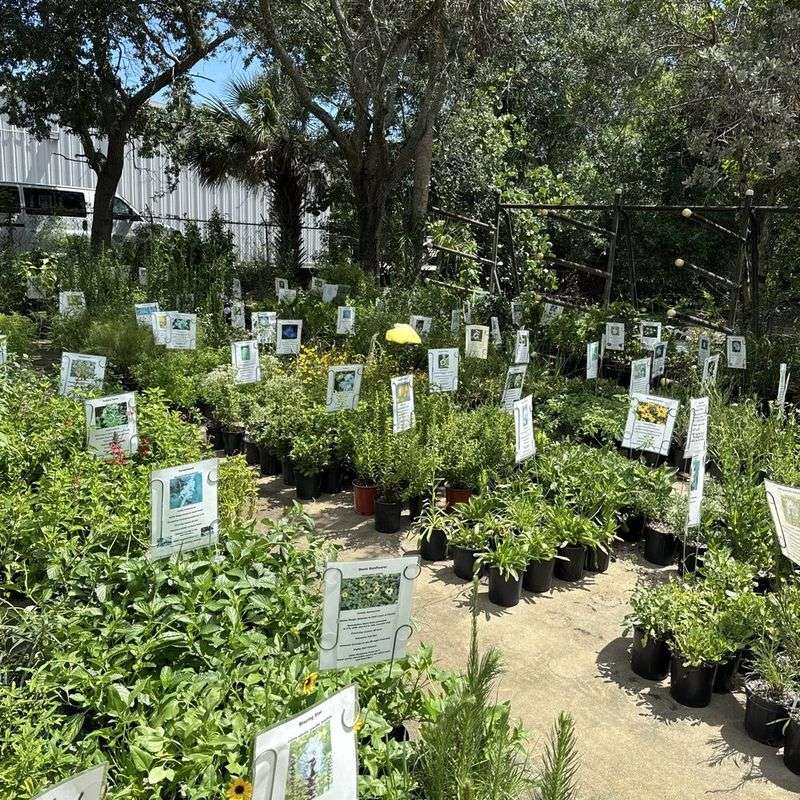
Butterflies make plant shopping more fun, but flowers are only part of the habitat story. Sweet Bay Nursery in Parrish gives southwest Florida gardeners another native-focused business to check after a major seasonal sale has ended.
Ask about both nectar plants for adult butterflies and host plants that caterpillars can eat. Different butterflies use different hosts, so a tag that simply says butterfly plant does not tell the whole story.
For a small yard, choose a few suitable species you can repeat rather than trying to attract every butterfly at once. Include plants with different flowering periods when space and local conditions allow.
Before purchasing, ask how the plants were grown and whether any pesticide treatments could affect visiting insects. That conversation is especially useful when buying foliage that caterpillars will soon eat.
Confirm current hours and inventory, then plan for establishment watering at home. Fall weather can make outdoor work more pleasant, but southwest Florida’s dry periods still leave newly planted root balls vulnerable to drying out.
7. Wilcox Nursery & Landscape in Largo
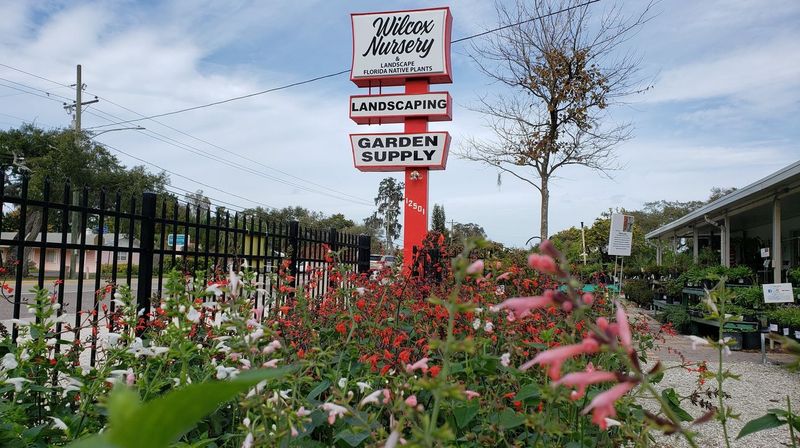
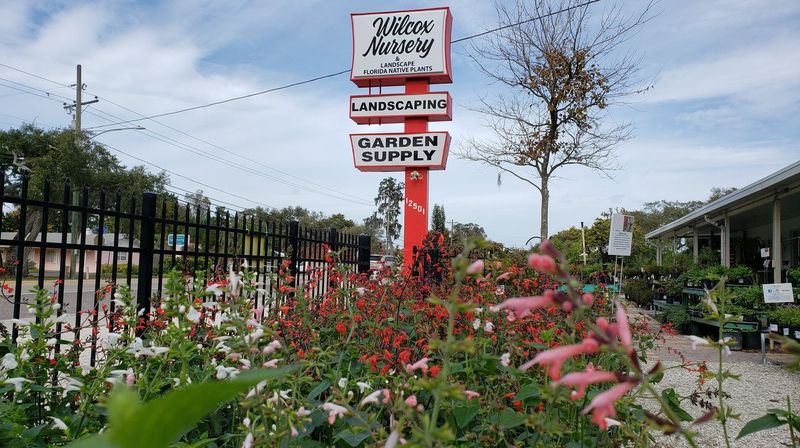
A shopping list gets complicated when your front yard needs a whole new plan. Wilcox Nursery & Landscape in Largo is worth checking if you want native plants along with information about landscape planning or installation services.
That combination can be useful for Pinellas County homeowners replacing a patch of lawn or rebuilding an overgrown entry bed. Confirm the services currently offered, any consultation fees, and how far the business travels before planning around outside help.
Whether you buy plants only or request design support, bring measurements and photos from several angles. Include practical details such as utility boxes, downspouts, gates, and the space needed to walk comfortably.
For coastal properties, explain your actual exposure. Salt spray, salty irrigation water, and sandy soil are separate challenges, and a plant that tolerates one may not handle the others.
Ask for a plan based on mature sizes rather than instant fullness. Fewer, well-placed plants can leave room for healthy growth and make routine pruning easier in a small residential yard.
8. Florida Native Plants Nursery & Landscaping in Sarasota
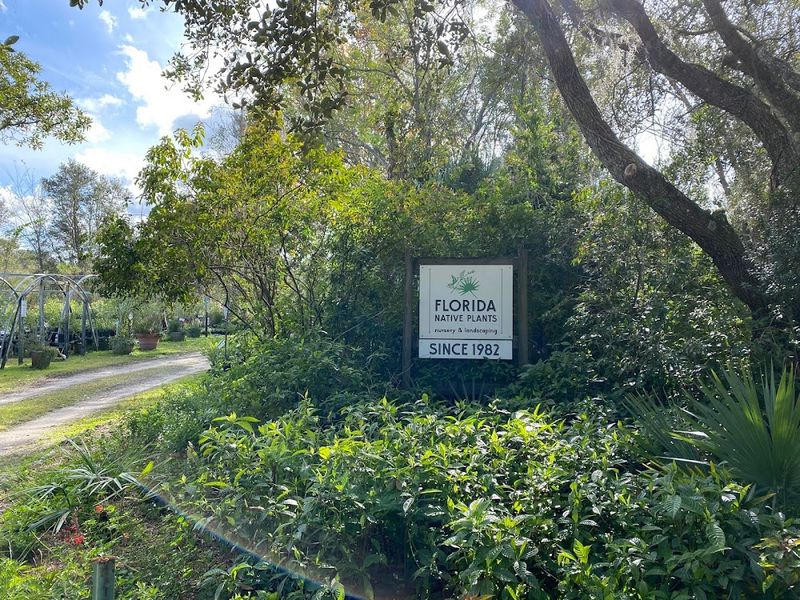
Seeing a plant’s future size can save you from an expensive mistake. Sarasota-area gardeners can investigate Florida Native Plants Nursery & Landscaping for native plant shopping and information about landscape services, with current arrangements confirmed before visiting.
Use the visit to think beyond flower color. Leaf texture, mature height, and the shape of a shrub all affect how a planting looks from the street or kitchen window.
If examples of established plants are available to view, compare them with the small pots offered for sale. Ask how long the plants take to fill out and what maintenance keeps them suited to a home landscape.
A practical starter project is a modest bed beside a patio, where you can watch wildlife and reach new plants easily with a hose. Match species to the site’s light and drainage rather than assuming every Florida native tolerates the same conditions.
Keep mulch away from plant crowns and follow species-specific watering advice. Even plants chosen for lower long-term maintenance need attention while their roots move into the surrounding soil.
9. Mail-Order Native Plant Nurseries
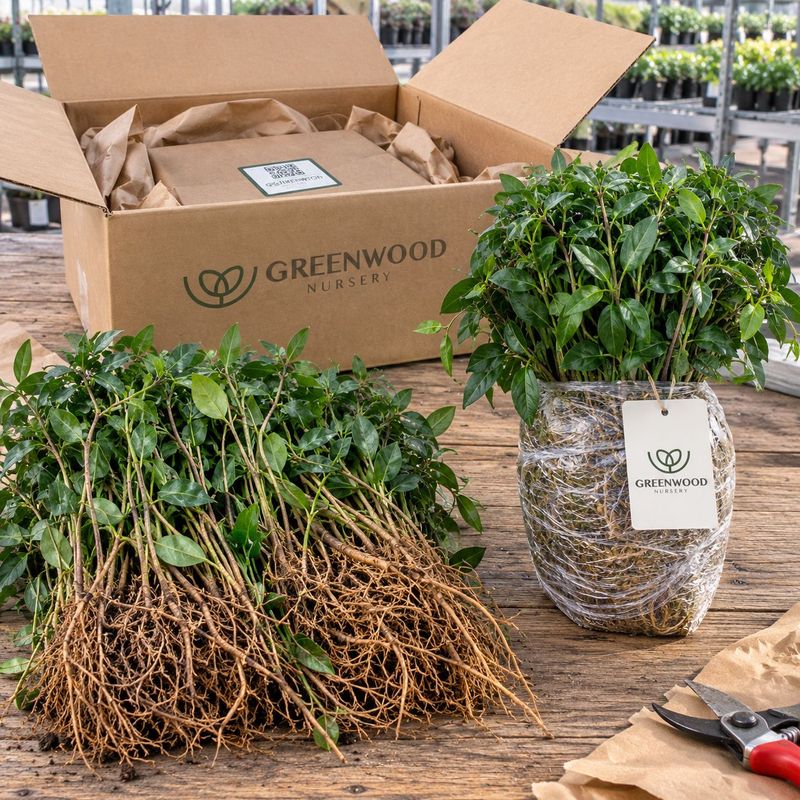
A small box on the porch can rescue a garden plan when local shelves come up short. Mail-order native plant nurseries are useful for finding particular species or ordering small plugs for a repeated border.
Choose sellers that clearly identify plants by botanical name and explain where they ship. A species native somewhere in the United States is not automatically native to Florida, and a Florida native may still be poorly suited to your county.
Compare the total cost, including shipping, with local nursery prices. Check pot size, shipping dates, replacement policies, and whether the seller describes the source of its plant material.
Order when you can receive and unpack the plants promptly. Florida heat can stress a box left outside, even when the calendar says fall.
After arrival, inspect for pests and follow the nursery’s unpacking instructions. Introduce sheltered plants to stronger sun gradually when needed, and have the bed ready so a convenient purchase does not become a collection of drying pots beside the garage.
10. Florida Native Wildflower Seed Suppliers
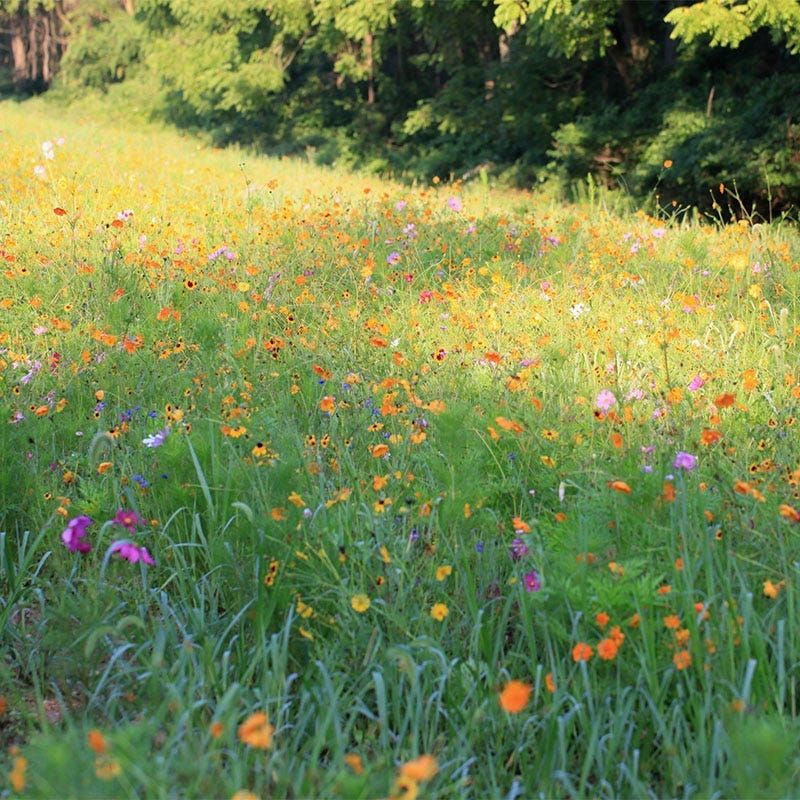
For a larger sunny patch, seeds can stretch a garden budget further than individual pots. Look for suppliers that identify Florida-native wildflowers clearly, and use Florida Wildflower Foundation resources to help evaluate species and growing advice.
Skip generic wildflower mixes unless you have checked every ingredient. Colorful packaging may hide nonnative species or plants that do not suit Florida’s climate.
Ask about seed origin, sowing season, and the conditions each species needs to germinate. Planting dates vary by species and region, so fall is not a universal instruction for every packet.
Success starts with site preparation, especially removing competing weeds before sowing. Follow species-specific directions for soil contact and planting depth rather than burying tiny seeds beneath a thick layer of mulch.
Begin with a small trial area you can water and monitor. Seeds offer good value, but seedlings need identification, weed control, and patience before the patch looks finished.
For faster curb appeal, combine a few nursery-grown plants with a separate seeded area. You get some immediate structure while the slower part of the garden develops.