
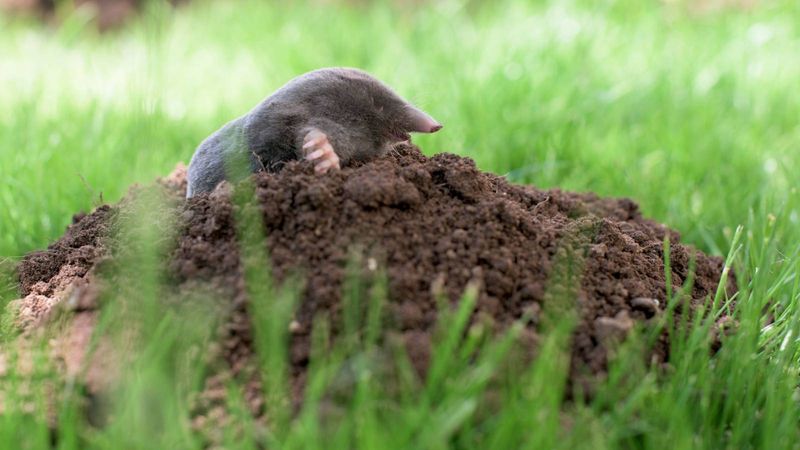
Nothing ruins a smooth Southern lawn faster than those raised ridges and squishy tunnels moles leave behind. The good news is that moles have a very sensitive nose, and certain strong smells can make them want to move somewhere else.
In this guide you will find seven scents that may help push moles out of your yard without harsh chemicals. Let’s look at what to use, where to put it, and why it works.
1. Castor Oil
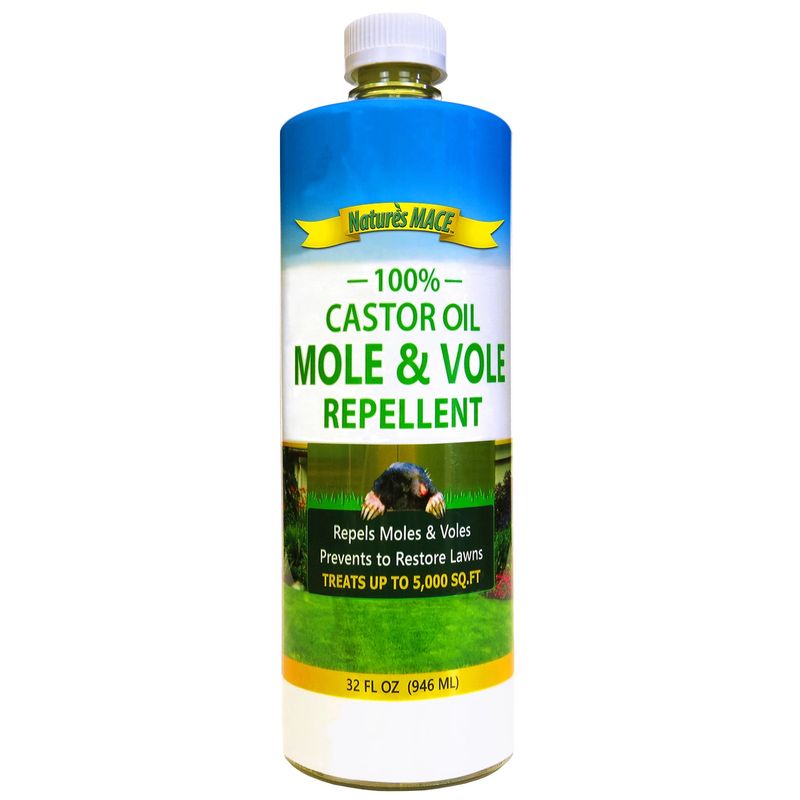
If there is one smell that mole-fighters swear by, castor oil sits right at the top of the list. Moles find its greasy, heavy scent deeply unpleasant, and it also coats the earthworms and grubs they love to eat, making their meals taste terrible.
You can mix a few tablespoons of castor oil with a squirt of dish soap and a gallon of water, then soak it into the tunnel areas. Many Southern gardeners drench the soil right after a rain so it sinks down where moles travel.
What makes castor oil different from the other tricks here is that it works on both smell and taste at the same time. A mole may tunnel past a strong odor once, but when its food supply starts tasting foul too, the yard stops feeling worth the effort.
Reapply every few weeks and after heavy rains, since Florida and Texas downpours wash it away fast. It will not guarantee a mole-free lawn overnight, but consistent use can nudge them toward your neighbor’s grass instead.
2. Garlic
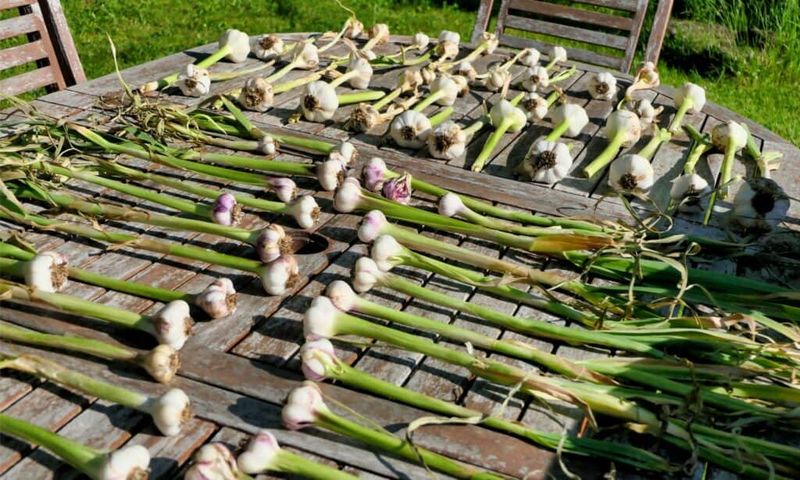
Vampires get all the garlic jokes, but moles hate the stuff just as much. The sharp, sulfur-heavy odor of crushed garlic drifts through underground tunnels and irritates a mole’s ultra-sensitive nose.
Crush several cloves and drop them straight into active tunnels, or blend garlic with water to make a spray you can pour along the ridges. Some folks in Texas plant garlic near the edges of vegetable beds to build a scented barrier that does double duty in the kitchen.
The reason garlic earns its own spot is convenience. Most people already have a bulb rolling around a kitchen drawer, so you can start tonight without a special trip to the store.
Keep in mind the smell fades as the cloves dry out, so refresh them every week or so to hold the line. Garlic may reduce mole traffic in the treated zones, though a determined mole can dig a new path around it.
Pair it with another scent on this list for a stronger, layered defense across the whole yard.
3. Cayenne Pepper
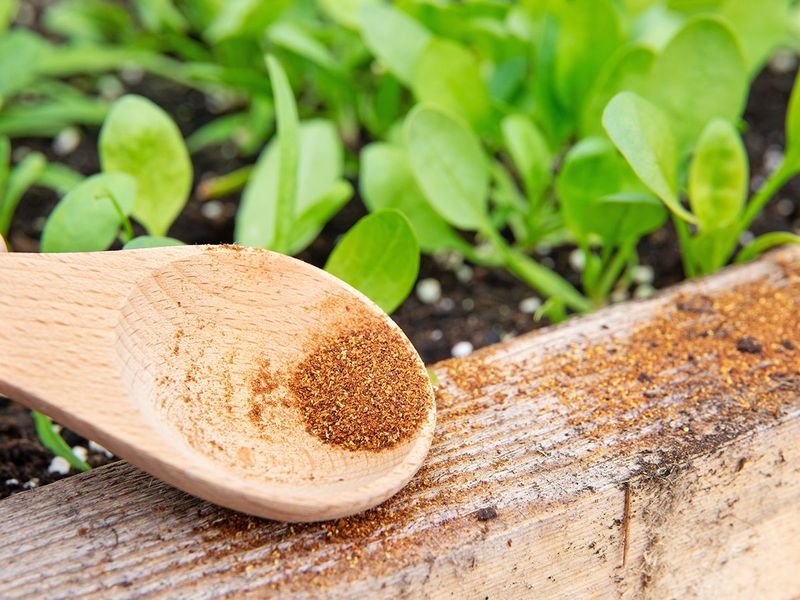
Bright red and blazing hot, cayenne pepper brings a one-two punch of smell and sting that moles would rather avoid. The spicy compound called capsaicin creates a burning sensation around their nose and paws as they dig.
Sprinkle the powder directly into tunnel openings and along the raised soil lines where moles push up dirt. For wider coverage, stir cayenne into water with a little soap and pour it into the runs.
What sets cayenne apart is how it targets touch, not just scent. A mole might tolerate a bad smell, but crawling through peppery soil is a whole different level of miserable.
Southern heat can dry the powder quickly, so plan to reapply after watering or rain. Wear gloves when you handle it, and keep it away from your eyes and any curious pets sniffing around the beds.
Cayenne will not poison the moles, which makes it a gentler choice for wildlife-minded gardeners. It can discourage tunneling in the spots you treat, especially when you refresh it often and hit their busiest runs.
4. Peppermint Oil
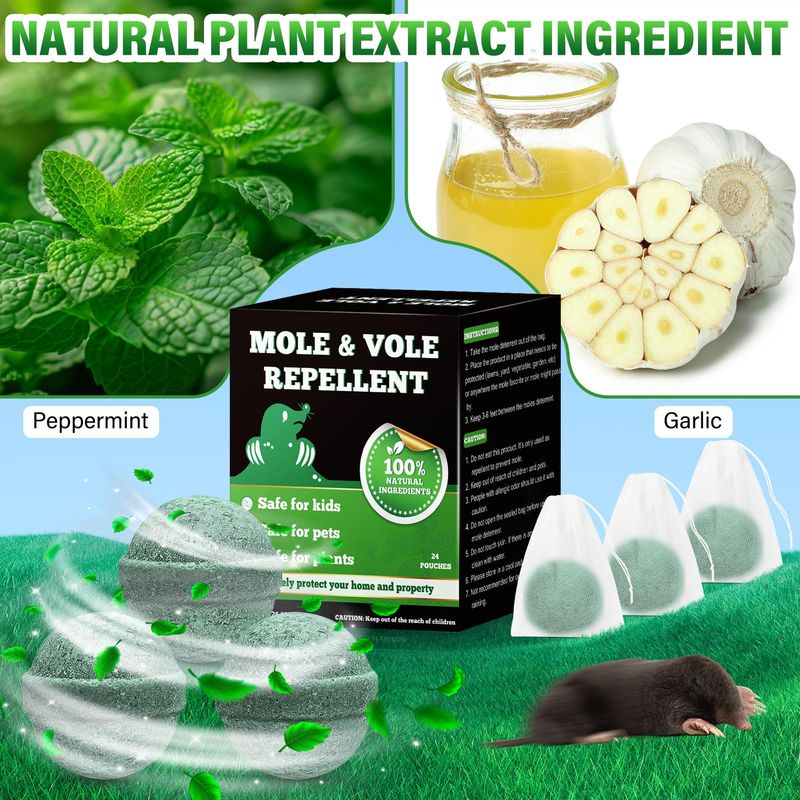
Cool and refreshing to us, peppermint oil hits a mole’s nose like a wall of overpowering fumes. Its strong menthol scent is one of the most intense natural odors you can send down a tunnel.
Soak cotton balls in a few drops of peppermint oil and tuck them into the mole runs, or mix the oil with water for a spray you can apply along the ridges. Planting mint nearby adds a slow, steady release of scent, though mint spreads fast so keep it in pots.
Peppermint stands out because a little goes a long way. Just a handful of drops fills a tunnel with fragrance that lingers longer than crushed garlic or loose pepper.
In warm Florida and Texas gardens, the oil evaporates quicker in the heat, so check your cotton balls every few days and add more oil as needed. It smells pleasant to you while it works, which is a nice bonus.
No repellent is foolproof, but peppermint oil can help make your lawn feel far less inviting to a burrowing visitor.
5. Coffee Grounds
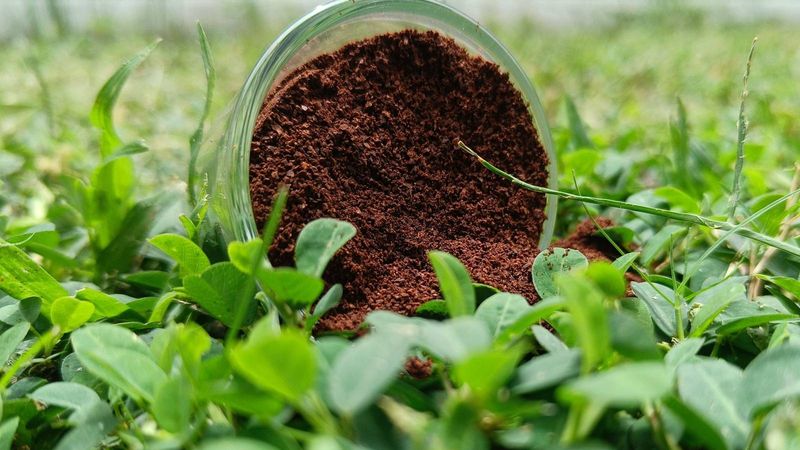
Your morning cup can pull a second shift as a mole deterrent. Used coffee grounds carry a bitter, roasted smell that moles find off-putting, and they are the easiest freebie on this whole list.
Scatter the grounds directly into tunnels and over the raised soil lines, then let the odor drift underground. Because coffee breaks down into the dirt, it also feeds your grass and beds a little nitrogen as it goes.
The real charm here is that you were going to toss these anyway. Instead of the trash, they head straight to the trouble spots, turning kitchen waste into a low-cost yard defense.
Fresh grounds smell strongest, so add a new layer every few days to keep the scent lively. In humid Southern weather they can clump and mold, which means spreading them thin works better than piling them up.
Coffee grounds alone may not clear a serious mole problem, but they can help nudge moles away from treated patches while quietly improving your soil. Think of them as a friendly first step you can start tomorrow with zero extra spending.
6. Vinegar
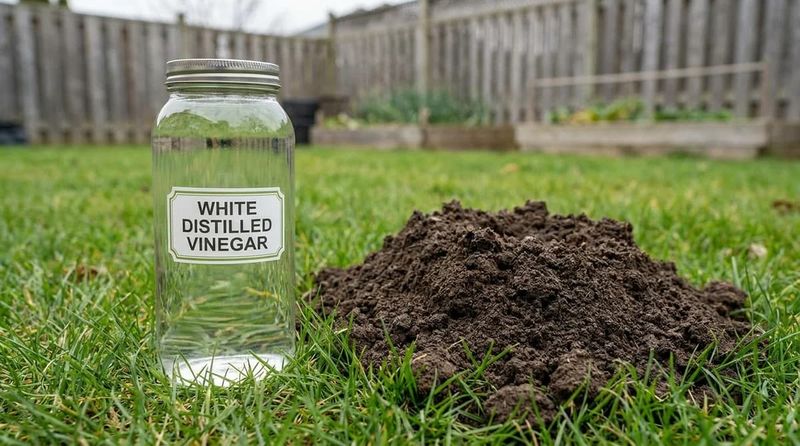
Sharp enough to make your eyes water, vinegar sends a sour, acidic punch straight into a mole’s sensitive snout. That biting smell is exactly why it belongs in your yard arsenal.
Pour undiluted white vinegar directly into active tunnels, or mix it half and half with water for a milder version you can apply more widely. Focus on the fresh ridges where moles are clearly working, since that is where the scent does the most good.
Vinegar earns its place by being both cheap and multi-purpose. The same jug that cleans your kitchen counters can double as a tunnel treatment, so there is no special product to hunt down.
Go easy, though. Too much vinegar can lower your soil’s pH and stress nearby grass or plants, so keep it aimed at the tunnels and off your prized beds.
Reapply after rain washes it away, which happens often during Southern storm season. While vinegar may not evict a mole permanently, it can make the treated runs unpleasant enough that a mole starts looking for calmer, less smelly ground elsewhere.
7. Marigolds and Daffodils

Here is a trick that fights moles while making your yard prettier. Marigolds and daffodils give off root and flower scents that moles dislike, so a border of them can quietly guard your lawn’s edges.
Daffodil bulbs are mildly toxic and give off a smell moles avoid, while marigolds are famous for repelling all sorts of underground pests with their pungent roots. Plant them around beds, walkways, and the borders of your grass to build a living scent fence.
What makes this option special is the payoff beyond mole control. You get curb appeal, pollinator-friendly blooms, and color that lasts through much of the long Southern growing season.
Marigolds thrive in Florida and Texas heat, and daffodils return year after year with almost no fuss. Set them where moles usually enter and let the plants do slow, steady work.
A flower border will not chase out a mole already deep in your yard, but it can help discourage new ones from moving in. Best of all, this is the one repellent on the list that leaves your yard looking better, not messier.