
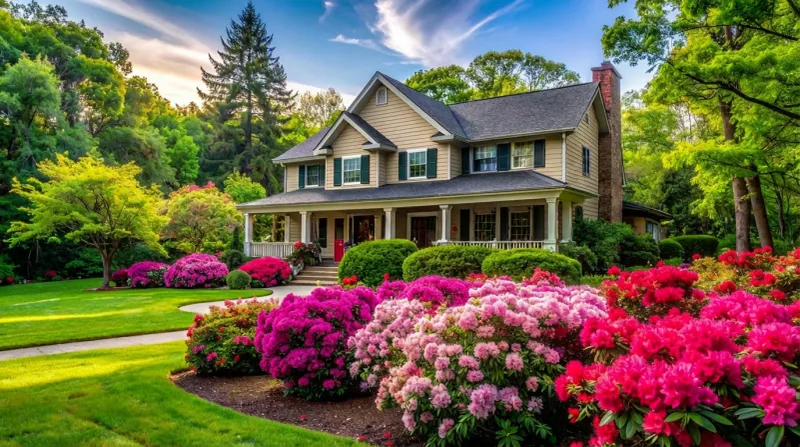
Leyland cypress used to be the go-to privacy plant in North Carolina yards, but too many folks watched theirs turn brown, split in ice storms, or die from disease. The good news is that native shrubs can hide your neighbors just as well, and they hold up far longer because they belong here.
As a bonus, they feed birds, shelter pollinators, and fit right into the NC landscape without any fuss. Here are ten tough native shrubs that make a living wall you can actually count on.
1. Wax Myrtle (Southern Bayberry)
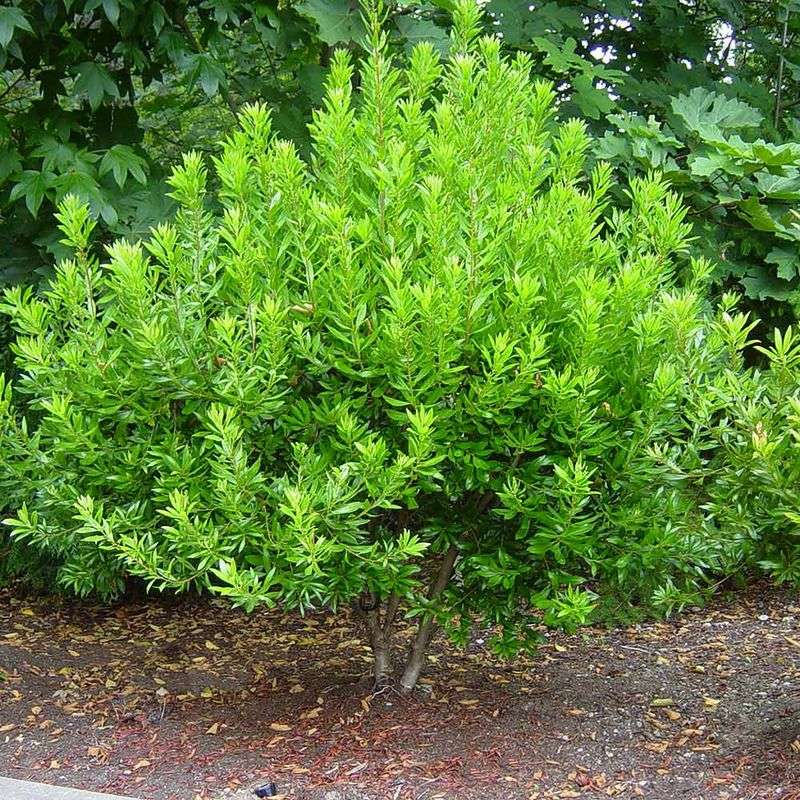
Ask any coastal North Carolina gardener for a fast, forgiving screen and wax myrtle almost always comes up first. It shoots up several feet a year and keeps its olive-green leaves through winter, so your privacy never takes a season off.
The crushed foliage smells faintly of bay, and the pale waxy berries feed yellow-rumped warblers and other winter birds. That combination of speed and wildlife value is exactly what a Leyland cypress never delivered.
Plant it in Piedmont clay or sandy coastal soil and it barely blinks. It shrugs off salt spray, wet feet, and drought once it settles in.
Space plants about five feet apart for a solid wall, and give it a light trim in late winter to thicken the base.
2. Yaupon Holly
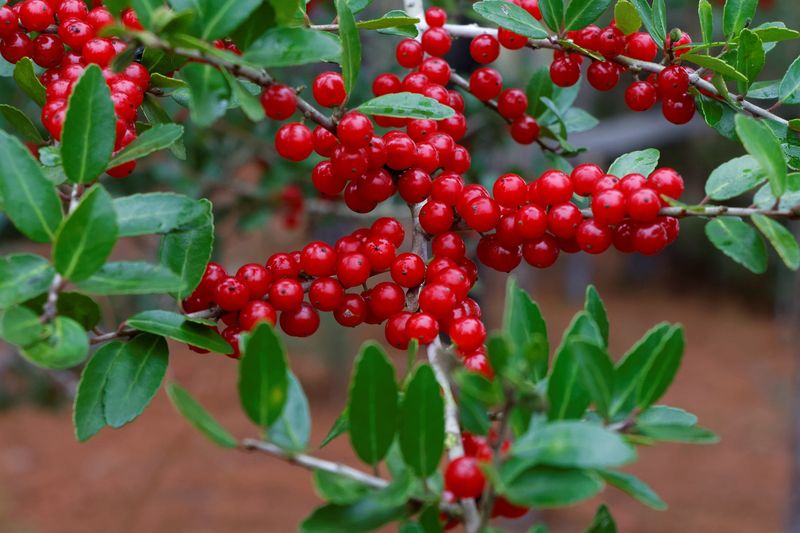
Here is a plant with a caffeine kick built right in. Yaupon holly is the only native North American plant that makes caffeine, and Southern folks once brewed its leaves into a tea long before coffee showed up.
Beyond the fun history, it makes a rock-solid screen. The small evergreen leaves stay tight and dark all year, and female plants light up with red berries that cedar waxwings and mockingbirds devour in winter.
Yaupon takes shearing better than almost any native shrub, so if you want a crisp, formal privacy wall, this is your pick. It handles drought, poor soil, and coastal wind without complaint, making it a low-effort choice for busy NC homeowners.
3. American Holly
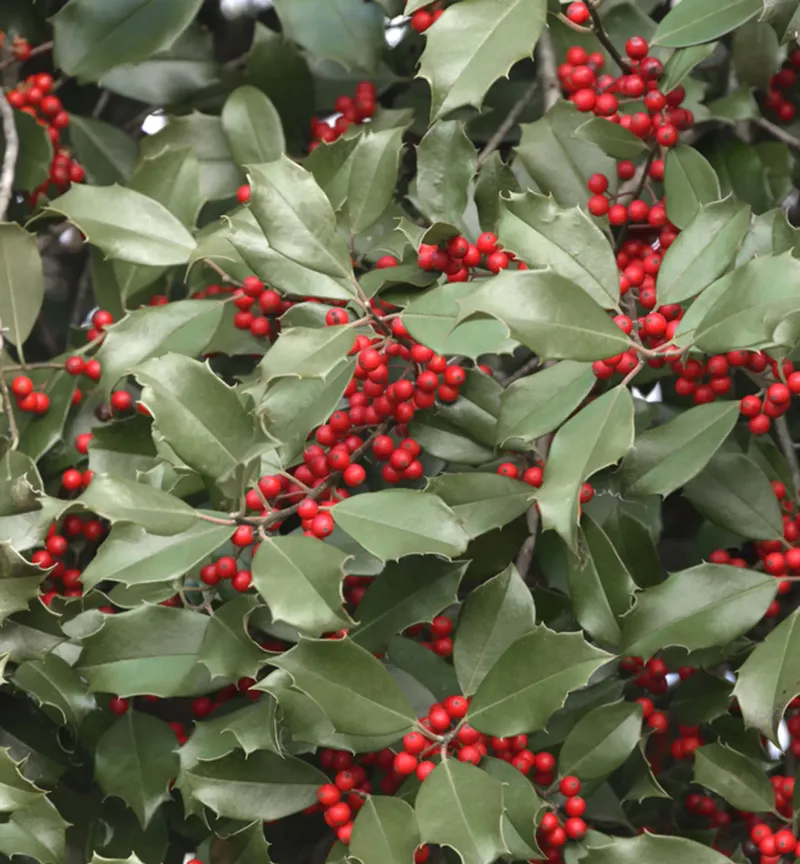
When you want a screen that doubles as a landmark, American holly delivers. It grows into a tall pyramid of spiny, deep-green leaves that stop wandering eyes and curious deer alike.
The spiny foliage is more than decoration. It creates a barrier that discourages foot traffic, and the bright red winter berries turn into a feeding station for robins, bluebirds, and thrushes.
It grows slower than wax myrtle, so patience pays off here, but the tradeoff is a tree that can live for decades and never needs replacing after an ice storm. Plant it in well-drained soil with some afternoon shade in the hot Piedmont, and let a few grow together for a layered, year-round wall of green.
4. Eastern Red Cedar
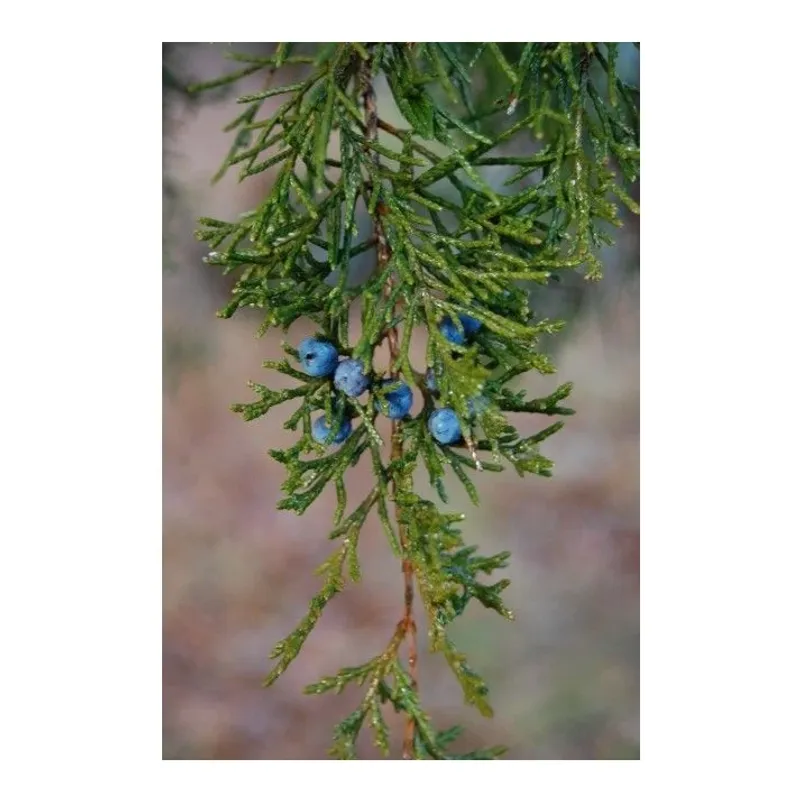
If you loved the look of Leyland cypress, eastern red cedar is the native that finally gets it right. It gives you that same tall, feathery evergreen column, except this one actually belongs in North Carolina and can live for a century or more.
Tough is an understatement. It thrives in dry, rocky, or clay soil, tolerates road salt, and holds firm through ice and wind that would snap a Leyland in half.
The frosty blue berries feed cedar waxwings by the flock, and the dense branches give birds a safe place to nest and roost. One caution worth knowing: keep it away from apple trees, since it can pass along cedar-apple rust.
For a windbreak or a full-privacy row, few natives match its staying power.
5. Inkberry Holly
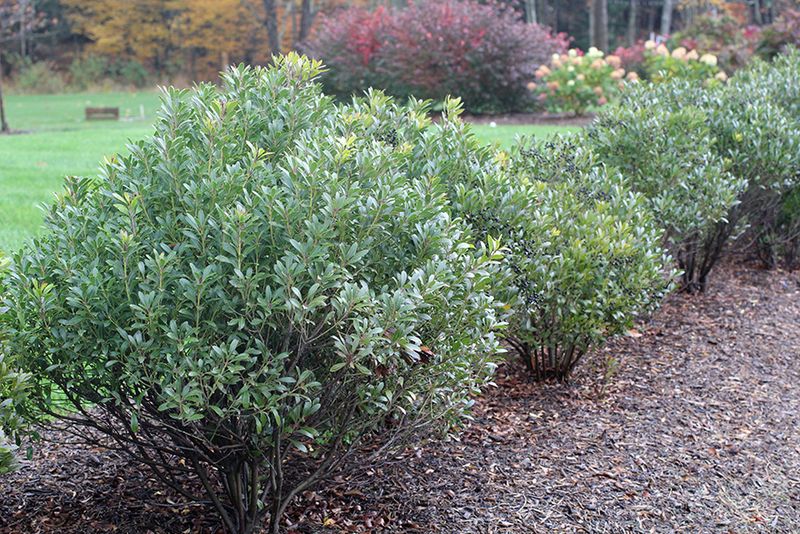
Not every screen needs to tower overhead, and inkberry proves it. This spineless native holly stays lower and rounder, making it perfect for boxing in a patio or blocking a neighbor’s ground-floor view without shading out your whole yard.
Its smooth, dark-green leaves stay put all winter, and the little black berries it produces feed songbirds when other food gets scarce. Bees love the spring flowers too, so it earns its keep from March through the cold months.
Inkberry naturally grows in damp spots, which makes it a smart fix for that soggy corner where nothing else survives. Give it acidic soil and even moisture, and trim it lightly to keep the base full and leafy.
6. Devilwood (Wild Olive)
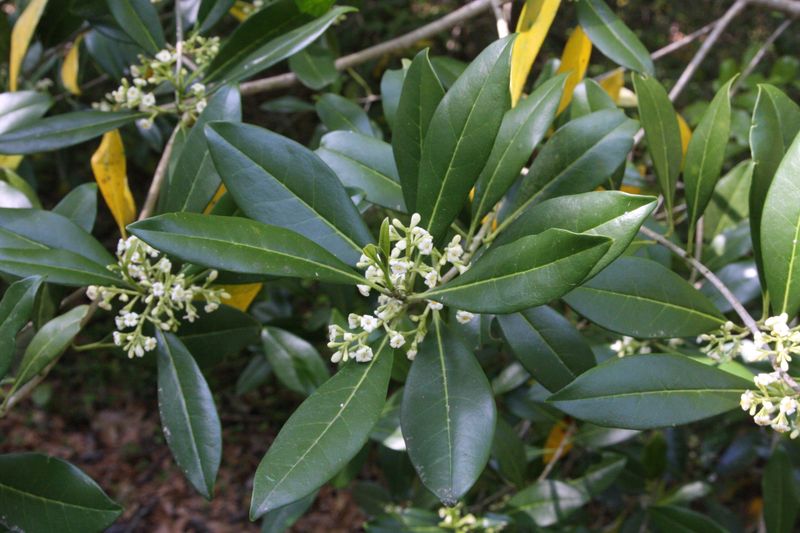
Few gardeners have heard of devilwood, and that is a shame worth fixing. This under-the-radar native evergreen carries leathery, olive-like leaves and puffs out clusters of tiny white flowers in spring that perfume the whole yard.
The sweet scent draws early pollinators, while the dark fruits that follow feed birds later in the season. It grows into a dense, upright screen that shrugs off heat and coastal conditions.
Because it stays glossy and green all year, it makes a handsome alternative to overused hedge plants. Give it partial shade and decent drainage, and you will have a fragrant living fence that most of the neighborhood has never seen before.
7. Wax Leaf Ligustrum Alternative: Fetterbush (Lyonia)
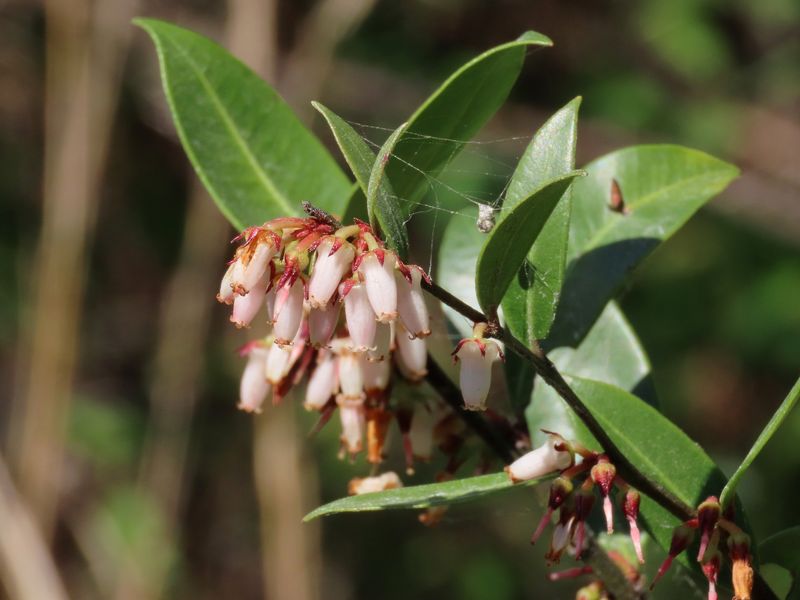
Tired of invasive privet taking over? Fetterbush is the well-behaved native that gives you the same lush, glossy evergreen look without escaping into the woods.
Come spring, it hangs dainty white or pink bell-shaped flowers along its stems, drawing bumblebees and native pollinators to your fence line. The rest of the year, its dense leafy growth keeps prying eyes out.
It naturally grows in moist, acidic woodland soil, so it fits perfectly in shadier, damper parts of a Piedmont or mountain yard where sun-loving screens struggle. Group several together for a soft, layered privacy edge that feeds wildlife instead of crowding it out.
8. Mountain Laurel
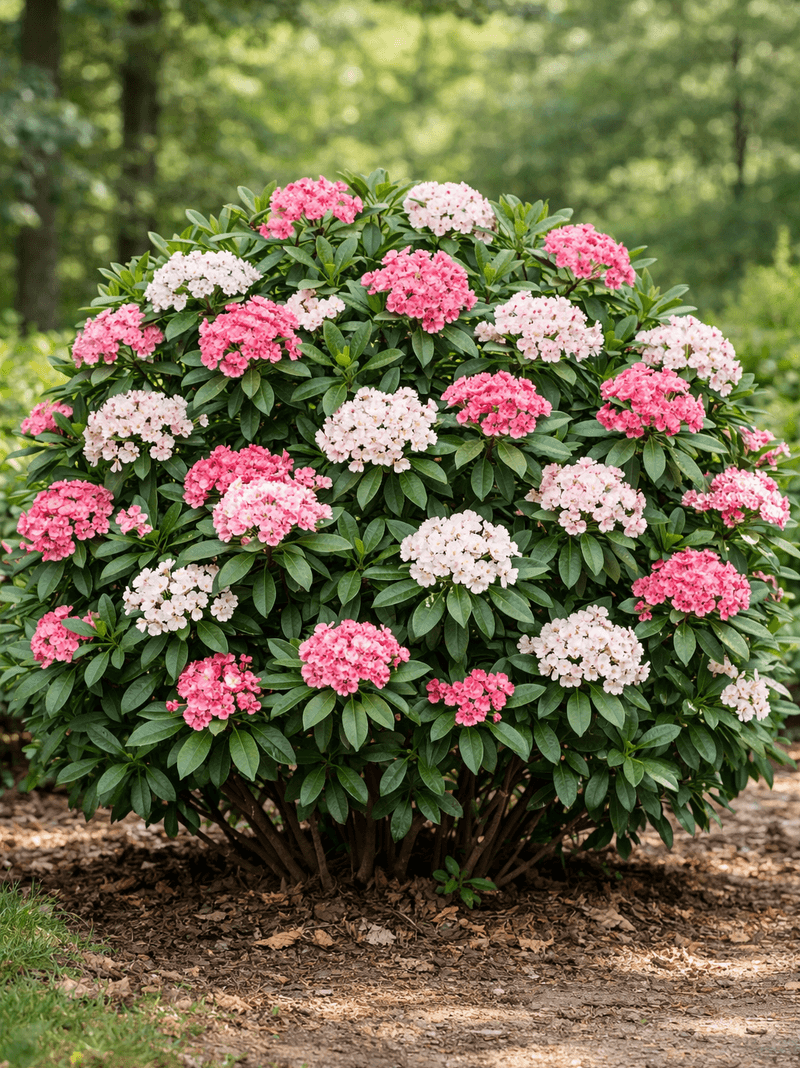
For mountain and upper-Piedmont gardeners, mountain laurel turns a privacy hedge into a spring showstopper. In May and June it erupts with clusters of pink and white cup-shaped blooms that look almost too perfect to be real.
The rest of the year, its dense evergreen leaves keep the screen intact and give shelter to birds tucked in the branches. Native bees work the flowers hard when they open.
It prefers cool, shady spots with acidic, well-drained soil, exactly the conditions found under NC hardwoods. Keep in mind the leaves are toxic if eaten, so place it away from grazing animals, and let it grow into a naturally rounded, layered wall of green and bloom.
9. Southern Arrowwood Viburnum
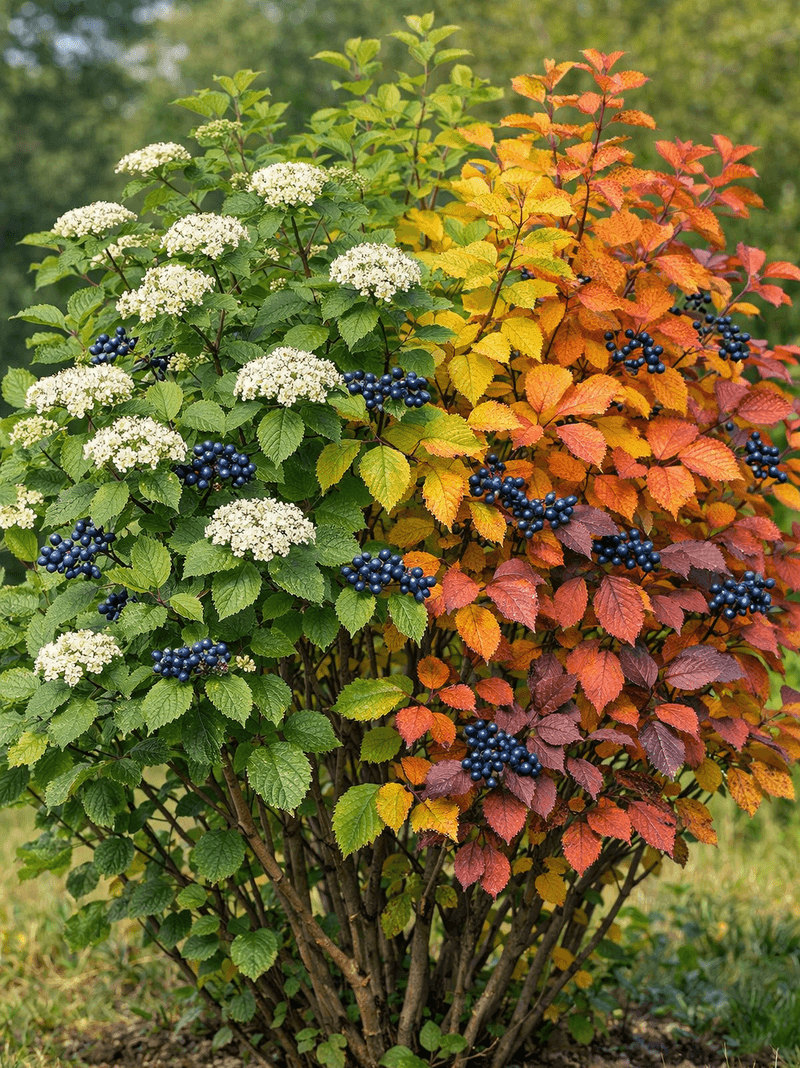
Straight, strong stems gave arrowwood viburnum its name, since Native Americans once used them to craft arrow shafts. That same sturdy growth makes it a dependable, fast-filling privacy shrub today.
Flat clusters of creamy white flowers cover it in late spring, feeding butterflies and native bees, then give way to blue-black berries that birds clean off by fall. In autumn the leaves flare into wine-red and gold, so your screen gets a color show most evergreens can’t offer.
It handles sun or partial shade and adapts to a wide range of NC soils. Space several plants close together for a thick, wildlife-packed hedge that changes with every season.
10. Anise Shrub (Florida Anise)
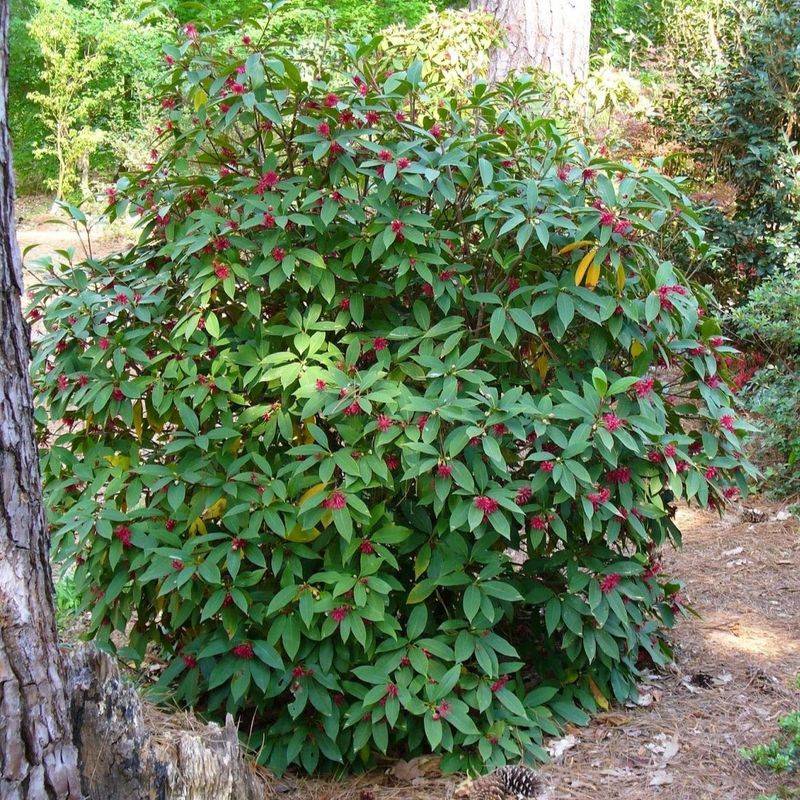
Brush against an anise shrub and its leaves release a spicy, licorice-like scent that instantly sets it apart from every other hedge on this list. That aromatic foliage also means deer usually leave it alone, a real win in wooded NC neighborhoods.
It carries big, glossy evergreen leaves that stack into a dense, tropical-looking wall, and in spring it puts out curious star-shaped maroon flowers unlike anything else in the yard.
Happiest in shade and moist soil, it thrives in the very spots where sun-hungry screens fail. Let it grow into a tall, leafy privacy barrier that looks lush, smells great, and asks almost nothing of you in return.