
Crape myrtles bloom hard for a few summer weeks, then spend the rest of the year as bare, chopped-off sticks in a lot of North Carolina yards. More homeowners are swapping them for native shrubs that flower, fruit, and color up across several seasons.
These plants grew up with our clay soil, humid summers, and surprise freezes, so they usually need less fuss. They also feed the bees, birds, and butterflies that already call your neighborhood home.
1. Oakleaf Hydrangea
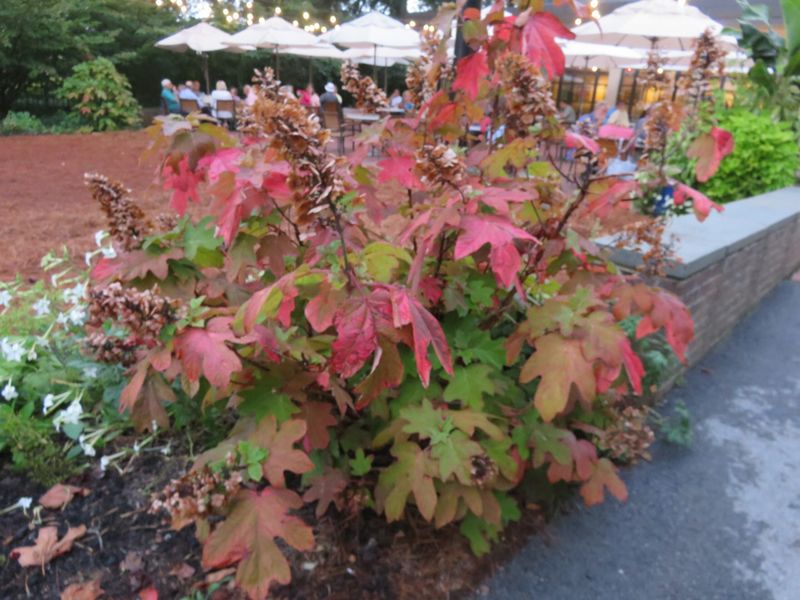
Ask a few longtime Piedmont gardeners for their favorite native shrub and oakleaf hydrangea comes up again and again. It earns that loyalty by putting on four different shows in one year.
Big cone-shaped white blooms open in early summer, fade to pink, then dry to a papery tan that hangs on for months.
Fall is where it really outshines crape myrtle. The large, oak-shaped leaves turn wine red, burgundy, and bronze, often holding color into late November in the Piedmont and coastal plain.
Once the leaves drop, peeling cinnamon-colored bark gives you something worth looking at all winter.
Plant it in part shade, especially where afternoon sun gets harsh. It handles NC clay better than most hydrangeas if you mix in some compost and keep it watered the first summer.
Late September through November is a great planting window, since cooler air and warm soil help roots settle before spring.
Most varieties reach 4 to 8 feet, but compact picks like Ruby Slippers fit foundation beds nicely.
2. Fringetree
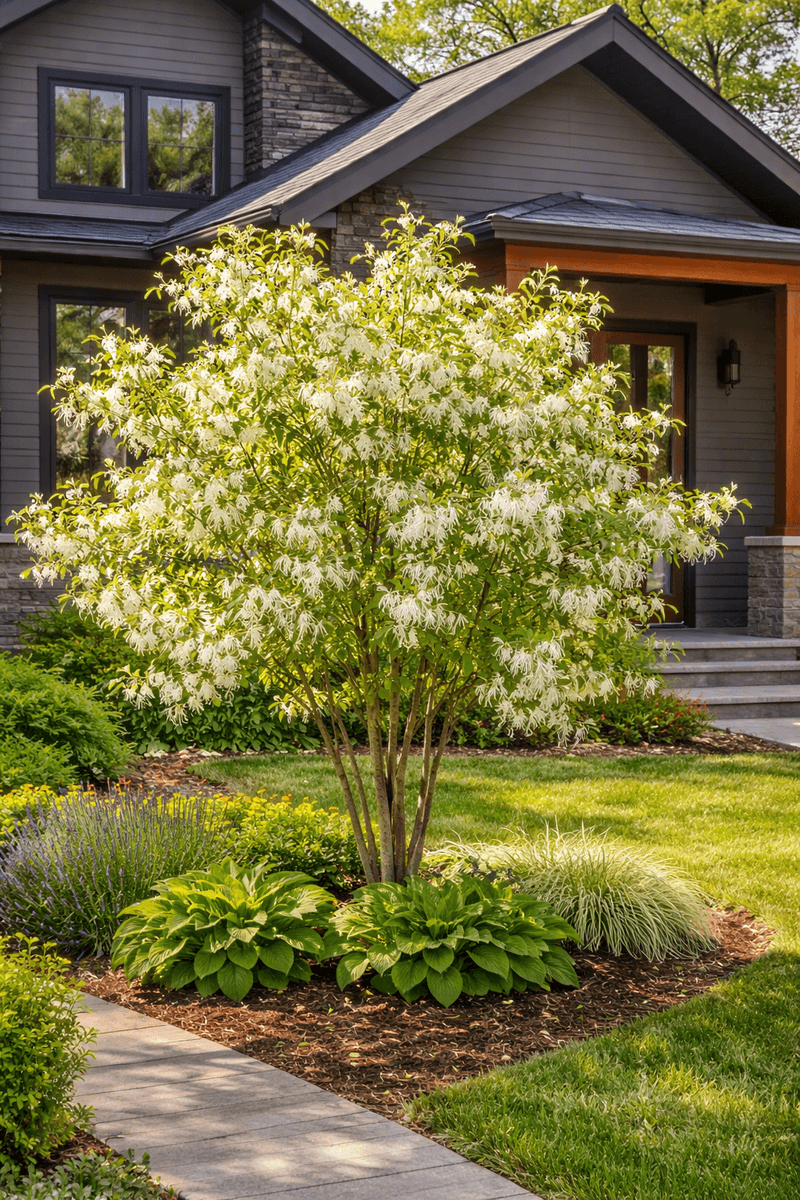
Picture a small tree wrapped in what looks like shredded white silk, swaying in an April breeze. That is fringetree, sometimes called old man’s beard, and it stops people on the sidewalk every spring.
For homeowners replacing a crape myrtle, fringetree is about the closest match in size and shape. It grows as a large shrub or small multi-trunk tree, usually 12 to 20 feet, so it fills the same spot by a driveway or corner of the house.
The difference is that it never needs pruning to look good.
Female plants produce dark blue, olive-like fruit in late summer that birds go after quickly. Leaves turn a clear yellow in fall.
It grows naturally from the mountains to the coast, so it handles most NC regions with ease.
Give it full sun to light shade and average soil. It leafs out late in spring, so do not panic if it looks bare in early April.
3. Virginia Sweetspire
Got a soggy corner where the downspout dumps every storm? Virginia sweetspire might be the easiest fix you make all year.
Native to wet woods across eastern North Carolina, this shrub shrugs off heavy clay and standing water that would rot many other plants. It also tolerates dry spells once established.
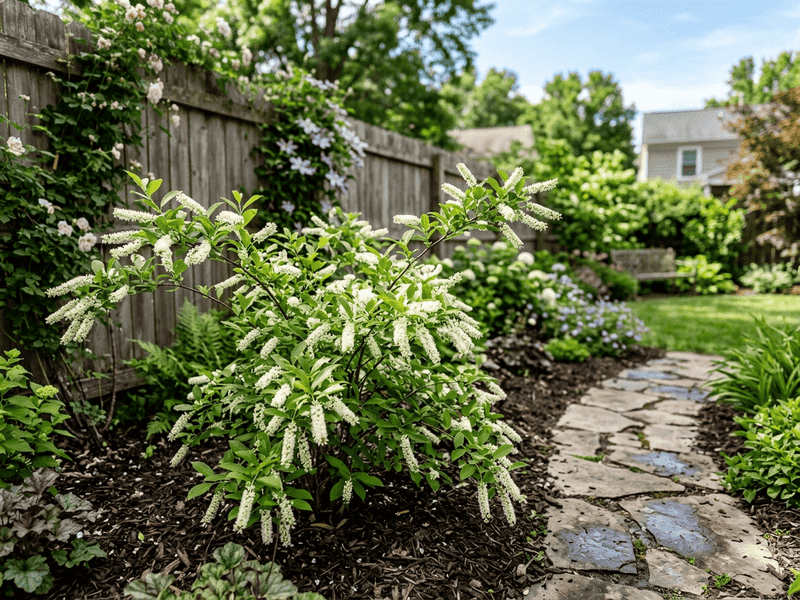
In late spring, it sends out drooping white flower spikes with a light honey scent that pull in bees and butterflies.
The real payoff comes in fall. Leaves turn ruby red to deep purple and often hang on well into winter in milder parts of the state, especially along the coast.
That is months of color from a plant most people buy for its flowers.
Varieties like Henry’s Garnet reach about 3 to 4 feet tall and spread slowly by suckers, making it handy for slopes and rain gardens. Trim only right after it blooms, if at all.
4. American Beautyberry
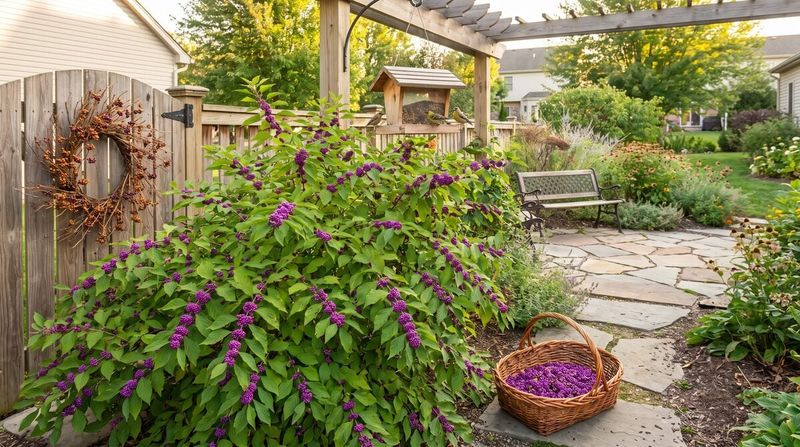
Right about now, in late September, beautyberry is the shrub everyone asks about. Its arching stems are lined with clusters of glossy berries in a purple so bright it almost looks fake.
Those berries do real work, too. Mockingbirds, brown thrashers, and cardinals feed on them through fall and into early winter, when other food gets scarce.
Some folks also crush the leaves and rub them on skin, an old Southern trick that research suggests may help repel mosquitoes, though it is no substitute for proper repellent.
Beautyberry grows quickly to about 4 to 6 feet and tolerates sun or part shade. It likes the warm summers of the coastal plain and Piedmont best.
Flowers are small and pink, but bees love them.
Here is the low-effort part. You can cut it back hard in late winter, and it comes back full and fruits on new growth, so a sloppy pruning job will not ruin next fall’s show.
5. Inkberry Holly
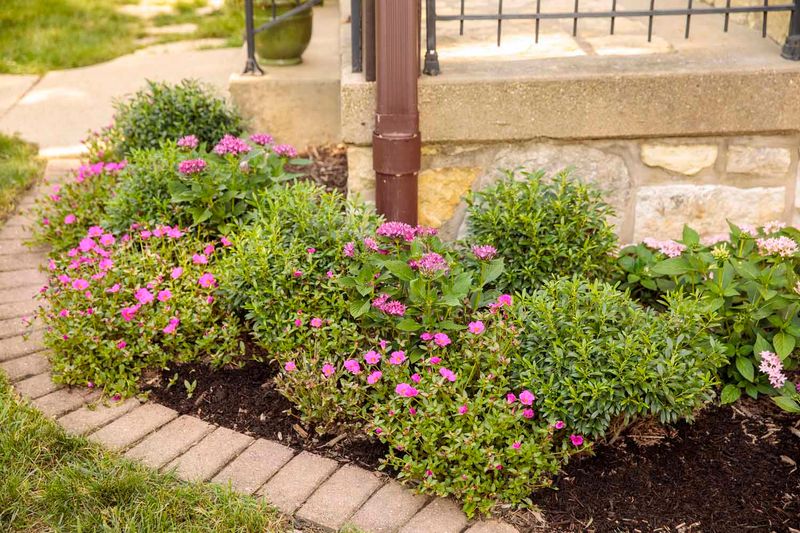
Every yard needs a few plants that look the same in January as they do in June. Inkberry holly is the native answer to boxwood, and it stays green all year without the blight problems boxwoods have struggled with lately.
Small, glossy leaves give it a tidy look along foundations, walkways, and porches. Female plants produce black berries that robins and other birds eat in late winter.
Its tiny spring flowers are a favorite of native bees, and gallberry honey from the coastal plain comes from its close cousin.
It grows wild in eastern NC pocosins, so it handles wet, acidic soil well. Full sun keeps it dense, while too much shade makes it leggy.
Compact selections like Shamrock or Gem Box stay around 3 to 4 feet. If you want structure that carries the yard through winter after a crape myrtle comes out, inkberry is a smart anchor.
6. Red Buckeye
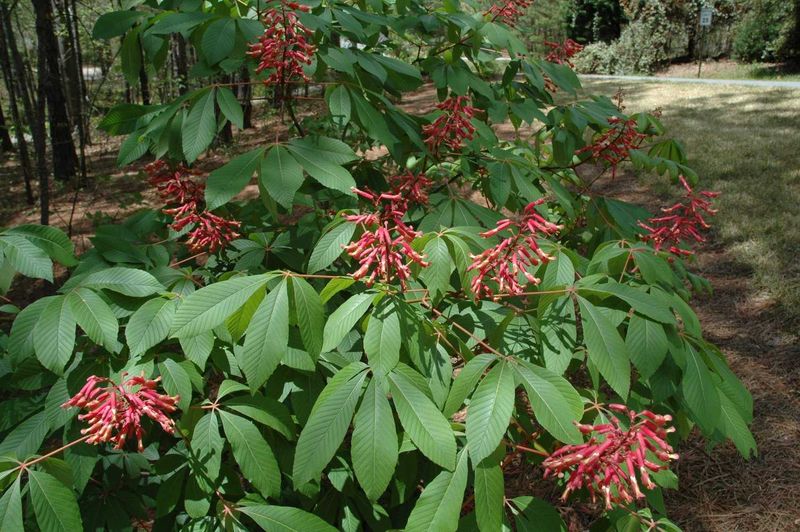
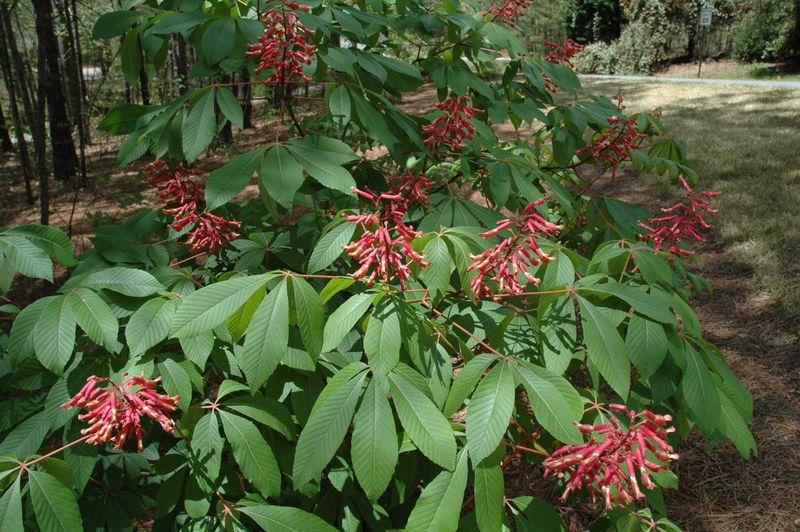
Hummingbird fans, this one is for you. Red buckeye blooms in early spring, right as ruby-throated hummingbirds return to North Carolina, and its scarlet tube flowers are often among the first nectar sources they find.
It grows as a large shrub or small tree, usually 10 to 20 feet, with handsome hand-shaped leaves. It thrives in the shade of taller trees, which makes it great for wooded lots where crape myrtles struggle and barely bloom.
A fair warning belongs here. Seeds and leaves are toxic if eaten, so plant it away from spots where small kids or pets might chew.
Leaves also tend to drop early in hot summers, so pair it with evergreens for late-season coverage.
Still, few native shrubs bring this much spring drama. Fall planting gives roots time to settle before that big bloom.
7. Sweetshrub
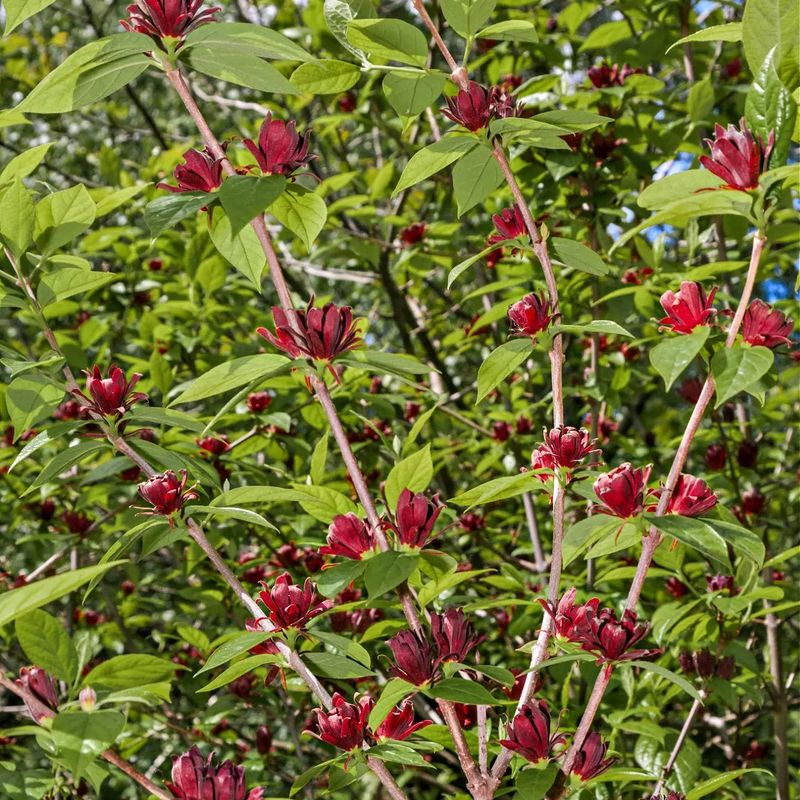
Grandmothers across the Carolinas used to tuck sweetshrub blossoms into apron pockets for the scent. One sniff and you will understand why the plant goes by names like Carolina allspice and strawberry bush.
Its maroon, star-shaped flowers open in spring and smell of ripe fruit, spice, and a little wine. Plant it by a porch, patio, or path so you catch the fragrance while you sit outside.
Smell can vary from plant to plant, so buy one in bloom or choose a named variety like Michael Lindsey.
Fall brings buttery yellow leaves, and the odd urn-shaped seed pods hang on into winter. It grows 6 to 9 feet and handles sun or shade in every NC region, mountains included.
Little care is needed beyond removing extra suckers if it spreads farther than you want.
8. Southern Wax Myrtle
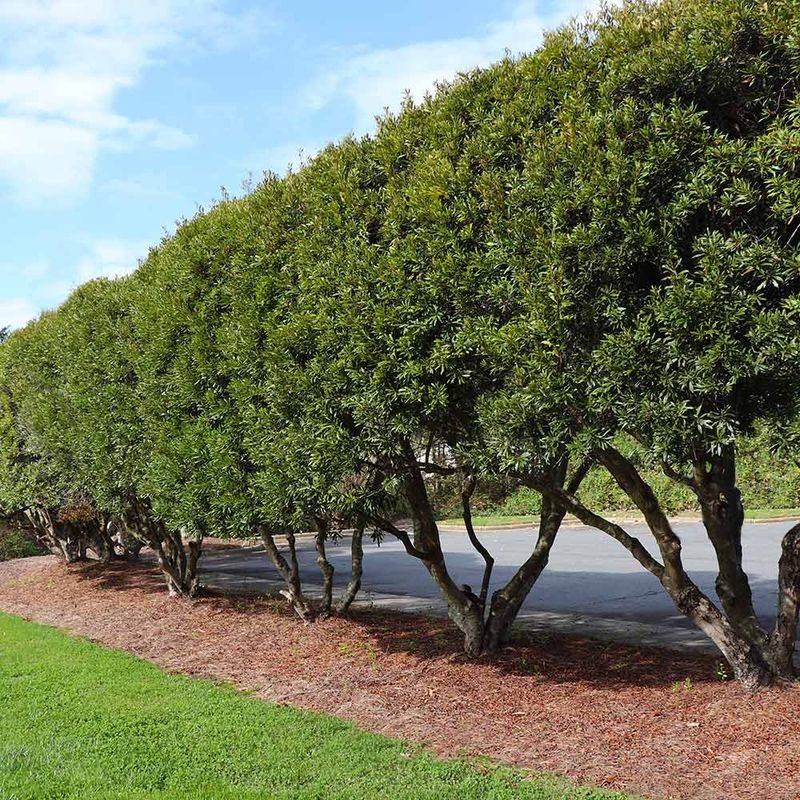
Need privacy fast? Southern wax myrtle can grow several feet a year and form a dense evergreen screen that blocks neighbors and road noise.
It is tough as nails along the coast, handling salt spray, sandy soil, and summer storms. In the Piedmont it does well too, though very hard winters in the colder parts of the state can burn some leaves.
Crushed foliage has a pleasant, clean scent.
Female plants carry waxy gray berries that colonial settlers boiled to make bayberry candles. Today, yellow-rumped warblers and tree swallows depend on those same berries through winter, so a hedge can double as a bird feeder.
Plants reach 10 to 15 feet or more, and you can shape them as a hedge or limb them up into a small tree. Older plants may get thin at the base, so a light trim each spring keeps them full.
9. Summersweet Clethra
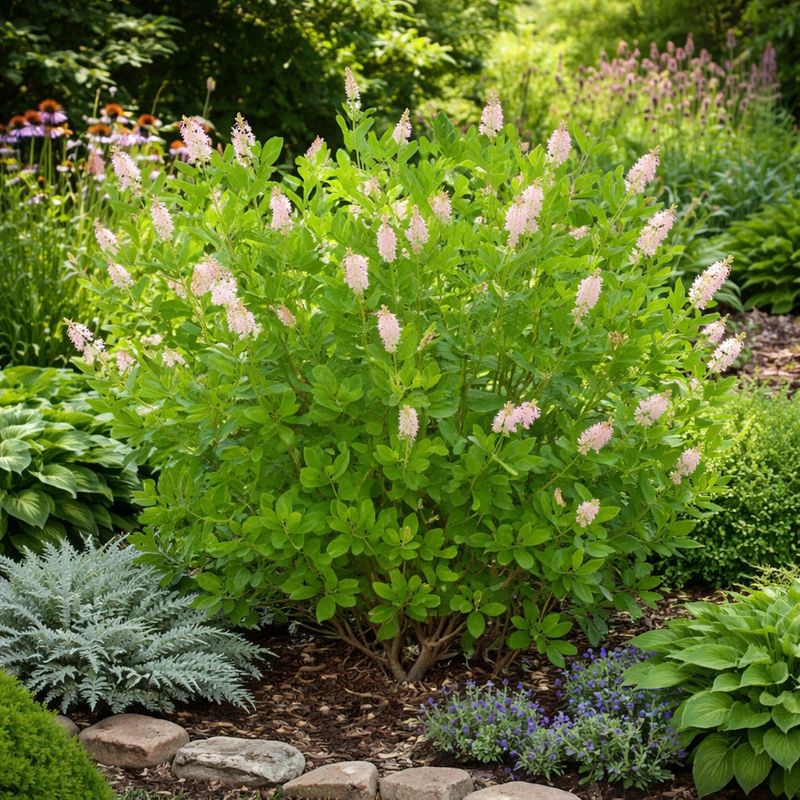
Mid-July is when a lot of gardens go quiet, and that is exactly when summersweet steps up. It blooms in the heat that crape myrtle owners know well, filling the air with a sweet, spicy scent.
Bottlebrush spikes in white or pink draw a crowd of swallowtails, bumblebees, and other pollinators. Some gardeners say it is the busiest plant in their yard on a summer afternoon.
Fall color follows, a warm golden yellow.
Native to wet areas in eastern NC, it tolerates damp soil and part shade. It grows 3 to 8 feet depending on the variety, with Hummingbird and Sixteen Candles staying shorter.
Because it blooms on new wood, any pruning should happen in late winter. It leafs out late, so be patient each spring.
10. Yaupon Holly
Long before coffee came to the Carolinas, coastal peoples brewed a caffeinated tea from yaupon leaves. It is the only native plant in North America with caffeine, and small NC growers are bringing the tea back.
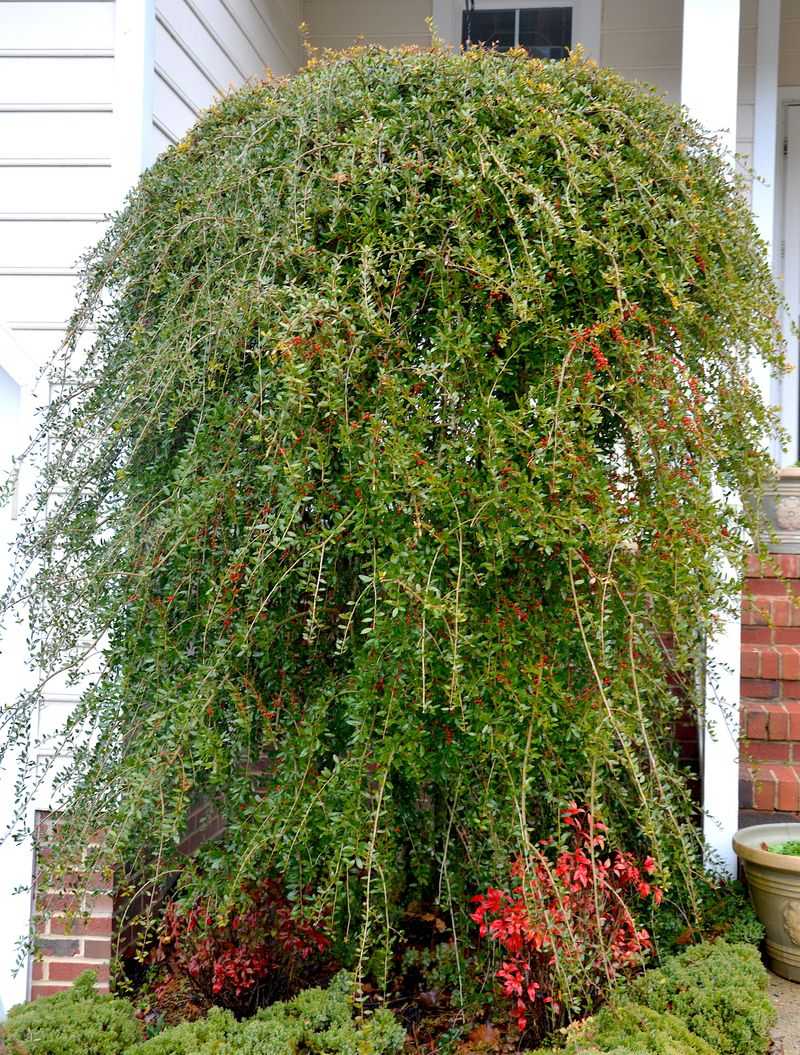
In the yard, yaupon is just as useful. It stays evergreen, takes heat, drought, salt, and sand, and holds bright red berries all winter on female plants.
Cedar waxwings and bluebirds pick them clean by late winter, giving you a show of birds in the dullest months.
Choose a form for your spot. Weeping yaupon makes a striking crape myrtle stand-in, upright types work as small trees or screens, and dwarf varieties stay low in foundation beds.
It grows best in the coastal plain and Piedmont. Plant this fall, water through the first year, and it will likely need almost nothing after that.