
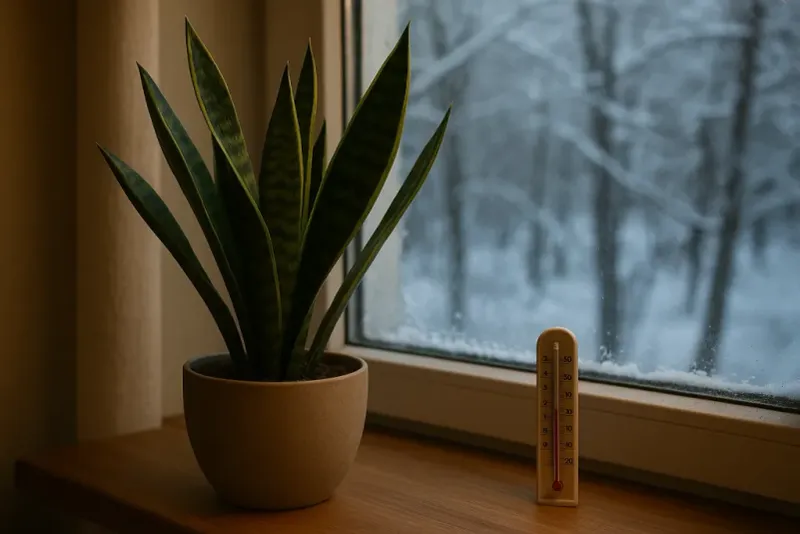
Snake plants have a reputation for being almost impossible to kill, so most of us stop paying close attention. But winter changes the rules, and a few everyday habits can turn those tough roots into brown mush before you notice anything wrong.
By the time the leaves flop over, the damage underground is usually well underway. Here are nine sneaky mistakes to fix now so your plant makes it to spring standing tall.
1. Watering on the Same Summer Schedule
Picture your snake plant as a bear getting ready to hibernate. Once days get short and cool, its growth slows to a crawl, and it simply stops drinking the way it did in July.
Keep pouring water every week like nothing changed, and the soil stays soggy for days on end.
Wet soil with no thirsty roots to soak it up is the perfect setup for rot. Fungi and bacteria love that cold, damp environment, and they go to work on the roots first.
You will not see a thing above the soil until the problem is serious.
A better plan is to let the soil dry out completely between waterings. For most homes, that means watering about once every three to six weeks in winter.
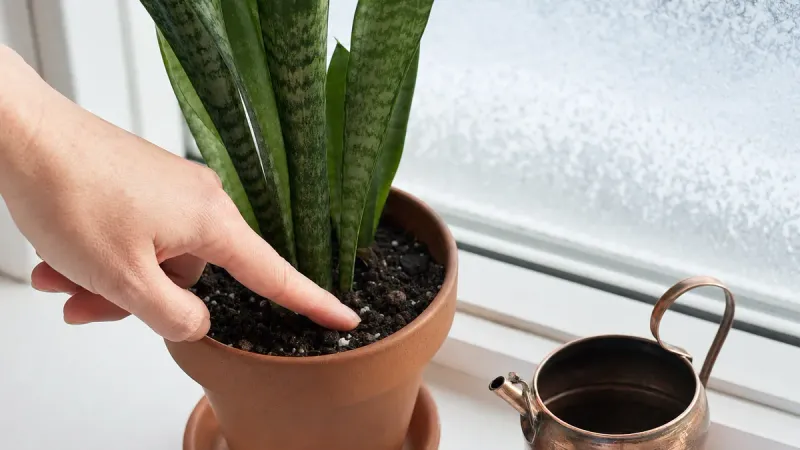
Push your finger two inches deep, or slide a wooden chopstick into the pot and pull it out. If any dampness clings to it, wait longer.
Fun fact: snake plants use a special type of photosynthesis that lets them open their pores at night to save water. That clever trick is exactly why they can go so long without a drink, and why too much attention hurts more than too little.
2. Using a Pot With No Drainage Hole
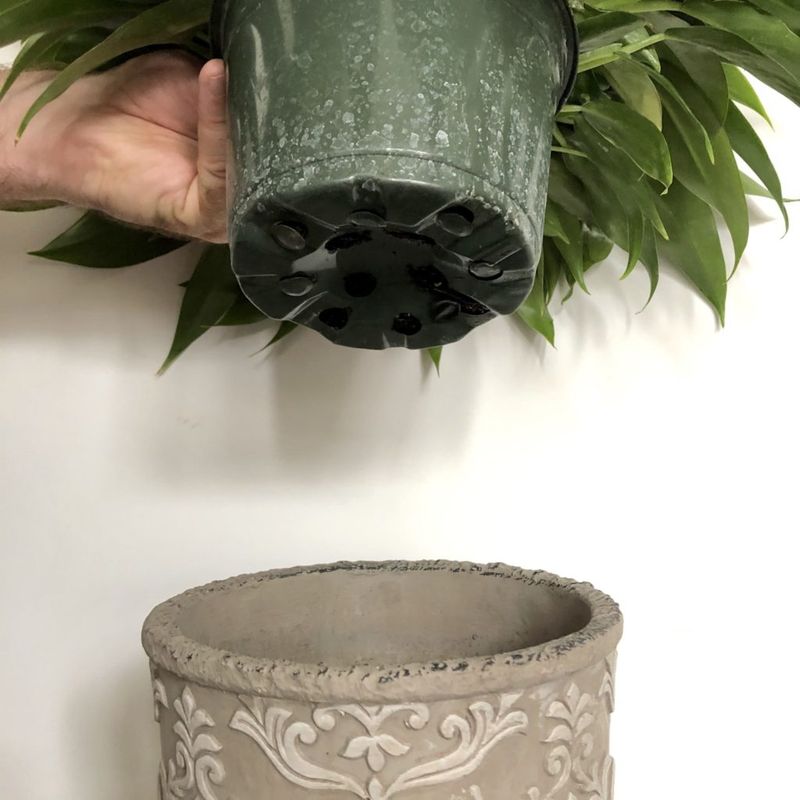
That gorgeous glazed pot you found at the home store might be the most dangerous thing in your living room. Plenty of decorative containers have solid bottoms, and they look fantastic on a shelf.
Unfortunately, they trap every drop of extra water right where the roots live.
Without a hole, water pools at the bottom and slowly creeps up into the soil. Roots sitting in that puddle cannot get oxygen, so they suffocate and start to decay.
In winter, the soggy layer can stay wet for weeks because nothing dries out quickly in cool rooms.
Some folks try adding a layer of gravel or pebbles in the bottom, thinking it helps. Sadly, that old trick actually raises the wet zone higher into the soil instead of fixing it.
The easy fix is to keep your snake plant in a plain plastic or clay pot with holes, then slip it inside the pretty one. Just lift it out to water in the sink, let it drain fully, and pop it back.
Your decor stays stylish, and the roots stay healthy and dry. Check the cachepot every so often for hidden standing water.
3. Planting in Heavy, Moisture-Holding Soil
Grab a handful of regular bagged potting soil and squeeze it. Notice how it holds together like a sponge?
That is great for ferns and tomatoes, but it is a slow-motion trap for a plant that evolved in rocky, dry parts of West Africa.
Snake plants want soil that drains fast and lets air reach the roots. Standard mixes are packed with peat or coir, which hold moisture for a long time.
In a warm summer that might be fine, but in a chilly winter house, that dampness lingers and invites rot.
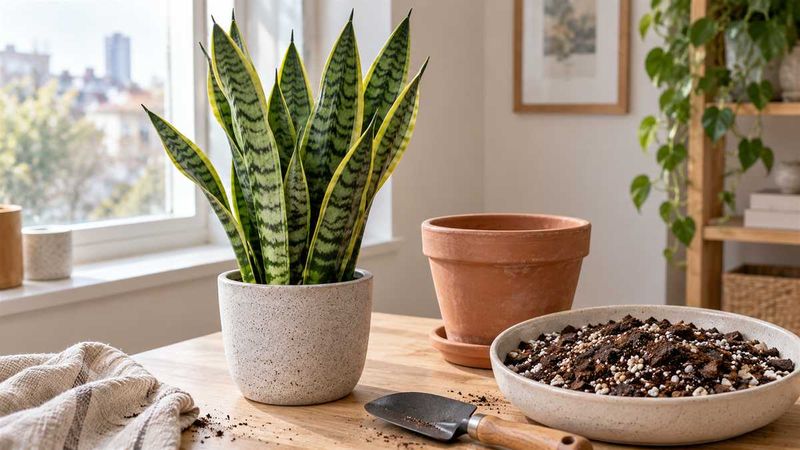
Switch to a cactus and succulent mix, then make it even grittier. A simple recipe that works well:
Mix about two parts cactus soil, one part perlite or pumice, and one part small orchid bark. The result should feel loose and crumbly, and water should rush through it when you pour.
If your plant has been sitting in heavy soil for years, wait until spring for a full repot if it looks healthy. If the soil smells sour or stays wet for weeks, though, do not wait.
Gently swap it out now to protect those roots before rot spreads further.
4. Parking It by a Cold, Drafty Window
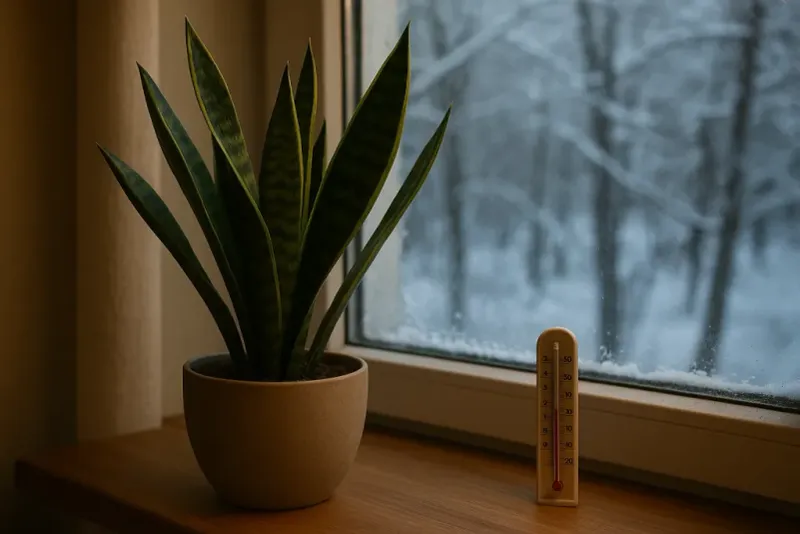
Brr. Your snake plant really feels that chill.
Windowsills can drop 10 to 20 degrees colder than the rest of the room on a winter night, especially with older single-pane glass.
Snake plants are tropical at heart. Once temperatures dip below about 50 degrees Fahrenheit, they start to struggle, and cold damage shows up as mushy, translucent, or dark patches on the leaves.
Cold soil also dries much more slowly, so any water you add hangs around and feeds rot below.
Leaves touching frosty glass are at even higher risk. That direct contact can freeze plant tissue overnight, and the damaged spots often collapse a few days later.
Try moving the pot a foot or two back from the window during the coldest months. It will still get plenty of light without the bitter chill.
Keep it away from exterior doors too, since every blast of winter air when someone walks in adds stress.
A cheap indoor thermometer near your plant can be eye-opening. Many gardeners are surprised to learn their favorite sunny spot is actually the coldest place in the whole house after sundown, sometimes by a wide margin.
5. Letting It Sit Too Close to the Heater
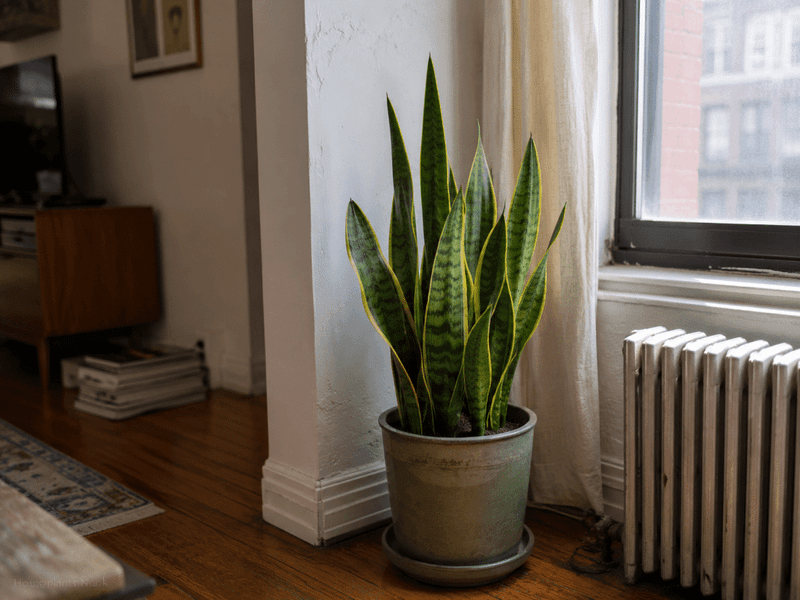
Here is the twist nobody expects. After hearing about cold drafts, a lot of people move their snake plant right next to a radiator or heating vent.
It seems kind and cozy. It actually creates a confusing mess for the plant.
Blasting heat dries the top inch of soil to a crust while the deeper layers stay cool and wet. You see dusty, cracked soil and assume the plant is thirsty, so you water.
Meanwhile, the bottom of the pot was never dry in the first place, and the roots keep sitting in moisture.
Hot air from vents can also scorch leaf tips, turning them crispy and brown. Combine that with soggy roots, and your plant gets hit from two directions at once.
Aim for a steady room temperature between 60 and 80 degrees, with no direct hot or cold blasts. A spot across the room from the heater usually works beautifully.
And always check moisture deep in the pot, not just on the surface. A cheap moisture meter or that trusty chopstick tells the real story hiding underneath the dry, misleading crust on top.
6. Hiding It in a Dark Corner
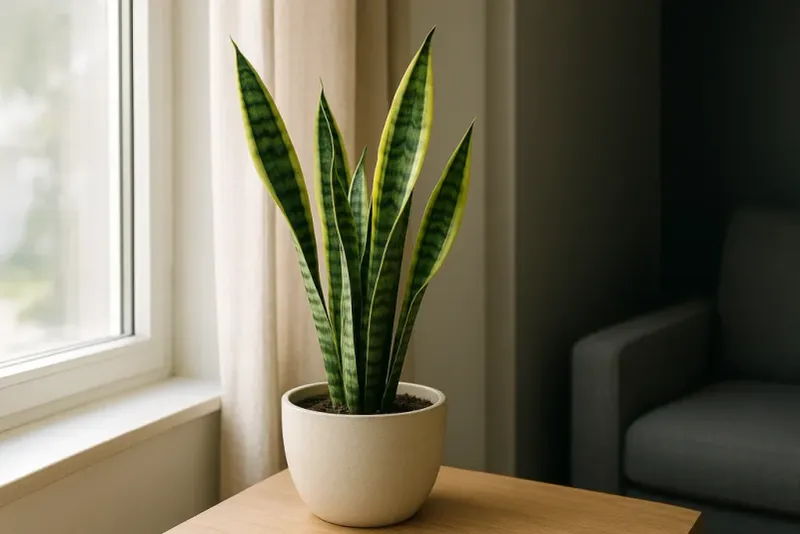
“It can live anywhere!” That is the line every plant seller loves to repeat about snake plants. And yes, they tolerate low light better than most houseplants.
But tolerating and thriving are two very different things, especially in winter.
When daylight is already short, a snake plant tucked in a dim hallway gets almost nothing to work with. Without light, it barely uses any water at all.
So even a small drink can sit in the soil for a month or longer, slowly souring around the roots.
Low light also makes leaves stretch, lean, and lose their bold color. Weak plants have fewer defenses against rot and fungus.
Give your plant the brightest indirect light you can during the colder months. A spot a few feet from a south or west window is often ideal.
If your home is dark, an inexpensive LED grow light on a timer for 10 to 12 hours a day can make a big difference.
More light means more growth, and more growth means the roots actually use the water you give. That balance is your best protection against winter rot, plain and simple.
7. Feeding It Fertilizer in the Off-Season
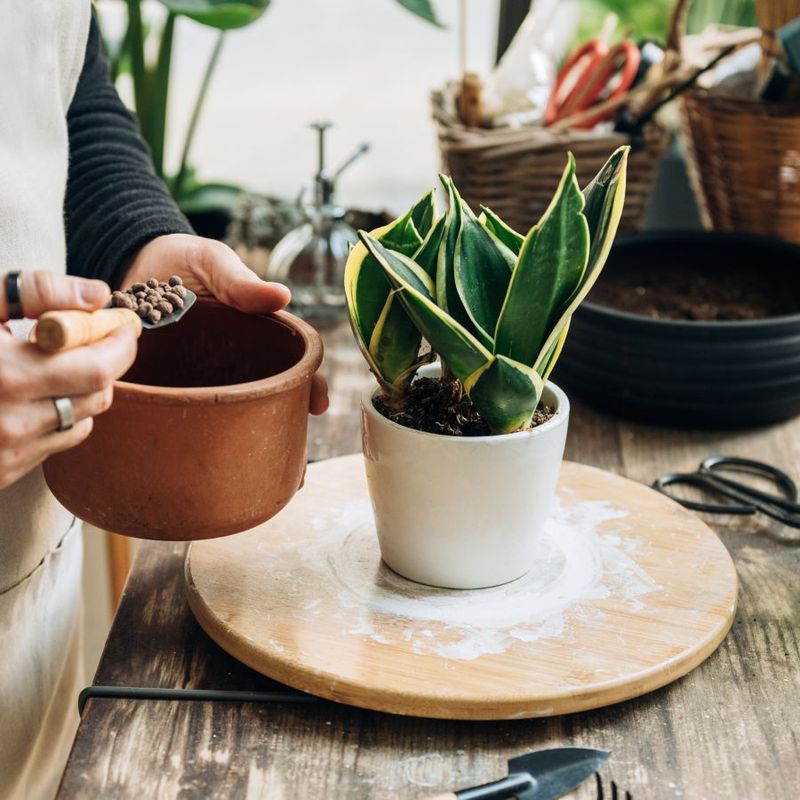
Feeding a sleeping plant is a bit like serving a five-course dinner to someone who is napping. It just sits there.
Many well-meaning gardeners keep fertilizing all year, figuring extra food can only help.
During winter, snake plants are resting and barely growing. They do not need extra nutrients, so the fertilizer salts build up in the soil instead of being used.
Over time, that salty buildup burns tender root tips.
Damaged, burned roots are weak roots. They break down more easily, and rot organisms move into those wounds fast.
You may notice a white crust on the soil surface or around the pot rim, which is a clear warning sign of salt buildup.
The fix is refreshingly simple. Stop fertilizing from about October through February.
When new growth appears in spring, start again with a balanced houseplant or cactus fertilizer diluted to half strength, no more than once a month.
If you already see crusty buildup, flush the soil by running water through the pot several times in the sink. Just do it on a warm day and let the pot drain completely before returning it to its regular spot.
8. Watering Straight Into the Leaf Rosette
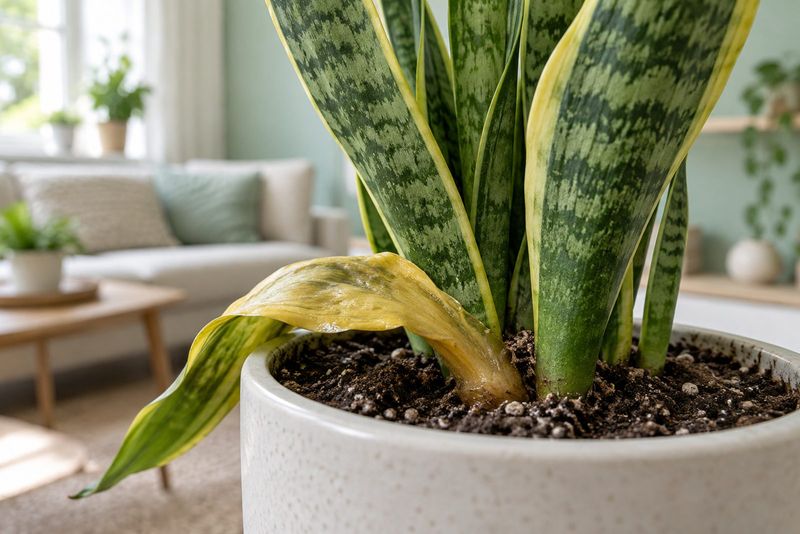
Ever notice how snake plant leaves curl upward and form a little cup at the base? It looks harmless.
Yet that tight center is one of the sneakiest rot zones on the entire plant.
When you water from above, some of it trickles down into the crown where the leaves meet the soil. In warm weather it might evaporate quickly.
In a cool winter room, it just sits there, sometimes for days.
That trapped water softens the base of the leaves, and soon you get mushy, yellow tissue right at the soil line. The rot can then spread downward into the rhizome and roots, which is often how whole clumps suddenly topple over.
Try one of these gentler methods instead:
Pour water slowly around the edge of the pot, aiming at the soil and away from the leaves. Or bottom-water by setting the pot in a shallow tray for 15 to 20 minutes, then letting it drain fully.
If water does splash into the center by accident, tilt the pot gently or dab it with a paper towel. A few seconds of care now saves you from heartbreak later.
9. Ignoring the Early Warning Signs
A friend once told me her snake plant was doing great right up until it suddenly fell over. Sound familiar?
The truth is, it was almost certainly sending signals for weeks, but they were easy to miss.
Root rot rarely announces itself loudly. Watch for these quiet clues:
Leaves that feel soft or squishy near the base, yellowing that starts low, a wobbly plant that shifts in the pot, or a musty, swampy smell when you lean in close. Any of these means it is time to investigate.
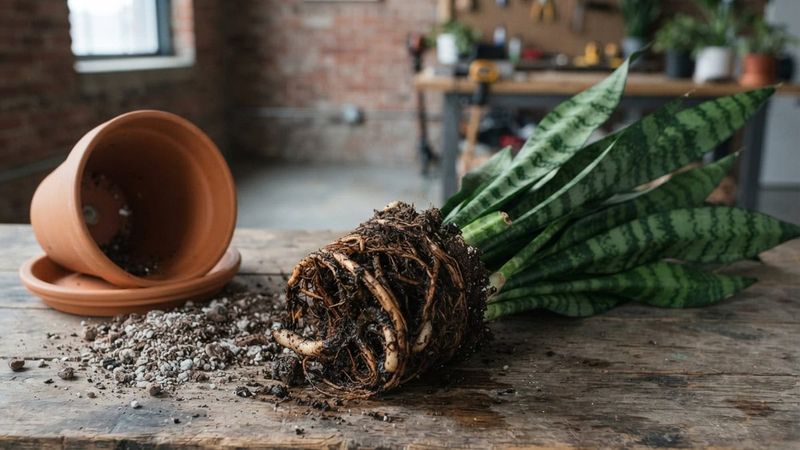
Slide the plant out of its pot and look at the roots. Healthy ones are firm and pale orange or white.
Rotting ones are dark brown, black, slimy, and often pull apart easily.
Trim away every mushy root and leaf with clean scissors. Let the plant air-dry for a day or two so the cuts can callus, then repot in fresh, gritty mix and hold off on water for about a week.
Even if most of the plant is lost, healthy leaf sections can be cut and rooted to start over. Snake plants are wonderfully forgiving survivors once you catch problems early.