
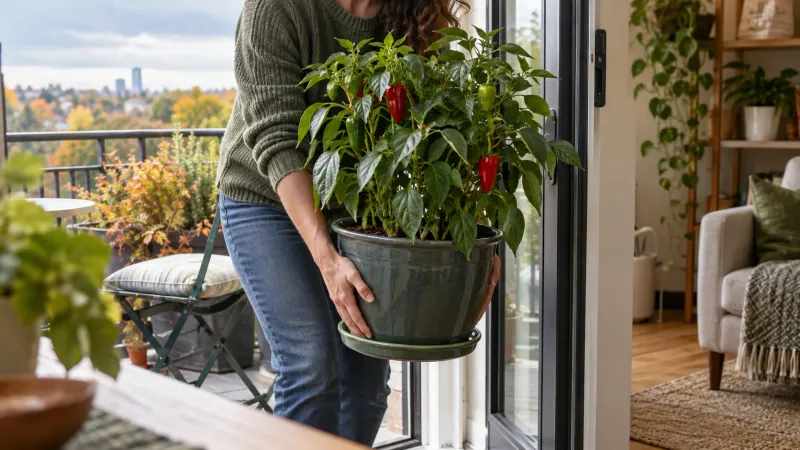
A pepper plant loaded with fruit can feel like too good a plant to lose to the first cold snap. Moving it indoors can save it, but saving a plant and harvesting from it all winter are two different jobs.
Which job you pick decides how much light, warmth, and work the plant needs. Here is how Southern gardeners can choose, and what to expect either way.
Frost risk and timing depend on where you garden
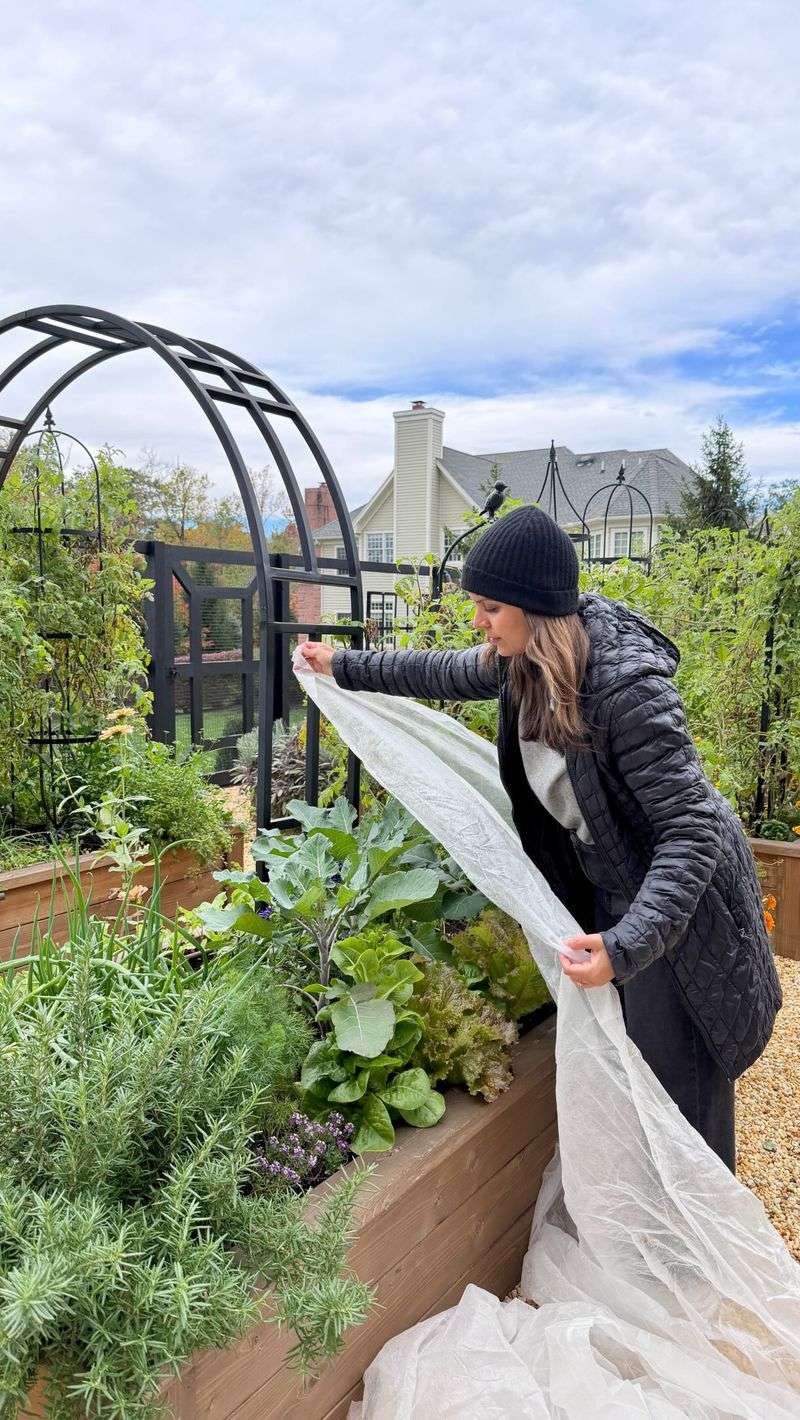
Peppers do not tolerate frost, and Texas A&M AgriLife guidance lists them among the frost-susceptible vegetables. But that does not mean every Southern gardener should haul pots inside the moment fall arrives.
Texas is split into regions with different planting windows and frost dates, so the Panhandle and the Gulf Coast follow very different calendars.
Florida varies just as much. The UF/IFAS Florida Vegetable Gardening Guide shows outdoor pepper planting windows that stretch into winter in South Florida, while North and Central Florida face more cold exposure.
In some Florida yards, a pepper left outside may keep doing fine for months.
Before you decide, look up your county extension office’s frost dates and planting calendar. Then watch your local forecast.
If a hard freeze is coming for your area, that is the signal to act, not the calendar page alone.
Choose between preserving the plant and growing winter fruit
Gardeners tend to mix up two goals. Dormant preservation means keeping the pepper alive so it can go back outside later.
Winter fruiting means actively growing the plant indoors and hoping for harvests. Extension answers treat them separately: University of Maryland Extension describes cutting a plant back and keeping it alive until spring.
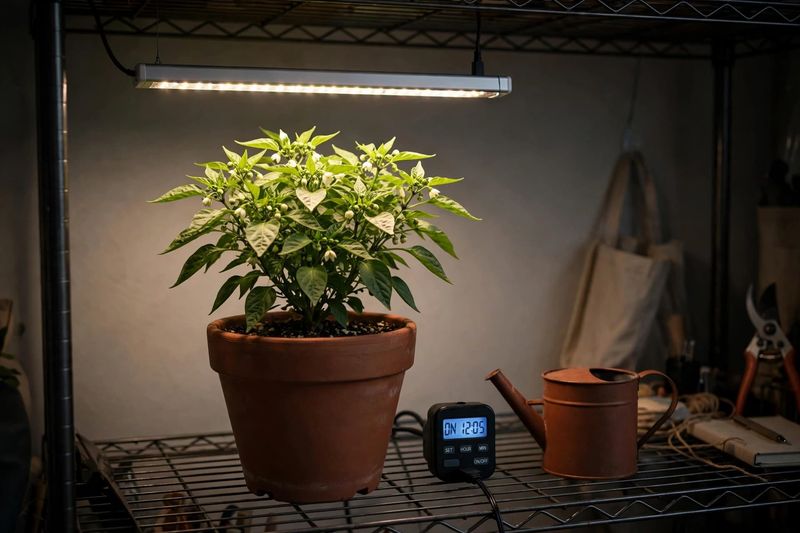
Fruiting is a bigger job. Michigan State University guidance on Ask Extension calls for steady warmth, artificial light, water, and fertilizer.
Oregon State Extension adds that ordinary indoor conditions may fall short of what fruiting needs.
So a pepper on a sunny windowsill is not a promise of winter peppers. If you want a low-effort backup plan, choose preservation.
If you have grow lights and a warm spot, try fruiting, knowing it is an attempt rather than a sure thing.
Inspect and isolate the plant before bringing it inside
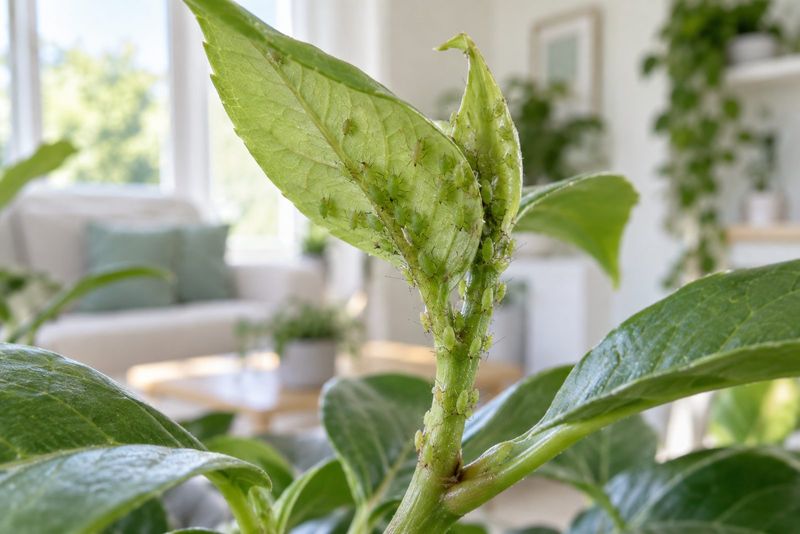
Outdoor plants often carry hitchhikers like aphids, mites, or whiteflies. Turn the leaves over and check the stems, leaf joints, and the top of the soil before the plant crosses the threshold.
Look for webbing, sticky residue, tiny moving specks, or chewed spots.
Next, rinse the plant with a gentle spray from the hose while it is still outside. Iowa State University Extension recommends inspecting, rinsing, and then keeping the plant separate from your other houseplants for three to four weeks.
These steps lower the risk of pests, but they cannot promise a clean plant. Keep checking during the isolation weeks.
If you do find a pest, identify it first. Only consider a pesticide if the label covers peppers and indoor use, rather than spraying routinely.
Pot a garden-grown pepper for dormant preservation
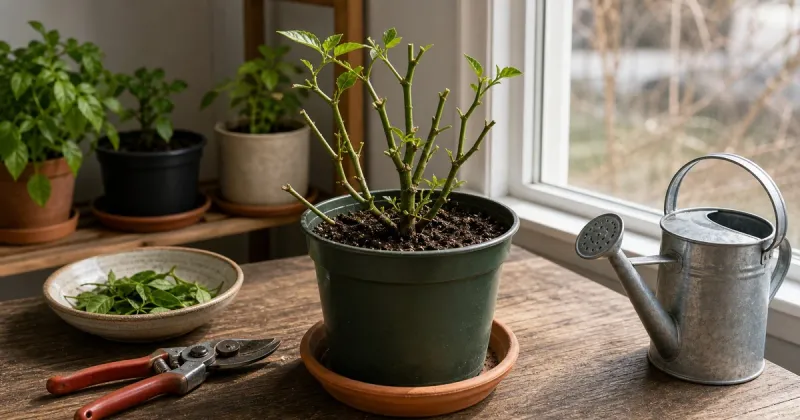
One documented way to save a bed-grown pepper is to dig it up and pot it. University of Maryland Extension describes cutting the plant back, trimming roots only as much as needed to fit the container, and using a soilless mix.
Choose a pot with drainage holes, and fill it with a well-draining potting mix. Oregon State Extension advises against yard soil for container peppers because it can pack down and hold too much water.
Think of this as one option, not a rule for every pepper. Extension advice on exact pruning varies, and a plant you hope to keep fruiting should not get this hard cutback.
Even a careful job does not guarantee survival, since digging stresses the roots.
Give a resting pepper limited light and water
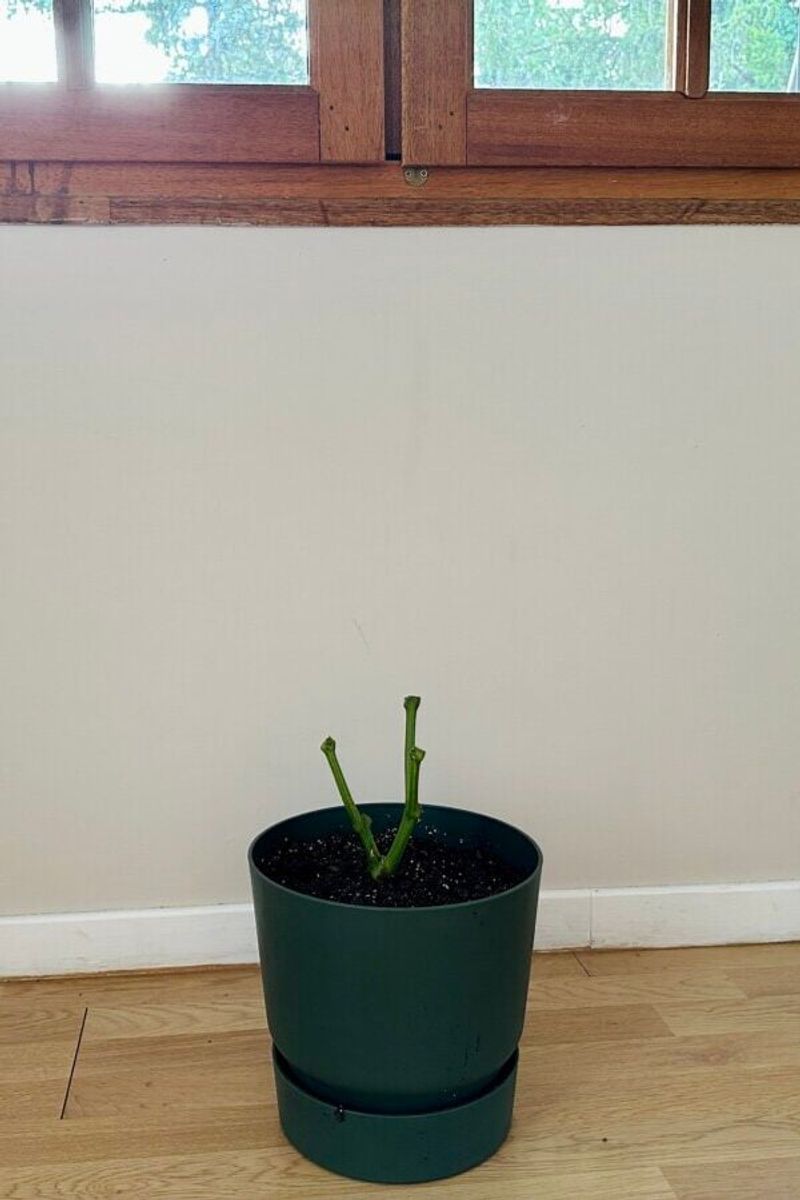
A resting pepper has a modest goal: stay alive until spring. You are not expecting peppers, so the plant does not need the full care of a growing one.
The extension method for preserved plants relies on limited light and limited water, as described by University of Maryland Extension.
In practice, put the pot somewhere protected from frost with some light, and water only enough to keep the roots from drying out completely. Extension guidance does not set a fixed schedule, so check the soil by feel instead of watering by the calendar.
Expect a bare, unexciting plant. Wilted leaves or dropped growth are common signs of rest, though a mushy stem or foul-smelling soil points to too much water.
Patience is the main job here.
Indoor fruiting takes warmth, light, and attentive care
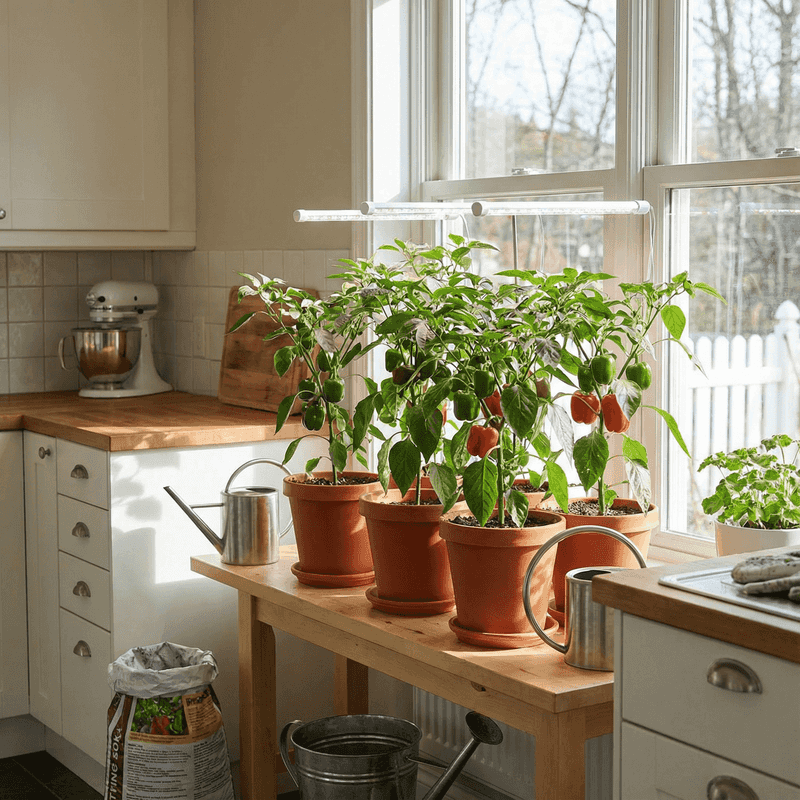
If you want fruit, plan for real conditions. Ask Extension guidance suggests daytime temperatures around 70 degrees F, nights above 50 degrees F, and artificial light.
Water and fertilize as needed, without overdoing either.
Oregon State Extension gives ideal fruiting temperatures of 70 to 80 degrees F by day and 60 to 70 degrees F at night. Below those ranges, blossoms may fail to set, and some varieties may not flower below 60 degrees F.
Treat these numbers as targets, not guarantees.
Indoors there are few bees, so flowers may need hand pollination. A small soft brush or a gentle tap on the flower can move pollen.
Even with all this, a good harvest is possible but not assured.
Treat spring growth as a possibility, not a promise
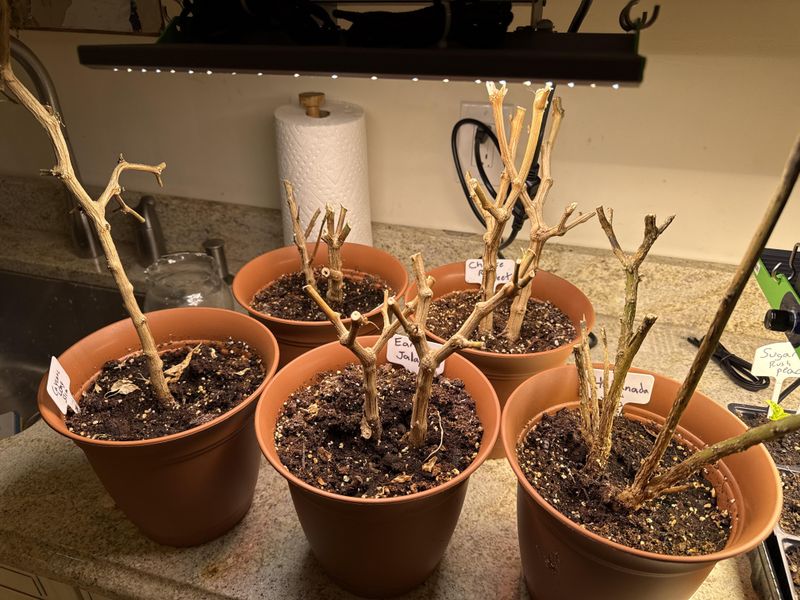
If your pepper makes it through winter, it may wake up with an established root system and push out new growth, which a seedling cannot do. That could mean earlier flowers than a brand-new plant.
It is a possibility, not a promise, and nothing here guarantees an earlier harvest or a larger crop.
Watch for new buds along the stems. Maryland Extension frames the goal as keeping the plant alive until spring, so any resumed growth is a welcome bonus.
When to move it back outside depends on where you live. Check UF/IFAS planting windows in Florida or Texas A&M AgriLife regional guidance, and wait until frost risk has passed.
A saved plant is worth trying for, and a fresh seedling is a fine backup.