
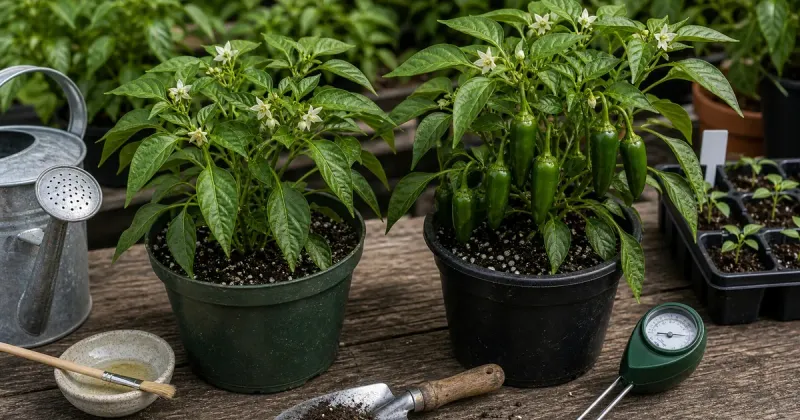
Watching pepper flowers fall off your plant before a single fruit forms is one of the most frustrating things that can happen in a container garden. Late summer is when Southern gardeners feel this most, because the heat that bakes Florida patios and Texas porches can disrupt the very process that turns a flower into a pepper.
High temperatures are the strongest documented explanation, but the pot sitting under that plant may be quietly making the stress worse. Understanding both factors helps you decide where to focus your attention and what to do next.
Heat can interrupt pollination before a pepper forms
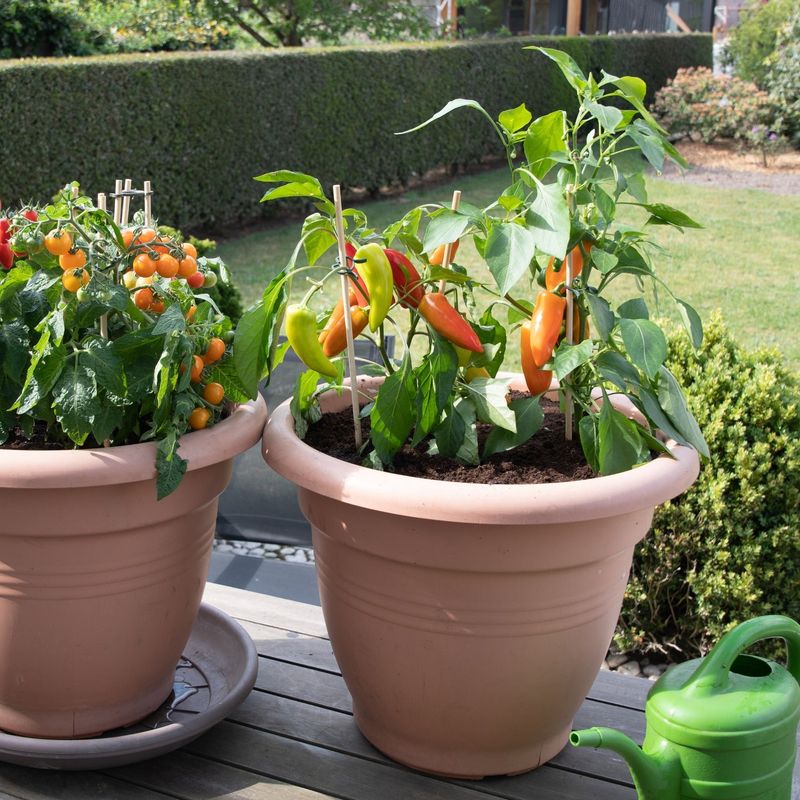
Pepper flowers can look perfectly healthy one day and drop to the ground the next, leaving nothing behind. When that happens repeatedly during late summer, high temperatures are the first thing worth examining.
Daytime heat around 90 degrees Fahrenheit and nights that stay near 70 to 75 degrees Fahrenheit are commonly cited warning ranges where fruit set becomes unreliable, though those numbers are approximate guides rather than hard biological cutoffs.
University of Maryland Extension research on vegetable crop pollination explains that high temperatures can reduce pollen production, prevent pollen from releasing properly, kill pollen before it reaches the flower’s stigma, and interfere with pollen-tube growth after contact. Any one of those disruptions can prevent fruit from forming, and the flower drops as a result.
The timing matters too: a heat spike during the few hours when a flower is open and receptive can cause far more damage than the same temperature on a day when no flowers are actively pollinating.
Pepper type and cultivar also play a role. Oklahoma State University Extension notes that small-fruited and pungent pepper types may handle heat better than bell peppers, so the same afternoon temperature can affect two plants on the same porch very differently.
Duration and humidity add more variation, which is why a single hot afternoon rarely explains an entire season of flower drop. New Mexico State University Extension identifies insufficient water, wind, salt injury, and nutrient problems as additional causes alongside heat, so the container’s role deserves a closer look before drawing conclusions.
The container can amplify heat, water, and root stress
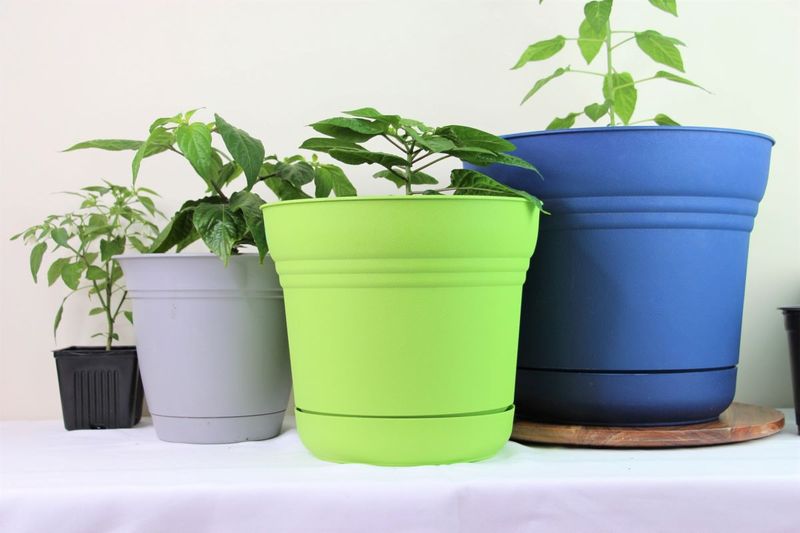
A pepper growing in a container lives in a much smaller world than one planted in the ground, and that difference matters most when temperatures climb. Limited root volume means the mix can dry out within hours on a hot afternoon, creating moisture swings that a garden bed would buffer naturally.
The pot’s walls also absorb and radiate heat directly into the root zone, and repeated watering can concentrate fertilizer salts in the mix over time.
NC State Extension’s container gardening guidance explains that root restriction reduces flowering and fruiting, and that larger containers dry out less quickly. Research published in the Journal of Plant Nutrition on bell pepper responses to root restriction found that tighter root space caused flower production and fruit expansion to begin and decline earlier than in less restricted plants.
A separate controlled study referenced by Hebrew University researchers on nutrient supply and container size in sweet pepper found that fruit production was not significantly reduced when moisture and nutrition were managed precisely, which suggests a small pot can remain workable but is far less forgiving for home gardeners during a heat wave.
None of this means every small pot causes blossom drop, and a large container is not immune. A big pot that becomes waterlogged, sits in standing water, or faces the same extreme air temperatures will still stress the plant.
The container shapes how severely the plant experiences heat and drought, rather than acting as an independent cause on its own.
Inspect the pot before you decide what caused the drop
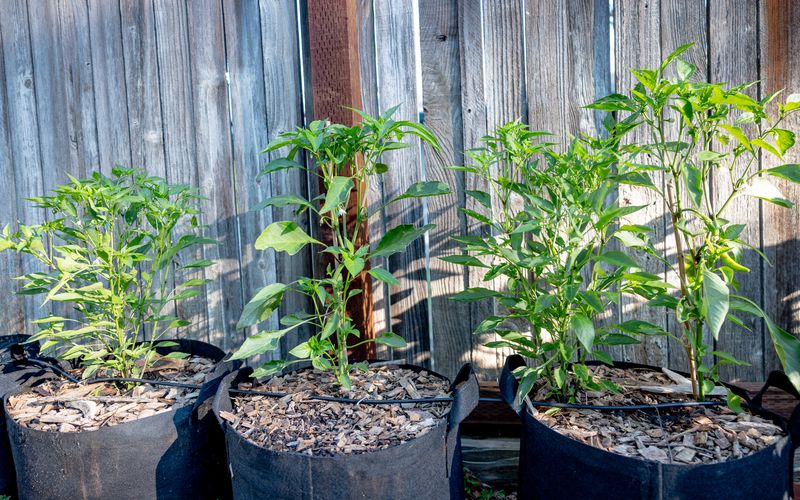
Before moving the plant, changing the watering schedule, or buying a new pot, spend a few minutes running through a simple check. Go out early in the morning when the mix should be at its coolest and most moist, then return during the hottest part of the afternoon and compare what you find.
A mix that goes from damp to bone-dry within a few hours is telling you something important about root volume and moisture retention.
Oregon State University Extension’s pepper guide points out that rapid water loss during warm, windy conditions can trigger blossom drop directly. While you are checking moisture, look at the drainage holes.
Roots circling out through the bottom, water that pools on the surface instead of moving through, or a pot that feels impossibly heavy even after a dry afternoon can all point to drainage or root-binding problems. UC IPM guidance on watering peppers warns that peppers should not experience water stress, but it also flags overwatering as a separate source of root damage.
Expand the inspection beyond moisture. Look at the leaves and open flowers for insect feeding, webbing, or sticky residue that might indicate pest pressure.
Check whether the foliage shows tip burn, yellowing between veins, or crispy edges that could suggest fertilizer salt injury or a nutrient problem. University of Florida IFAS pepper production guidance emphasizes that peppers are sensitive to flooding and drainage problems, so note whether the pot sits in a saucer that collects standing water.
Reviewing recent nighttime temperatures alongside all of these observations helps you separate direct heat stress from container-amplified problems and other causes before settling on a fix.
Keep moisture steady without keeping the roots saturated
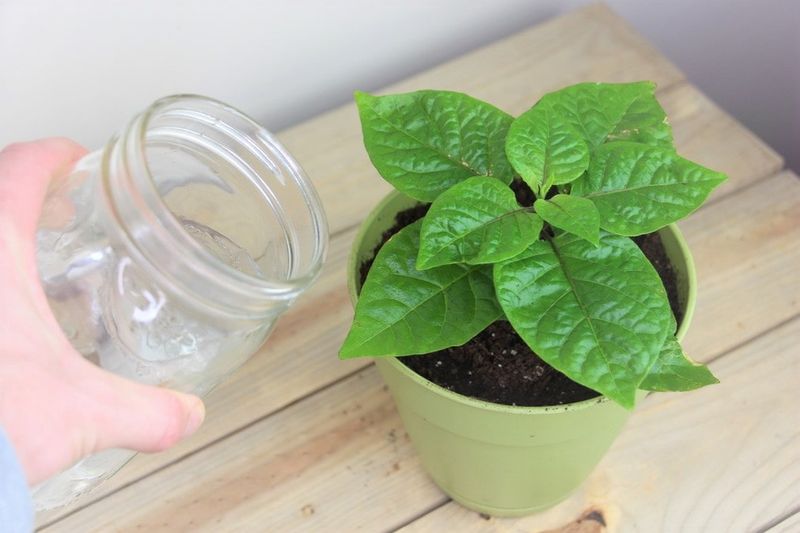
Consistent moisture is the most straightforward correction available when a container pepper is under heat stress, and it costs nothing beyond attention and a watering can. The goal is an evenly moist root zone, not soil that stays wet.
When the mix is beginning to dry, water thoroughly enough that excess runs freely out of the drainage holes, which confirms the entire root ball received water rather than just the top inch.
Oregon State Extension’s pepper care guidance recommends watering until water exits the drain holes rather than applying small surface splashes that leave the lower root ball dry. That shallow watering habit is more common than most gardeners realize, and a plant can show drought stress even after being watered if the water never penetrated fully.
The same extension source notes that container peppers may need daily irrigation in warm weather, though that frequency depends on pot size, mix type, wind exposure, and humidity rather than a universal calendar rule.
Florida and Texas conditions differ enough that no single schedule fits both. A pot on a breezy Texas porch may dry faster than one on a sheltered Florida lanai, even at the same air temperature.
Both drought stress and waterlogging can damage roots and contribute to flower loss, so the aim is to stay out of both extremes. Florida IFAS production guidance stresses that peppers need moisture but are sensitive to flooding, reinforcing that more water is not automatically safer.
A well-draining potting mix and clear, unobstructed drainage holes are what make consistent moisture achievable in the first place.
More root room makes container care more forgiving
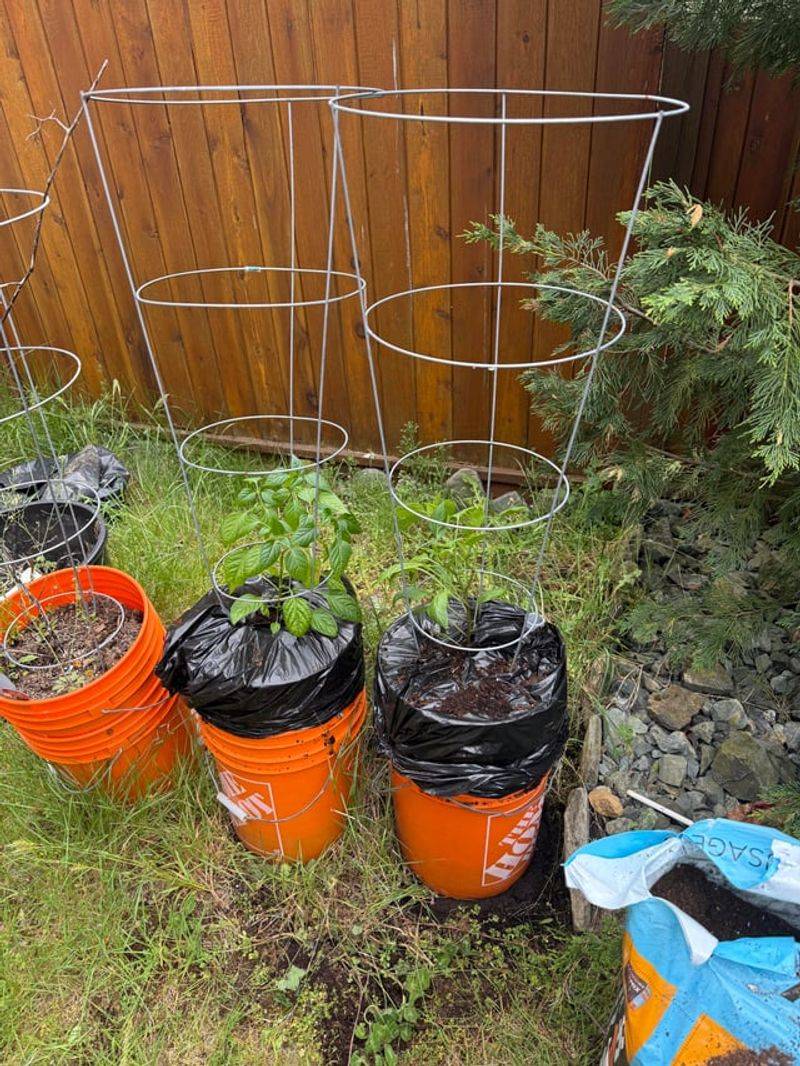
When a diagnostic check reveals a root-bound plant, roots circling out the drainage holes, or a container that is clearly too small for the size of the plant above it, moving up to a larger pot is a reasonable next step. The upgrade does not guarantee that flower drop will stop, especially during extreme heat, but it does make consistent moisture management much easier.
Oregon State University Extension’s printed pepper guide recommends a five-gallon bucket, half-barrel, or container of similar volume for a single pepper plant, with adequate drainage as a non-negotiable requirement. NC State Extension reinforces that larger containers dry out less quickly and reduce the root restriction that shortens flowering and fruiting windows.
That added volume gives roots more room to spread, slows moisture loss between waterings, and dilutes salt concentration from repeated fertilizing.
Fill the new container with a well-draining potting mix rather than garden soil, which compacts easily in pots and can block drainage. After repotting, elevate the container slightly if its drainage holes sit flush against a surface, since blocked holes can turn a generous pot into a waterlogged one just as quickly as an undersized one.
Oregon State’s pepper guidance specifically calls out adequate drainage as essential, not optional. A larger container with blocked drainage is not an improvement, so confirming water moves freely through the new pot before relying on it is worth the extra minute.
Use limited afternoon shade to reduce heat load
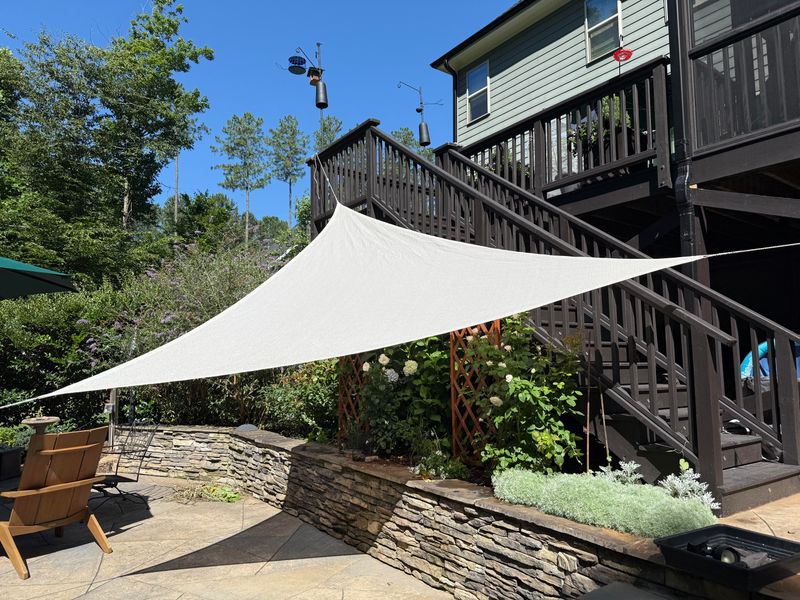
Portable containers have one advantage that in-ground plants do not: you can move them. On a Southern patio or porch where afternoon sun bounces off concrete, brick walls, or metal railings, a pepper pot can sit in a heat pocket that pushes root-zone temperatures well above air temperature.
Shifting the pot a few feet away from a reflective surface, or placing it where a structure provides shade after the hottest midday hours, can reduce that accumulated stress without depriving the plant of the light it needs.
Peppers generally require at least six hours of direct sun, so shade should be targeted and temporary rather than all-day coverage. Oregon State Extension’s pepper guidance notes that some afternoon shading may help reduce heat stress, and University of Georgia Extension’s July gardening tips mention that some shading can be desirable in very hot climates to reduce blossom drop.
Darker containers absorb more solar radiation than lighter ones, and research on container color and root-zone temperatures in nursery plants confirms that black pots can heat substrate substantially more than lighter alternatives. That research was not conducted specifically on peppers, so treating pot color as a proven direct cause of pepper flower drop overstates what the evidence shows.
Still, moving a dark pot out of full reflected heat on a 95-degree afternoon is a low-effort step that costs nothing and addresses a plausible source of added root-zone stress.
Rule out pests, salts, nutrition, and the wrong symptom
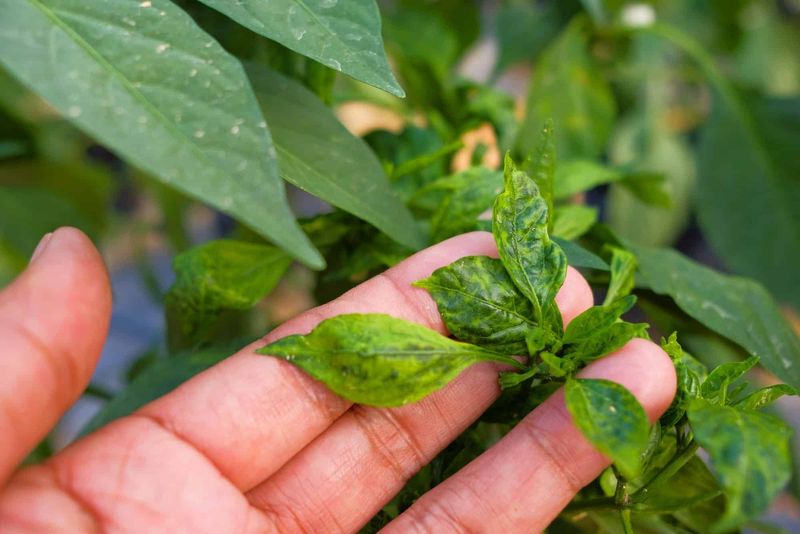
Blaming the container too quickly can send you down the wrong path. Before concluding that pot size or heat is the sole explanation, check the plant itself carefully.
Look at the undersides of leaves for spider mites, aphids, or thrips, which can stress a plant enough to cause blossom drop without being immediately obvious. Wind damage can also bruise or desiccate flowers before they get a chance to set, particularly on exposed balconies and open porches.
Salt buildup from repeated fertilizing is another overlooked culprit. Oklahoma State Extension’s mid-summer gardening tips caution that excessive fertilizer or salt accumulation can injure plants and contribute to flower drop.
Frequent container watering does leach nutrients over time, so some feeding during the season is reasonable, but the answer is to follow the fertilizer label’s container rate rather than to compensate for heat stress with a heavy application. New Mexico State University Extension lists salt injury and nutrient problems alongside heat and water stress as recognized causes of pepper flower drop.
Pollination is also worth understanding correctly. Peppers are largely self-pollinating, and an Ask Extension response on pepper pollination specifically notes that hand-pollinating every flower would not be a helpful general remedy for heat-related failure.
Attracting more pollinators will not repair pollen that heat has already damaged.
Finally, confirm that you are looking at the right symptom. Flowers falling before any fruit forms is what heat-related blossom drop looks like.
UC IPM’s pepper and eggplant watering guidance distinguishes this from blossom-end rot, which is a darkened, sunken area that appears on developing fruit and involves calcium transport and uneven moisture rather than flower abortion. Treating blossom-end rot as blossom drop, or the reverse, leads to the wrong correction.
Wait for cooler conditions while protecting the next blooms
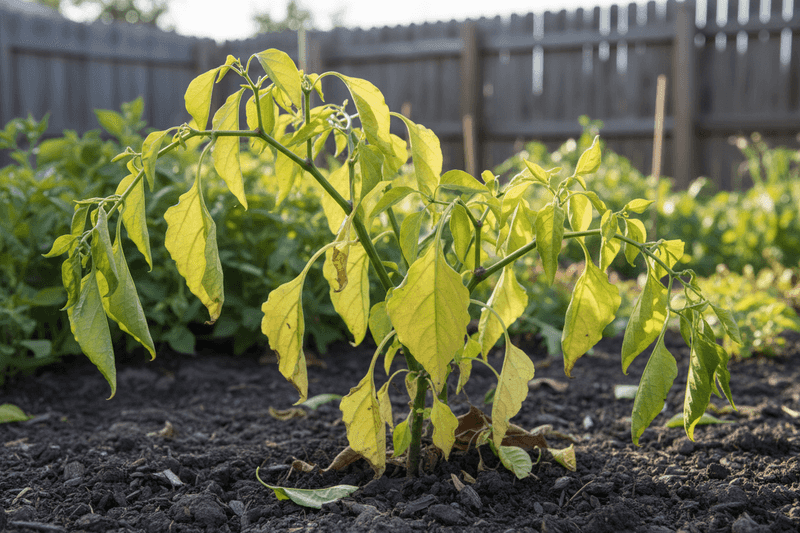
Once you have corrected moisture consistency, confirmed drainage is working, addressed any root-space problem, and reduced unnecessary heat exposure, the most productive thing left to do is wait. Stripping the plant, applying heavy fertilizer, or hand-pollinating every bud while the plant is already stressed tends to add more disruption than benefit.
Give the corrections time to take effect before deciding they did not work.
Illinois Extension’s pepper production analysis notes that peppers can take more than 45 days to produce a ripe fruit after pollination, so a gap in your harvest may simply reflect a heat event that happened weeks earlier. University of Georgia Extension and Oklahoma State Extension both describe heat-related blossom drop as a condition that can improve on its own when temperatures moderate in late summer or early fall.
Heat remains the strongest documented direct cause of pepper flower drop in Southern gardens. The container shapes how severely the plant experiences that heat, through moisture loss, root restriction, and root-zone exposure, making it a meaningful factor worth correcting but not the guaranteed culprit.
A plant that gets steady moisture, adequate root room, and some relief from reflected heat is in the best possible position to bloom again when the weather finally cooperates.