
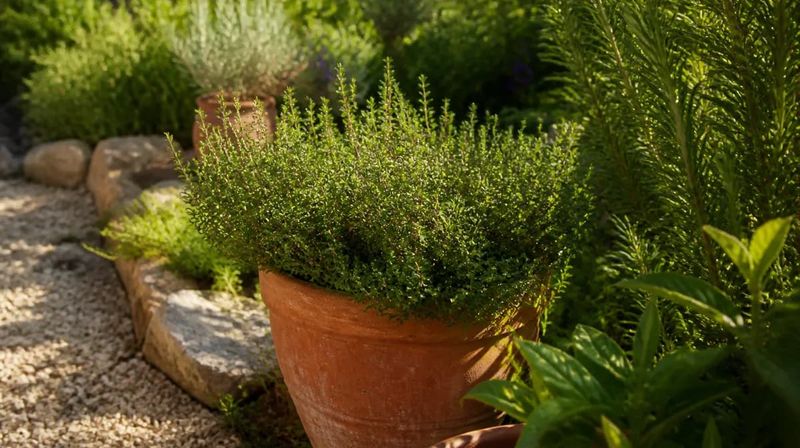
Your potted herbs do not all want the same winter home. Rosemary, thyme and oregano come from dry Mediterranean hillsides, while basil is a tender plant that sulks the moment nights turn cool.
Putting them all in one spot is one of the most common reasons herbs fail between November and March. Here is where each one should go so you still have fresh leaves to snip come spring.
1. Rosemary: A Sunny, Sheltered Wall Outdoors
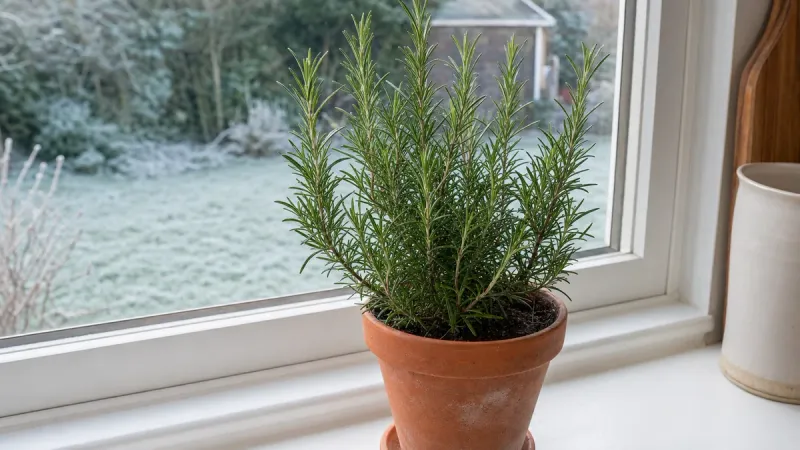
Picture a hillside in Spain, baking in sun and swept by dry wind. That is where rosemary feels at home, and your pot should copy those conditions as closely as possible.
In most of Texas, Florida and the Gulf South, rosemary can stay outdoors all winter.
The best spot is against a south or west-facing wall, where brick or stone soaks up heat during the day and releases it at night. A covered porch edge also works well because it keeps winter rain off the roots.
Wet soil, not cold air, kills far more potted rosemary than frost does.
Most varieties handle temperatures down to the low 20s, though pots freeze faster than ground soil. When a hard freeze is forecast, slide the pot right up against the house or into an unheated garage for a night or two.
Bring it back out once the cold passes.
Water only when the top two inches of soil feel dry, which may be every two weeks in cool months. Brown, crispy needles at the base often signal soggy roots rather than thirst.
Gardeners in North Texas or upland areas may want to try a hardier type like Arp, which can tolerate colder snaps.
2. Thyme: Raised Up and Out of the Rain
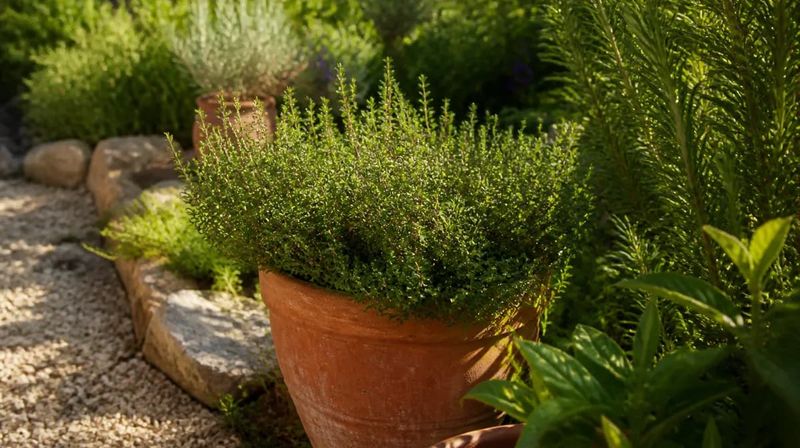
Thyme is tougher than it looks. Those tiny leaves can shrug off frost that would flatten bigger plants, yet a week of soggy soil can turn the whole clump gray and mushy.
Because of that, the winter goal for thyme is drainage first and warmth second. Keep the pot outdoors in full sun, but lift it onto pot feet, bricks or a plant stand so water drains freely.
A spot under the eaves or on a covered patio rail helps protect it from long rainy spells, which are common along the Gulf Coast in winter.
A thin layer of gravel on the soil surface can reduce rot around the woody stems. Skip heavy mulch like pine straw in the pot, since it holds moisture right where thyme hates it.
Hardiness is rarely the problem across the South. Most common and creeping types survive temperatures well below freezing in containers.
If your pot is small, though, grouping it with larger planters can add a little buffer during a rare hard freeze.
Trim lightly in late winter, never cutting into bare wood. Fresh green growth usually returns quickly once days lengthen.
3. Oregano: Let It Rest Outdoors
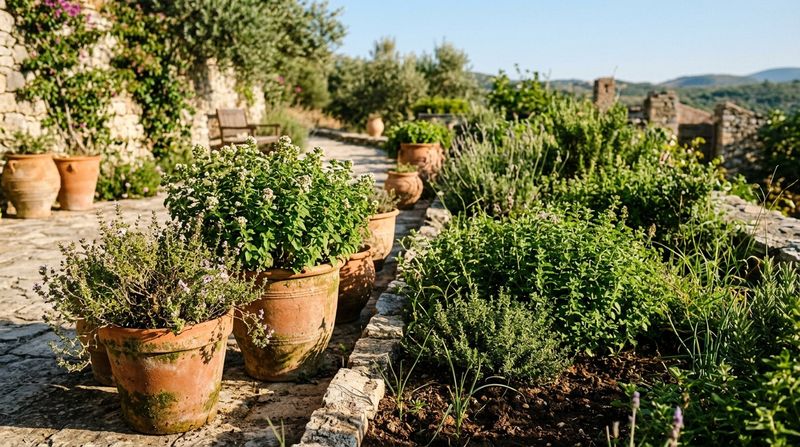
Here is a little secret many herb growers learn the hard way: oregano actually wants a break. Hauling it indoors to keep it lush often leads to leggy, pale stems and spider mites.
Oregano is a perennial that slows down in winter, and in colder parts of the South it may die back to a low mat of leaves near the soil. That is normal.
Leave the pot outside in a sunny spot, such as a bench, deck corner or along a walkway that gets at least six hours of light.
In Florida and South Texas, oregano may keep growing all winter, giving you a steady harvest. Farther north, cut stems back to a few inches after the first frost to tidy the plant and encourage fresh spring shoots.
Like its Mediterranean cousins, oregano dislikes wet feet. Let the soil dry between waterings, and tip the saucer out after every rain.
Fun fact: Greek oregano usually carries the strongest flavor, and its name comes from Greek words loosely meaning joy of the mountains. Give it a dry, bright winter and it can reward you with bold, spicy leaves for years.
4. Basil: Indoors Before Nights Hit 50 Degrees
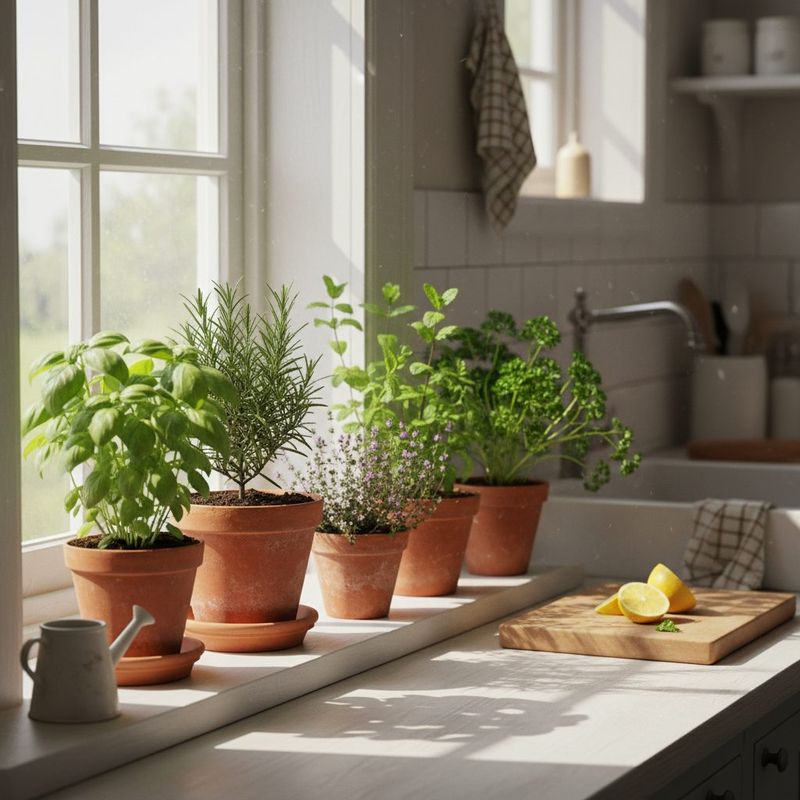
Basil is the drama queen of the herb shelf. While rosemary laughs at a chilly morning, basil can develop black, wilted leaves after just one night in the 40s.
That is why basil needs a completely different winter plan. Once nighttime temperatures start dipping toward 50 degrees, move the pot indoors.
In much of Texas that happens in late October or November, while Florida gardeners may get until December or later.
Set basil in your brightest window, ideally facing south. Keep it away from drafty doors and cold glass at night, since leaves touching a chilly window can scorch.
Room temperatures between 65 and 75 degrees suit it nicely.
Indoor light is weaker in winter, so growth may slow and stems may stretch. Pinching off tips and any flower buds can help keep the plant bushy.
Water when the top inch of soil dries, but avoid letting the pot sit in a full saucer.
Be realistic, too. Basil is often an annual, and older plants may fade by midwinter no matter what.
Rooting a few cuttings in water in the fall gives you young, vigorous backups that tend to handle indoor life better.
5. A Grow Light Shelf for Dim Homes
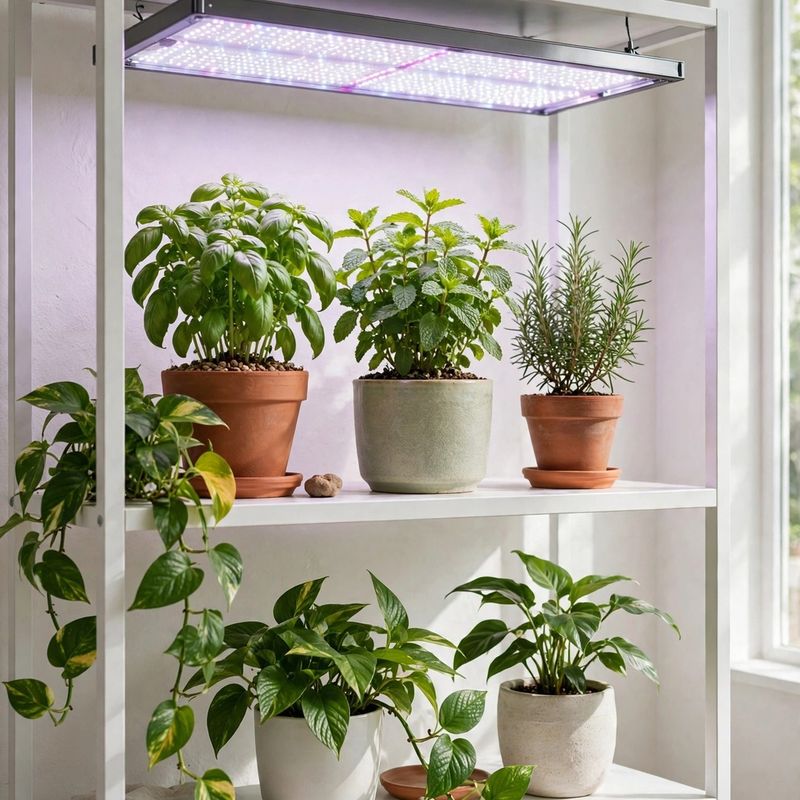
Not every house has a sunny south window, and plenty of Southern homes are shaded by big live oaks or deep porches. If your basil is reaching sideways toward the glass, it is begging for more light.
A simple LED grow light can make a real difference. Position the light about six to twelve inches above the leaves and run it 12 to 14 hours a day.
An inexpensive outlet timer takes the guesswork out of switching it on and off.
A shelf with a light also makes a handy backup for your Mediterranean herbs during a rare deep freeze. Rosemary or thyme can visit for a few days, but send them back outside as soon as temperatures recover.
Long indoor stays usually leave them weak and prone to pests.
Keep an eye out for fungus gnats, which love damp indoor potting soil. Letting the surface dry between waterings often reduces them, and yellow sticky cards can catch adults.
Choose full-spectrum bulbs over colored ones if the herbs sit in a living space. The light looks more natural, and you can still spot problems like yellowing leaves easily.
6. The Unheated Garage or Porch for Freeze Nights
Remember the February 2021 freeze in Texas? Many gardeners lost potted herbs that would have survived with just a little shelter for a few nights.
An unheated garage, shed or enclosed porch is the perfect short-term emergency room for rosemary, thyme and oregano. These spots stay several degrees warmer than open air and block the drying wind that damages foliage.
They are not meant for basil, though, since they can still drop well below what it tolerates.
Move the Mediterranean herbs in when lows are forecast in the low 20s or teens. Group the pots together, and set them near a window if you can.
Skip watering while they are inside unless the soil is bone dry.
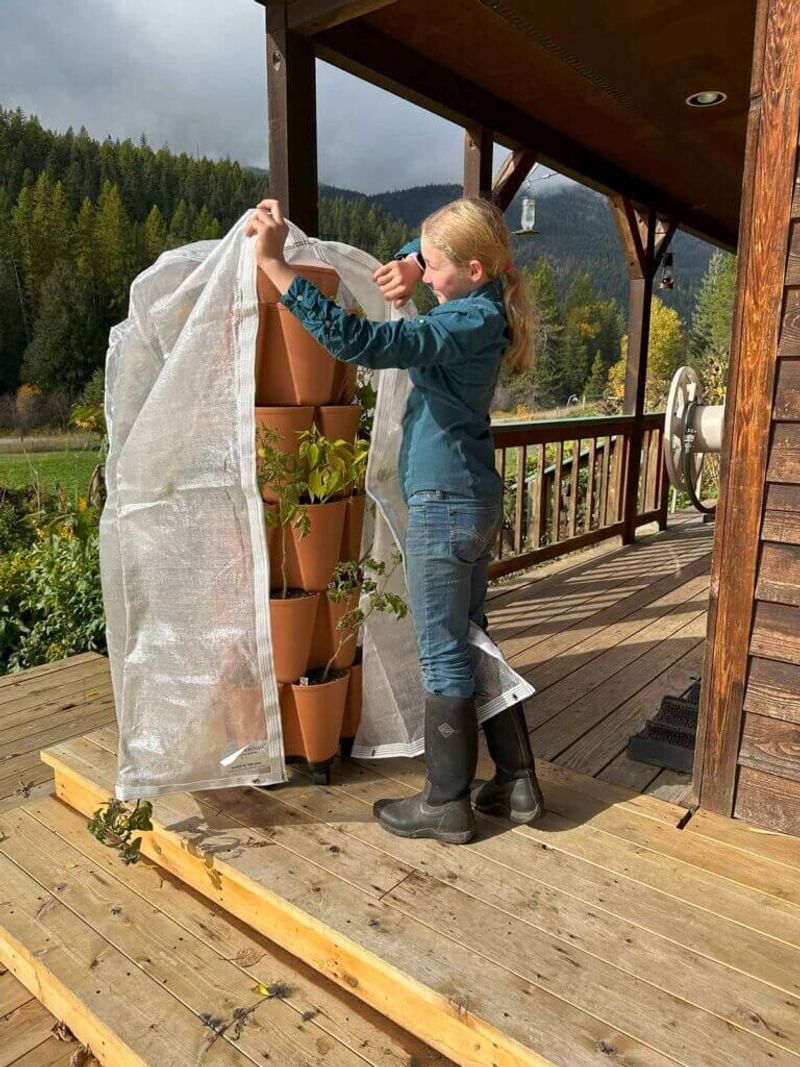
If a garage is not an option, cluster pots against the house and wrap them with frost cloth or an old blanket that reaches the ground. Wrapping the container itself can help protect roots, which are more cold-sensitive than stems.
Once temperatures climb back above freezing, carry everything outside again. Two or three days of shelter is usually plenty, and longer stays in dim light can do more harm than good.
7. Spring Return: Easing Everyone Back Outside
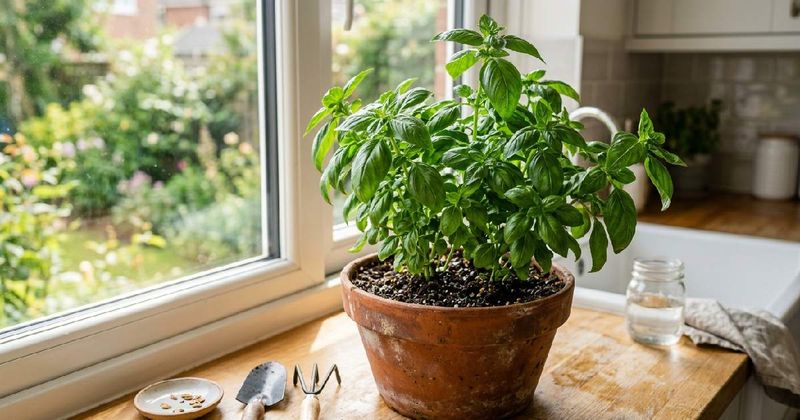
Spring arrives early across the South, and the urge to haul basil outside on the first warm afternoon is real. Patience pays off here.
Wait until nighttime lows stay above 50 degrees before moving basil out for good. In Florida that can be February, while North Texas gardeners may need to hold off until April.
Start with a few hours in morning sun or bright shade, then add more time each day over about a week. Indoor leaves can sunburn quickly if they go straight into full afternoon light.
Your outdoor herbs need attention now too. Trim rosemary lightly to shape it, cut away dead thyme tips, and clear old oregano stems so new shoots have room.
A light dose of balanced fertilizer can help kick off fresh growth.
Check pots for cracked terracotta or compacted soil after winter. Repotting into a slightly larger container with gritty mix often gives tired plants a boost.
Then the fun part begins. With basil, rosemary, thyme and oregano all back side by side, you will have a full kitchen garden ready for summer tomatoes and pesto season.