
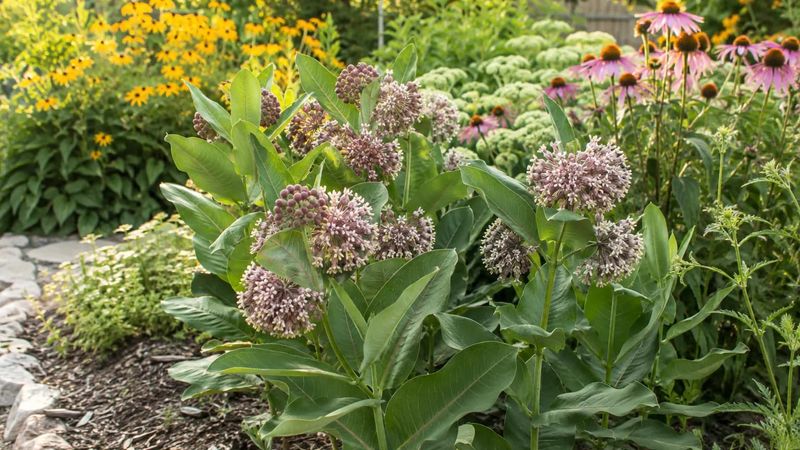
You planted milkweed to help monarchs, so a winter trim can feel risky. Cut the wrong plant, or cut at the wrong time, and you might worry you have undone your own good work.
The answer depends on which milkweed you have and where you live. A few quick checks can help you decide with confidence.
Start by identifying the milkweed in your yard
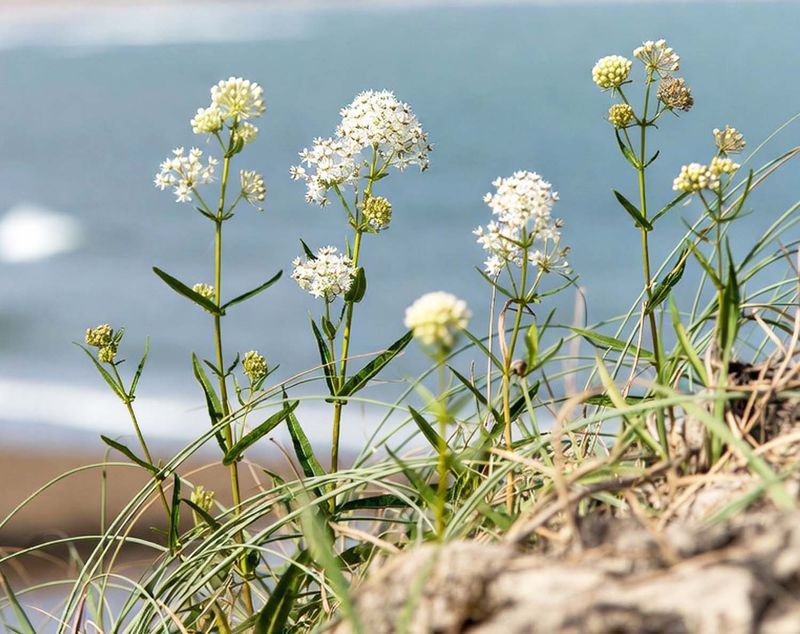
Before any shears come out, figure out what you are actually growing. The name “California milkweed” is a casual label, not a precise species, and it can mean different plants in different yards.
California has many milkweed species, so two neighbors can both say “milkweed” and be describing very different plants.
Two are especially common in home gardens. Tropical milkweed, Asclepias curassavica, is a nonnative plant with bright orange and yellow flowers, sold widely at nurseries.
Narrowleaf milkweed, A. fascicularis, is a California native with slim leaves and pale, rounded flower clusters. Checking the plant tag, your receipt, or a photo match on a native plant database can settle it quickly.
Why does it matter? U.S.
Fish and Wildlife Service guidance on California monarchs points to tropical milkweed as the plant that can stay green through winter. Narrowleaf milkweed, on the other hand, is described by the UC Davis Arboretum as winter-dormant, meaning it naturally dies back.
That difference sets up everything else in this article. If you have a different species altogether, local native plant groups or your county Master Gardeners can help you sort out its winter habits.
Persistent tropical milkweed is usually the cutback case
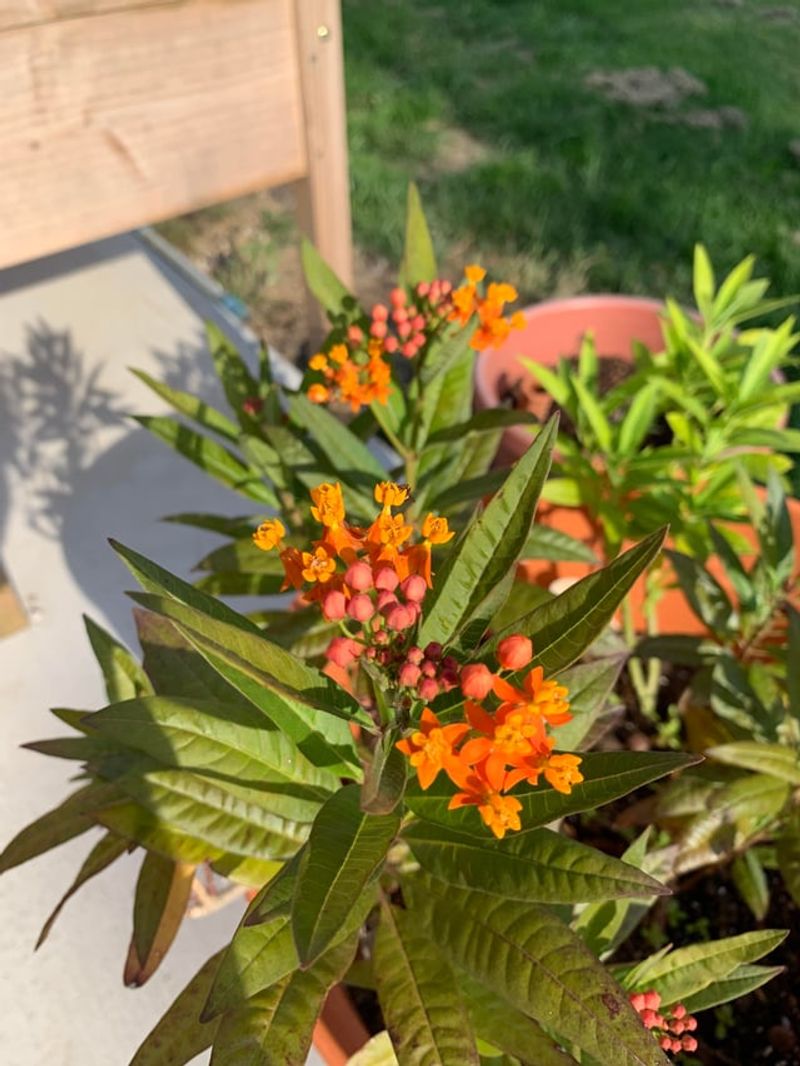
Here is the reason tropical milkweed gets singled out. In much of California it keeps its leaves through the cold months instead of dying back.
Green leaves can invite monarchs to keep breeding when they might otherwise be moving on or resting.
That matters because of a parasite called OE, short for Ophryocystis elektroscirrha. Its spores can build up on milkweed leaves and stems, and caterpillars can pick them up while feeding.
U.S. Fish and Wildlife Service recommends cutting back tropical milkweed in fall or winter for this reason.
Monarch Joint Venture gives similar advice and describes a fall and winter cutback for plants that stay green. Think of this as the general recommendation for persistent tropical plants, and as the thinking behind the advice rather than a promise about any one yard.
A single cutback will not guarantee a healthier monarch season. It is one reasonable step that conservation groups suggest, and it applies to the tropical plant specifically, not to every milkweed you might have.
Cut carefully, and check the plant before you prune
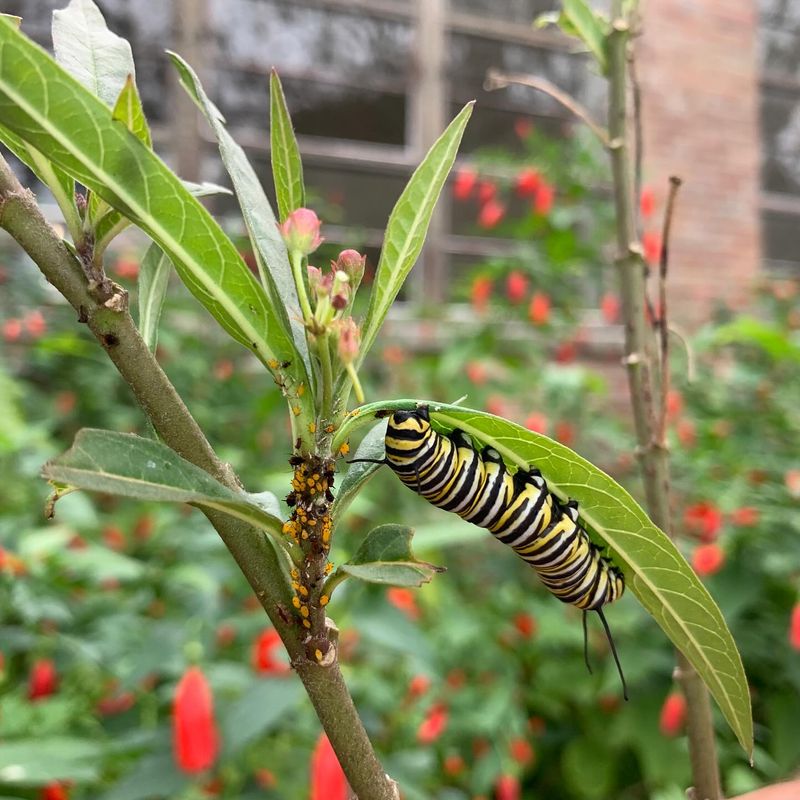
Slow down for a minute before the first snip. Look over the leaves and stems for monarch eggs and caterpillars.
Eggs are tiny cream-colored dots, often on the underside of leaves, so take a close look.
If the plant is occupied, you may want to hold off or consult local guidance. The Santa Monica Mountains Fund advises checking for monarchs before cutting, and that habit protects the very animals you planted for.
When the plant is clear, Monarch Joint Venture recommends cutting tropical milkweed stalks to about six inches in fall and winter. That is one expert recommendation, not a universal height or a California-wide rule.
If leaves sprout again, the plant may need another cut.
Handle what you remove with care. The UC Master Gardener Program of San Diego County notes that OE spores can be present on native or nonnative milkweed and may stick to cut material.
Casual composting is not a harmless shortcut. Check local guidance for how to dispose of the clippings.
Dormant native milkweed usually needs no routine cut
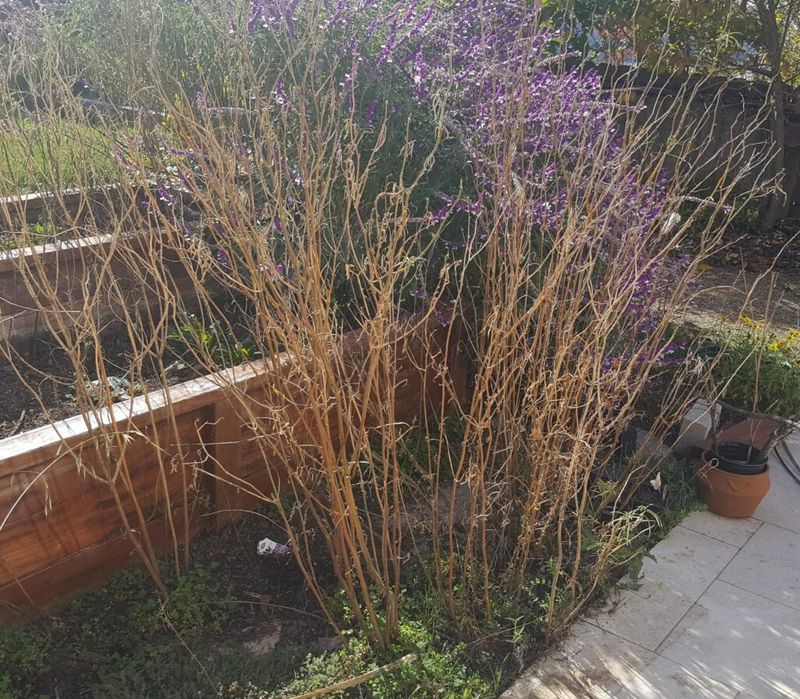
Native milkweed plays by a different seasonal script. UC Davis describes narrowleaf milkweed as winter-dormant, so the plant dies back by itself as the cold sets in.
When nature handles the cleanup, there is usually no need for a routine trim.
You can simply leave it and let spring growth return. A bare patch in January is not a sign of trouble.
It is often just the plant resting.
Some gardeners like a tidier bed, and that is fine. UC Davis suggests cutting stems to the ground as the leaves die in fall.
The Santa Monica Mountains Fund recommends waiting until the stems are fully brown instead.
Either way, look for monarch eggs or caterpillars before you cut. Native plants are not guaranteed to be empty just because they look dry.
A quick scan takes a minute and keeps your tidying wildlife-friendly.
Mild coastal winters make a blanket pruning rule risky
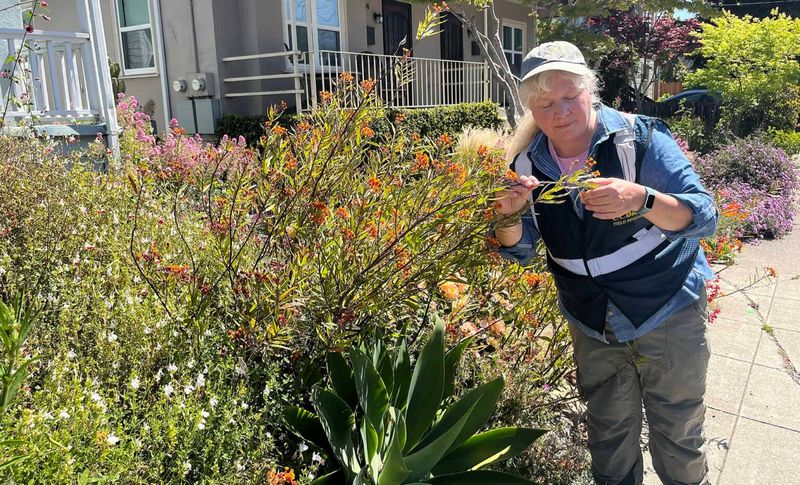
California does not have one winter. Along the mild coast, even native milkweed may stay green well into the cold season, according to Monarch Joint Venture.
So “native means dormant” is not a safe assumption everywhere.
Monarch behavior adds another twist. Some urban areas have monarchs that keep breeding through winter.
A 2024 review of western monarchs suggests fall pruning may be harmful in some California urban areas. It notes that cut stems may attract egg-laying females, and that plants with eggs could be cut and discarded.
The review leans on a 2021 study in the urban South Bay, which found winter breeding and high OE infection at a site with ornamental milkweed. The authors said that population’s success may depend on ornamental milkweed, and they called for more research.
It describes one urban population, so it does not show that leaving tropical milkweed standing helps monarchs across California.
The takeaway is balance. Neither piece of research proves a universal reason to leave tropical milkweed up, and neither proves cutting always helps.
Your location and what is on the plant matter most.
Near overwintering sites, reconsider planting milkweed
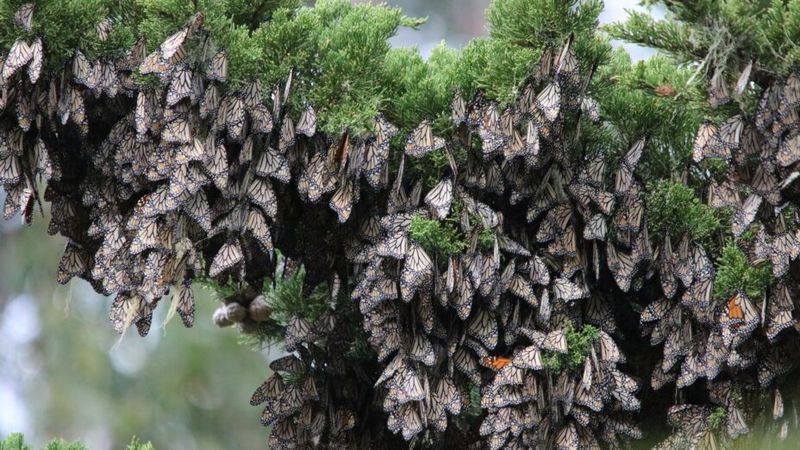
Pruning and planting are two separate questions, and trimming does not settle the second one. If you live close to a place where monarchs cluster for winter, the bigger issue may be whether milkweed belongs in that spot at all.
Xerces Society guidance for California advises planting milkweed within its native range and more than one mile from a known overwintering site. For areas near those sites, it recommends fall-, winter-, and spring-blooming nectar plants instead.
You may also see a rule of thumb from U.S. Fish and Wildlife Service to avoid milkweed within a mile of the coast.
The two sound alike, but they use different reference points. One measures from a known overwintering site, and the other measures from the coastline, so they are not interchangeable.
Monarch Joint Venture also addresses this question for people living near the overwintering grounds. Look up applicable local maps or guidance for your neighborhood before you add or remove plants.
Local experts can tell you which recommendation fits your address.
Choose by species, season, and what is on the plant
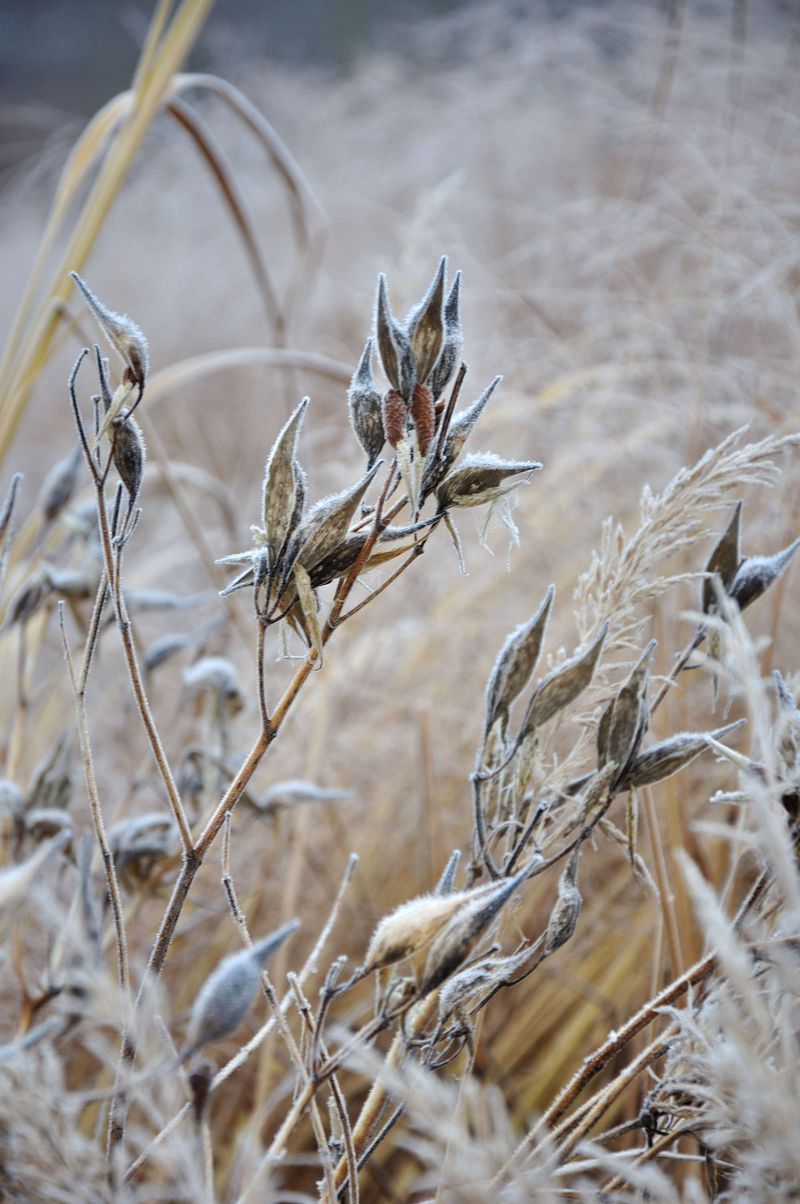
Start with the species. Persistent tropical milkweed is generally the one to cut in fall or winter, following expert guidance, while dormant native milkweed can usually be left alone unless you want to tidy it.
Before any cut, look for eggs and caterpillars, and check local overwintering guidance, especially if you garden in a mild coastal area. This is a conditional guide, not a statewide command.
Your yard is its own small habitat, and a careful look beats a calendar date every time.