
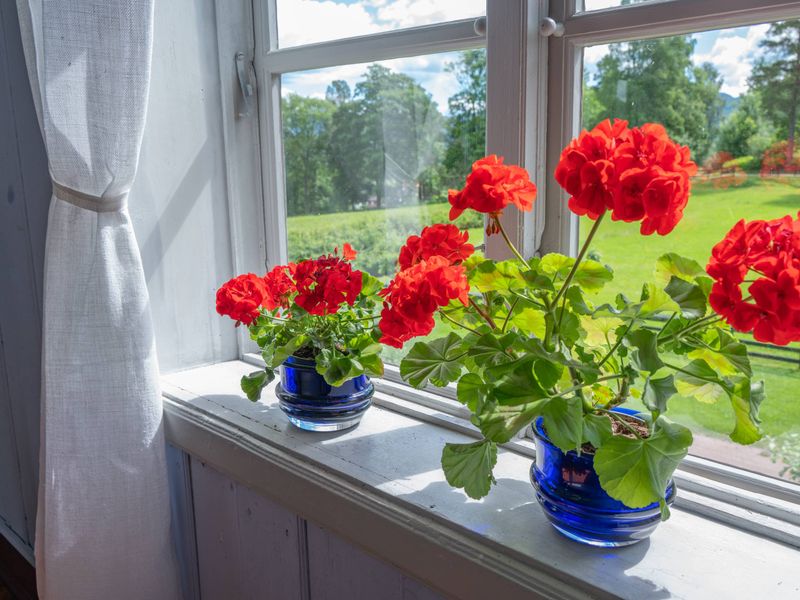
That potted geranium on your porch is probably a tender plant that cannot handle a freeze. When cold weather heads your way, you have to decide whether to bring it inside and whether to cut it back first.
Extension experts do not all agree on the best timing, and a haircut alone will not guarantee a leafy, flowering plant. Here is how to sort out your options and care for the plant you have.
The familiar potted geranium is usually a Pelargonium
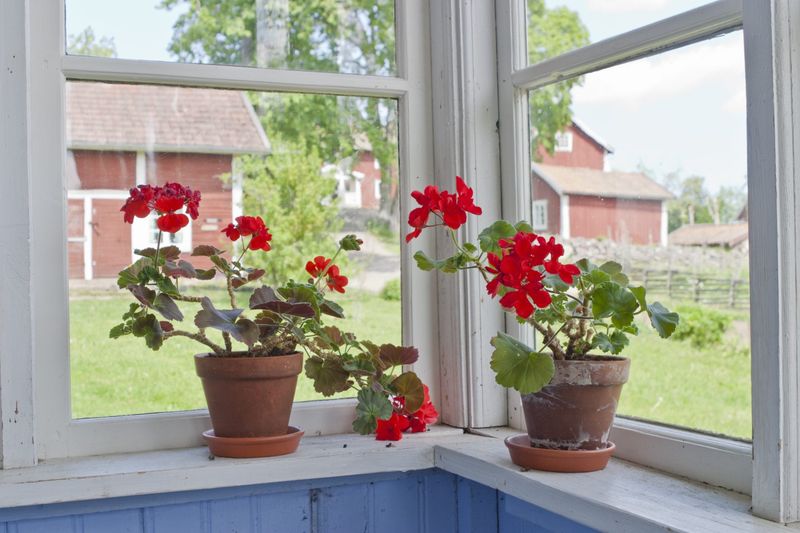
Most gardeners who say geranium mean the bedding plant with rounded leaves and bold flower clusters. That plant is generally a Pelargonium, and it is not the same as the hardy perennial plants in the genus Geranium.
University of Minnesota Extension uses the word geranium for Pelargonium and keeps it separate from true Geranium. The advice in this guide applies to the tender, potted kind.
If you garden where frost arrives, the plant needs to come indoors ahead of it. Iowa State recommends moving Pelargoniums inside before the first fall frost.
Hardy true Geraniums in the ground do not need this treatment.
Before the pot crosses the threshold, look the plant over. Colorado State advises checking for insects first.
Turn over leaves, look along the stems, and deal with any pests outdoors so they do not spread to your other houseplants.
A move-in cut is one option, not a rule
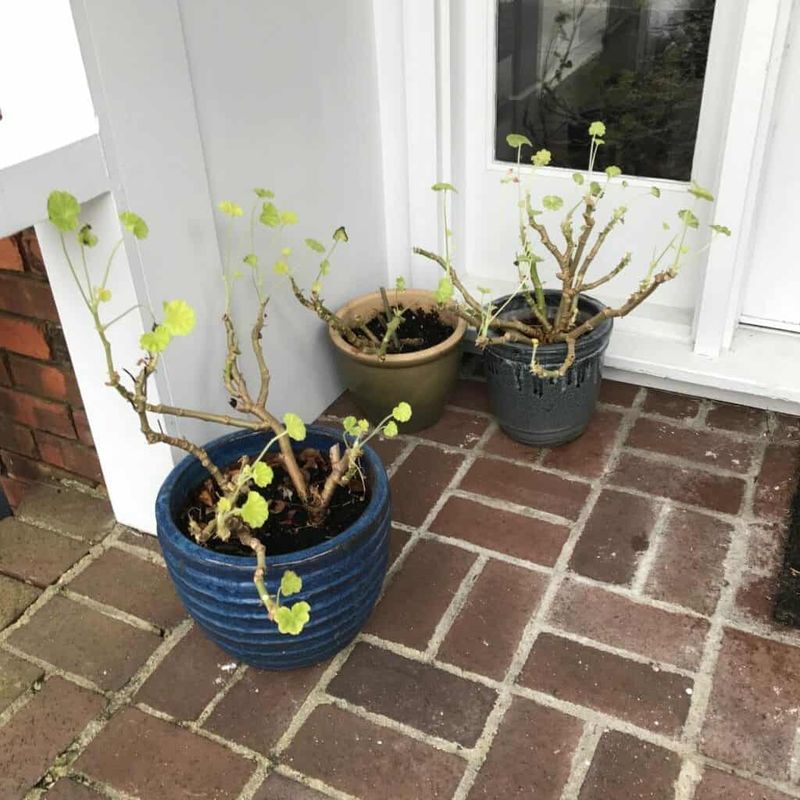
Advice on cutting back differs from one extension office to the next. Colorado State describes cutting stems back by about half, just above a leaf, when plants move indoors.
Ask Extension suggests removing about one-third to one-half of the current growth on potted plants.
Other guidance waits. Iowa State says pot-grown plants can turn lanky by late winter, and it recommends cutting them back by half to two-thirds in March.
So a move-in trim is a moderate size reducer, while a later cut is a fix for stretched stems.
Either route can encourage branching, and skipping the move-in cut is a reasonable choice too. A small plant that fits its window may not need one.
Bare-root dormancy is a separate method, with pruning and potting usually done in spring, so do not mix its steps with houseplant care.
Give indoor geraniums bright light
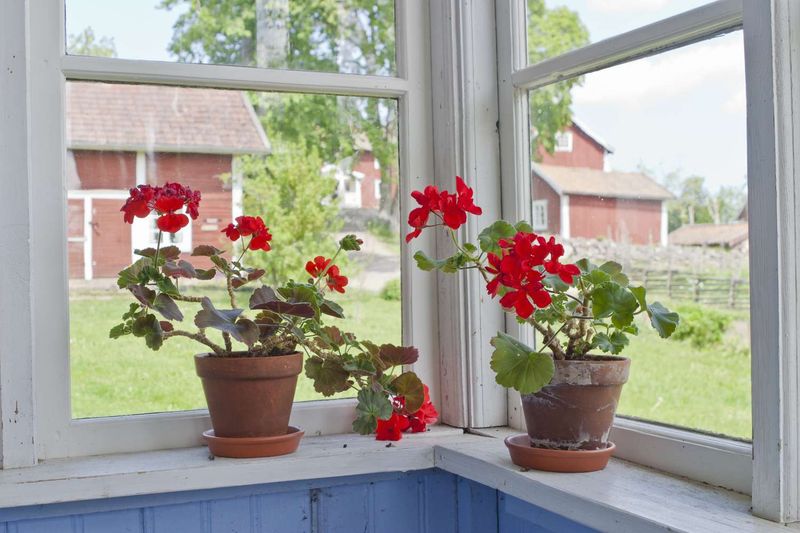
A good haircut cannot make up for a dim corner. Pruning may encourage branching, but stems still stretch when light is weak.
Minnesota Extension links reduced light with leggy growth and says bright light encourages flowering.
Put your plant in the brightest spot you have, such as a south-facing window. Texas A&M notes that geraniums need at least four hours of direct sun daily to flower well.
That figure is about flowering well, not a promise that yours will bloom on a set date.
If stems look pale, stretched, and sparse, take it as a clue that the plant wants more light. Moving it closer to the glass is often a better next step than another round of cutting.
Use cool conditions and careful watering
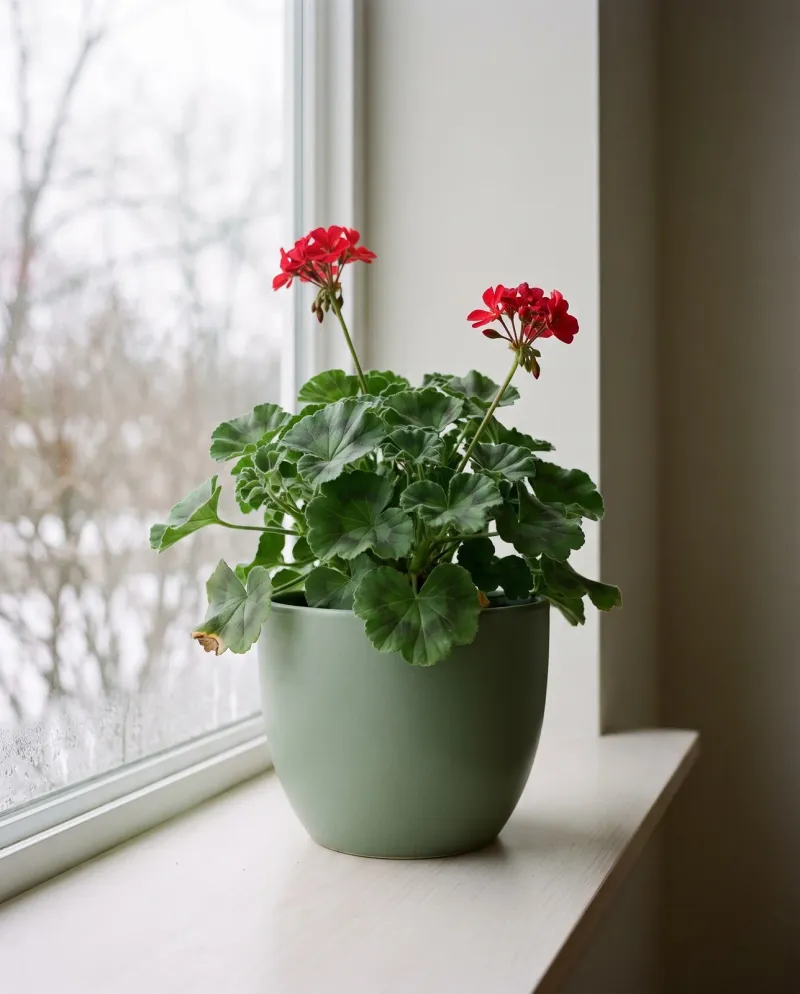
Overwintering goes best when the room is on the cool side. Iowa State gives 65 to 70 degrees F for days and slightly cooler nights.
Minnesota Extension recommends 60 to 65 degrees F. Treat both as guides, since a spare room, sunroom, or enclosed porch may land somewhere in between.
Water is where many indoor plants get into trouble. Check the soil before you pour, and water only when the top feels dry.
Soggy mix in a cool room is hard on roots, and the plant can look worse for it.
Think of this stage as maintenance. You are keeping the plant healthy through the short days, not setting a bloom timer.
Pinch off yellowing leaves, turn the pot now and then, and let the plant tell you what it needs.
Follow Florida’s winter-annual and freeze-protection guidance
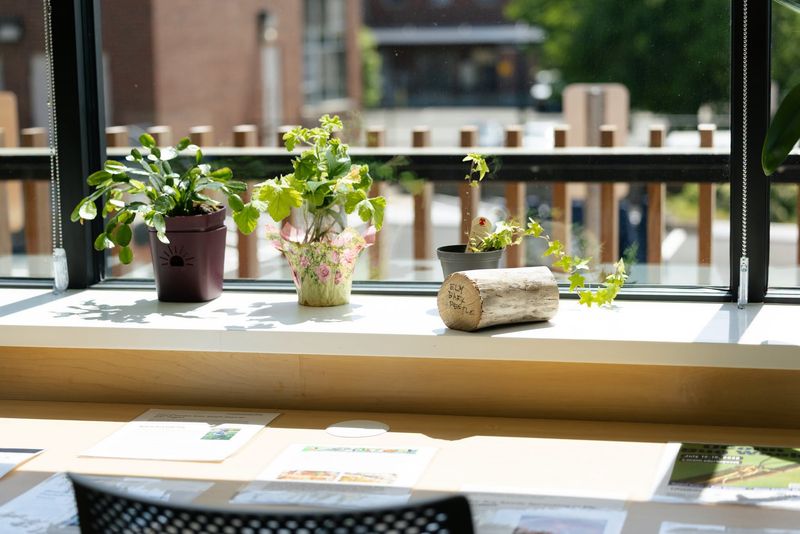
Florida gardeners are in a different spot than northern ones. UF/IFAS says Pelargonium cannot tolerate a freeze, and in Central and South Florida it is used as a winter annual, planted from October to March.
Many readers there never need a long indoor stay.
The job is to watch the forecast. When frost or a freeze is expected, move tender potted plants to shelter, such as a garage, screened porch, or indoors for the night.
Pots are easy to move, which is a real advantage.
One caution comes from UF/IFAS cold-protection advice for landscapes: newly pruned plants are more susceptible to cold damage, so pruning is postponed until spring. That is about plants left outdoors, not a rule against trimming an indoor potted plant.
Treat February blooms as a possibility, not a promise
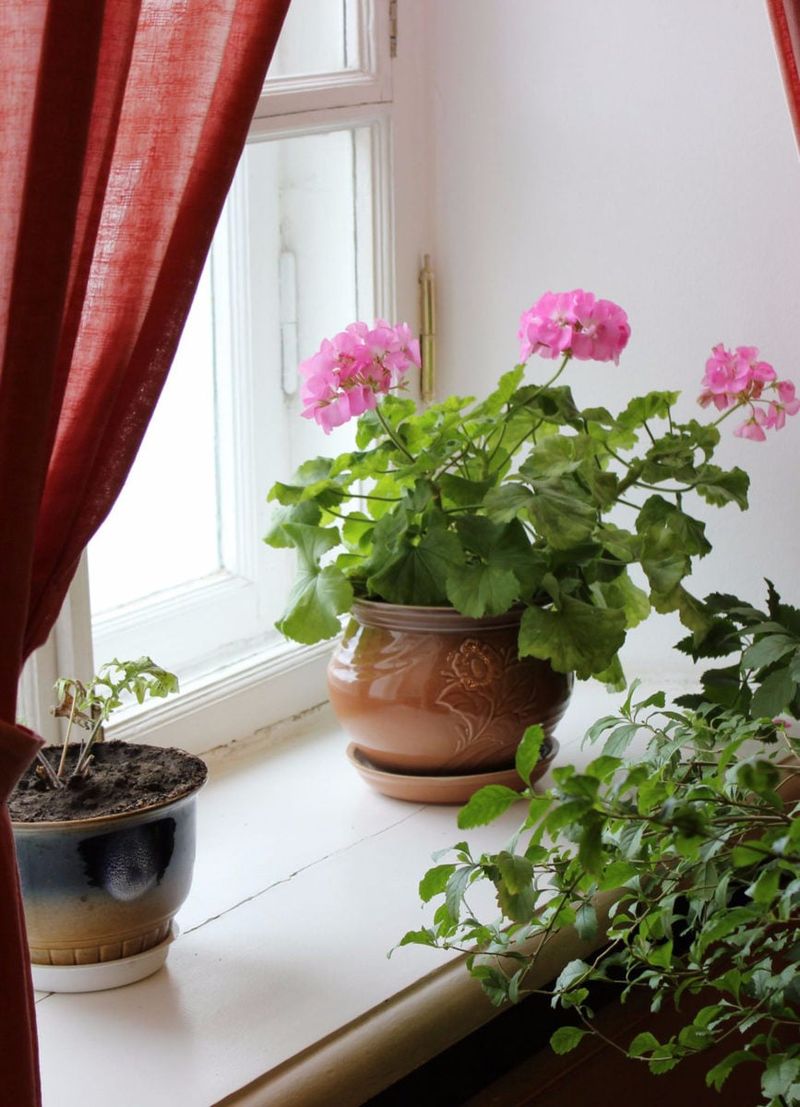
Here is the practical plan. If it suits your plant and your setup, give it a moderate cut at move-in, then spend your energy on bright light, cool temperatures, and sensible watering.
If stems get lanky anyway, a later cutback is a sound backup.
Pruning may encourage branching, and branching is different from blooming. Light matters most for flowers, as Minnesota Extension explains, and no guidance promises a bloom in a particular month.
Iowa State even expects some indoor plants to need a spring reset.
A geranium that survives winter healthy is already a win. Flowers are the bonus.