
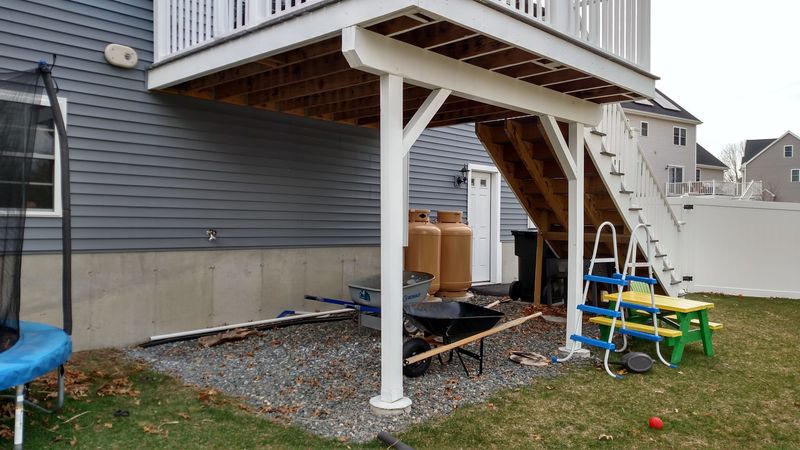
Cooler fall nights send snakes looking for cozy, sheltered spots, and your yard may offer plenty of them. Leaf piles, stacked firewood, and cluttered corners can feel like a five-star hotel to a snake hunting mice and warmth.
In Texas, Florida, and across the South, snakes stay active well into fall, so a little cleanup now can make a real difference. Here are the hiding spots worth tackling first, plus simple ways to make your yard less inviting.
1. Raked Leaf Piles
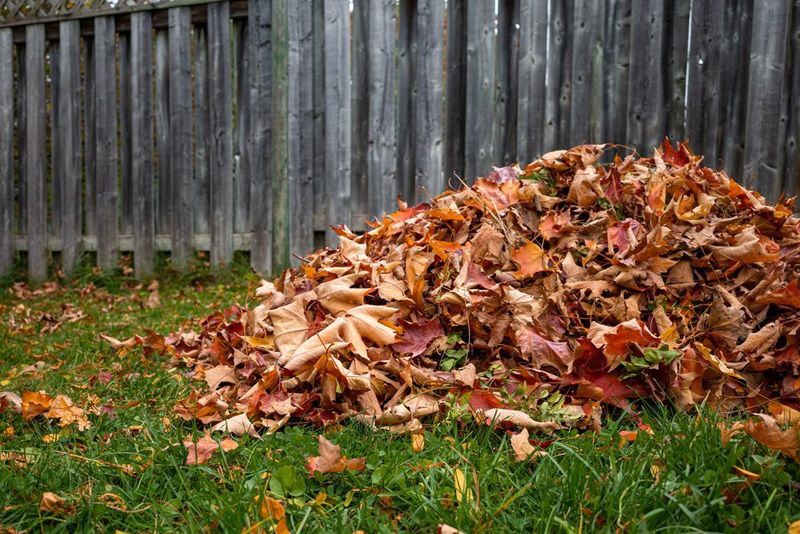
That tidy mound of leaves you meant to bag last weekend? To a snake, it looks like a warm, damp blanket with snacks hidden inside.
Leaf piles hold moisture and heat, and they attract crickets, toads, and mice, which are exactly the foods many snakes hunt.
The longer a pile sits, the more appealing it can become. Bottom layers start breaking down, staying warmer than the air around them, which is a big draw on chilly October mornings in Texas or north Florida.
Kids and pets love jumping into these piles too, so that is one more reason not to let them linger.
Bag leaves within a day or two of raking, or move them straight into a closed compost bin. If you prefer to mulch, run the mower over them so the pieces are small and spread thin across the lawn.
Thin layers break down fast and give critters far less room to hide.
When you do need to move an older pile, use a rake or long-handled tool rather than your hands. Wear sturdy boots and gloves.
Most snakes will simply slither away once disturbed, but giving them a little space keeps everyone safer.
2. Firewood Stacks
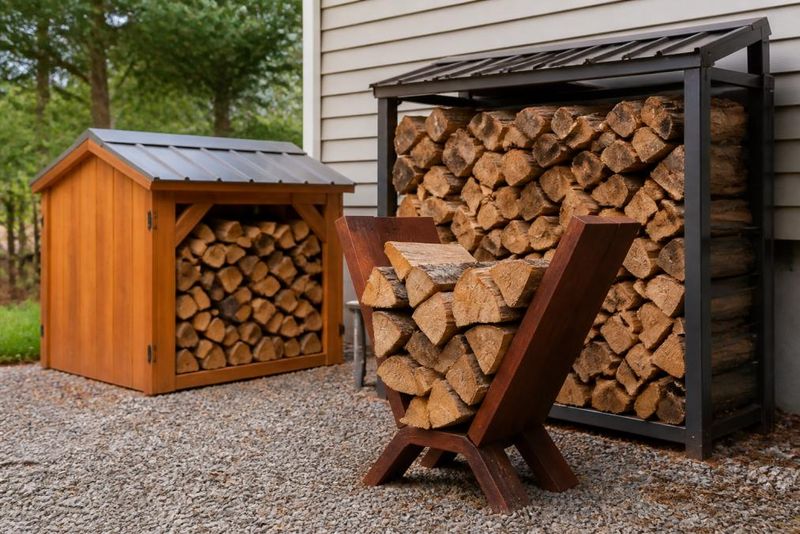
Nothing says fall like a stack of firewood ready for the first cool evening. Unfortunately, the gaps between logs create a maze of shady tunnels that snakes, rodents, and insects find hard to resist.
Copperheads in particular are known for tucking themselves into woodpiles across the South.
Placement matters most. Keep firewood at least 20 feet from your house when possible, and raise it on a rack 12 to 18 inches off the ground.
That open space underneath may help discourage both mice and the snakes that follow them.
Stack logs tightly and neatly rather than tossing them into a loose heap. Fewer gaps mean fewer hiding places.
Avoid storing wood directly against fences, sheds, or dense shrubs, since those spots give snakes protected travel routes.
Only bring in what you plan to burn soon, and check each armful before carrying it. A quick look with a flashlight takes seconds and can prevent an unpleasant surprise.
Gloves are a smart habit too, since spiders and scorpions also enjoy firewood.
Little changes like these can turn a woodpile from a snake magnet into a simple, useful part of your fall yard.
3. Overgrown Grass and Weedy Edges

Picture a snake crossing your yard. It will almost always pick the tall grass along the fence line over the open, freshly cut lawn.
Snakes feel exposed to hawks and other predators in short grass, so they stick to cover whenever they can.
Fall is when many Southern homeowners ease up on mowing, but warm-season lawns in Florida and Texas often keep growing into November. Weedy borders, ditch edges, and the strip behind the shed can quietly turn into snake highways.
Keep your lawn at a reasonable height for your grass type and trim along fences, mailbox posts, and garden beds with a string trimmer. Pay special attention to areas where your yard meets woods, fields, or drainage canals.
A cleared buffer of a few feet can make those edges less attractive.
Cut back tall weeds around air conditioning units and foundations too. These spots stay shady and are easy to overlook during weekly chores.
You do not need a golf course lawn. The goal is simply removing the long, continuous cover that lets snakes move around unseen, which often reduces how much time they spend near your house.
4. Brush and Branch Piles
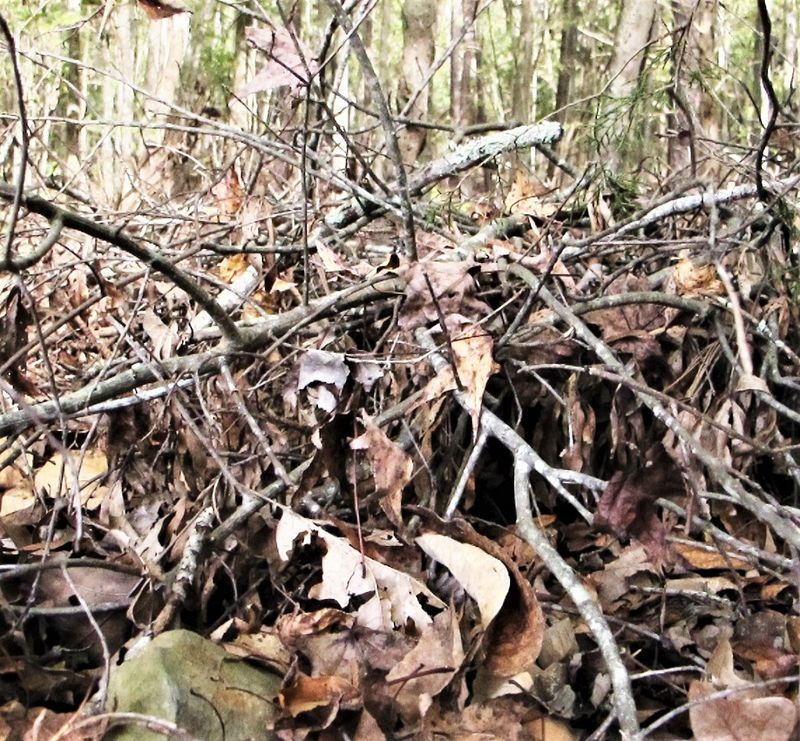
After a summer storm or a weekend of pruning, it is tempting to toss branches into a back corner and forget about them. Months later, that brush pile can be one of the busiest wildlife spots on the property.
Brush piles offer layers of shelter, from dry upper branches to cool, damp spaces near the ground. Rabbits, rats, and lizards move in, and snakes are often not far behind.
For wildlife lovers, that can sound appealing, but a pile next to the patio or kids’ play area is a different story.
Chip branches if you have access to a chipper, or cut them down and set them out for curbside yard waste pickup. Many Texas and Florida cities offer bulk brush collection on scheduled weeks, so check your local calendar.
If you want to keep a habitat pile for birds and pollinators, move it far from the house, ideally to the back edge of a larger lot. That way you still support wildlife without inviting it under your porch.
As always, use tools to shift old brush, and watch where you step. Snakes resting inside usually prefer escape over confrontation.
5. Rock Walls and Stone Borders
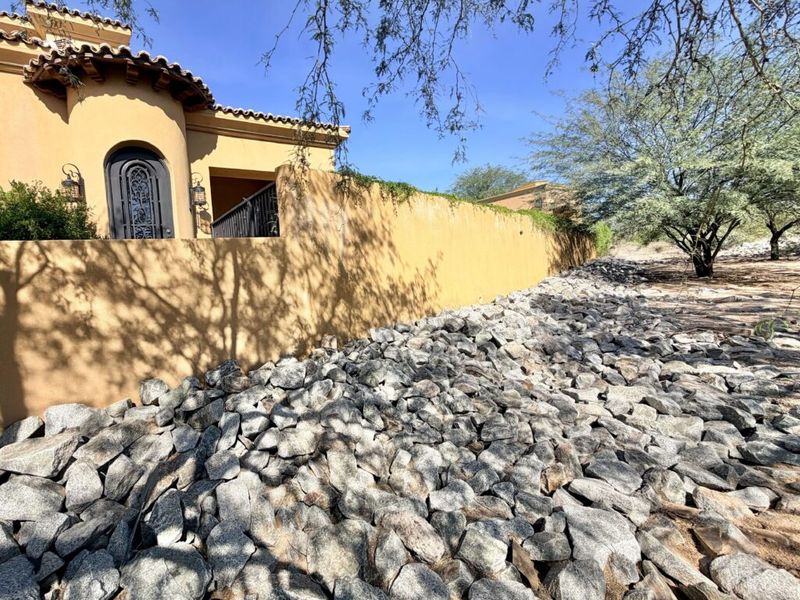
Here is a fun fact: snakes are cold-blooded, so they rely on outside heat to stay active. Sun-warmed stones are basically heating pads, which is why rock borders and decorative walls draw them on crisp fall days.
Loose rock landscaping is especially common in Texas, where xeriscape beds and stone edging are popular for saving water. Those designs look great and cut down on watering, but gaps between stones can hide snakes and their prey.
You do not have to tear everything out. Start by filling large gaps with smaller gravel or mortar where it makes sense.
Keep plants trimmed back so the rocks are not tucked under heavy foliage, creating even more shade and cover.
Avoid piling extra stones, pavers, or leftover landscaping rocks in corners. Stacked materials waiting for a future project are a classic hiding spot.
Store them on pallets or use them up.
When working near rock walls, lift stones by rolling them toward you so the open side faces away. That simple trick gives anything underneath a chance to move off without heading your direction.
A bit of caution goes a long way here.
6. Clutter Around Sheds and Decks
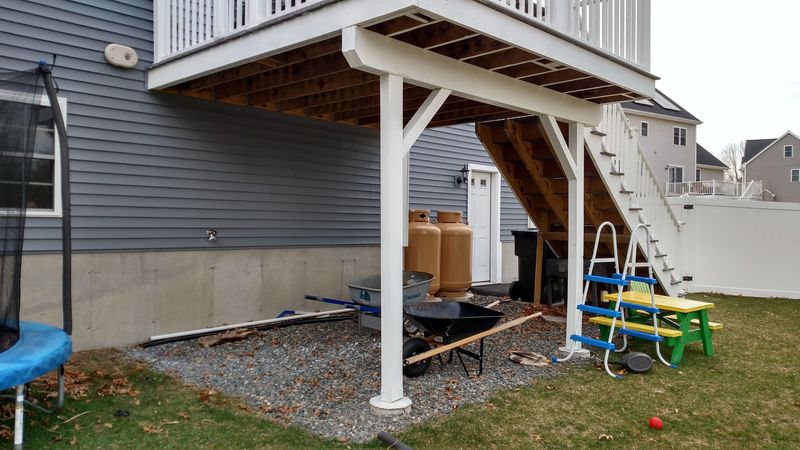
Old tarps, empty flower pots, scrap lumber, a forgotten kiddie pool. Every yard collects a little clutter, and it usually ends up behind the shed or under the deck where nobody looks.
Snakes, though, look there often. Flat objects lying on the ground trap warmth and moisture, creating perfect resting spots.
Biologists actually use sheets of plywood and metal to survey snakes for this exact reason, since the reptiles reliably gather underneath.
Take an afternoon this fall to clear out these zones. Hang tools on walls, store pots upside down on shelves, and toss anything broken.
Lift items off the ground with shelving or pallets so there are no cozy gaps beneath.
Decks and sheds with open bases deserve extra attention. Consider adding hardware cloth or lattice skirting with small openings around the bottom.
Bury the edge a few inches into the soil if possible, since snakes and rodents may try to push under.
Clearing clutter also cuts down on mice, which are a major reason snakes visit in the first place. Fewer hiding spots plus less food can add up to a yard that simply holds less interest for them.
7. Bird Feeders and Rodent Food Sources
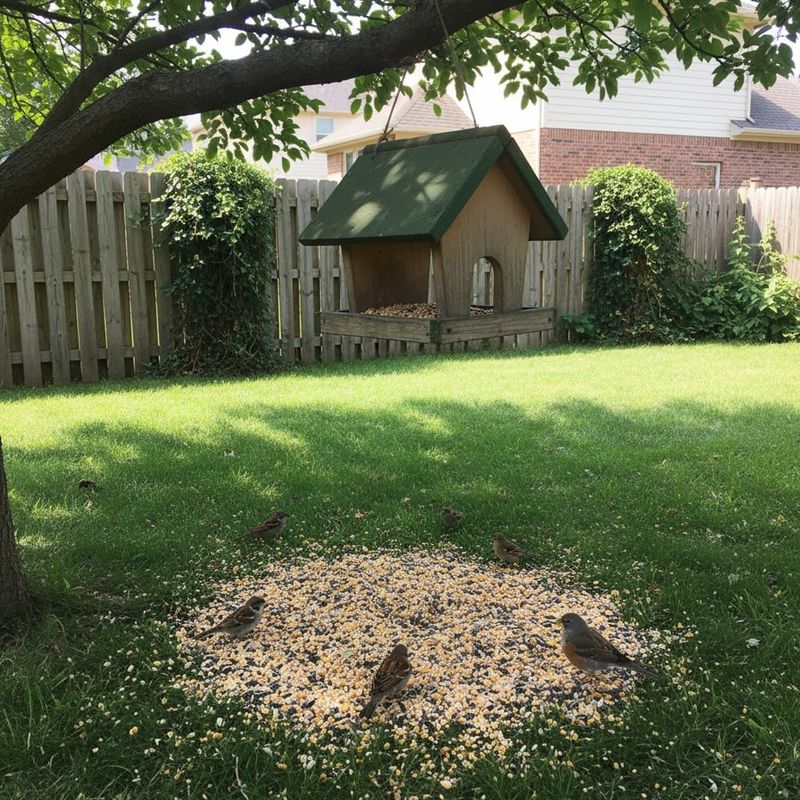
Ever notice a snake near the bird feeder and wonder what it wanted? Most likely it was not after the birds.
It was hunting the mice and rats feasting on spilled seed below.
Food is a huge driver of snake activity. When rodents find easy meals, populations can grow, and snakes follow the buffet.
Fall feeding season often brings more seed on the ground just as snakes are fattening up before cooler weather.
Use feeders with seed trays or catch pans, and rake up spills every few days. No-mess blends with hulled seeds leave less waste behind.
Store birdseed, pet food, and chicken feed in metal bins with tight lids rather than in paper bags in the garage.
Do not forget other food sources. Pick up fallen fruit from citrus, pecan, or fig trees, which are common in Southern yards and draw rodents quickly.
Keep garbage cans sealed and compost bins closed.
You can still enjoy feeding birds. A cleaner setup around the feeder often keeps the songbirds happy while making your yard a less productive hunting ground for snakes that came for rodents.
8. Gaps Around Foundations and Doors
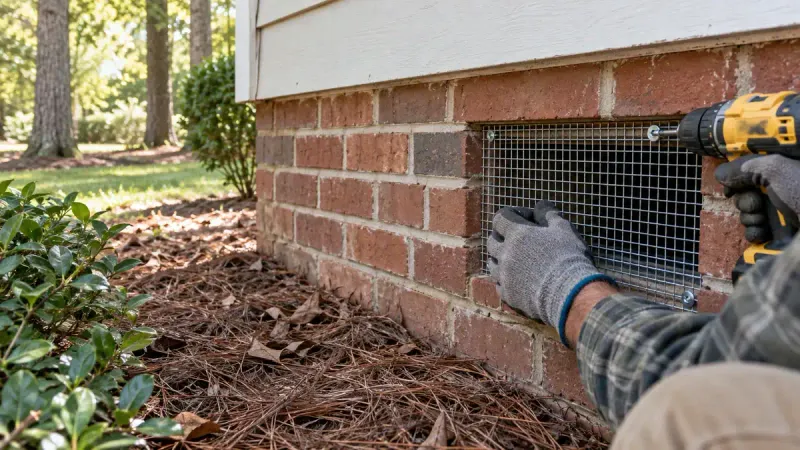
Once you have cleared the yard, the final step is making sure snakes cannot slip inside looking for warmth. Garages, crawl spaces, and utility rooms become tempting as temperatures drop, even in the mild South.
Walk around your house slowly and look low. Check where pipes and cables enter walls, gaps under garage doors, broken vent screens, and cracks in the foundation.
A snake can squeeze through a surprisingly small opening, roughly the width of a pencil for young ones.
Seal small cracks with caulk or expanding foam, and cover vents with sturdy hardware cloth. Add a rubber seal or door sweep to garage and exterior doors.
These upgrades also help with energy bills and keep out insects and mice, so the payoff goes beyond snakes.
Keep shrubs trimmed so they do not touch the house, since dense plantings against walls create shady approach routes.
If you do find a snake inside or feel unsure whether it is venomous, give it space and call a local wildlife removal service. Many snakes in Texas and Florida are harmless and helpful, but professionals can safely relocate any unwanted visitor.