
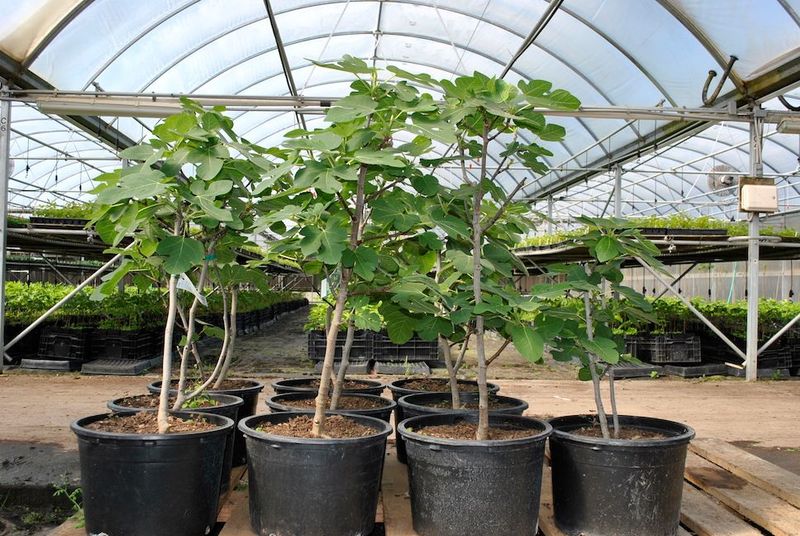
Those bundles of fig branches you trim off in winter do not have to go to the brush pile. With the right handling, some of them can become brand new fig plants for your yard or for a neighbor.
The catch is that the timeline is longer than a few weeks, and the setup matters more than the season. Here is how to try it in North Carolina and what to expect along the way.
Winter prunings can start new figs, but not full trees by spring
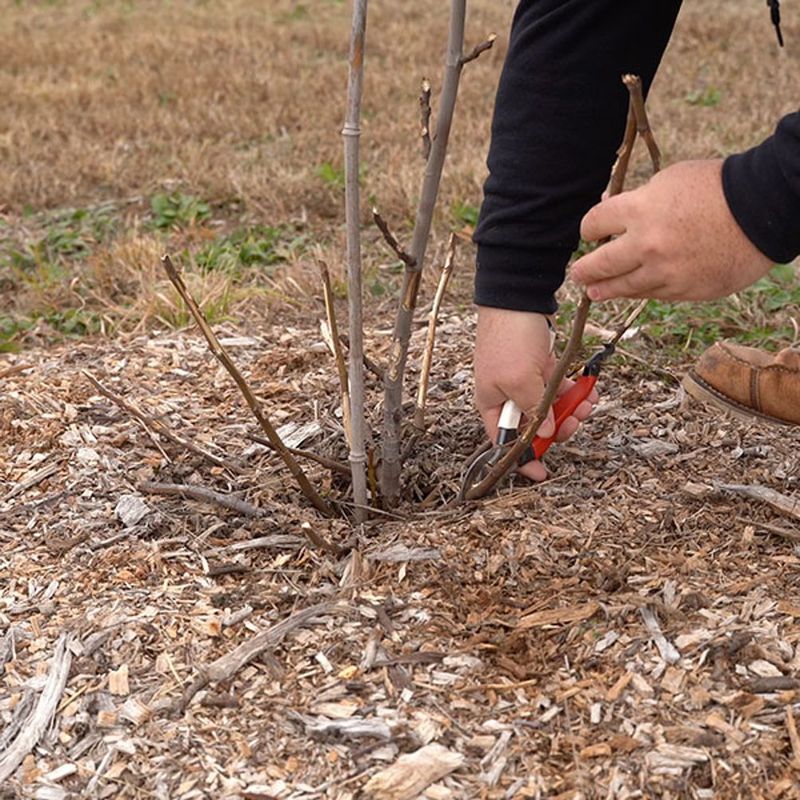
Let’s fix the big promise first. A few cuttings will not turn into full trees by spring, and a garage is not a magic rooting room.
What winter pruning can give you is free material for starting young fig plants.
Dormant hardwood cuttings are a recognized way to propagate figs, and winter is a natural time to gather them because that is when many people prune. That does not make winter the easiest or most reliable season.
A peer-reviewed study found that rooting depended on the environment and treatment, so conditions matter more than the calendar.
North Carolina sources describe two different paths. NC State Extension describes storing cuttings in a cool, dry place until spring, then planting them.
A local Cooperative Extension article describes potting cuttings indoors in a humid, greenhouse-like setup, where roots may form in several weeks.
Either way, the result is a rooted cutting or a small potted plant, not an established tree. Any rooting setup also needs a clean, well-drained medium, as NC State’s propagation guidance explains.
Some cuttings will fail, and that is normal, so cut a few extra.
Healthy, mature wood gives cuttings a sound starting point
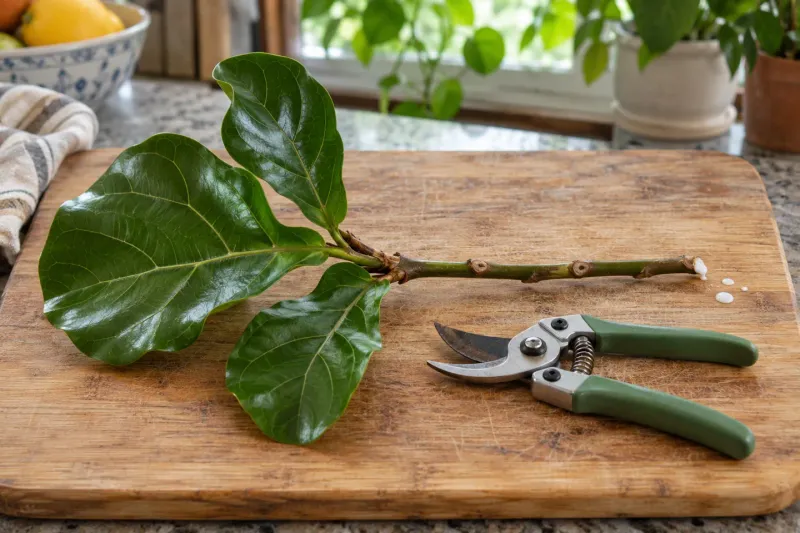
Choose wood that grew last season and has firmed up, not soft green tips or spindly, damaged shoots. Healthy, well-matured branches give you the best starting point.
Skip anything that looks diseased, shriveled, or winter-damaged.
Length depends on the method you follow. NC State’s fig guide calls for cuttings of about 8 to 10 inches, while the local Extension indoor method uses pieces of about 6 inches.
Keep track of which end was nearest the tree, because cuttings should be planted in their original upright orientation. In NC State’s furrow method, at least one bud stays above the soil.
Clean tools and containers matter too. NC State’s propagation handbook advises disinfecting cutting tools, especially when moving between infected and healthy plant material.
Wash pots before reuse and start with fresh medium.
Fig sap is a latex that irritates some people’s skin, so gloves are a smart choice if you are sensitive. Not everyone reacts, but gloves cost little.
Good preparation makes cuttings easier to handle and less likely to pick up problems. It does not guarantee roots, so treat it as a head start rather than a promise.
Cool storage and indoor rooting serve different purposes
Before you cut anything, pick a method. One approach simply holds dormant cuttings until planting time.
The other tries to get roots going right now. Mixing the two into one schedule only creates confusion.
The storage method comes from NC State Extension. Cuttings stay in a cool, dry place until spring, then go into the ground.
Nothing is being rooted during storage, so you are waiting, not growing.
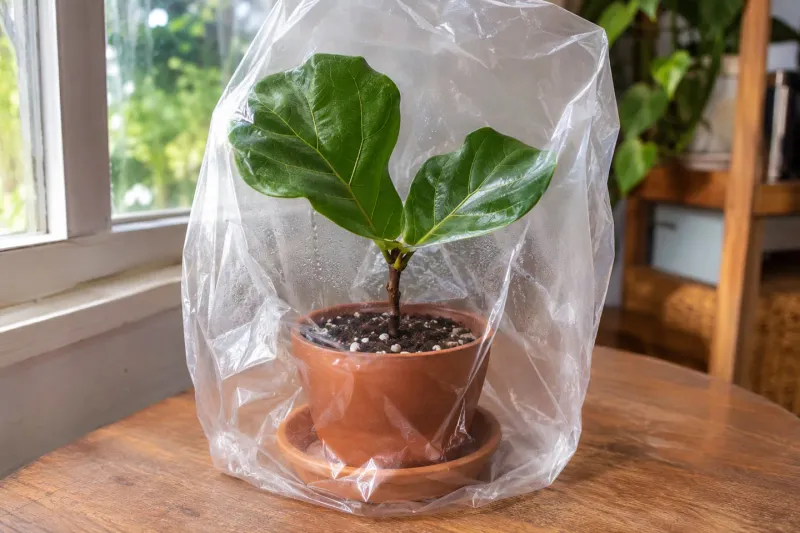
The indoor method, described in a local Cooperative Extension article, pots cuttings in a humid, greenhouse-like setup so roots can form. That calls for high humidity and care with moisture, which is a very different environment from dry storage.
Here is where the garage comes in. A garage is just a room, and its temperature, light, and humidity vary a lot from house to house.
Some garages may work for cool storage, but plenty swing too cold, too warm, or too damp, and few offer the humid conditions active rooting needs. Check the actual conditions instead of assuming.
If you want low effort and can wait until spring, look at the storage method next. If you want to see whether roots form sooner and can manage a humid indoor setup, jump to the section on indoor rooting.
Cool-stored cuttings wait for spring planting
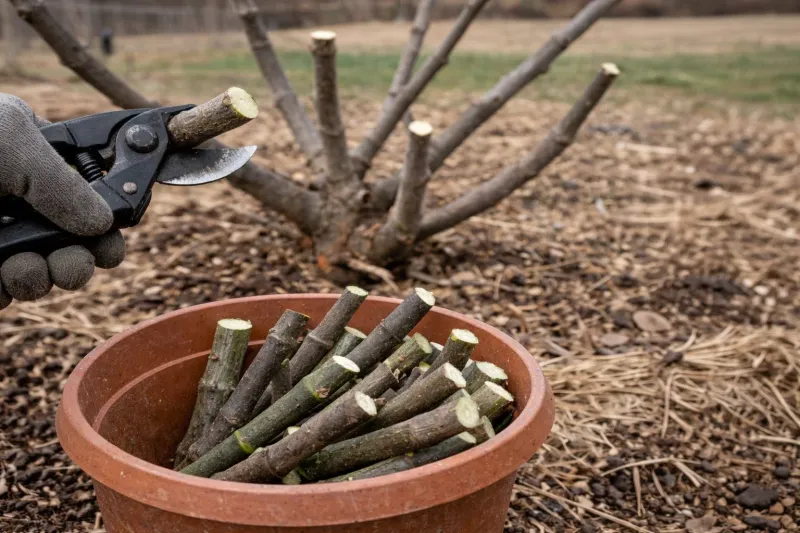
Think of this method as patience with a plan. You take cuttings from mature wood, keep them cool and dry through the rest of winter, and plant them when spring arrives.
No roots are expected during storage.
According to NC State’s fig culture guide, cuttings run about 8 to 10 inches long. Keep them in their original orientation so the end that pointed up on the branch still points up.
Choose a spot that stays cool and dry, and check on it now and then so the wood does not shrivel or grow mold.
When spring planting time comes, set the cuttings in a furrow so that at least one bud stays above the soil. Firm the soil around each piece and keep the planting area from drying out completely.
Soggy ground is no help, so choose a site that drains well.
Because this method skips the humid indoor stage, it asks less of your home setup. It also gives you fewer clues along the way, since roots form out of sight after planting.
Watch for steady new growth over the following weeks, and remember that early leaves alone do not prove roots.
Do not expect a tree by spring, or even a guarantee that every cutting will take. NC State describes growing the new plants for a year before moving them to a permanent site, so the real payoff comes later.
A humid indoor setup may produce roots in weeks
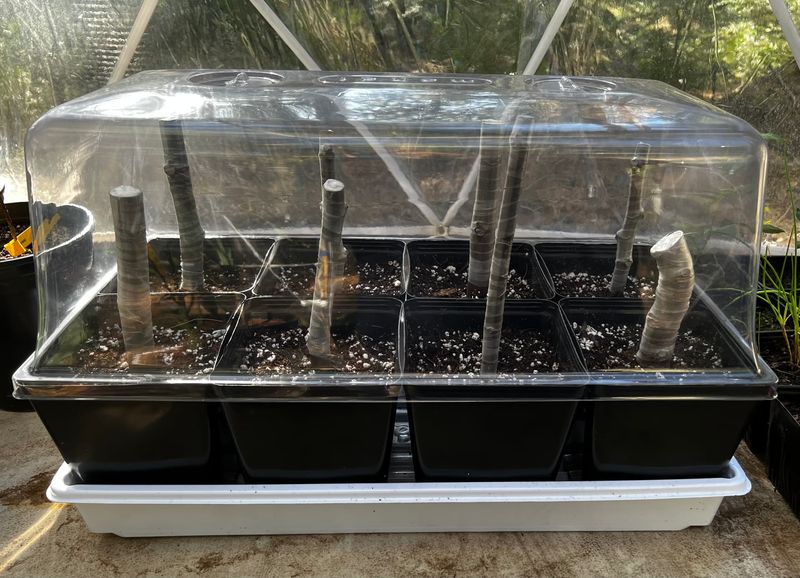
If you would rather not wait until spring, the indoor route is worth a try. A local Cooperative Extension article uses cuttings of about 6 inches in a humid, greenhouse-like setup.
Under its described conditions, roots are expected in roughly 3 to 6 weeks.
Treat that range as an estimate. Your results depend on humidity, temperature, the cuttings themselves, and how well you manage moisture.
Some may root faster, some slower, and some not at all.
The medium matters. NC State’s propagation guidance calls for a sterile, low-fertility mix that drains well but still holds some moisture.
Aim for damp, not waterlogged, because soggy mix invites rot. Skip fertilizer-rich potting soil at this stage.
The same article mentions rooting hormone. It can be used, but it is not a requirement or a guarantee, so do not feel stuck if you do not have any.
The article’s informal guess that about 75 percent of cuttings should root is also just that, a guess, not a dependable rate.
Once cuttings have rooted, the local method moves them into larger containers and places them outdoors in shade. Harden them off gently rather than switching from humid indoor air to open weather overnight.
Keep your expectations modest, because at this point you have a young plant, not a tree.
New leaves do not confirm roots
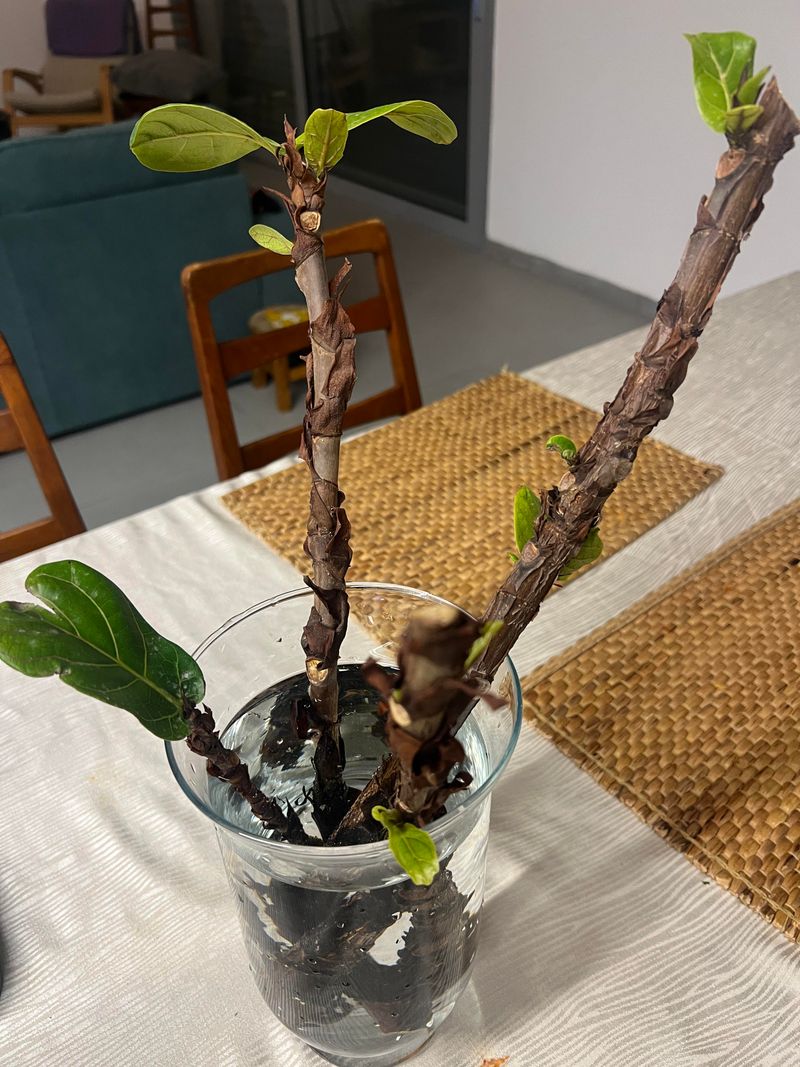
A cutting with fresh green leaves looks like a success story. Sometimes it is, and sometimes it is running on stored energy with no roots at all.
Fig cuttings can sprout before roots form.
That is exactly what researchers saw in a study of Roxo de Valinhos fig cuttings in Brazil. Some cuttings sprouted without forming roots, and rooting varied with the environment and the treatment used.
The study looked at one cultivar and several propagation strategies, so it is not a North Carolina forecast or a rooting rate you can count on at home.
The practical lesson is to look for real evidence of roots. Resist pulling the cutting up every few days, since that can damage fragile new roots.
A clear container can help you peek at the root zone, and a gentle tug that meets resistance suggests roots are anchoring the cutting. Roots showing at drainage holes are another good sign.
If the top is leafing but nothing is holding the cutting in place, keep humidity steady and give it more time. Leaves that wilt, blacken, or drop on a loose cutting often mean it has no roots to support them.
Leaf growth is a hopeful sign, but it counts only once roots or steady, established growth back it up.
A rooted cutting still needs time and winter protection
Rooting is the start of the story, not the finish. The two methods also give different advice about what happens next, so keep them separate.
The local indoor method suggests potting rooted cuttings into larger containers, placing them outdoors in shade, and delaying permanent planting until fall, according to the Cooperative Extension article. NC State’s fig guide describes something else: plants started in spring grow for a year before moving to a permanent site.
Pick the schedule that matches the method you used.
Winter is the other big question. Figs are not completely cold-hardy across North Carolina, and severe cold can freeze plants back.
NC State’s fig disease publication notes that young bushes and trees are especially vulnerable to winter injury, with cold damage a particular concern in the Piedmont and the mountains.
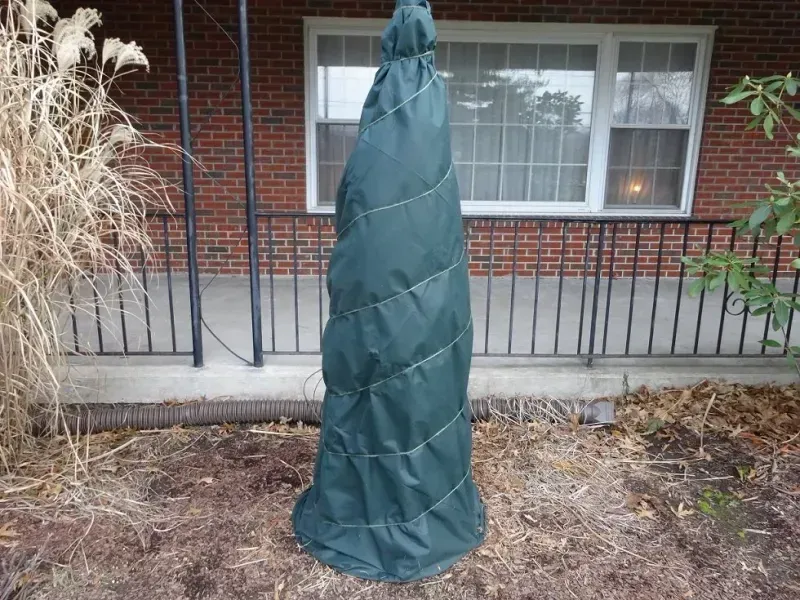
So do not assume a new plant can overwinter outdoors everywhere. Check your local lows, and consider keeping potted plants in a protected spot, with extra mulch or covers for ones in the ground.
Coastal and warmer sites may be gentler, but weather still varies year to year.
A rooted cutting is a promising young plant that needs a season or more to earn the word tree.