
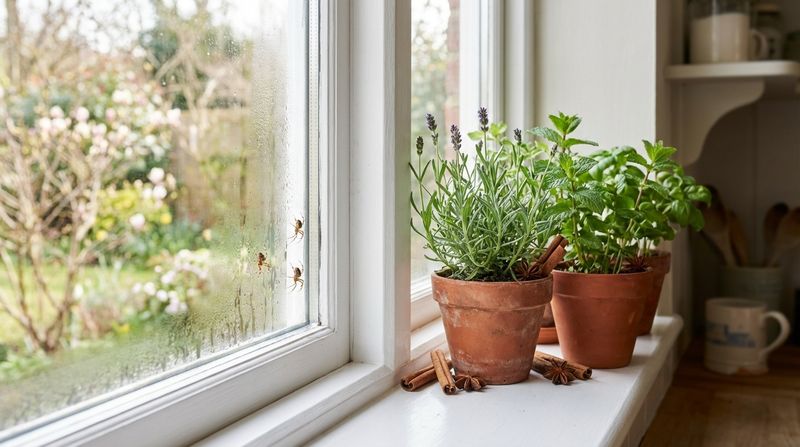
When the weather turns cold, brown marmorated stink bugs start hunting for warm cracks around windows, doors, and siding. Once they slip inside, they hide in walls and wander out on sunny days, and squishing them releases a smell nobody wants.
The good news is that these bugs depend on their noses, and some common kitchen scents send them packing. Here are nine smells you probably already have on your shelves that can help keep stink bugs outside where they belong.
1. Peppermint
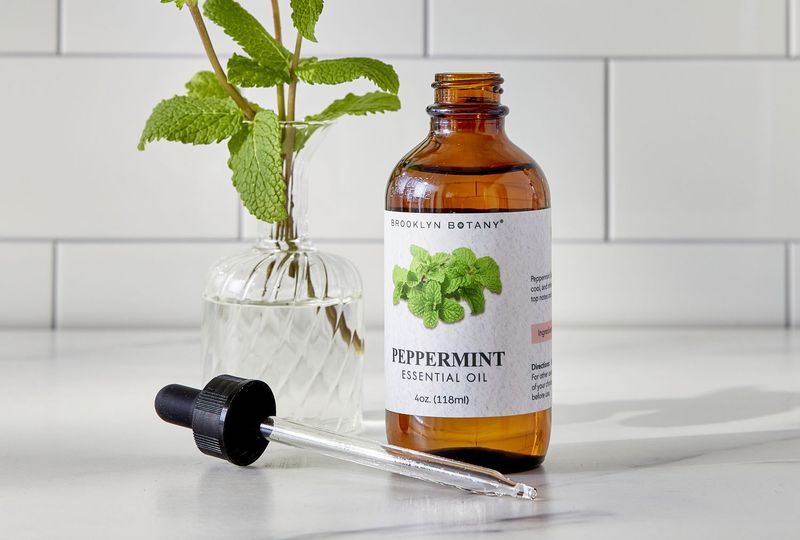
Ask any longtime gardener about stink bugs, and peppermint usually comes up first. That cool, sharp scent you love in tea or candy is overwhelming to a bug that uses smell to find shelter and mates.
Mix about 10 to 15 drops of peppermint essential oil into two cups of water in a spray bottle. Shake it well, then mist along window frames, door edges, and any gaps where you spot bugs gathering.
Peppermint extract from the baking aisle works in a pinch, though it is weaker, so you will need more of it.
Reapply every few days, because the scent fades faster than you might think. Sunny windows on the south and west sides of the house deserve extra attention, since stink bugs love to warm up there in the afternoon.
Here is a quirky bonus. Mice dislike peppermint too, so the same spray can pull double duty around baseboards and pantry corners during the cold months.
Just test a small hidden spot first on painted trim or fabric curtains to make sure the oil does not leave a mark. Your home will smell like a winter candy shop instead of a bug hideout.
2. Garlic

Vampires are not the only pests that back away from garlic. Stink bugs find its powerful sulfur compounds downright offensive, and that makes your humble garlic bulb a surprisingly tough bodyguard.
To make a simple spray, crush four or five cloves and let them soak in two cups of hot water overnight. Strain out the bits in the morning so they do not clog the nozzle.
Then spray the liquid around window screens, outdoor sills, and the cracks along door frames.
Garlic powder can stand in when fresh cloves run low. Stir two teaspoons into a quart of water, give it a good shake, and you are ready to go.
Fair warning, your entryway may smell like an Italian kitchen for a little while. Most people find that a small price to pay compared with the musty, cilantro-like odor of a crushed stink bug.
The garlic smell fades within a day for human noses, but it lingers long enough to make bugs think twice.
Gardeners have used garlic sprays on vegetable beds for generations, so you are borrowing an old trick and simply bringing it closer to the house for winter.
3. Dish Soap
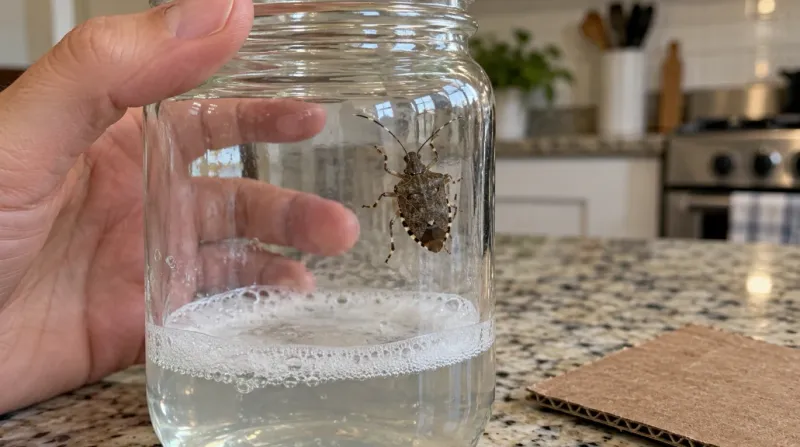
Strictly speaking, dish soap is more of a trap than a perfume, yet it earns a spot here because it is the most reliable tool in your kitchen. Many soaps also carry citrus or herbal scents that stink bugs dislike.
Fill a wide jar or bowl halfway with warm water and add a good squirt of dish soap. When you find a stink bug on a curtain or windowsill, gently knock it into the jar.
The soap breaks the surface tension of the water, so the bug sinks quickly instead of floating and crawling out.
Why not just squish it? Crushing a stink bug releases that famous odor, which can actually attract more of its buddies looking for a cozy spot.
Vacuuming can leave your machine smelling awful for weeks too.
You can also spray a mixture of one tablespoon of soap per quart of water around screens and window tracks. It coats the bugs and discourages them from lingering.
Keep a soap jar on any sill where bugs show up often, and you will be surprised how fast your daily count drops. Simple, cheap, and no smell left on your fingers.
4. Lemon

Picture a sunny kitchen with a bowl of lemons on the counter. It feels clean and cheerful to you, but to a stink bug, that zesty smell is a big red stop sign.
Citrus peels contain oils like limonene that many insects avoid. Save your lemon peels after cooking, simmer them in water for about 15 minutes, and let the liquid cool.
Pour it into a spray bottle and mist around windows, doorways, and attic vents.
Lemon essential oil works even faster. Add 10 drops to a cup of water with a tiny splash of dish soap to help it mix, then spray your problem areas.
Orange and lime peels make good backups if lemons are not in the fruit bowl.
Here is a fun idea for kids who want to help. Have them rub fresh lemon peels along the inside of window frames, which leaves a light coating of oil and a lovely scent behind.
Just skip this step on delicate wood finishes.
Citrus also cuts through grime, so you are cleaning your sills while you protect them. That makes lemon one of the most satisfying chores of the winter season.
5. Vinegar
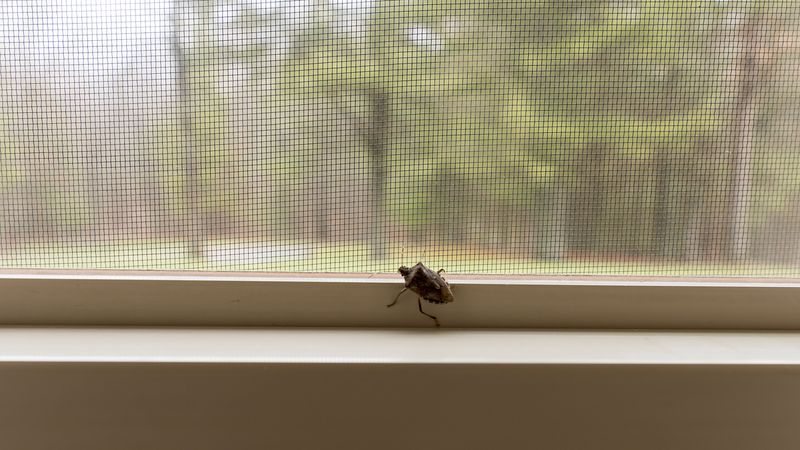
Grandma probably cleaned half the house with white vinegar, and she may have been keeping bugs away without even knowing it. That sour, biting smell confuses stink bugs and covers up the scent trails they leave for each other.
Stink bugs release chemical signals called aggregation pheromones that tell other bugs a spot is safe for winter. Wiping windows and frames with vinegar helps erase those invisible messages.
Without the trail, new arrivals have a harder time finding the gathering place.
Mix equal parts white vinegar and water in a spray bottle. Spray it on window tracks, sills, and the edges of screens, then wipe with a clean cloth.
Apple cider vinegar works too, although its fruity edge is a bit milder.
Do this cleaning in early fall if you can, before the big crowds arrive. A second round in midwinter keeps things fresh, especially after a warm spell when bugs wake up and start moving.
Avoid using vinegar on natural stone like marble or granite sills, since the acid can dull the surface. On glass, vinyl, and painted wood, though, it is safe, cheap, and wonderfully effective.
6. Cloves
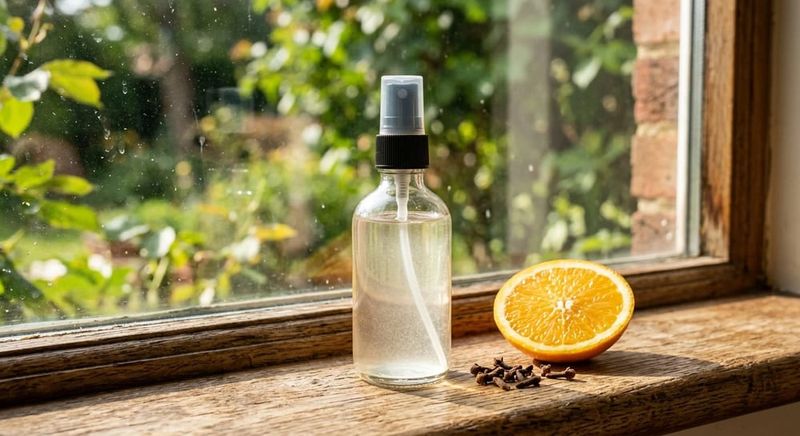
Holiday baking season has a hidden perk. The warm, spicy scent of cloves that fills your kitchen around pumpkin pie time is one that stink bugs strongly dislike.
Cloves are packed with eugenol, a natural compound with a strong smell that many insects try to avoid. Clove oil is so potent that a little goes a long way.
Add five to eight drops to a cup of water and spray around window corners and door seams.
Prefer a no-spray option? Tuck whole cloves into small cloth sachets or tea bags and set them along windowsills and inside closets near outside walls.
Swap them out every few weeks when the scent weakens. They look festive and smell like a cozy bakery.
Did you know? Cloves are actually dried flower buds from a tree native to Indonesia, and they were once worth more than gold in European spice markets.
Now they sit quietly in your spice rack, ready for a new job.
Clove oil can irritate skin, so wear gloves when mixing it and keep it away from pets. Used carefully, it is one of the longest-lasting scents on this list, holding strong for days.
7. Cayenne Pepper
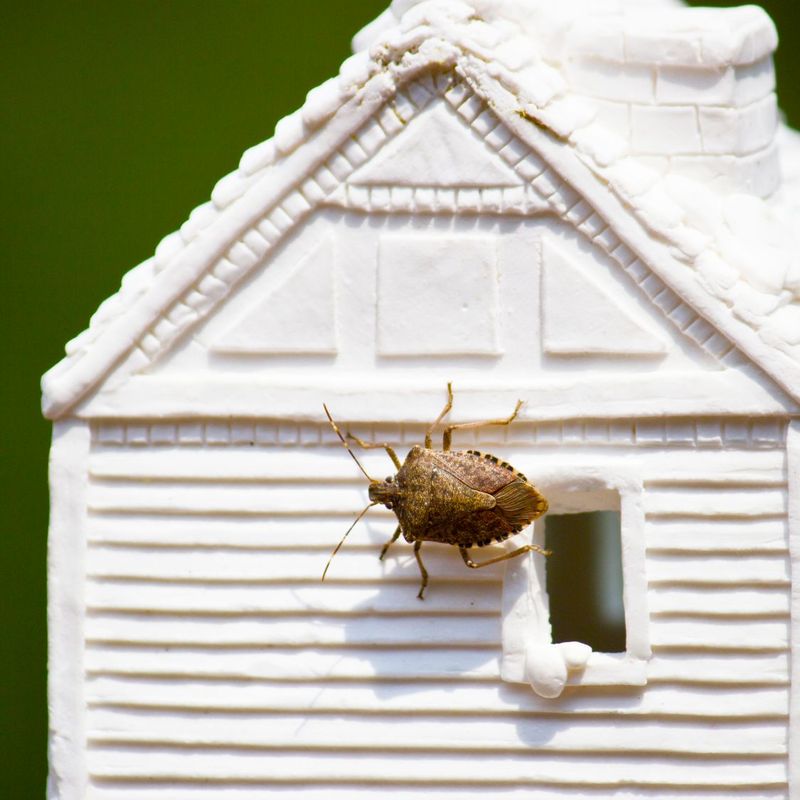
Some like it hot, but stink bugs definitely do not. Cayenne pepper contains capsaicin, the same fiery compound that makes your eyes water, and it irritates bugs that crawl through it.
To make a hot pepper spray, stir two tablespoons of cayenne powder into a quart of warm water. Add a few drops of dish soap so it sticks to surfaces, then let it sit overnight.
Strain it through a coffee filter before pouring it into a spray bottle.
This mix is best used outdoors. Spray around window frames from the outside, along foundation cracks, and near vents where bugs line up on warm afternoons.
Rain will wash it away, so reapply after storms.
Hot sauce can work as a quick substitute. A tablespoon of your favorite fiery bottle in a quart of water does a similar job, and it might be the only time your hot sauce collection counts as pest control.
Please be careful with this one. Wear gloves, keep the spray away from your face, and never use it where pets or small children might touch it and then rub their eyes.
Treat it with respect and it will treat bugs harshly.
8. Cinnamon
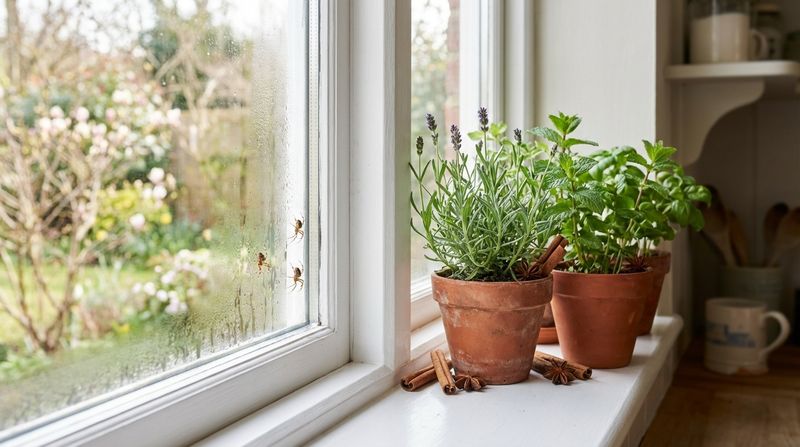
Cinnamon rolls on a snowy morning might make your house smell like heaven, but stink bugs feel very differently about that sweet spice.
Cinnamon oil contains cinnamaldehyde, a compound that research has shown can bother many insects. Its scent is strong and long lasting, which helps when you need protection through a long winter.
You likely have both ground cinnamon and cinnamon sticks tucked in a cabinet already.
One easy method is to sprinkle a thin line of ground cinnamon along the inside edges of windowsills that see heavy bug traffic. Another option is to boil a few cinnamon sticks in water, cool the liquid, and spray it around frames and baseboards.
Cinnamon essential oil mixed with water, about 10 drops per cup, gives the strongest effect.
A sneaky bonus is that cinnamon also discourages ants, which sometimes wander in during warm winter days. You get two jobs done with one pleasant smell.
Wipe up loose powder every couple of weeks so it does not stain pale surfaces or drift into carpets. When you refresh it, take a deep breath and enjoy the smell.
Few pest remedies make a home feel this welcoming to people.
9. Rosemary
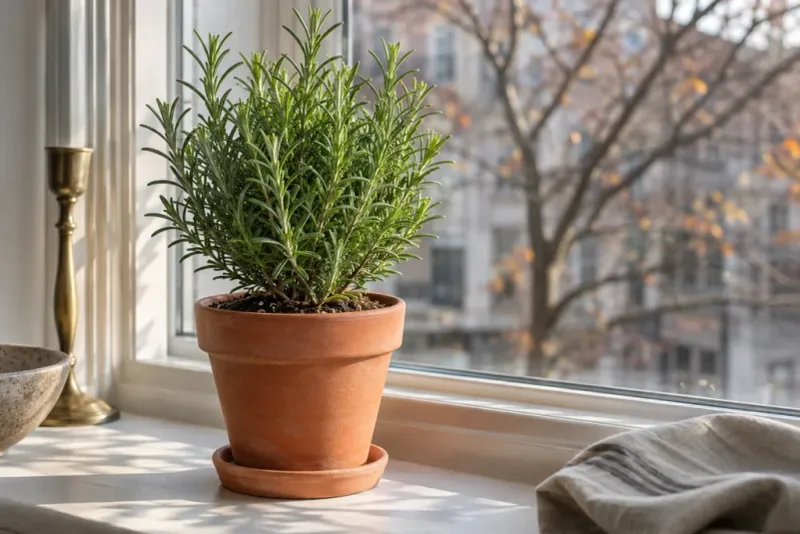
Gardeners who overwinter a pot of rosemary indoors get a double reward. They keep fresh herbs on hand for roast chicken, and they place a piney, woodsy scent right where stink bugs try to sneak in.
Rosemary carries oils like camphor and cineole that many pests find unpleasant. A living plant on a sunny sill gently releases its smell all day, especially when you brush the leaves as you walk by.
It is pest control that also looks pretty.
If you do not have a plant, dried rosemary from the spice rack still helps. Simmer a handful in two cups of water for 20 minutes, cool it, and strain it into a spray bottle.
Mist window frames, screens, and the gaps around air conditioners left in windows.
Bundles of fresh sprigs tied with twine can hang near drafty windows too. Replace them as they dry and lose their punch.
Remember that scents work best as part of a bigger plan. Seal cracks with caulk, repair torn screens, and add weatherstripping to doors.
Then let rosemary and its fragrant friends handle the stragglers, and your winter windows will stay much calmer.