
As fall approaches, many gardeners might be eager to tidy up their gardens by pruning back their perennials.
However, certain perennials benefit from being left alone until spring, allowing them to bloom beautifully in the following year.
In this blog post, we’ll explore 21 perennials that you should stop pruning this fall to ensure vibrant and lush blooms in 2025.
Lavender
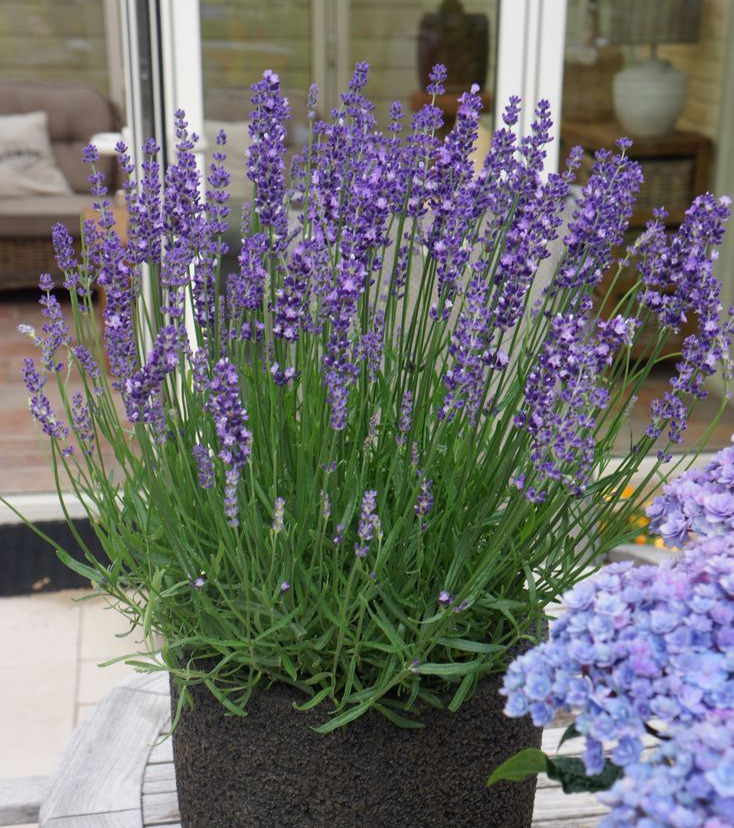
Lavender is best left unpruned in the fall. The plant’s woody stems need protection from winter cold, and pruning in spring promotes fresh, vibrant growth.
Hydrangea
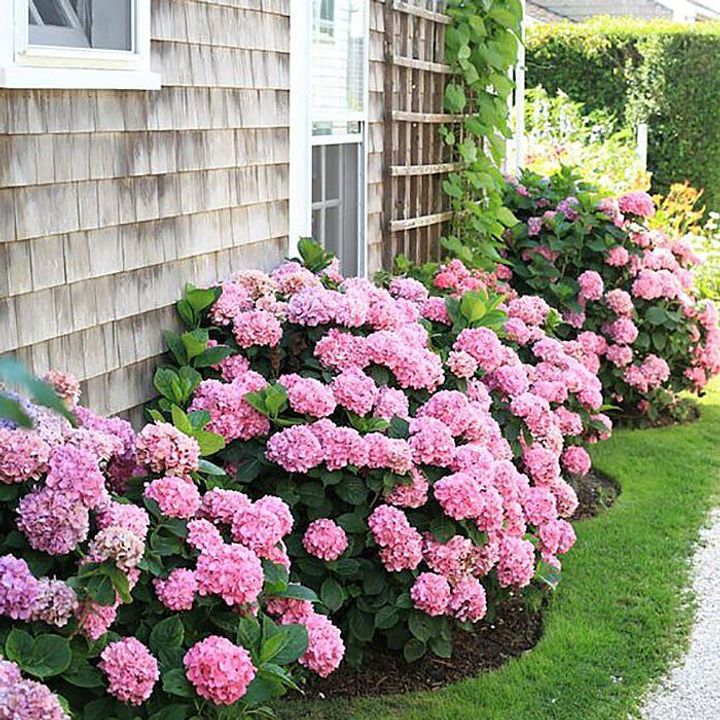
Avoid cutting back hydrangeas in fall, as this can remove the flower buds for the next year. They need their old wood to bloom brightly in 2025.
Peonies
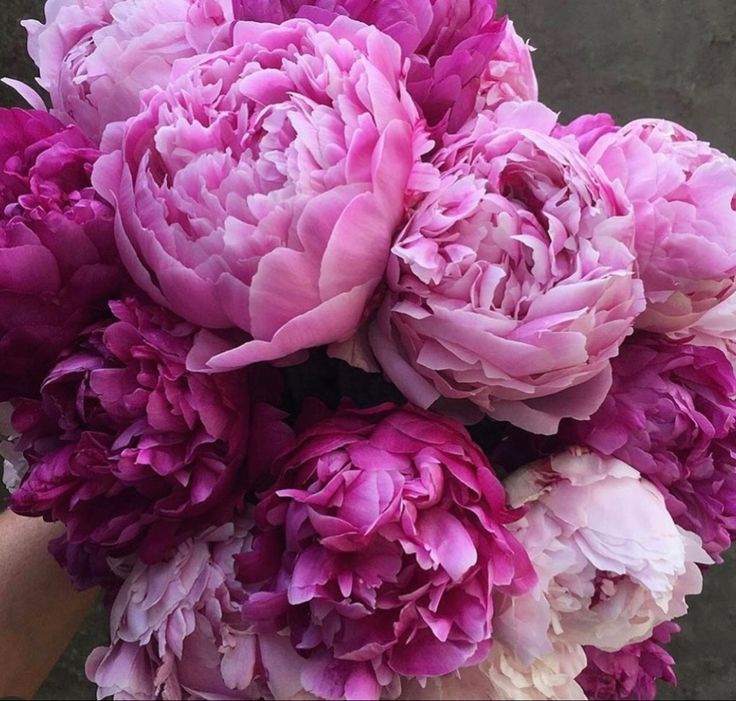
Peonies should be left to die back naturally. Cutting them in fall can expose them to disease, and allowing the foliage to wither protects the roots.
Coneflowers
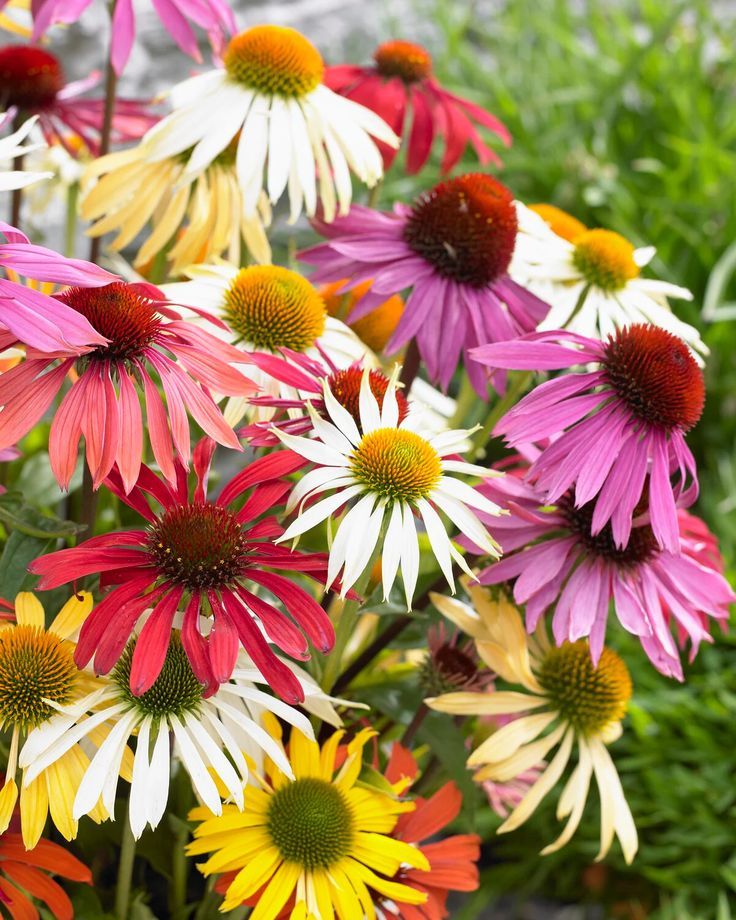
Leaving coneflowers unpruned provides winter food for birds, seeds for wildlife, and retains the plant’s health for the next blooming season.
Sedum
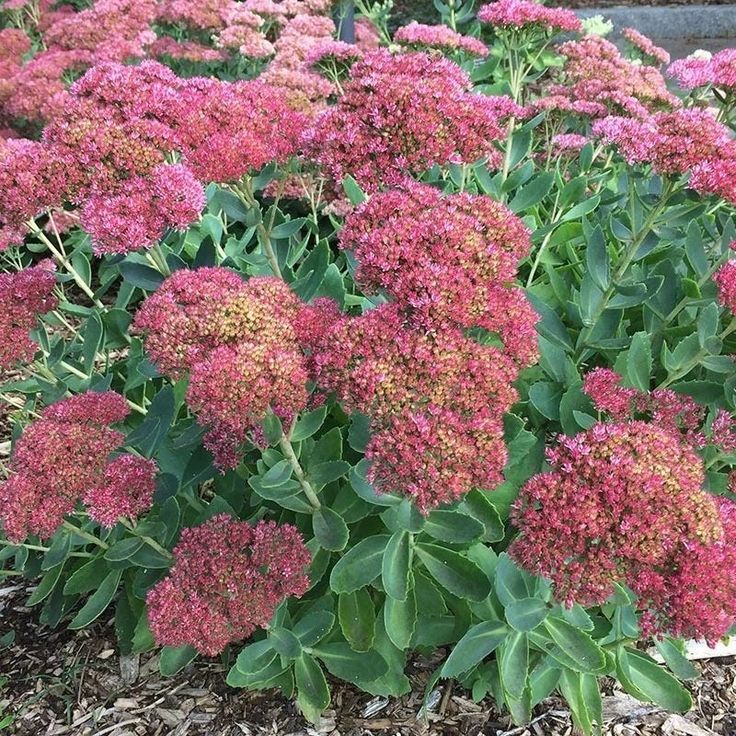
Sedum’s structure adds winter interest to gardens. The plant’s dried flower heads can catch frost and snow, creating a lovely winter display.
Russian Sage
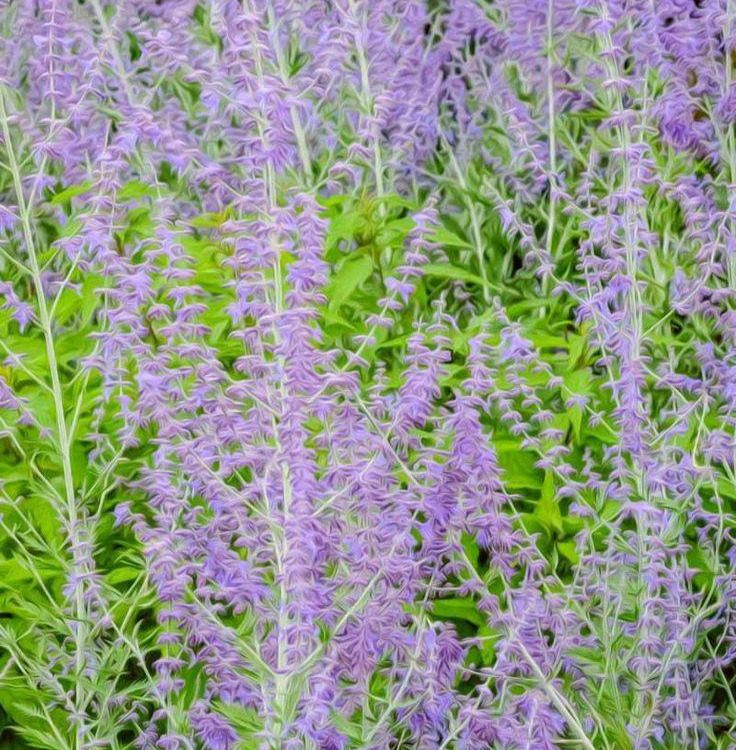
Russian sage should be left unpruned as its woody stems provide winter protection. Pruning in spring encourages robust new growth.
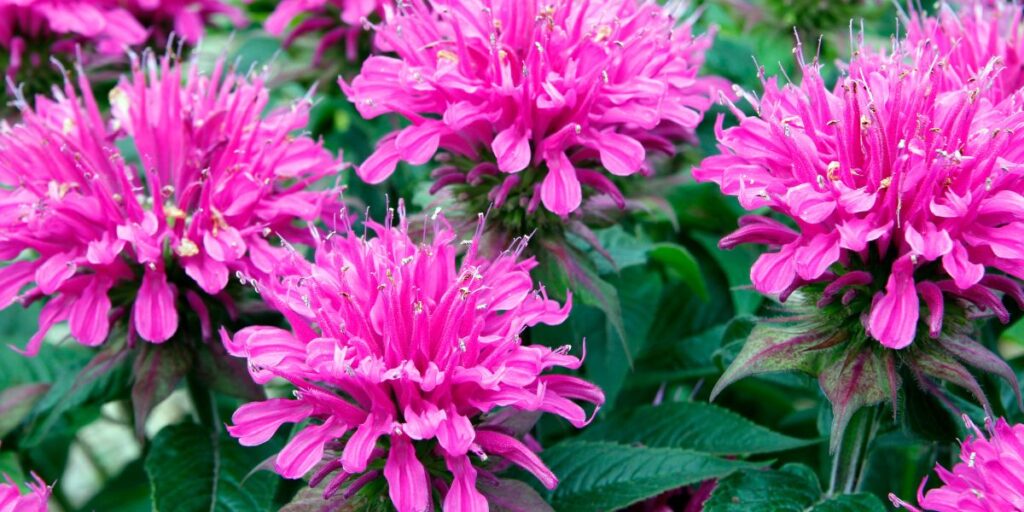
Bee Balm
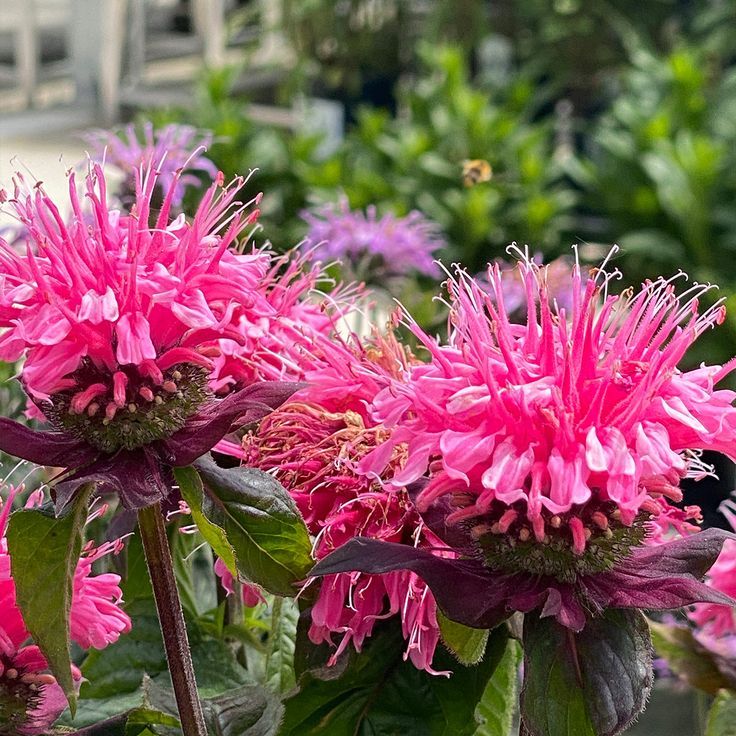
Bee balm can mildew if pruned too early. Leaving the stems intact over winter helps preserve the plant’s health and vigor for spring.
Astilbe
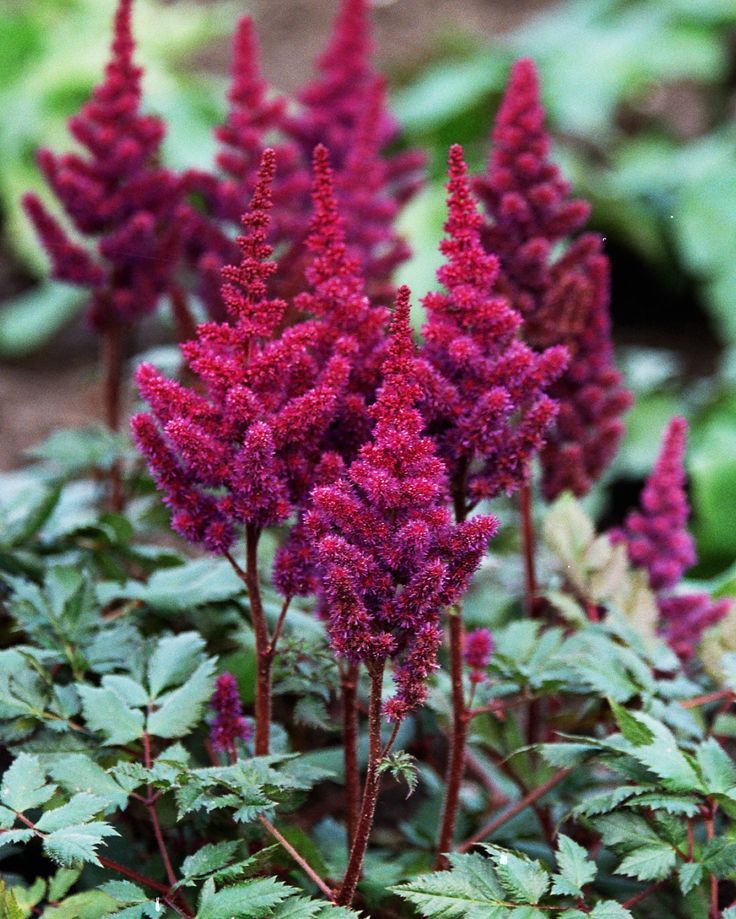
Astilbe’s plumes provide winter interest and protection. Pruning in the fall can weaken the plant, so it’s best to wait until spring.
Hostas
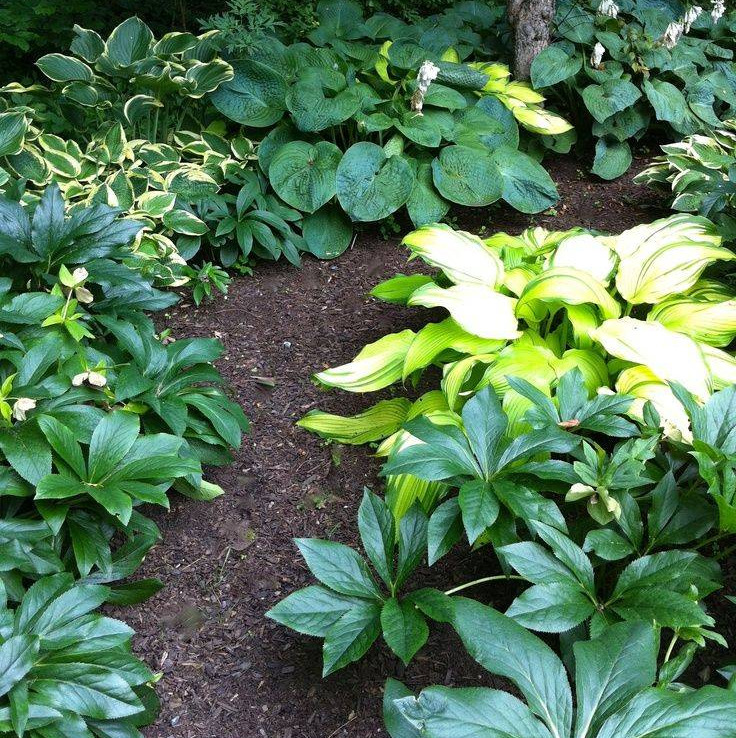
Hostas should be left to their own devices in fall. Their leaves protect the crowns, and removing them too early can expose the plant to cold damage.
Daylilies
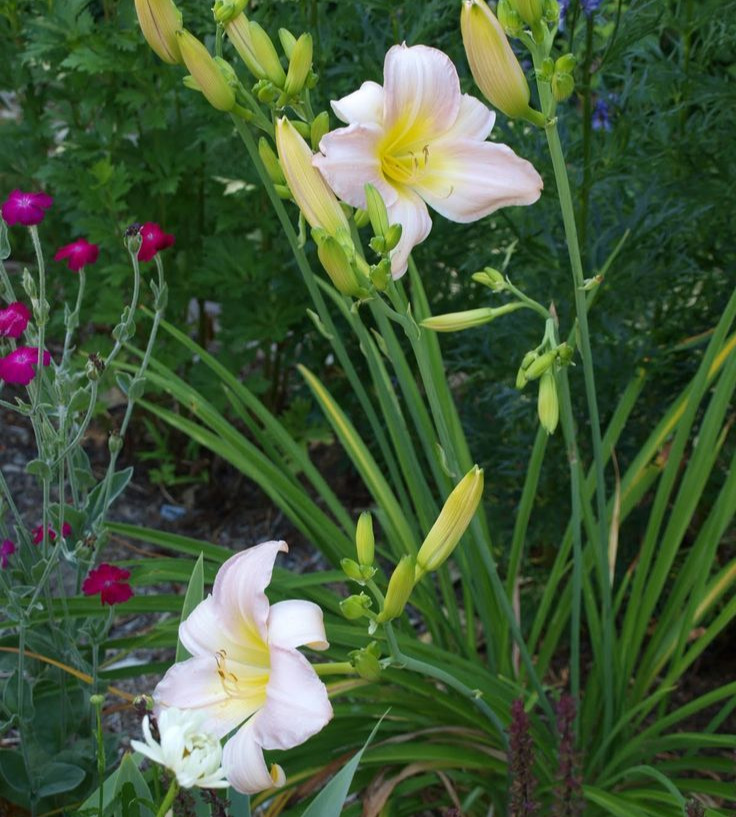
Daylilies benefit from being left unpruned, as their foliage helps store energy for next year’s blooms. Cut back only after the leaves have naturally withered.
Yarrow
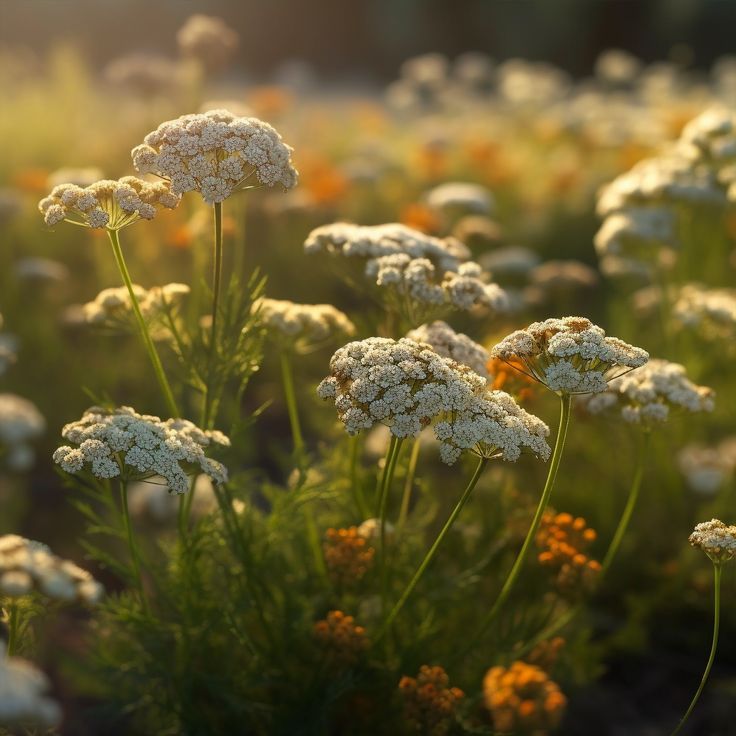
Yarrow’s dried stems add texture to winter gardens. Removing them in fall can reduce the plant’s resilience, so it’s best to prune in spring.
Japanese Anemone
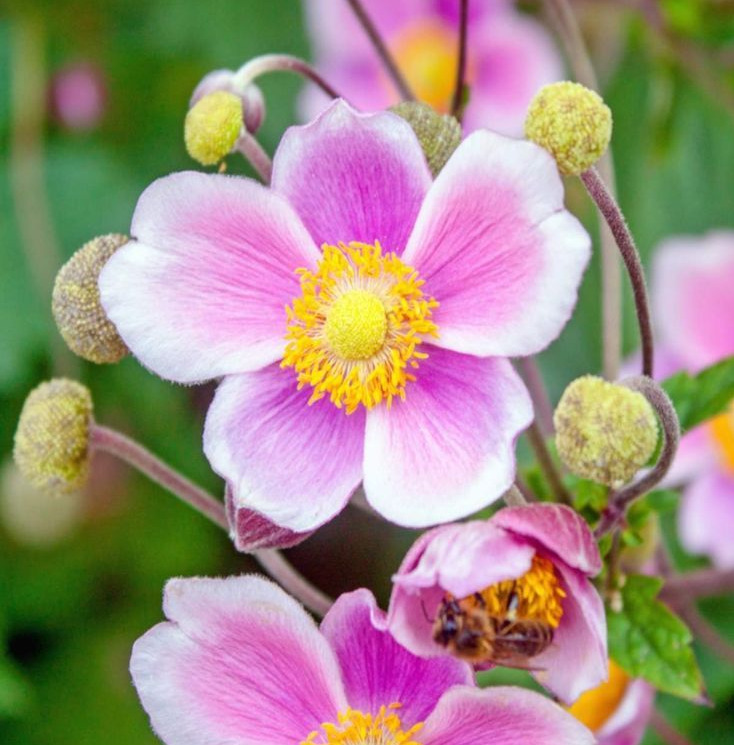
Japanese anemones should be left standing to protect their crowns. Pruning in fall can lead to reduced flowering in the next season.
Black-eyed Susan
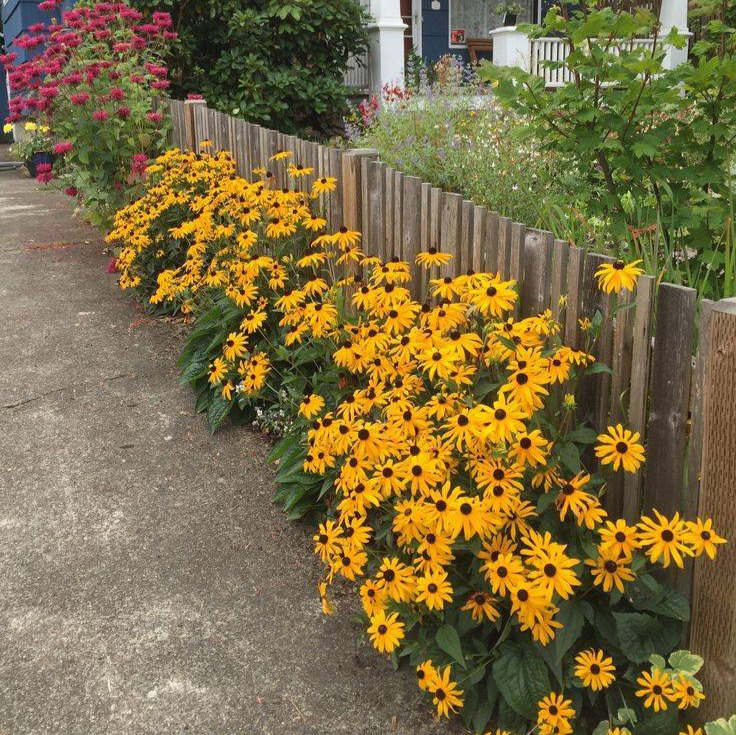
Black-eyed Susans provide seeds for birds in winter. Leaving them unpruned helps support wildlife and ensures healthy blooms the following year.
Coral Bells
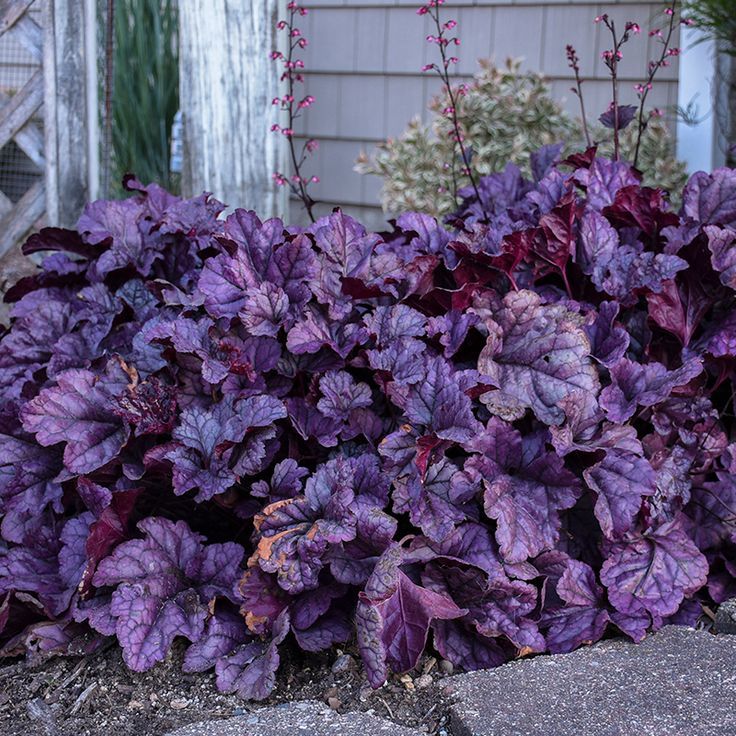
Coral bells benefit from fall foliage. Cutting them back can damage their crowns, so wait until spring to tidy them up.
Echinacea
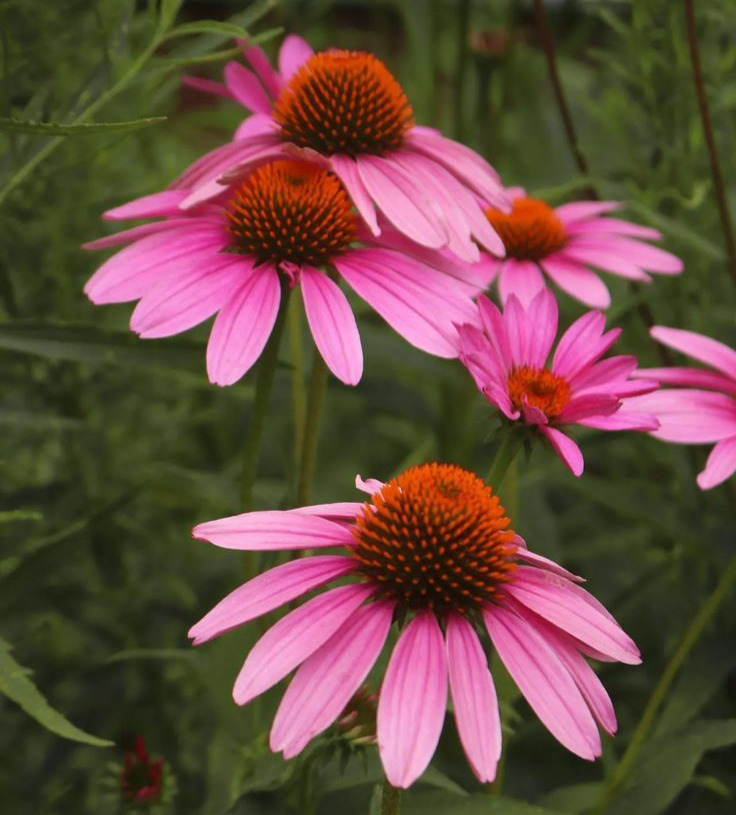
Echinacea, like coneflowers, should be left to provide seeds for birds. Pruning in spring helps maintain the plant’s natural form and vigor.
Hellebores
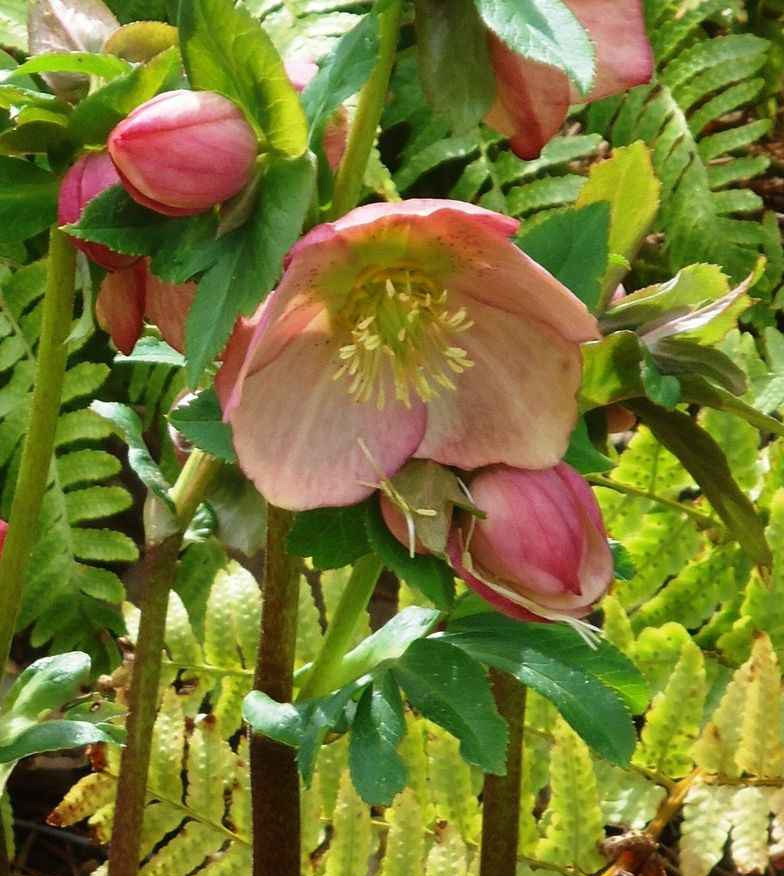
Hellebores bloom in late winter to early spring, so leaving their foliage intact helps protect the flower buds from harsh winter conditions.
Lenten Rose
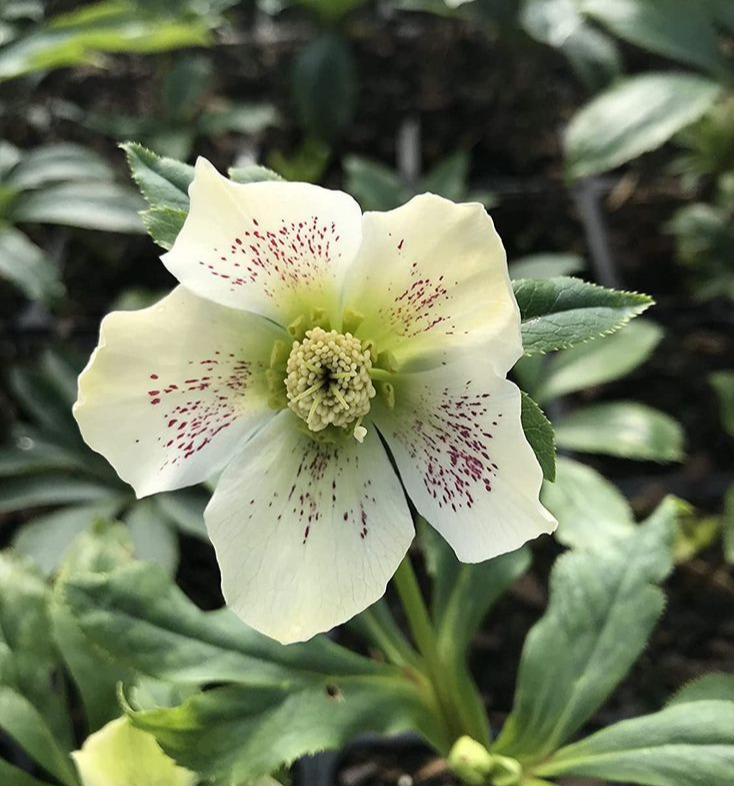
Lenten roses are similar to hellebores and require their foliage for protection over winter. Wait to prune until after flowering in spring.
Salvia
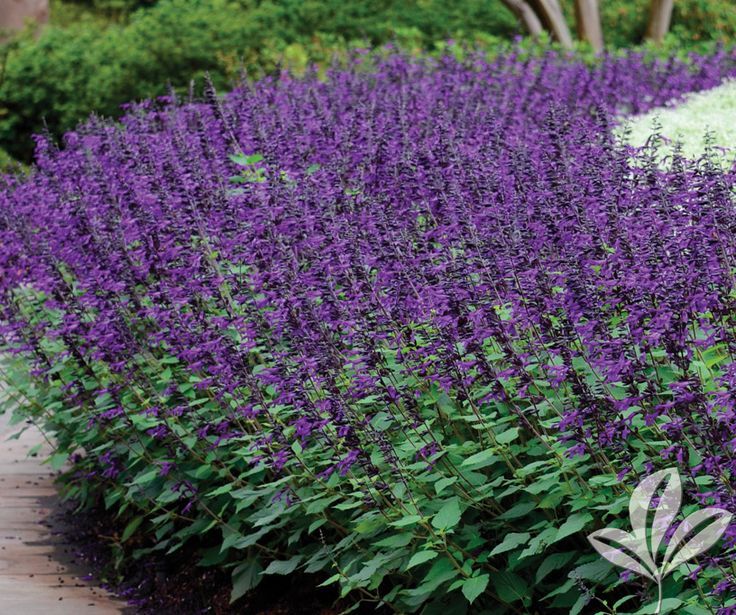
Salvia should be left unpruned as their stalks provide winter interest. Pruning in spring encourages more prolific flowering.
Gaillardia
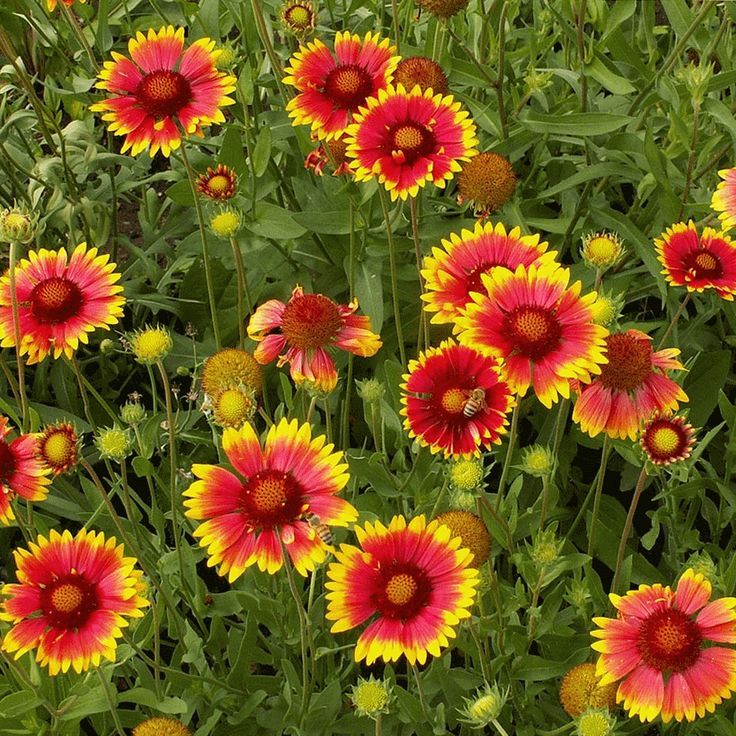
Gaillardia benefits from leaving the stems over winter, as this supports the plant’s health and regrowth in spring.
Shasta Daisy
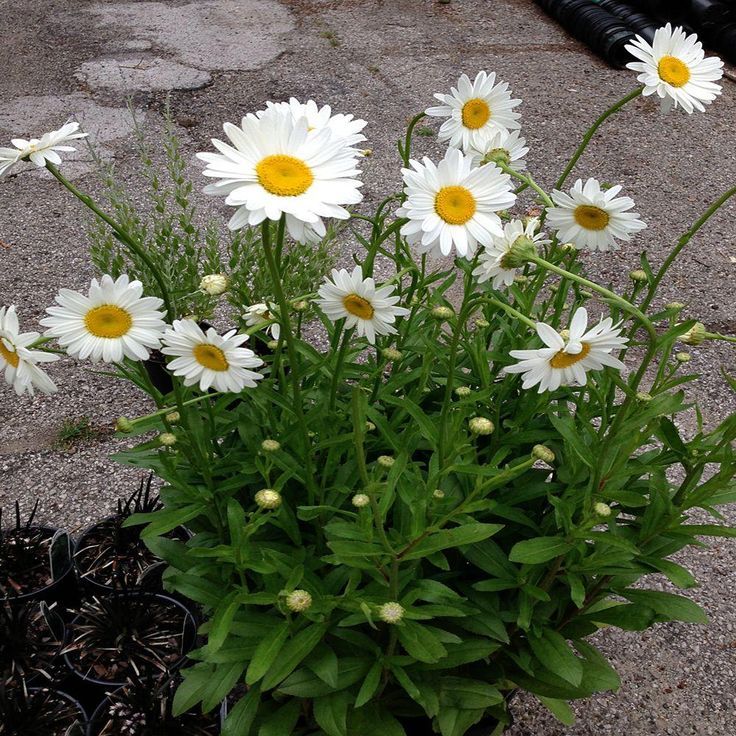
Shasta daisies should be left alone in fall. Their stems protect the plant’s base, and spring pruning can encourage more blooms.
Phlox
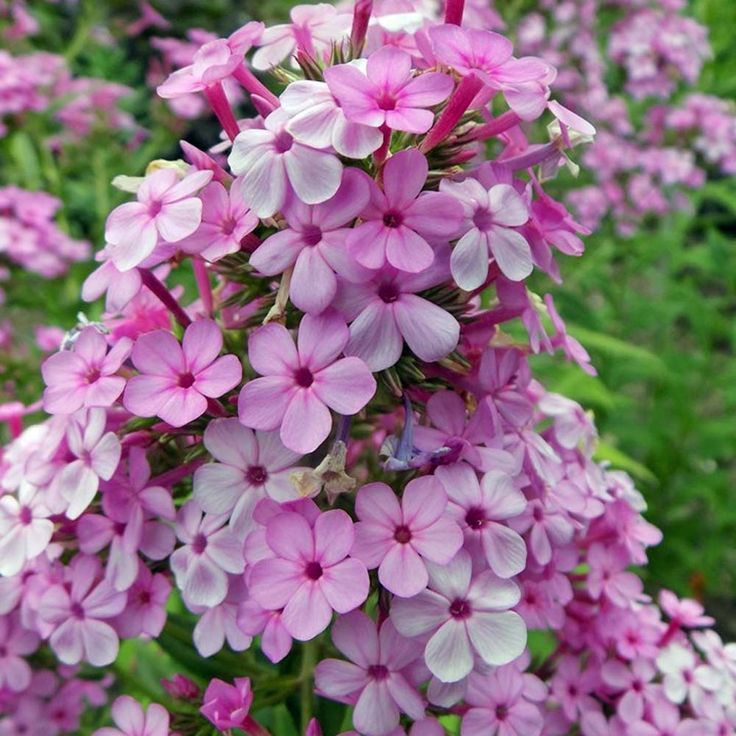
Phlox benefits from winter protection provided by its stems. Pruning in spring rather than fall ensures healthier plants and more flowers.