
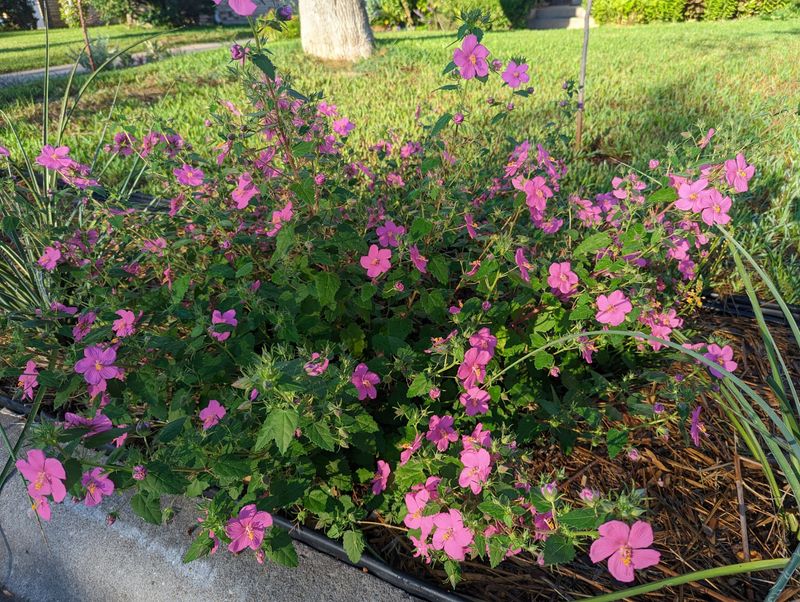
Every spring, many Texas gardeners haul home flats of annuals for the same sunny beds. A native perennial called Texas rock rose may cut down on some of that work.
It offers pink, hibiscus-like flowers over a long season, and it fits some beds better than others. Here is where it works, where it struggles, and when to plant it.
Texas rock rose may reduce annual replanting in a suitable bed
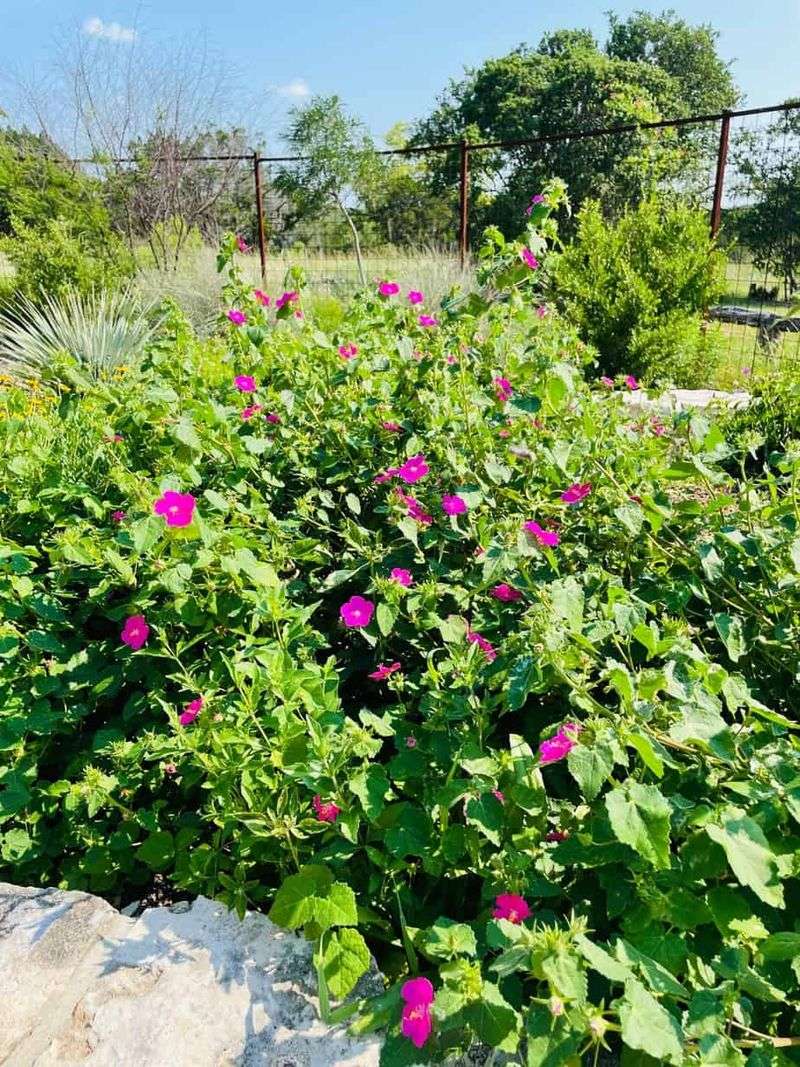
Picture a bed that gets new annuals every spring, then fades or burns out by late summer. Texas rock rose (Pavonia lasiopetala), also called rose pavonia, is a Texas native that may take over part of that job.
It produces pink, hibiscus-like flowers over a long season, and it comes back as a perennial instead of needing replanting each year.
According to the Texas Superstar profile, this plant is a small shrub in warmer parts of Texas. Farther north, it behaves more like a woody subshrub or an herbaceous perennial.
So the word shrub does not describe it everywhere in the state, and your own region shapes what you will see in winter.
The Lady Bird Johnson Wildflower Center plant database lists it as a native with a spring-through-fall flowering window. Expect a plant roughly 2 to 4 feet tall, often as wide or wider, depending on conditions.
That size matters when you plan a bed, because it will not stay as tight and low as a row of petunias.
Here is the measured promise. Rock rose may reduce how much annual color you replant in a suitable bed, especially a sunny or lightly shaded spot with good drainage.
It is not a guaranteed replacement for every annual bed, and it will not copy the look of dense bedding plants. Some gardeners may still tuck in a few annuals for extra color around it.
Some people call this kind of plant overlooked. That is an opinion, not a measured fact, but it is a fair reason to give it a closer look if your beds keep costing you money and weekends every year.
Match the plant to sun and drainage
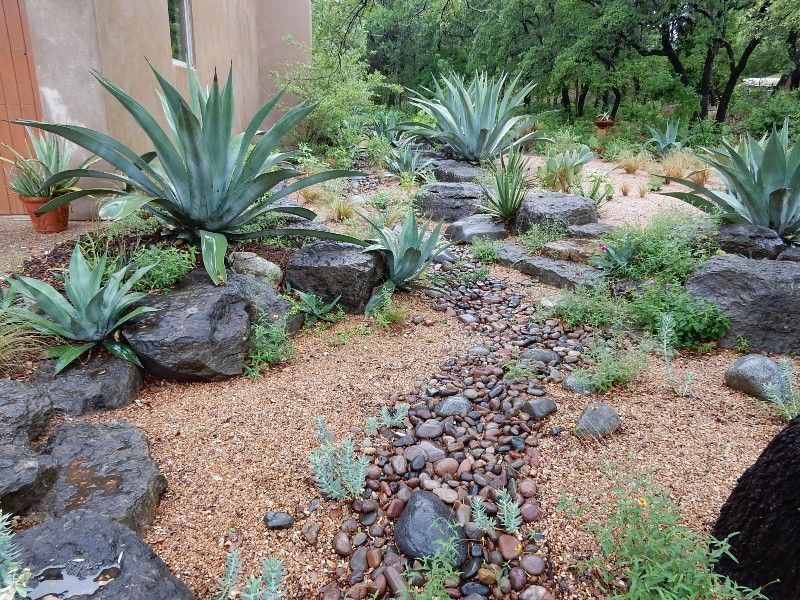
Site is the first test. Rock rose does best in full sun or light shade, where it tends to flower well and hold dense foliage.
If your bed gets baking afternoon light, that is a good sign. If it sits under a big oak most of the day, think twice.
Drainage is the second test. Both Texas Superstar and other sources point to well-drained soil as important for performance.
After a heavy rain, check the bed. If water pools for hours, rock rose is a risky pick unless you raise the bed or improve the drainage first.
The plant is adapted to a range of soils, including rocky and limestone settings, according to the Wildflower Center database. That is good news for gardeners with thin, rocky ground in the Hill Country.
Still, adapting to varied soils is not the same as suiting every yard. Soggy ground is a different problem from rocky ground.
Shade changes the picture. In shadier spots, the plant may produce fewer flowers and have more trouble with powdery mildew, a white, dusty fungus on leaves.
Rock rose does not perform equally well in deep shade.
A simple check helps. Watch the bed for a day and note the hours of direct sun.
Then test drainage by digging a hole, filling it with water, and seeing how fast it drains. Sunny and fast-draining is the profile you want.
A long bloom season does not duplicate annual-bed color
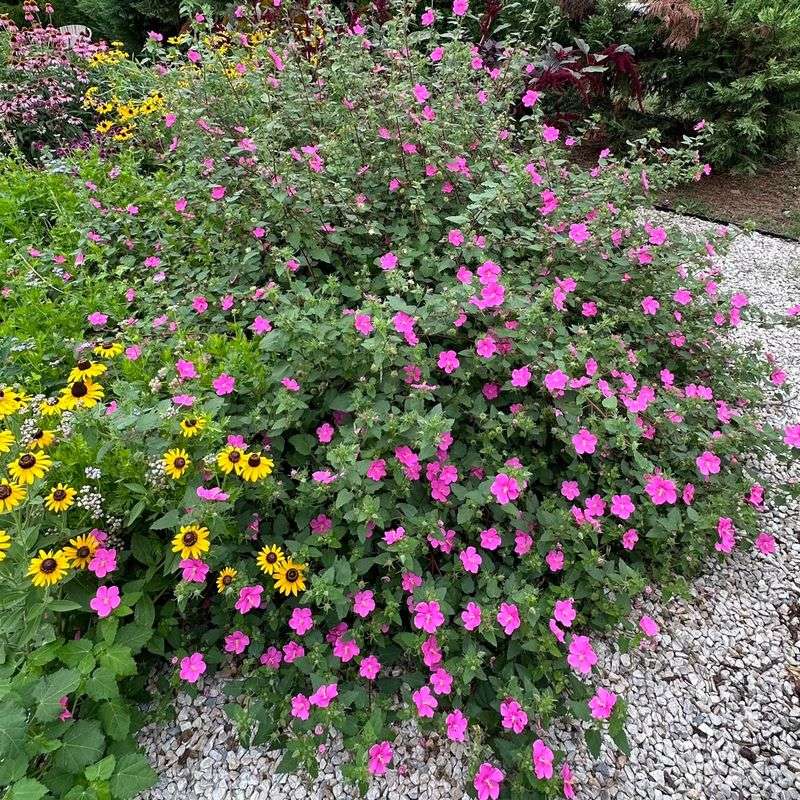
Few annuals can match rock rose for sheer length of season, but the show is not identical. The Wildflower Center lists bloom from April through November.
Texas Superstar describes spring to frost when conditions are good. That is a long window, but not nonstop or year-round bloom.
Annuals play a different game. Texas A&M’s Earth-Kind guidance notes that annual flowers can offer more seasonal variety and colorful accents than most other plants.
You can swap in a new color every season, and plants are sold in matching sizes.
Rock rose offers a softer, looser look. Its pink flowers appear against its foliage over many months, but the plant grows to its own size and shape.
Do not expect the tight, uniform carpet of color that a row of identical bedding plants gives.
Where does it fit best? A perennial or mixed border is the natural home.
Plant it as the backbone, then use a few annuals at the front for bursts of seasonal color. That way you replant a smaller area instead of the entire bed.
Think of rock rose as the steady performer and annuals as the accent. The pairing can cut your yearly workload without asking the shrub to be something it is not.
The plant’s winter form varies across Texas
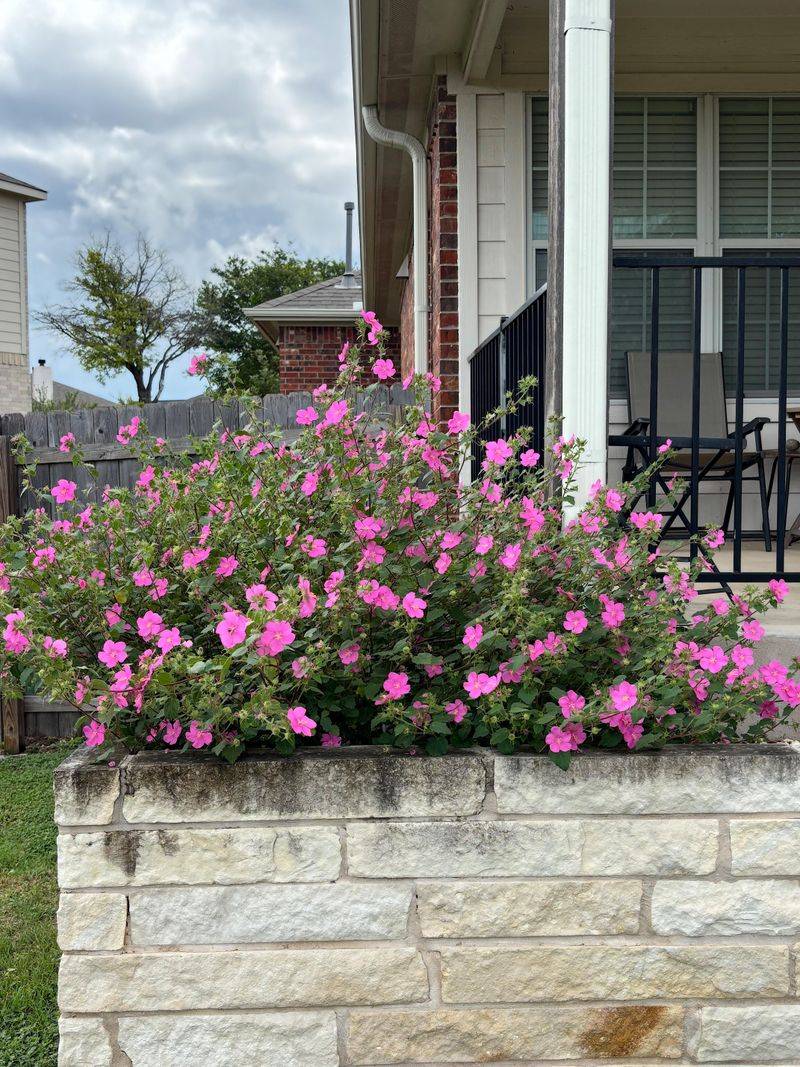
Texas covers a lot of climate zones, and rock rose responds to each differently. According to Texas Superstar, it is a small shrub in USDA zones 9 through 13.
In zones 7 and 8, it is a subshrub or herbaceous perennial. In colder climates, it may be grown as a summer annual or a container plant.
What does that mean in a real yard? Near the Gulf Coast or in South Texas, you may see a woody plant with leaves for much of the winter.
In North Texas, a hard freeze may cut it back to the ground, and growth may restart from the base in spring. Do not call it evergreen across the state.
Freeze exposure matters at the local level, too. A bed near a south-facing wall can stay warmer than an open lawn edge a few yards away.
Low spots can collect cold air. Your neighborhood may differ from the zone on the map.
Plan for the winter look before you plant. If you want a bed that looks full in January, a cut-back perennial may disappoint you.
If you accept bare stems or a gap until spring, that is a fair trade for months of blooms later.
Hardiness is not a guarantee anywhere. In a colder part of Texas, treat the first winter as a test and consider keeping a backup plant in a pot.
Fall planting has support; midwinter is not a statewide rule
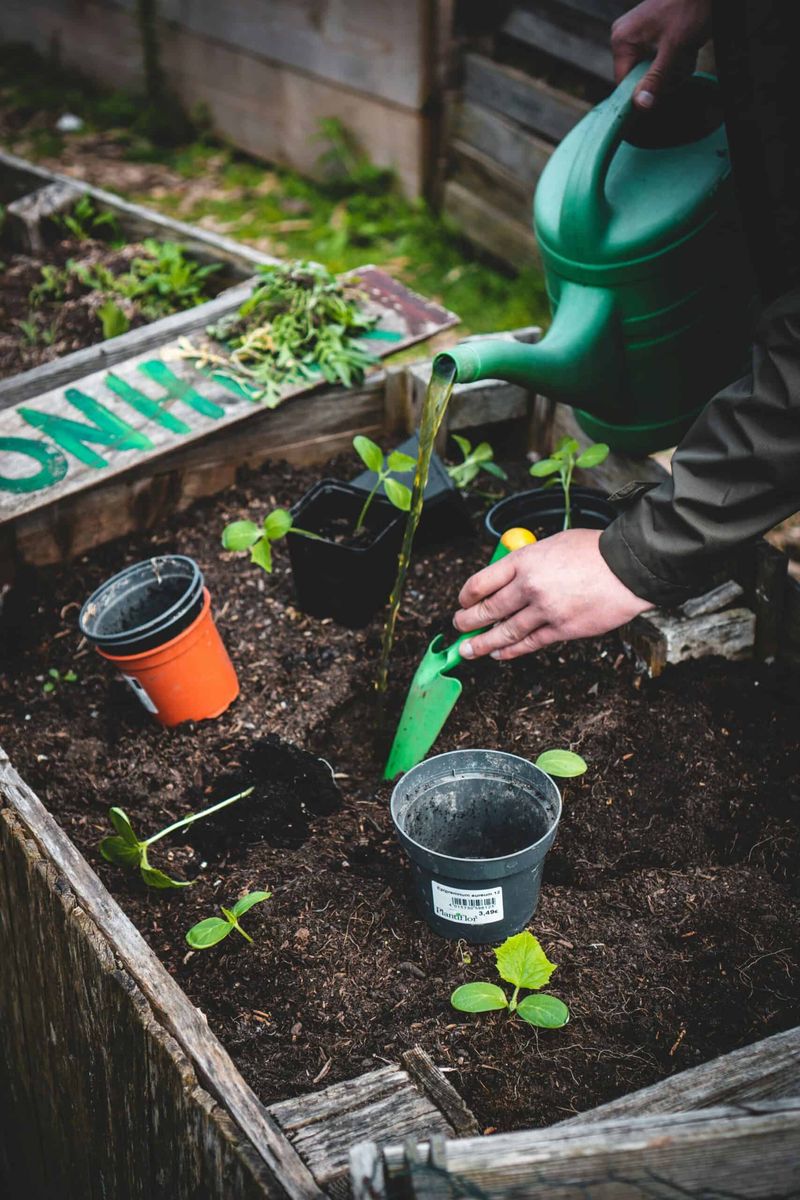
Timing questions come up fast with a winter planting angle. Fall has real support.
The Wildflower Center’s fall-planting article includes rock rose among its perennial recommendations for Central Texas. Roots can settle in during cooler months before summer heat arrives.
Texas A&M also weighs in. AgriLife’s November 2025 newsletter says container-grown shrubs can be planted that month.
That is general shrub guidance, not advice written only for rock rose.
Now set that beside the plant-specific note. Texas Superstar says container plants can be planted from early spring through fall.
Winter is not listed as the general window.
The practical read is simple. Fall is a good time, and so is spring.
Midwinter has not been shown as the best time anywhere in Texas, and a hard freeze could hurt a new planting in colder regions.
So check your local conditions first. In a mild part of South Texas, late fall may work well.
In North Texas or the Panhandle, you might wait until the danger of hard freezes passes. Whichever season you choose, water new plants regularly until roots establish.
Established plants tolerate drought but still need care
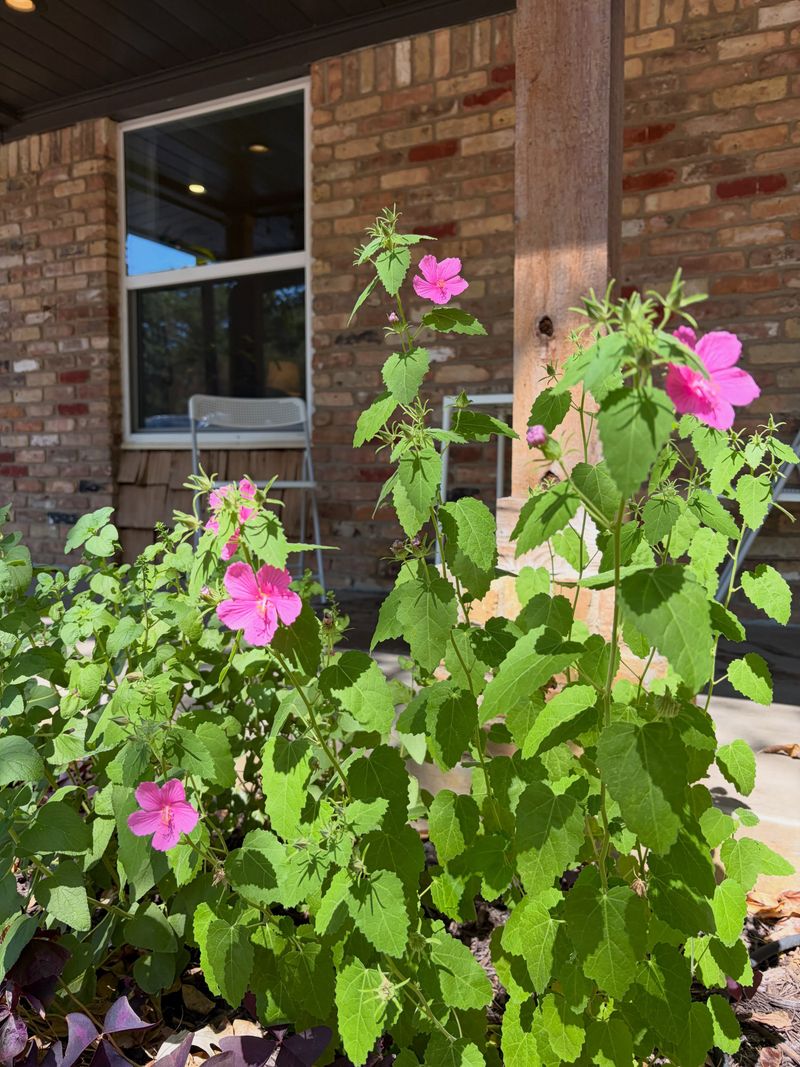
After the first year or so, rock rose can handle dry spells better than most annuals. Texas Superstar describes good drought tolerance once the plant is established.
That does not mean zero water. New plants need regular watering, and a long dry summer may call for an occasional soak.
Drainage stays important. The USDA fact sheet lists well-drained soils as its preference.
Overwatering in heavy soil can do more harm than a dry week.
Expect some upkeep. The plant can get leggy, with long stems and fewer leaves near the base.
Pruning can help it stay fuller, so it is not maintenance-free. Check the Wildflower Center database for its general growth habit before you choose a spot.
Reseeding is possible. USDA says the plant reseeds readily, and a UF/IFAS Extension fact sheet says the same.
That source also reports a typical lifespan of 3 to 4 years, but that finding comes from its Florida context and may not match your Texas bed.
So think of it as a long-lived guest, not a permanent fixture. Seedlings may fill gaps, but they are not guaranteed.
Keep a small budget for replacements and you will not be caught off guard.
Wildlife may visit the flowers and browse the foliage
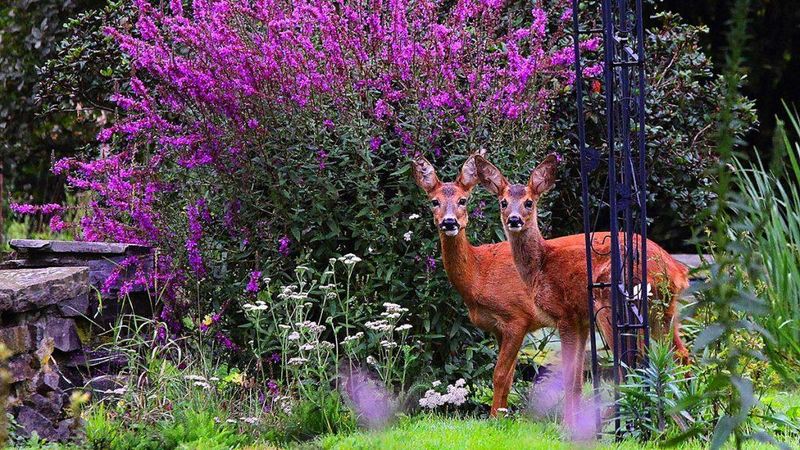
A bed of rock rose can become a small wildlife stop. According to the USDA plant fact sheet, the flowers attract pollinators and hummingbirds.
The plant also provides cover and seeds for wildlife. That is a real plus if you want a yard that supports more than just looks.
There is a catch. The same USDA fact sheet says deer and small animals browse the foliage.
Rock rose is not deer-proof, and you should not plant it expecting animals to leave it alone.
The University of Texas Plant Resources Center also notes that the plant is browsed where animals can reach it. In neighborhoods with heavy deer pressure, young plants may need a cage or fence at first.
These are documented uses and risks, not guarantees for every yard. One garden may see steady hummingbird traffic while another sees mostly chewed leaves.
Local wildlife habits decide a lot.
If browsing worries you, try planting a few specimens first and watch for a season. Protect new growth, and add more once you see how your local animals respond.
Nothing here says the plant is safe for pets to eat, so keep that question separate and ask a vet if you have concerns.
Choose rock rose for a suitable bed, not as a blanket replacement
Try rock rose where you want seasonal native color in a sunny or lightly shaded, well-drained bed, and where you accept regional differences in winter form and some pruning. Fall planting has support, but winter is not established as ideal statewide.
Keep annuals for the spots that need tidy, uniform color.
The payoff is realistic: less replanting in one good bed, not a permanent or identical substitute for bedding plants.