
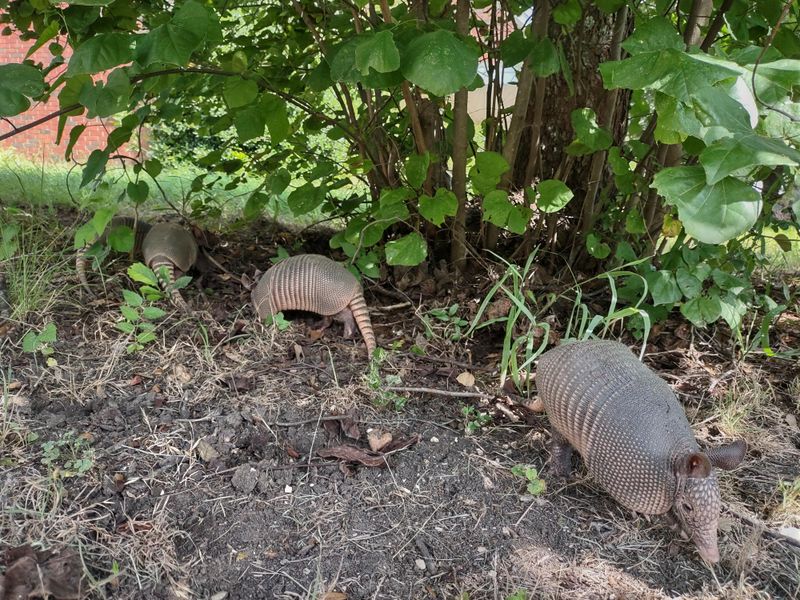
A fresh crater in your flower bed on a cold January morning can feel like an attack. The culprit may be a nine-banded armadillo, and grubs could be on its menu.
But a hole does not tell you what the animal ate, or whether your lawn has a grub problem at all. Here is how to sort out the digging from the diagnosis and decide what to do about both.
Why an Armadillo May Be Active in a Central Texas Winter
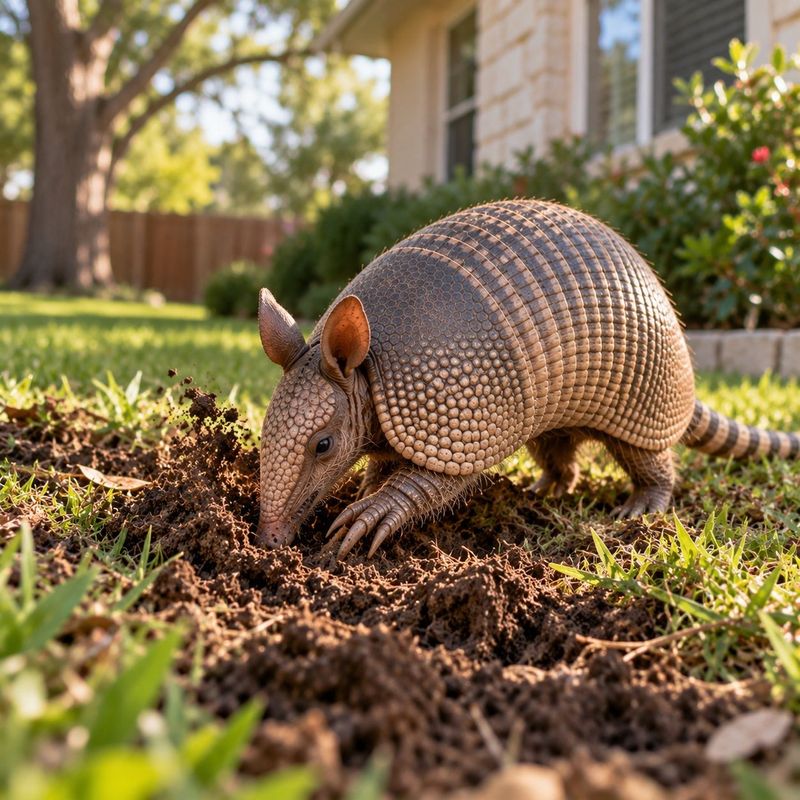
Armadillos do not hibernate. That surprises a lot of people, because winter yards in Central Texas can look empty for weeks.
Instead, the animal stays active when the weather allows, and its activity follows the thermometer.
According to the Texas Tech species account, armadillos often forage during the warmest part of a winter day. During prolonged cold they become much less active.
So a sunny 65-degree afternoon after a chilly week is a likely time to spot one snuffling around your beds.
That also means the image of a creature that only creeps around at midnight does not always fit winter. If you find fresh digging in the morning, it may have happened the previous afternoon.
A yard camera or a quick look out the window around midday can tell you more than assumptions about nighttime visits.
Here is another catch. Armadillos dig for more than one reason.
They root through soil and leaf litter to find food, and they also dig burrows for shelter. The Texas Parks and Wildlife Department describes both habits, so a hole alone does not reveal what the animal was doing.
A small, shallow, cone-shaped pit often points to foraging. A larger opening that angles down into the ground may be a burrow entrance.
Either way, you are looking at a nuisance, not proof of what was eaten.
Grubs Are One Part of a Varied Diet
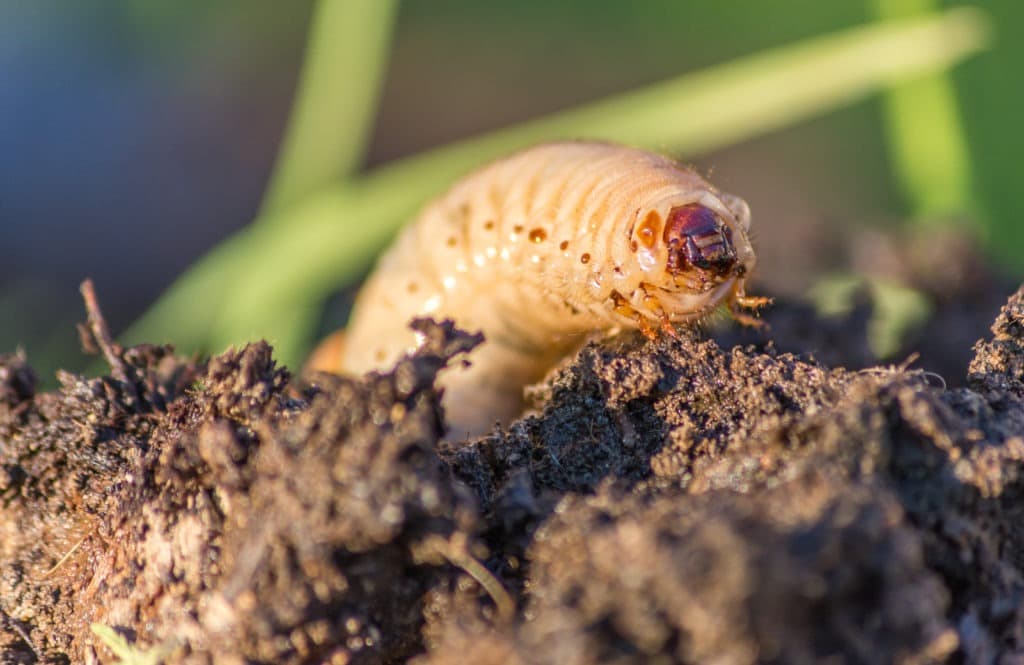
Armadillos are not picky eaters. Their diet is mostly animal matter, especially insects and other small invertebrates, and grubs are on that list.
The Texas Parks and Wildlife Department confirms the connection between armadillos and grubs.
A study of armadillos in a residential area, a note on armadillo foods by Tyler, Molinaro, and Messina, looked at stomach contents. It found a wide mix of foods, and white grubs were one of them.
Grubs show up in the menu, but they share it with plenty of other items.
That variety matters when you stare at a torn-up bed. An armadillo might be after beetle larvae, earthworms, ants, or something else living in the top few inches of soil.
Nothing about a hole tells you which.
It is also not known how many grubs an armadillo actually removes from a yard. Eating some grubs is a long way from controlling a lawn infestation, so calling the animal natural grub control claims more than anyone has measured.
Think of it this way: the armadillo is a hungry forager that sometimes eats grubs. Treat it as a nuisance digger first, and keep the question of what is living in your soil as a separate matter to check yourself.
Not Every Grub Damages Texas Turf
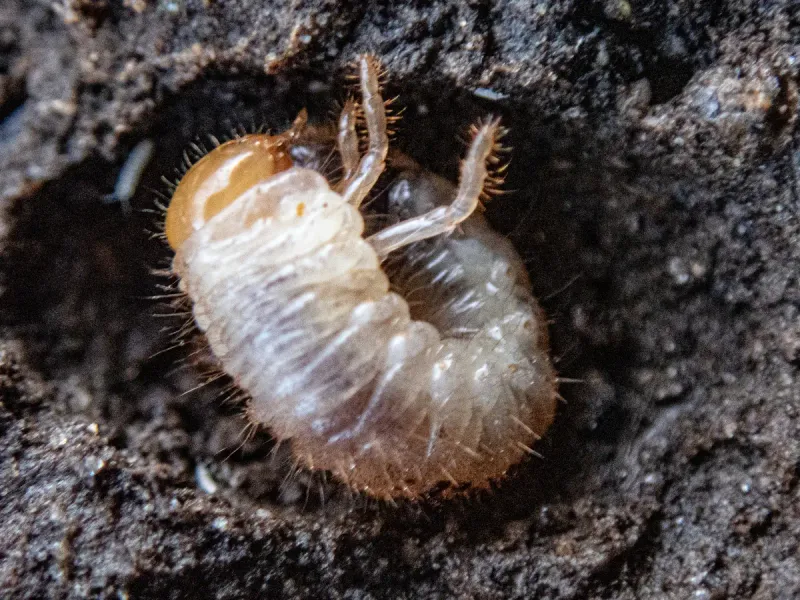
The word grub covers a lot of ground. Plenty of beetle larvae look alike, and only some of them hurt grass.
Saying an armadillo is eating the grubs that kill your lawn assumes a damaging infestation that nobody has confirmed.
Texas A&M AgriLife Extension, in its guide to white grubs in Texas turfgrass, names June beetle and southern masked chafer grubs as important turf pests. These feed on grass roots and can weaken a lawn when numbers get high.
The same guide points out that green June beetle grubs are different. They normally feed on decaying organic matter and do not usually injure turf.
You could dig up a handful of them and still have a perfectly healthy lawn.
So a grub in the soil is not a verdict. A compost-rich bed might hold plenty of harmless larvae that an armadillo would happily root out.
A struggling St. Augustine lawn might have a real pest, or it might be dealing with something else entirely.
The practical lesson for gardeners is to identify before you react. Knowing which kind of grub you have, and how many, is what separates a lawn problem from ordinary soil life.
Until then, the armadillo’s visit tells you very little about your turf.
Inspect the Lawn Before Blaming Grubs
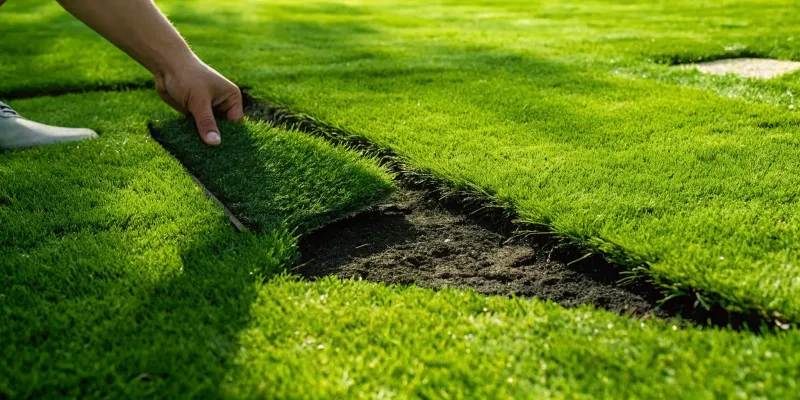
Start with a walk around the yard in good light. Look for turf that seems weak, thin, or brown, especially in patches rather than all over.
Texas A&M describes grub-damaged turf this way in its white grub guidance.
Next, test a damaged spot. Grab a handful of grass and tug gently.
When roots have been badly chewed, severely damaged turf can lift up easily, almost like a loose piece of carpet.
Then peel back a small flap and check the root zone. Wear gloves, and look in the top few inches of soil for C-shaped, creamy white larvae.
Seeing a few is not alarming by itself. What matters is whether you find them in the damaged area and in meaningful numbers.
Even then, hold your conclusions loosely. Drought stress, disease, compacted soil, shade, and other insects can all produce brown, weak grass.
These signs call for investigation, not an automatic grub diagnosis.
Notice what is missing from this checklist: the armadillo. Its tracks and pits are not a grub count.
A yard with lots of digging might have no pest problem, and a lawn with a real infestation might never see a visitor. If you are unsure what you are looking at, your local county Extension office can help identify the larvae.
Repair Small Holes or Protect a Priority Bed
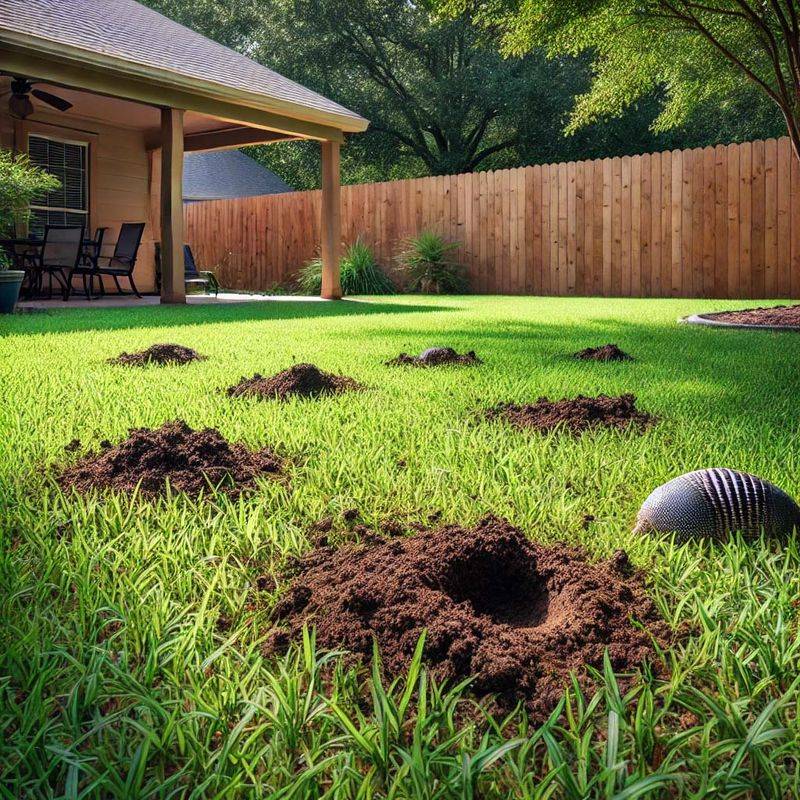
Once you know what is going on beneath the grass, decide how much the digging bothers you. For scattered little pits in a winter lawn, repairing them may be the easiest route.
Tamp the soil back down, rake it smooth, and let spring growth fill in.
Trying to remove the animal is usually more work than the damage deserves. Armadillos are common in Central Texas, and if one leaves, another may wander in later.
When the damage is tolerable, quick patching keeps your effort proportional.
Some spots deserve more protection. A new perennial bed, a vegetable plot, or a freshly planted border can be wrecked by a determined forager.
For a small area like that, Oklahoma State Extension describes fencing that sits close to the ground as an exclusion option.
Set realistic expectations, though. The same source says fencing large areas is impractical, so a whole lawn is not a good candidate.
Repellents and scare tactics are also not reliable long-term fixes, because an animal that is hungry and used to your yard tends to come back.
A good rule is to match the tool to the stakes. Patch what you can live with, fence the small spot you truly care about, and skip expensive gimmicks.
This part is about managing holes, not solving a pest question, so keep it separate from your lawn inspection.
Use Gloves for Cleanup, Not Insecticide as a Deterrent
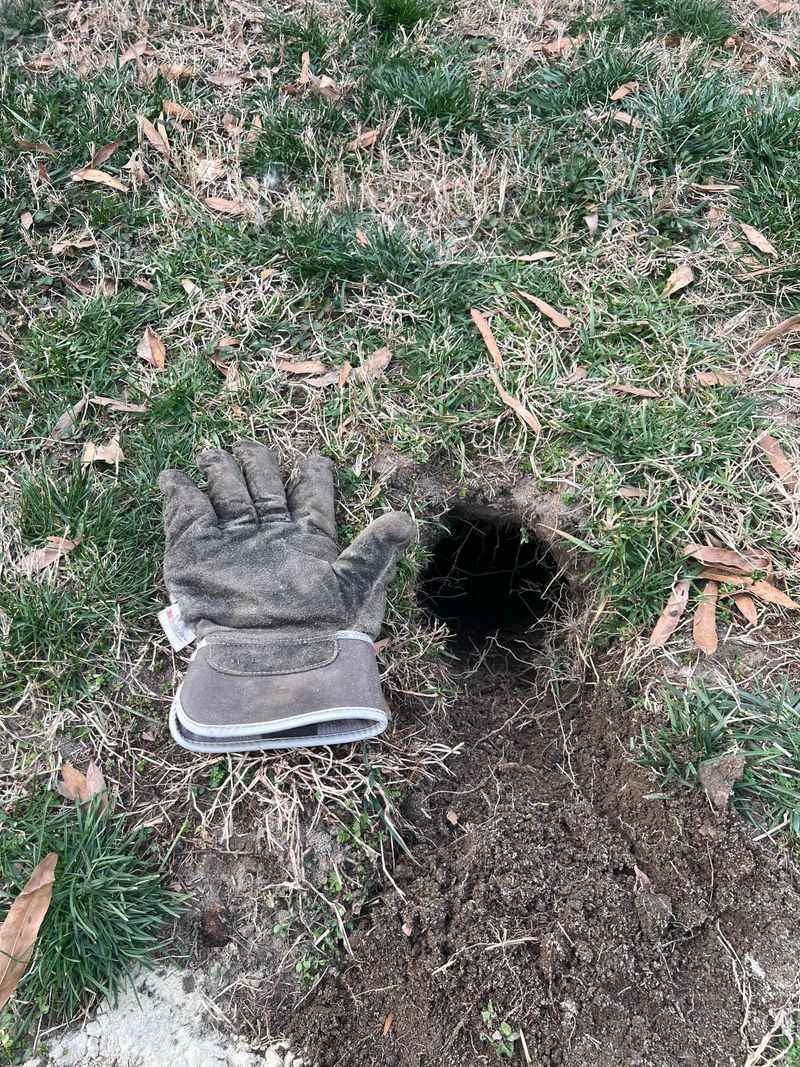
Cleanup deserves a little care. Skip bare hands when dealing with an armadillo or the soil it has disturbed.
Put on sturdy gloves, fill the holes, and wash your hands well when you finish.
You may have heard that armadillos can carry leprosy. That is true, but the picture is calm.
Leprosy linked to armadillos is rare, and CDC research on zoonotic leprosy describes the risk from indirect exposure as extremely low overall. Gloves are a sensible habit, not a reason for alarm.
Do not leave a handling mistake to chance, though. Avoid picking up the animal, and leave any burrow work to a wildlife professional if one is in a bad spot.
Another tempting shortcut is grub insecticide, sprayed in hopes that no food means no armadillo. Oklahoma State Extension warns that cutting insects may not stop an animal already used to your yard.
It can even make the animal search more for a while, and it can harm helpful insects.
If your inspection does confirm a turf pest problem, treat it for its own sake. Follow your local Extension guidance and read the product label closely.
Spraying only to chase off an armadillo is poor advice for your lawn and for the wider yard.
Separate the Lawn Diagnosis from the Armadillo
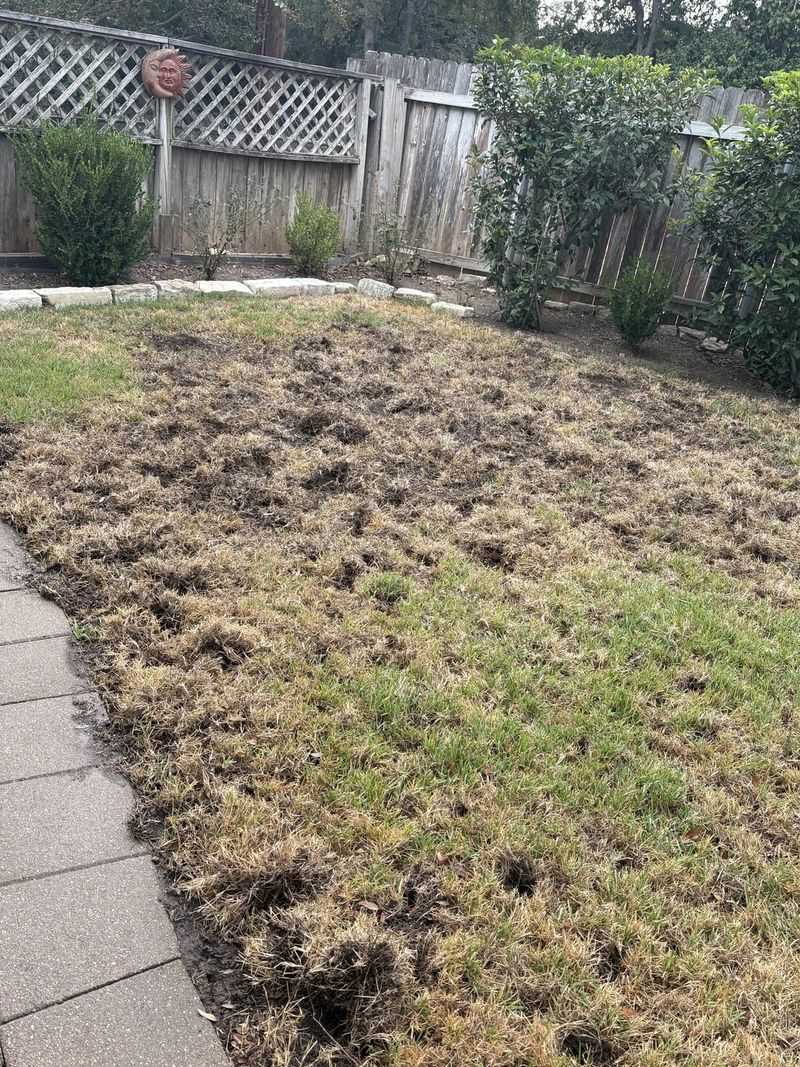
An armadillo may eat grubs, but its visit proves neither what it ate nor that harmful grubs are in your lawn. Check the turf first, using the Texas A&M grub guidance.
Treat a confirmed problem on its own, and handle digging with patches or small-area exclusion based on what you can tolerate.
The animal in your yard is a forager, not a verdict on your soil.