
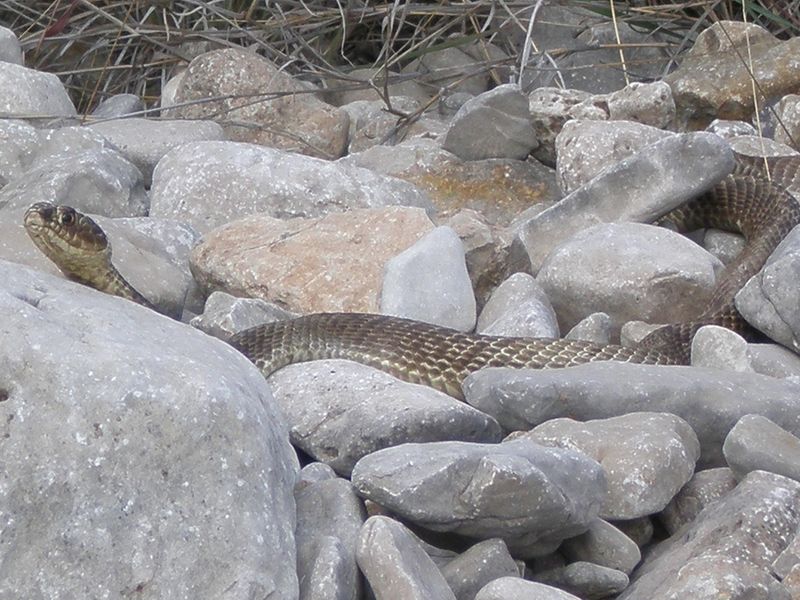
A big coachwhip racing across your yard is not coming after you. This long, quick snake is a wild predator that may eat mice and other small animals, and people are simply not on its menu.
Knowing that can turn a scary moment into a calm one. Here is what the snake is probably doing and how to handle the encounter safely.
Its speed does not mean it is pursuing you
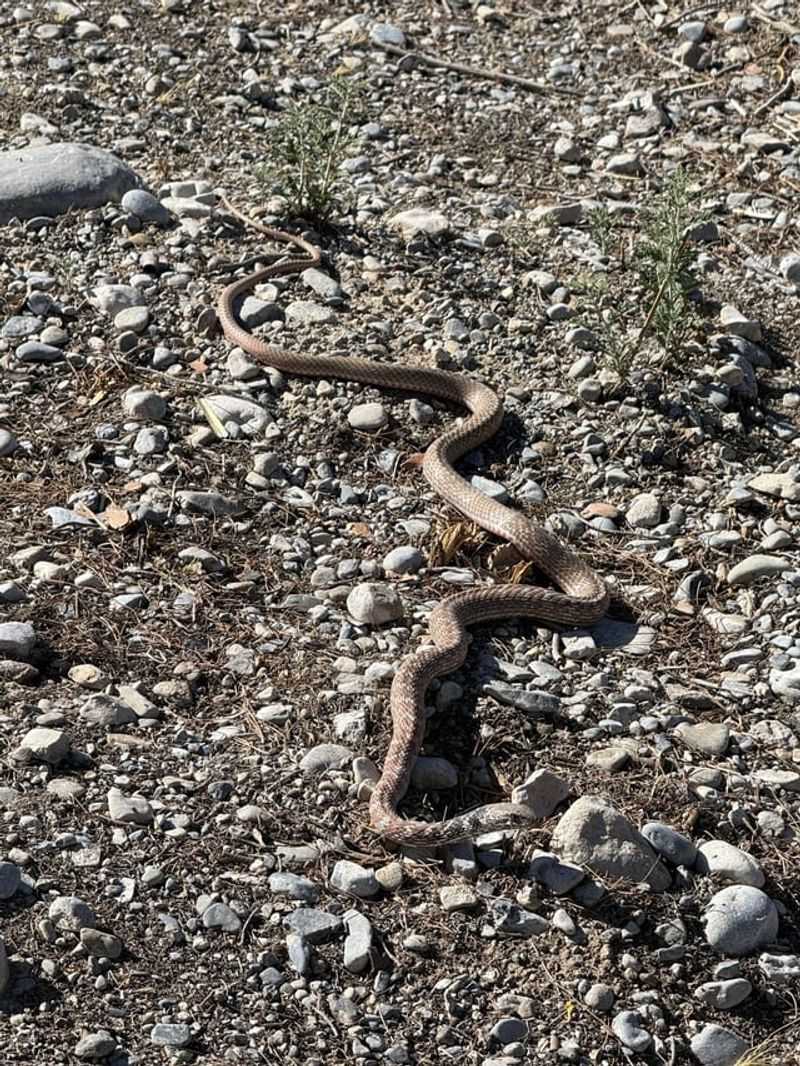
Few things jolt a person like a long snake flowing across the grass at full speed. Your brain says it is coming straight for you.
That is a natural reaction, but speed alone tells you very little about what a snake wants.
A fast snake, even one that moves in your direction, has not shown that it is chasing you as prey. Texas Parks and Wildlife guidance says snakes do not prey on humans and generally retreat when they get the chance.
A snake heading your way may simply be following the quickest path to cover, such as a brush pile, a fence line, or a woodpile, and you happen to be standing near it.
No one can say why one particular coachwhip picked its route. It could be traveling, warming up, hunting, or fleeing something else.
The helpful part is that you do not need to solve the mystery to respond well.
Stay still or step back slowly, and let the animal pick its own exit. Keep kids and pets well away so the snake has a clear lane.
Most of the time it will be gone within seconds, and your yard will go back to normal.
Coachwhips are part of the Central Texas picture
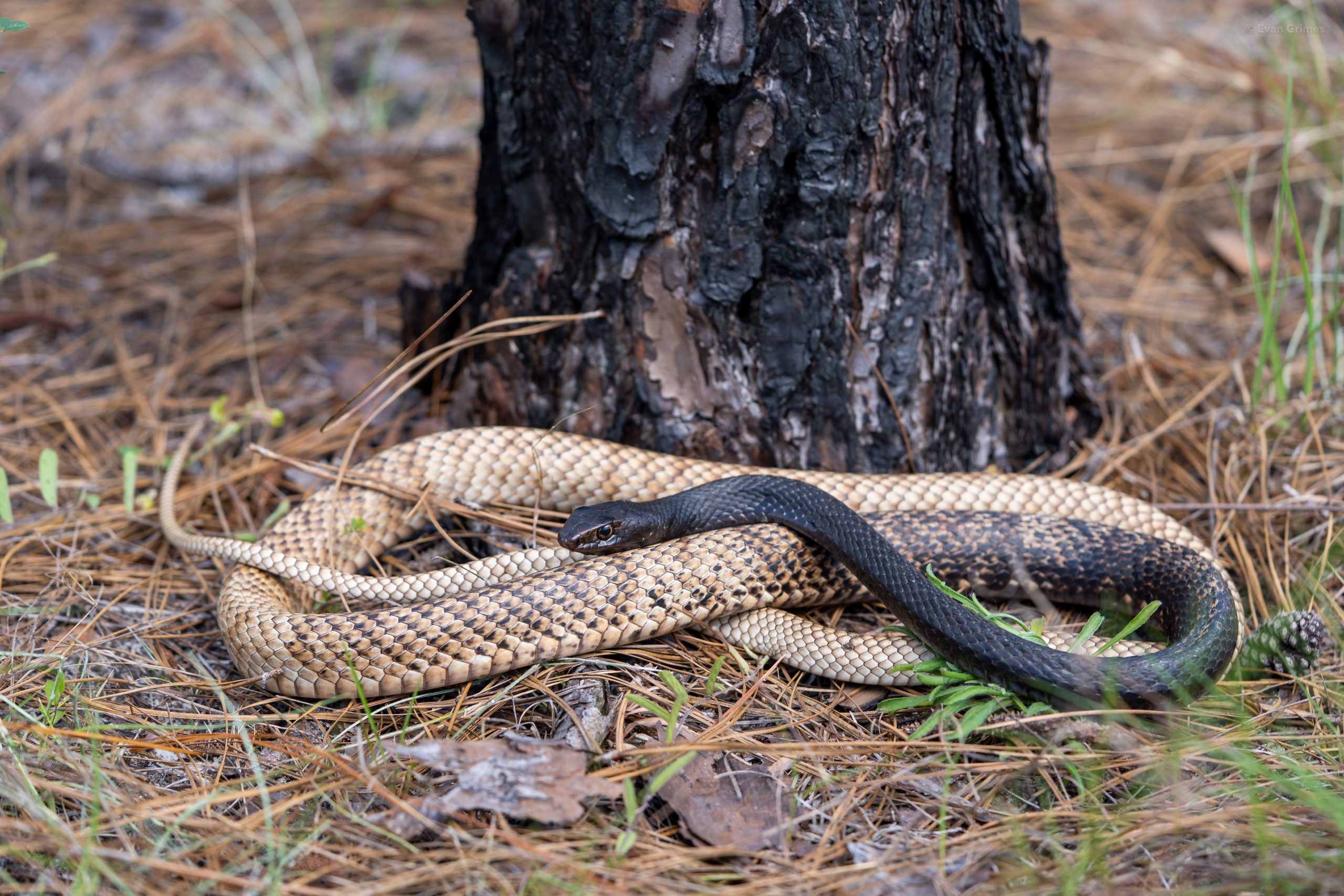
Central Texas sits right where two kinds of coachwhip meet. According to the Herps of Texas species profile, the state has two subspecies, and their ranges overlap in the central part of Texas.
So a coachwhip in your yard is not a strange visitor. It is a local.
These snakes are active during the day, which is why homeowners see them more often than many other snakes. Mowing, gardening, and walking the dog all happen when a coachwhip may be out and about.
The same profile notes that they may raise the front of the body to look around.
That upright, periscope-like pose can look alarming, but it is better read as a snake checking its surroundings. It is not proof that the animal is angry or about to strike.
If you are not sure what kind of snake you are looking at, do not walk closer to check. Texas Parks and Wildlife says no simple visual rule reliably separates venomous snakes from harmless ones.
From a distance, a zoomed photo can help later, but your feet should stay put.
Mice are only part of the menu
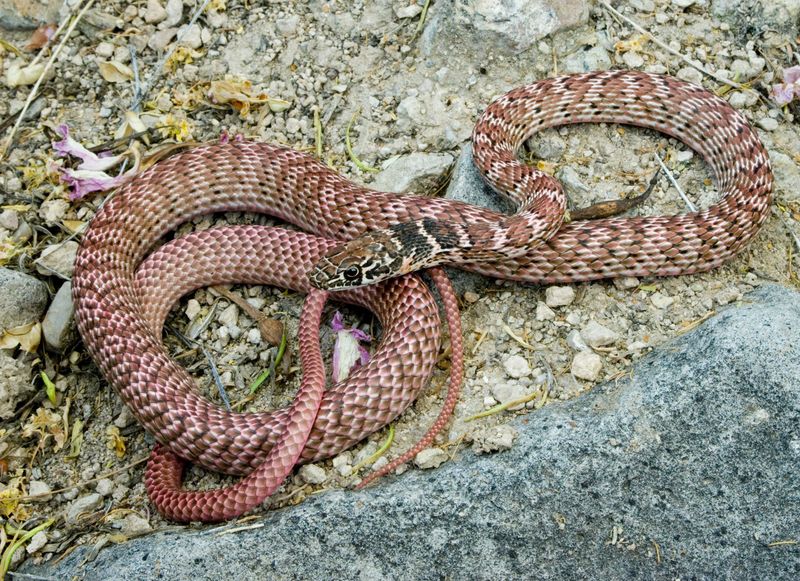
Ask what a coachwhip eats and the honest answer is: quite a lot. The Texas species profile lists prey ranging from lizards and other snakes to small rabbits and birds.
Small rodents fit somewhere on that list, but they share it with many other animals.
The same source describes a study in eastern Texas that checked snake scat to see what the animals had eaten. It turned up lizards, insects, and small rodents.
That sounds tidy, but there are limits. The authors had not watched the snakes feed, and they described the diet data as unpublished.
So the study gives a useful peek at the menu, not a full recipe. It does not tell us how often any one snake eats mice, and it says nothing about what the snake in your yard is after today.
That is why the safest wording is that a coachwhip may eat mice. A snake crossing the lawn could be hunting a lizard, scouting for a bird nest, or just passing through.
Unless you actually see it catch something, you are guessing.
Either way, the plan stays the same. Admire the speed from a distance and let it go about its business.
The tail-whipping story is folklore
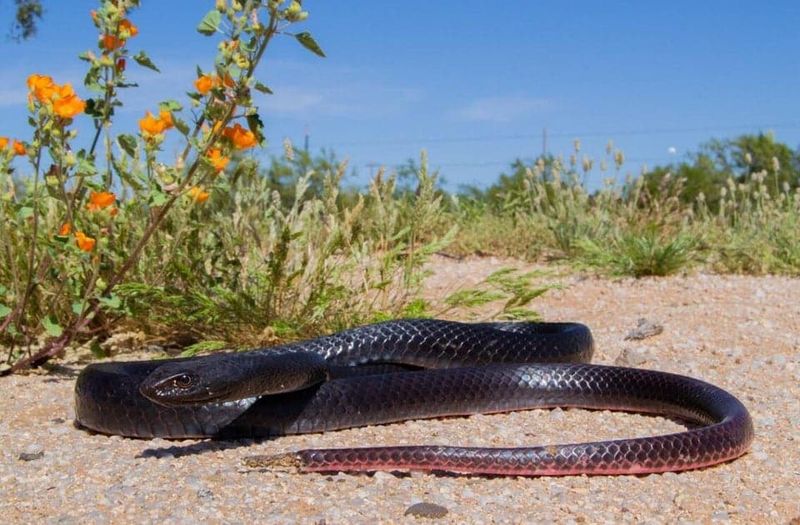
Plenty of people have heard that a coachwhip will chase you down and lash you with its tail. It makes a good campfire story, and it is also folklore.
Coachwhips do not attack people that way.
The name probably feeds the tale. The tail of this snake can look like a braided leather whip, so it is easy to imagine it being used like one.
The Missouri Department of Conservation links the myth to coachwhips thrashing around when they are captured. In other words, a snake that is being grabbed may flail wildly, and a flailing tail got turned into a story about an attack.
That origin is a good reason to keep your hands out of the picture. The thrashing happens when someone has a snake in their grip, and nobody needs to test the legend to see if it is true.
If you want to settle a debate with a neighbor, watch the snake from a safe spot or check a field guide. A snake that is left alone has no reason to lash anyone, and that is the outcome you want.
Nonvenomous does not mean safe to handle
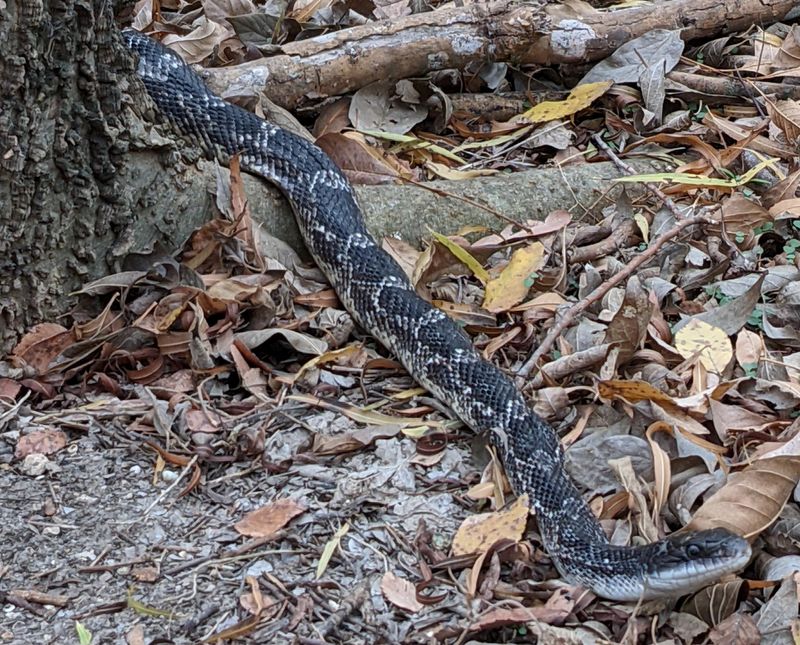
Coachwhips are nonvenomous, which means they do not inject venom when they bite. That is good news, but it is not the same as being safe to touch.
The Florida Museum of Natural History notes that a coachwhip can bite if it is captured, grabbed, or cornered.
Think of it like a wild animal with a short fuse in one situation only: when it feels trapped. A bite can still hurt and can get infected.
Texas health officials, including the Texas Department of State Health Services, advise against handling snakes unless you are properly trained.
So what should you do? Texas Parks and Wildlife says to let a snake retreat or to back away slowly.
Do not try to catch it, move it, or kill it. Open a path rather than blocking one, and keep pets and children inside until it is gone.
Identification is where many people get into trouble. Color, body shape, and speed are not dependable clues, and TPWD’s snake FAQ says no single simple rule separates venomous from harmless snakes.
If you are unsure, do not step closer for a better look. Take a photo from far away if you can, and let your distance do the protecting.
Leave it alone rather than counting on mouse control
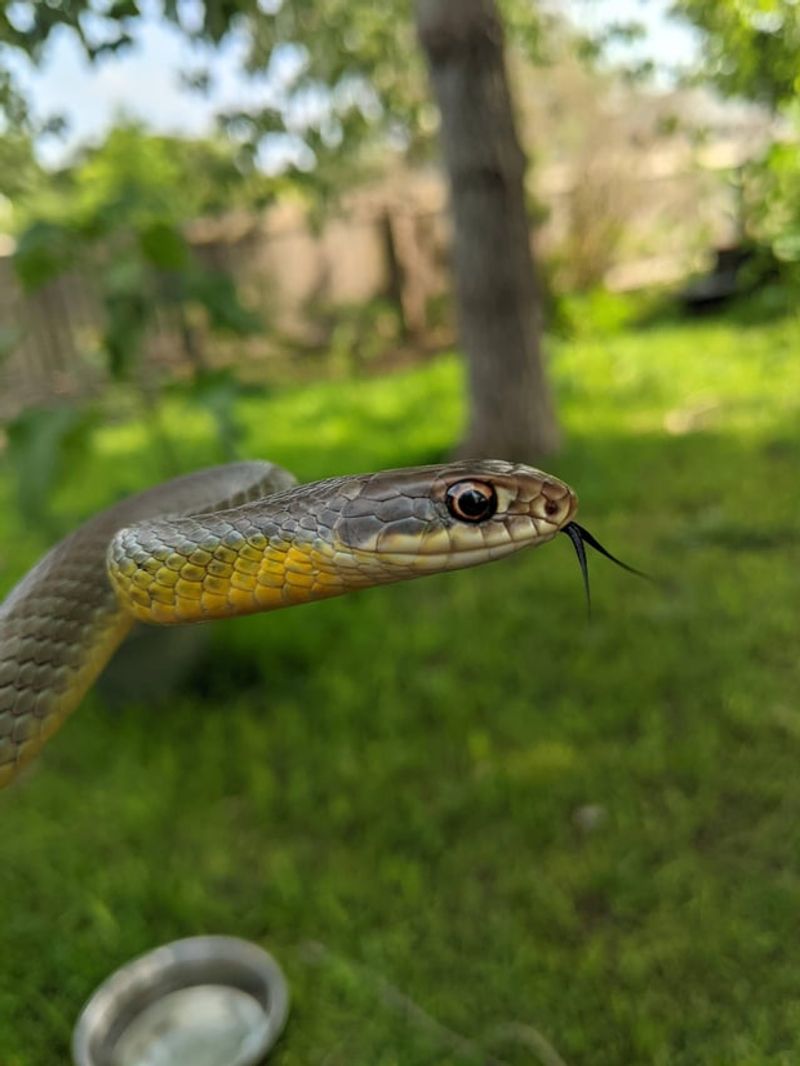
It is tempting to cheer for a snake that might eat the mice near your shed. Still, a coachwhip is a wild predator, not a pest control service you can count on.
The Texas profile shows mice are possible prey, but it does not show how often a yard-dwelling coachwhip eats rodents or how much it lowers local rodent numbers.
If mice are a problem, handle that with ordinary steps like sealing gaps and tidying feed and clutter. Let the snake be a bonus, not a plan.
When one does show up, follow the Texas Parks and Wildlife advice to give it room and back away slowly.
Watch from a distance, and by the time you look up again, it will probably be gone.