
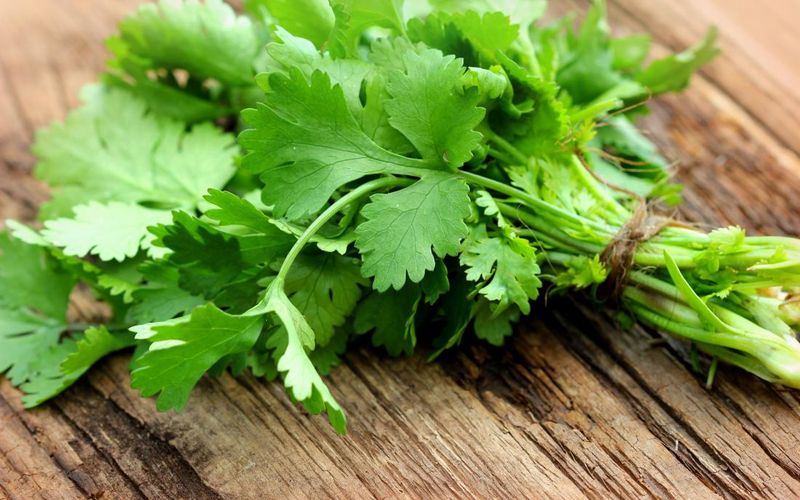
Most people reach for lavender when they want a calming bedtime routine, but a different kitchen herb has been quietly turning heads in sleep research circles. That herb is coriander, the same plant that gives you cilantro leaves for your tacos and dried seeds for your spice rack.
A handful of preliminary studies have linked coriander to sleep-related changes, though the story behind those findings is more nuanced than the headlines suggest. Understanding what the research actually tested, and what it did not, makes all the difference before you move a pot to your windowsill.
The Mystery Herb Is Coriander
Coriander and cilantro are the same plant, Coriandrum sativum, just named differently depending on which part you are using. UF/IFAS cilantro growing guidance confirms that the fresh leaves go by cilantro, while the dried, ripened seeds are called coriander.
Both come from the same compact, container-friendly annual that generations of Southern cooks have grown for its bright, citrusy flavor.
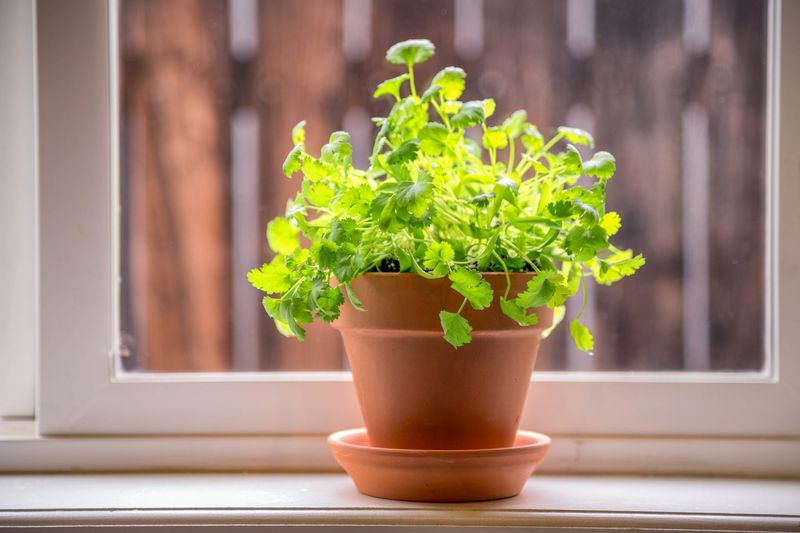
The plant fits the practical angle here for several reasons. It is edible, genuinely fragrant, easy to start from seed, and small enough to thrive in a pot on a bright windowsill.
You do not need a greenhouse or a large garden bed to get started. A single six-inch container with good drainage can produce enough fresh leaves for both cooking and a pleasant sniff during your evening routine.
Before going further, though, the headline’s strongest claim deserves a correction. A bedroom coriander plant is best understood as a possible calming-routine experiment, not as a proven sleep aid or a substitute for medical treatment.
The research behind the buzz is real, but it tested something quite different from a potted herb sitting on a nightstand. The sections below explain exactly what researchers found, what they did not test, and how to grow the plant well if you want to try it for yourself.
The Plant Study Offers a Clue, Not a Household Promise
Sleep latency is simply how long it takes you to fall asleep after you close your eyes. REM latency is how long it takes your brain to reach its first period of rapid-eye-movement sleep, the stage most associated with dreaming and emotional processing.
Shorter numbers for both measures are generally considered favorable, though they do not automatically translate into longer sleep, better daytime functioning, or relief from a sleep disorder.
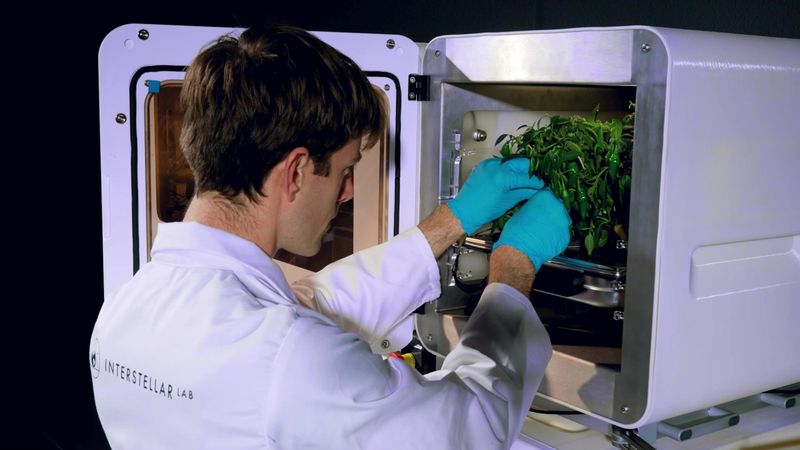
With those definitions in hand, a study published in Life Sciences in Space Research reported that coriander exposure was associated with reductions in both sleep latency and REM latency. That finding is genuinely interesting.
Researchers also examined several other edible plants alongside different controlled lighting conditions, looking at how combinations of plants and light affected mood and sleep in participants.
Here is the part that matters most for anyone picturing a pot beside their bed: the study was conducted in a simulated long-duration isolated environment, not in an ordinary home bedroom. The lighting was controlled, the plant exposure was deliberate and structured, and coriander was studied alongside other edible species.
Pulling one variable out of that setup and applying it to a normal houseplant in a regular room is an extrapolation the study itself does not support.
The result supports a plausible, promising lead worth following in future research. Calling it proof that a live potted coriander plant improves sleep at home goes further than the evidence allows.
The Capsule Evidence Remains Limited and Separate
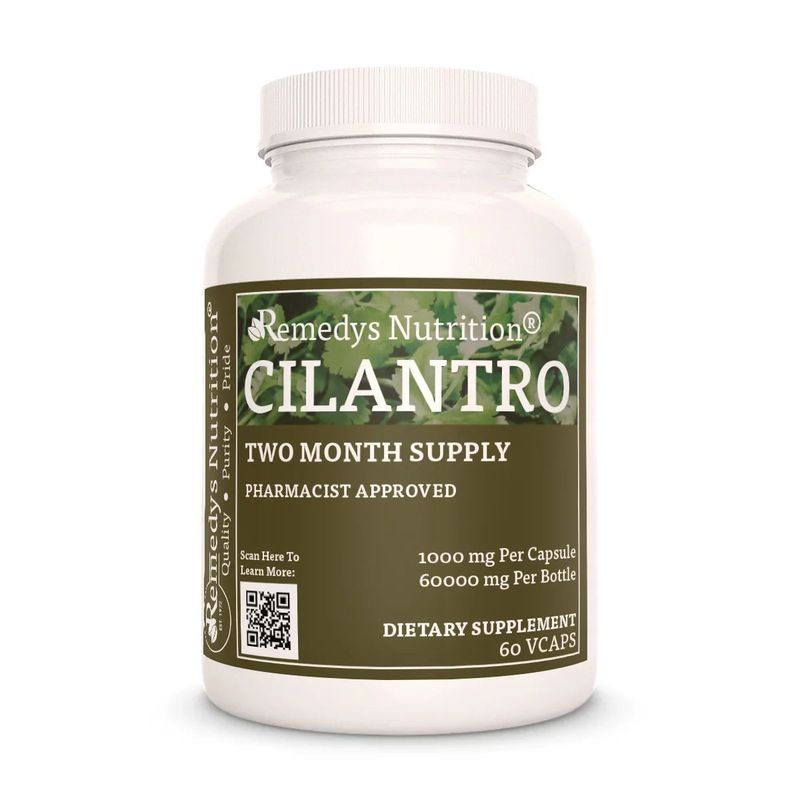
A separate line of research examined coriander seeds taken orally, which is an entirely different intervention from growing a live plant or enjoying its scent. A trial record listed on ClinicalTrials.gov under NCT05999071 describes a study of coriander seed capsules in university students, and a corresponding report is available through ResearchGate.
According to that reported study on coriander seeds and sleep quality, participants who took a measured oral seed preparation showed improvements in self-reported sleep quality, as well as changes in anxiety, depression, and memory scores.
Those reported findings sound encouraging, but several cautions apply before treating them as settled science. The cited trial record and the ResearchGate request page do not independently verify every detail, including the exact sample size or the full statistical results.
Until a peer-reviewed publication can be confirmed and checked, the findings should be treated as preliminary and attributed to the available report rather than accepted as conclusive evidence.
Perhaps more practically: oral capsules containing measured seed powder are not the same thing as a fresh leaf, a sprig of dried herb, coriander tea, a drop of essential oil, or a live plant sitting in your room. Even if the capsule findings hold up under scrutiny, they would not establish that any of those other forms produce the same outcome.
The dosage, the delivery method, the population studied, and the setting all differ from ordinary home use, so the gap between a controlled supplement trial and a bedside herb is wider than it might appear.
Grow Cilantro Before Southern Heat Makes It Bolt
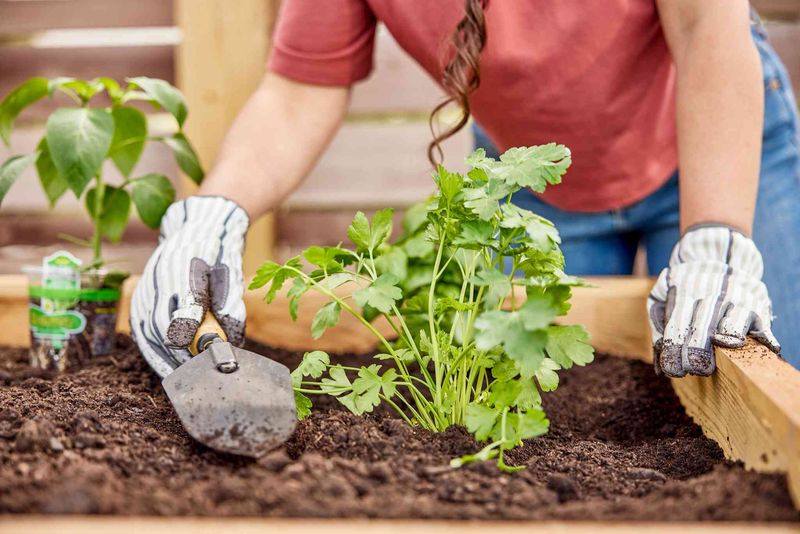
Cilantro is a cool-season crop, and that fact shapes everything about growing it successfully in Florida or Texas. Texas A&M’s cilantro factsheet puts the ideal growing range at roughly 50 to 85 degrees Fahrenheit.
Once temperatures climb above that upper threshold, the plant shifts its energy from producing leaves to producing flowers and seeds, a process called bolting. Bolted cilantro turns bitter and sparse almost overnight, which frustrates many first-time growers who try to keep it going through a Southern summer.
For Florida gardeners, UF/IFAS recommends focusing on fall and winter as the primary growing window, since long warm days cause the plant to flower and go to seed far too quickly for a useful leaf harvest. Full sun to part shade, rich soil, and good drainage are the key conditions to aim for.
Texas gardeners get a similar window, with February and September commonly cited as reliable planting times before heat arrives or after it eases.
For an indoor container, choose a pot with at least one drainage hole, fill it with a well-drained potting mix, and position it near your brightest window. A south-facing or east-facing windowsill typically works well.
Avoid placing the pot somewhere dark just because it is near your bed, since cilantro needs real light to stay compact and productive rather than stretching toward whatever weak source it can find.
Because cilantro has a short life even in ideal conditions, Texas A&M AgriLife Extension recommends succession sowing, starting small batches of seeds every few weeks rather than planting once and hoping for a continuous harvest. Two or three small pots staggered a couple of weeks apart will keep fresh young leaves coming far longer than a single large sowing.
Use the Plant as Part of a Wind-Down Routine

Practical use starts with placement. Cilantro belongs near a bright window, not on a dark nightstand where it will struggle and decline.
Once you have it in a well-lit spot, the simplest approach is to incorporate it into whatever wind-down routine already works for you. Pinching a few leaves and taking a slow breath of the fresh, citrusy scent takes about five seconds and costs nothing extra.
That sensory moment is the realistic version of what the bedroom-plant idea is actually offering. The plant-exposure study used a controlled setting with deliberate, structured coriander exposure alongside specific lighting conditions.
A normal houseplant in a regular room does not replicate those conditions, and there is no established mechanism by which a single potted herb releases a proven sleep-inducing compound into the surrounding air at home.
What a consistent evening routine does offer is real, even without a magic herb at the center of it. Predictable, calming activities before bed, whether that involves tending a plant, reading, stretching, or making a cup of herbal tea, can help signal to your brain that sleep is approaching.
Coriander fits into that kind of ritual naturally if its scent appeals to you.
If the aroma does not suit you, skip it entirely. UF/IFAS notes that cilantro has a distinctive smell that some people find fresh and pleasant while others find it off-putting or soapy.
A scent that you find unpleasant is not going to contribute to relaxation, regardless of what any study reports about controlled exposure in a different setting.
Skip Air-Cleaning Claims and Concentrated Oils
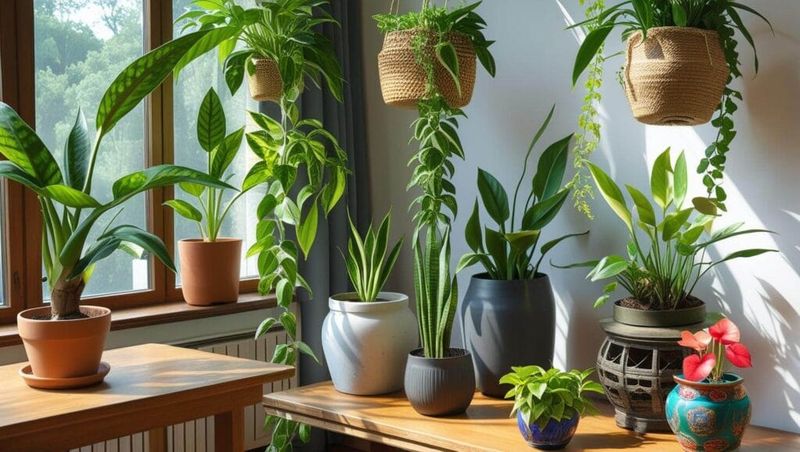
One claim that circulates alongside the bedroom-herb idea is that houseplants clean indoor air, making your sleeping space healthier and more restful. EPA guidance on indoor air quality makes the practical reality clear: a reasonable number of houseplants does not remove significant quantities of pollutants from a home or office.
The lab studies that originally suggested this effect used much higher plant densities than anyone would realistically keep indoors.
There is also a flip side to overwatering indoor herbs. Persistently wet soil can encourage the growth of mold and other biological contaminants, which may aggravate allergies or respiratory sensitivities in some people.
Keep cilantro on the drier side between waterings, make sure the pot drains freely after each watering, and discard any plant that develops persistent mold or fungal growth rather than trying to save it with more attention.
Coriander essential oil on a pillow is a different category of concern. That practice is not supported by the plant-exposure study, which did not test topical or aerosolized oil application, and concentrated essential oils can cause skin irritation, respiratory irritation, or allergic reactions in sensitive people.
Children, pets, people with asthma, and anyone with fragrance sensitivities face a higher risk of an unwanted reaction.
Herbal products in concentrated form also carry the same caution as any supplement. FDA guidance on dietary supplements reminds consumers that supplements are not reviewed for safety and effectiveness before they reach store shelves, and that “natural” does not automatically mean safe or appropriate for every person.
Stick with the fresh plant for a bedtime ritual and leave concentrated products out of the routine unless a clinician has specifically recommended one.
Treat Sensitivity and Sleep Symptoms Seriously
Not everyone should be deliberately increasing their exposure to coriander, even in the mild form of a potted plant. People with a known allergy to cilantro or coriander, those who experience fragrance-triggered asthma, or anyone with a history of reactions to plants in the carrot family should be cautious.
The original media coverage of the bedroom-herb story noted the possibility of allergic reactions, and while that risk should not be overstated or assigned an invented percentage, it is real enough to keep in mind before you start pinching leaves every evening.
Concentrated coriander supplements belong in a separate, more careful conversation. FDA dietary supplement guidance recommends discussing any supplement with a health professional before starting it, particularly if you are pregnant, breastfeeding, or taking prescription or over-the-counter medications.
Herbal products can interact with medications in ways that are not always obvious, and the dosing evidence for coriander seed preparations is not yet strong enough to recommend a specific sleep regimen.
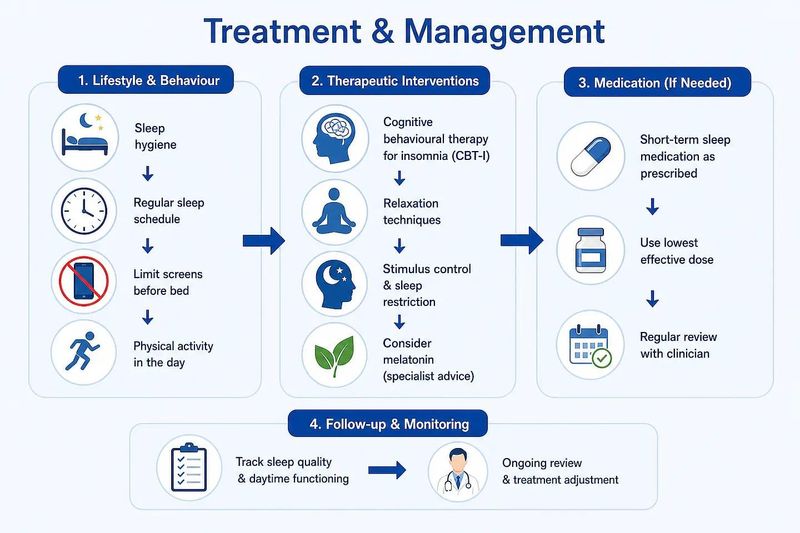
A bigger concern for some readers may be whether their sleep problem has already crossed from ordinary tiredness into something that needs professional attention. NHLBI insomnia treatment guidance identifies cognitive behavioral therapy for insomnia, commonly called CBT-I, as the usual first-line treatment for persistent insomnia.
Loud snoring, breathing pauses that a partner notices during sleep, severe daytime sleepiness that affects your ability to function, or insomnia that has lasted more than a few weeks are all signals that a conversation with a doctor is the right next step. A fragrant herb on your windowsill cannot evaluate or treat any of those conditions.
Choose a Herb for Enjoyment, Not a Cure
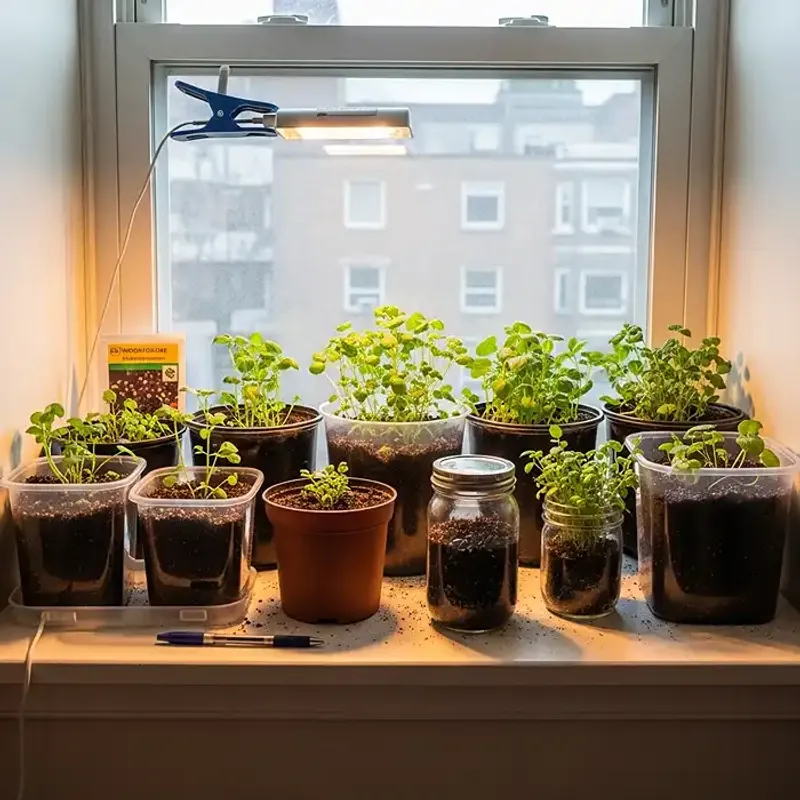
Coriander earns a spot on the cool-season windowsill on its own merits. It is edible, easy to start from seed, compact enough for a small container, and genuinely pleasant-smelling to many people.
The preliminary research linking it to sleep-related changes is interesting and worth watching as more studies emerge. What the current evidence does not support is calling it an insomnia treatment or promising that a bedside plant will change how you sleep.
Chamomile and lemon balm come up often as herbal alternatives with a longer track record. NCCIH guidance on complementary approaches to sleep describes the evidence for chamomile as inconclusive for insomnia, and a recent review of lemon balm characterizes it as promising but in need of stronger trials before firm conclusions can be drawn.
Neither herb has cleared the bar for proven insomnia treatment either, so the landscape across all three is honestly similar: interesting, preliminary, and not a substitute for medical care.
The clearest takeaway is also the most practical one. Grow coriander in a draining pot near your brightest window during the cool season, enjoy its scent as part of a relaxing evening habit if the aroma suits you, and use it in the kitchen while it is fresh.
If sleep problems persist beyond a few weeks or come with worrying symptoms, NHLBI recommends seeking a proper evaluation. A well-tended herb is a small, pleasant addition to a bedtime ritual; the best thing it can do for your sleep is give you one more reason to slow down before lights out.