
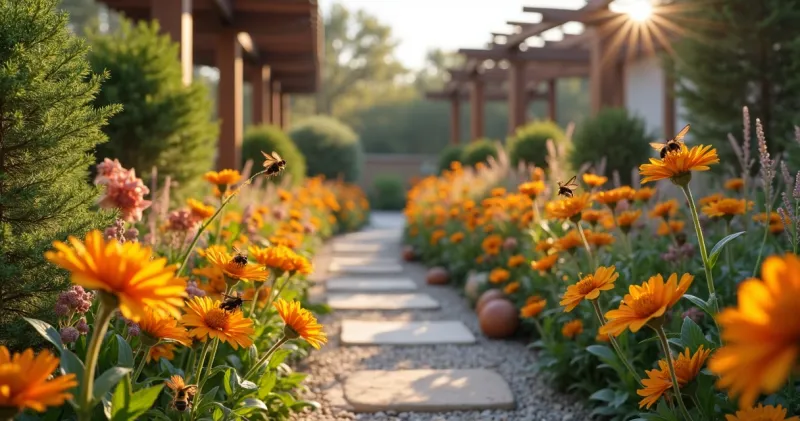
Central Texas winters are short, sunny, and full of surprise freezes that can flip a warm afternoon into a 25-degree night. Plenty of gardeners give up on color from December to February, but the right flowers actually love this weather.
Plant them in fall, and your beds can stay bright while the rest of the neighborhood looks brown. Here are ten tough bloomers that handle Hill Country cold snaps and keep the show going until spring.
1. Pansies
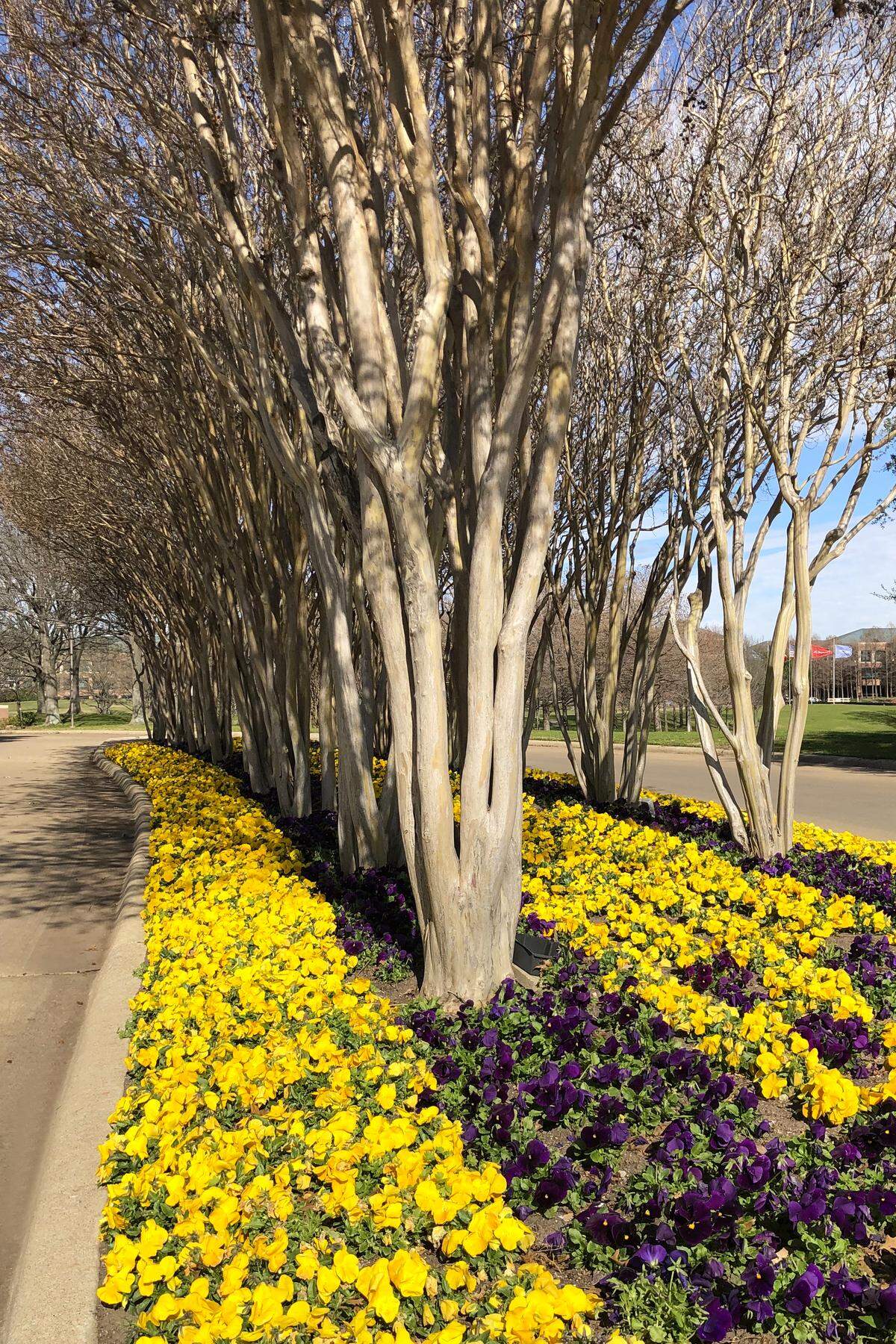
Frost on the petals at 7 a.m., perky faces by noon. Pansies shrug off Central Texas freezes better than almost anything you can buy in a six-pack, and they keep blooming right through the gray weeks.
Plant them from late October through November, once nights stay below about 70 degrees. They want full sun in winter, rich soil, and steady moisture, so mix compost into heavy blackland clay before planting.
Feed lightly every few weeks with a liquid bloom fertilizer and pinch spent flowers to keep new buds coming. They usually hold until April heat arrives, then fade gracefully so you can swap in summer color.
2. Violas
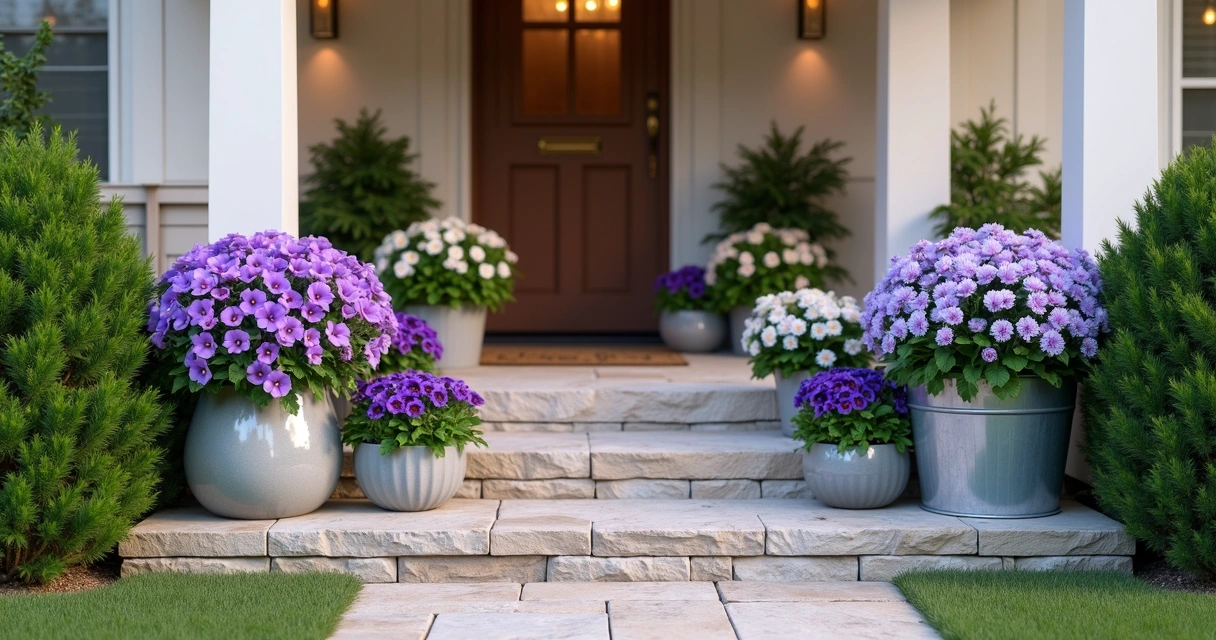
Think of violas as the scrappy little cousin of pansies. The blooms are smaller, but there are far more of them, and they tend to bounce back faster after a hard freeze.
Many Texas gardeners say violas outlast pansies in a wet, cloudy winter because the compact plants dry out quicker and resist rot. They shine in porch pots, along walkways, and tucked between pavers where a big flower would look crowded.
Fun bonus: viola flowers are edible. Scatter a few on a winter salad or cake for a pop of color straight from the garden.
3. Snapdragons
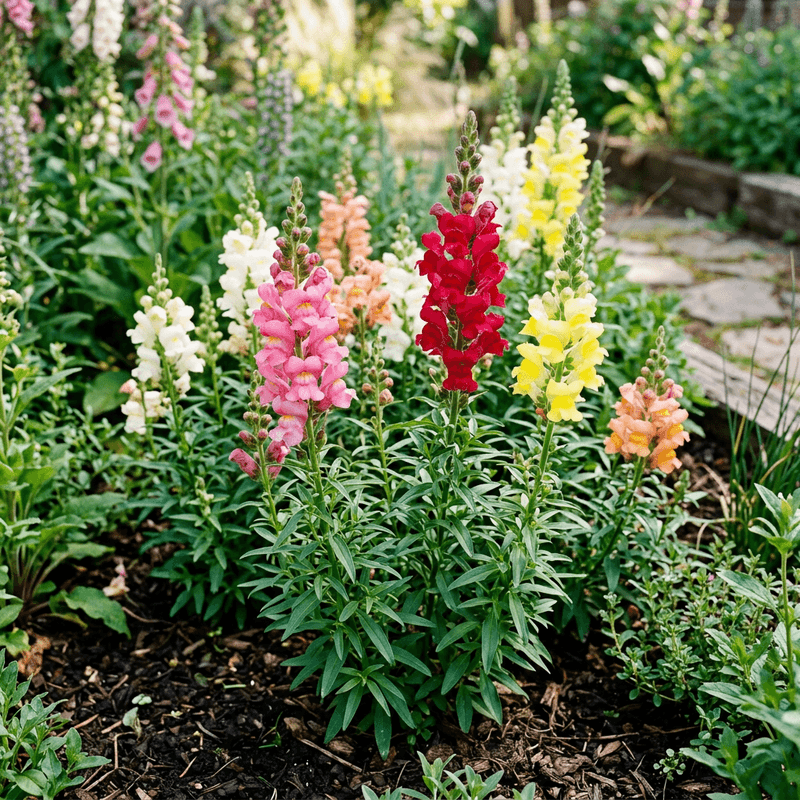
Squeeze a snapdragon blossom from the sides and it opens like a tiny dragon mouth. Kids love it, and gardeners love the tall vertical spikes that add height when most winter flowers stay low.
In Central Texas, plant snapdragons in fall so roots settle before the coldest nights. They handle temperatures into the low 20s, and a frost cloth helps if a harder freeze is forecast.
Place them toward the back of a bed or in the middle of a big container. Cut the first spikes for a vase and the plant often sends up side shoots, giving you a second wave in early spring.
4. Dianthus
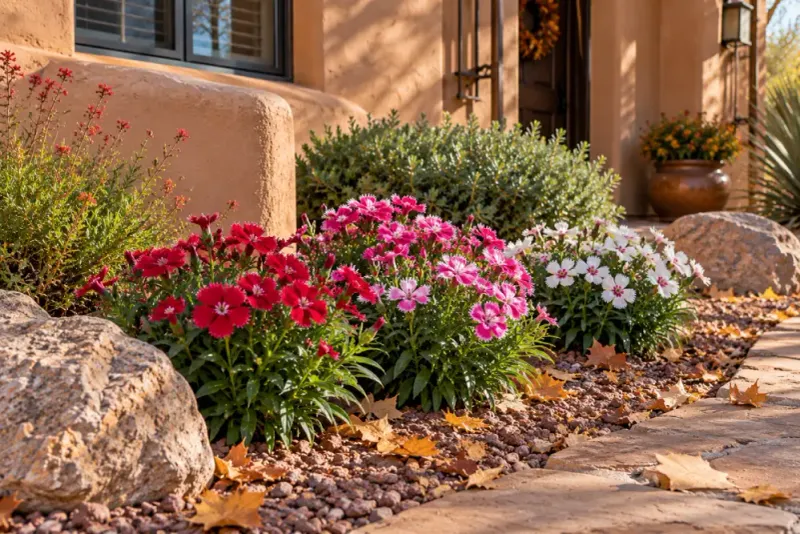
Few winter flowers smell as sweet as dianthus. The fringed blooms carry a light clove scent that you notice on a sunny afternoon walking past the bed.
Dianthus likes the alkaline soils common around Austin and San Antonio, which makes it easier than plants that need acidic ground. Good drainage matters most, so use it along raised edges, rock borders, or slopes.
Some varieties act as short-lived perennials here and may return the next fall if summer is not too brutal. Treat that as a bonus rather than a promise.
5. Ornamental Kale and Cabbage
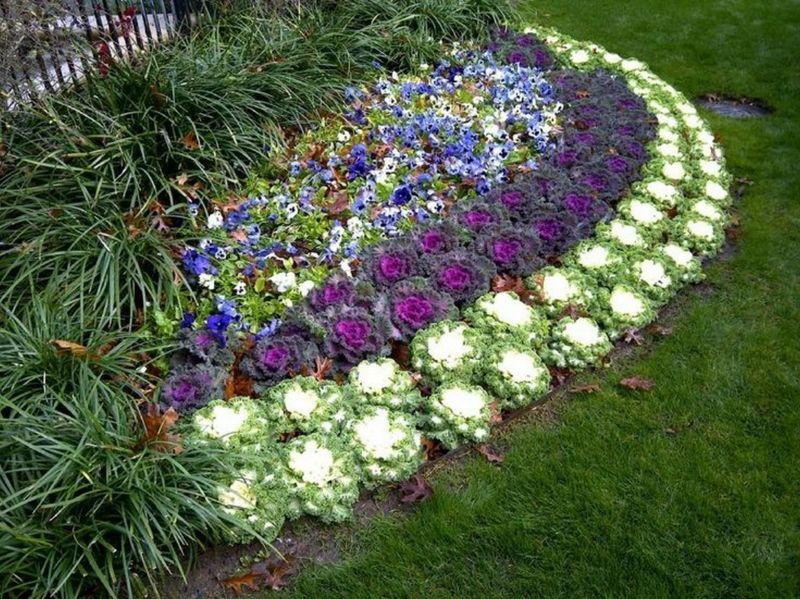
Here is the strange truth about ornamental kale: cold makes it prettier. Once nights dip into the 40s and below, the centers turn deep purple, hot pink, or creamy white.
These are foliage plants rather than flowers, but their rosettes act like giant blooms from November through February. They stand up to freezes in the teens, which beats almost every other bedding plant on this list.
Pair them with pansies for a classic look, or group three in a big urn by the front door. Watch for cabbage loopers on warm spells and pick them off by hand.
6. Calendula
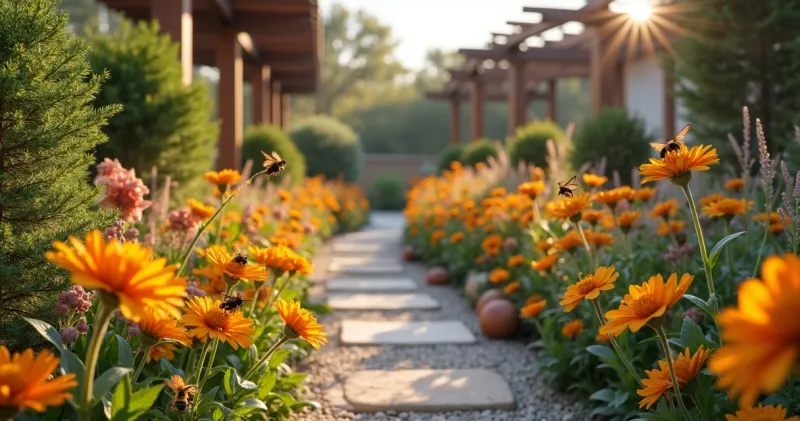
Gardeners have grown calendula for centuries, using the petals in salves and soups. Its old nickname, pot marigold, comes from tossing flowers into the cooking pot.
In Central Texas it gives sunny orange and yellow blooms through mild winters and can handle light freezes. A night in the low 20s may knock it back, but plants often regrow from the base.
Calendula fits beautifully in a winter vegetable garden, where it draws the few bees and hoverflies that stay active on warm days. Sow seed directly in October for an easy, low-cost burst of color.
7. Sweet Alyssum
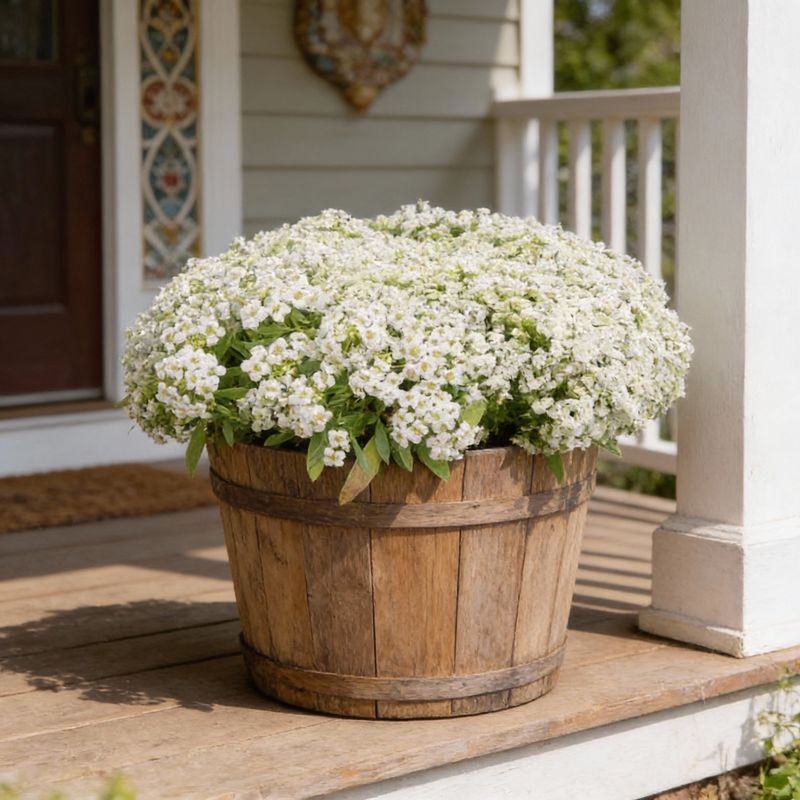
Low, soft, and honey-scented, sweet alyssum works like a living lace edge. Clouds of tiny white, pink, or purple flowers spill over walls and fill gaps between taller plants.
It handles light frost well and keeps blooming through most Central Texas winters. A hard freeze may brown it, yet it often recovers once the weather warms.
- Best use: bed edges, hanging baskets, under roses
- Bonus: attracts beneficial insects that eat aphids
Plant transplants in fall and shear lightly if they get leggy in late winter.
8. Stock
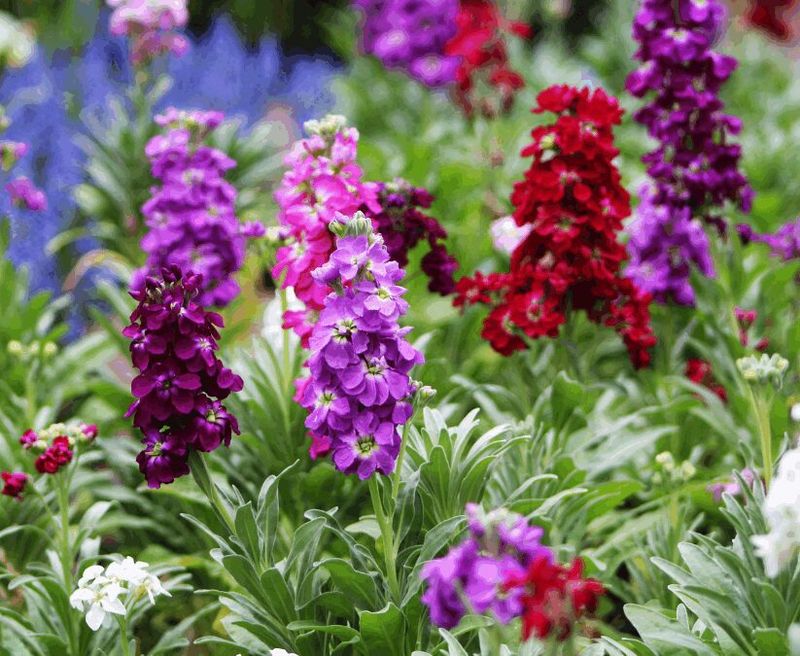
Open the back door on a calm February evening and stock may greet you before you see it. Its spicy-sweet fragrance is strongest at dusk.
Stock grows upright spikes packed with ruffled blooms in lavender, rose, cream, and white. It prefers cool weather and can handle light freezes, though protection below about 25 degrees is wise.
Keep it near patios, entries, or windows where the scent counts. Once April warmth hits, it will fade, so enjoy it as a true cool-season treat.
9. Cyclamen

Cyclamen looks delicate, with swept-back petals like tiny butterflies, but it is tougher than its looks for a covered porch. Silver-marked leaves add interest even between blooms.
It loves cool nights in the 40s and 50s yet dislikes hard freezes, so pots work best. Move them into a garage when a big cold front rolls through, then back out once it passes.
Water at the soil edge rather than over the crown to prevent rot. In shady entries where pansies sulk, cyclamen brings rich red, pink, and white color all winter.
10. Texas Bluebonnet
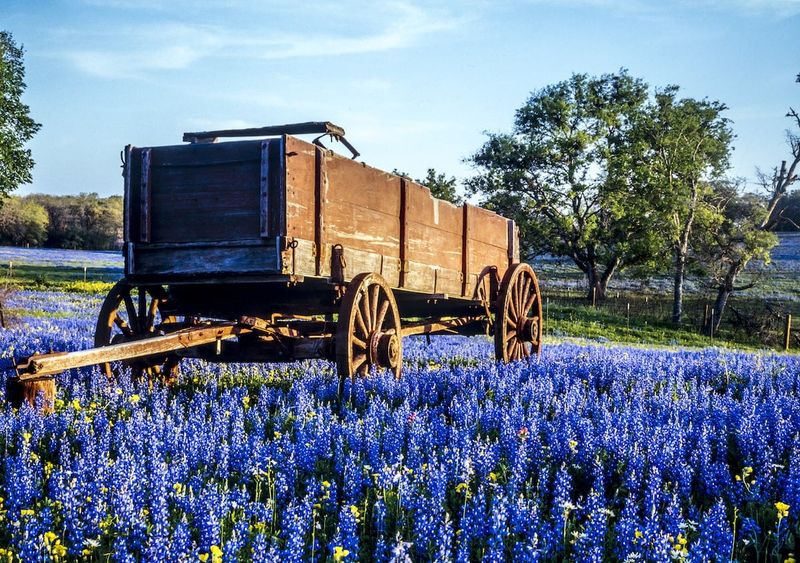
No winter list for Central Texas would feel complete without the state flower. Bluebonnets do their quiet work all winter as fuzzy green rosettes, then explode into blue in late February and March.
Sow seed or plant transplants in fall in a sunny, well-drained spot with little fertilizer. These native lupines handle cold with ease and actually need the cool months to build roots.
Mix them with pansies or snapdragons so you get color now and a native finale that feeds early bees. Let seed pods dry on the plant and next year may bring even more.