

Eastern box turtles are North Carolina’s official state reptile, and right now they are searching your yard for a safe place to spend the winter. Between late September and November, many of them dig into leaf piles, loose soil, and brushy corners, the same spots we tend to clean up in fall.
A few common chores can injure or expose a turtle without you ever knowing it happened. The good news is that small changes in timing and technique can keep your yard tidy and your turtles safe.
1. Mowing Tall Grass and Field Edges

Ask any wildlife rehabber in the Triangle what injury they see most in autumn, and the answer is often a cracked shell from a mower blade. Box turtles do not run from noise.
They pull in and freeze, which works against foxes but fails badly against spinning steel.
Fall mowing is especially risky because turtles are moving toward overwintering sites and often rest in taller grass along fence lines and wooded edges. Raising your deck to 6 inches or higher on those edges can reduce the chance of a strike.
Before cutting rough areas, take a slow walk through first. Mow in the warm afternoon rather than early morning, when turtles are more likely to be out foraging in dewy grass.
Working from the center outward also gives any wanderer a chance to move toward cover instead of getting trapped.
2. Bagging Every Last Leaf

A blanket of oak leaves is basically a box turtle’s down comforter. Turtles often burrow a few inches into soil under leaf litter, and that layer helps buffer them from freezing temperatures through winter.
Raking every bed bare removes that insulation, and leaf vacuums with shredders can pull in small turtles or hatchlings. In the mountains, where first freezes often arrive in October, losing that cover may matter even more.
A simple compromise works for most yards. Keep the main lawn neat, then rake leaves into shrub borders and wooded corners and leave them there until spring.
Your soil gets free mulch, and the beds look intentional rather than messy.
3. Running a String Trimmer Along Fences and Shrubs
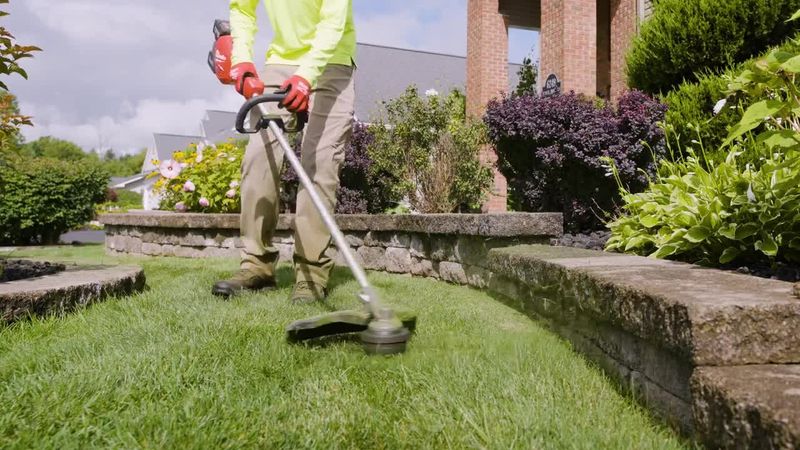
Mowers get the blame, but trimmers sneak into the exact spots turtles love most. Fence bottoms, shrub skirts, and mailbox beds are tight, shady pockets where a turtle can tuck in and nap.
Monofilament line can chip a shell or injure legs and heads before you even see what you hit. Trimmer injuries also tend to happen at close range, since you are working right into the cover.
Try parting thick growth with a rake or your boot before trimming. In spots that are hard to see into, consider letting a strip grow a little shaggy until spring, or swap it for a native groundcover like green-and-gold that needs less edging.
4. Tilling and Digging Fall Beds
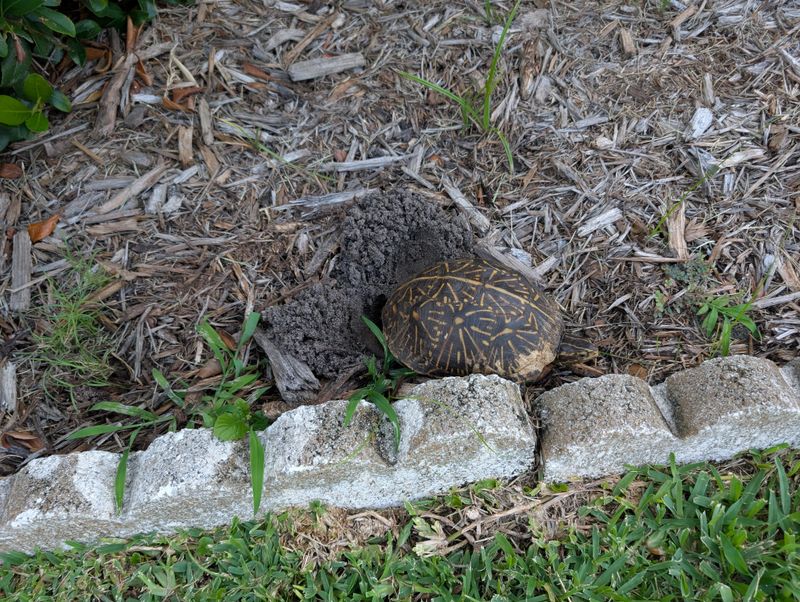
October is prime bulb-planting time across much of North Carolina, and it also happens to be when box turtles start settling underground. That overlap is easy to miss.
Turtles may dig into soft, loose soil in garden beds, sometimes only a few inches deep. A tiller can turn up or crush one before you know it is there.
Hatchlings from summer nests may also still be shallow in the soil in early fall.
Hand tools give you a better chance of feeling something solid and stopping. If you need to till, do it in late September before most turtles burrow in, and skip any bed that borders woods.
Plant bulbs with a trowel or bulb auger in small holes instead of churning the whole area.
5. Burning Brush Piles
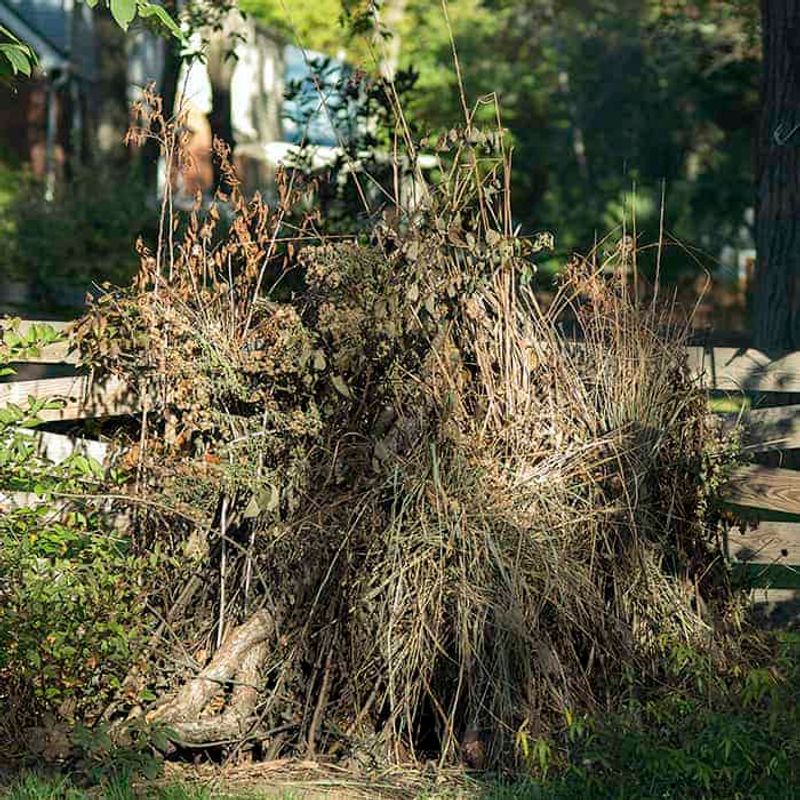
That pile of storm limbs from summer looks like trash to us. To a box turtle, it looks like a five-star hotel with shade, insects, and moisture.
Burning a brush pile in fall can be deadly for turtles sheltering inside, and they cannot escape fire quickly. Even moving the pile with a tractor may injure animals tucked into the base.
If the pile must go, break it down by hand from the top over a few days and check the bottom layer carefully. A better option is often to keep one small pile in a back corner on purpose.
It can also shelter wrens, toads, and beneficial insects through winter. Always check local burn rules from the NC Forest Service first.
6. Spreading Slug Bait and Pesticides

Here is a fun fact: box turtles eat slugs, snails, beetles, and worms with real enthusiasm. In other words, they are part of your garden’s free pest patrol.
Fall is when many gardeners scatter slug pellets or spray for grubs. Some baits, especially older metaldehyde products, can be toxic to wildlife, and turtles that eat poisoned prey or bait may be harmed.
Broad lawn insecticides can also shrink the food supply turtles need to fatten up before winter.
Iron phosphate baits are generally considered lower risk, and hand-picking or beer traps can reduce slugs in small beds. Try to treat only problem spots instead of the whole yard.
7. Moving Turtles Out of the Way

It feels kind, but relocating a box turtle across town is one of the most harmful well-meaning things a homeowner can do. These turtles may spend most of their lives in a small home range, sometimes just a few acres.
A turtle dropped somewhere new may wander for weeks trying to get home, often crossing roads in the process. In fall, that can leave it without a safe spot to overwinter.
If one is in a dangerous place during yard work, move it only a short distance, into nearby cover in the direction it was facing. On roads, carry it across to the side it was heading toward.
Then let it be. It knows your yard better than you think.
8. Leaving Open Holes and Window Wells
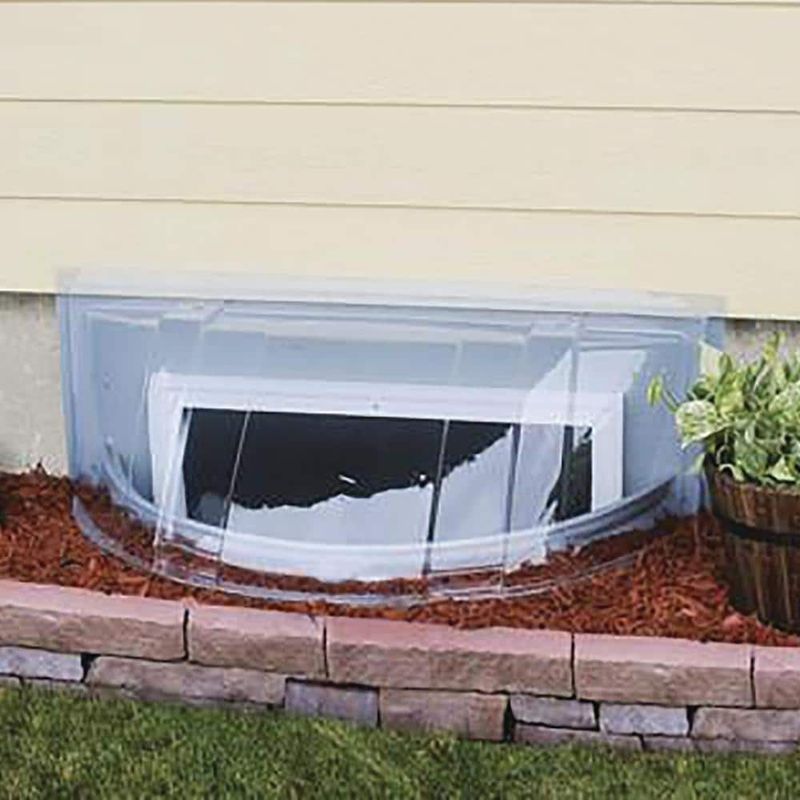
Plenty of fall projects leave holes behind: fence repairs, new shrubs, drainage fixes. A wandering box turtle can tumble in and get stuck with no way to climb smooth sides.
Window wells, empty pots sunk in the ground, and dry pond liners trap turtles more often than people realize. Without shade or water, a trapped turtle may weaken fast during warm fall afternoons, which are common in the coastal plain.
Cover holes with a board at the end of each day, or lean a stick or ramp into them so animals can climb out. Mesh window-well covers are an easy weekend fix.
Make a quick loop of the yard every few days through November to check.