
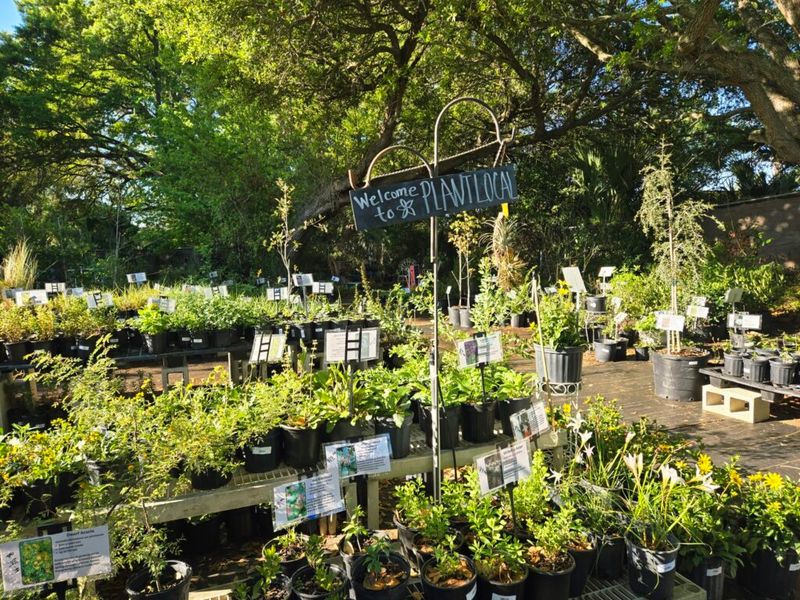
Florida yards need trees that can take wind, salt, heat, and sudden floods. Many big-box garden centers sell the same fast-moving plants, but they often skip the tough native trees that belong here. Across the state, smaller native nurseries are growing those harder-to-find choices for homeowners who want stronger, lower-care landscapes. Here are nine Florida nurseries worth knowing before you plant your next shade tree, privacy screen, or wildlife-friendly corner.
1. Green Isle Gardens
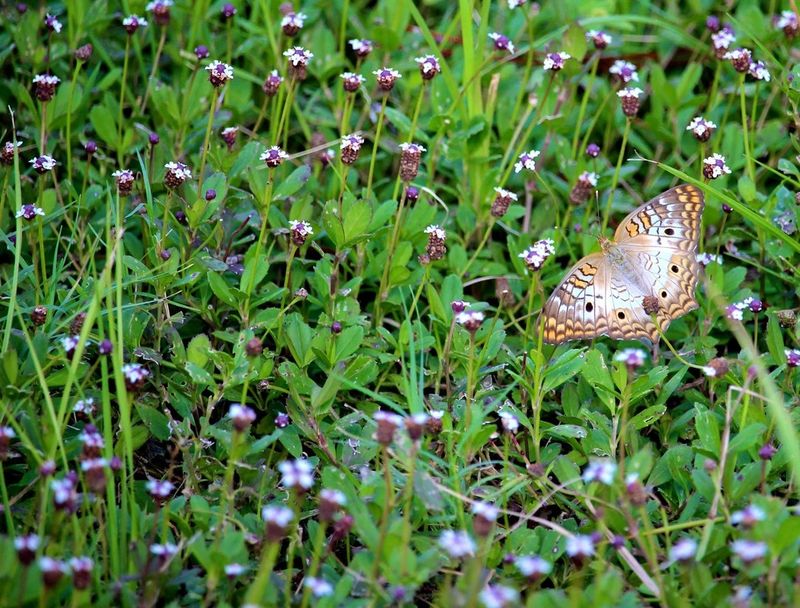
A short drive into Lake County can feel like stepping into the plant version of a local secret. Green Isle Gardens in Groveland has built a strong following among Florida gardeners who want natives that can handle real Central Florida conditions, not just look pretty for a weekend on a store shelf.
The nursery stands out because it carries a deep mix of native trees, shrubs, wildflowers, and groundcovers, which makes it easier to design a whole yard around storm resilience. Homeowners looking for live oak, red maple, sweetbay magnolia, Simpson’s stopper, wax myrtle, or yaupon holly can often find better native options here than in a typical big-box row.
For sandy soil and summer heat, that matters. Locally adapted natives usually need less pampering once established, and many also feed birds, pollinators, and other wildlife. A tree like live oak can become a long-term windbreak and shade anchor, while wax myrtle can fill in as a fast-growing screen.
Green Isle also feels useful for people planning ahead after storm season. Instead of replacing broken ornamentals with the same weak choices, gardeners can ask about native structure plants that suit their site, spacing, drainage, and sun. That kind of practical guidance is the part big-box stores rarely stock.
2. The Natives
Near the Gulf Coast, plants do not get an easy life. Salt air, dry spells, sudden downpours, and tropical wind all test a yard fast, which is why The Natives in Sarasota has become a useful stop for gardeners who want plants with Florida grit.
This nursery earns its place on the list because of its coastal mindset. Many homeowners along or near the Gulf need trees that tolerate wind and salt better than soft, water-hungry ornamentals. Native choices like gumbo limbo, southern red cedar, Simpson’s stopper, wild lime, and sea grape can be much better fits in the right locations.
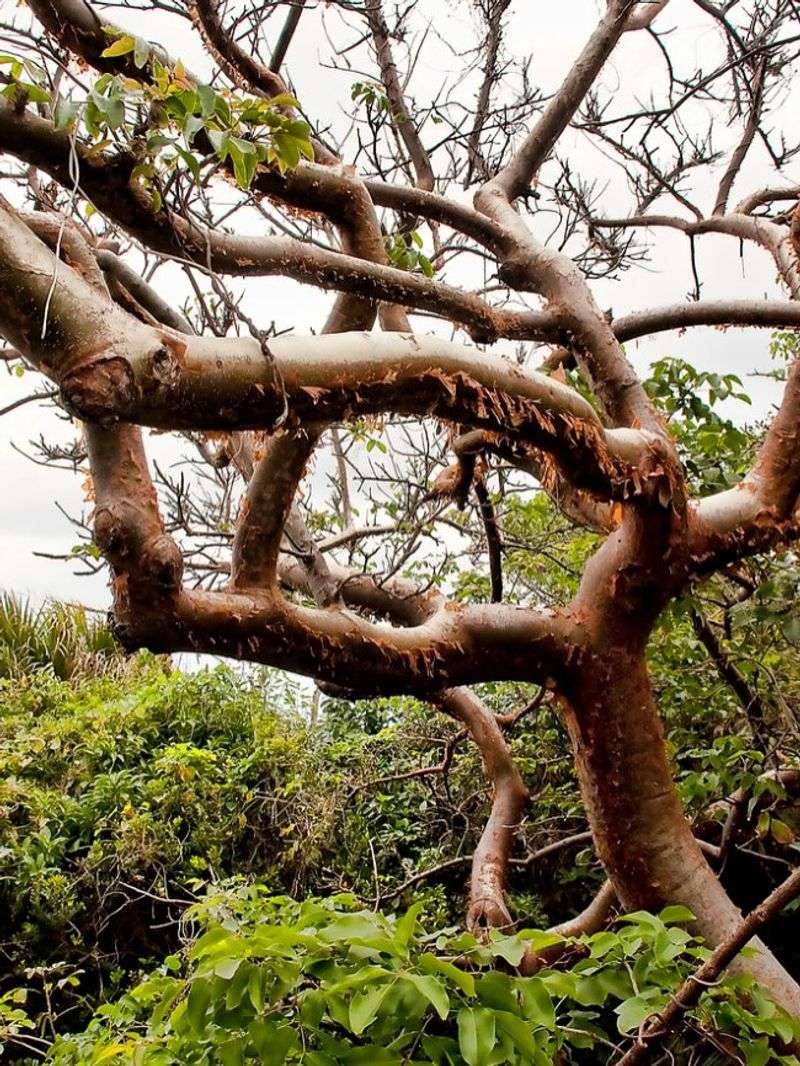
Gumbo limbo is a great example of a tree big-box stores may overlook because it is more regional than universal. In South and coastal Central Florida, it is valued for its peeling coppery bark, fast recovery, and ability to bring a tropical look without acting like a fussy import.
The Natives also helps gardeners think beyond one pretty tree. A storm-ready yard is usually layered, with canopy trees, smaller understory trees, shrubs, and groundcovers working together. That layered approach can slow wind, reduce bare sand, shelter birds, and make the whole landscape feel less fragile when rough weather rolls in.
3. Wilcox Nursery and Landscape
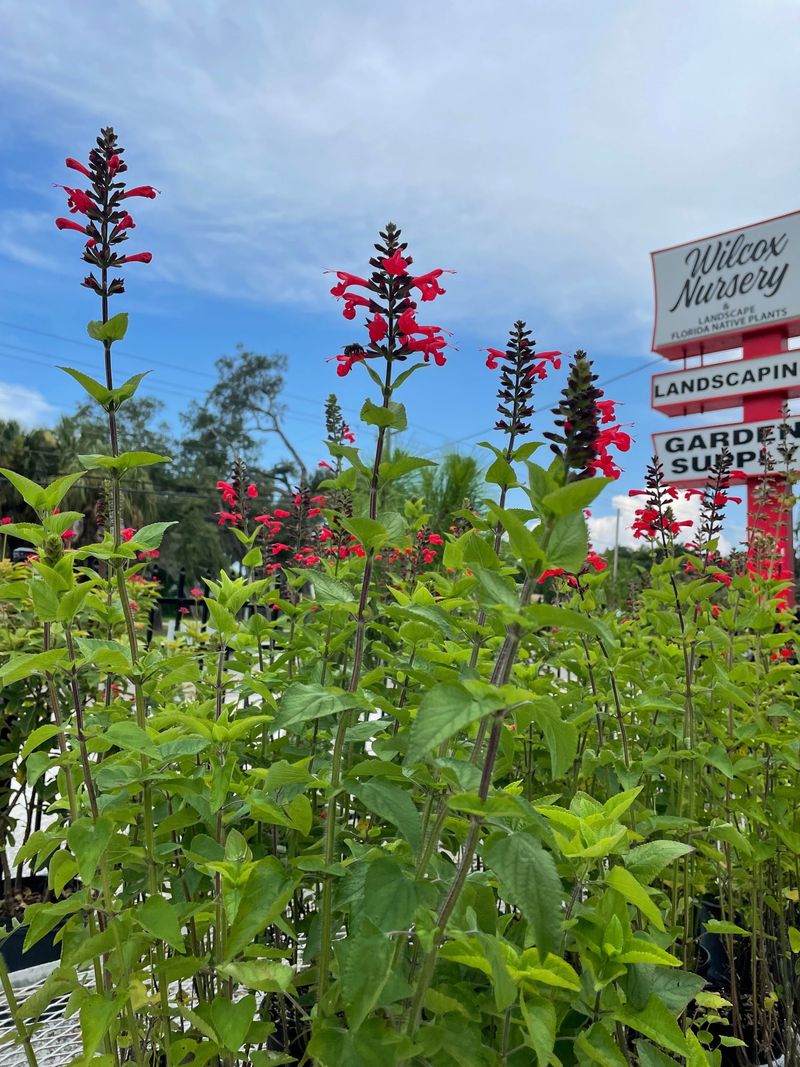
Some nurseries feel like they were built for impulse buys, but Wilcox Nursery and Landscape in Largo feels more like a planning desk for Florida yards. It has long been tied to native landscaping in the Tampa Bay area, where homeowners juggle sandy soil, heat, limited space, and hurricane anxiety all at once.
What makes Wilcox different is its blend of retail nursery stock and landscape know-how. A homeowner can shop for trees, but also learn how those trees will behave near a driveway, under power lines, beside a pool cage, or along a narrow side yard. That advice can prevent expensive mistakes.
For storm-minded planting, the nursery’s native tree and shrub selection often points people toward choices with real Florida usefulness. Dahoon holly can handle wetter spots and brings berries for birds. Southern magnolia offers evergreen structure where there is room. Slash pine supports wildlife and gives a distinctly Florida look in larger landscapes.
Pinellas and nearby counties also have many yards with compacted fill, irrigation limits, and salt influence. The best tree on paper may fail if planted in the wrong corner. Wilcox’s strength is helping gardeners match the plant to the place, which is exactly how low-maintenance landscapes begin.
4. Florida Native Plants Nursery
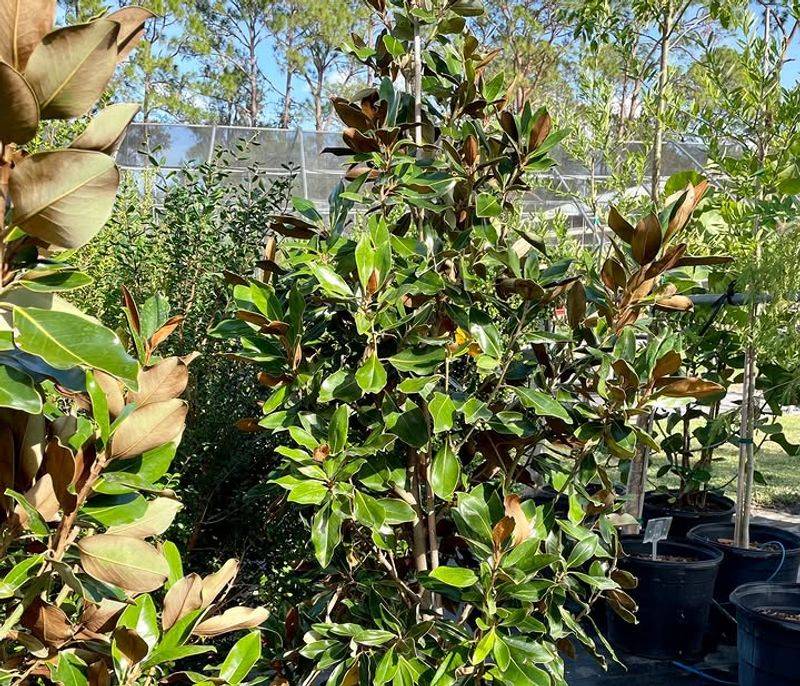
Hidden-in-plain-sight nurseries often carry the plants that make a Florida yard feel rooted, and Florida Native Plants Nursery is that kind of place. Instead of chasing every trendy ornamental, it focuses on native species that fit the state’s soils, wildlife, and wild weather patterns.
The reason this nursery belongs here is simple: it gives gardeners access to plants that are not always glossy enough for big-box displays but are deeply useful in real yards. Native trees such as live oak, sweetbay magnolia, red bay, and wax myrtle can handle Florida’s swings better than many delicate imports when planted correctly.
Sweetbay magnolia deserves special attention for wetter properties. In places that hold water after heavy rain, it can bring fragrant white blooms and wildlife value without demanding the perfect dry bed. Red bay, meanwhile, has ecological value as a host plant for the palamedes swallowtail butterfly, though gardeners should ask local experts about laurel wilt concerns before planting.
Shopping at a nursery like this also helps homeowners avoid the copy-and-paste landscape problem. Instead of another row of stressed exotics, a yard can become a living buffer with shade, food for birds, nectar for pollinators, and roots that help hold sandy soil in place.
5. Chiappini Farm Native Nursery
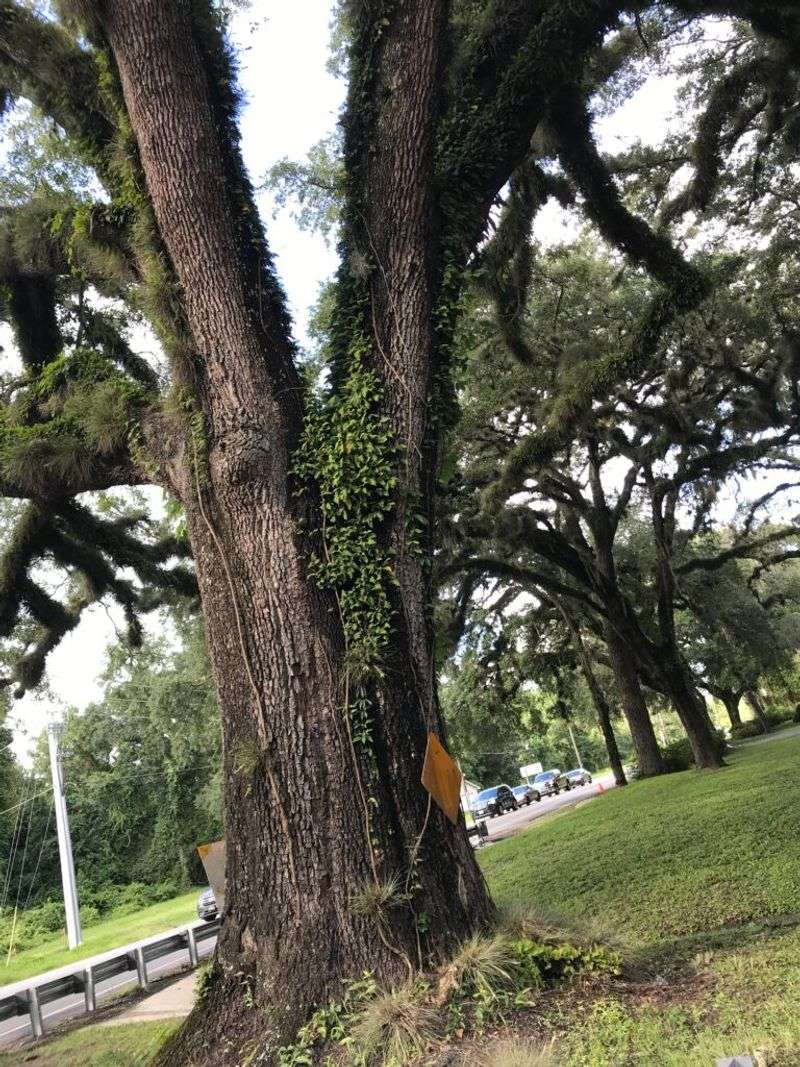
There is something reassuring about a nursery that looks built for serious planting, not just weekend browsing. Chiappini Farm Native Nursery in Hawthorne has that workhorse feel, with a focus on Florida natives grown for landscapes, restoration projects, and homeowners who want plants with staying power.
Its standout feature is scale. Many native nurseries carry small shrubs and wildflowers, but Chiappini Farm is known for trees and larger native material that can help a yard recover faster from canopy loss. After a storm takes out weak or aging trees, being able to source sturdy native replacements can make a big difference.
North and Central Florida gardeners may be looking for live oak, southern magnolia, red maple, bald cypress, slash pine, or native hollies. Each has a different job. Bald cypress can suit wet areas, red maple brings seasonal color in the right conditions, and live oak is one of Florida’s classic long-lived shade anchors.
The farm setting also reminds buyers that trees are long-term infrastructure. A good native tree is not a decoration you swap next year. It cools the house, holds soil, supports wildlife, and shapes how wind moves through the property for decades.
6. Mesozoic Landscapes
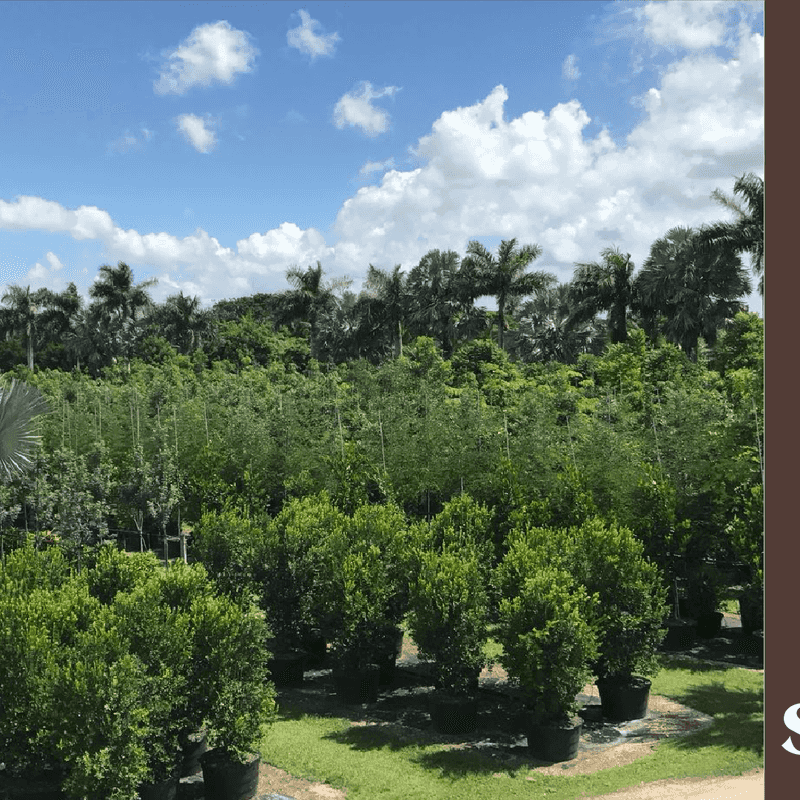
For gardeners who like plants with a backstory, Mesozoic Landscapes brings a bit of wild South Florida into the shopping cart. Its plant palette leans into native and regionally appropriate species that echo hammocks, pine rocklands, and coastal habitats instead of the same few ornamentals seen in every parking lot.
The nursery is especially interesting for storm-aware South Florida homeowners because tropical hardwood hammock species can be surprisingly useful in layered landscapes. Trees and large shrubs such as pigeon plum, Jamaica caper, marlberry, satinleaf, gumbo limbo, and stoppers can create dense, wildlife-friendly structure when matched to the right site.
That density matters. A yard with only lawn and a few top-heavy ornamentals gives wind very little to break against. A layered native planting can soften gusts, provide bird cover, and reduce the open, baked feeling that makes South Florida yards so harsh in late summer.
Mesozoic Landscapes also fills a niche big-box stores rarely attempt: plants for gardeners who want their property to feel connected to local ecosystems. In Palm Beach, Broward, and Miami-Dade areas, that can mean choosing natives that tolerate heat, humidity, sandy or rocky soils, and seasonal storm stress without constant fussing.
7. Sabal Palm Nursery
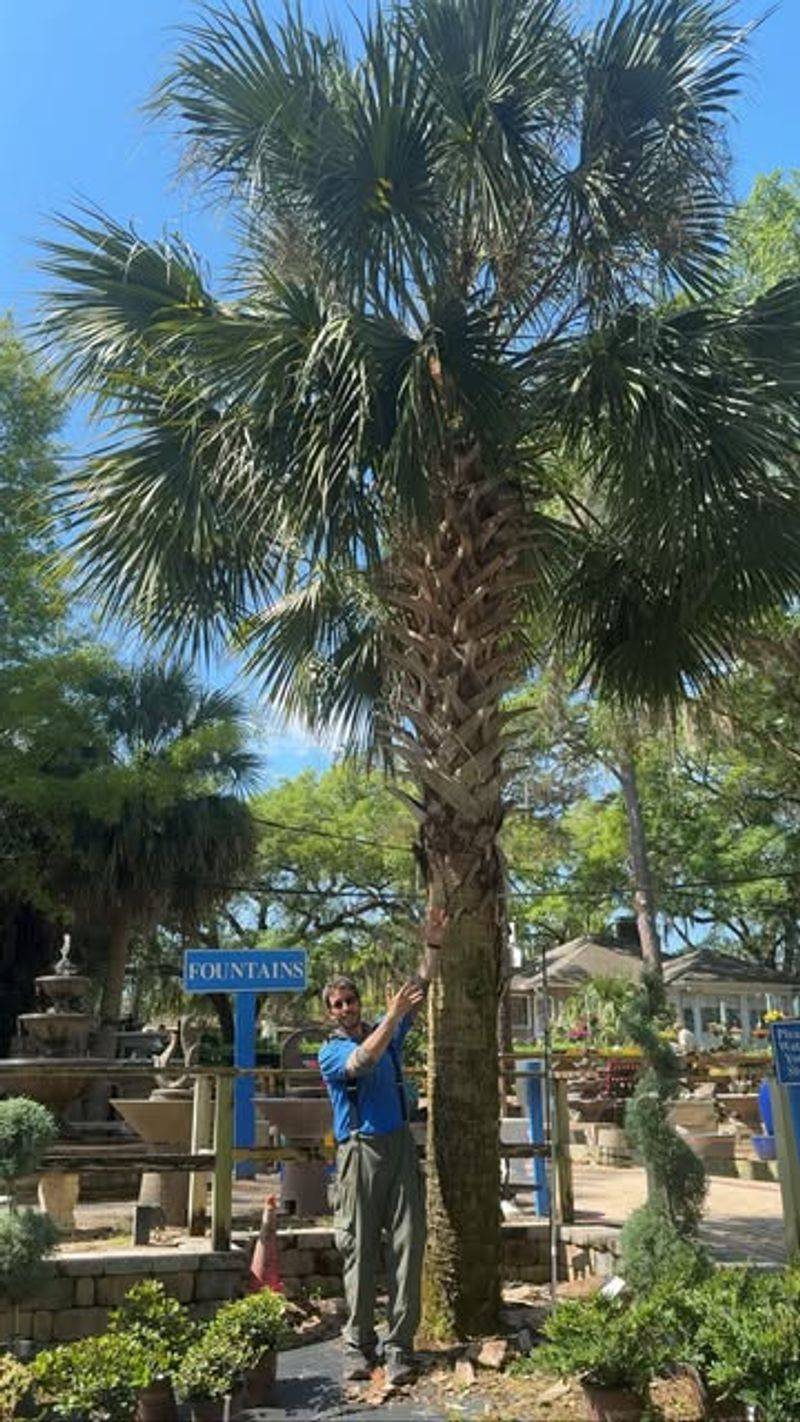
Florida’s state tree does not always get the respect it deserves at garden centers. Sabal Palm Nursery earns attention because sabal palms, also called cabbage palms, are among the most Florida-ready trees a homeowner can plant when the site is right.
Unlike many imported palms that look glamorous but struggle in storms or cold snaps, sabal palms are native, adaptable, and deeply tied to Florida wildlife. Birds use them, insects rely on them, and their sturdy trunks can handle conditions that damage more brittle landscape choices. They also tolerate salt, drought, and periodic wetness better than many common ornamentals.
The big difference here is specialization. A nursery focused on sabal palms and native palm material can help buyers understand size, installation, establishment watering, and spacing. That matters because palms are often planted too close to houses, signs, sidewalks, or each other.
For storm prep, sabal palms are not magic shields, but they are practical. Their flexible crowns and native toughness make them a smarter fit than many overplanted exotics. Add saw palmetto or other native understory plants nearby, and the result can be a low-care Florida look that feels natural rather than forced.
8. All Native Garden Center
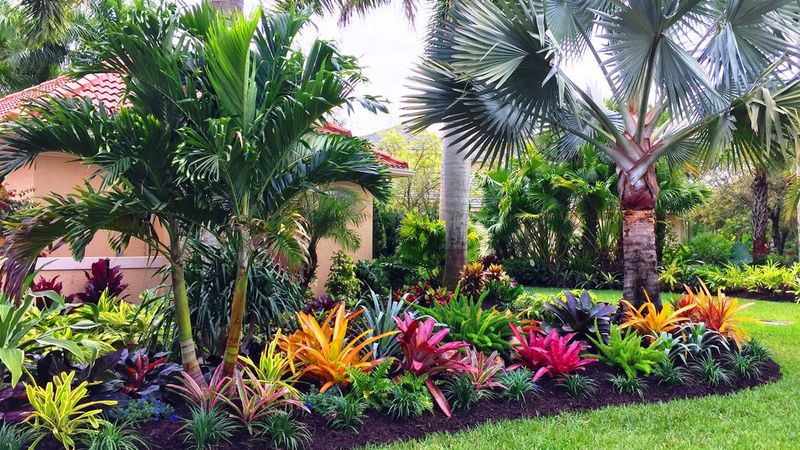
Southwest Florida gardeners know the uneasy feeling of watching a storm track shift toward home. All Native Garden Center in Fort Myers speaks directly to that reality by offering plants suited to heat, sandy soil, wildlife, salt influence, and post-storm rebuilding.
The nursery stands apart because it serves a region where hurricanes, surge, and flooding are not abstract ideas. Choosing native trees and shrubs here is not only about beauty. It is about rebuilding smarter with plants that have a better chance of settling in and supporting the local environment.
Homeowners may find options such as gumbo limbo, live oak, Simpson’s stopper, wild lime, marlberry, and native hollies, depending on availability. Several of these can also help wildlife. Stoppers and hollies feed birds with berries, while wild lime supports giant swallowtail butterflies and adds thorny cover that small birds may use.
Another advantage is education. A good native garden center can explain why the highest, driest corner of a yard needs different trees than a swale or low back fence. In Southwest Florida, that kind of site matching can be the difference between a plant that thrives and one that slowly gives up.
9. Native and Uncommon Plants
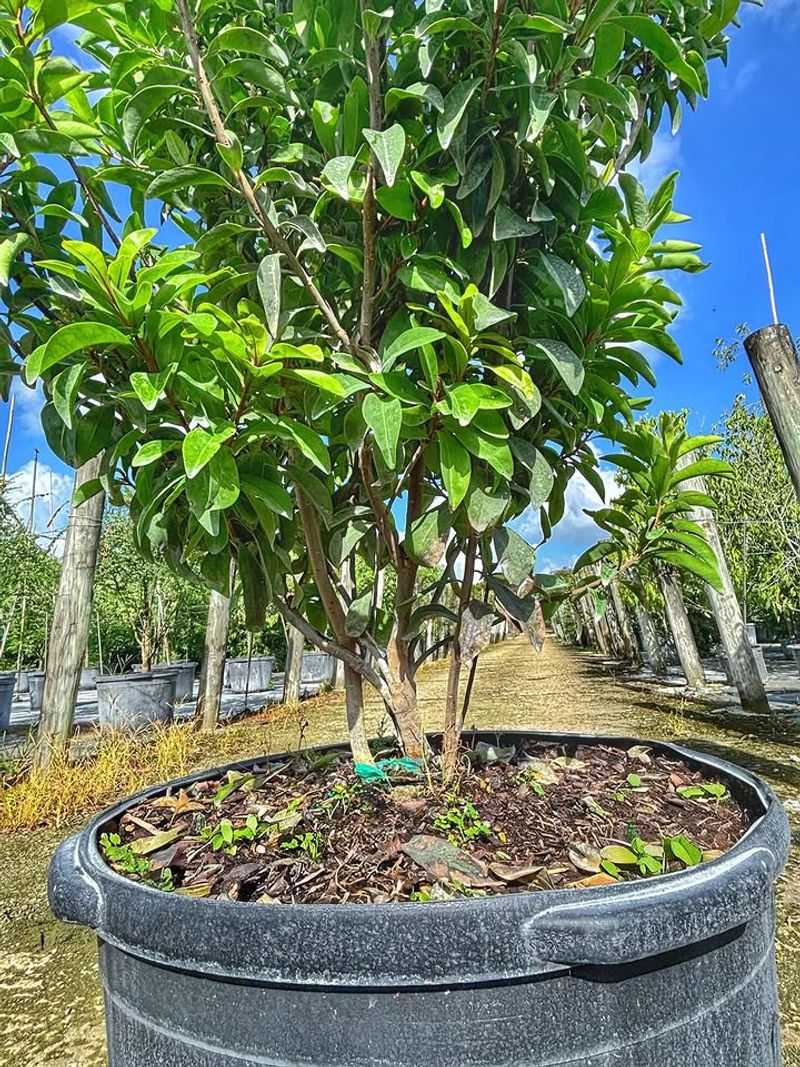
Not every storm-tough tree has to be famous. Native and Uncommon Plants in the Jacksonville area is worth knowing because it highlights the quieter species that can make North Florida yards more interesting, more resilient, and less dependent on the same handful of landscape staples.
North Florida has different needs than Miami or Naples. Gardeners may deal with colder winter dips, sandy acidic soil, heavy summer rain, and strong coastal winds near the Atlantic. A nursery that understands regional natives can guide homeowners toward trees and shrubs that fit those conditions instead of pushing tropical plants too far north.
Look for possibilities like sparkleberry, fringe tree, yaupon holly, red buckeye, native azaleas, live oak, and other locally suitable choices. Sparkleberry, a relative of blueberry, can handle lean soils and offers wildlife value. Yaupon holly is a tough evergreen that can be shaped into a small tree, hedge, or screen.
The fall planting window is a smart time to think about these plants in North Florida. Cooler weather gives roots time to grow before next year’s heat and storm season. Big-box stores may still be full of quick color, but a nursery like this helps gardeners plant the bones of a stronger yard.