
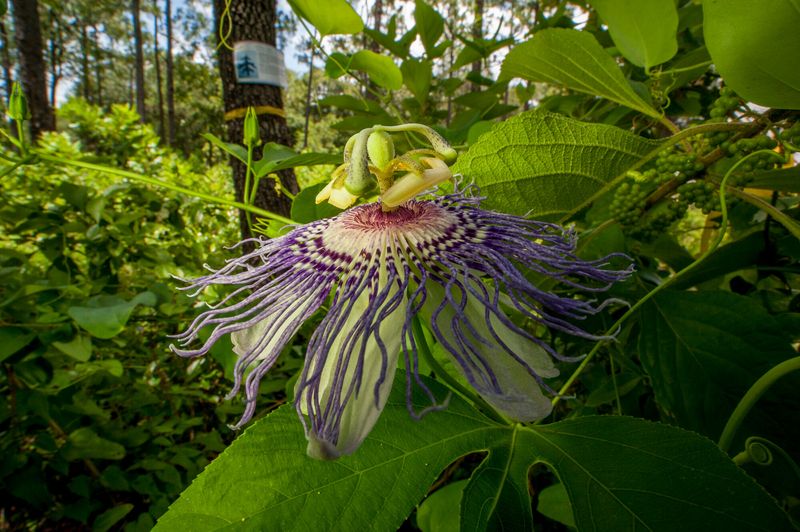
Florida gardeners keep hearing about a native vine that supposedly sends owls hunting for rats while everyone sleeps, and the idea is hard to resist. The plant at the center of that story is purple passionflower, also called maypop, a genuinely worthwhile Florida native with real habitat value. What it cannot do is summon an owl to your yard or replace the exclusion work that actually keeps rats out of a house. Growing it the right way, understanding what owls really need, and sealing your home are three separate jobs worth doing together.
Purple passionflower is a habitat plant, not an owl switch
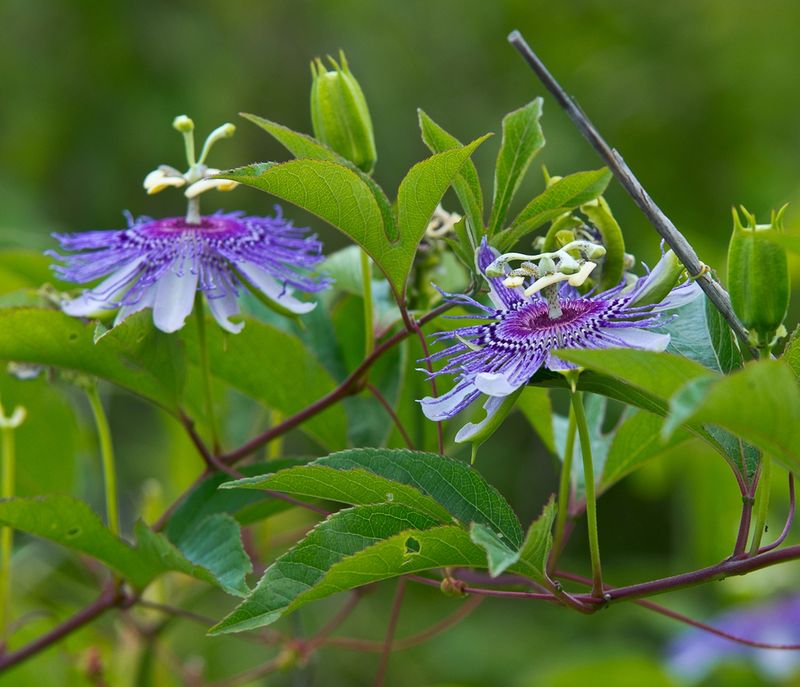
Maypop, the common name most Floridians use for Passiflora incarnata, is a legitimate Florida-native vine with a track record that does not need embellishment. UF/IFAS Gardening Solutions lists it as native across Florida, cold-hardy through zones 7B to 11, fast-growing, and drought-tolerant once the root system settles in. Those are real advantages for a state where summer heat and sandy soil punish plants that need constant coddling.
The vine produces dense, layered cover that shelters small animals and insects, and it is one of the primary larval host plants for the Gulf fritillary butterfly. Zebra longwing and variegated fritillary caterpillars use it too. That butterfly support makes it a genuinely useful addition to a Florida wildlife garden, and the showy purple flowers are an honest bonus rather than a marketing claim.
Here is where the headline premise breaks down. No UF/IFAS publication, no Florida Fish and Wildlife Conservation Commission (FWC) profile, and no peer-reviewed study identifies purple passionflower as an owl attractant. The vine does not release a chemical signal, does not mimic prey, and does not create a condition that causes an owl to choose one yard over another. What it can do is contribute to a broader habitat that, over time, may make a property more useful to a wider range of wildlife.
That is a worthwhile goal, but it is a different promise than overnight rat control.
One distinction matters enough to state clearly: Passiflora incarnata is the Florida native to plant. Passiflora edulis, the cultivated passion fruit sold at many garden centers, is identified by UF/IFAS as predicted invasive and is not recommended. Check the species name on the tag before buying.
Give the maypop a trellis, not a route into the house
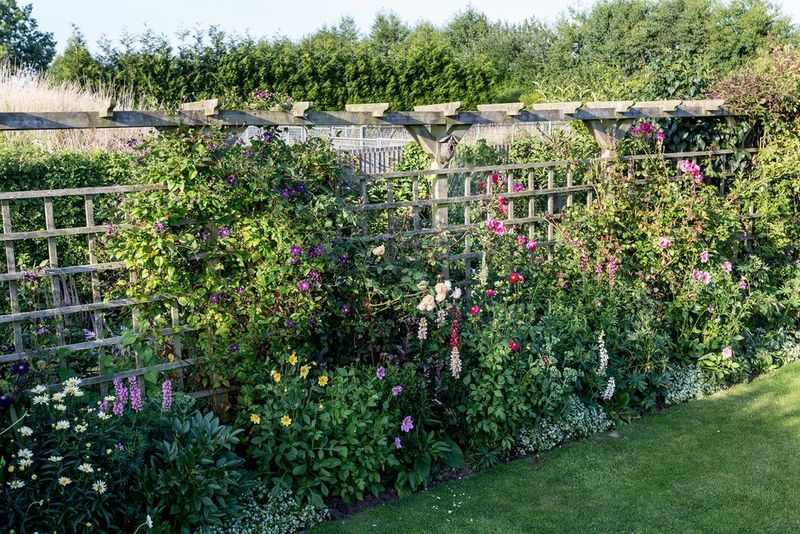
Maypop grows fast, and that speed is one of its selling points in a Florida landscape. Left without direction, though, the vine will spread horizontally through shallow rhizomes, especially in the loose sandy soil and thick mulch that cover most Florida yards. UF/IFAS notes that passionflower needs room to spread and may require heavy pruning to stay manageable, which means the planting location matters as much as the plant itself.
A freestanding trellis, a sturdy fence panel, or an arbor positioned away from the house gives the vine a clear path upward without putting dense vegetation against the wall. That separation is not just about aesthetics. Vines and thick foliage growing directly on or against a structure create sheltered pathways that rodents use to reach gaps around windows, doors, utility penetrations, and rooflines. EPA guidance on preventing rodent infestations specifically recommends removing dense vegetation and deep mulch immediately beside walls when controlling or preventing a rodent problem.
Practical placement looks like this: set the trellis or arbor at least two feet from any exterior wall, and keep the base of the vine clear of the foundation. Trim rhizome runners that head toward the house or disappear under mulch near the structure. Pull any shoots that begin climbing utility lines, downspouts, or roof overhangs.
Regular pruning also keeps the plant healthy. Cutting back hard in late winter encourages vigorous new growth in spring and prevents the vine from becoming a tangled mass that is difficult to inspect. A well-maintained maypop on a dedicated support is an asset; the same plant left to sprawl against the house becomes a liability for the very rodent problem you are trying to reduce.
Build layered habitat instead of betting on one plant
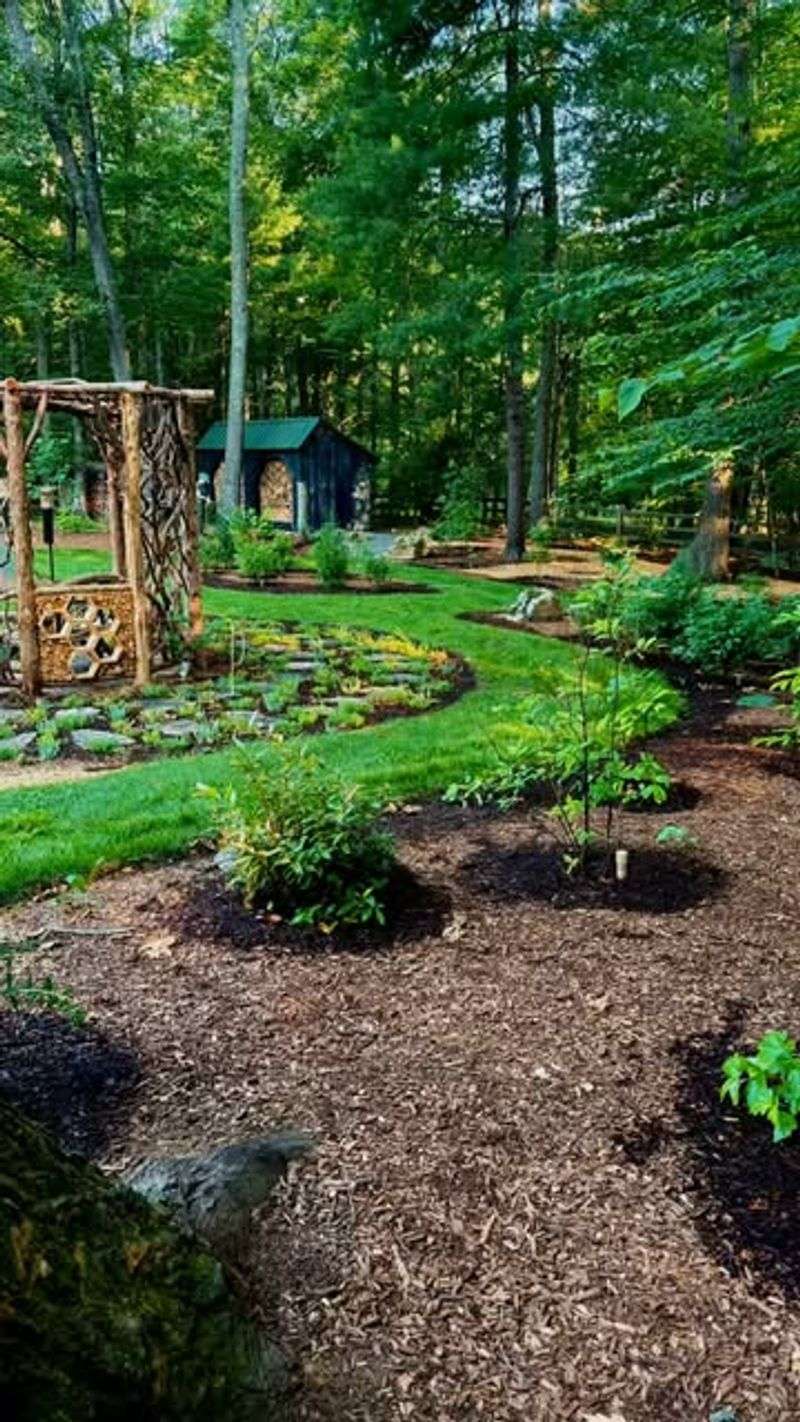
One vine cannot supply everything a predator needs to settle into a yard. FWC frames wildlife gardening around four conditions: food, water, shelter, and space to raise young. A passionflower planting addresses part of the shelter column, but it leaves the other three largely untouched unless the rest of the landscape is designed with the same intention.
A layered Florida yard combines large canopy trees, mid-level understory shrubs, and native groundcovers or vines to create the kind of structural diversity that supports a functioning food web. UF/IFAS Extension recommends combining large trees, understory shrubs, and native vines to provide the cover and foraging opportunities that draw a broader range of wildlife over time. Native oaks, wax myrtles, and saw palmettos each contribute something different to that structure, and the maypop fits naturally into the vine layer of that arrangement.
The tradeoff is real and worth stating plainly. More cover, more insects, and more fruit mean more food for the whole food web, which includes rodents as well as the animals that eat them. Fallen passionflower fruit left on the ground, birdseed scattered on a platform feeder, pet food left out overnight, and unsecured garbage are all attractants that can pull rats and mice in before any owl arrives.
FWC recommends securing all outdoor attractants to avoid feeding wildlife unintentionally. Pick up fallen fruit promptly, store birdseed in sealed containers, bring pet bowls inside at dusk, and use latching lids on trash cans. Wildlife gardening works best when the habitat is deliberate and the attractants are managed, not when the yard is simply made more abundant without accounting for what that abundance feeds.
Match the habitat to the Florida owl species
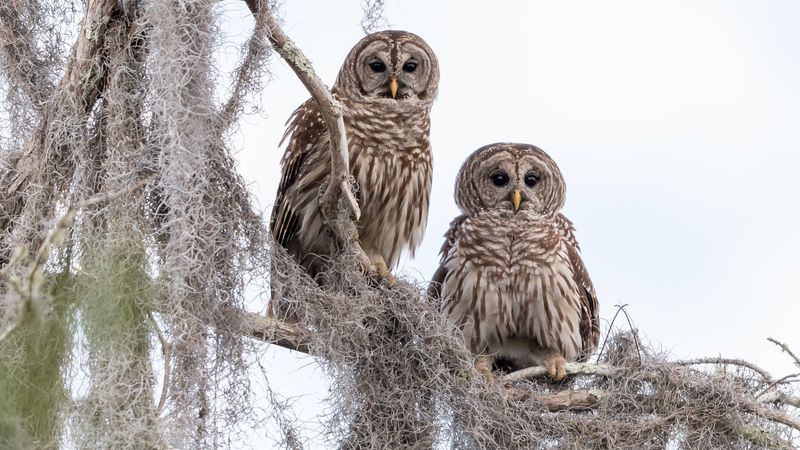
Owls are not interchangeable rat hunters that respond to the same landscape cues. Florida has several owl species, and the habitat each one requires is specific enough that a vine-covered suburban yard does not automatically qualify as useful territory for any of them.
Barn owls are the species most often cited in discussions of agricultural rodent control. The UF/IFAS barn owl fact sheet describes them as birds of open habitat: fields, grasslands, marshes, and agricultural land where they can hunt by flying low over unobstructed ground. Natural nesting sites can be scarce in those landscapes, which is why properly designed nest boxes placed in suitable open areas can increase barn owl occupancy. A densely planted suburban yard with a passionflower trellis does not replicate that hunting environment.
If barn owls interest you, the relevant question is whether your property or a nearby open area has the unobstructed ground cover they actually hunt over, not whether you have the right vine.
Barred owls present a different picture. FWC describes Florida barred owls as birds of mature, dense woodland, including oak hammocks, cypress swamps, and mixed forest, often with a creek or pond nearby. They do eat rats and other small mammals, along with frogs, crayfish, and birds. A yard with large mature trees and access to water is closer to their preference than a standard suburban lot, but even then, their presence depends on territory availability and broader landscape context, not a single planting decision.
The Florida burrowing owl deserves a clear distinction here. It is a state-threatened species that uses open, treeless areas and digs ground burrows, the opposite of what a passionflower trellis provides. FWC notes that burrowing owls eat mostly insects, with rodents forming only a small part of their diet. They are not the owl this article or any vine planting is designed to attract.
Seal the house for dependable rodent control
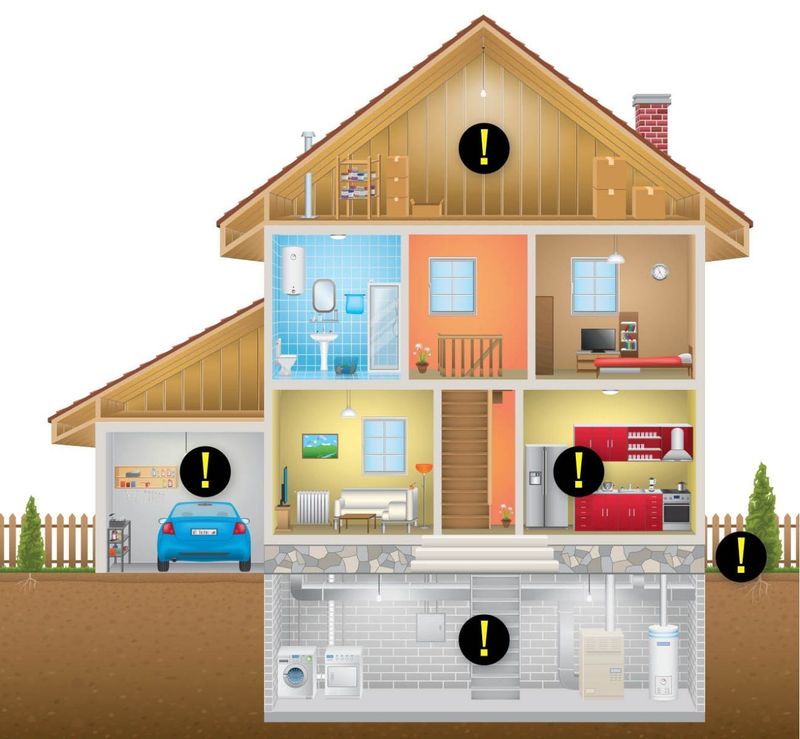
Habitat improvements belong in the yard. Rodent control belongs at the foundation, walls, and roofline of the house. Those are separate jobs, and only one of them reliably keeps rats and mice from getting inside.
CDC guidance on sealing homes against rodents explains that mice can squeeze through openings as small as a quarter inch, roughly the diameter of a pencil eraser. Rats need only about half an inch. Every gap around a pipe, conduit, vent, door frame, or roofline is a potential entry point. Walk the exterior of your home and probe any opening with a pencil; if it fits, so can a mouse.
Fill small gaps with steel wool packed tightly and secured with caulk, use hardware cloth for larger openings, and replace damaged door sweeps and weatherstripping.
Food and garbage management matters just as much as physical sealing. Secure garbage cans with latching lids, store pet food in sealed hard-sided containers, and bring bowls inside before dark. EPA recommends removing leaf piles, deep mulch, brush, and woodpiles stored against the house, because those materials provide nesting cover and warmth that rats and mice actively seek. That guidance applies directly to the habitat planting plan: keep the maypop and any other dense vegetation away from the structure itself.
Owl presence does not change this math. An owl hunting a territory may catch rodents on your property on a given night, but it does not patrol a specific house, seal a gap behind the dryer vent, or remove a nest already established inside a wall. When exclusion and sanitation are not enough to resolve an active infestation, snap traps placed along walls and in enclosed spaces where children and pets cannot reach them are a direct, wildlife-safe option. A licensed pest control professional can identify harborage areas and entry routes that are easy to miss on a self-inspection.
Reduce rodenticide risks to owls and other predators
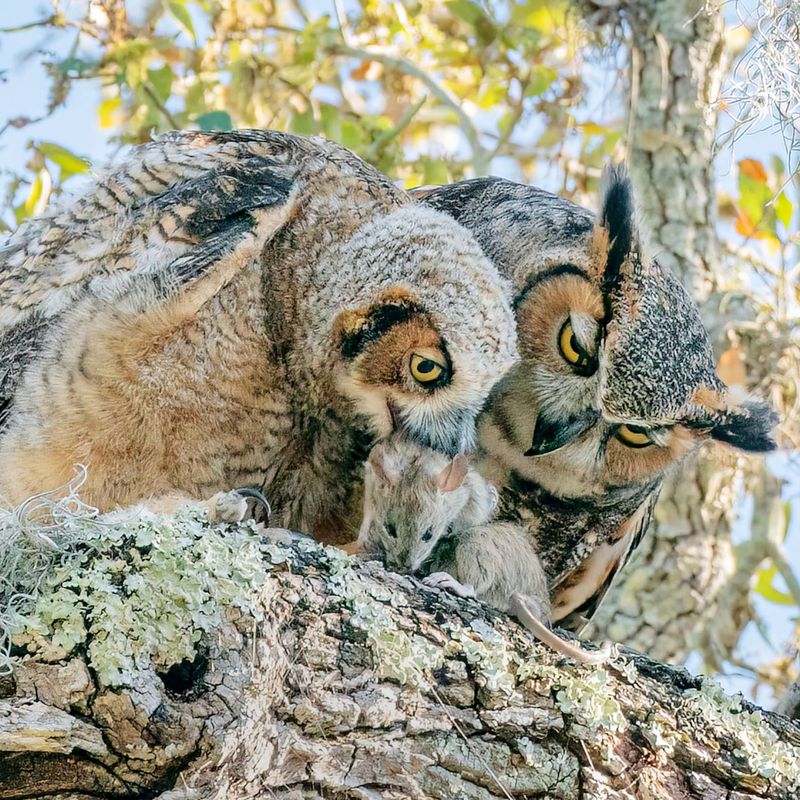
Rodenticides can reach owls, hawks, foxes, and other predators without those animals ever touching a bait station. When a poisoned rodent slows down before it dies, it becomes easier to catch, and the predator that eats it ingests whatever the rodent consumed. EPA’s rodenticide safety review identifies second-generation anticoagulant rodenticides as posing especially high secondary-poisoning risks to predators, because those compounds accumulate in tissue and a single poisoned rodent can carry a lethal or sublethal dose for the animal that eats it. FWC has documented this exposure pathway in Florida raptors, including owls found in suburban and urban areas.
Choosing non-rodenticide control methods reduces that specific risk. Snap traps, exclusion, and sanitation do not create a poisoning chain. That is a genuine reason to prefer them when managing a rodent problem near habitat you are trying to improve for wildlife. What it does not mean is that avoiding rodenticide guarantees an owl will visit, or that poison-free control is always sufficient on its own.
Active infestations sometimes require traps, professional assessment, or both.
Never place food, dead rodents, or bait outdoors to attract owls. That approach draws in other wildlife, creates sanitation problems, and does not reliably produce the owl visit it promises. Owls hunt where prey is available across a territory; they do not relocate to a yard because a meal was staged there.
Florida raptors, their eggs, and active nests are legally protected under state and federal law. An owl nesting on or near your property is not available for relocation, and the nest cannot be disturbed. Nesting owls may actively defend the area, so keep a respectful distance. If you find an apparently healthy fledgling on the ground, leave it alone; the parents are likely nearby and the bird is in the normal process of learning to fly.
Contact a licensed wildlife rehabilitator only if the bird appears injured.
Plant the maypop for habitat, then protect the home directly
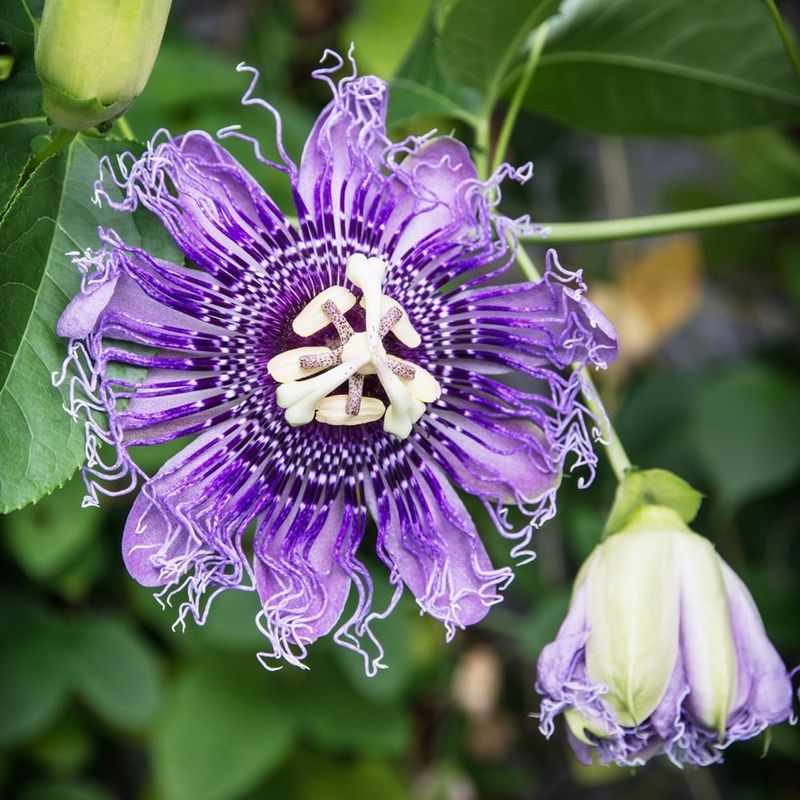
Purple passionflower earns its place in a Florida yard as a fast-growing, drought-tolerant native vine that provides real cover and supports Gulf fritillary butterflies and other wildlife. Plant it on a trellis or fence positioned away from the house, prune it regularly, and manage rhizome runners before they reach the foundation or wall line.
From there, build habitat that fits the owls actually present in your area. Barn owls need open hunting ground and, where natural cavities are scarce, a correctly placed nest box. Barred owls need mature trees and nearby water. Neither species responds to a vine planting alone, and FWC’s habitat framework of food, water, shelter, and nesting space applies across the whole yard, not just one corner of it.
For the house itself, seal every gap a pencil can fit through, secure food and garbage, remove dense cover from the foundation, and use snap traps or professional help when an active infestation needs direct action. Physical exclusion is the step that actually closes the door on rats and mice, regardless of what is growing in the yard. Where raptors may be feeding nearby, avoiding second-generation anticoagulant rodenticides reduces one real poisoning risk. A yard improved for wildlife and a home sealed against rodents are both worth having; they just require different tools.