
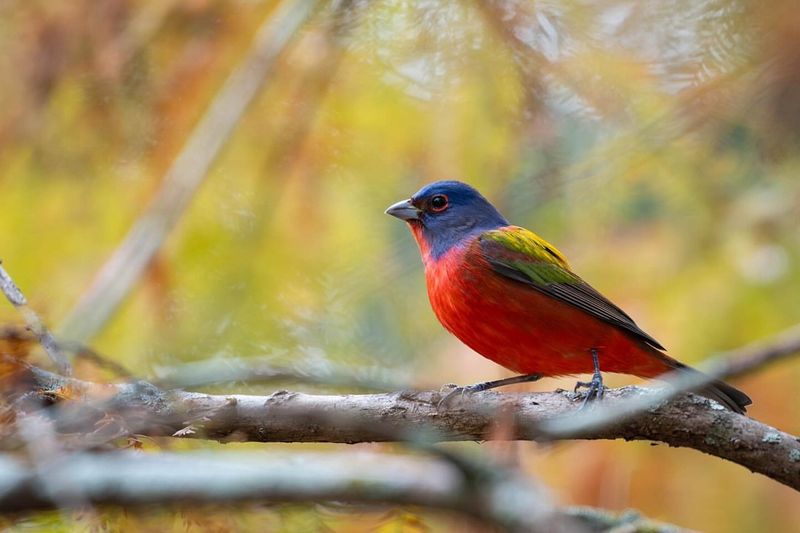
Painted Buntings can vanish from a yard that once felt like their favorite stop. Often, the missing piece is not more seed, but better cover and a richer buffet of tiny insects and wild foods. Florida native vines can turn fences, trellises, and shrub edges into safe feeding lanes for these shy, colorful birds. Here are seven vines that help make a yard feel worth visiting again.
1. Coral Honeysuckle
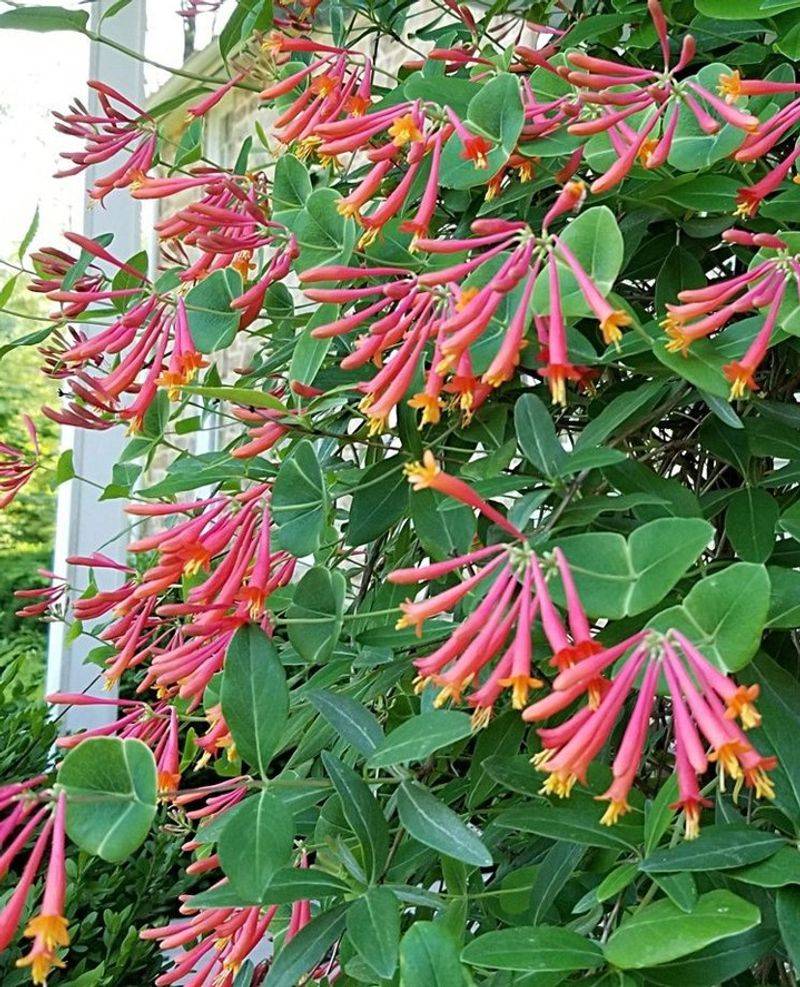
A flash of red-orange flowers on a fence can do more than brighten the view. Coral honeysuckle, also called Lonicera sempervirens, brings structure, nectar, berries, and insect activity into a yard without behaving like the invasive Japanese honeysuckle that Florida gardeners should avoid.
Painted Buntings are seed eaters for much of the year, but they also rely on protected thickets and small insects, especially during active feeding times. Coral honeysuckle helps by drawing caterpillars, small bees, and other insects that make the vine feel alive, while its leafy growth gives buntings a place to slip out of sight between feeding stops.
Florida gardeners often like this vine because it handles sun to part shade and can be trained on a trellis, arbor, or wire fence. In sandy soil, water it well during establishment, then let it settle into a lower-care routine once the roots are strong.
The biggest difference with coral honeysuckle is its tidy manners. It gives a yard that layered, bird-friendly look without swallowing the entire side yard, which matters when storms and fast summer growth are already enough to manage.
2. Passionflower Vine
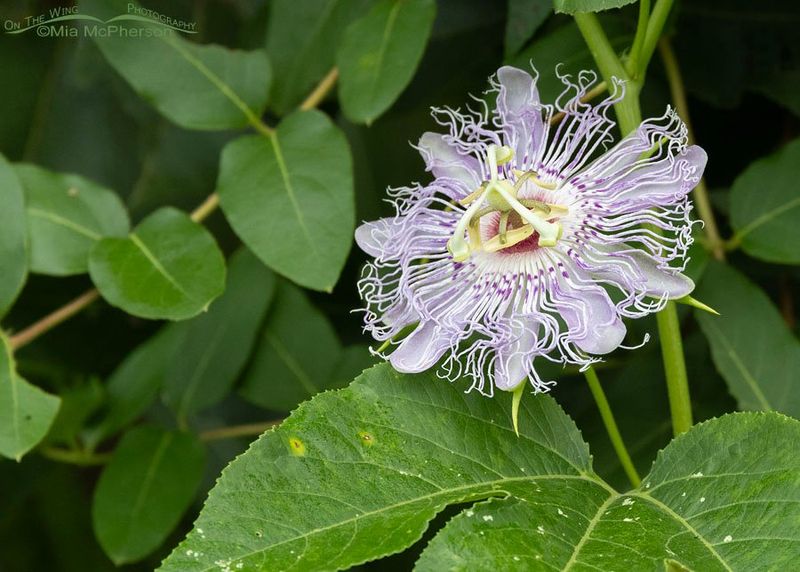
Gardeners who like a little drama usually fall hard for passionflower. The flowers look almost unreal, with purple filaments and a tropical shape that fits right into a Florida yard, but the real value for Painted Buntings is the mini food web it supports.
Native passionflower vines, such as Passiflora incarnata, are famous host plants for Gulf fritillary and zebra longwing butterflies. That means leaves may get chewed, and that is a good sign. Chewed leaves often mean caterpillars and other soft-bodied insects are present, which can make the area more attractive to birds hunting quick protein.
Painted Buntings tend to avoid wide-open feeding stations where they feel exposed. A passionflower-covered fence or shrub edge creates a leafy tunnel where they can pause, watch, and move quietly. Add native grasses or a brushy corner nearby, and the setup becomes even more useful.
Give passionflower room, because it can ramble with enthusiasm in Florida heat and rain. A sturdy trellis or fence is better than a delicate plant support, and occasional pruning keeps it from climbing over small shrubs you want to protect.
Its special strength is energy. Passionflower makes a yard buzz, flutter, and rustle, and that liveliness is exactly what many too-neat yards lose.
3. Virginia Creeper
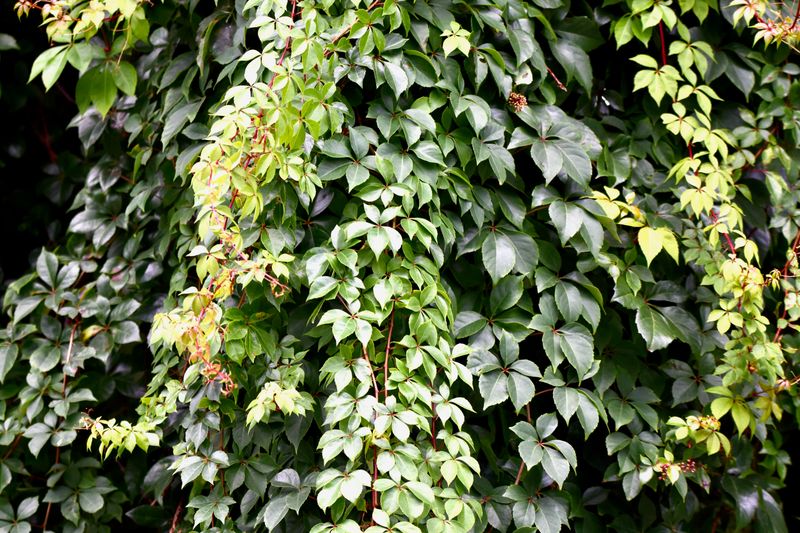
Not every bird-friendly vine has to win attention with big flowers. Virginia creeper works more like backstage crew, quietly building the kind of cover Painted Buntings need before they feel safe enough to show themselves.
This Florida native vine can climb fences, tree trunks, and rough walls using small holdfasts. Its dense leaves create shaded pockets where shy birds can pause between the feeder, seed heads, and low shrubs. In fall and winter, its berries can feed wildlife, though people and pets should not eat them.
For yards that stopped getting buntings, Virginia creeper can help fix one common problem: too much openness. A bare chain-link fence or exposed side yard leaves birds feeling watched. Letting a native vine soften that space can create a travel lane from one protected area to another.
Placement matters. Virginia creeper can grow strongly in Florida, so use it where you can prune safely and where it will not creep under siding or into gutters. Along a back fence, woodland edge, or sturdy arbor, it becomes a practical habitat tool instead of a chore.
Its best trait is patience. While showier vines grab attention first, Virginia creeper steadily turns flat, empty edges into layered cover that birds understand right away.
4. Muscadine Grape
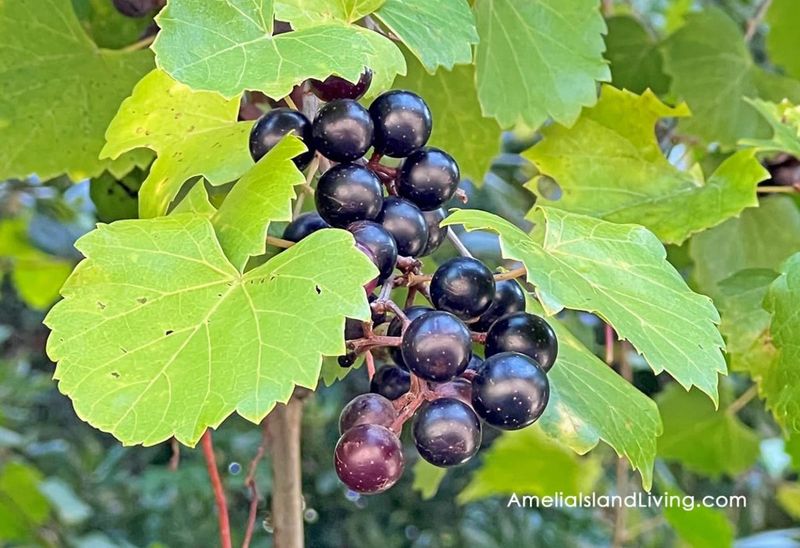
Old Florida yards often had muscadines somewhere along the fence, and birds noticed. Muscadine grape, Vitis rotundifolia, is a native vine with real muscle, giving wildlife food, shade, and safe movement when it is planted with enough space.
Painted Buntings are not grape specialists, but a muscadine arbor can still help bring them back. The leaves host insects, the tangle offers cover, and fallen or damaged fruit draws other small wildlife activity that can make the whole corner feel more natural. Birds read that kind of busy habitat as safer than a clipped lawn with one lonely feeder.
Because muscadines are vigorous, think strong from the start. Use a heavy arbor, cattle panel, or durable fence, not a flimsy decorative trellis. Florida storms can turn weak supports into a mess, especially once a mature vine catches wind and rain.
Sandy soil is usually workable for muscadines if drainage is good and young plants get steady water while establishing. Mulch helps keep roots cooler, but keep it pulled back from the main stem to reduce rot issues.
The reason muscadine earns a place here is scale. It can create a real bird room, not just a pretty strip of greenery, which is useful when a yard needs more privacy and more wildlife value at the same time.
5. Crossvine
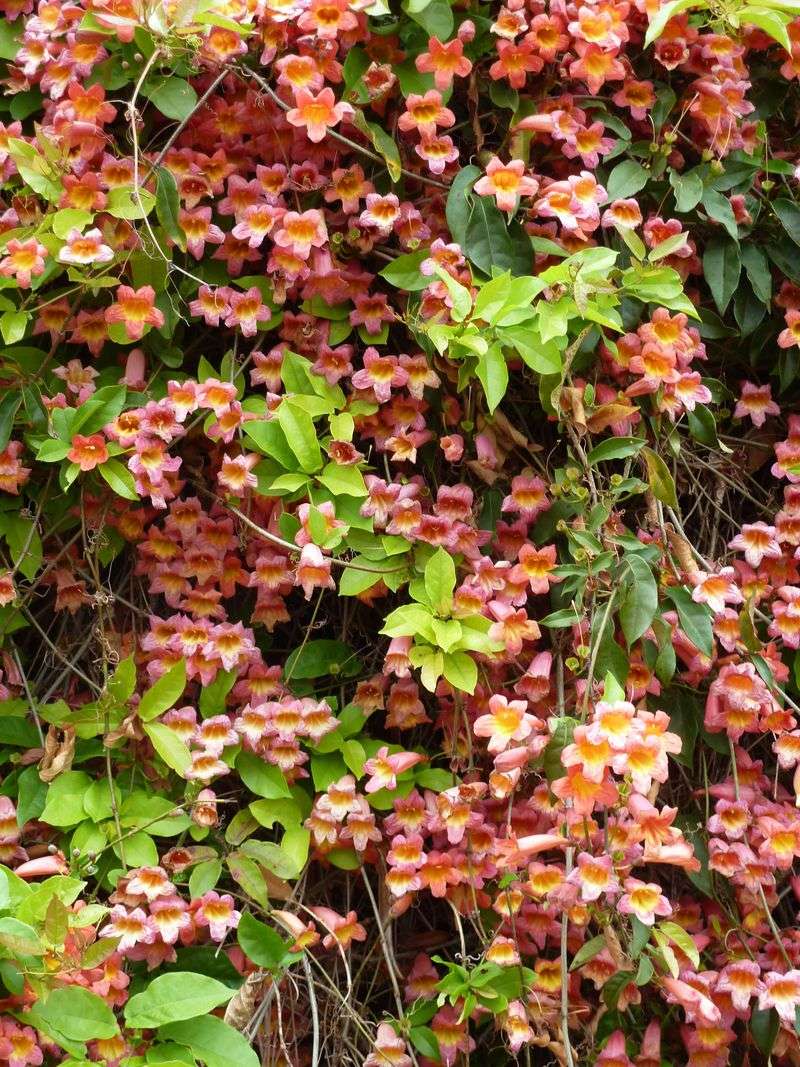
Spring bloom can feel like a dinner bell for the whole yard, and crossvine brings that signal loudly. With trumpet-shaped orange, red, or yellow flowers, Bignonia capreolata is a native vine that gives fences and arbors a polished look while still serving wildlife.
Hummingbirds often get the credit for visiting crossvine flowers, but Painted Buntings benefit from the habitat around the vine. Flowering vines pull in insects, and insects pull in birds. The leafy growth also breaks up sightlines, helping buntings move without feeling stranded in open space.
Crossvine is a smart choice for gardeners who want something more refined than a wild thicket. It can cover a trellis or fence without looking abandoned, especially with light pruning after bloom. In North and Central Florida it is often easier to manage than some faster, looser vines, though local conditions always matter.
Sun brings heavier flowering, while part shade can still support good foliage. In sandy soil, water deeply during the first season, then shift toward less frequent watering as the plant settles. A layer of pine straw or leaves can help the root zone through hot spells.
Crossvine stands out because it bridges beauty and bird function. It gives the homeowner flowers worth showing off and gives shy buntings the edges, insects, and cover that make return visits more likely.
6. Climbing Aster
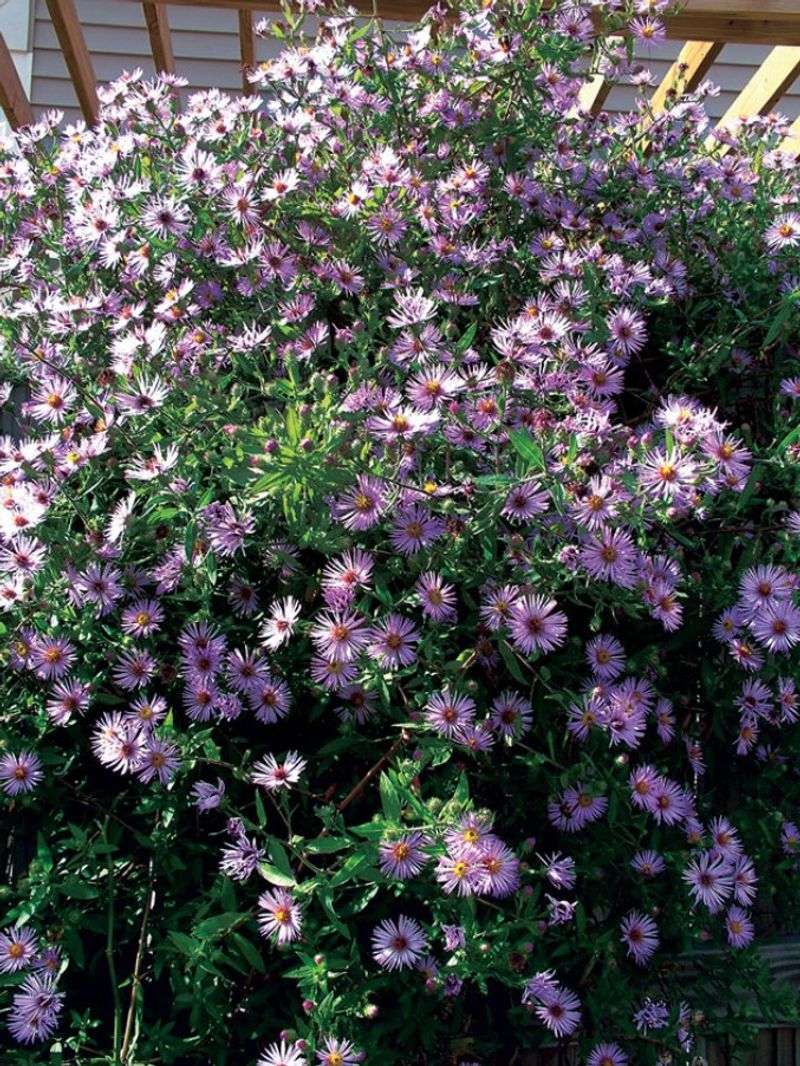
Just when many yards start looking tired, climbing aster wakes up. Ampelaster carolinianus, often called climbing aster, brings lavender-pink flowers in fall, which lines up beautifully with the season when many Florida gardeners start paying attention to migrating and wintering birds again.
Painted Buntings that return to Florida in the cooler months need more than a feeder. They need messy edges, seed-bearing plants, and insect-rich cover. Climbing aster helps extend the pollinator season, drawing late butterflies, bees, and small insects when other flowers have slowed down.
The plant has a loose, scrambling habit rather than a tight, formal climb. Give it a fence, shrub, or strong support where its relaxed growth will look intentional. It is especially nice along a back corner, pond edge, or native planting bed where a little wildness fits the mood.
Moisture is the main detail to watch. Climbing aster often appreciates more moisture than the driest sugar-sand spots, so amend with organic matter, mulch well, and place it where irrigation or natural runoff can help during dry stretches. Avoid planting it where hurricane-season flooding sits too long unless drainage improves quickly.
Its unique gift is timing. While spring vines get plenty of praise, climbing aster helps make a yard useful later, when buntings may be scouting safe winter territories.
7. Carolina Jessamine
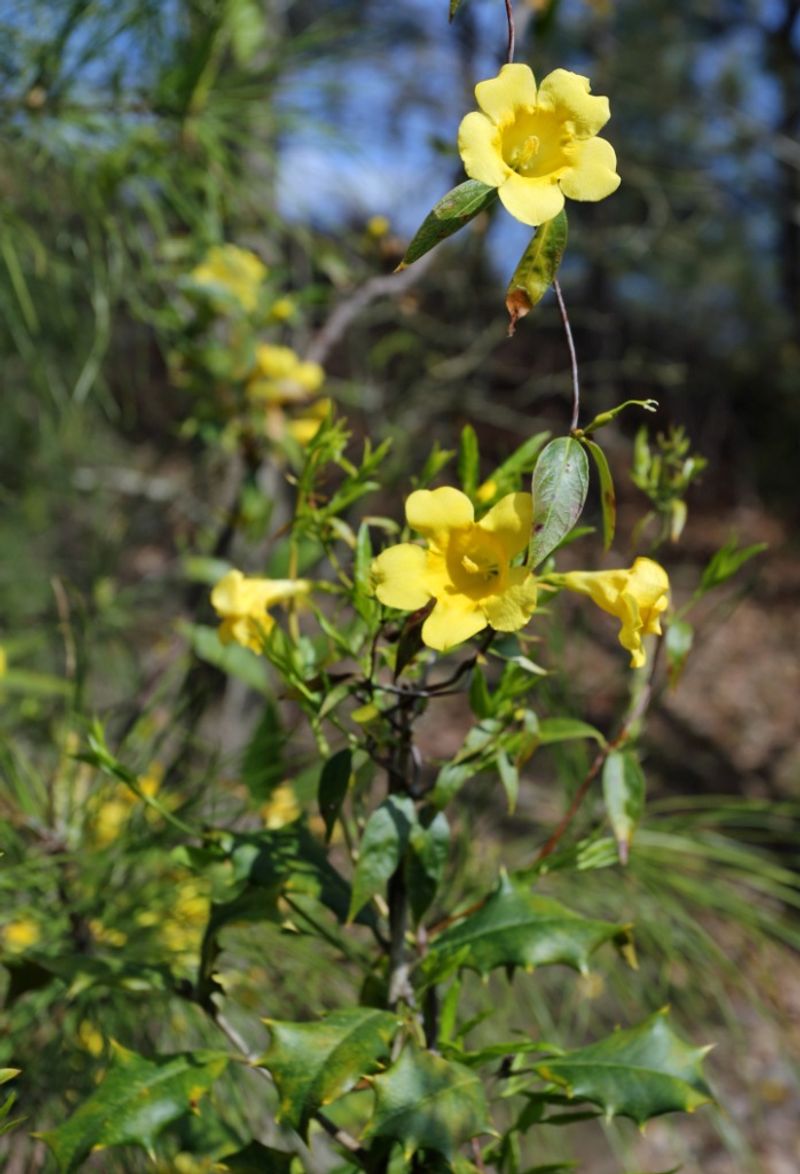
Before many gardens have fully shaken off winter, Carolina jessamine can cover an arbor with yellow bells. Gelsemium sempervirens is native in Florida and brings early color, evergreen cover, and a soft woodland-edge feel that can make a yard less exposed.
For Painted Buntings, the main value is shelter. A vine that holds foliage through much of the year can help connect shrubs, fences, and feeding areas, giving birds a safer path through the yard. Early flowers also support pollinators, which adds life to the planting before the big spring flush arrives.
There is one serious caution: Carolina jessamine is poisonous if eaten by people, pets, or livestock. Plant it where children and pets will not sample the flowers or leaves, and avoid confusing it with edible or medicinal plants. Wildlife gardening still needs common-sense placement.
Once established, it can be fairly low-maintenance in the right spot. It likes sun to part shade, appreciates good drainage, and can handle typical Florida sandy soil better when mulched and watered during its first year. Prune after flowering if you need to shape it.
Carolina jessamine belongs on this list because it offers early-season cover with a neat, graceful look. For gardeners who want a bird-friendly vine near an entrance, arbor, or side fence, it can feel welcoming without looking overgrown.