
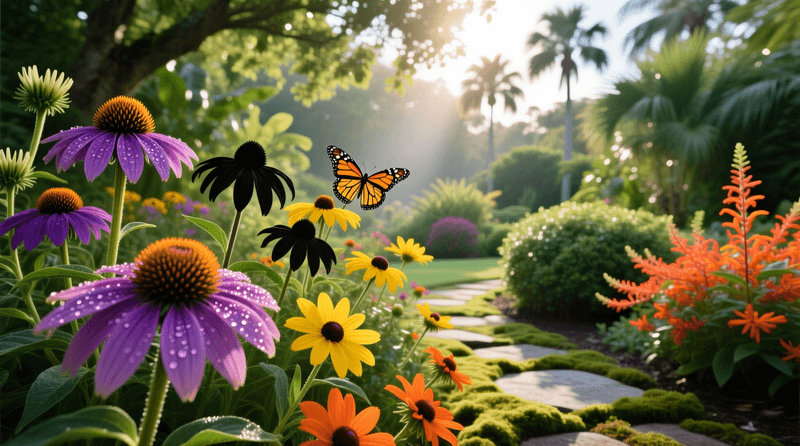
Some Florida perennials quietly turn one plant into a whole patch if you give them time. When clumps get crowded, dividing them gives roots more room and hands you free plants for another bed, pot, or neighbor. The best choices handle Florida’s sandy soil, heavy rain, heat, and pest pressure without needing constant fuss. Here are seven reliable perennials that make division feel like a gardening win.
1. Society Garlic
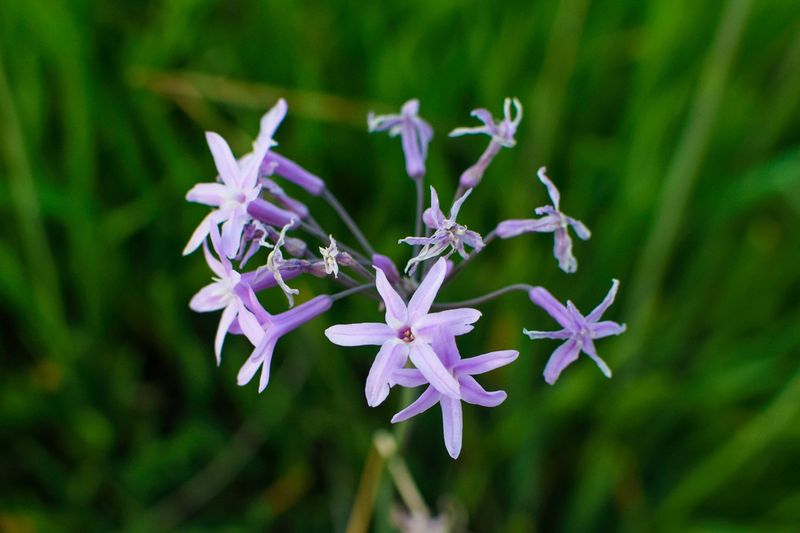
A whiff of onion from the leaves tells you society garlic is tougher than it looks. In many Florida yards, it forms neat grassy clumps with lavender blooms that keep showing up through warm weather, especially in full sun.
Division is simple because the plant grows from bulb-like crowns that naturally thicken over time. When the center starts looking crowded or flowering slows, lift the clump, tease apart sections with healthy roots, and replant them at the same depth.
Society garlic earns its place because it fits tight spaces where bigger perennials would flop or sprawl. It works along walkways, around mailboxes, or near patio edges, and its scent may help make it less appealing to some nibbling pests.
Give new divisions water while they settle in, then back off once roots grab. In Florida’s sandy soil, a little compost mixed into the planting area helps young pieces recover faster without making the bed soggy.
2. Walking Iris
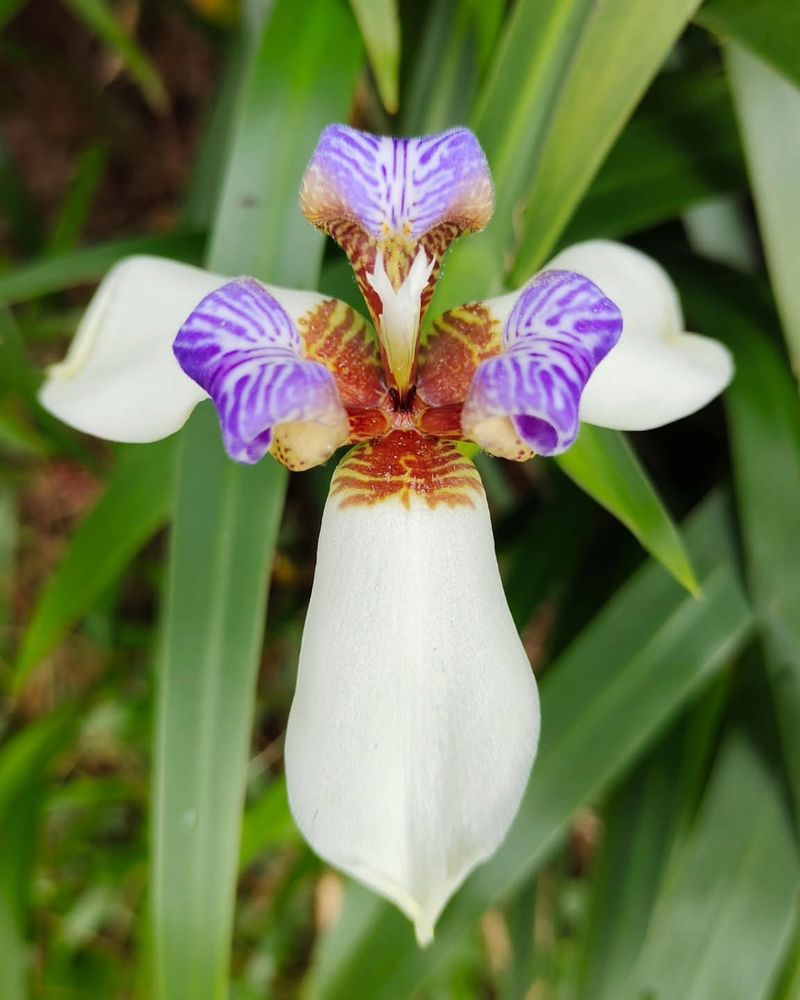
Few plants show off their multiplication trick as clearly as walking iris. After it blooms, new baby plants form on arching flower stalks, bend toward the ground, and root where they touch, almost as if the plant is taking slow steps across the bed.
Gardeners can divide older clumps, but they can also pot up those rooted plantlets. That makes walking iris especially satisfying for shady side yards, under high tree canopies, or protected porch beds where Florida sun would be too harsh for softer foliage.
Part shade is usually best, with soil that stays lightly moist but not swampy. In areas that flood after storms, plant it a bit high or use raised beds so crowns do not sit underwater for long.
What makes walking iris different from the others is its built-in plantlet system. Division refreshes the mother clump, while the little walkers give you extra starts with hardly any digging.
3. Blue Flag Iris
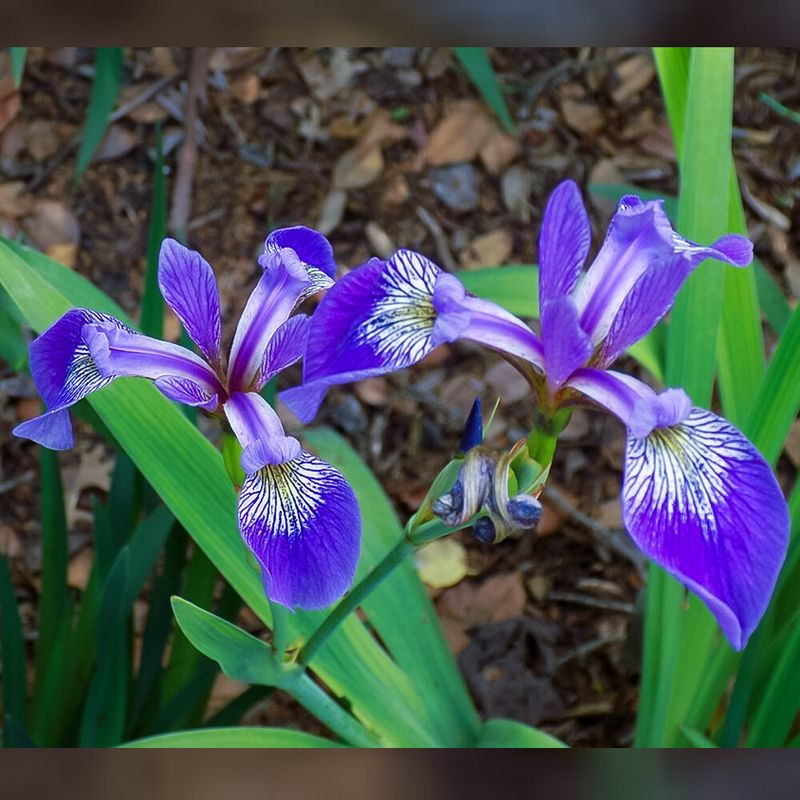
In a low spot that stays damp after summer rain, blue flag iris can feel right at home. Florida gardeners often fight soggy pockets after storms, and this native iris is useful because it likes moisture more than many common landscape plants do.
Blue flag iris spreads by rhizomes, which are thick underground stems. Every few years, clumps can be lifted and divided into pieces with firm rhizomes, healthy roots, and a fan of leaves.
Replant divisions in rain gardens, pond edges, swales, or other areas that get regular moisture. Avoid letting fresh divisions dry out, especially during hot spells, because iris roots establish best when the soil stays evenly damp.
Its wildlife value gives it another reason to make the list. Native iris flowers can support pollinators, and the strong vertical leaves add structure after the bloom show ends.
For best results, use true native blue flag iris from a reputable Florida nursery rather than mystery irises passed along without a name. That helps keep your planting in line with Florida-friendly choices.
4. Firebush
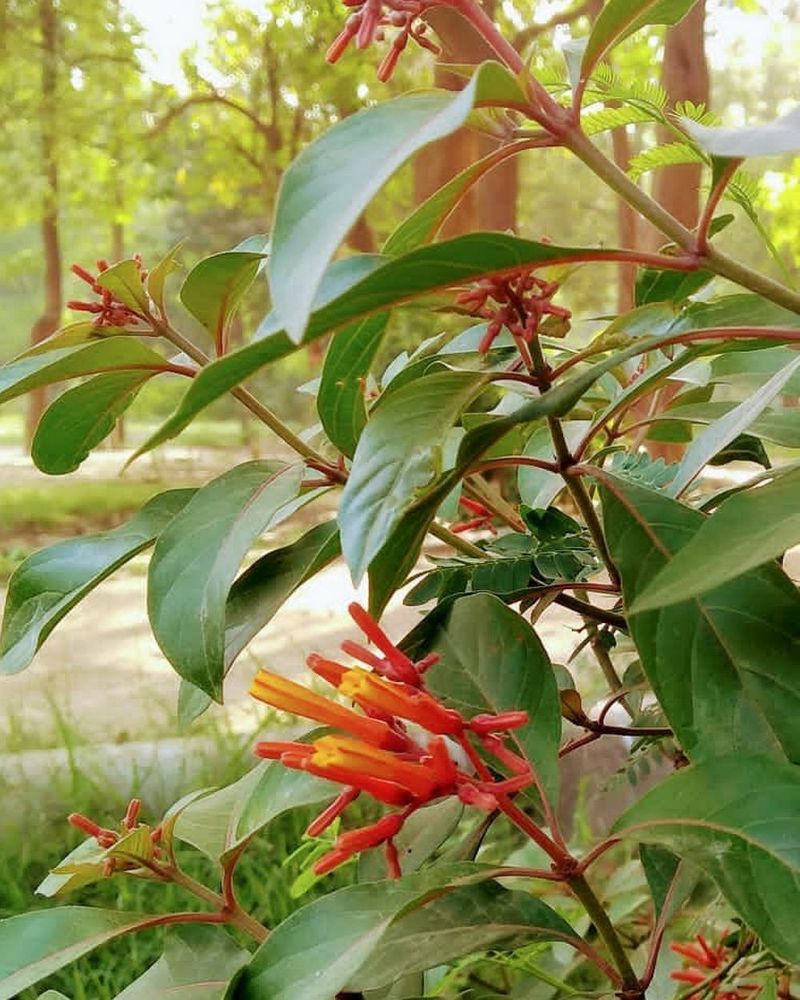
Hummingbirds seem to find firebush before people finish admiring it. The orange-red tubular flowers make this Florida native a lively choice for wildlife gardeners, especially in warm parts of the state where it can grow large and bloom for a long stretch.
Firebush is usually propagated by cuttings, but mature plants can also produce rooted suckers or layered stems near the base. When those offshoots have their own roots, careful separation gives you another plant without starting from seed.
That habit is why firebush belongs here, even though it is more shrub-like than a tidy clumping perennial. In frost-free South Florida it may act evergreen, while in colder North or Central Florida it can die back and return from the roots after winter.
Give divisions or rooted offshoots full sun to light shade and room to stretch. Once established, firebush handles heat and sandy soil well, but young plants appreciate water during dry weeks.
A quick caution helps: choose the native firebush, Hamelia patens var. patens, when possible. Some nonnative forms are sold in the trade, so buying from native-focused nurseries is a smart move.
5. Crinum Lily
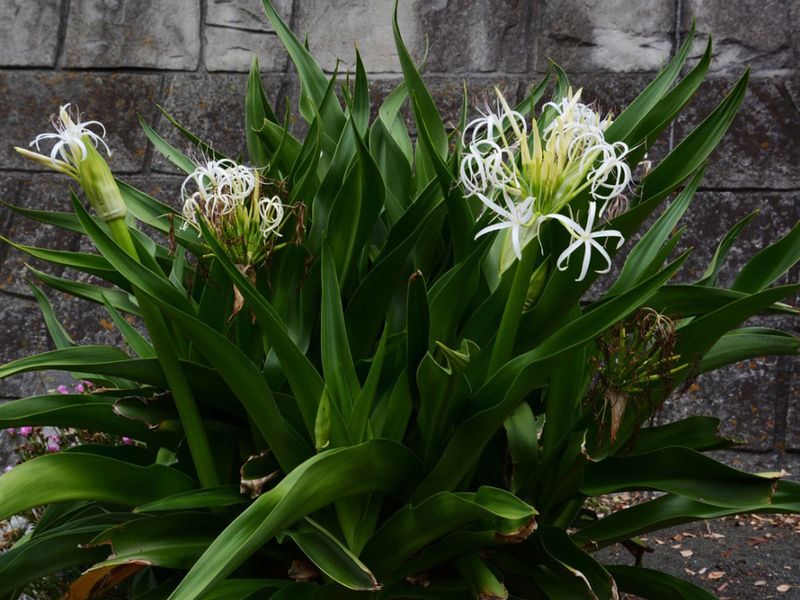
Big, bold, and a little old-fashioned, crinum lily looks like something that has been guarding Southern porches for generations. Its broad leaves and dramatic flowers bring a tropical feel without needing delicate treatment.
Crinums multiply by making offsets around the main bulb. Over time, one clump can become a heavy cluster, and dividing those side bulbs creates sturdy new plants for sunny borders or large containers.
Patience matters here. Small offsets may take time to bloom, but they are often long-lived once settled, and mature plants can handle Florida heat with far less complaint than fussier bulbs.
Because crinum bulbs are substantial, use a sharp shovel and lift carefully. Replant bulbs with the neck near the soil surface, and avoid burying them too deeply in sandy ground.
Crinum earns its spot for durability after rough weather. The leaves may look ragged after wind, but established bulbs usually rebound, making them a practical choice for gardeners who want a plant with staying power.
6. Agapanthus
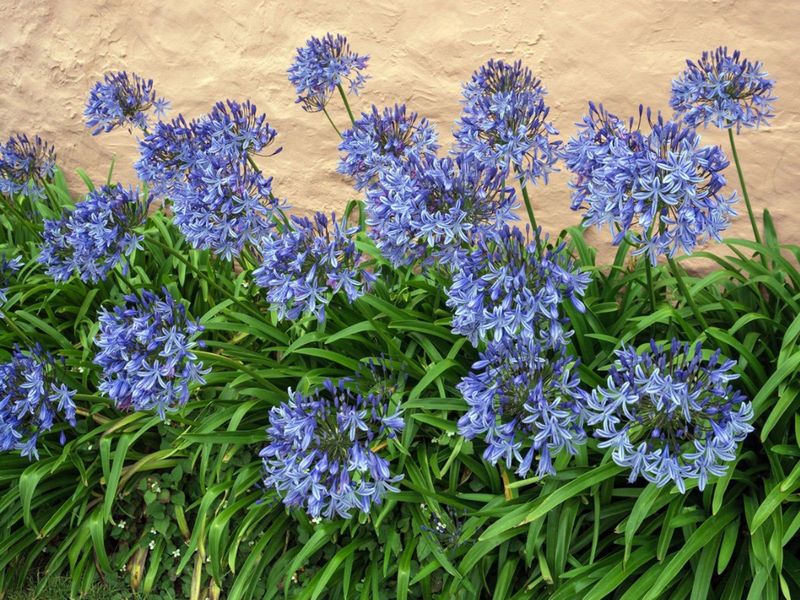
When agapanthus sends up blue globe-shaped flowers, it can make a plain bed look planned and polished. The tidy leaves stay attractive for much of the year, which is helpful in Florida landscapes where empty gaps can quickly fill with weeds.
Older clumps become dense, and that is your cue to divide. Slice the crown into sections with roots attached, then replant the pieces where they get sun in the morning and some relief from the fiercest afternoon heat in hotter areas.
Unlike sprawling groundcovers, agapanthus has a clean, upright shape. That makes it useful near entries, pool cages, driveway edges, and foundation beds where a neat outline matters.
Do not pamper it with soggy soil. Florida’s fast-draining sand is often fine if you improve it with organic matter, but low wet spots can rot crowded crowns, especially after repeated storms.
Dividing agapanthus also solves a common problem: fewer flowers from overcrowding. After a recovery period, the refreshed clumps usually regain vigor and give you extra plants that match the original planting.
7. Dwarf Oyster Plant
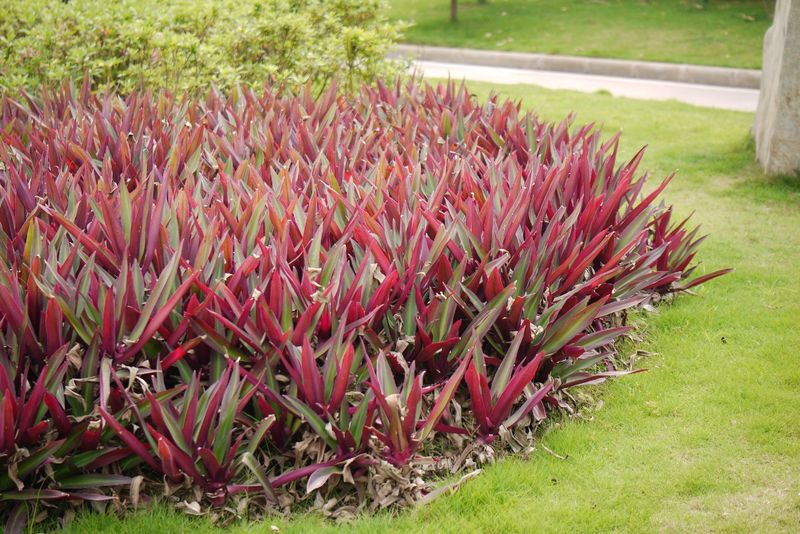
Under palms, along shaded paths, or in narrow strips where turf gives up, dwarf oyster plant brings color without demanding flowers. Its purple-backed leaves make the ground look dressed up even when nothing is blooming.
Clumps spread into thick mats, and small sections root readily when divided. A hand trowel is often enough to lift a patch, split it into rooted pieces, and tuck them into bare spots around the yard.
Florida gardeners like it because it tolerates heat, humidity, and partial shade, but placement matters. It can spread where conditions suit it, so use it where a dense groundcover is welcome rather than beside delicate small plants that may be crowded.
Moist, well-drained soil helps new divisions settle, though established patches are fairly forgiving. Mulch lightly around fresh pieces, keeping mulch from burying the crowns.
Its main advantage is speed. While some divided perennials need a season to look full again, dwarf oyster plant can knit together quickly, giving shady Florida beds a finished look with very little ceremony.