
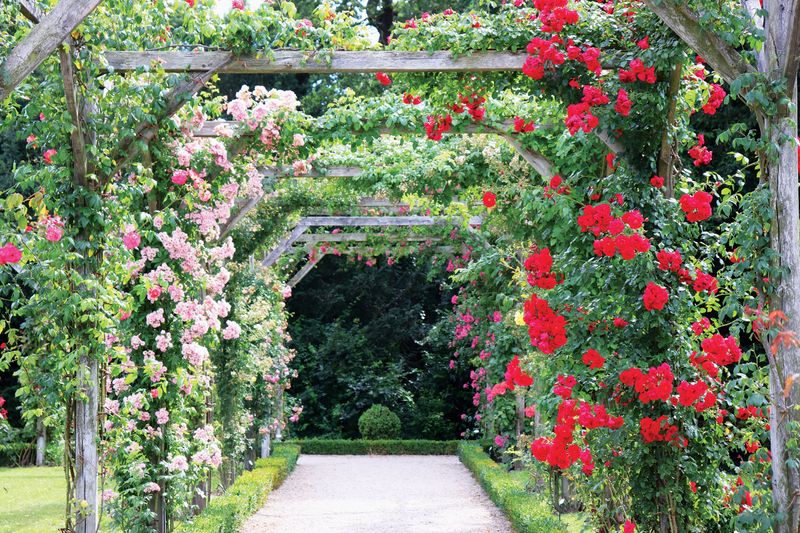
A wooden trellis can look charming in March and tired by August in Florida. Heat, daily rain, termites, salty air, and storm gusts are rough on soft wood. The good news is that the right native vines can cover sturdier supports with less fuss and more wildlife value. Here are eight smart swaps for Florida yards that need beauty without another rotten trellis pile.
1. Coral Honeysuckle on a Powder-Coated Metal Trellis
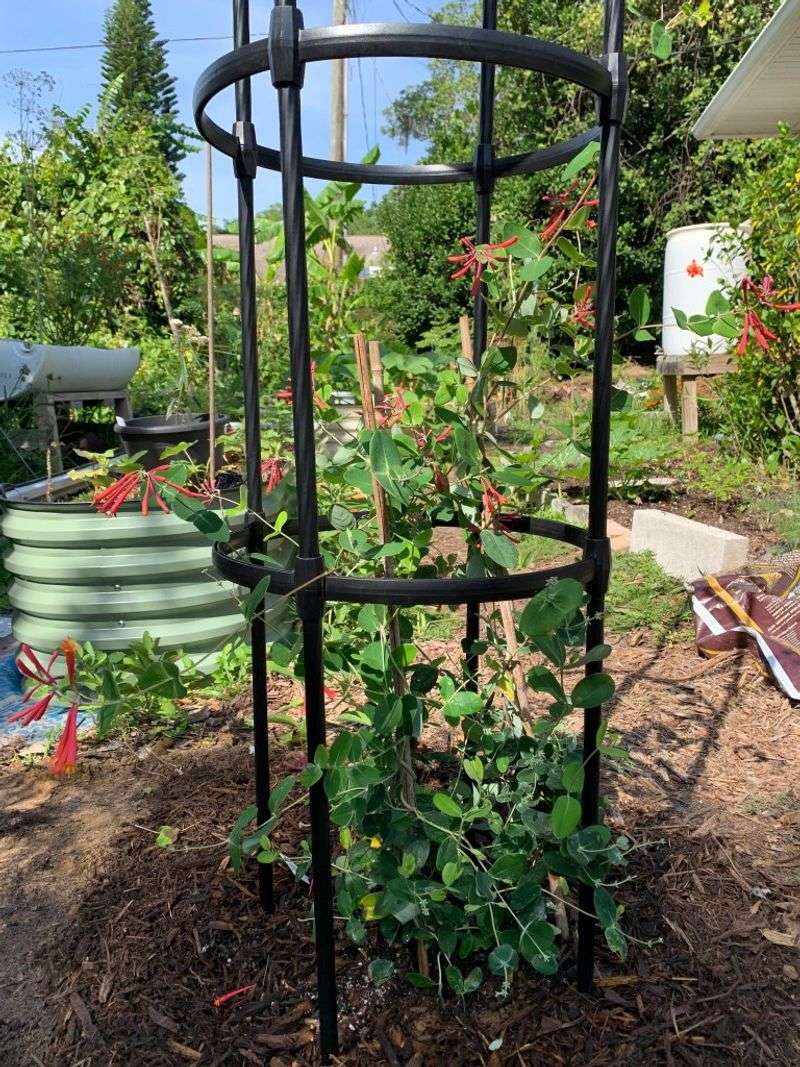
Hummingbirds seem to find coral honeysuckle before people do, and that is part of its charm. While a pine lattice may twist, split, or grow soft after one soggy summer, a powder-coated metal trellis gives this native vine a cleaner and longer-lasting frame.
Coral honeysuckle, also called Lonicera sempervirens, is not the weedy Japanese honeysuckle that causes trouble in many landscapes. Florida gardeners get clusters of red to coral flowers, strong wildlife value, and a vine that behaves better than many aggressive ornamentals.
Give it sun to part sun, decent drainage, and a support it can wrap through without needing constant tying. In sandy soil, a layer of mulch helps hold moisture while the roots settle in, but avoid piling mulch against the crown.
What makes this swap stand out is its balance. It looks polished enough for a front-yard arbor, feeds hummingbirds and pollinators, and does not ask you to rebuild the support every hurricane season.
2. Passionvine on Cattle Panel Arches
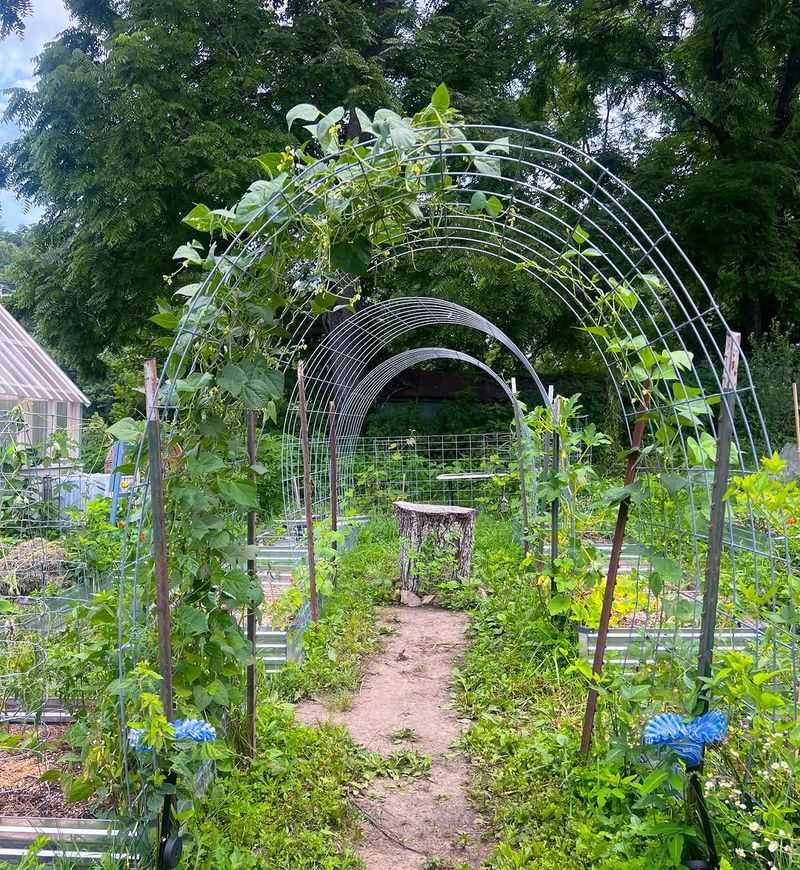
One day the arch is plain wire, and a few weeks later it looks like a butterfly nursery with purple flowers. Passionvine brings that kind of quick reward, especially when grown on a sturdy cattle panel instead of a flimsy wooden fan trellis.
Native passionvines, such as purple passionflower, Passiflora incarnata, are famous host plants for gulf fritillary and zebra longwing butterflies. That means chewed leaves are not failure, they are the sign that the vine is doing one of its best jobs.
A galvanized cattle panel handles Florida humidity better than many budget wood structures, and its open grid gives tendrils plenty to grab. Anchor it well, especially if the arch sits in an open yard where summer storms can push hard.
Passionvine can spread, so place it where a little wildness is welcome. Along a fence, over a garden path, or beside a pollinator bed, it turns a practical support into a living butterfly corridor.
3. Crossvine on a Hurricane-Smart Fence Panel
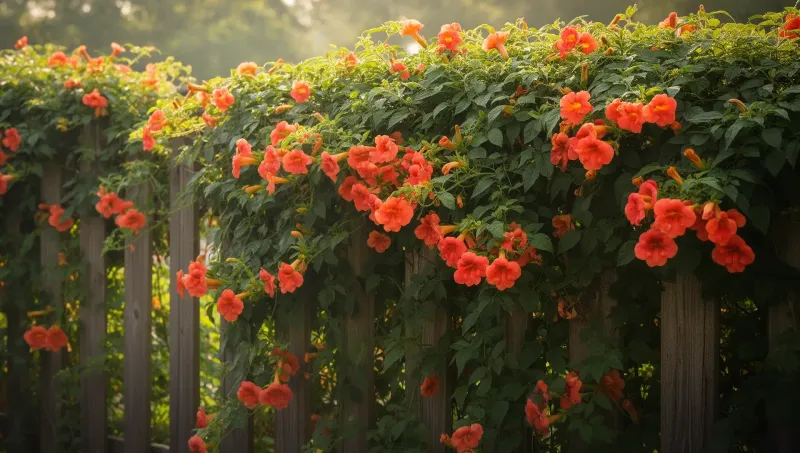
For gardeners who like a bold spring show without babying a plant all year, crossvine earns its space. Its orange, trumpet-shaped flowers can light up a fence line, and the vine has enough muscle to cover a strong panel without needing a fragile wooden lattice.
Crossvine, Bignonia capreolata, is native to parts of Florida and the Southeast, and it can be a good fit where gardeners want vertical color. It climbs with tendrils and small clinging structures, so give it a support that will not peel, rot, or wobble after weeks of rain.
A hurricane-smart fence panel means sturdy posts, solid fasteners, and enough airflow that wind can move through instead of turning the whole structure into a sail. Skip thin decorative wood panels in exposed spots, since they often fail right when the vine is heaviest.
Crossvine differs from the daintier choices because it brings a more permanent, architectural feel. It is a fine pick for screening a utility area or softening a long fence while still giving hummingbirds and bees something useful.
4. Climbing Aster on Rust-Resistant Wire Mesh
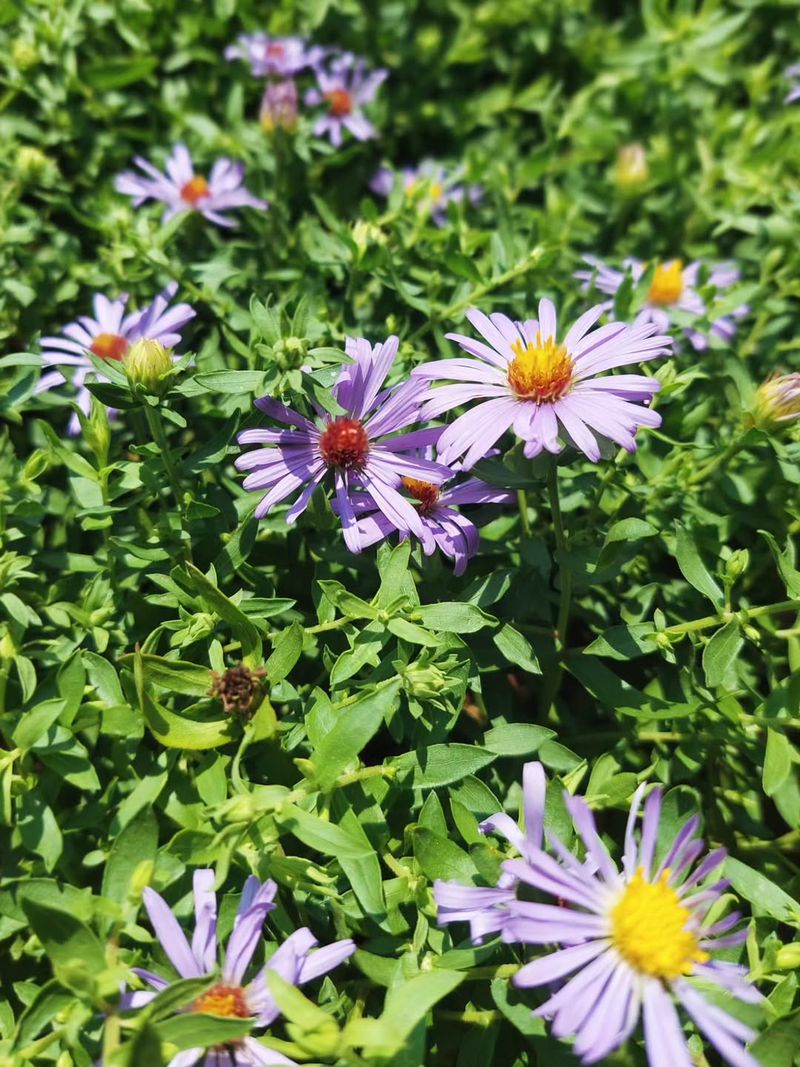
Fall can feel like a second spring in Florida, and climbing aster knows how to take advantage of it. When many summer vines are tired or tangled, this native can bring a fresh flush of pale purple flowers that pollinators notice fast.
Climbing aster, Symphyotrichum carolinianum, is especially useful for gardeners shifting from summer survival to fall prep. It appreciates moisture more than some drought-hardy natives, so it can be a smart choice near rain gardens, damp fence edges, or low spots that do not stay flooded forever.
Rust-resistant wire mesh gives the plant a broad surface to lean and weave through. Wood often struggles in the same damp corners where climbing aster is happiest, so metal or coated wire is usually the better long-term partner.
Expect a looser, more meadow-like look rather than a clipped formal wall. That relaxed style is exactly why it belongs on the list, since it feeds late-season pollinators and brings color when many Florida yards are being reset for cooler months.
5. Carolina Jessamine on Aluminum Arbor
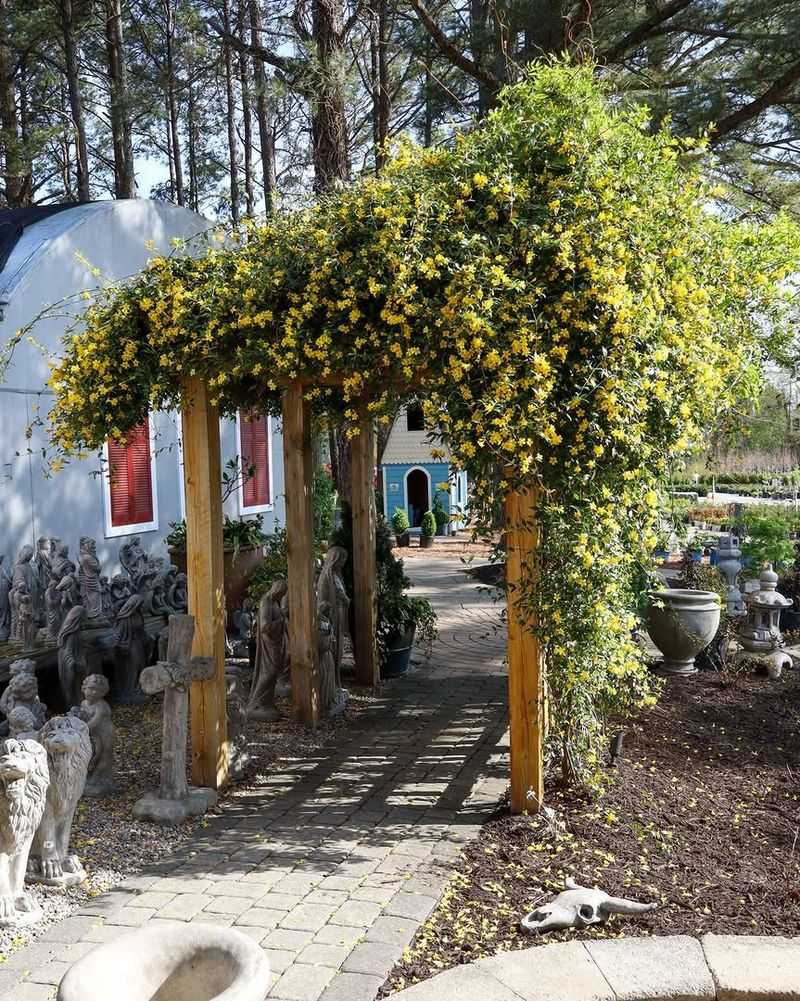
A sunny yellow arbor in late winter can make a Florida yard feel awake before the rest of the neighborhood catches up. Carolina jessamine offers that cheerful early color, and an aluminum arbor keeps the scene from turning into another repair job.
Carolina jessamine, Gelsemium sempervirens, is a native vine with glossy leaves and bright funnel-shaped flowers. It is often appreciated for its seasonal show and evergreen presence, but every part of the plant is toxic if eaten, so place it thoughtfully away from curious pets and children.
Aluminum is useful in Florida because it does not rot, and quality powder-coated styles resist the constant wet-dry cycle better than many wooden kits. Set the arbor posts securely, since even a moderate vine can catch wind once it fills in.
This choice feels more refined than wild, which makes it a good fit for an entry walk or front gate. It gives gardeners a native alternative to high-maintenance flowering imports while keeping the support neat through heat, rain, and salty air in many coastal areas.
6. Wild Lime Prickly Ash Companion Vine Setup
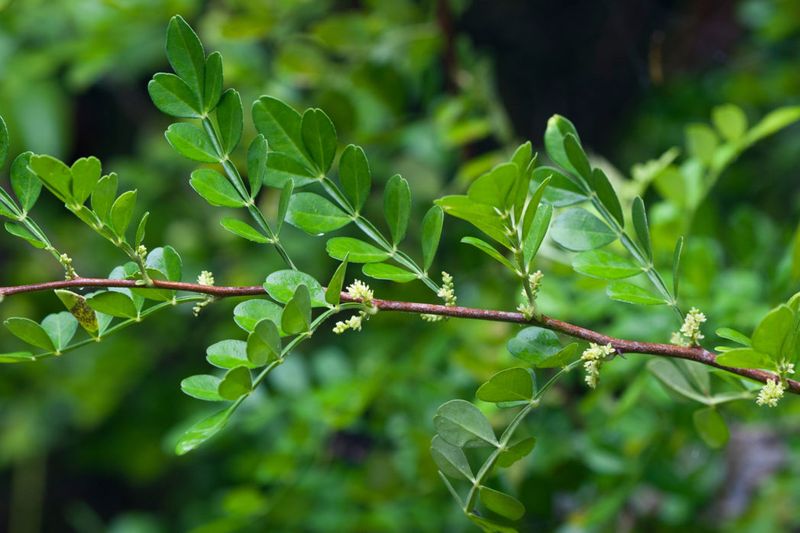
Butterfly gardeners often learn a funny lesson, the best vine support is sometimes part of a bigger habitat patch. Pairing native vines with tough native shrubs nearby can create a layered area that handles Florida weather better than a single decorative wooden trellis standing alone.
Wild lime and prickly ash are not vines, but they are valuable native host plants for giant swallowtail butterflies. Placing a durable vine support near them lets you build a small wildlife station, with nectar, shelter, and caterpillar food in one corner of the yard.
Use metal posts, tensioned wire, or a reinforced panel for the climbing piece, then let a native vine such as coral honeysuckle or passionvine do the vertical work. The shrubs provide structure at ground and mid-level, while the vine adds flowers and cover without depending on rot-prone wood.
This setup belongs here because it thinks beyond decoration. In a Florida yard facing pests, storms, and sandy soil, a layered native planting can be more resilient than a pretty trellis that has no living backup when summer gets rough.
7. Virginia Creeper on Masonry or Block Walls
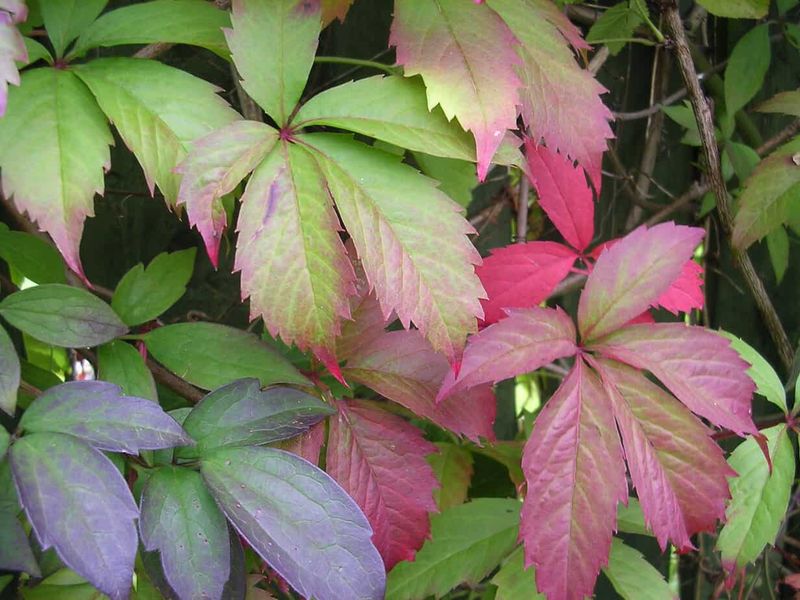
Not every vertical garden needs a freestanding trellis. In many Florida neighborhoods, a concrete block wall is already sitting there, taking heat, rain, and wind far better than a thin wooden screen ever could.
Virginia creeper, Parthenocissus quinquefolia, is a native vine with five leaflets and strong wildlife value, including berries for birds. It can climb with adhesive pads, so masonry is often a better match than painted wood, soft siding, or delicate trim.
Give it space and keep it away from places where you do not want clingy growth, such as gutters, rooflines, or damaged stucco. Regular trimming is easier than rebuilding a warped trellis, but it still needs attention so it does not wander into trouble.
Its special strength is shade and coverage. For a hot wall that bakes beside a patio, Virginia creeper can soften the look and add habitat while using a support that Florida weather already approves of.
8. Muscadine Grape on Heavy-Duty Galvanized Wire
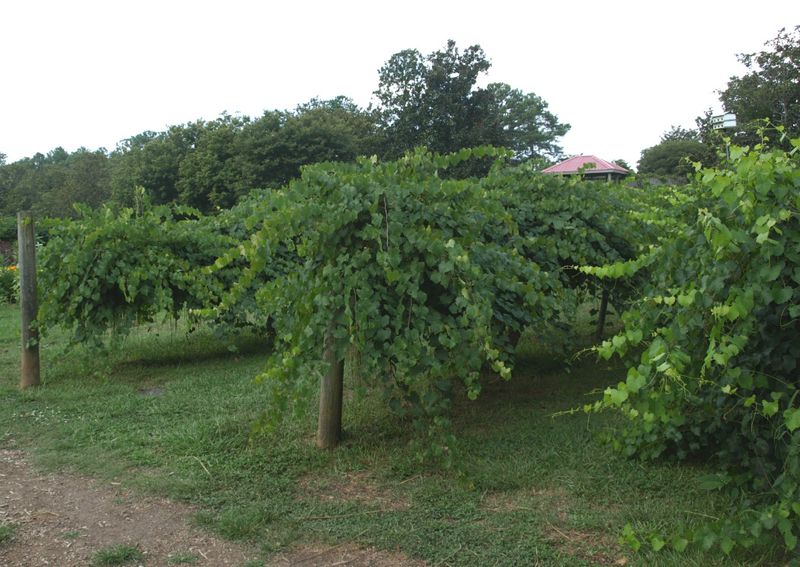
There is something satisfying about a vine that pays rent in fruit. Muscadine grape can turn a strong wire system into an edible backyard feature, while a lightweight wooden trellis may sag under the weight before the harvest even looks promising.
Muscadines, Vitis rotundifolia, are native to the Southeast and well suited to Florida in the right site. They need sun, airflow, and a serious support, because a mature vine is far heavier than it looks when you first plant it.
Heavy-duty galvanized wire with braced end posts is the practical choice. In sandy soil, posts must be set deeply and firmly, and gardeners in hurricane-prone areas should avoid tall, wobbly frames that can twist in strong gusts.
This pick is different because it is both landscape and food garden. With proper pruning and a strong structure, muscadine can be a long-term Florida vine that offers shade, wildlife interest, and fruit without asking you to replace decorative wood every summer.