
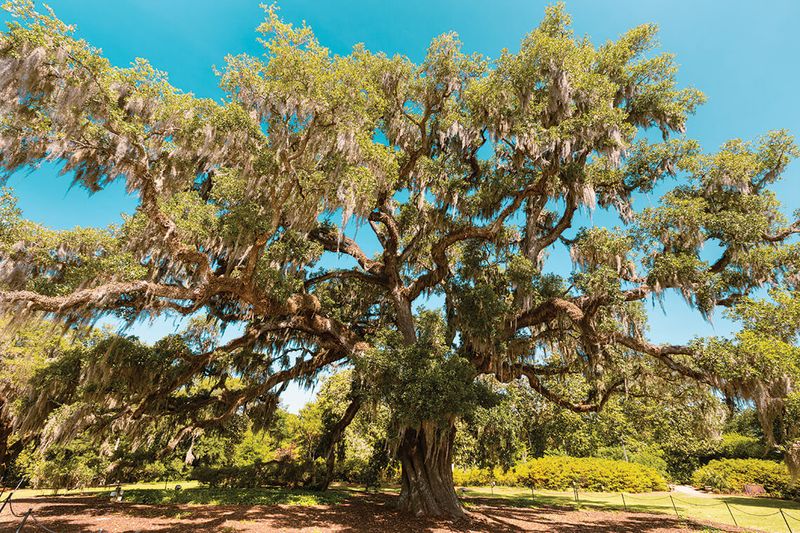
Crape myrtle shows up in almost every North Carolina front yard, but it fades fast once the flowers drop and does little for local birds and bugs. There are native trees that give you spring blooms, summer shade, fall color, and winter structure while feeding the wildlife that keeps your yard healthy. Some even support the birds and insects that quietly help control ticks and mosquitoes near your home. Here are seven trees that outperform crape myrtle in a NC yard all year long.
1. Eastern Redbud
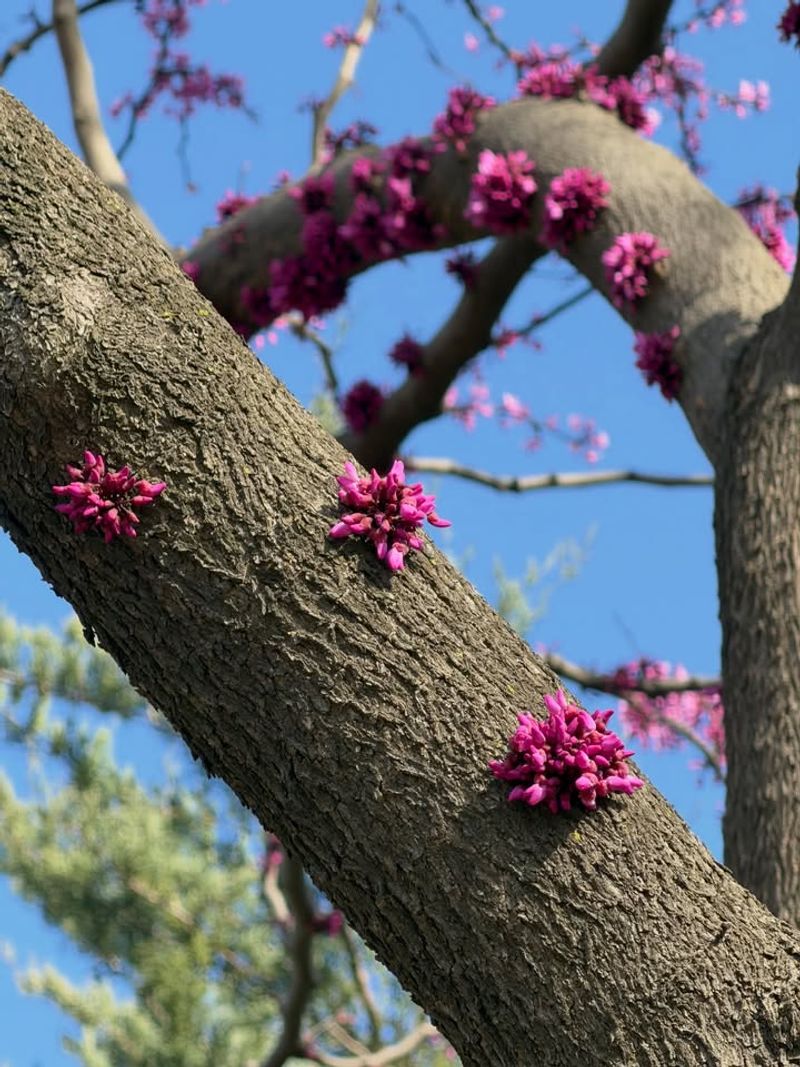
Picture your driveway in early April glowing with hot-pink blossoms before a single leaf appears. That is the Eastern redbud (Cercis canadensis), a small native tree that flowers straight out of its bare branches, sometimes right off the trunk.
Redbud earns its spot for one reason crape myrtle can’t match: it feeds pollinators when almost nothing else is blooming. Early native bees and butterflies rely on those blooms, and songbirds later pick at the seed pods. A yard that supports insects supports the insect-eating birds that help keep pest numbers down around your home.
Size works in your favor too. At 20 to 30 feet, it fits under most power lines and slips neatly into a Piedmont or mountain front yard without swallowing the whole space. Heart-shaped leaves turn buttery yellow in fall, so you get a second show.
Did you know the young flowers are edible and a little tart? Colonial gardeners tossed them into salads. Plant redbud in part shade to full sun, give it decent drainage, and it mostly takes care of itself after the first year.
2. Flowering Dogwood
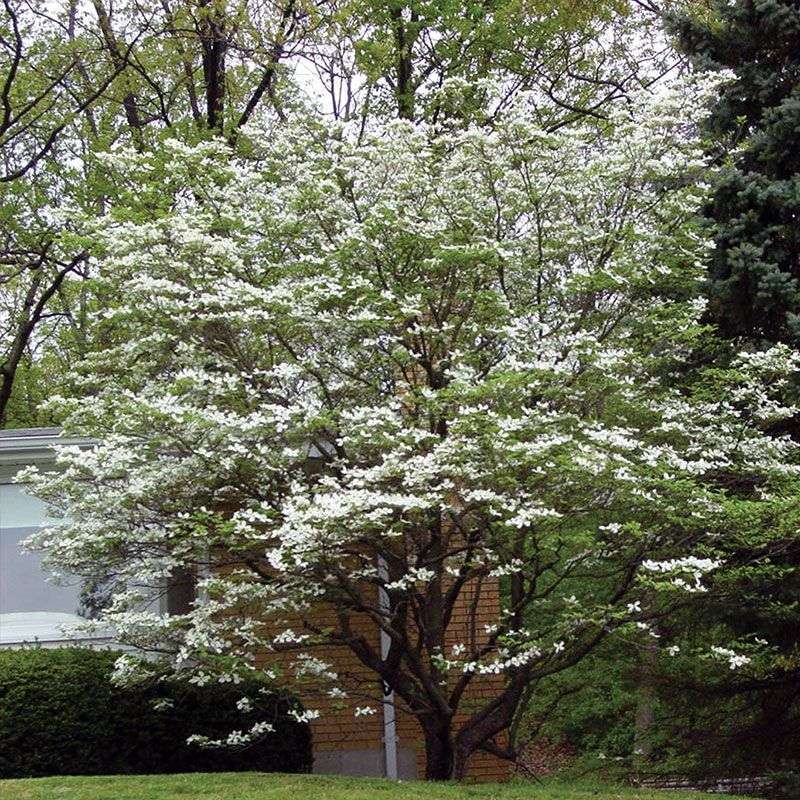
North Carolina loved the flowering dogwood (Cornus florida) enough to make it the state flower, and one look in April tells you why. Layers of white or pink bracts float horizontally across the branches like a tiered cake.
Beyond the beauty, dogwood pulls real weight for wildlife. Its bright red fall berries are packed with fat and get gobbled by more than 35 bird species, including migrating songbirds fueling up for the trip south. More birds in the yard can mean more natural help keeping insect populations in check.
Crape myrtle offers berries too, but nothing near the wildlife value of a native dogwood. This tree wants dappled shade, the kind you’d find at a woodland edge, which makes it perfect tucked near larger trees or on the east side of a house where afternoon sun stays gentle.
Come autumn the leaves flare deep reddish-purple, and in winter the tidy branching gives the yard structure long after the flowers are gone. Keep the roots cool with a layer of mulch and avoid wounding the trunk with the mower, and your dogwood will reward you for decades.
3. Serviceberry
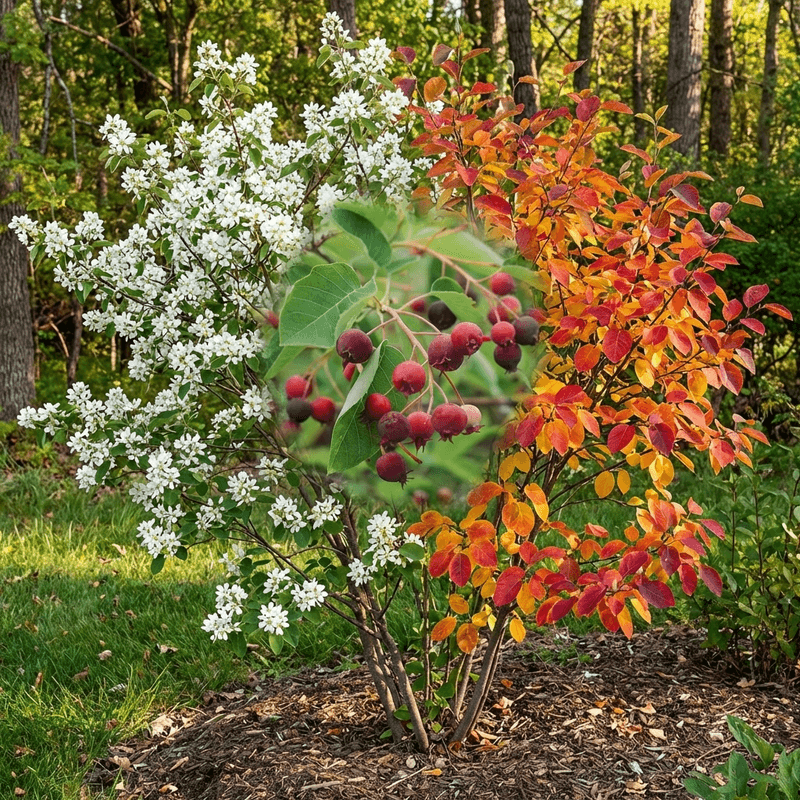
If you want a tree that basically does everything, serviceberry (Amelanchier) is the quiet overachiever most homeowners have never heard of. It blooms in delicate white clusters in early spring, fruits in June, and finishes the year with a blaze of orange and red foliage.
Here is the fun part: those June berries taste like a cross between blueberry and almond, and you’ll be racing the robins, cedar waxwings, and cardinals to pick them. That crowd of berry-hunting birds is exactly the kind of native wildlife a NC yard should welcome, and hungry songbirds also snack on insects while they’re around.
Serviceberry stays modest at 15 to 25 feet, works as a single-trunk tree or a multi-stem clump, and handles the range of NC conditions from the mountains to the Piedmont. Its smooth gray bark keeps the winter view interesting.
Old-timers called it the shadbush because it flowered when the shad ran upriver, and mountain families said its bloom meant the ground had thawed enough for spring burials. A tree with that much story beats a fussy crape myrtle any day.
4. Fringe Tree
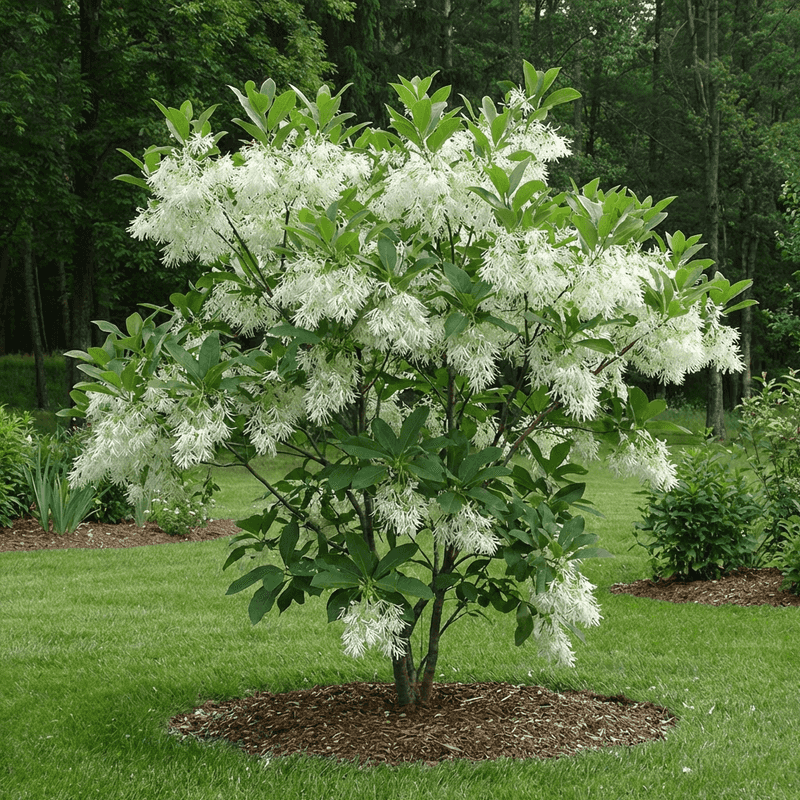
Once you’ve seen a fringe tree (Chionanthus virginicus) in full bloom, the nickname “old man’s beard” makes total sense. Clouds of soft, feathery white flowers drape the branches in May and give off a light, sweet fragrance that stops people on the sidewalk.
Rarity is part of the charm here. Few neighbors will have one, so yours becomes the tree everyone asks about. But it isn’t just a showpiece. Female trees produce dark blue, olive-like fruit that migrating birds and even wild turkeys go after in late summer.
This slow grower tops out around 12 to 20 feet, which makes it ideal for a snug front yard or a spot near the porch where you’ll catch the scent. It shrugs off NC humidity, tolerates a range of soils, and rarely has pest trouble.
One thing to watch: emerald ash borer has started sampling fringe trees since they’re distant relatives of ash, so keep an eye out. Otherwise, this native asks for very little and gives back a spring display crape myrtle simply cannot touch.
5. Red Maple
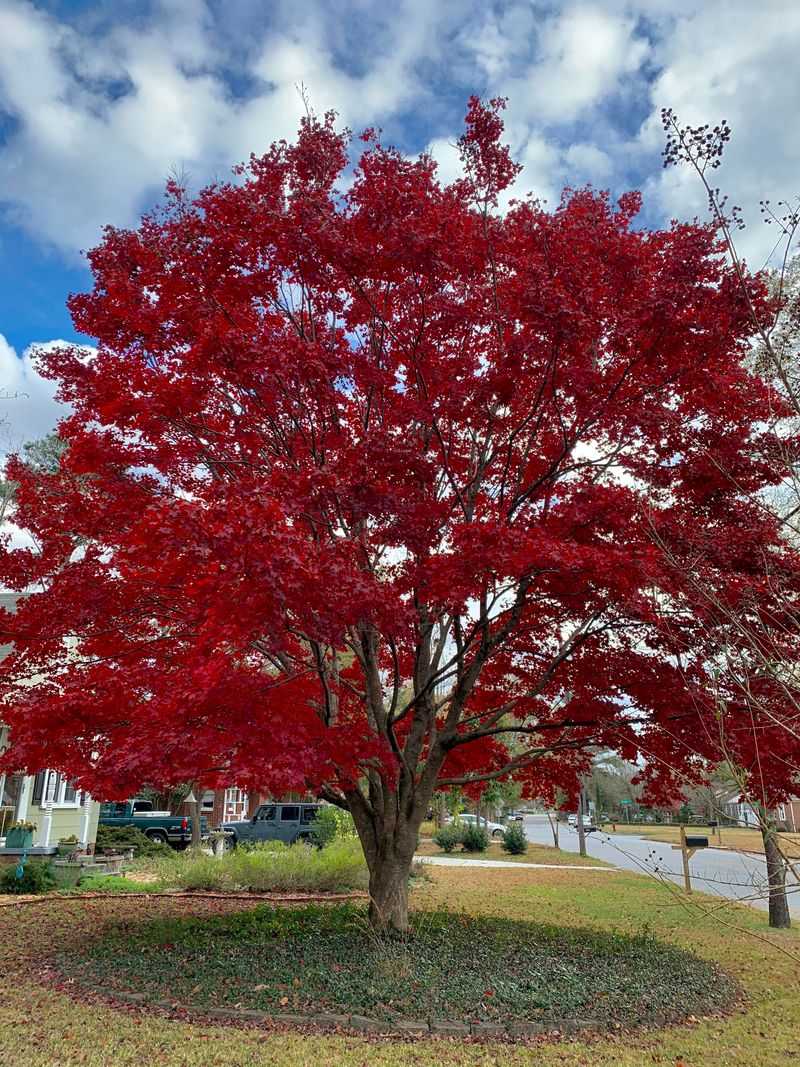
Want fast shade and four full seasons of interest? Red maple (Acer rubrum) delivers, and it’s one of the most adaptable native trees in the whole state, thriving from swampy coastal soils to dry mountain slopes.
The name fits year-round. Red buds and flowers glow in late winter, red leaf stems appear in summer, and the fall color ranges from screaming scarlet to deep crimson. Those early flowers are a crucial nectar source for bees waking up hungry in February and March.
Wildlife leans on this tree hard. The seeds feed squirrels and birds, and the leaves host dozens of native caterpillar species, which in turn become food for baby birds. More caterpillar-hunting songbirds in the yard can help thin out the insects buzzing around your family.
A red maple grows quickly to 40 to 60 feet, so give it room away from the foundation. Plant it as a centerpiece shade tree and let its canopy cool the house through the sticky NC summers, dropping your energy bill while it works.
6. American Holly
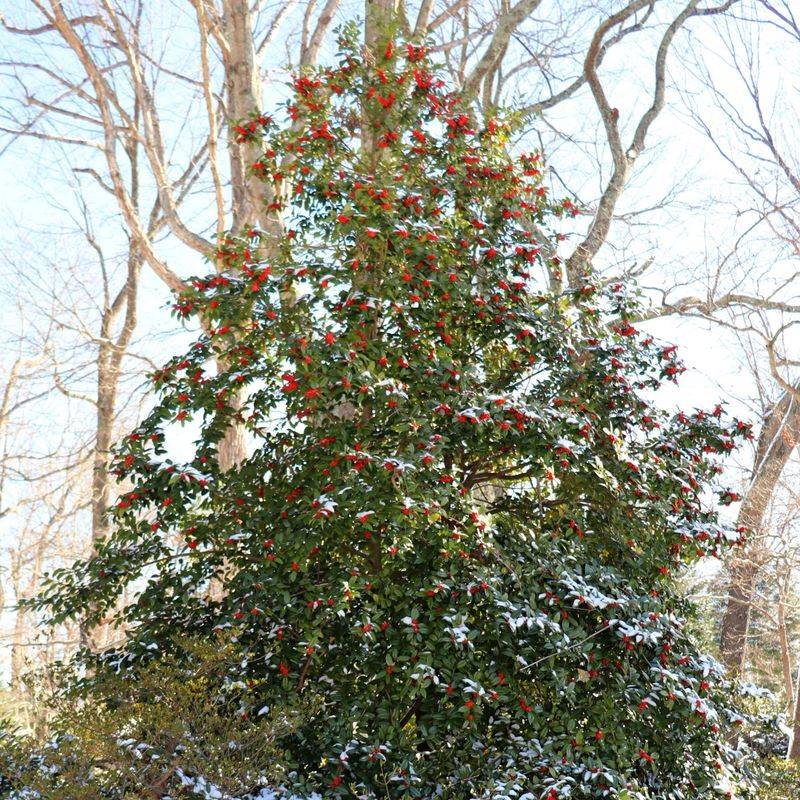
When every other tree has gone bare and gray, American holly (Ilex opaca) stands there glossy green and studded with red berries like it’s showing off. That evergreen backbone is exactly what a winter front yard needs.
Birds treat a mature holly like a all-winter buffet. Bluebirds, mockingbirds, cedar waxwings, and robins strip the berries during the leanest months, and the dense prickly foliage gives them a safe, sheltered place to roost away from hawks and cold wind.
Native to NC from the coast to the foothills, American holly is a slow, steady grower that can eventually reach 30 to 40 feet, though many keep it pruned as a tall privacy screen or corner anchor. You’ll need a male tree somewhere nearby for the female to set those famous berries.
Fun bit of history: early NC settlers cut holly branches for Christmas decorating long before the tradition became commercial, borrowing a custom that stretches back centuries. Plant it in well-drained, slightly acidic soil and let it become the tree that carries your yard through the dead of winter.
7. Sourwood
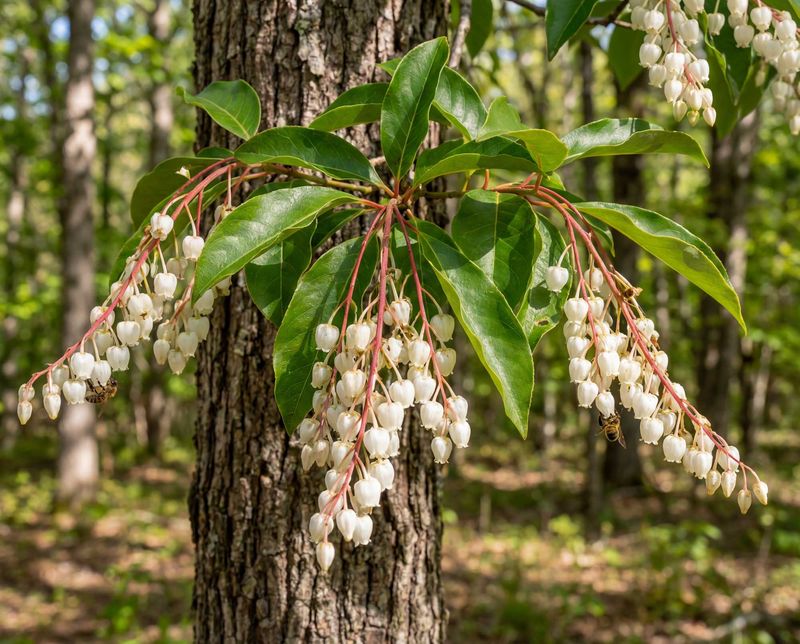
Beekeepers across the NC mountains guard their sourwood trees (Oxydendrum arboreum) like treasure, because the honey made from its blossoms is famous enough to win international awards. In midsummer, long sprays of tiny white bell-shaped flowers droop from the branches like strings of lily-of-the-valley.
Blooming in June and July sets sourwood apart. Most spring trees have finished by then, so it hands pollinators a meal during a hungry stretch of the season, and honeybees flock to it in droves.
Then fall arrives and sourwood turns some of the most intense red and burgundy foliage of any native tree, often before anything else in the yard changes color. Even the spent seed capsules hang on into winter, adding a lacy texture against the sky.
It’s a well-mannered, slow-growing tree at 20 to 30 feet, perfectly scaled for a front yard and non-threatening to your foundation or sidewalk. Give it acidic, well-drained soil and full to part sun, and this Appalachian native will outshine any crape myrtle from summer bloom straight through fall fire.