
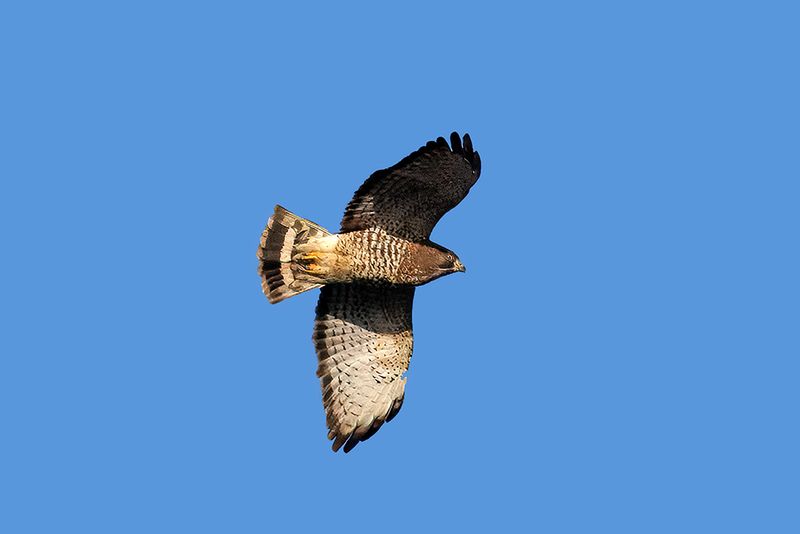
That hawk riding the air above your backyard is doing something worth paying attention to, even if its reasons for being there are more complicated than they first appear. North Carolina yards sit inside some of the richest hawk territory in the Southeast, and the birds that pass through or linger near your property can be connected, at least indirectly, to the small mammals and ticks that worry homeowners every summer. Understanding what a hawk can and cannot tell you about your yard is the first step toward making smart choices for your family and your local wildlife.
A Hawk Sighting Offers Possibilities, Not Proof
Spotting a hawk circling or perching near your property feels meaningful, and it may well be. But what you are seeing does not automatically tell you that the bird is hunting mice or voles in your yard. Hawks commute between roosting and hunting areas, defend territory by soaring, and use rising air currents called thermals to travel with minimal effort. A bird overhead could be doing any of those things, and the only honest starting point is curiosity rather than certainty.
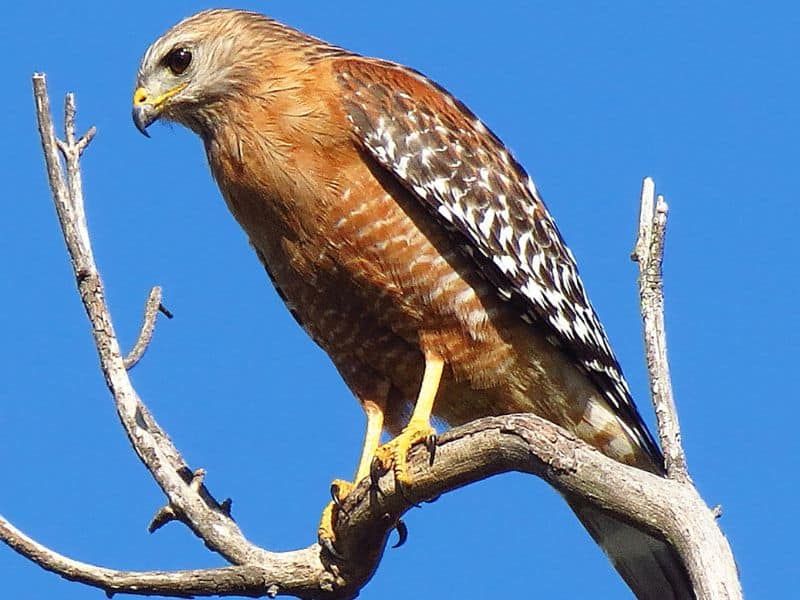
Species identity can narrow down the possibilities, even if it cannot pinpoint what an individual bird is doing at a given moment. Red-shouldered hawk life history from All About Birds describes a species that thrives in suburban settings where wooded lots border open ground, and one that hunts small mammals including voles and chipmunks alongside amphibians, reptiles, crayfish, and occasionally birds. If you are in the North Carolina Piedmont and a stocky, rusty-barred hawk is working the edge between your lawn and a tree line, a red-shouldered hawk is a reasonable candidate, and small mammals are plausible prey.
Other species shift that picture considerably. Sharp-shinned hawk diet information shows a bird that depends heavily on small birds, with mice and voles as secondary items. Cooper’s hawk accounts from Animal Diversity Web confirm a predator that routinely takes birds, chipmunks, and squirrels. A sleek, long-tailed accipiter cutting through your yard near a bird feeder is far more likely chasing a sparrow than rounding up tick-carrying rodents.
Using species identification this way is genuinely useful. Knowing which hawk you are likely seeing helps you understand what it probably eats and where it tends to hunt. What species information cannot do is tell you what this particular bird, on this particular afternoon, is pursuing. Treat a hawk sighting as a window into the local food web rather than a diagnosis of what is happening in your yard.
Small Mammals Matter to Some Tick and Pathogen Cycles
Ticks are not choosy about where they get their blood meals. CDC information on tick life cycles makes clear that ticks feed on mammals, birds, reptiles, and amphibians at different life stages, and many tick species will use whatever warm-blooded or cold-blooded host is available. That broad host range is worth keeping in mind before drawing a straight line from “rodents in the yard” to “ticks on the family.”
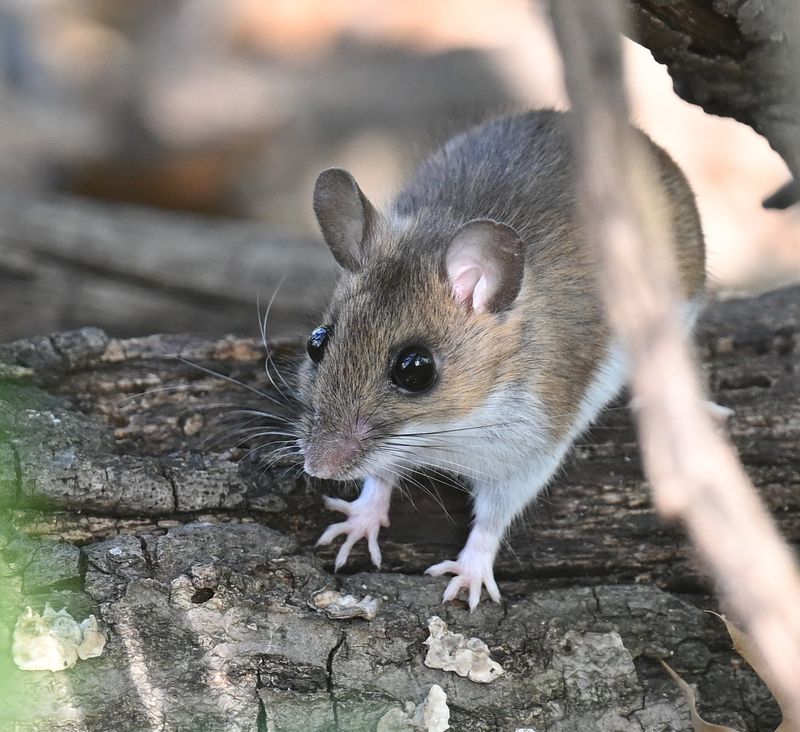
Where small mammals become especially relevant is in the maintenance of certain pathogens, particularly in the blacklegged tick system. CDC surveillance data on Lyme disease ecology points to white-footed mice as highly efficient reservoir hosts, meaning the bacteria that cause Lyme disease cycle through these mice readily, and larval ticks that feed on an infected mouse are very likely to pick up the pathogen. Some chipmunks and other small rodents play a similar role in parts of the East.
The connection becomes more specific when you look at the mechanics. Research published in PLOS ONE on host competence and tick-borne disease explains that not all hosts are equally good at infecting ticks, and that the mix of host species in a landscape influences how many infected ticks end up questing for their next meal. A yard full of white-footed mice near dense leaf litter is a different situation from a yard where mice are scarce and host diversity is higher.
None of this means every mouse or chipmunk you see is a walking tick factory, or that every tick in your yard came from a rodent. American dog ticks, lone star ticks, and other species common in North Carolina use deer, birds, dogs, and people as hosts and are tied to different disease pathways. The rodent connection is real and worth understanding, but it applies most directly to blacklegged ticks and the specific pathogens they carry, not to the full picture of tick risk in a North Carolina yard.
Predators Can Shape Food Webs Without Providing Household Tick Control
Ecological research does show that predators can influence prey populations and, through those populations, affect how parasites move through a landscape. A meta-analysis on predator-parasite relationships found that predators can either increase or decrease parasite burdens in a system depending on the predator species, the prey, the parasite involved, the habitat, and the specific mechanism at work. That range of outcomes reflects how complicated these relationships actually are rather than pointing to a simple rule.
The strongest evidence for predators reducing tick-relevant rodent populations comes from studies of predator communities across larger landscapes, not from observations of a single bird visiting a single property. Smithsonian Institution research on predator diversity and Lyme disease risk examined how the presence or absence of multiple predator species across broad areas relates to tick-borne pathogen transmission. The pattern that emerged involved whole communities of predators, not one hawk on one perch.
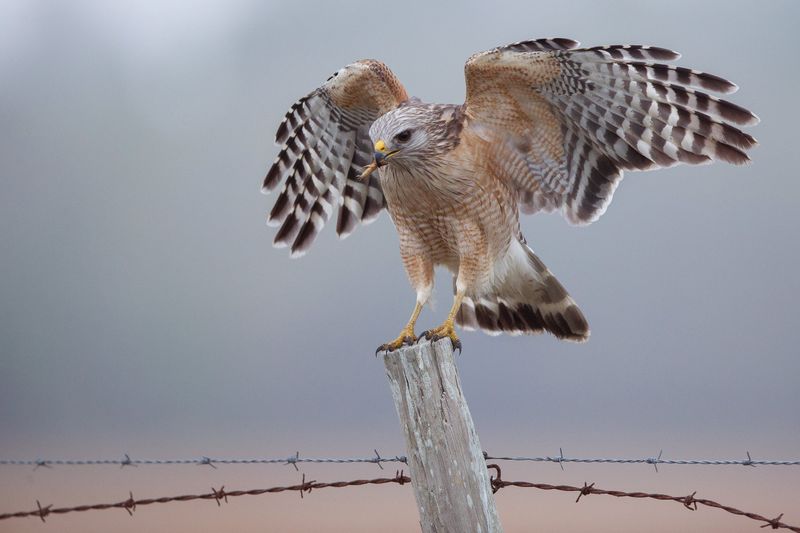
What that means practically is that a naturally visiting hawk may be one participant in the local food web, and it may consume some mice, voles, or chipmunks when it hunts nearby. That is a real ecological contribution, and it reflects the kind of habitat connectivity that healthy suburban landscapes can support. What it does not mean is that the hawk’s visits will translate into fewer ticks on your patio or lower disease risk for your family in any measurable way.
Predator effects on prey are also mediated by behavior. When rodents sense predator activity, they may shift where they forage, which can change where ticks are deposited, not necessarily reduce tick numbers overall. A hawk in the neighborhood is worth appreciating as part of a functioning food web, but treating it as a tick-control service sets expectations that the science simply cannot support for a single residential yard.
Support Safe Habitat Without Trying to Guarantee a Return Visit
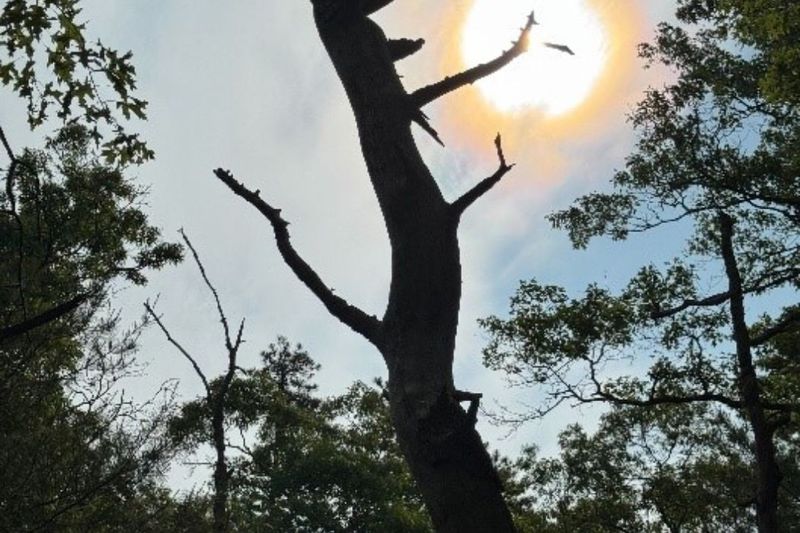
Raptors that show up in North Carolina yards are responding to conditions that already exist: available prey, suitable perches, nearby cover, and undisturbed nesting areas. You cannot schedule a hawk’s return, but you can maintain a yard that is worth visiting if the surrounding landscape supports it. The distinction matters because it keeps expectations realistic and points your effort toward things that actually help wildlife.
Mature trees are the foundation. Large canopy trees provide high exposed branches that hawks use for scanning and resting, and they support the insect and bird populations that smaller hawks also depend on. Native shrubs and ground cover at the yard edges add structure without creating the kind of dense low brush that primarily benefits rodents rather than raptors. NC State Extension guidance on snags and downed logs notes that standing dead trees with high exposed branches can serve as raptor perches and support a range of cavity-nesting and foraging wildlife.
Snag retention comes with a firm safety condition. A dead or structurally compromised tree near a house, driveway, utility line, or play area is a hazard first and a wildlife feature second. Have a certified arborist assess any tree you are considering leaving before you decide to keep it. If the tree is genuinely unsafe, removing it protects your family and your property, and a nearby living tree with high open branches can serve the same perching function without the risk.
NC State Extension’s wildlife chapter consistently frames habitat support around conditions that naturally attract wildlife rather than active feeding or provisioning. Preserving what already works, keeping native plantings, and avoiding unnecessary yard clearing near wooded edges are all reasonable steps. None of them promise that a hawk will come back, but they help ensure your yard remains part of a landscape where hawks can live.
Do Not Create a Rodent Buffet or Poisoned Meal
One of the quickest ways to undermine both your tick goals and your hawk-friendly intentions is to make your yard easier for rodents to live in. Rodents find food, water, and shelter near homes when people unintentionally provide those things, and a yard that reliably feeds mice and voles is not a yard that hawks clean up. It is a yard with a growing rodent population.
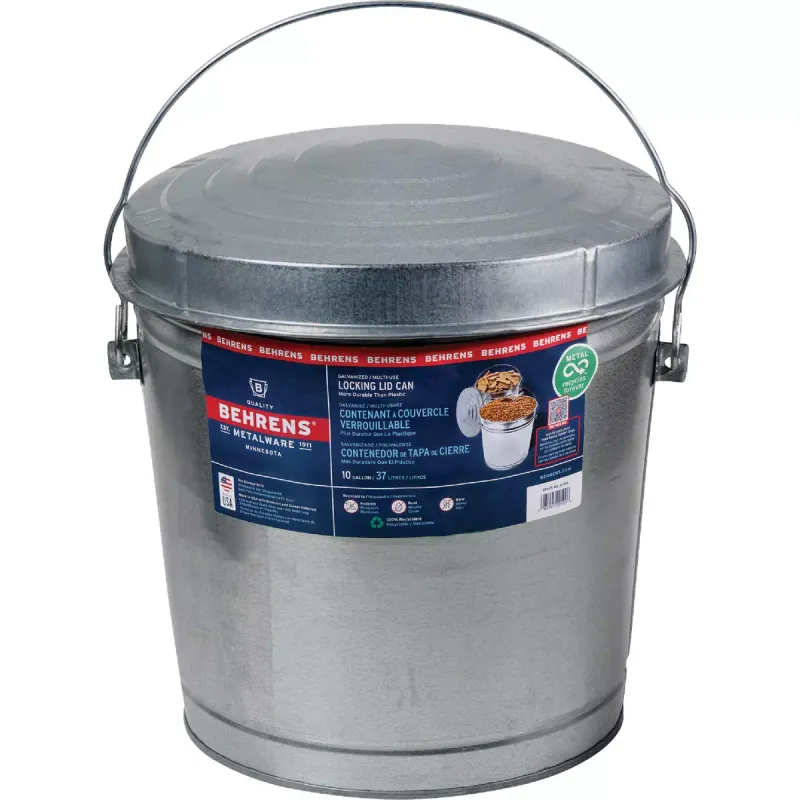
NC State Extension’s wildlife management guidance advises against providing food or water in situations where it may create conflicts or draw unwanted animals. For practical purposes, that means storing birdseed, chicken feed, and pet food in metal containers with tight-fitting lids, cleaning up spilled seed under feeders promptly, and not leaving standing water in areas where rodents are active. Brush piles, wood stacks, and cluttered storage areas close to the house can all offer shelter that rodents will exploit.
CDC guidance on rodent control around the home reinforces the same approach: seal entry points in buildings, remove food and water sources, and eliminate harborage. These steps reduce rodents near the house without creating the prey-concentration that actually increases tick-carrying host density in the areas your family uses most.
Rodenticide is a separate problem entirely. Some homeowners consider poison as a way to knock down rodent numbers, but EPA’s pesticide safety review for rodenticides documents the risk to non-target wildlife, including birds of prey that consume poisoned rodents. EPA restrictions on rodenticide products and EPA risk documentation for anticoagulant baits reflect particular concern about second-generation anticoagulants, which persist in tissue and accumulate up the food chain. A hawk that eats a rodent killed by one of these products can suffer internal bleeding and die.
Using poison to reduce rodents while hoping to support hawks is self-defeating, and the harm to non-target wildlife can extend well beyond your property line.
Put Direct Tick Prevention Along Human Paths
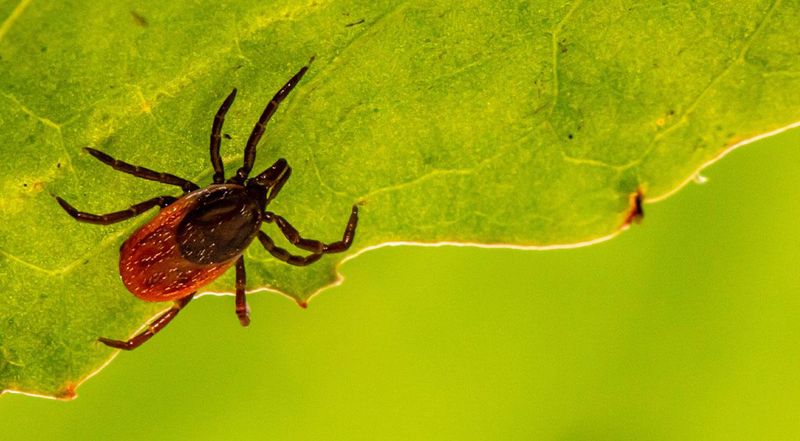
Yard management aimed at reducing tick encounters works by targeting the places where ticks wait for hosts and the paths that bring people and pets into contact with them. Ticks do not jump or fly. They quest, meaning they climb to the tips of grass blades, leaf edges, or low vegetation and wait for a passing host. Knowing that shapes where your effort matters most.
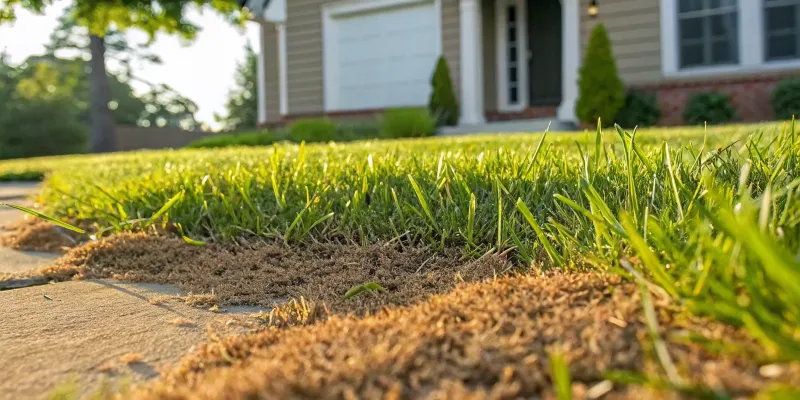
CDC tick prevention guidance and CDC Lyme disease prevention recommendations consistently point to the same practical steps: remove leaf litter, mow regularly, and clear tall grass and brush from the areas around patios, play equipment, garden beds, and paths that your family uses frequently. These are the transition zones where questing ticks are most likely to encounter people.
One structural addition that CDC tick management research has evaluated is a roughly 3-foot-wide barrier of wood chips or gravel placed between a maintained lawn and a wooded or brushy edge. The barrier creates a drier, more exposed zone that ticks are reluctant to cross, reducing the number that migrate from woodland habitat into the lawn. Results depend on local conditions, the thickness and maintenance of the barrier, and how much tick pressure exists in the surrounding area, so treat it as a useful addition rather than a guaranteed solution.
Managing the lawn-to-woodland edge more broadly also matters. That transition zone, where mowed grass gives way to shrubs, leaf litter, and shade, is prime questing habitat. Keeping it narrow and clear near the house does more for your family’s tick exposure than any single wildlife visitor. These steps address the actual exposure pathway, which is human or pet contact with tick habitat, rather than relying on an indirect predator effect that may or may not reach your specific yard.
Consistency and coverage across the yard’s high-traffic zones are what make these measures work over a season.
Protect People, Pets, Poultry, and Songbirds Directly
Yard management reduces the number of ticks in your outdoor spaces, but it does not make tick encounters impossible. Personal protection closes that gap. CDC tick prevention recommendations include using EPA-registered repellents containing DEET, picaridin, IR3535, or permethrin-treated clothing as directed on the product label. After any time spent in the yard, check skin and clothing carefully, paying attention to the scalp, behind the ears, under the arms, around the waist, and behind the knees, where ticks commonly attach.
Remove any attached tick promptly using fine-tipped tweezers, grasping as close to the skin as possible and pulling steadily upward without twisting. CDC guidelines on tick bite management describe the correct removal technique and note that prompt removal reduces the window for pathogen transmission. Shower within two hours of coming indoors when possible, and put clothing in a hot dryer for at least ten minutes to kill any ticks that may remain on fabric.
Pets need their own protection plan. CDC guidance on preventing ticks on pets recommends daily inspection of dogs and cats, especially after outdoor time, and working with a veterinarian to choose a tick-prevention product appropriate for the animal’s species, weight, and health. Pets that roam wooded or brushy areas can carry ticks inside and onto furniture or bedding, extending the exposure risk to the whole household.
Hawks introduce their own tradeoffs for other yard animals. NC State Extension’s guidance on managing backyards for birds recommends placing feeders near shrubs or brush piles that songbirds can reach quickly for escape cover if an accipiter comes through. If you keep chickens or other small poultry, Extension poultry guidance emphasizes secure enclosures with covered runs as the most reliable protection against aerial predators, including Cooper’s and red-tailed hawks.
North Carolina residents should also know that all hawks are protected under federal law, and most are listed as protected wildlife in the state. NC Wildlife Resources Commission’s protected species list covers raptors statewide. Do not disturb active nests or attempt to handle an injured hawk. If you find an injured raptor, contact a licensed wildlife rehabilitator or the NC Wildlife Resources Commission for guidance on next steps.
Let the Hawk Be Part of the Food Web, Not the Tick Plan
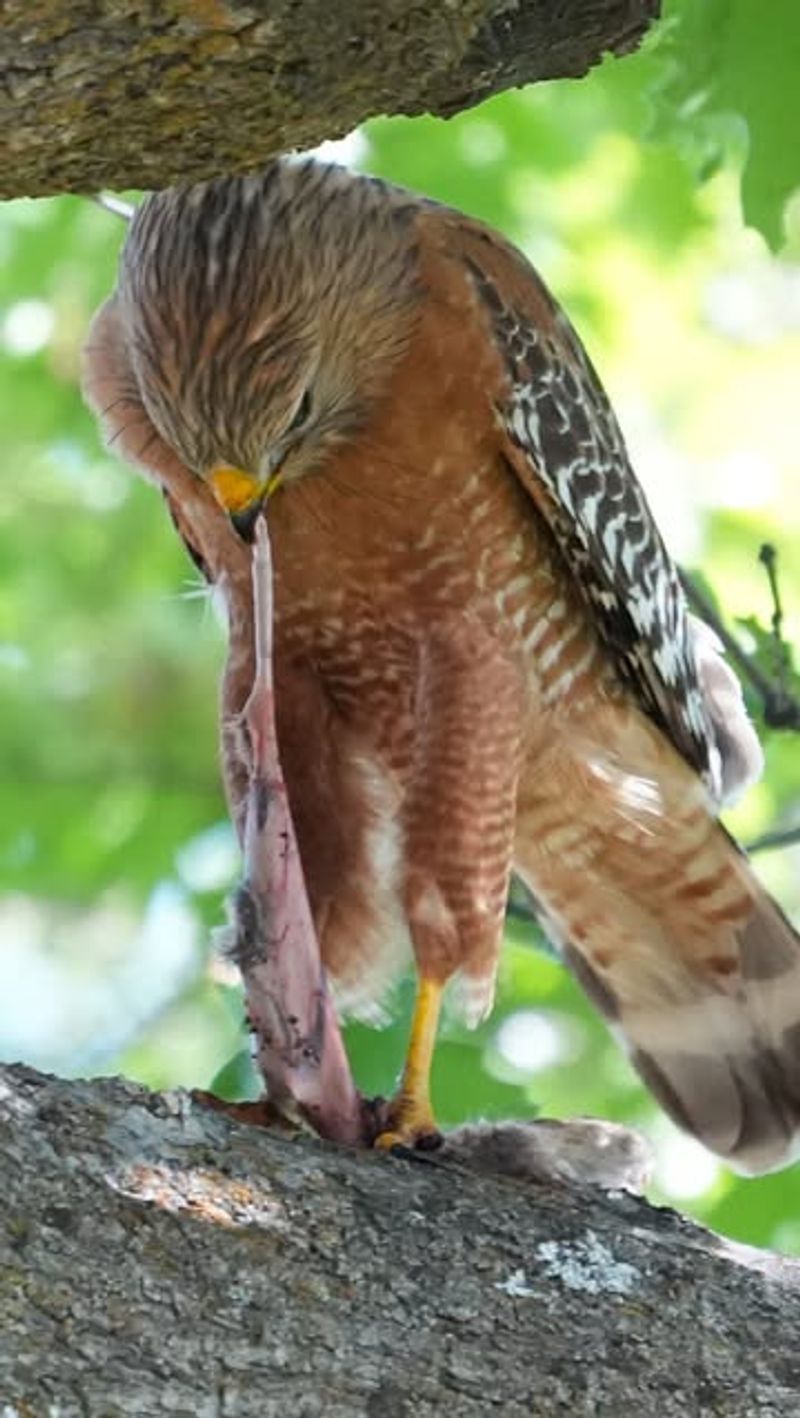
A hawk returning to your yard on its own terms is a sign that your property sits within a landscape that can still support a working food web. All About Birds describes red-shouldered hawks as birds that thrive where suburban development has not fully erased woodland structure, and their presence near a yard often reflects mature trees, edge habitat, and prey that have persisted despite human activity. That is worth something on its own.
Whether the hawk is eating mice that host ticks or chasing frogs at the edge of a drainage ditch, its visit does not confirm a functioning predator-prey balance that will lower your family’s tick risk. Research on predators and parasites makes clear that outcomes depend on context, and no single predator species visiting a residential yard has been shown to deliver measurable protection at the household level. Expecting that outcome sets you up to skip the steps that actually work.
The balanced approach keeps the hawk in its proper role. Preserve safe habitat features, remove rodent attractants from around your home, manage the tick-prone edges along paths and play areas, and protect your family and pets through proven preventive steps like repellents, daily tick checks, and veterinary-guided pet prevention. A hawk overhead is a genuinely good thing to see in a North Carolina yard. Let that be enough.