
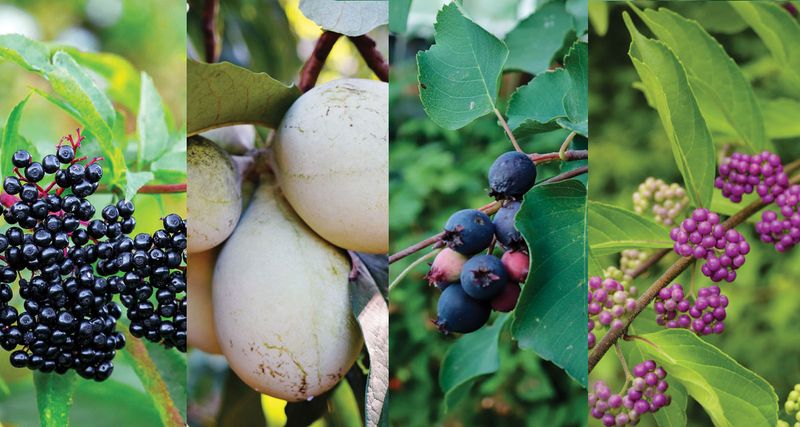
Imagine planting one tree today and letting it feed your kids, and maybe even your grandkids, for the next fifty years. That is exactly what native North Carolina fruit trees can do when you give them a good spot to grow.
They fit our Piedmont clay, coastal sand, and mountain slopes because they belong here, and they feed birds, pollinators, and your family all at once. Here are ten hardworking natives that turn a single afternoon of planting into decades of harvests.
1. American Persimmon
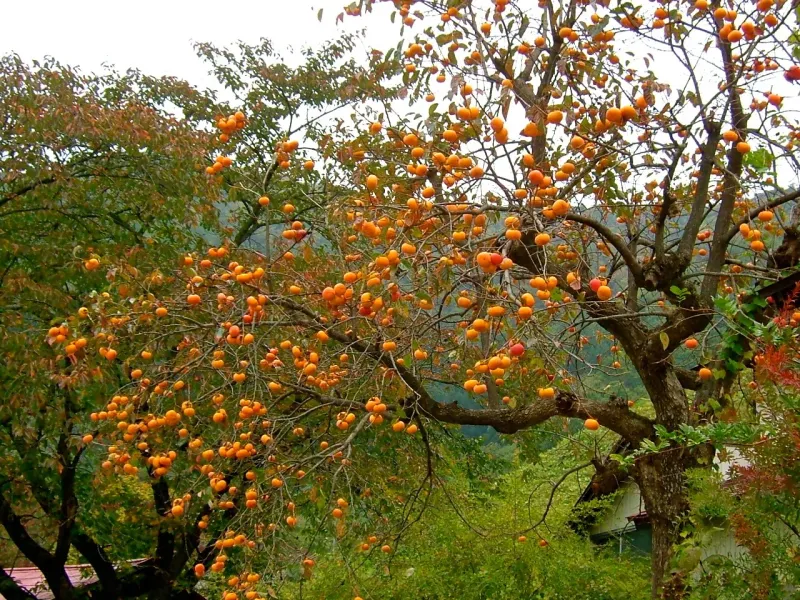
Sweet as honey once the first cool nights hit, the American persimmon is North Carolina’s answer to a candy tree. Wild ones grow all across the Piedmont and coastal plain, often popping up along fence lines where a bird dropped a seed years ago.
The fruit is famously mouth-puckering when unripe, so patience is the whole game. Wait until it turns soft and deep orange, usually after the first frost, and you get a flavor somewhere between date and caramel.
A single tree can keep producing for forty years or more with almost no fuss. Deer, foxes, and songbirds love the dropped fruit, so you are feeding your family and a whole cast of native wildlife at the same time.
Fun fact: you need a female tree to get fruit, and often a male nearby to pollinate it, so planting a small cluster pays off.
2. Pawpaw
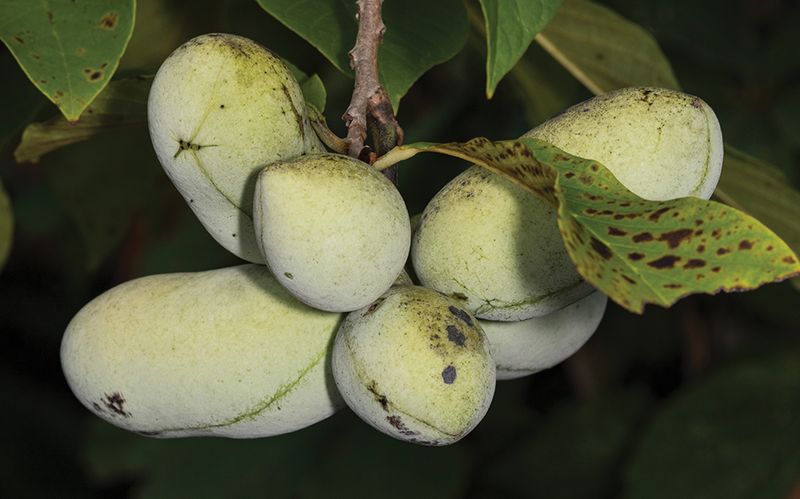
Ever tasted a banana crossed with a mango growing wild in the Carolina woods? That is the pawpaw, the largest edible fruit native to North America, and it thrives in our shady mountain coves and Piedmont creek bottoms.
The custardy flesh spoils fast, which is exactly why you almost never see it in stores. Growing your own is really the only reliable way to enjoy that soft, tropical sweetness.
Pawpaws stay small enough to tuck into a partly shaded corner, and once established they sucker into a little grove that fruits for decades. Plant two different trees for good pollination, since they do not self-fertilize well.
Bonus for the wildlife-minded: pawpaw leaves are the only food for zebra swallowtail caterpillars, so you get butterflies along with dessert.
3. American Plum
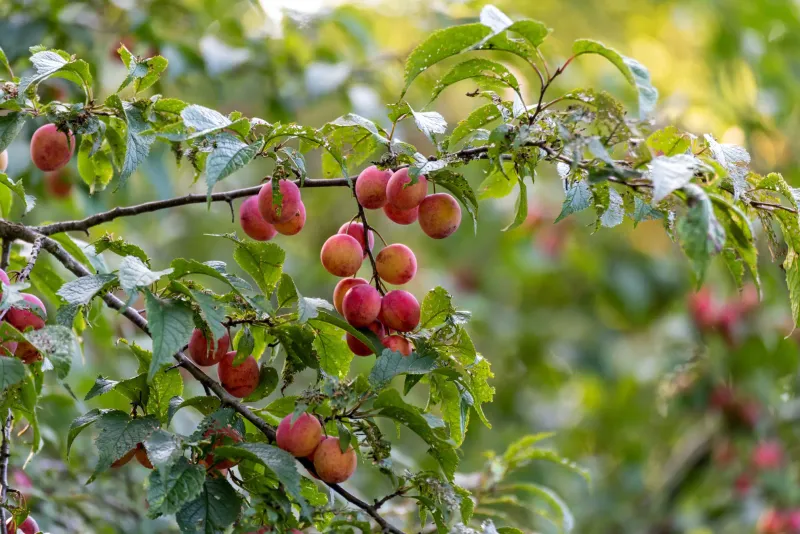
Come spring, the American plum lights up field edges with clouds of white blossoms that hum with native bees. By midsummer those flowers become tart little red-and-yellow plums perfect for jam.
Rather than standing as one big tree, it spreads into a dense thicket, which makes it a fantastic natural hedge along a property line. Birds nest inside the tangle, and rabbits shelter under it during winter.
The fruit is smaller than a grocery-store plum but packs a bright, wild flavor that cooks down beautifully with a little sugar. Kids love picking them straight off the branch on a warm July afternoon.
Once rooted, this scrappy native shrugs off drought and keeps colonizing gently, so a single planting slowly grows into a self-renewing patch that can feed a family for generations.
4. Black Cherry
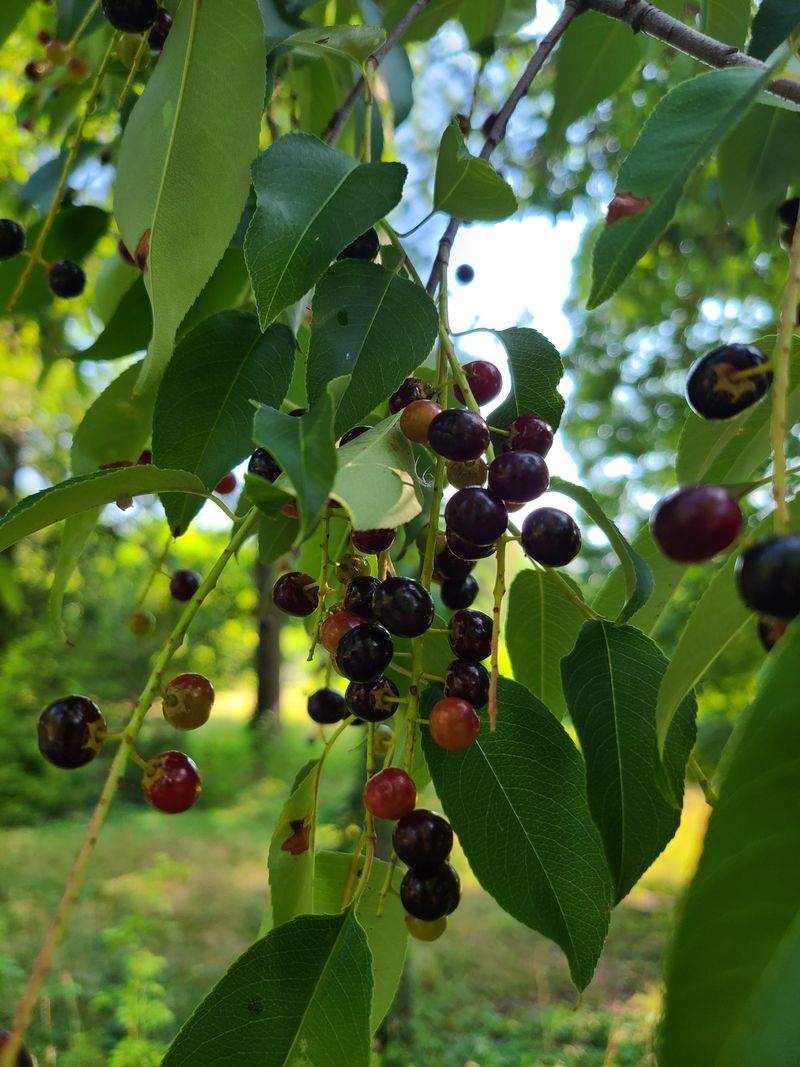
Towering and dependable, the black cherry is the giant of this list, sometimes reaching eighty feet in the North Carolina mountains and Piedmont. Its long clusters of dark cherries are more tart than sweet, but they make outstanding jelly, syrup, and old-fashioned cherry bounce.
Songbirds go absolutely wild for the fruit, and this tree is one of the single best wildlife-support species you can plant in the state. It feeds hundreds of caterpillar species that in turn feed baby birds.
Give it room, because it grows fast and lives for many decades, easily outlasting the person who planted it. The wood is prized too, so even a shady giant earns its keep.
Just remember the leaves and pits are not for grazing livestock, so site it where that is not a concern.
5. Chickasaw Plum
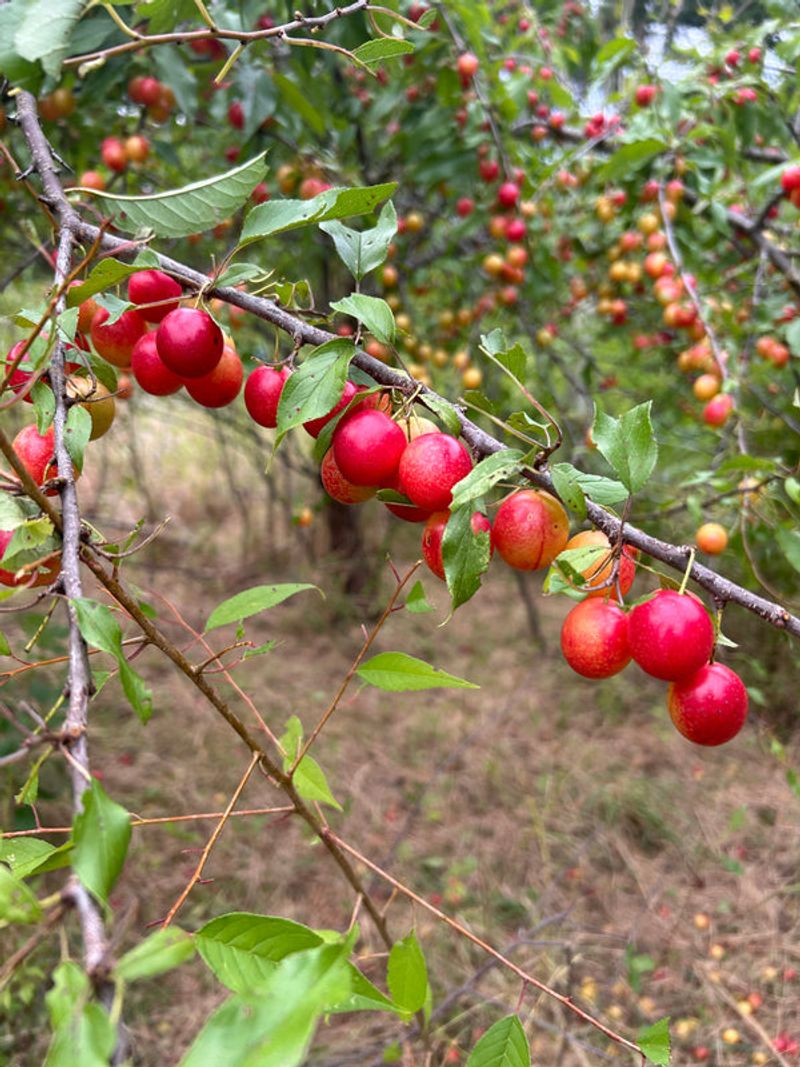
Down in the sandy coastal plain, the Chickasaw plum shrugs off heat and poor soil like it was born for it, which of course it was. This smaller cousin of the American plum forms tidy thickets loaded with cherry-sized red fruit.
The plums ripen early, often by late spring, giving you one of the first homegrown harvests of the year. Their sweet-tart flavor is a favorite for fresh eating and quick preserves.
Because it tolerates drought and sandy ground so well, it is a smart pick for eastern NC yards where other fruit trees struggle. Native bees swarm the early white flowers when little else is blooming.
A little historical note: Native peoples cultivated and traded this plum for centuries, which is how it earned the Chickasaw name.
6. Mayhaw
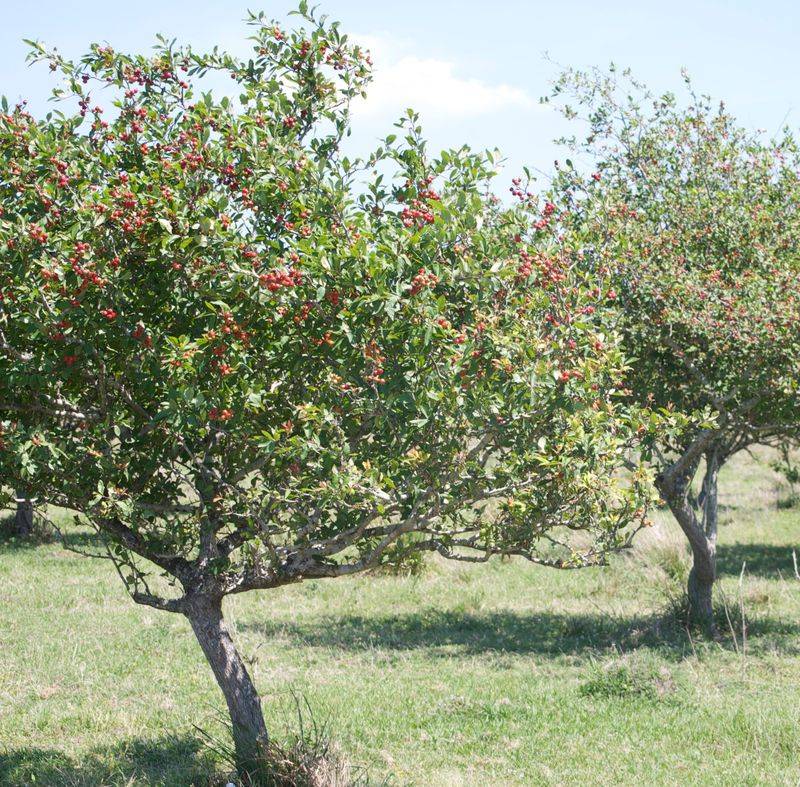
If you have a soggy low spot where nothing else wants to grow, the mayhaw might just be your dream tree. A wetland-loving hawthorn, it produces tart red berries that Southerners have turned into legendary jelly for generations.
Most fruit trees hate wet feet, but this one leans into swampy edges and creek bottoms across the coastal plain. That makes it a rare problem-solver for tricky yards.
The little apple-like fruits ripen in May, hence the name, and float on the water when they drop, making harvest as easy as scooping them up. Bees adore the early blooms, and the tree keeps bearing for decades once settled.
Homemade mayhaw jelly is one of those flavors folks drive miles to buy at roadside stands, yet you can grow it in your own back forty.
7. Red Mulberry
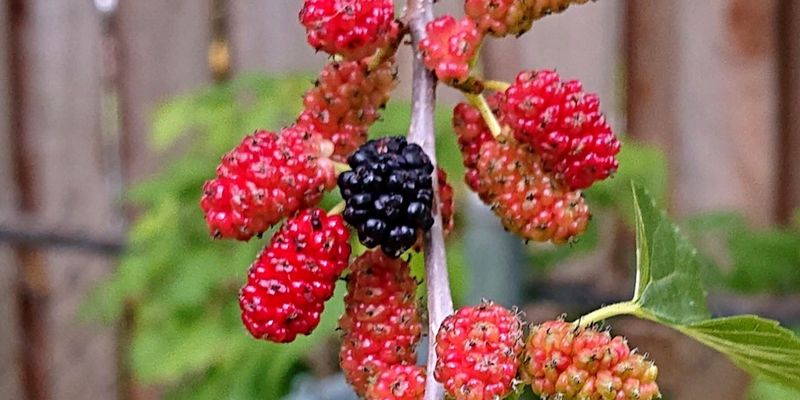
Kids with purple-stained fingers and grinning mouths are the surest sign a red mulberry is nearby. This native shade tree drops sweet, blackberry-like fruit by the bucketful every summer, and it does so with almost zero help from you.
Unlike the imported white mulberry that has muscled in across the state, the true red mulberry belongs here and supports our native birds beautifully. Plant it away from driveways unless you enjoy purple splatter.
It grows quickly into a generous shade canopy, so you get cooling shade and a harvest at once. Robins, cardinals, and cedar waxwings will practically throw a party in the branches.
One tree can outlive the family dog several times over, dropping fruit faithfully for fifty years or more.
8. American Hazelnut
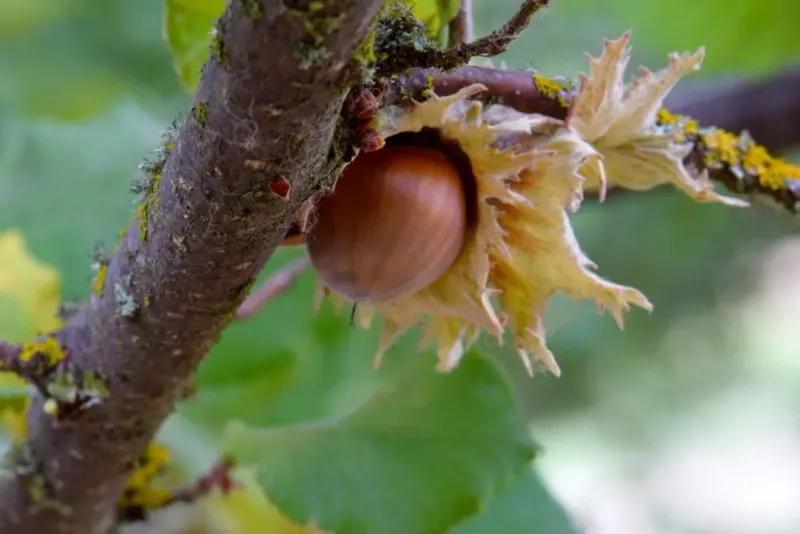
Not everything on this list is juicy fruit, and the American hazelnut proves nuts belong at the harvest table too. This multi-stemmed shrub produces small, flavorful filberts wrapped in frilly green husks come late summer.
It stays compact enough to plant as a productive hedge, filling in a border while feeding you and the wildlife. Squirrels, blue jays, and turkeys all compete for the crop, so pick promptly if you want your share.
Dangling catkins appear in late winter, adding quiet beauty when the yard is otherwise bare. Once established, the shrub suckers into a long-lived clump that keeps producing for decades.
Roast a handful over the fire and you will understand why folks have gathered these along Carolina fencerows for hundreds of years.
9. Serviceberry
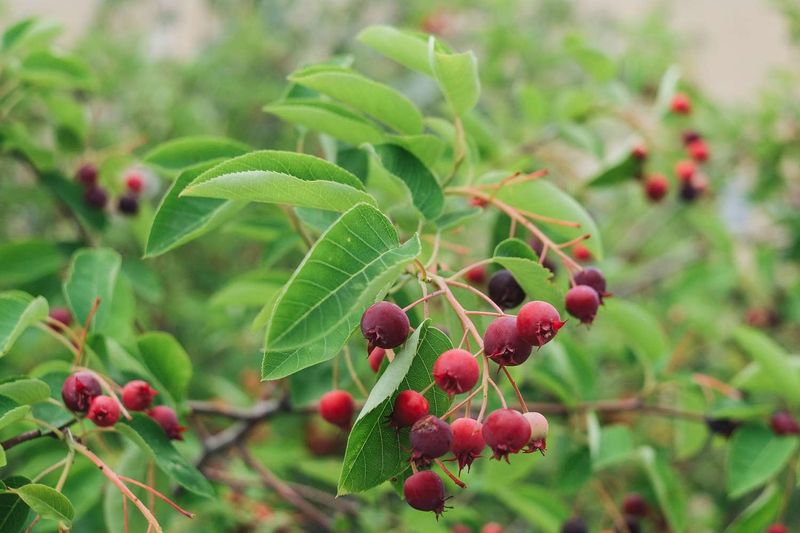
Few trees earn their spot as many times over as the serviceberry, which some old-timers call sarvis or shadbush. In early spring it erupts in lacy white flowers, and by June it hands you clusters of sweet blue berries that taste like a blueberry crossed with almond.
Slender and graceful, it fits neatly into small yards and looks stunning near a porch or entry. The fall foliage flames orange and red, so you get four seasons of good looks.
You will have to move fast at harvest, because robins and bluebirds adore these berries as much as you will. Many gardeners plant a couple just to share the bounty.
It thrives from the mountains through the Piedmont, and a single healthy tree keeps ripening fruit year after year for a very long time.
10. Muscadine Grape
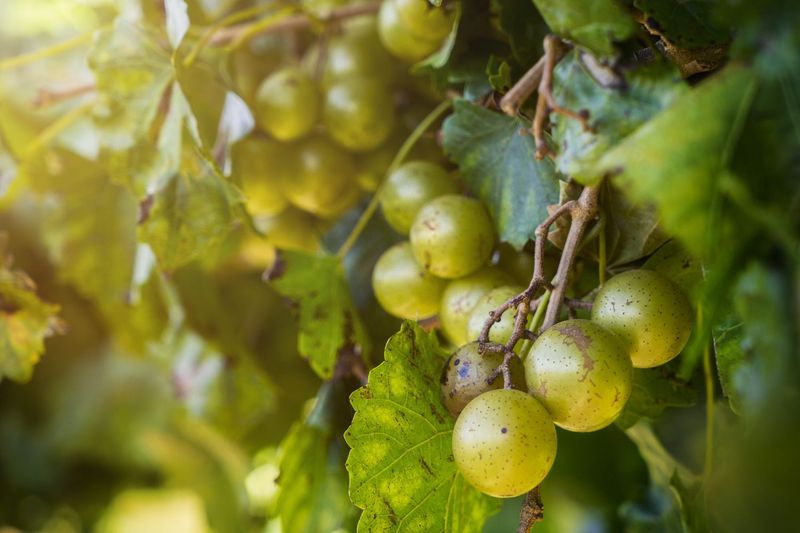
No list of Carolina natives would be complete without the muscadine, the thick-skinned grape that practically defines a Southern summer. Draped over an arbor, a single vine can shade a patio and drop grapes by the pound every fall.
These grapes handle our humidity and disease pressure far better than fussy imported wine grapes, which is why they have been grown here since colonial days. The famous Scuppernong, a bronze muscadine, was first cultivated near the North Carolina coast.
Pop one in your mouth and the sweet burst is unmistakable, perfect for fresh eating, juice, jelly, or homemade wine. Birds and foxes clean up whatever hits the ground.
Plant a self-fertile variety, give it a strong support, and that vine will keep feeding your family for decades with barely a complaint.