
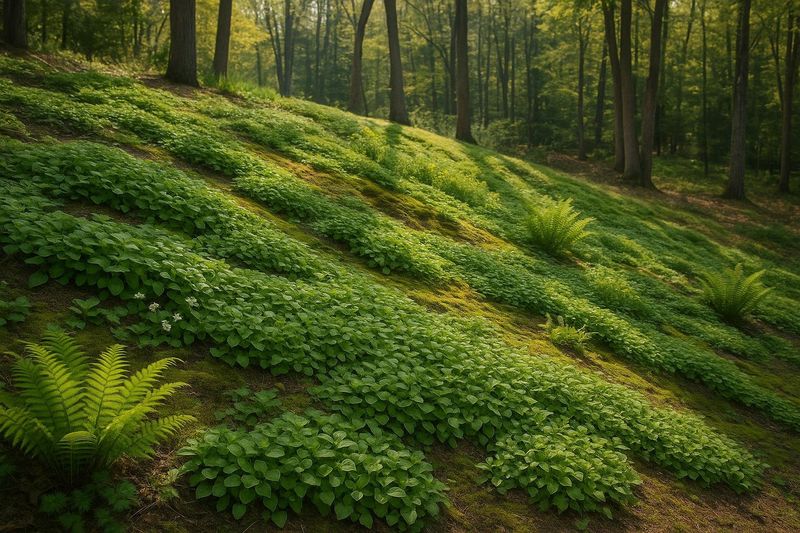
That steep bank in your yard is a headache waiting to happen. Every hard rain washes soil downhill, weeds move in fast, and mowing it is downright dangerous.
Vinca might seem like the easy fix, but it spreads into the woods and does nothing for local wildlife. The good news is that North Carolina has native ground covers that grip a slope, choke out weeds, and feed the pollinators and birds you actually want in your yard.
1. Green and Gold (Chrysogonum virginianum)
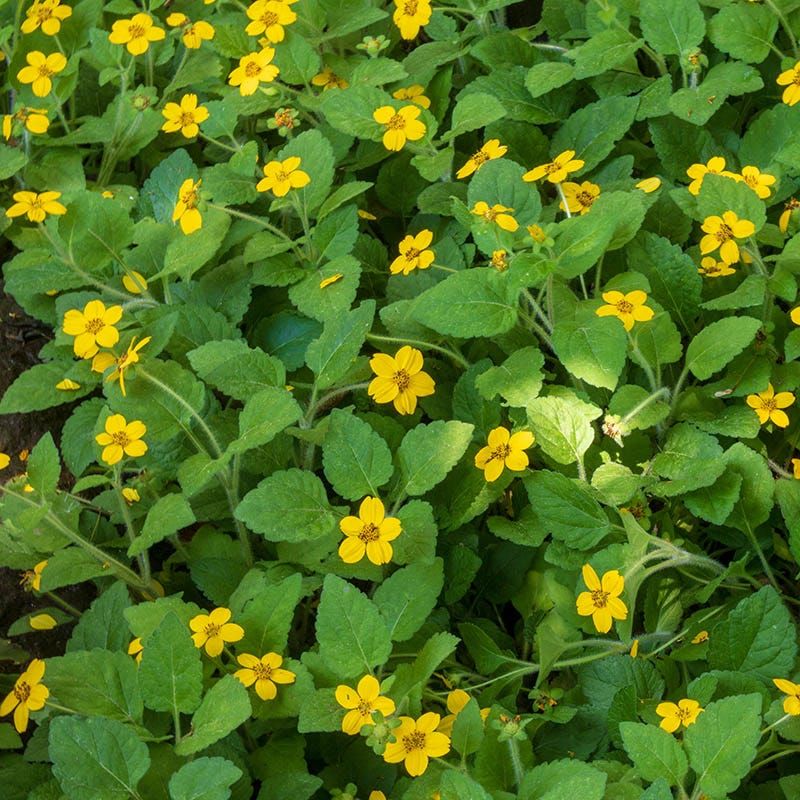
Cheerful yellow blooms that show up in early spring and keep popping out through summer make this little native feel like free sunshine on a shady bank. It hugs the ground and spreads by runners, weaving a dense mat that leaves weeds no room to sprout.
Green and gold loves the dappled shade you find under Piedmont hardwoods, so it is perfect for that slope beside the woods where grass never wanted to grow. The evergreen-ish foliage holds soil in place through the cooler months, which is exactly what you need when winter rains start running.
Pollinators love it too. Small native bees and early butterflies visit the flowers when little else is blooming, so you are feeding wildlife right when they need it most.
Plant plugs about a foot apart on your slope and let them knit together over a season or two.
Fun bit of history: this plant is native from the mountains to the coastal plain, so wherever you garden in NC, it already belongs.
2. Creeping Phlox (Phlox stolonifera)
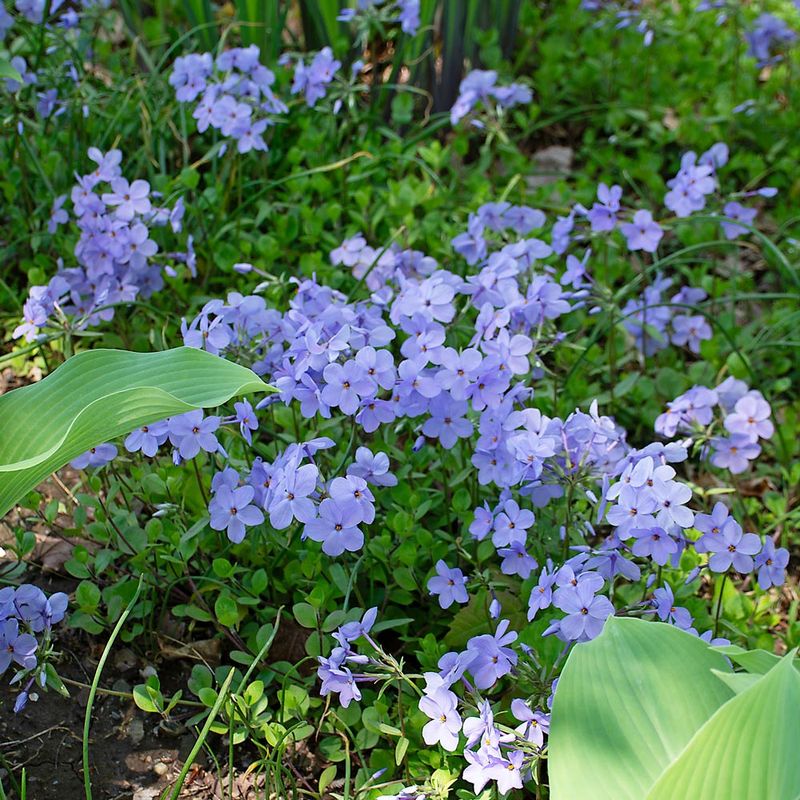
Picture a hillside that looks like someone spilled a bucket of pink and purple paint down it in April. Creeping phlox does that every spring, turning a boring slope into the showpiece of the whole street.
Underneath all that color is a hardworking root system. The stems root as they crawl, stitching the soil together and forming a thick carpet that shrugs off weeds once it fills in.
Native to the woodland edges of the Appalachian foothills, this phlox handles the partial shade and clay soils that plague so many NC yards. After the flowers fade, the low green mat sticks around all season to keep holding your bank in place.
Butterflies and native bees flock to the spring bloom, so you get curb appeal and a pollinator pit stop in one low-effort planting. Space plants roughly a foot apart and water them the first summer while they settle in.
3. Allegheny Spurge (Pachysandra procumbens)
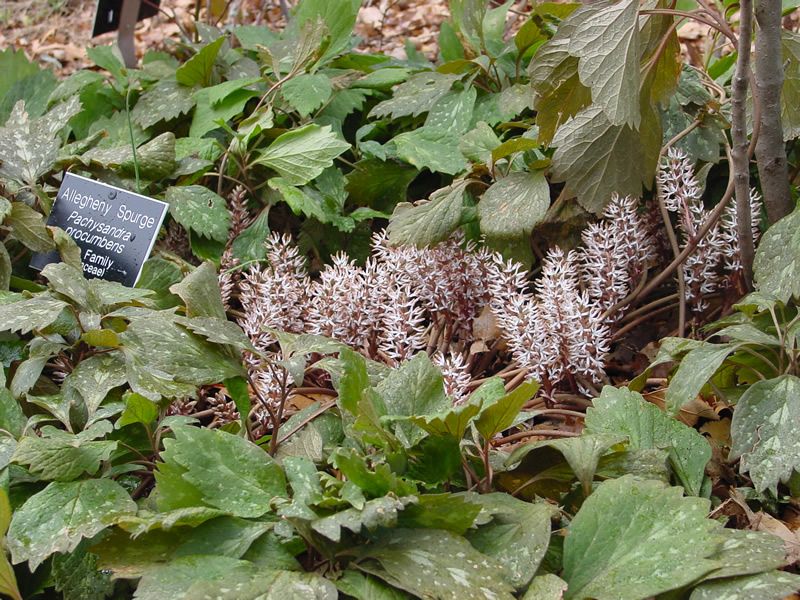
Most folks know the imported Japanese pachysandra, but its Southern cousin is the one you actually want. Allegheny spurge has handsome mottled leaves that turn a marbled silver-and-green by late season, and it behaves itself instead of taking over the neighborhood.
Deep shade is where this native shines. That north-facing bank under the oaks where nothing else survives is exactly its happy place, and it forms a slow but sturdy colony that binds the soil.
Come early spring, fuzzy little bottlebrush flowers appear near the ground with a light, sweet scent that surprises people who lean in. It is a subtle plant, not a loud one, but it delivers reliable weed suppression year after year.
Because it is native to the Southeast, it supports local soil life and pairs beautifully with ferns and wild ginger for a layered woodland slope.
4. Golden Ragwort (Packera aurea)
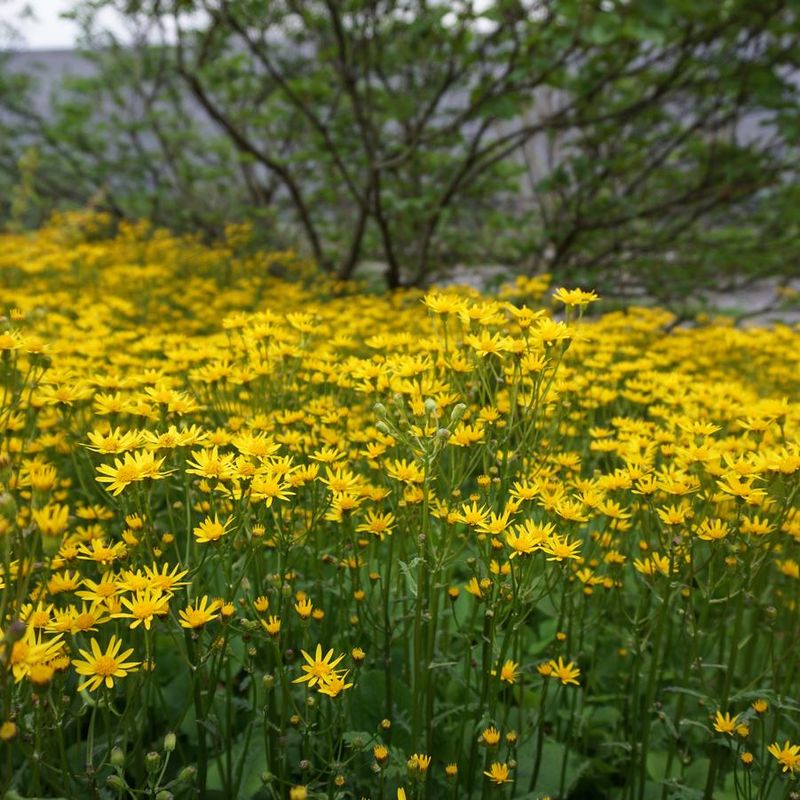
If you have a damp, tricky slope where water tends to sit, golden ragwort will happily move in and take over the weeding for you. It spreads fast by seed and runners, building a dense evergreen mat of rounded leaves that shades out unwanted invaders.
In spring, tall stalks of bright yellow daisy-like flowers rise above the foliage and light up the whole bank. Native bees and hoverflies work those blooms hard, so you are supporting pollinators while you fix a drainage-prone hillside.
The basal leaves stay green through winter, meaning your soil stays anchored even in the off-season when heavy rains do the most damage. That evergreen habit is a big reason it outperforms vinca on erosion control.
Found across NC from creek bottoms to woodland edges, golden ragwort is one of the toughest, most self-sufficient natives you can plant. Give it moisture and part shade, then stand back and let it do its thing.
5. Wild Ginger (Asarum canadense)
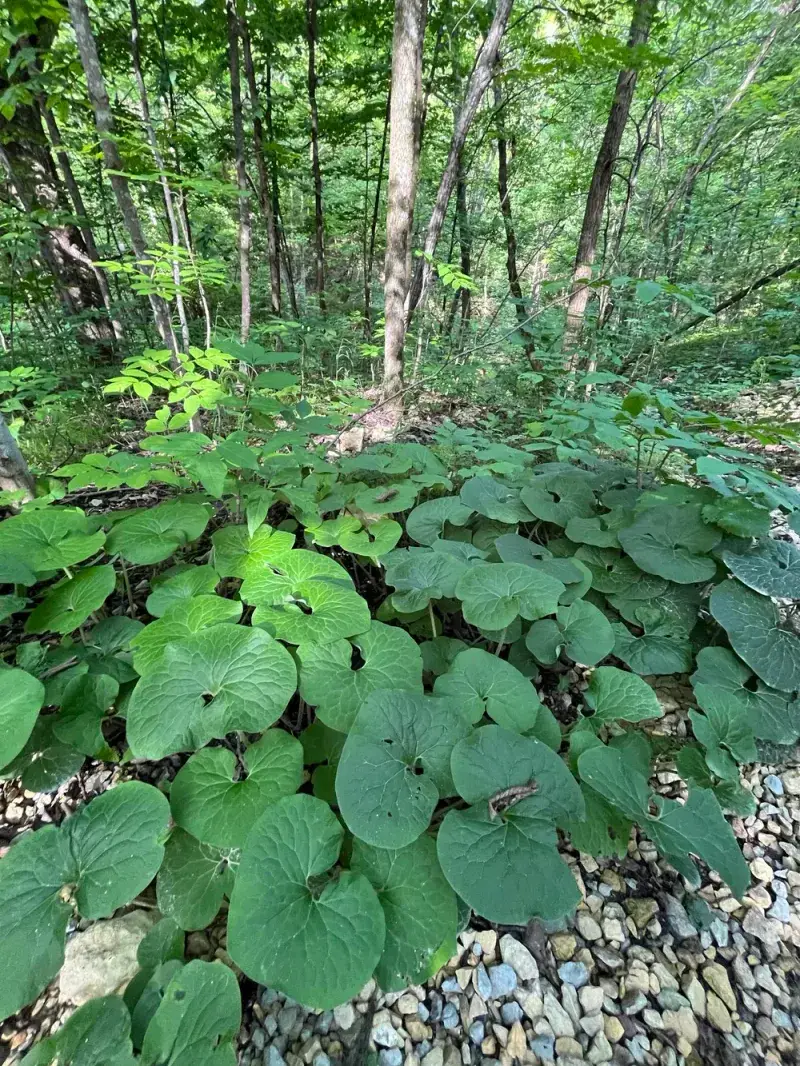
Big heart-shaped leaves that lie flat against the ground make wild ginger look almost tropical tucked into a shady NC slope. The lush foliage overlaps into a solid green carpet that blocks sunlight from ever reaching weed seeds below.
Hidden down at soil level, curious little maroon flowers bloom in spring where ground beetles and ants can find them. You have to move the leaves aside to spot them, which makes it a fun surprise to show visitors.
Wild ginger thrives in the rich, moist shade of hardwood forests, so it is ideal for that dim bank where turf grass gave up long ago. Its creeping rhizomes knit through the top layer of soil and hold everything firmly in place.
Did you know the roots have a spicy scent that reminds people of true ginger, though it is not related and should not be eaten? It is a native charmer that trades flashy flowers for dependable, weed-smothering coverage.
6. Robin’s Plantain (Erigeron pulchellus)
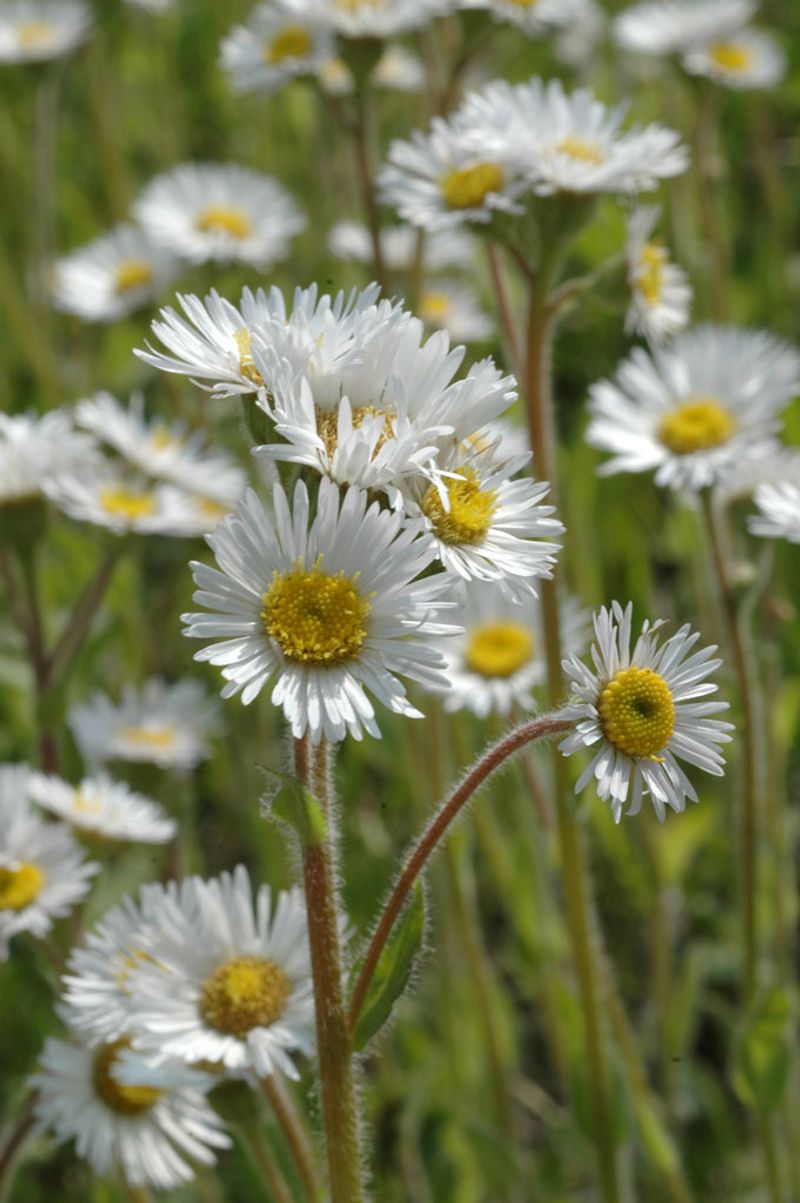
Soft, fuzzy rosettes of gray-green leaves give this underrated native a plush, almost pettable look as it fills in a slope. Robin’s plantain spreads by runners into a low mat, then throws up sweet lavender-and-white daisies in late spring.
It handles more sun than most woodland ground covers, so it works on that half-open bank where shade lovers scorch and sun lovers dry out. That flexibility makes it a great gap-filler between shadier and sunnier natives.
The early flowers are a magnet for small native bees and butterflies at a time when nectar is scarce, feeding your local pollinators right out of the gate. After bloom, the fuzzy evergreen rosettes keep guarding the soil against runoff.
Native throughout much of North Carolina, it asks for very little once established and rewards you with a tidy, weed-resistant cover that just keeps quietly expanding.
7. Barren Strawberry (Geum fragarioides)
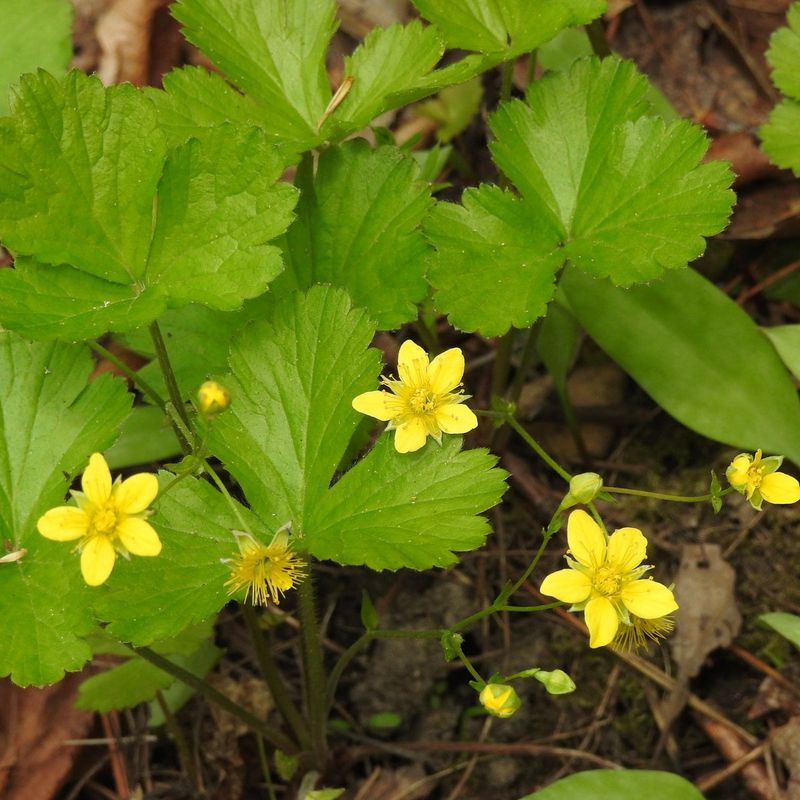
Looks just like a strawberry patch, minus the berries, and honestly the resemblance is half the fun. Barren strawberry forms a dense, glossy evergreen mat of three-part leaves that stays green and neat all year long.
Bright yellow spring flowers sprinkle across the foliage and draw in early bees, adding a pop of color before most of the yard wakes up. The tight, low habit is what makes it such a champion at blocking weeds on a bank.
Tough and adaptable, it takes clay, part shade, and the ups and downs of NC weather without complaint. The evergreen leaves mean year-round erosion protection, which is where it beats a plant that dies back and leaves bare dirt.
Space plugs close together for fast coverage, and within a couple of seasons you will have a seamless green sheet holding your slope steady. It is one of those quiet workhorses that earns its spot without any fuss.
8. Pennsylvania Sedge (Carex pensylvanica)
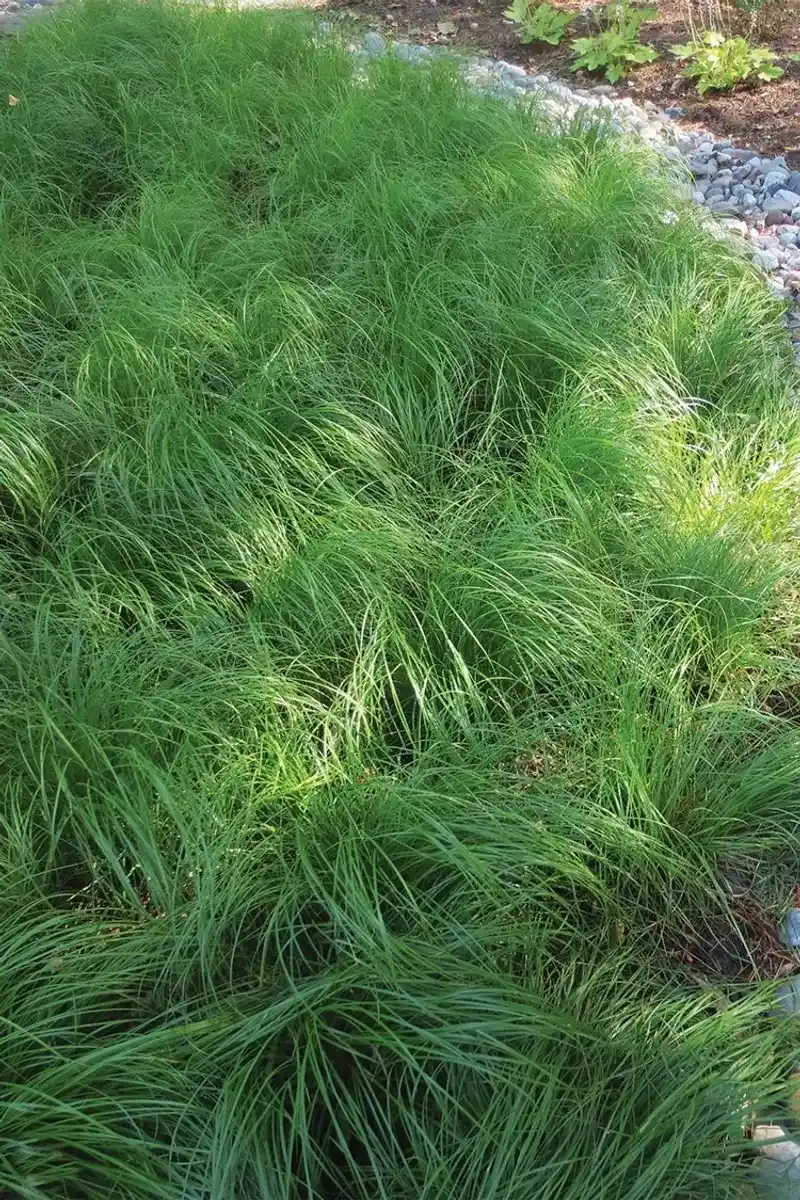
Dreaming of something that looks like a soft lawn but never needs mowing on a slope? Pennsylvania sedge gives you fine, arching blades that flow in the breeze and form a gentle green meadow effect down a hillside.
Its dense, fibrous roots are erosion-control gold, weaving through the soil and gripping it far better than shallow-rooted turf grass ever could. Once it fills in, the thick stand of foliage shades out weed seedlings before they get going.
This sedge is right at home in the dry shade under trees, one of the hardest spots in any NC yard to plant successfully. You can walk on it lightly, and it never demands the water, fertilizer, or fuel that a traditional lawn does.
It also shelters ground-feeding birds and hosts several native butterfly and skipper species, so your no-mow slope quietly becomes wildlife habitat. Plant plugs on a grid and let them spread into a soft, low-maintenance carpet.