
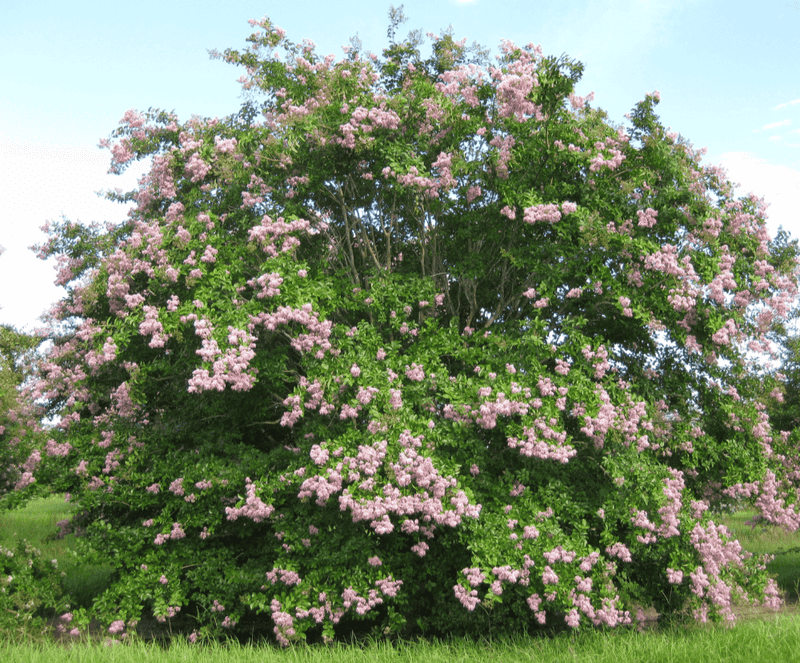
Crape myrtles are one of the most reliable bloomers in North Carolina yards, but August can bring confusing advice about what to do with them right now. Some gardeners hear they must act immediately or risk ruining next summer’s flowers, and that kind of urgency can push people toward cuts and treatments that actually hurt the plant.
The good news is that the real August priority is simpler and far less dramatic than most warnings suggest. Knowing what the evidence actually supports can save your crape myrtle from well-meaning mistakes.
August is a maintenance checkpoint, not a bloom deadline
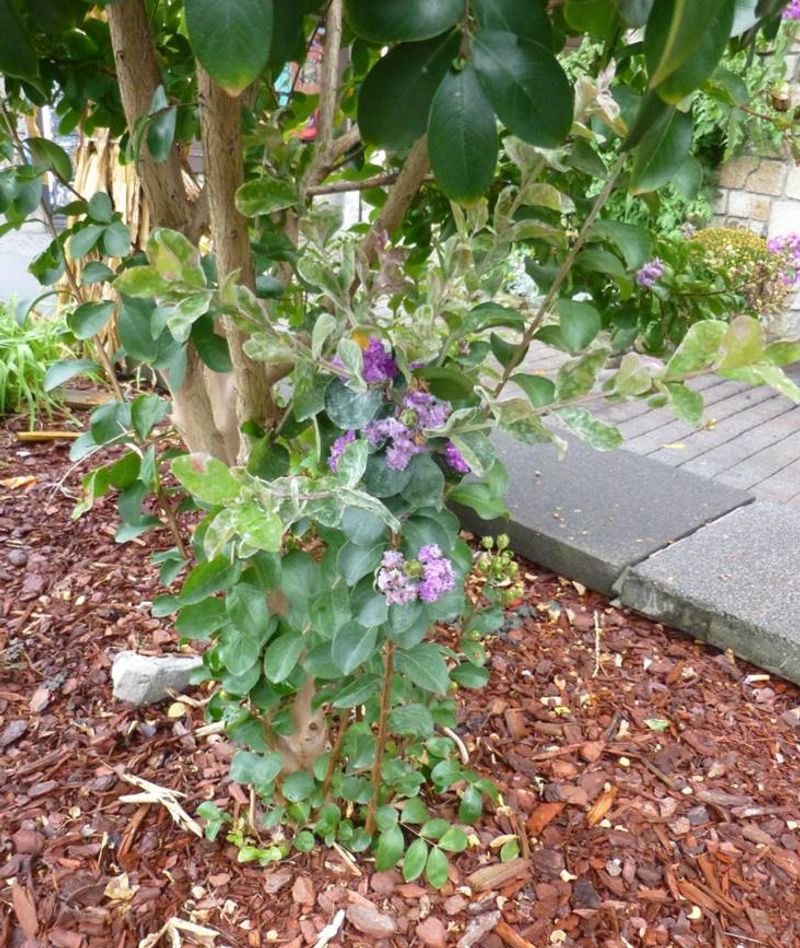
Forget the idea that missing one August task will cost your crape myrtle half of next summer’s flowers. No authoritative gardening or extension resource reviewed for this article supports that precise claim, and treating August as a hard bloom deadline can push homeowners toward actions that do more harm than good.
The strongest August action for an established crape myrtle is simple: check the soil moisture around the base of the plant and water deeply if the ground has been dry for an extended stretch. NC State Extension’s Plant Toolbox entry for Lagerstroemia recommends deep watering during dry periods, and University of Georgia Cooperative Extension guidance on crape myrtle culture notes that watering during drought within the flowering season can improve flowering performance.
Those are real, measurable benefits – not a promise about next year’s bloom count.
Beyond moisture, the August checklist is short. Skip the fertilizer, avoid any severe pruning or topping, and hold routine structural work until the dormant season.
Treating August as a maintenance checkpoint rather than a critical deadline keeps you focused on what the plant actually needs right now, without creating new problems in the process.
NC Cooperative Extension’s Caldwell County August gardening guidance reinforces this steady-hand approach, advising against fertilizing shrubs during this period. And while UF/IFAS research on crapemyrtle pruning confirms that pruning severity does affect flowering, the effects depend on cultivar, method, and timing – not on a universal August cutoff.
August is a good time to pay attention to your crape myrtle. It is not a now-or-never moment.
Understand what pruning can—and cannot—change
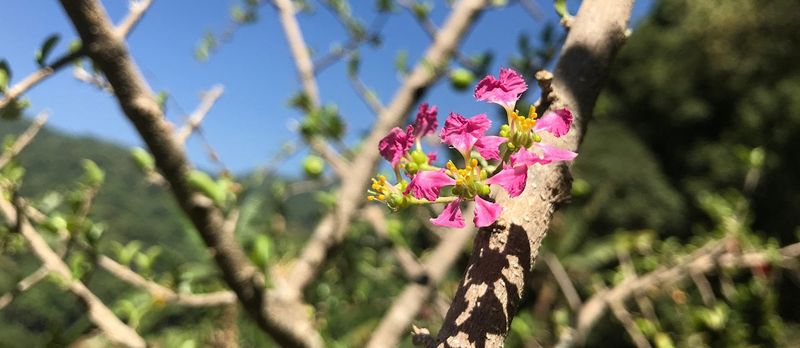
Crape myrtles produce their flowers on new growth that emerges during the current growing season. That biological fact matters because it shapes every decision about when and how to prune.
It does not mean that pruning guarantees more flowers or that skipping a summer cut costs you a defined percentage of next year’s bloom.
Established, well-sited crape myrtles can flower without any routine pruning at all. The plant’s natural growth habit produces flowering wood each season on its own.
NC Cooperative Extension’s Wayne County guide to pruning crape myrtles correctly makes clear that an appropriately sized cultivar in a good location needs only minimal intervention – mostly removing dead, diseased, or rubbing wood when it appears.
Heavy pruning does change things, but not always for the better. UF/IFAS research on how pruning method affects flowering and sprouting on crapemyrtle found that more severe cuts can delay flowering by as much as a month in some cultivars and can shorten the overall bloom season.
Pruned plants may produce larger individual flower clusters, but the total number of flowers generally decreases as pruning severity increases. That is a cultivar-dependent, method-dependent finding, not a universal 50% penalty tied to any one calendar date.
Virginia Cooperative Extension’s guidance on pruning crapemyrtles similarly cautions that heavy pruning is not necessary for flowering and that the natural form of the plant is worth preserving. The practical takeaway: pruning influences crape myrtle performance, but the relationship is more nuanced than any simple rule about August timing suggests.
What you do, how severely you do it, and which cultivar you are working with all shape the outcome.
Deep watering supports the plant during August drought
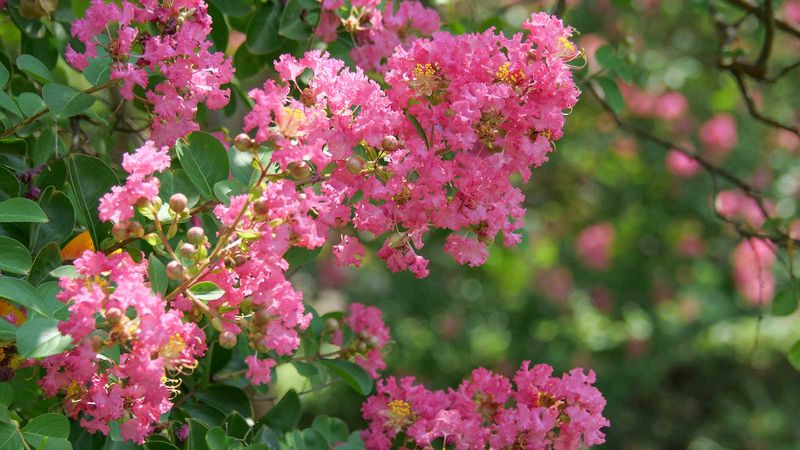
August in North Carolina can bring stretches of dry, hot weather that stress even established landscape plants. Crape myrtles are drought-tolerant once they settle in, but a prolonged dry spell during the flowering season can still affect current bloom performance and overall plant vigor.
The right response is deep, infrequent watering directed at the root zone rather than a light sprinkle over the foliage. Push water slowly into the soil around the drip line of the canopy, where feeder roots are most active.
A slow trickle from a hose left in place for 20 to 30 minutes, or a deep soak with a soaker hose, gets moisture down where it can actually be used. Wetting only the surface or spraying the leaves wastes water and does little for the plant.
How often to water depends on your soil and how long the dry stretch has lasted. Sandy soils in the Coastal Plain lose moisture faster than the heavier clay soils common in the Piedmont.
As a general guide, check the soil a few inches down before watering: if it feels dry at that depth after a week or more without rain, a deep soak is worthwhile. If the soil still holds some moisture, hold off and check again in a few days.
Keeping a 2- to 3-inch layer of organic mulch over the root zone helps slow evaporation and keeps the soil cooler between waterings. Both NC State’s Plant Toolbox guidance on Lagerstroemia and UGA’s crape myrtle culture publication support deep watering during dry periods as a practical way to support plant performance during the flowering season.
Neither source claims that one missed watering costs a specific percentage of next year’s flowers – the benefit is real but not quantifiable in those terms.
Keep topping and August fertilizer off the rescue list
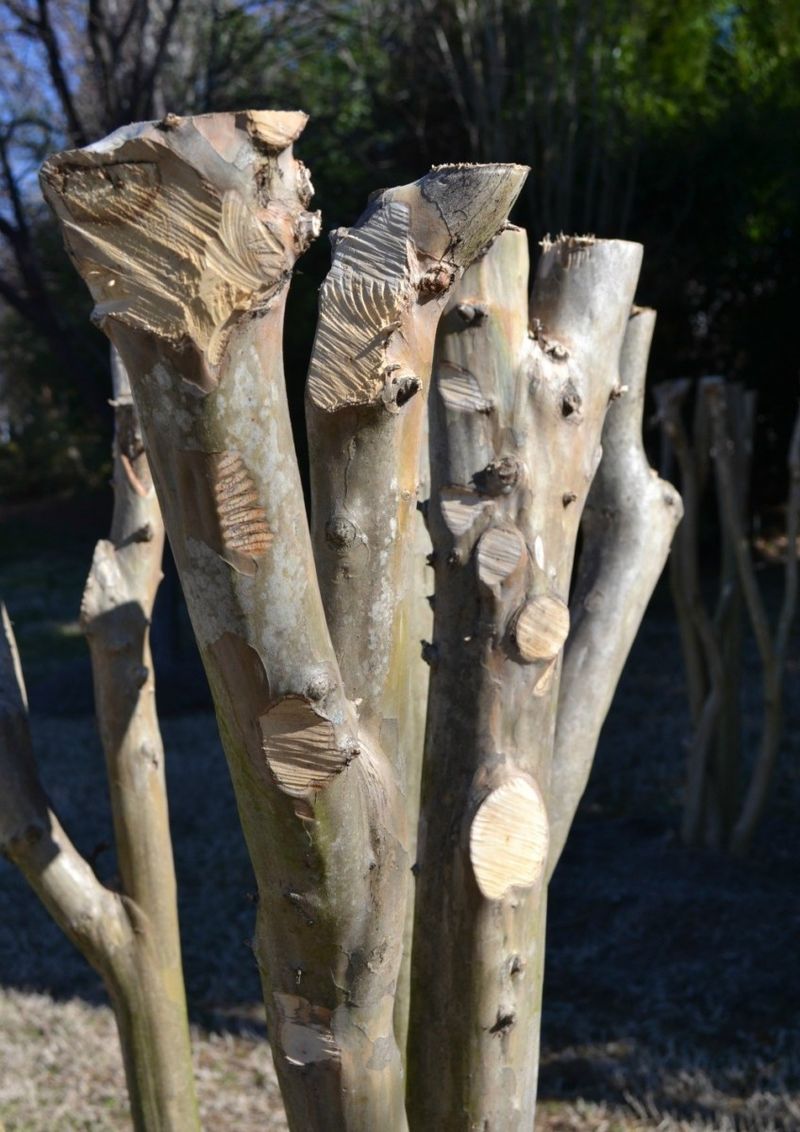
Two common August impulses – reaching for the pruning saw to cut the plant back hard, or pouring on fertilizer to push more growth – can genuinely hurt a crape myrtle. Neither one is a reliable path to better flowering, and both carry real risks during the late growing season.
Topping is the practice of cutting large limbs back to arbitrary stubs, often to reduce height or make the plant look “cleaned up.” NC Cooperative Extension’s Wayne County pruning guide advises against it plainly, and the problems it creates are well documented. The stubs sprout clusters of thin, fast-growing shoots that are weakly attached to the wood below.
Those shoots are prone to breaking in storms, and the wounds left by large cuts can become entry points for decay. UF/IFAS research on how pruning type affects decay and structure in crapemyrtle found that severe cuts increase structural and decay problems over time.
Virginia Cooperative Extension’s crapemyrtle pruning guidance adds that topping and pollarding can delay flowering and shorten the bloom season, along with increasing sucker growth at the base of the plant. More suckers mean more unwanted maintenance, not a better-looking tree.
August fertilizer carries its own set of problems. NC Cooperative Extension’s Caldwell County August gardening tips specifically advise against fertilizing shrubs from August through November.
Applying fertilizer late in the season pushes tender new vegetative growth that may not harden before the first frost, particularly in the Piedmont and mountains. UGA’s crape myrtle culture guide also warns that overfertilization tends to favor leafy growth over flower production.
If you are hoping fertilizer will rescue next summer’s bloom count, the evidence runs in the opposite direction.
Separate necessary cleanup from optional rebloom efforts
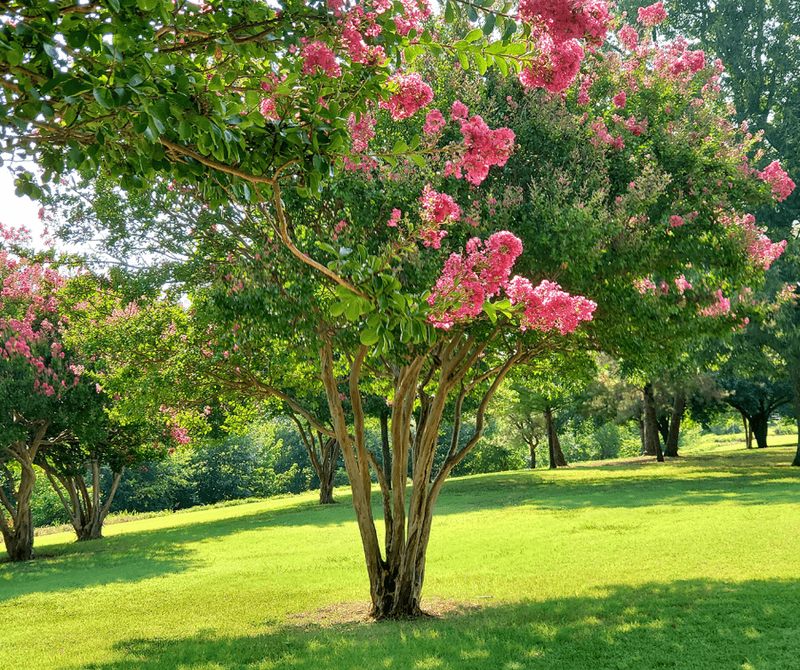
Not all late-summer pruning carries the same risk. Removing a dead branch, cutting out a limb that is rubbing against another, or pulling basal suckers away from the trunk are maintenance tasks that can happen whenever the problem is noticed.
Treating those jobs as optional or postponing them until winter is not necessary, and doing them in August will not harm a healthy plant.
NC Cooperative Extension’s Wayne County pruning guidance identifies dead, diseased, damaged, crossing, and rubbing branches as the appropriate targets for removal on established crape myrtles, along with basal suckers. None of that work requires waiting for the dormant season, and none of it should be confused with the kind of structural reshaping or topping that belongs in late winter.
Deadheading – removing spent flower clusters – sits in a different category. UF/IFAS research on crapemyrtle pruning is direct on this point: leaving seed capsules on the plant through winter does not prevent flowering the following growing season.
Wind and rain typically clear them before spring growth begins. Deadheading is primarily an aesthetic choice, not a bloom-protection requirement.
That said, light tip-pruning or spent-cluster removal on some smaller or earlier-blooming cultivars can sometimes encourage another flush of flowers before the season ends. Clemson Cooperative Extension’s crape myrtle pruning factsheet and UGA’s crape myrtle culture guide both note that a second flush is possible but variable, and Virginia Cooperative Extension points out that plants beginning to bloom after mid-July are unlikely candidates for a reliable rebloom.
If your plant is large, if you cannot comfortably reach the spent clusters, or if it started flowering late in the season, skipping deadheading entirely is a perfectly reasonable choice.
Plan routine structural pruning for the usual dormant-season window

One of the clearest points of agreement across extension guidance from North Carolina, Virginia, and Georgia is that routine structural pruning belongs in the dormant season, not in August. Waiting until the plant is dormant and before new growth begins in spring gives you a clear view of the branch structure, reduces stress on the plant, and avoids stimulating tender new growth that could be damaged by cold weather.
NC Cooperative Extension’s Wayne County guide identifies late February through early March as a typical pruning window for that area of North Carolina, before buds begin to swell. That timing reflects local frost risk and the plant’s growth cycle in the eastern Piedmont and Coastal Plain transition zone.
It is a useful local benchmark, but homeowners in the NC mountains or higher elevations should factor in their own last-frost dates and watch for plant cues rather than following a fixed calendar date.
UGA’s crape myrtle culture publication and Virginia Cooperative Extension’s pruning guide both support dormant-season pruning as the standard approach, with the goal of preserving the plant’s natural form while removing problem wood. Pruning during dormancy also makes it easier to spot dead or diseased branches before they are obscured by new leaves.
When you do prune in late winter, the goal should be to remove specific problem branches rather than to reshape the whole plant or reduce its size. NC State’s Plant Toolbox notes that choosing a cultivar sized appropriately for its location reduces the need for structural pruning in the first place – a reminder that long-term site planning is more effective than annual cutting.
Adjust late-season choices for the plant and the region
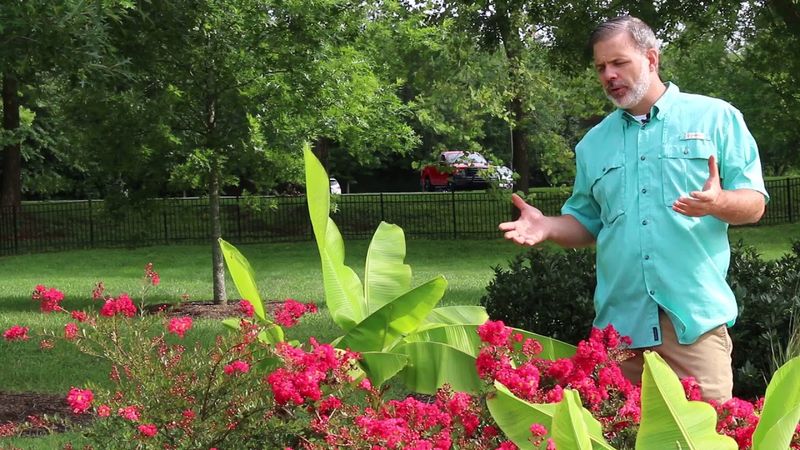
North Carolina is not one climate, and crape myrtles are not one plant. Applying a single statewide August rule to every crape myrtle in every yard ignores differences that matter in practice – both in terms of the plant itself and the location where it grows.
Cultivars range from compact dwarfs that top out under 3 feet to large tree forms that can exceed 25 feet at maturity. They differ in flowering date, bloom color, bark texture, and tendency to produce a second flush of flowers.
NC State’s Plant Toolbox entry for Lagerstroemia reflects this diversity, noting that the genus includes numerous species and hybrids with varying characteristics. Advice about deadheading for rebloom that applies to a small, early-blooming cultivar in a container may be completely irrelevant to a mature tree-form specimen that started flowering in mid-July.
Regional differences across North Carolina add another layer. The Coastal Plain has a longer growing season and later average frost dates than the Piedmont, and the mountains have a shorter season still.
A light cleanup cut made in late August carries less risk of leaving tender new growth exposed to cold in eastern NC than in Asheville or Boone. NC Cooperative Extension’s Wayne County guidance and Virginia Cooperative Extension’s pruning publication both acknowledge that frost risk shapes the timing calculus, even if neither sets a statewide cutoff date.
The extension-reference timing difference worth noting: the NC State Plant Toolbox mentions completing any necessary pruning by late summer so new growth can establish before winter, while most other NC, Virginia, and Georgia guidance more consistently recommends dormant-season pruning. The practical resolution is to separate minor, necessary cleanup – removing a broken branch, clearing a sucker – from routine structural or severe pruning.
UGA’s crape myrtle culture guide supports this distinction. Minor cleanup can happen when needed; structural reshaping should wait for dormancy.
Make the calm August choice

The August decision for an established North Carolina crape myrtle is not complicated. Check the soil moisture at the root zone and water deeply if the ground has been dry for a week or more.
Pull any basal suckers you notice, remove a dead or rubbing branch if one is obvious, and leave the rest alone.
Skip the fertilizer. Skip the hard pruning.
If you want to try deadheading a few accessible spent clusters on a smaller plant, go ahead – just do not expect a guaranteed second flush, and know that leaving the seed heads in place will not hurt next year’s flowers. NC State’s Plant Toolbox and NC Cooperative Extension’s August gardening tips both support this measured approach, and NC Cooperative Extension’s Wayne County pruning guide is clear that structural work belongs in late winter, not now.
No reviewed source supports the idea that one missed August action costs a crape myrtle half of next summer’s blooms. August maintenance is about keeping the plant healthy and avoiding unnecessary damage.
A crape myrtle that gets through summer with good soil moisture, no topping wounds, and its natural structure intact is simply better positioned to do what it already knows how to do – bloom on its own schedule, on its own new growth, next summer.