
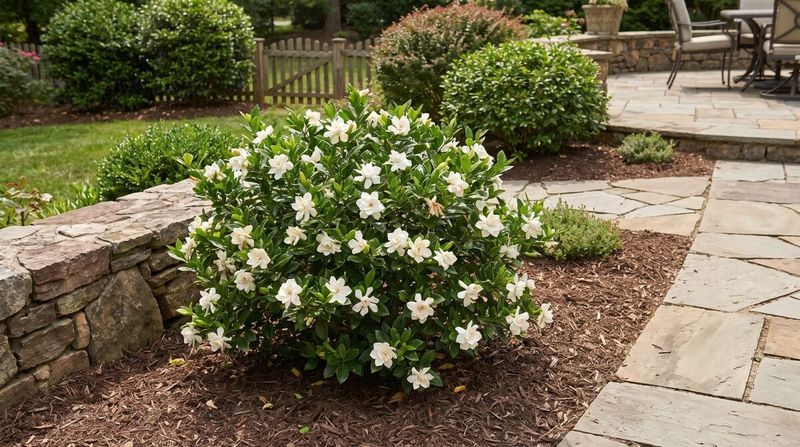
Gardenias in North Carolina can be stubborn about flowering, and late August is exactly when a small misstep can cost you the rest of the season. The one task worth doing right now is removing faded blooms, a simple job that takes minutes and costs nothing.
Deadheading may encourage your gardenia to keep producing flowers, but it cannot override your cultivar, your soil, or the weather. Understanding what this one action can and cannot do will help you protect what blooms you have left and set you up for the best possible finish to the growing season.
Deadhead the faded flowers, not the gardenia
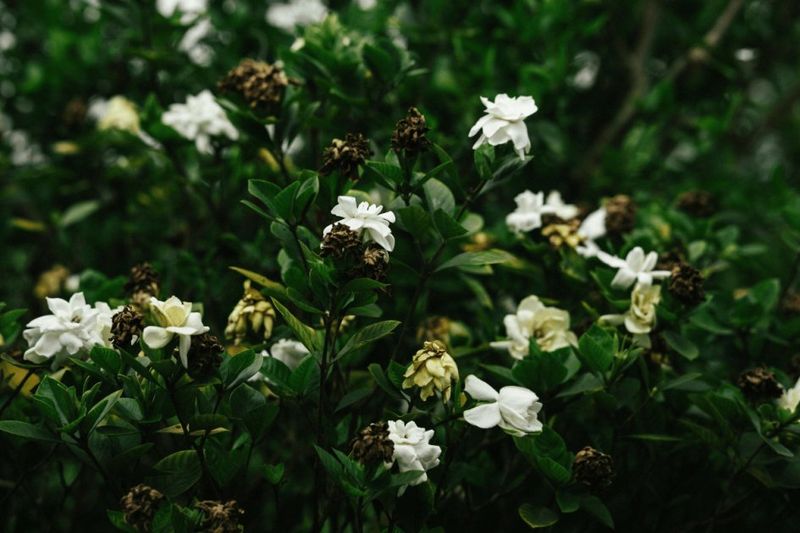
Pinching off finished gardenia flowers is the single safest action you can take on your shrub right now. North Carolina State Extension lists spent-flower removal as a way to encourage blooming, making it one of the few late-August tasks backed by local guidance.
Even so, removing faded blooms is not a promise of uninterrupted fall flowers; it is a maintenance step that removes the finished material and clears the way for what might come next.
The actual job is narrow. Find each flower that has turned cream, tan, or brown and feel its petals go limp or papery.
Grip the base of that flower where it meets a short stalk below the bloom, and snap or clip it free at the natural break point. That short stalk, sometimes called the peduncle, comes away with the flower and is the full extent of what you are removing.
Everything else on the shrub stays put. Firm green buds that have not opened yet are future flowers, and cutting them off defeats the whole purpose of the exercise.
Healthy new leaves and stems represent the plant’s energy reserves for the rest of the season. The main woody branches that give the shrub its shape have nothing to do with deadheading and should not be touched at this stage.
Work slowly, flower by flower, and you will finish the job without accidentally turning a cleanup task into something larger.
Keep deadheading smaller than pruning
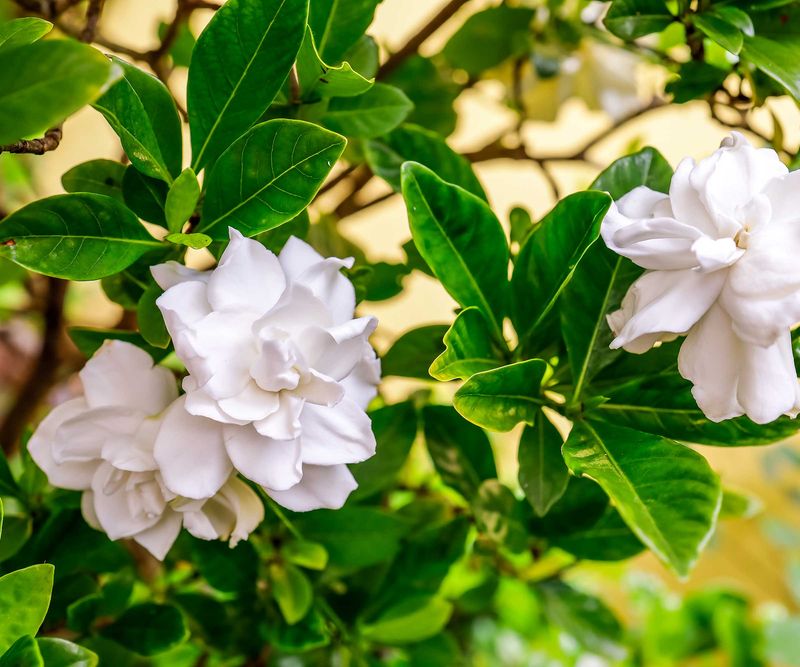
Gardeners sometimes start deadheading and drift into pruning without noticing the transition. The two actions feel similar because both involve a cutting tool, but they affect the plant in very different ways and carry different risks in late August.
Deadheading removes only what has already finished: a spent flower and the short stalk directly beneath it. That stalk is typically an inch or two long at most, and removing it does not shorten any branch or alter the shrub’s structure.
University of Florida IFAS notes that gardenia pruning is normally done just after the plant finishes blooming, which underscores that structural cuts belong earlier in the season, not in late August when the window has closed for most North Carolina gardens.
Pruning, by contrast, shortens or removes stems, reshapes the canopy, or reduces the overall size of the shrub. Even a modest branch cut made while you are deadheading can remove a cluster of buds that were developing nearby.
The boundary is easy to hold once you recognize it: if your cut is longer than the stalk directly beneath the spent flower, you have crossed from deadheading into pruning.
A practical habit helps keep the line clear. Before every cut, look at the stem below the spent flower and locate the nearest node, bud, or pair of leaves.
If you can see a green bud within a few inches of the flower, make sure your cut falls above it, not through it or below it. NCSU Extension guidance on gardenias supports leaving healthy growth intact, and that principle applies here just as much as it does to any other maintenance cut.
Late pruning may reduce later and next-season flowers
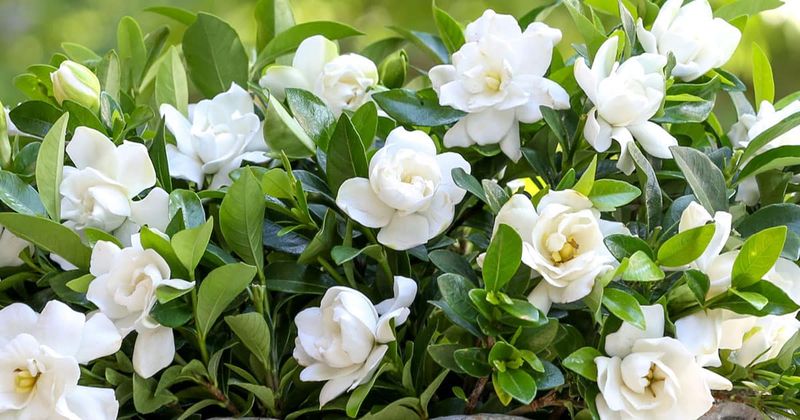
Cutting back a gardenia in late August carries a real cost, and understanding why helps you resist the temptation to tidy up the whole shrub while you have the clippers in hand. The risk is not that the plant will stop growing entirely, but that the cuts can remove buds you cannot yet see or flower clusters that were still forming.
University of Arkansas Extension reports that pruning after an initial flowering flush can prevent later blooms, and that waiting until August to prune can reduce the following summer’s main bloom. Those two consequences together explain why late-season structural cuts tend to cost more than they gain.
The timing risk also depends on your cultivar. Many traditional gardenias set buds on wood that grew the previous season, so any stem you cut now may have been carrying next year’s flower buds.
Newer repeat-blooming types, such as some compact or named landscape varieties, can also flower on current-season growth, which gives them more flexibility, but that flexibility does not make late pruning safe across the board.
A late bloom that appears on your shrub in August is not a signal that a new pruning window has opened. A Durham County Cooperative Extension response advises that gardenias in North Carolina should be pruned immediately after blooming and generally no later than approximately August 10, because cuts made after that point risk removing next-season buds or pushing tender new growth that frost can damage.
If your shrub bloomed late this year, the appropriate response is to deadhead the finished flowers and hold off on any structural work until the recommended window opens again next season.
Deadheading cannot guarantee fall reblooming
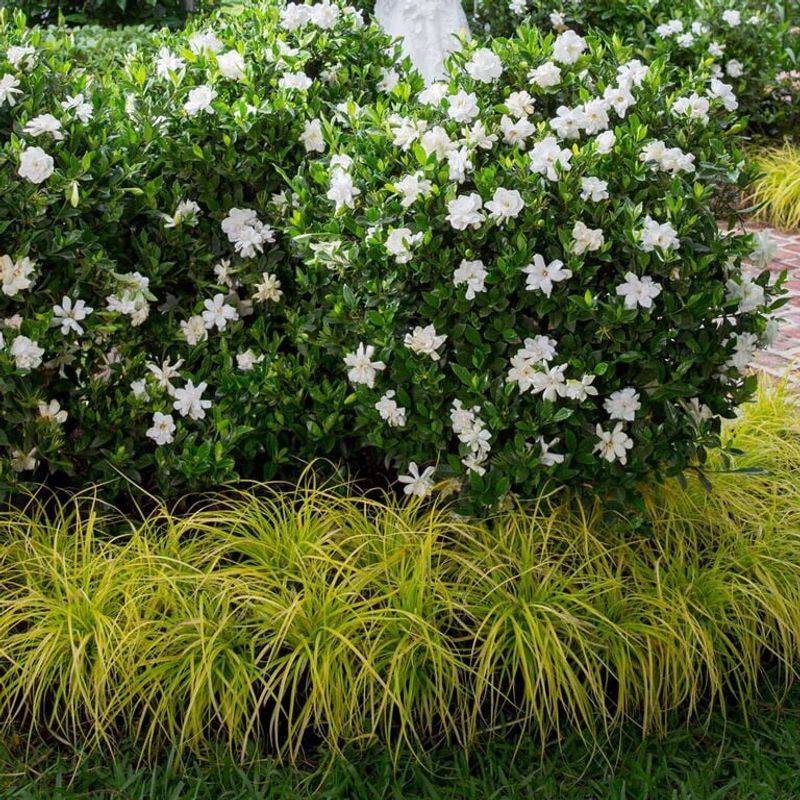
Removing spent flowers is a reasonable and low-risk action, but it cannot manufacture a bloom cycle that your gardenia’s genetics or current growing conditions do not support. Expecting deadheading to keep every shrub flowering straight through fall sets a standard the task was never designed to meet.
University of Arkansas Extension notes that some gardenias produce one major flowering period, while cultivars such as ‘Jubilation’ and other newer types can bloom on both old and new wood. If your shrub is a single-flush variety, deadheading may keep the plant tidy and remove finished material, but it will not override the cultivar’s flowering schedule.
Weather plays an equally large role. North Carolina’s late-summer heat, humidity swings, and the approach of cooler nights all affect whether a gardenia has the energy and the bud formation to push additional flowers.
Light exposure, consistent moisture, soil nutrition, and pest pressure each contribute to the outcome in ways that a pair of pruning snips cannot address.
Clemson Extension describes bud drop as a physiological disorder tied to environmental and cultural stress, not a condition that one maintenance task reliably fixes. If your gardenia has firm green buds after you deadhead, those buds may open into flowers.
If the shrub has no new buds forming, additional flowers are unlikely regardless of how carefully you removed the spent ones. Deadheading clears the deck; it cannot reshuffle the cards.
Keep moisture and soil conditions steady
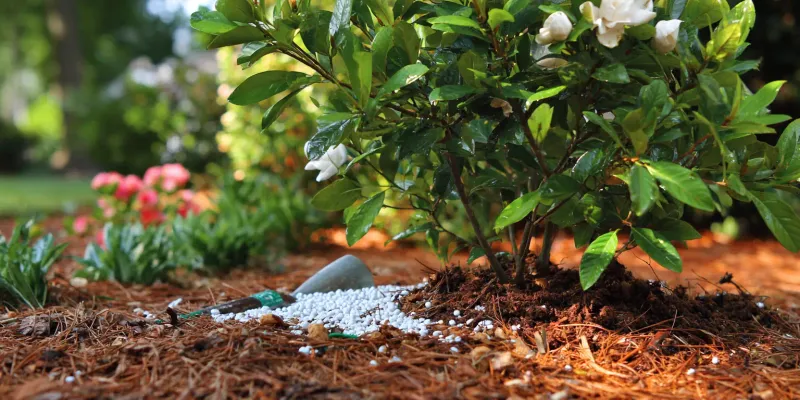
After deadheading, the most useful thing you can do for your gardenia is keep its growing conditions stable. Consistent moisture matters more than almost any other cultural factor at this time of year, and both extremes, too dry and too wet, can cause the shrub to drop the buds you are hoping to see open.
Clemson Extension identifies underwatering, overwatering, and poor drainage as contributors to gardenia bud drop, along with extreme heat and rapid temperature changes. That list is a reminder that bud drop is rarely a single-cause problem.
Aim for soil that stays evenly moist a few inches down without staying soggy at the root zone. A two- to three-inch layer of organic mulch over the root zone helps hold moisture and moderate soil temperature during late-summer heat spikes.
Soil chemistry matters just as much as moisture. Gardenias perform best in well-drained, acidic soil, and University of Florida IFAS recommends a soil pH in roughly the 5.0 to 6.5 range for gardenias, with soil testing especially important where alkaline conditions may be interfering with nutrient uptake.
A soil test from your local cooperative extension office costs a few dollars and tells you exactly what your ground needs, rather than leaving you guessing.
If your gardenia sits in a low spot that holds water after rain, or in heavy clay that drains poorly, moisture management becomes harder regardless of how carefully you water. Clemson’s general gardenia guidance recommends good drainage as a baseline requirement.
Correcting a drainage problem may do more for late-season bud retention than any other single step you can take after deadheading.
Skip fertilizer and household bloom boosters
When a gardenia slows down in late summer, the instinct to feed it is understandable, but fertilizer applied at the wrong time can make things worse rather than better. NCSU Extension specifically warns against fall fertilization for gardenias in North Carolina because it can push a flush of soft, frost-tender growth that the plant cannot harden off before cold weather arrives.
A shrub that puts energy into tender new stems in September or October is a shrub that may suffer winter damage.
Stressed or drought-affected plants are especially poor candidates for fertilizer. NC State Extension’s guide to fertilizing trees and shrubs advises against feeding plants that are already under stress, because fertilizer salts can worsen root problems when the plant is struggling to take up water.
If your gardenia looks tired, the answer is to address the underlying stress, not to add nutrients on top of it.
Clemson Extension also lists excess fertilizer as a possible contributor to bud drop, which means over-applying in hopes of forcing flowers can produce the opposite result. The same logic applies to popular household amendments.
University of Minnesota Extension notes that coffee grounds do not reliably lower soil pH, and that Epsom salt applied without a confirmed magnesium deficiency can create nutrient imbalances rather than fix them. A soil test is the only way to know what your gardenia actually needs, and late August is not the time to experiment with improvised amendments.
Investigate dropped buds before treating the plant
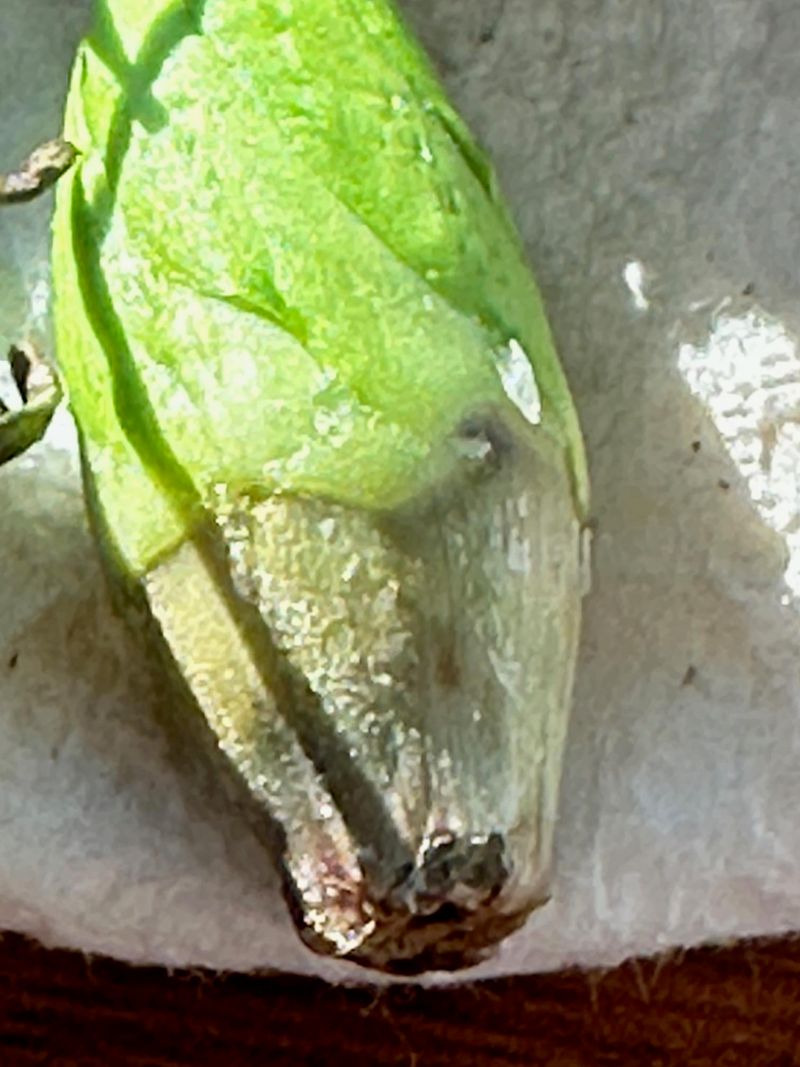
Unopened buds falling off a gardenia before they bloom is one of the most frustrating things a gardener can see, and it is easy to assume that deadheading or fertilizer is the answer. Bud drop, however, is a symptom with several possible causes, and treating the wrong one wastes time and can stress the plant further.
Clemson Extension describes gardenia bud drop as a physiological disorder triggered by environmental, cultural, or pest stress rather than a single disease with a single fix. Heat spikes, rapid temperature swings, inconsistent watering, poor drainage, and excess fertilizer all appear on the list of contributing factors.
Before reaching for any product, walk through your recent care routine and check whether any of those conditions apply to your shrub.
Pests deserve a close look as well. Clemson’s gardenia pest factsheet identifies whiteflies, scales, aphids, thrips, and spider mites as common problems, and thrips in particular can damage flowers and cause distorted blooms or premature flower loss.
Check the undersides of leaves and the area around developing buds with good light or a hand lens. Sticky residue, tiny moving specks, distorted new growth, or stippled leaves all point to insect activity.
When pests are present, identify them before choosing a control. Insecticidal soaps and horticultural oils are appropriate starting points for soft-bodied insects when used as directed, but timing matters.
Clemson advises avoiding pesticide sprays on open blooms to protect pollinating insects, so treat early in the morning or in the evening when flowers are closed or when pollinators are less active, and always follow the product label. A targeted response to a confirmed pest beats a broad spray applied out of frustration.
Choose restraint for this late-August task
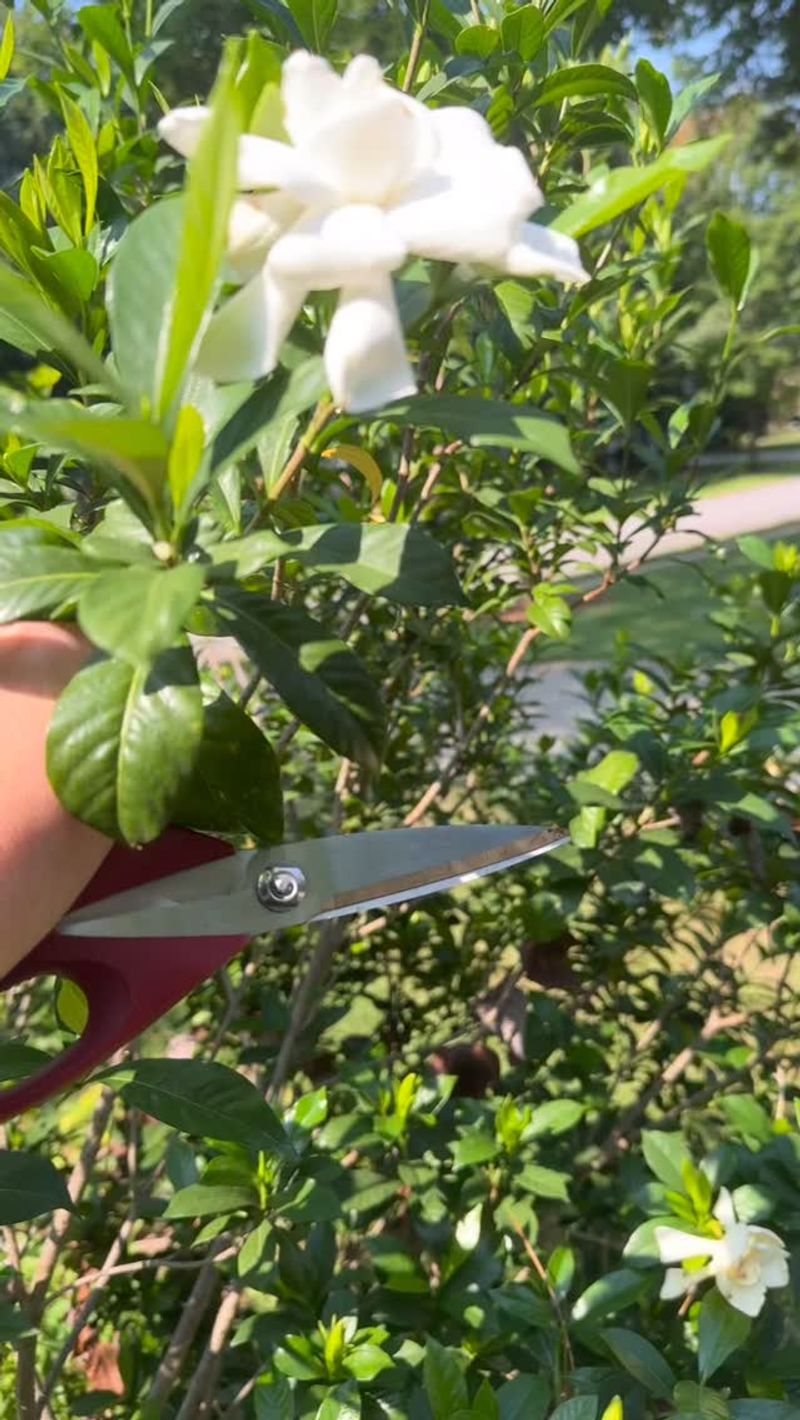
The through-line of every section above comes down to one guiding idea: do less, and do it precisely. Remove each faded bloom and the short stalk beneath it.
Preserve every firm green bud, every healthy stem, and the shrub’s overall shape. Check soil moisture and drainage, and let a soil test tell you whether anything actually needs amending before you add anything to the ground.
Inspect the foliage and buds for signs of pest activity before assuming the plant needs a product. If you find a pest, identify it and respond accordingly, following label directions and protecting open flowers from spray contact.
Avoid structural pruning now; North Carolina Cooperative Extension guidance places the safe pruning cutoff at approximately August 10, and a late bloom is not a reason to reopen that window.
Deadheading may help your gardenia continue flowering into fall, but whether it does depends on your cultivar, the weather, and the growing conditions you maintain from here through the end of the season. NCSU Extension supports spent-flower removal as a reasonable encouragement to bloom, and that is exactly what it is: an encouragement, not a guarantee.
A gardenia cared for with restraint in late August is more likely to reward you than one that was pruned, fertilized, and treated all at once out of impatience.