
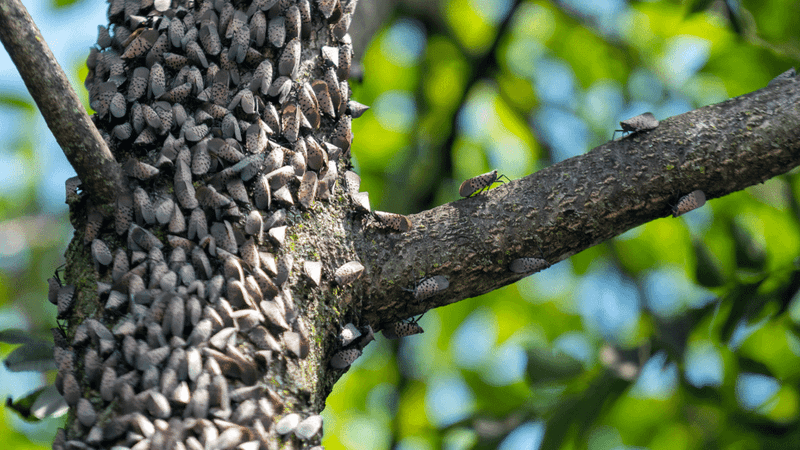
A colorful, fast-spreading insect called the spotted lanternfly has been turning up in North Carolina yards, and one invasive tree is making the problem worse. That tree is tree-of-heaven, a weedy species that spotted lanternflies love to feed on, especially later in the season. Knowing how to identify it, control it safely, and follow up with a smart monitoring plan gives homeowners a real head start without the need for rushed cutting or blanket spraying.
Why tree-of-heaven matters in a North Carolina yard
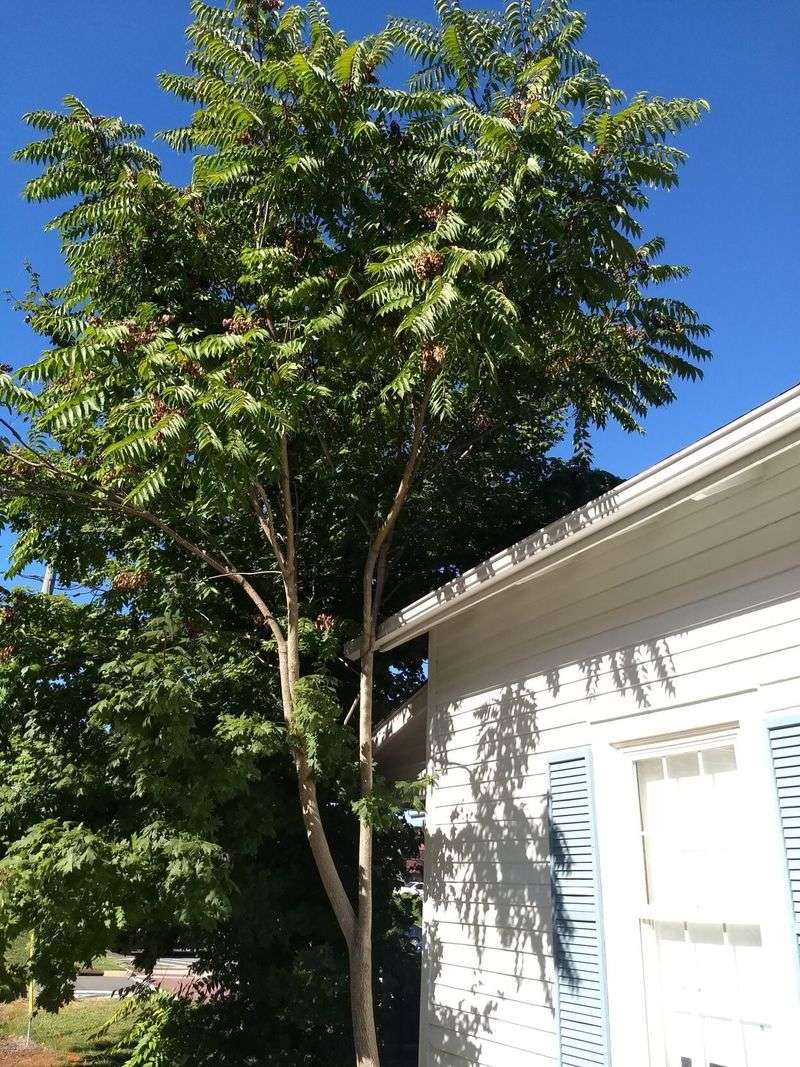
Tree-of-heaven (Ailanthus altissima) is an invasive species originally from China that has spread across North Carolina roadsides, fence lines, and residential yards. Spotted lanternfly – an invasive sap-feeding planthopper first detected in the United States in 2014 – strongly prefers this tree, particularly during its later nymph stages and adult phase. NC State Extension guidance on spotted lanternfly identifies tree-of-heaven as one of the insect’s top preferred hosts, a finding echoed by USDA and Penn State researchers.
When spotted lanternflies feed heavily on tree-of-heaven, they excrete a sticky liquid called honeydew. That honeydew drips onto leaves, outdoor furniture, vehicles, and structures below, and it encourages the growth of black sooty mold that is difficult to clean and can block sunlight from reaching plant leaves. The tree itself also produces thousands of winged seeds that travel on the wind, meaning a single specimen can generate dozens of seedlings in surrounding soil within a season or two.
As of February 10, 2026, NCDA&CS confirmed established spotted-lanternfly populations in seven North Carolina counties: Forsyth, Guilford, Rockingham, Caldwell, Caswell, Davidson, and Rowan. A July 2026 NC State report also documented the first confirmed reproducing population in a commercial vineyard in Davidson County. Those counties represent confirmed, established populations – not a statewide infestation – and the picture changes as surveillance continues. Homeowners outside those areas should check current NCDA&CS guidance rather than assuming their county faces the same level of activity.
Controlling tree-of-heaven where it grows in your yard makes sense as invasive-plant management on its own merits. Removing a correctly identified specimen eliminates seed production, reduces honeydew and sooty mold, and takes away a locally preferred feeding site. What it cannot do is guarantee that spotted lanternflies leave the property entirely, and that distinction matters for setting realistic expectations.
Removing one preferred host is not a spotted-lanternfly cure
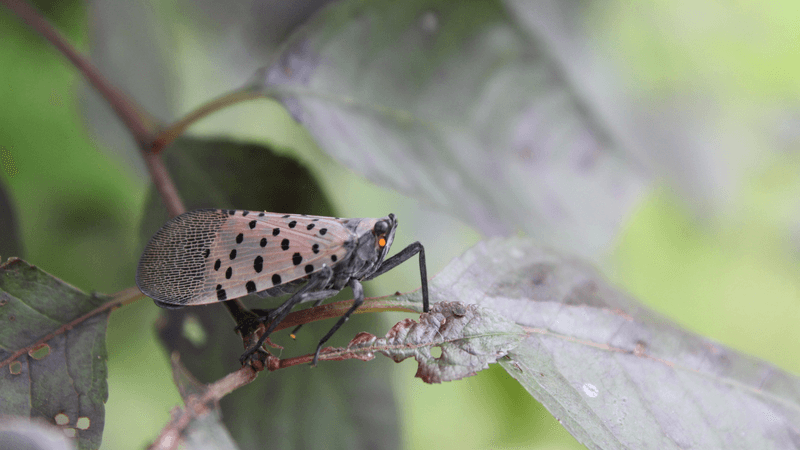
Plenty of headlines suggest that getting rid of tree-of-heaven will solve a spotted-lanternfly problem. The reality is more nuanced, and understanding the difference will save homeowners from frustration after a tree comes down and the insects keep showing up.
Spotted lanternfly strongly favors tree-of-heaven, but it is not limited to it. Peer-reviewed research by Uyi and colleagues found that spotted lanternfly can develop into adults and reproduce without access to tree-of-heaven under experimental conditions. In yards and landscapes, the insect also feeds on more than 100 other plant species, including grapes, apples, peaches, maples, oaks, walnuts, and a wide range of common ornamentals. Removing one tree removes one feeding site; it does not remove every resource the insect can use.
Researchers have not established tree-of-heaven removal as a reliable stand-alone method for reducing spotted-lanternfly populations. Penn State Extension guidance for landscape professionals treats invasive-tree control and spotted-lanternfly management as related but separate goals. Properly controlling tree-of-heaven can remove that individual preferred host and may reduce local nuisance pressure – less honeydew, less sooty mold, fewer insects congregating in one spot – but it will not necessarily stop spotted lanternflies from feeding elsewhere on the property or prevent new insects from arriving from neighboring areas.
Think of tree-of-heaven control as one reasonable piece of a larger response rather than the whole answer. Spotted lanternflies that lose access to a preferred host simply shift to whatever else is available. A grape arbor, a young black walnut, or a row of maples can all sustain the insect through its life cycle. Addressing the invasive tree is worth doing for multiple reasons, but pairing that effort with scouting, reporting, and targeted follow-up gives homeowners a much more complete and honest strategy.
Confirm tree-of-heaven before removing any compound-leaved tree
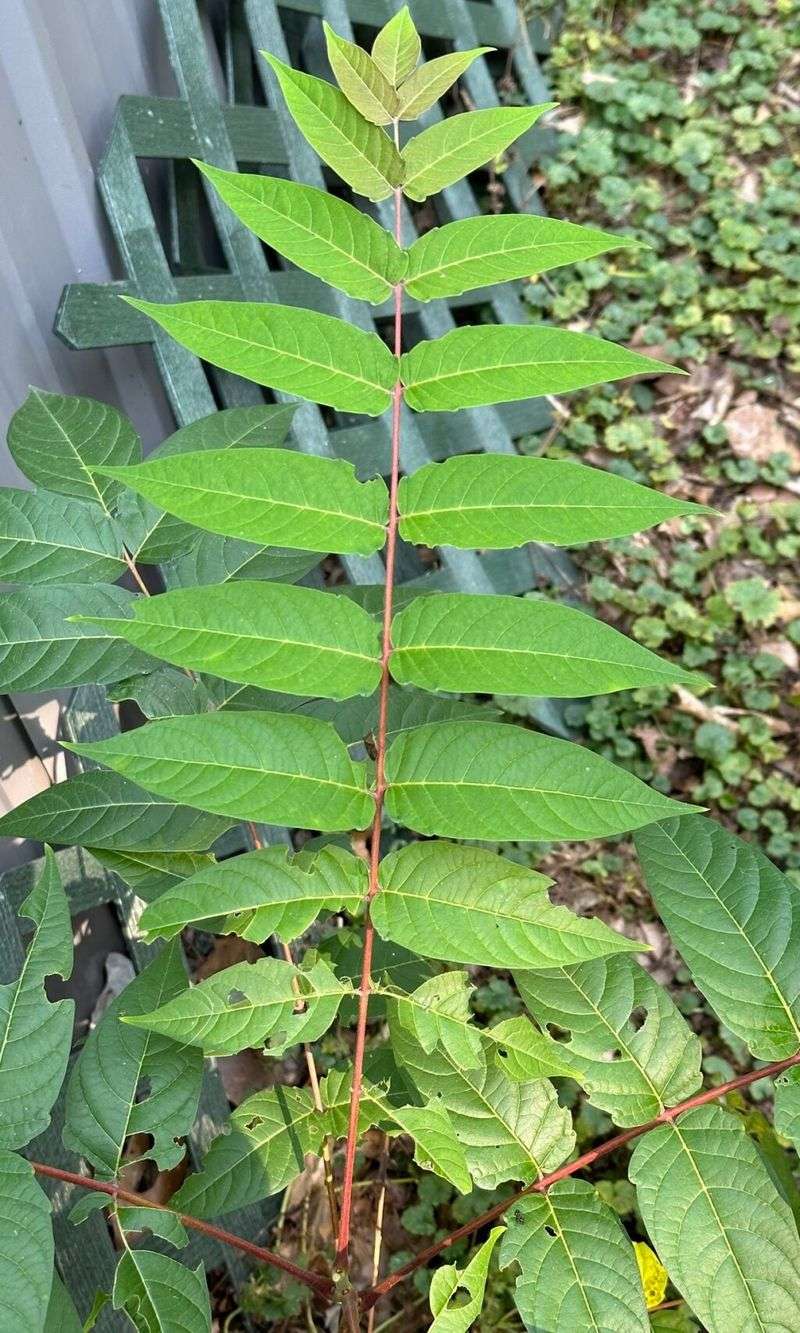
Before any removal work begins, positive identification is essential. Tree-of-heaven shares its compound-leaf structure with several native North Carolina trees, and removing the wrong one harms local wildlife habitat without addressing the invasive-plant problem at all.
Tree-of-heaven leaves are large and compound, often carrying 11 to 41 leaflets arranged along a central stem. The most reliable field clue is smell: crushing a leaflet or small twig releases a strong, unpleasant odor that many people compare to peanut butter gone bad or rancid cashews. The leaflet edges are smooth or nearly smooth, with one or two small notched glands near the base of each leaflet rather than the regular teeth found on many native species. In late summer and fall, the tree produces clusters of distinctive winged seeds, called samaras, that spiral in the wind and can be tan, pink, or reddish-brown.
Native trees that can look similar include black walnut, staghorn sumac, hickory, ash, black locust, and boxelder. Penn State Extension’s guide to tree-of-heaven look-alikes notes that black walnut and sumac generally have distinctly toothed leaflet edges, and black walnut produces the well-known round green husked nut rather than winged seeds. Staghorn sumac also has velvety, hairy twigs – quite different from the smooth, stout twigs of tree-of-heaven.
If any doubt remains after checking these features, the safest path is to bring a branch sample or clear photographs to your local NC State Extension office for confirmation before scheduling removal. NC State Extension’s tree-of-heaven profile provides detailed photos and additional identification markers that can help narrow things down at home. A few minutes spent confirming the species protects native trees that birds, pollinators, and other wildlife depend on throughout the year.
Control the tree without creating a thicket of sprouts
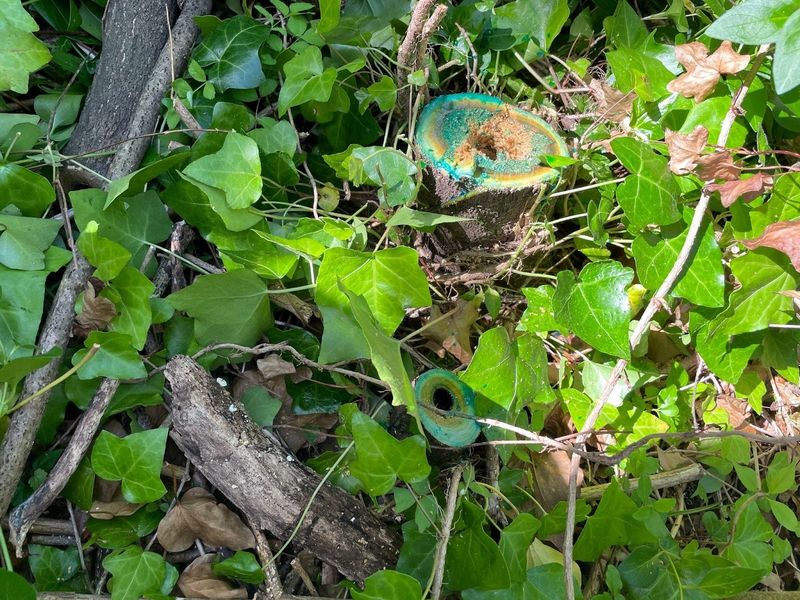
Cutting tree-of-heaven at the base without any follow-up treatment is one of the most common mistakes homeowners make with this species. The tree has an extensive root system that responds to cutting by pushing out stump sprouts and root suckers, sometimes producing a dense cluster of new stems that can be harder to manage than the original trunk. A single cut tree can become five or ten stems within a single growing season if the roots are left untreated.
Penn State Extension’s tree-of-heaven management guide recommends a coordinated control approach that pairs cutting with an appropriate herbicide treatment applied to the stump or the root system. For many situations, applying a triclopyr- or glyphosate-based product labeled for woody invasive control directly to a freshly cut stump – within minutes of cutting – can move the herbicide into the root system before the tree seals off the wound. In some cases, treating a standing tree through a basal bark application or stem injection before felling may be more effective at reaching the roots and reducing regrowth.
Choosing the right product and method matters. Only use herbicides that are registered and labeled for use at your specific site – near water, in a lawn, in a wooded area – and follow all label directions. NC State Extension and NCDA&CS can point homeowners to current, site-appropriate recommendations. Applying the wrong product, at the wrong rate, or at the wrong time of year can injure surrounding plants or contaminate soil and water.
For large trees near houses, utility lines, roads, or property boundaries, do not attempt felling on your own. Professional guidance for landscape managers consistently recommends that hazardous removals be handled by a qualified arborist or licensed pesticide professional who can assess the risks, apply herbicide correctly, and plan follow-up monitoring for regrowth. After any removal, check the area monthly for new sprouts and treat them promptly before they re-establish.
Scout, report, and limit human-assisted spread
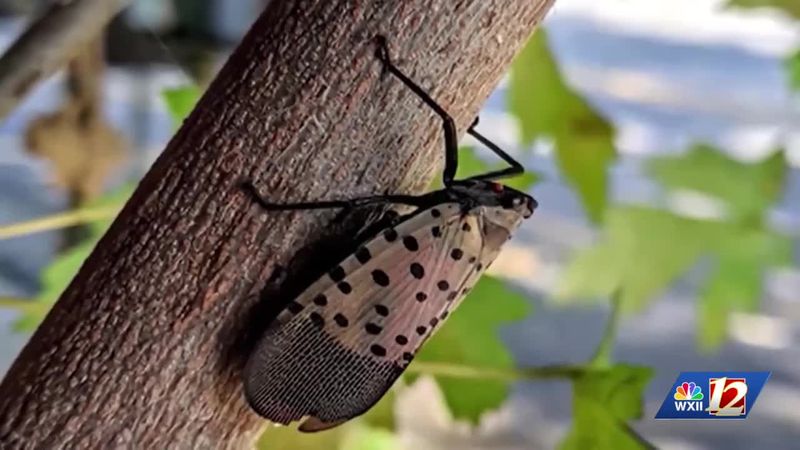
Knowing when to look makes scouting far more productive. NCDA&CS lists spotted-lanternfly adults as generally active from July through December in North Carolina, while egg masses – laid in mud-colored smears on smooth bark, stone, metal, and other surfaces – are present from September through May. Checking trees and structures regularly during those windows gives homeowners the best chance of catching activity early.
Beyond the yard itself, movable items deserve a careful look before they travel. Spotted lanternfly spreads most rapidly through human-assisted movement, and insects or egg masses can hitch rides on vehicles, trailers, campers, outdoor furniture, firewood, pallets, and gardening equipment. Before leaving a property in an area with confirmed activity, spend a few minutes checking wheel wells, bumpers, undercarriages, and any equipment that has been sitting outdoors. Scrape off and destroy any egg masses found – a plastic card or putty knife works well – and drop them into a sealed bag with hand sanitizer before discarding.
Reporting suspected sightings is one of the most useful things a homeowner can do, especially outside the seven counties where established populations have been confirmed. Photograph the insect or egg mass clearly, note the location, and submit the report through current NCDA&CS channels. NCDA&CS surveillance reports show that confirmed counties can change quickly as the agency expands its monitoring network, so using the latest state guidance – rather than relying on older county lists – gives homeowners the most accurate picture of where the insect has established versus where isolated sightings are still being investigated.
Scouting regularly and reporting accurately costs nothing and contributes directly to the statewide effort to track and slow the insect’s spread. That combination of personal vigilance and civic reporting is one of the most practical contributions any North Carolina homeowner can make right now.
Use traps and insecticides only when they fit the problem
Not every spotted-lanternfly sighting calls for immediate chemical action. Healthy, established ornamental trees – maples, oaks, and similar landscape plants – generally tolerate light or moderate feeding without lasting harm. Penn State Extension’s management guide supplement notes that deaths directly linked to spotted-lanternfly feeding have been observed mainly in tree-of-heaven, grapevines, and black walnut saplings. Grapes are particularly vulnerable, and homeowners with grape arbors or fruit trees showing repeated heavy feeding have more reason to consider targeted treatment than those with a few insects on a mature shade tree.
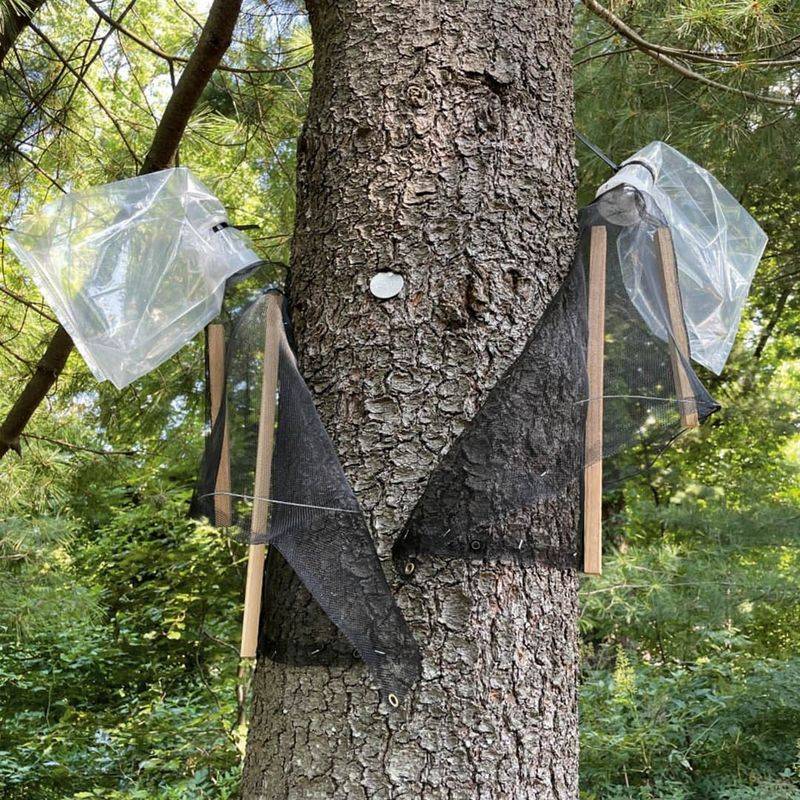
Sticky bands or circle traps placed around tree trunks can help intercept nymphs as they move up and down the bark. These tools work best during the nymph stages from spring through midsummer. The critical safety step is covering any adhesive surface with wildlife-safe screening or mesh. University of Maryland Extension scouting and management guidance warns that uncovered sticky bands regularly trap birds, squirrels, beneficial insects, and other non-target animals.
Inspect traps at least every few days, remove trapped non-target animals carefully, and replace bands when they fill up or lose effectiveness.
When it comes to insecticides, the decision should follow scouting results rather than precede them. University of Maryland Extension guidance for home gardeners cautions that broad spraying – including with household remedies like dish soap or vinegar – can injure plants, kill beneficial insects, and harm water quality without delivering meaningful pest control. Those unregistered products should not be used for spotted lanternfly. If a high-value plant is suffering significant damage and scouting confirms a serious infestation, targeted treatment with a product registered and labeled for the site and pest is appropriate.
Penn State Extension’s spotted-lanternfly management guide and their FAQ resource both recommend basing any chemical decision on current Extension or professional guidance rather than acting on general anxiety about the insect’s presence.
A measured plan protects the yard without promising eradication
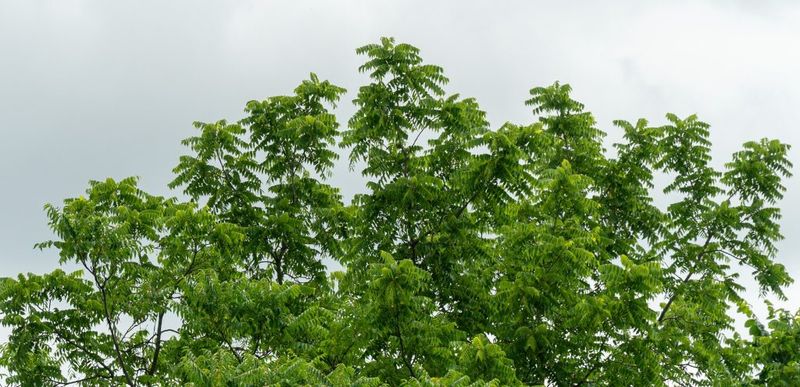
Pulling together a clear, ordered plan keeps the response proportionate and protects the yard without creating new problems through rushed cutting or indiscriminate spraying. Start by confirming the identity of any compound-leaved tree you suspect is tree-of-heaven – use the smell test, check leaflet edges, and consult your local NC State Extension office if any uncertainty remains.
Once identification is confirmed, assess the tree’s location honestly. A small stem in an open area of the yard is a manageable DIY project when paired with proper stump treatment. A large trunk near a house, power line, road, or property boundary calls for a qualified arborist or licensed professional who can remove it safely and apply herbicide correctly. After removal, monitor the site monthly for stump sprouts and root suckers and treat any regrowth before it re-establishes.
Alongside tree control, keep up with seasonal scouting. Check plants and movable items during the adult and egg-mass windows, and report sightings outside confirmed areas through current NCDA&CS channels. If traps are part of the plan, use screened, wildlife-safe designs and inspect them frequently. Reserve insecticide use for situations where scouting confirms meaningful damage to a high-value plant, and rely on Extension or professional guidance rather than off-label remedies when that threshold is reached.
Controlling tree-of-heaven removes a locally preferred host, reduces honeydew and invasive seed spread, and is a sound stewardship decision on its own terms – but it will not make spotted lanternflies disappear from the landscape. The homeowners who come out ahead are the ones who act carefully, protect their native trees, and treat each step as part of a longer-term response rather than a single fix.