
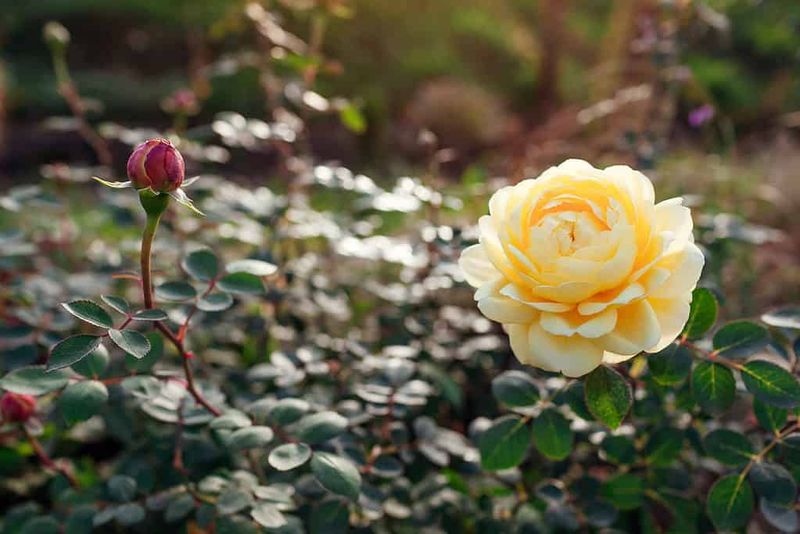
Florida can make roses work hard. Hot nights, sandy soil, sudden storms, and black spot can turn fussy varieties into bare sticks by midsummer. The good news is that a few roses are tough enough to bloom through the heat with far less babying. Here are the roses Florida gardeners trust when they want color that keeps going.
1. Knock Out Rose
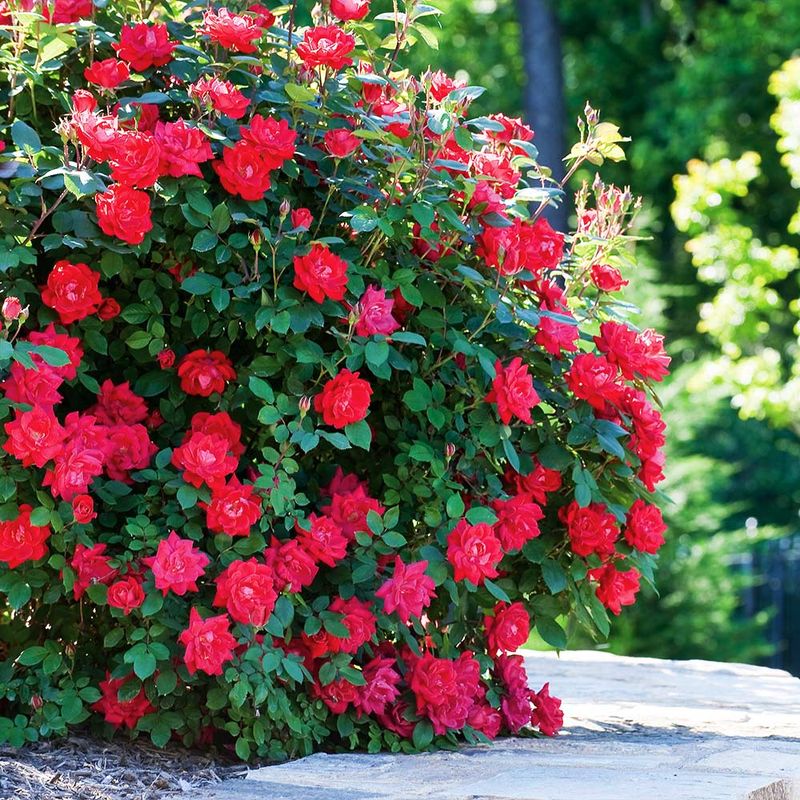
A rose that forgives missed chores is worth its space in a Florida yard, and Knock Out has earned that reputation the honest way. It keeps pushing flowers when many hybrid teas are sulking, and it handles heat, humidity, and common leaf problems better than most old-fashioned diva roses.
What makes Knock Out different is its steady, almost shrub-like rhythm. It does not need constant deadheading to keep blooming, which is a gift when August feels like walking through soup. In most Florida gardens, it performs best with morning sun, good air movement, and mulch over sandy soil to slow moisture loss.
UF-IFAS has often pointed Florida gardeners toward landscape roses rather than high-maintenance florist types, and Knock Out fits that practical lane. It is not completely trouble-free, since chilli thrips and rose rosette concerns still deserve attention, but it is one of the closest things to a set-and-forget rose for sunny beds.
Use it where you need bold color, not delicate perfume. Plant it as a low hedge, a driveway border, or a bright anchor near pollinator-friendly perennials, then prune lightly after flushes to keep the plant full before fall growth picks up.
2. Drift Rose
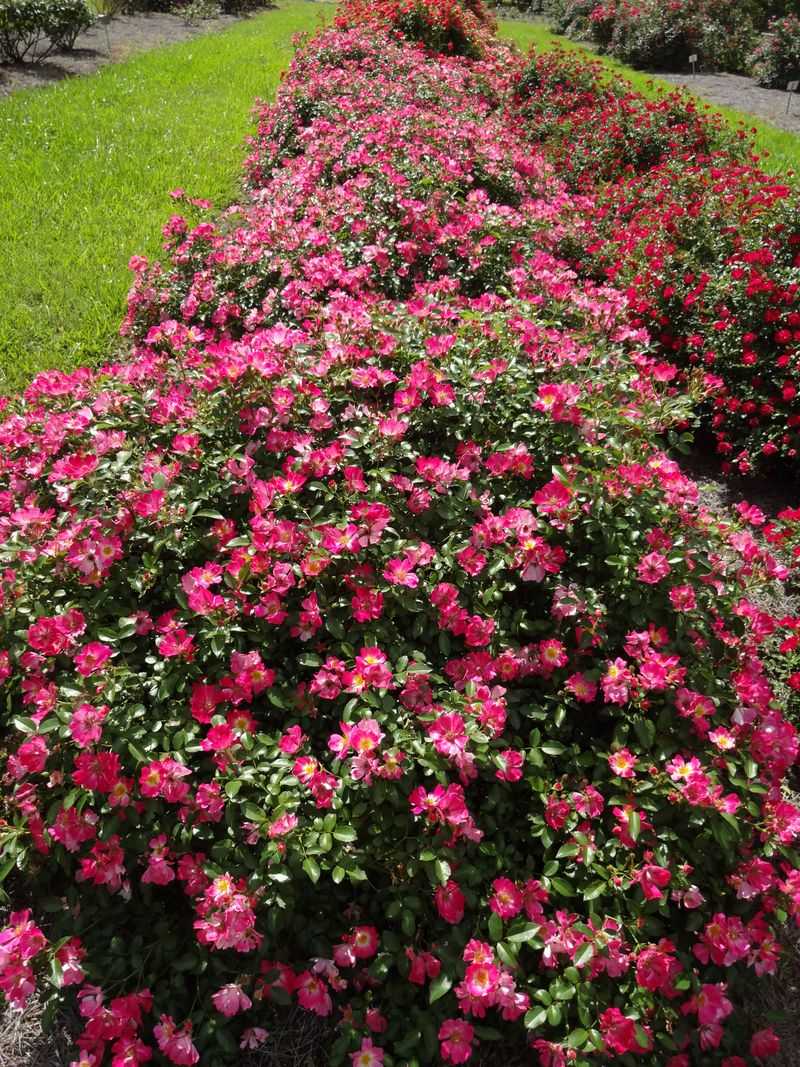
Small yards, patio edges, and narrow sunny strips need roses that do not throw elbows. Drift roses bring the bloom power of larger landscape roses in a smaller, tidier package, which makes them handy for Florida gardeners who want flowers without a wrestling match.
Their low, spreading shape is the real reason they belong on this list. Instead of becoming a tall shrub that blocks a window or crowds a path, Drift roses hug the ground and fill in like a flowering border. That habit also helps shade the soil, which matters in sandy Florida beds that dry out quickly after irrigation or rain.
Drift roses come in several colors, including coral, peach, red, pink, and white. Coral and peach types can look especially lively in strong Florida light, where pale flowers sometimes disappear. They bloom in cycles through warm months, with the best show coming when they get regular water and a slow-release fertilizer suited to roses.
Give them space for airflow, because Florida humidity can turn crowded planting into a disease party. A quick trim after a heavy bloom cycle keeps them neat, and a fresh mulch layer before peak summer helps roots stay cooler during brutal afternoons.
3. Belinda’s Dream Rose
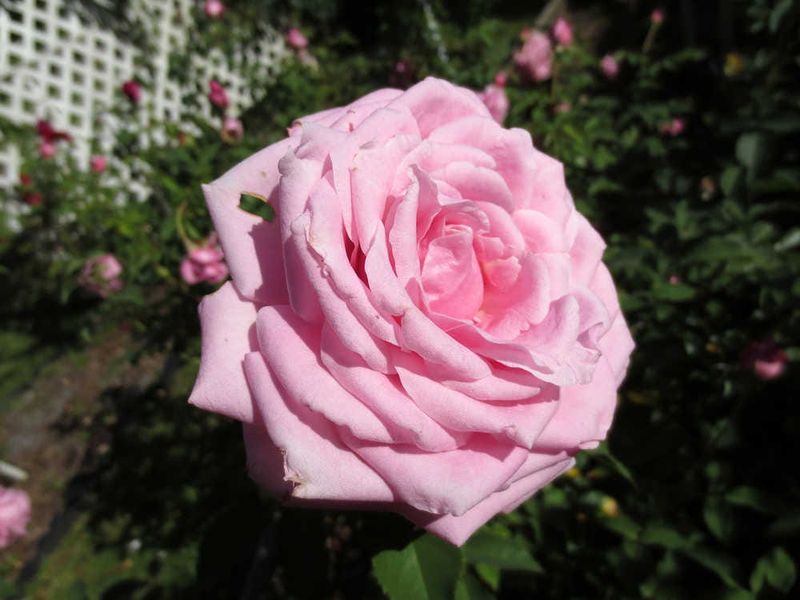
Romantic-looking roses often act fragile in Florida, but Belinda’s Dream breaks that stereotype. It gives gardeners those full, soft pink blooms people imagine when they hear the word rose, yet it has the toughness of a landscape shrub.
This rose was bred in Texas, so heat tolerance is part of its story. Florida gardeners appreciate it because it can offer a classic, many-petaled flower without demanding the strict spray schedules often needed by hybrid teas. The blooms are also good for cutting, which means you can bring a little garden color indoors even during the sticky part of summer.
Belinda’s Dream stands out from the others here because it feels dressier. Knock Out and Drift are workhorse landscape roses, while Belinda’s Dream brings more of a cottage-garden mood. In Central and North Florida, it can become a rounded shrub with repeat bloom when planted in full sun and well-drained soil.
Like most roses in Florida, it does not want wet feet after a storm. Plant slightly high in heavy or flood-prone spots, enrich sandy soil with compost, and keep mulch pulled a few inches away from the stems. A little care goes a long way with this one.
4. Louis Philippe Rose
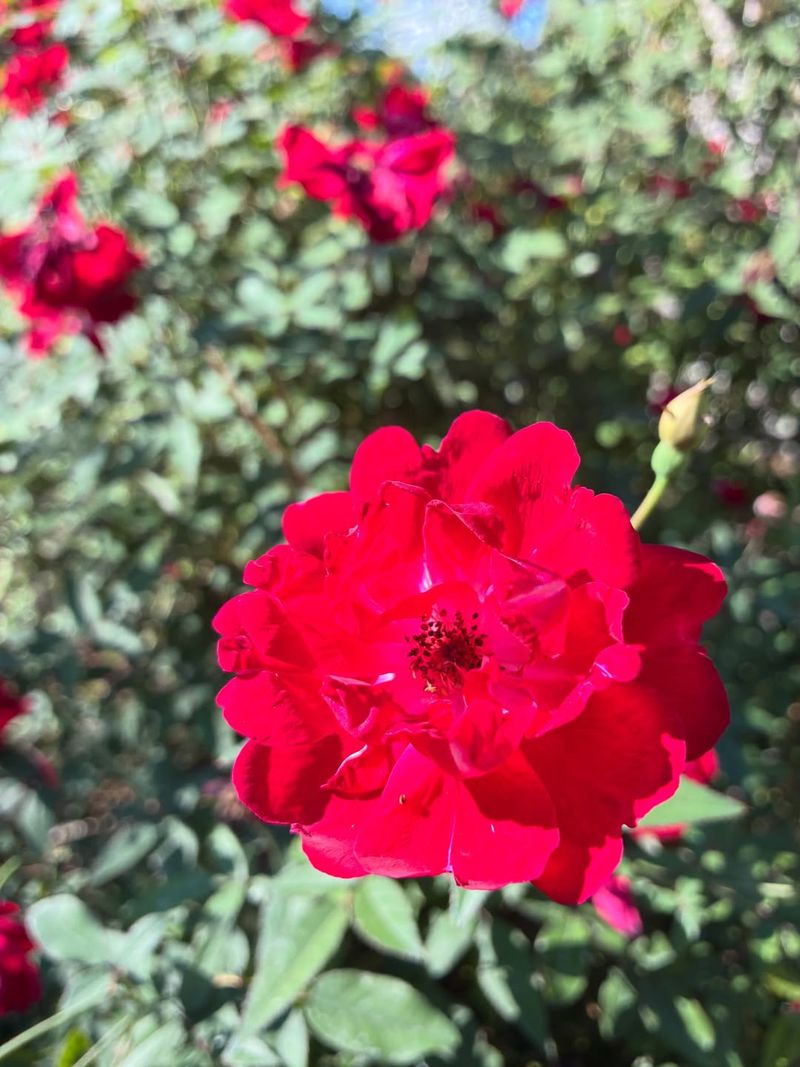
Old Florida gardens often had roses that survived long before modern spray routines and fancy fertilizers showed up. Louis Philippe, sometimes called the Florida Cracker rose, carries that sturdy old-garden charm into today’s yards.
Its deep red to crimson flowers are not giant exhibition blooms, but they have character. The plant can bloom repeatedly through warm weather, and once established, it handles Florida heat with a toughness that newer, fussier roses may envy. It is especially appealing for gardeners who like heirloom plants with a local story.
The reason Louis Philippe deserves a separate spot is its history and resilience. Many Florida gardeners pass it along from cuttings, which tells you something about its staying power. It can be grown as a shrub or trained loosely near a fence, and it looks right at home in less formal beds with herbs, salvias, native wildflowers, and other pollinator plants.
Expect some seasonal leaf spotting in humid weather, but do not panic at every blemish. Good sun, open spacing, and watering at the base will help. For a rose that feels connected to Florida’s gardening past, Louis Philippe is hard to beat.
5. Mrs. B. R. Cant Rose
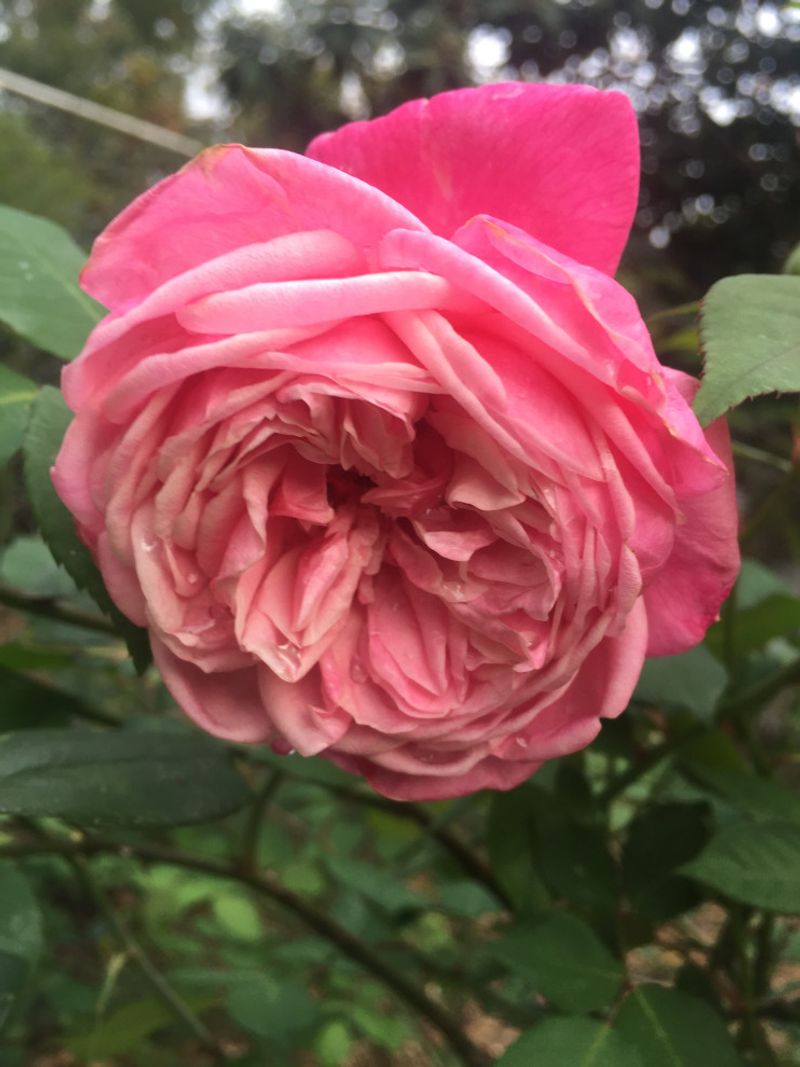
Some roses enter the garden like they own the place, and Mrs. B. R. Cant is one of them. Big, loose, blush-pink blooms open on a vigorous shrub that seems far more comfortable in heat than many modern roses.
As a tea rose, it comes from a group long valued in warm climates. That matters in Florida, where roses must deal with hot nights as well as hot days. Many roses can take a sunny afternoon, but warm, humid nights are where weaker varieties lose steam.
Mrs. B. R. Cant is different because it grows with real presence. It is not the best choice for a tiny border, but in a sunny corner or along a wide fence line, it can become a generous flowering shrub.
The blooms have an antique feel, and the plant often repeats well when watered deeply and kept in healthy soil.
Florida’s sandy ground needs help before planting this one. Mix compost into the bed, mulch well, and avoid shallow daily sprinkling, which encourages weak roots. After summer storms, check that water is draining away from the crown. Given room and sensible care, this rose can look graceful even when the weather is anything but.
6. Duchesse de Brabant Rose
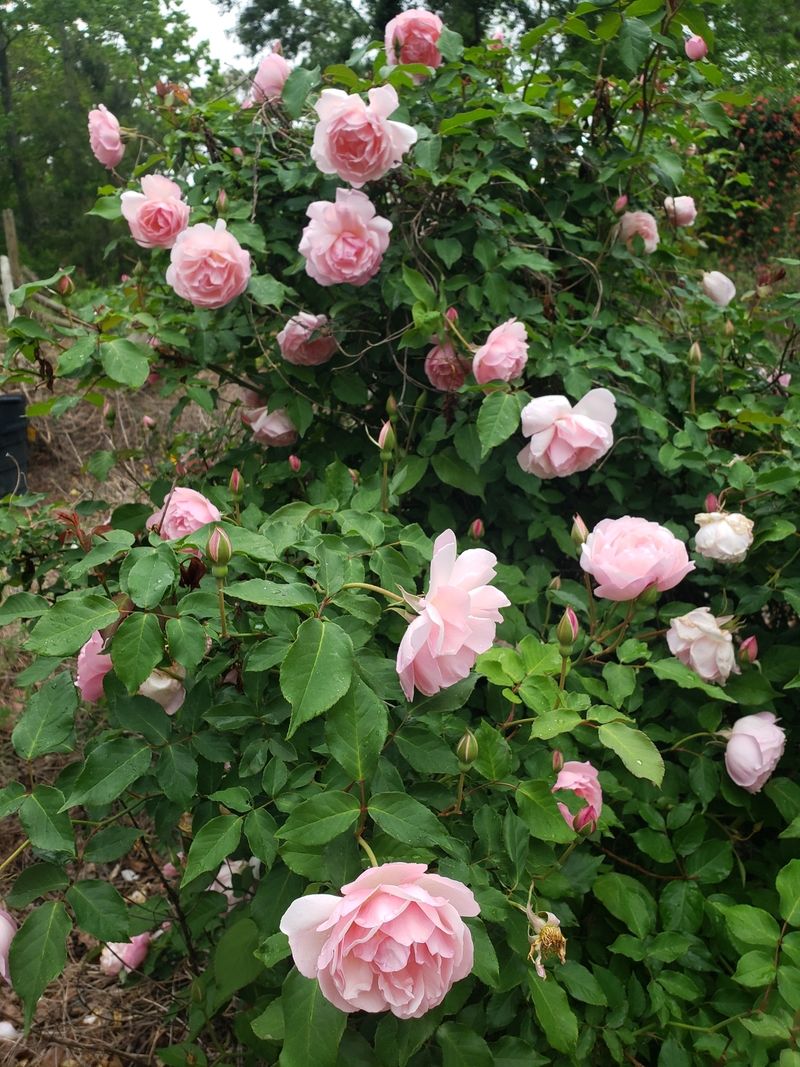
A soft pink rose with a tough streak sounds almost too good for Florida, but Duchesse de Brabant has been proving itself in warm gardens for generations. The flowers are cupped, loose, and charming, with an old-fashioned look that feels right near a porch or garden gate.
Its special strength is how naturally it fits warm, humid climates. Many gardeners in the South value tea roses because they keep growing when cooler-climate roses struggle. Duchesse de Brabant can repeat bloom through the warm season, especially if it receives steady moisture, sunlight, and enough room for air to move through its branches.
Compared with bolder landscape roses, this one brings a gentler style. It is less about a mass of bright color and more about steady, graceful flowers that make the garden feel lived-in. Butterflies and other pollinators may visit open blooms, especially when the flowers are not overly tight.
Do not tuck it into a damp, crowded corner. Florida humidity rewards gardeners who think about airflow before problems start. Prune out crossing stems, water at soil level, and refresh mulch before the deepest summer heat. For gardeners who want beauty with old-soul toughness, Duchesse de Brabant is a smart pick.
7. Peggy Martin Rose
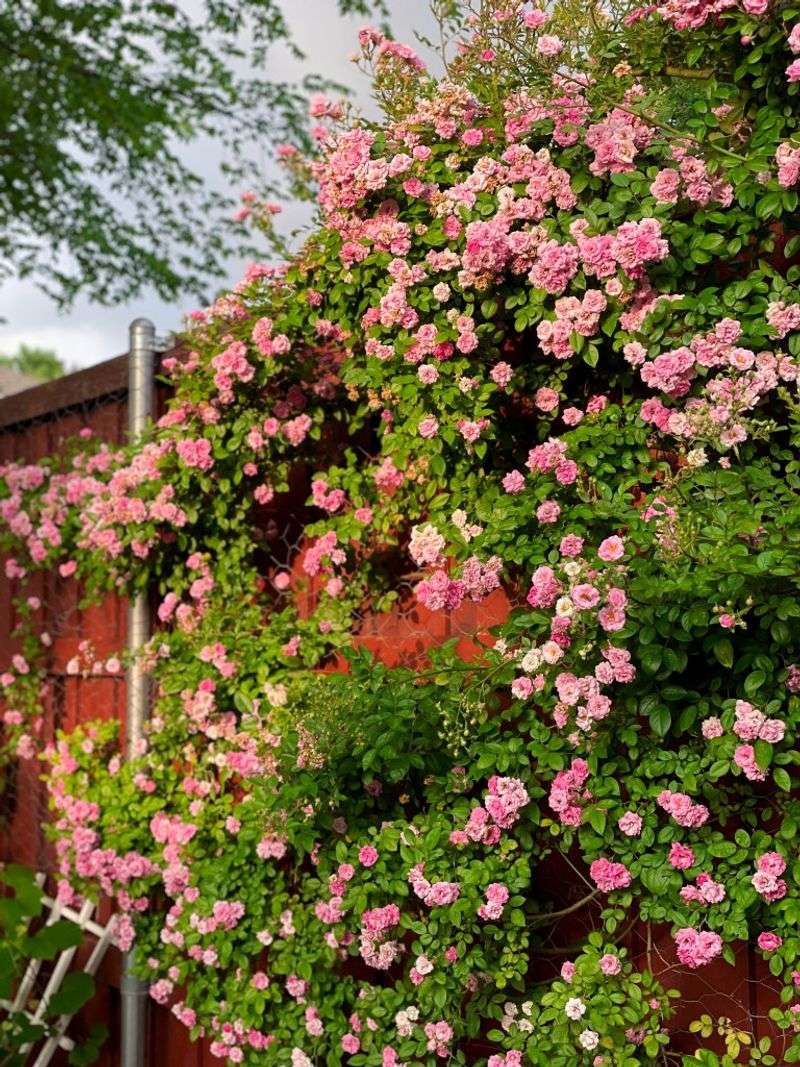
Storm stories are part of Florida gardening, and Peggy Martin rose has one of the most memorable survival stories in the rose world. After Hurricane Katrina, this climbing rose became famous because it survived flooding and neglect, then returned with clouds of pink blooms.
That does not mean it is magic, but it does mean it has serious grit. Peggy Martin is a vigorous climber that can handle heat and humidity better than many climbing roses, and it rewards space with big spring flushes followed by repeat bloom. In Florida, it is best used where it can climb on a strong arbor, fence, or trellis that can handle both plant weight and storm winds.
Its reason for being on this list is vertical flower power. While compact roses fill beds, Peggy Martin can soften a fence, frame a gate, or turn a sunny side yard into something memorable. Pink clusters give a cheerful look without the stiff formality of classic long-stem roses.
Plan before planting, because this rose wants room. Tie canes securely, prune after major bloom cycles, and avoid placing it where hurricane cleanup would become a nightmare. With sturdy support and good drainage, Peggy Martin is a joyful choice for Florida gardeners who want height, history, and summer toughness.