
Live oaks give Central Texas yards cool, deep shade, but that same shade can leave the ground below looking bare and dusty. The good news is that some flowers actually prefer life out of the sun, and many of them shrug off our limestone soils, summer heat, and watering limits.
Picking the right ones can turn a patchy spot under your tree into a bright, buzzing garden bed. Here are eight proven bloomers that thrive in the shadows of your oaks.
1. Turk’s Cap
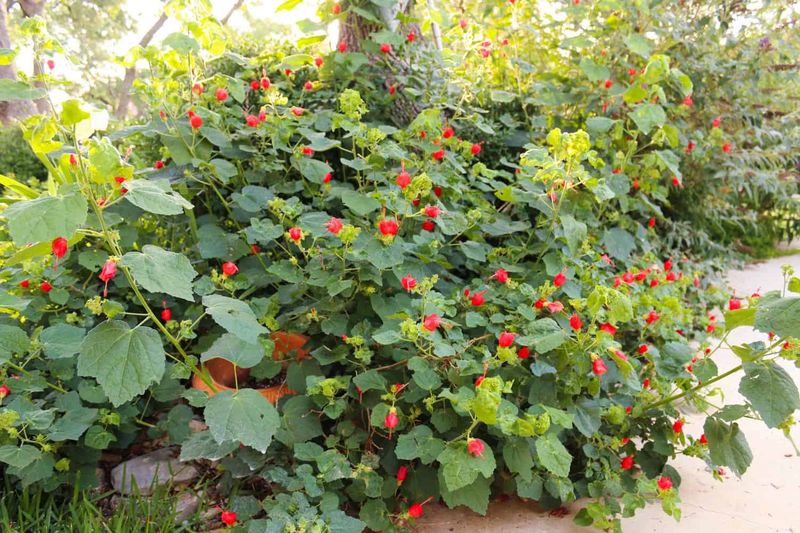
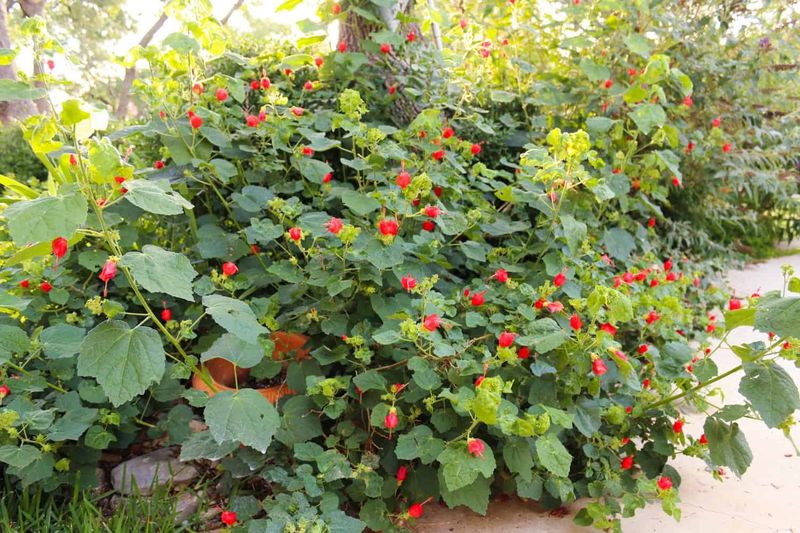
Hummingbirds treat Turk’s cap like a drive-through, and you will often spot them zipping between the little red swirled blooms all summer. The flowers never fully open, which gives them a twisted, turban-like look that explains the name.
As a Texas native, Turk’s cap handles alkaline clay and caliche without complaint. It blooms from late spring until frost, even in heavy shade where most flowering shrubs give up.
Expect plants 3 to 5 feet tall and wide, so give them room near the drip line of your oak.
Once established, it can get by on occasional deep watering, which helps during Stage 2 restrictions. Cut it back hard in late winter and it returns fresh and full each spring.
2. Cedar Sage
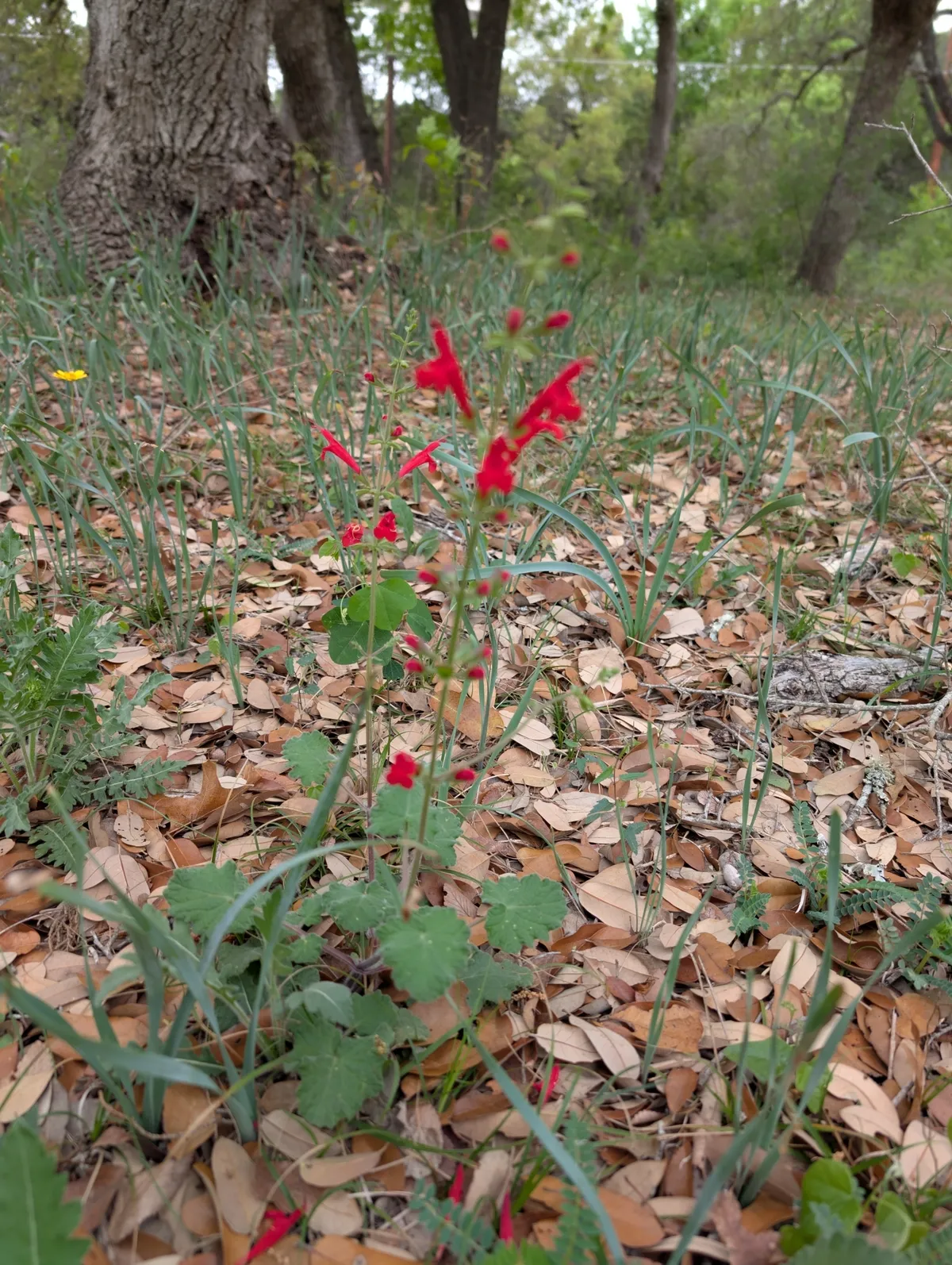
Picture a Hill Country cedar break in April, and the little red spikes glowing in the leaf litter are probably cedar sage. It is one of the few salvias that truly wants shade instead of just tolerating it.
Plants stay small, usually under 2 feet, with round scalloped leaves that form tidy clumps. That compact size makes it ideal for tucking between oak roots where you cannot dig deep holes.
Blooms peak in spring and often return in fall after rains. It reseeds gently, so a few plants can slowly fill a bare patch over a couple of seasons.
Good drainage matters more than rich soil here.
3. Inland Sea Oats
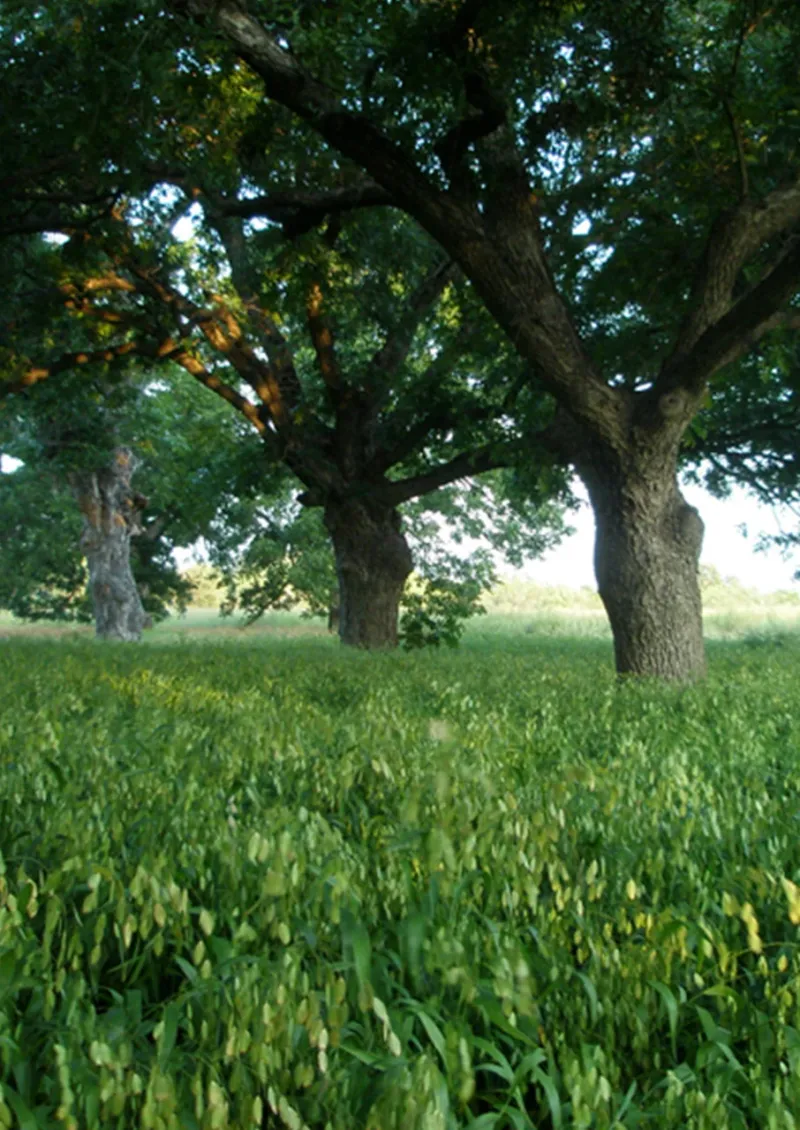
Okay, technically this one is a grass, but its dangling, flat seed heads earn it a spot on any shade flower list. They start green, turn bronze in fall, and rattle softly in a breeze.
Native to Texas creek bottoms, inland sea oats love the filtered light under a live oak. They also help hold soil in place where foot traffic and rain wash away mulch.
A word of caution: it seeds freely and can spread more than you want. Snip off seed heads before they drop if you prefer a tidier bed, or let it roam in a wilder corner where birds can enjoy the seeds.
4. Shrimp Plant
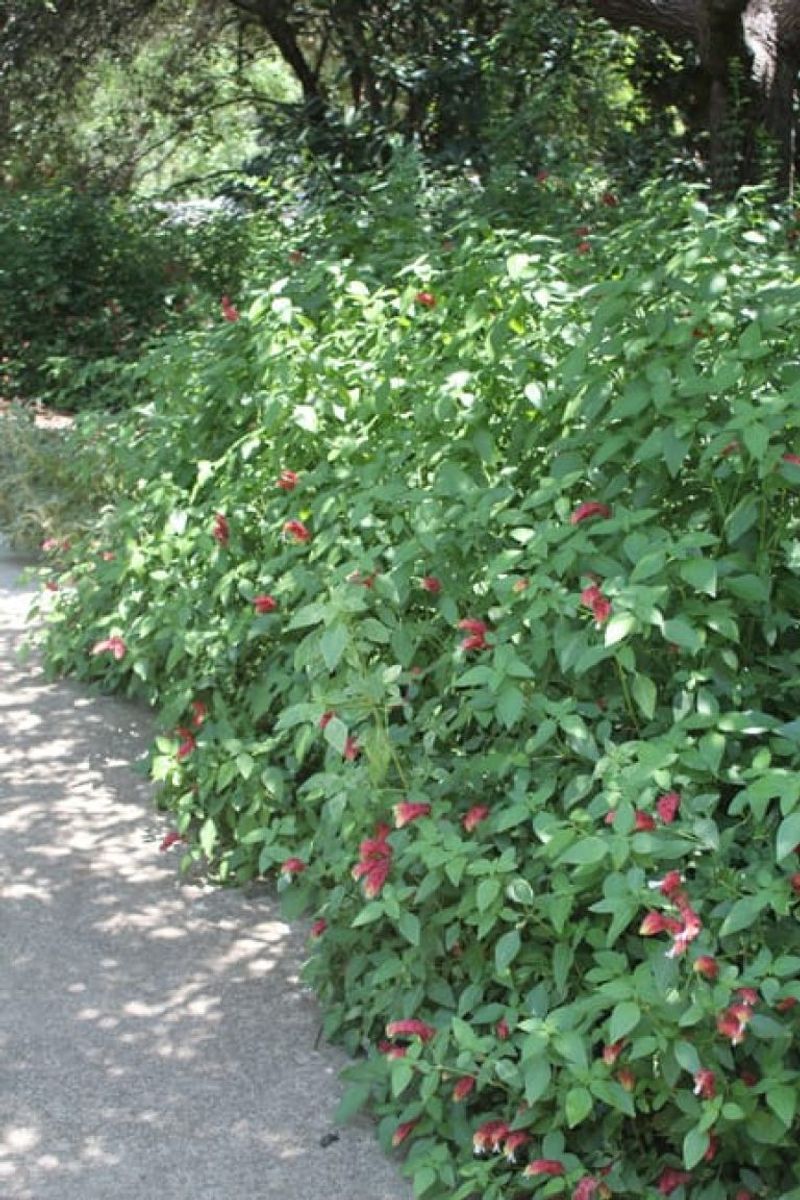
Kids love pointing out the curled pink bracts that really do look like boiled shrimp. Tiny white flowers peek out from each one, and hummingbirds visit them steadily.
Shrimp plant blooms nearly nonstop from spring through fall in Central Texas shade. Bright shade or morning light gives the strongest color, while deep shade still keeps it flowering at a slower pace.
It is not native, but it is tough and well adapted. A hard freeze may knock it to the ground, yet roots usually survive with a layer of mulch.
Water weekly in the worst of July and August.
5. Columbine
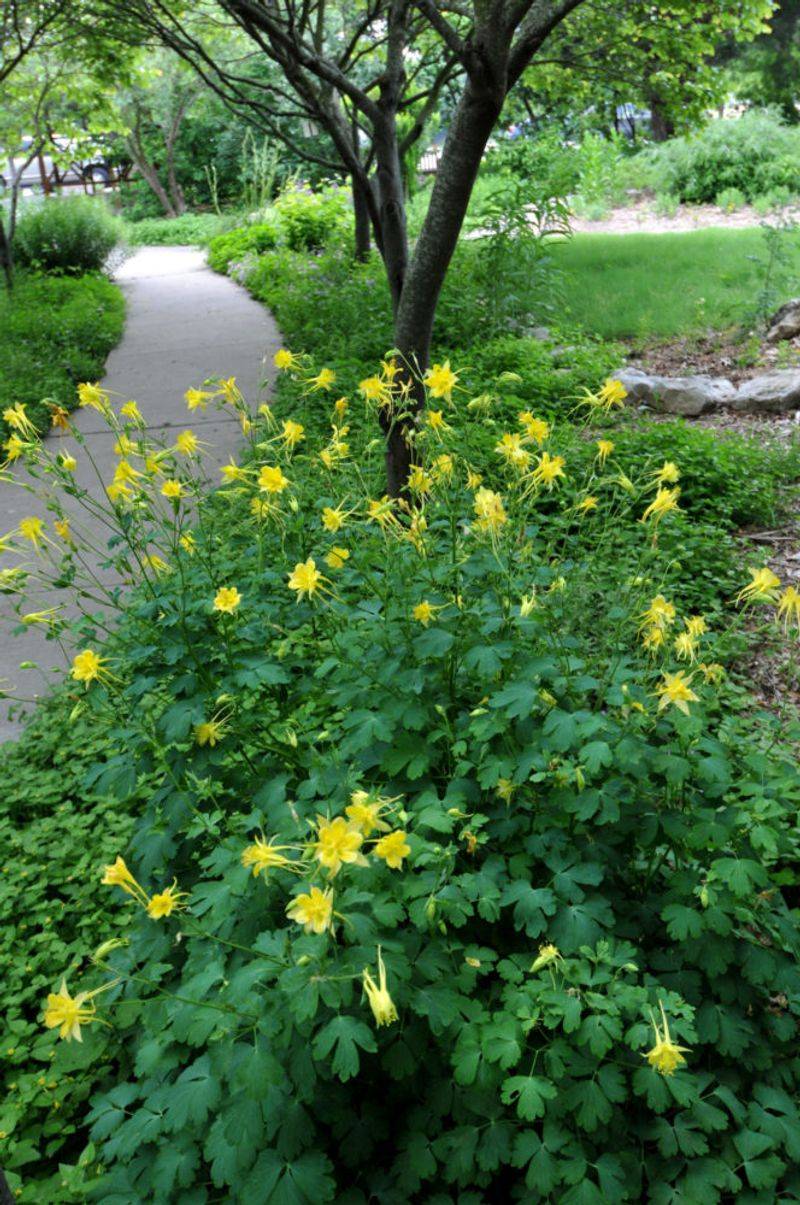
Few spring flowers feel as delicate as columbine, with long spurs that look like tiny shooting stars. Hinckley’s golden columbine, first found near a single spring in West Texas, is the star choice for our area.
It blooms in March and April, right when the oaks are dropping old leaves and pushing out new ones. Afternoon shade is a must, since Texas sun scorches the lacy foliage fast.
Columbine prefers a little extra moisture, so plant it where a hose or drip line can reach. The ferny leaves stay attractive into early summer.
Let some seeds fall and new seedlings may appear.
6. Pigeonberry
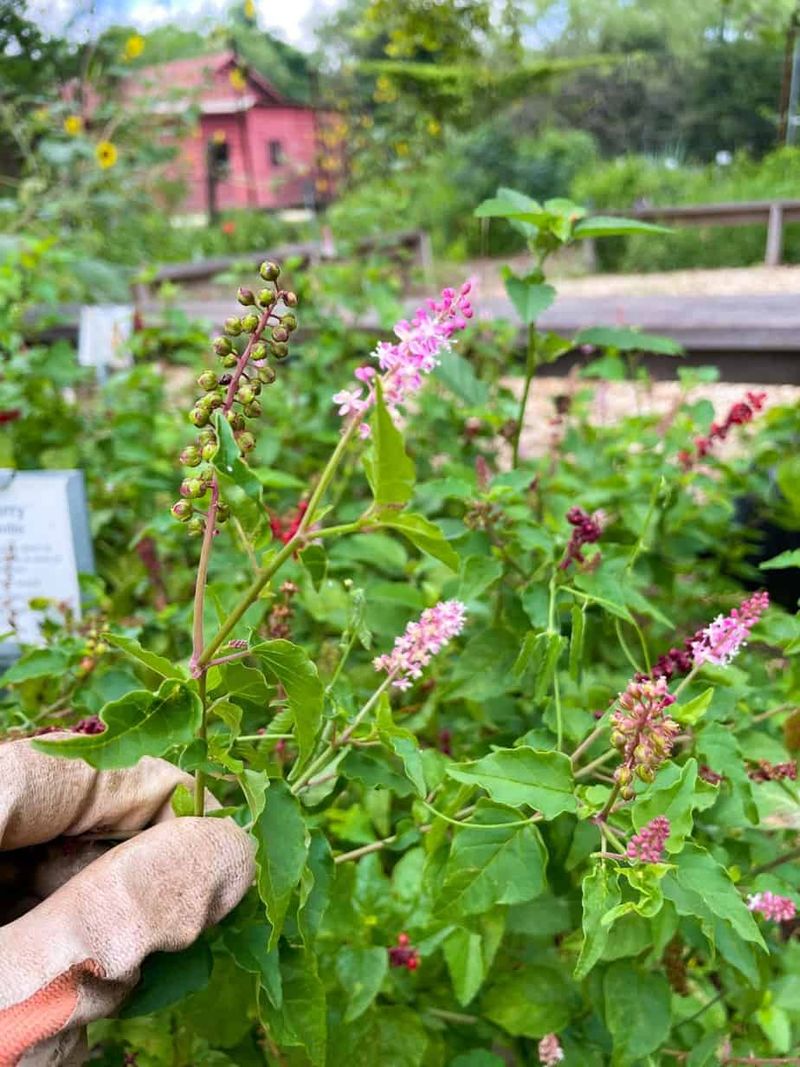
Pigeonberry is the rare plant that shows flowers and fruit at the same time. Small pink-white flower spikes sit right beside clusters of shiny red berries, and birds snap them up.
This native groundcover stays around a foot tall and spreads slowly in dry shade. That makes it a natural fit beneath live oaks, where roots compete hard for water.
It may die back in a cold winter but usually returns from the roots. Use it to fill gaps under trees where St. Augustine has thinned out.
The berries can stain light patios, so plant a few feet from paving.
7. Mexican Petunia (Dwarf Sterile Types)
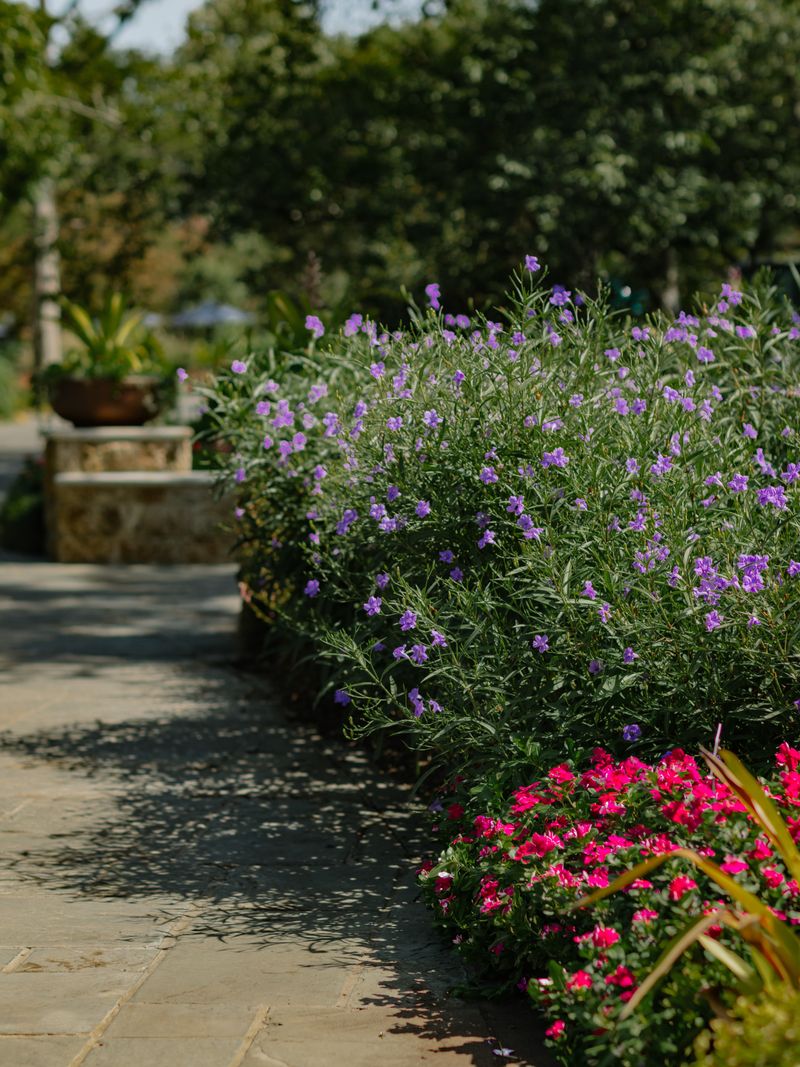
Purple trumpets every morning, fresh as can be, even in partial shade. Dwarf Mexican petunia varieties like Katie stay low, about 8 to 12 inches.
Here is the honest part. The tall standard form spreads aggressively and is considered invasive in parts of Texas and Florida.
Stick with sterile or compact selections and check the label before you buy.
Chosen carefully, it makes a durable edging plant that handles heat, drought, and heavy clay. Blooms drop less in bright shade than in deep shade, so plant it at the canopy edge for the best show.
8. Fall Aster
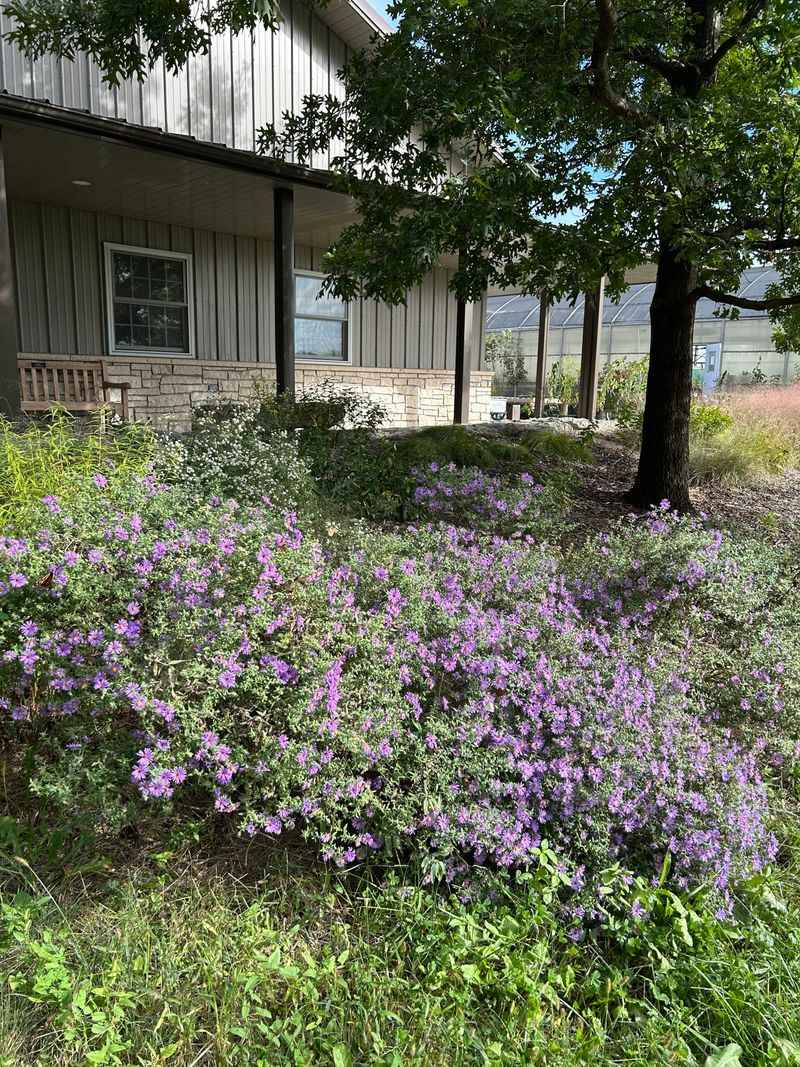
Just when most gardens look tired in October, fall aster explodes into a mound of lavender daisies. Butterflies, including migrating monarchs, crowd the blooms for nectar.
It prefers some sun, so plant it where morning light slips past your oak. Even four hours can be enough for a solid fall show.
Trim stems by half in early June to keep plants compact. After that, it needs little care and survives dry spells well once rooted.
Pairing it with Turk’s cap and shrimp plant gives your shade bed color from spring into late fall.