
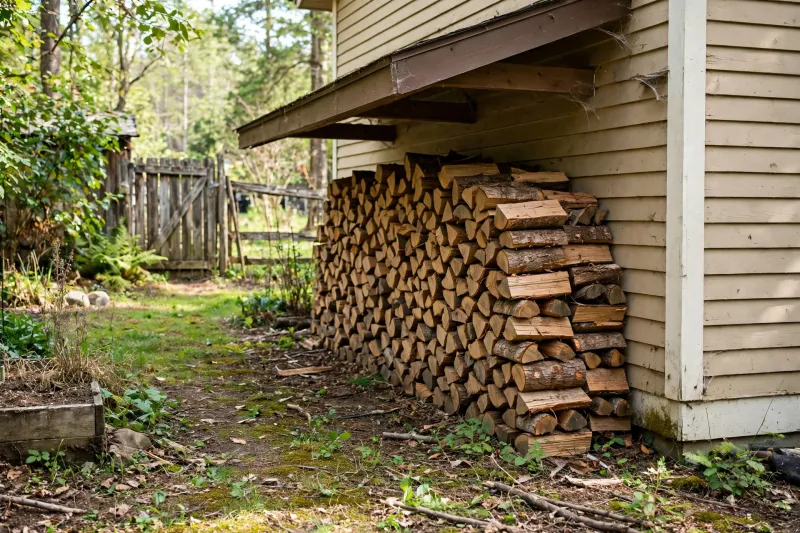
When the first cold front blows through Central Texas, rattlesnakes do not leave town. They tuck themselves into cozy, hidden corners, and some of those corners might be right in your backyard.
Knowing where western diamondbacks like to wait out the chill helps you work in the yard safely and avoid a nasty surprise come spring. Here are eight places worth a careful look before you reach in with bare hands.
1. Limestone Rock Piles and Retaining Walls
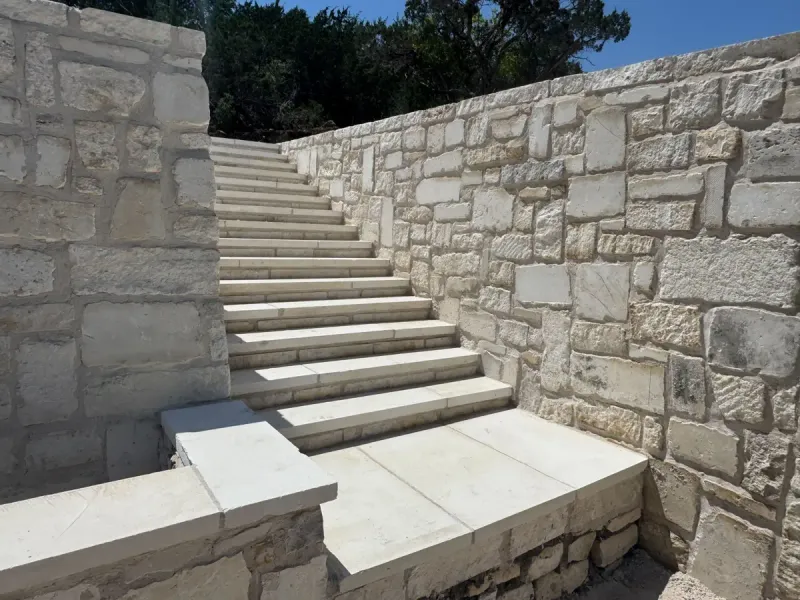
Hill Country homeowners love limestone, and so do rattlesnakes. Those stacked walls and leftover rock piles soak up warmth on sunny winter afternoons and hold it long after dark.
The gaps between stones lead to deeper pockets where temperatures stay steady. A diamondback can slip inside in November and barely move until March, except to bask on a warm day near the opening.
Never reach into crevices to pull weeds or grab a fallen tool. Use a long grabber, wear thick gloves, and consider mortaring or filling the biggest gaps on walls near patios and play areas.
2. Woodpiles Stacked Against the House
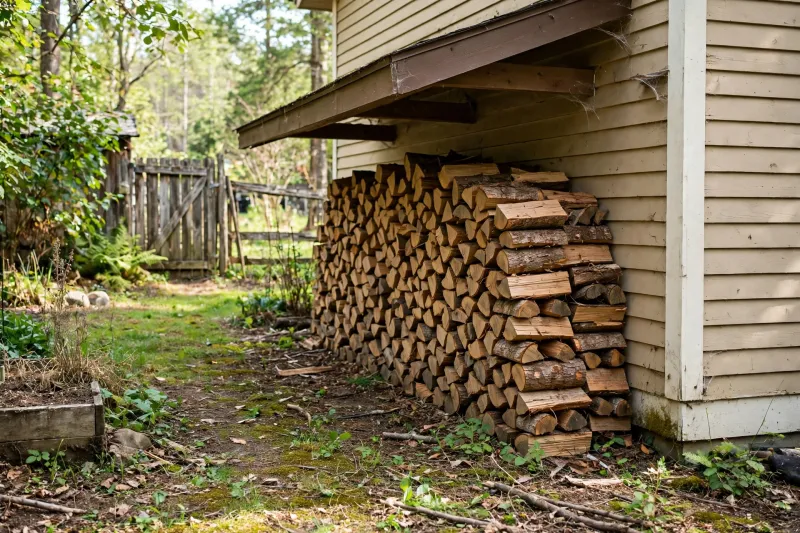
Picture a chilly January evening. You head out for a few oak logs to light the fireplace, grab from the bottom of the stack, and something rattles.
Firewood stacks are basically snake apartments. They offer shelter, mice that move in for the same reasons, and a wall of the house that leaks a little heat right into the pile.
Stack wood on a raised rack at least 18 inches off the ground and away from your walls. Pull logs from the top, and use a flashlight when it gets dark early in winter.
3. Gaps Under Concrete Slabs and Porches
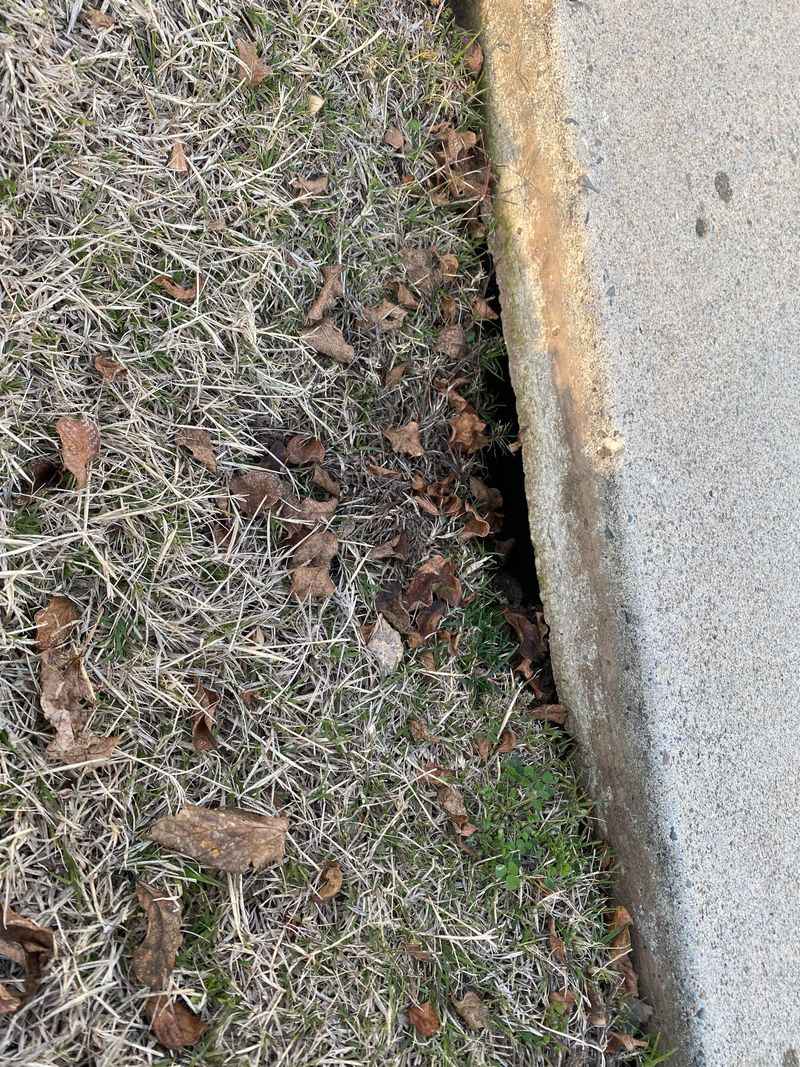
Clay soil in Central Texas shrinks during droughts, and that shrinking leaves gaps under slabs, steps, and porches. Snakes notice those cracks long before we do.
Underneath, the ground stays warmer than open soil, and the concrete above acts like a shield from frost. Old rodent tunnels often lead right into these spaces too.
Walk your foundation in fall and look for openings larger than a quarter inch. Seal them with hardware cloth or concrete patch, but make sure nothing is living inside first.
4. Abandoned Rodent and Armadillo Burrows
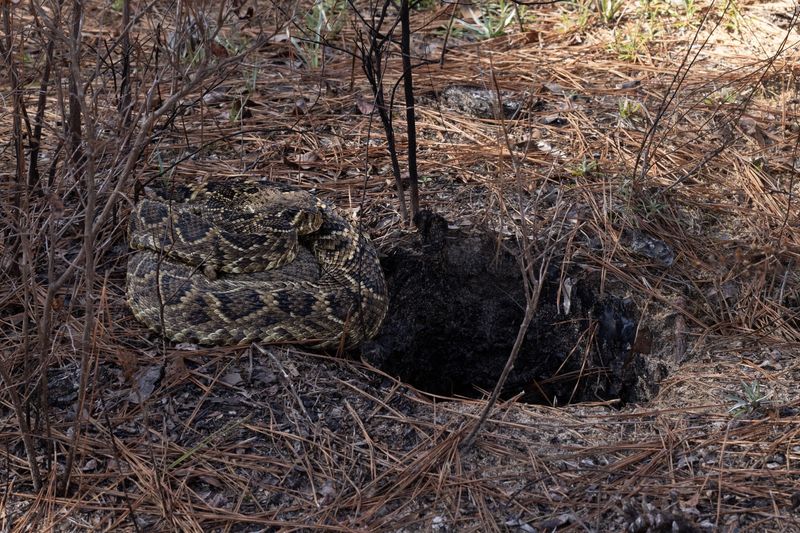
Armadillos dig, rattlesnakes move in. That simple trade happens all over Central Texas every fall.
Rattlers rarely dig their own homes, so they borrow. An old armadillo hole or a ground squirrel tunnel can go several feet down, below the frost line, where it stays snug all season.
Fun fact: in some regions, rattlesnakes return to the same winter den year after year. If you spot a burrow near a path or flower bed, mark it, keep kids and dogs away, and fill it in late spring once things warm up and it’s clearly empty.
5. Brush Piles and Cedar Debris
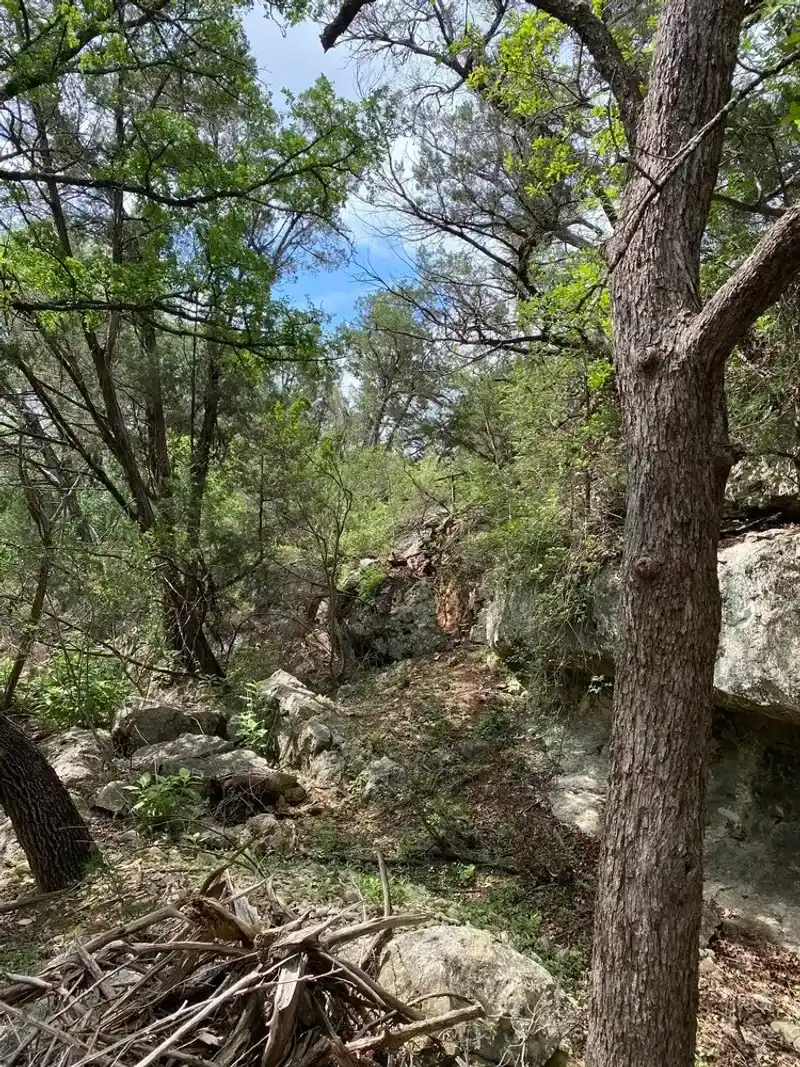
Cleared a few cedar trees this fall and left the branches for later? Later might mean a houseguest.
Brush piles are loose, layered, and full of mice and woodrats, which makes them a favorite for snakes looking to settle in. The bottom layers trap leaf litter that insulates against cold snaps.
Haul brush off, chip it, or burn it where allowed before temperatures drop. If you have to move an old pile in winter, use a rake or pitchfork and stand back from the edge.
6. Sheds, Barns, and Storage Buildings
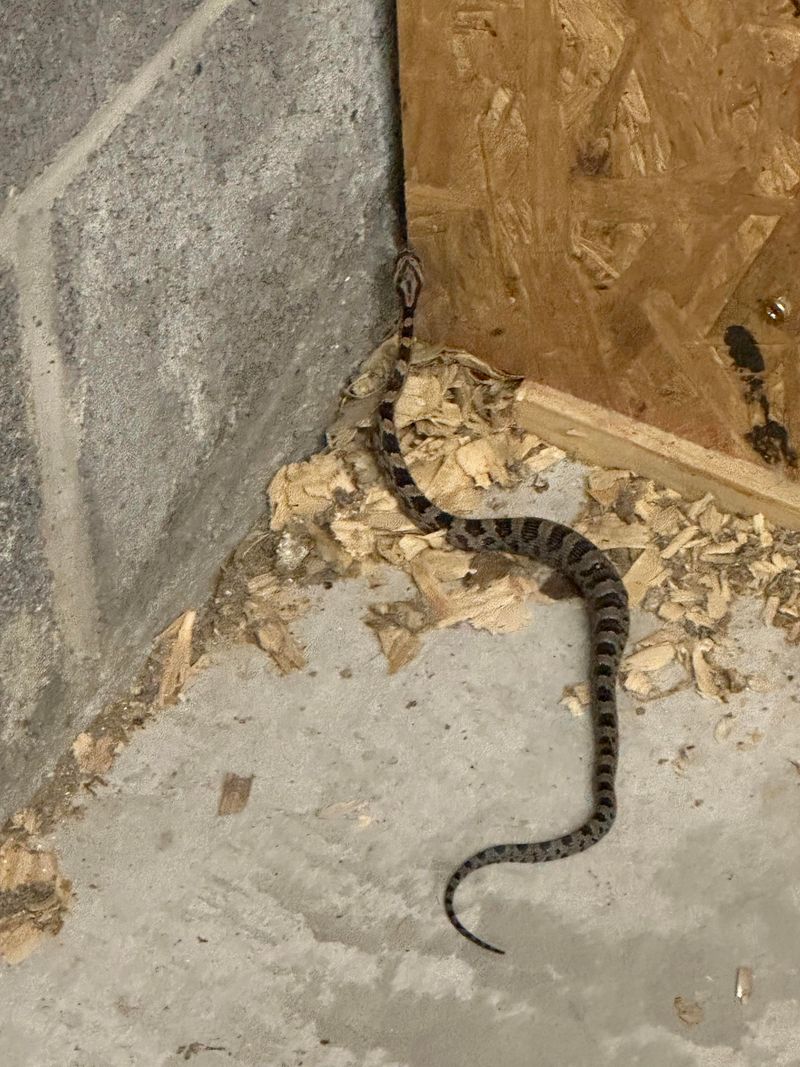
Garden sheds sit on cinder blocks for good reasons, but the space underneath is a dream spot for a cold snake. Dark, dry, and rarely disturbed.
Inside, stacks of pots, bags of feed, and old tarps attract rodents. Where rodents go, snakes follow, sometimes slipping through a gap under the door.
Skirt the base of the shed with hardware cloth buried a few inches deep. Store birdseed and feed in metal cans with tight lids so you aren’t advertising dinner.
7. Thick Ground Cover and Overgrown Beds
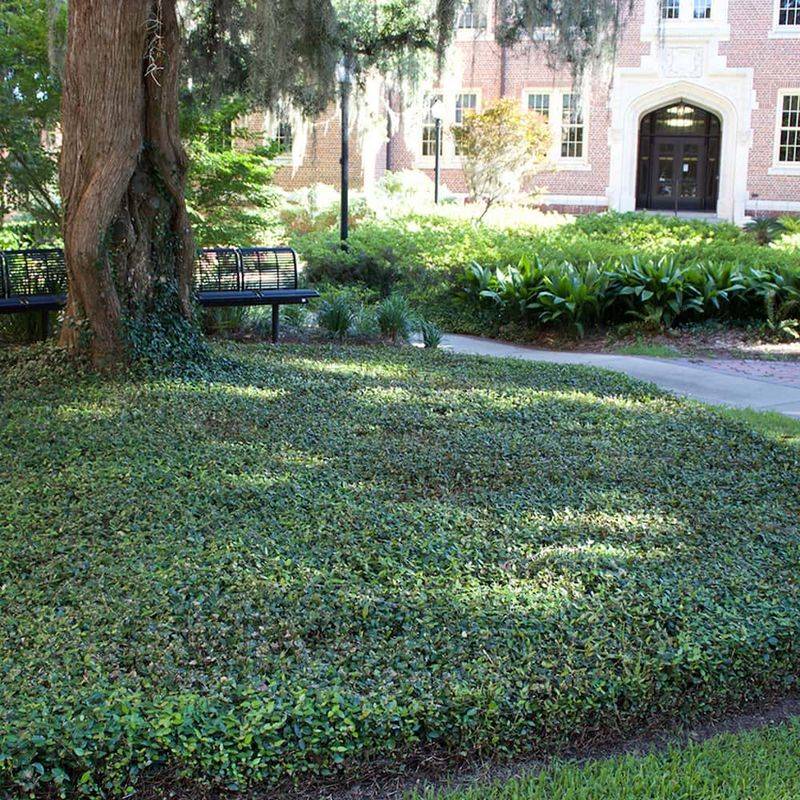
Asian jasmine and liriope look tidy from the street. Down at soil level, though, they form a thick mat that hides almost anything.
Rattlers use these beds less as deep dens and more as rest stops on mild winter days. When a warm front pushes temps into the 70s, snakes may come out to bask and then slide into dense cover.
Trim beds back near walkways, and keep a clear strip of bare mulch or gravel along paths. Wear boots when you work in thick plantings, even in February.
8. Old Junk, Lumber, and Forgotten Clutter
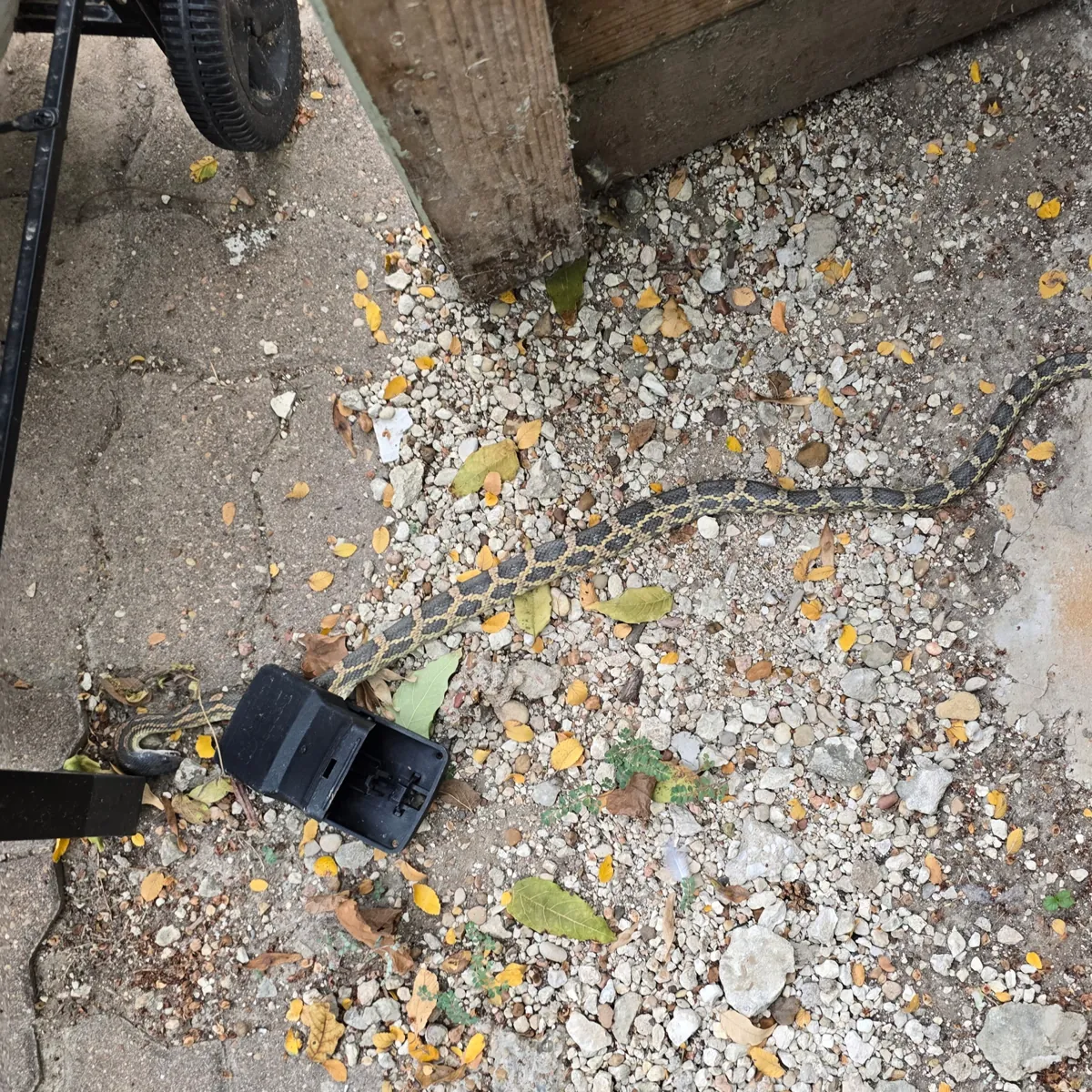
Every yard has that corner. Scrap plywood, a rusted sheet of tin, a flat tire, maybe a couple of broken pavers you meant to toss.
Flat objects lying on the ground are like heated blankets for snakes. Sheet metal warms fast in sun, and the soil beneath stays protected from wind.
Clean out clutter in early fall, before snakes settle in. If you missed that window, flip boards and tin toward you so they act as a shield, and keep your hands on the far edge.
A tidy yard is still the best rattlesnake prevention Texans have.