
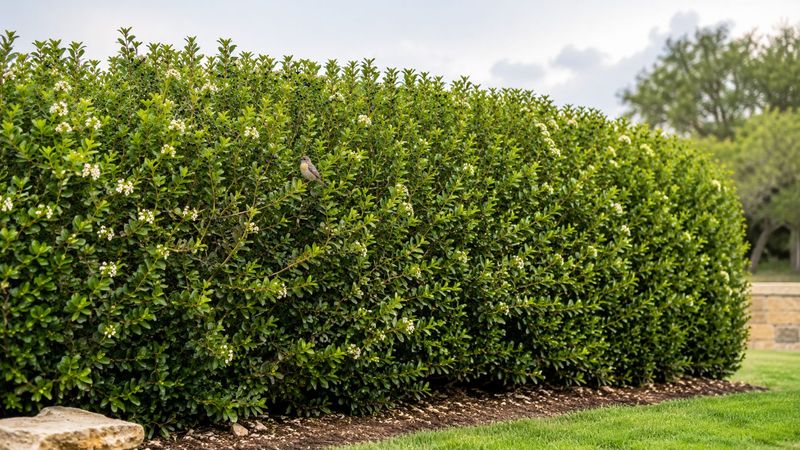
By October, many Texas yards look tired, crispy, and brown after months of heat and little rain. A handful of tough native plants refuse to give up, holding their green leaves even when the hose stays coiled.
These plants grew up with Texas droughts, so they already know how to save water and keep looking good. If you want a yard that stays fresh through a dry fall and still feeds birds and bees, these ten natives are a smart place to start.
1. Texas Sage (Cenizo)
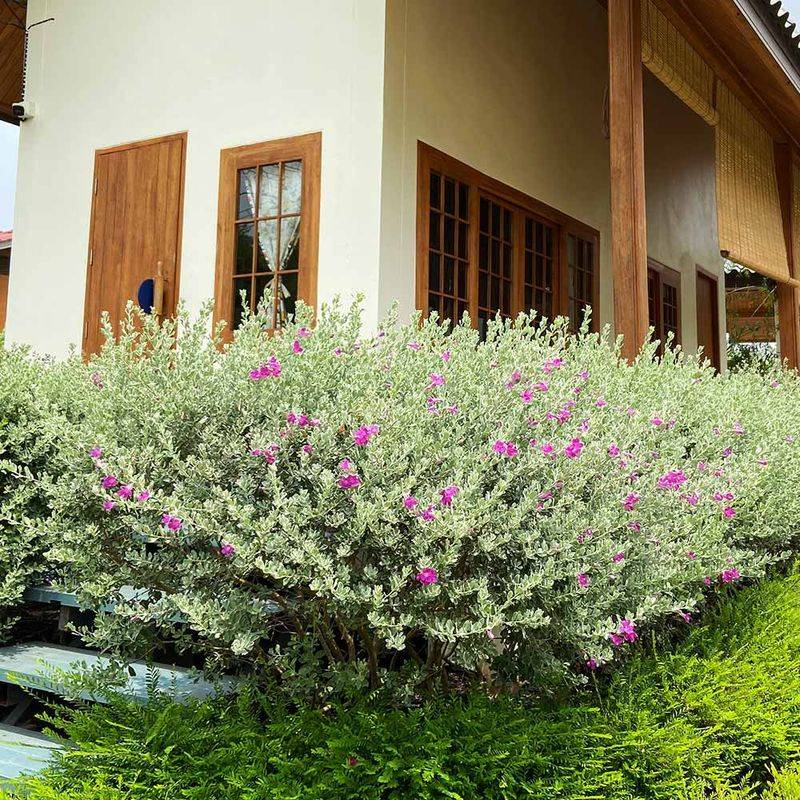
Old-timers called it the barometer bush, because cenizo tends to burst into purple bloom right after a rain or a jump in humidity. The rest of the time, its silvery leaves hold steady while lawns around it fade.
Those fuzzy gray-green leaves are the secret. Tiny hairs reflect harsh sun and slow water loss, so the shrub keeps its color deep into a dry fall once it is established.
Plant it in full sun with sharp drainage, and skip the rich soil and extra water. Too much kindness can actually rot the roots, so this is one shrub that thrives on being left alone along driveways, foundations, and hot west-facing beds.
2. Yaupon Holly
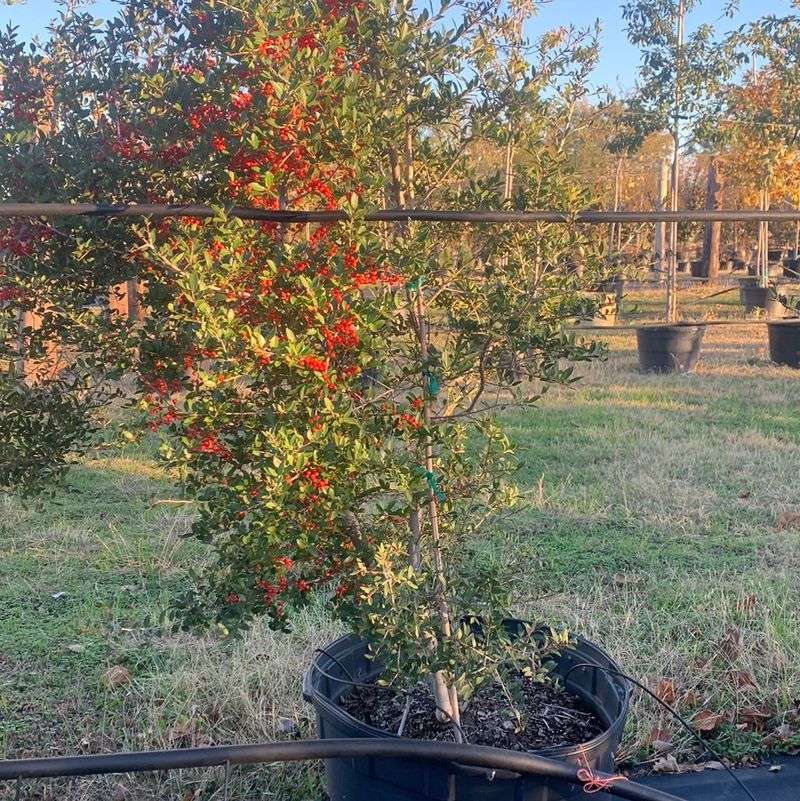
Picture a hedge that stays glossy green in October while the grass beside it has gone straw-colored. That is yaupon holly doing what it has done across East and Central Texas for centuries.
Its small, leathery leaves lose very little moisture, and mature plants can handle long dry spells on rainfall alone. Female plants add bright red berries in fall, which mockingbirds, cedar waxwings, and bluebirds happily strip in winter.
Fun bit of history: yaupon is the only native North American plant with caffeine, and Indigenous peoples brewed its leaves into tea. Use dwarf forms for low foundation borders or upright types as a privacy screen.
3. Agarita
Prickly? Absolutely.
Worth it? For a tough corner nobody wants to water, agarita might be the best bargain in the Hill Country.
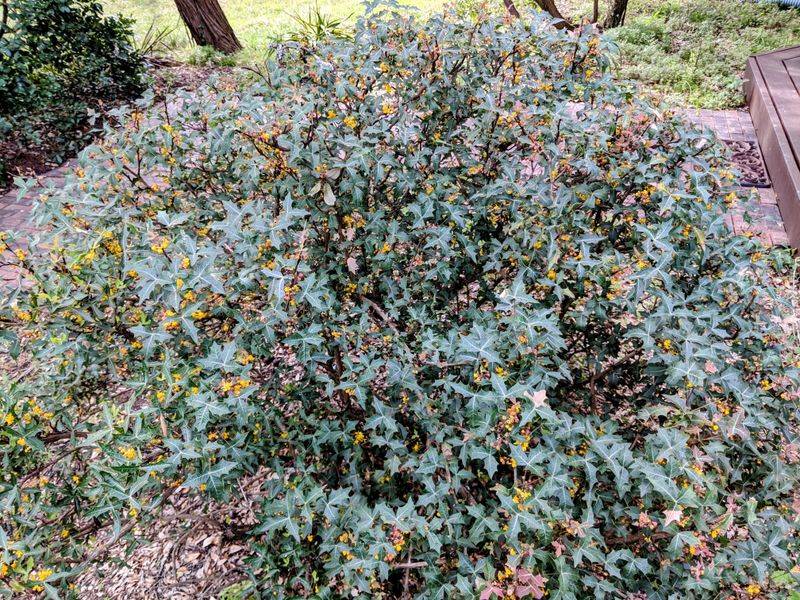
Its holly-like, blue-green leaves stay on the plant all year and laugh at caliche, limestone, and months without rain. The spiny leaves also make it a great barrier plant under windows or along a property line.
In late winter, small yellow flowers smell sweet and feed early bees. By late spring, red berries follow, and birds plus patient jelly makers fight over them.
Give it sun or light shade and walk away.
4. Texas Mountain Laurel
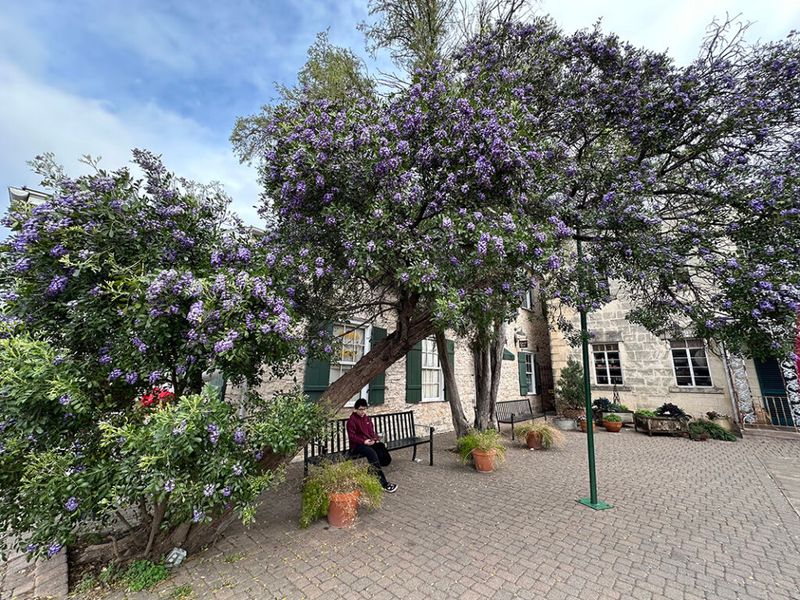
Most people know Texas mountain laurel for its grape-soda scented purple flowers each spring. The real fall star, though, is its shiny, dark green foliage that looks almost tropical when everything else is dusty.
This slow-growing evergreen handles rocky, alkaline soil and long dry stretches once its roots settle in. It works beautifully as a small patio tree or a focal shrub near the front walk.
One caution for families: the bright red seeds inside the pods are toxic if chewed. Plant it where curious kids and pets will not snack, and you get a nearly carefree evergreen that rarely needs pruning.
5. Live Oak
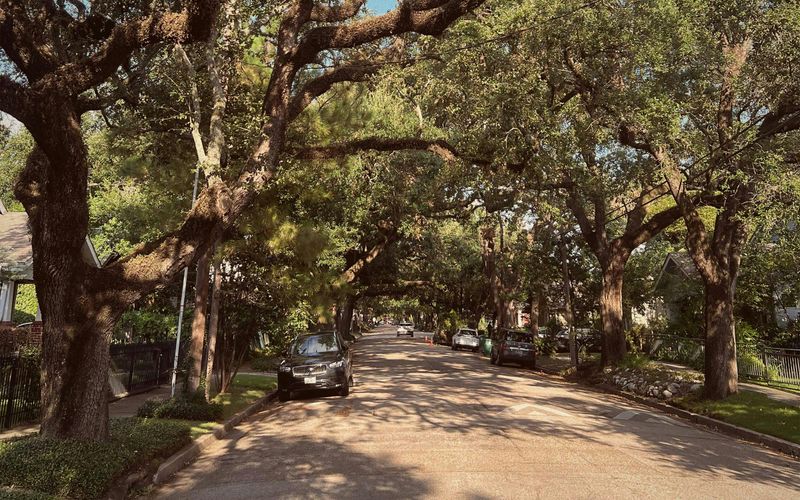
Drive any Texas neighborhood in a dry November and the green umbrellas overhead are almost always live oaks. They are practically a state symbol of toughness.
Deep, wide roots let mature trees reach moisture far below a crunchy lawn. Their thick, waxy leaves hang on through fall and winter, and they only shed briefly in spring when new leaves push the old ones out.
Young trees do need water their first couple of summers, so plan accordingly. Once established, a live oak can shade your house, cut cooling bills, and host hundreds of insect species that feed songbirds.
Prune only in winter or midsummer to lower oak wilt risk.
6. Texas Sotol
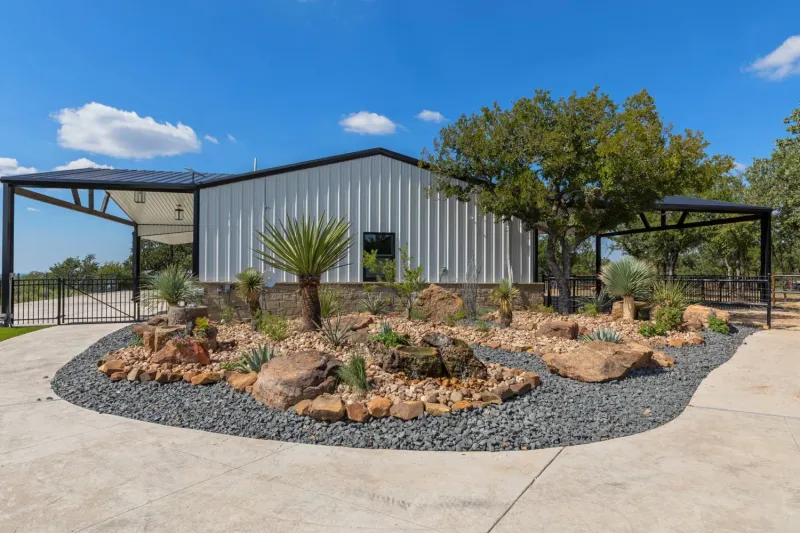
Here is a plant that looks like a firework frozen in place. Sotol sends out a fountain of narrow, blue-green leaves that shimmer when the sun hits their tiny teeth.
Native to West Texas deserts, it stores water and shrugs off heat, drought, and even hard freezes. A dry fall barely registers.
Use it as a bold accent in gravel beds, rock gardens, or modern front yards. Give it room, because those leaf edges can scratch, and keep it away from soggy spots.
Fun fact: the desert spirit called sotol is distilled from its heart.
7. Red Yucca
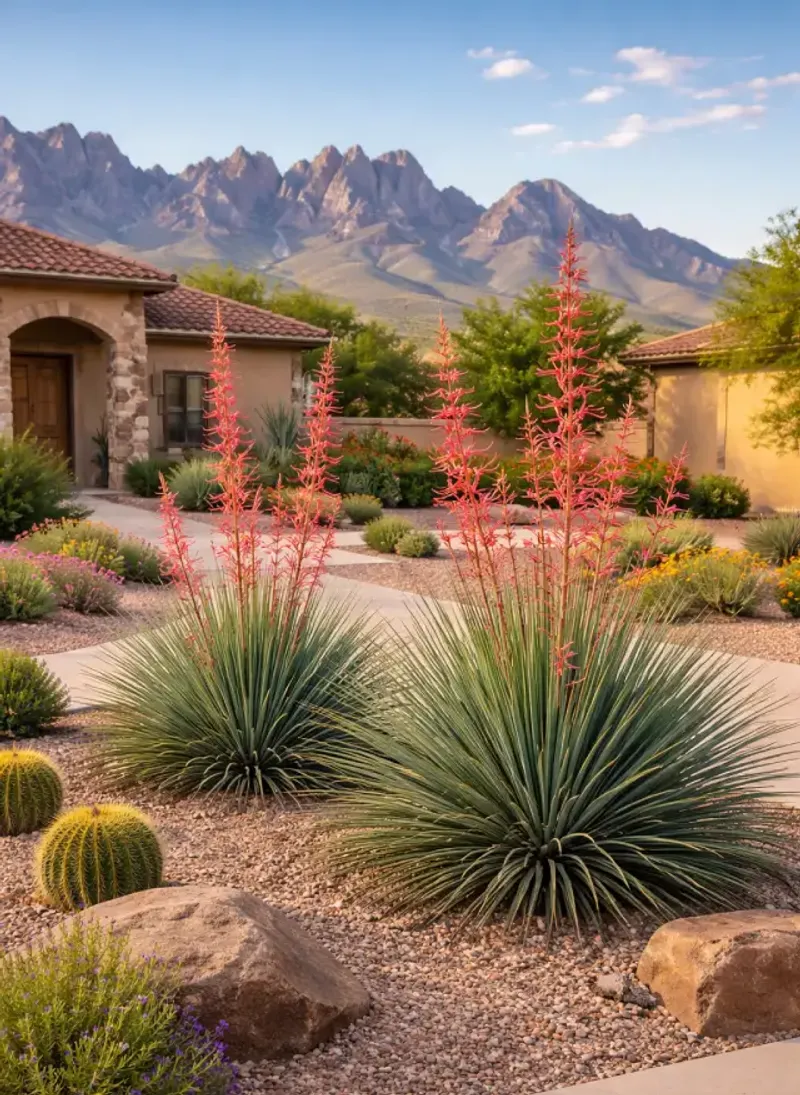
Hummingbirds heading south through Texas in early fall often stop at one plant in particular, and red yucca is a frequent pick. Its coral flower spikes can keep going from spring well into autumn.
Despite the name, it is not a true yucca, and it has no sharp tips. The grassy, arching leaves stay green through brutal heat and dry weeks, making it a friendly choice near sidewalks and pools.
It fits hellstrips, mailbox beds, and parking medians where water rarely reaches. Deer sometimes nibble the flower stalks, but the clumps themselves usually stay tidy and evergreen.
8. Gulf Muhly
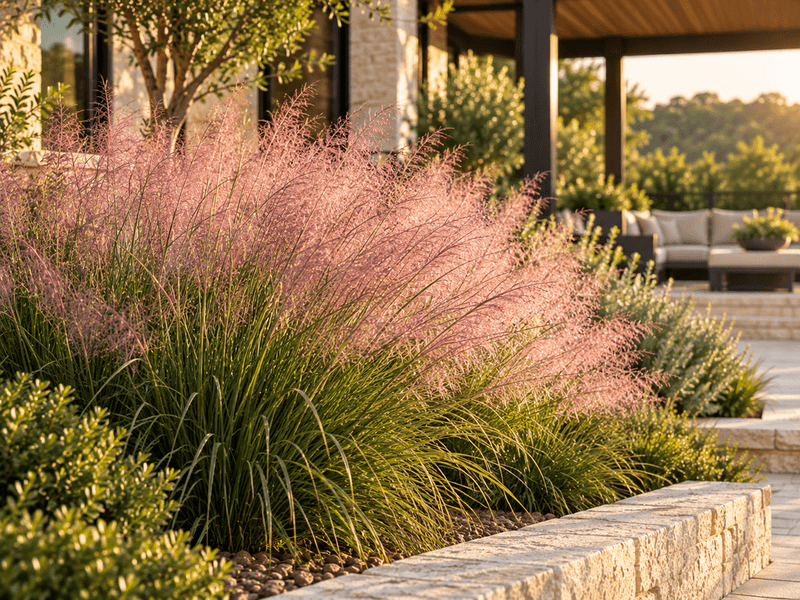
October is when gulf muhly steals the show. Its fine, green leaves suddenly wear a cloud of pinkish-purple plumes that glow when the sun is low.
This native grass handles both Gulf Coast humidity and long dry stretches, and established clumps generally get by on rainfall. It makes a soft, low-water swap for thirsty lawn edges.
Plant it in groups of three or more for the full cotton-candy effect. Cut it back in late winter, and that is pretty much the whole care plan.
9. Evergreen Sumac
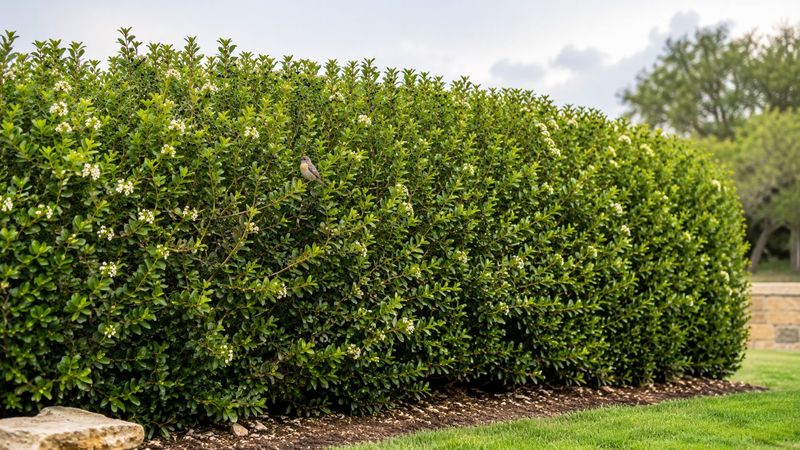
Ask a Texas native plant nursery for a fast, drought-proof screen, and evergreen sumac often comes up. It grows into a large, rounded shrub with glossy leaflets that look freshly polished even in a dry spell.
Rocky, alkaline soil suits it just fine, and it handles heat without fuss once rooted. Small creamy flowers in late summer draw bees and butterflies, followed by fuzzy red fruit that birds eat.
Try it along fences or on slopes where hauling a hose is a chore. It can reach 8 to 12 feet, so give it space to spread out.
10. Texas Persimmon
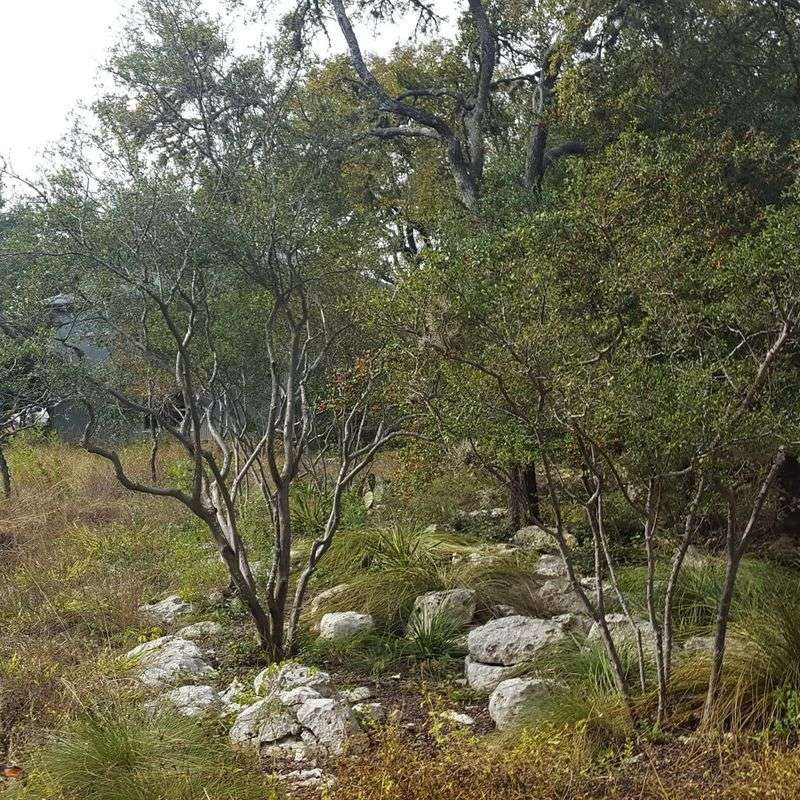
Smooth, peeling gray bark that looks like a crepe myrtle, plus small leathery leaves that hang on through dry weather, gives Texas persimmon a quiet charm.
It is a small tree, often under 20 feet, that thrives on rocky soil and thin rainfall across Central and South Texas. In many areas it keeps much of its foliage into late fall and can be semi-evergreen in mild winters.
Female trees produce small black fruit that foxes, raccoons, and birds love. Tuck one into a wildlife corner, and you get shade, bark interest, and free wildlife food without watering once it is established.
Bottom line: pair a few of these natives, mulch them well, and your fall yard can stay green while the sprinkler takes a long break.