
When the leaves drop and the garden goes quiet, your yard is still being judged by some very picky visitors. Certain winter birds only stick around North Carolina yards that offer seeds, berries, insects, and safe cover.
If you spot them between November and March, it is a good sign your plants and habits are working. Here are ten birds worth watching for, and what each one says about the space you have built.
1. Eastern Bluebird
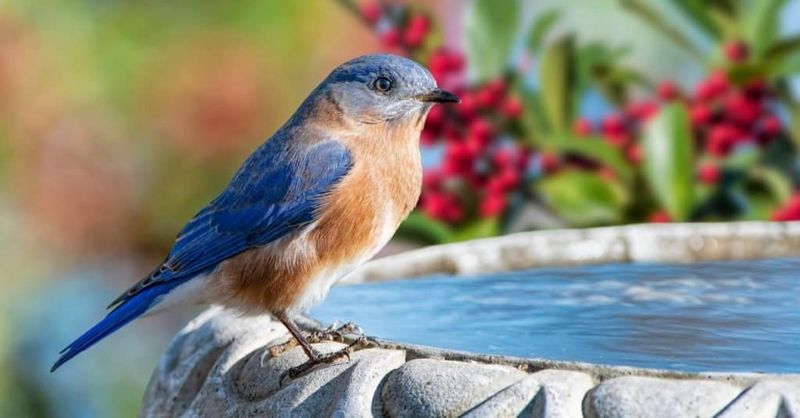
A flash of sky-blue on a gray January morning can make your whole week. Eastern bluebirds live in North Carolina year-round, but in winter they gather in small flocks and wander in search of food.
Since insects get scarce, they switch to berries from dogwood, winterberry, eastern red cedar, and American holly. A yard that keeps those fruiting natives may give them a reason to linger instead of passing through.
Leaving a nest box up through winter can also help, because bluebirds sometimes pile into boxes at night to stay warm. Clean it out in late winter so it is ready when nesting starts as early as March in the Piedmont and coastal plain.
2. Cedar Waxwing
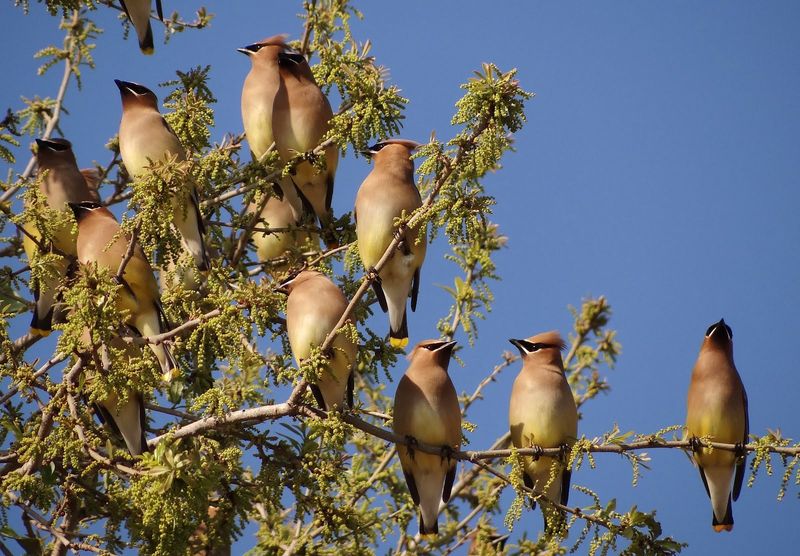
Blink and you might miss the whole flock. Cedar waxwings travel in noisy, high-pitched groups, strip a berry tree in an afternoon, then vanish.
Their sleek tan bodies, black masks, and waxy red wing tips make them easy to love. They are almost entirely fruit eaters in winter, so they only show up where berries are plentiful.
American holly, yaupon, eastern red cedar, and serviceberry all pull them in across the state. Fun fact: waxwings sometimes pass a single berry beak to beak down a branch.
If they find your yard, you are running a good buffet.
3. Yellow-rumped Warbler

Birders call them butterbutts, and once you see that bright yellow patch at the base of the tail, the nickname sticks. Most warblers leave North Carolina for the tropics, but this one stays for winter in big numbers.
Its secret is wax myrtle. Yellow-rumps can digest the waxy coating on wax myrtle and bayberry fruit, something few birds manage.
Planting southern wax myrtle, especially in the coastal plain and Piedmont, can turn your yard into a warbler hangout from October through April. The shrub also makes a tidy evergreen screen, so you win twice.
4. White-throated Sparrow
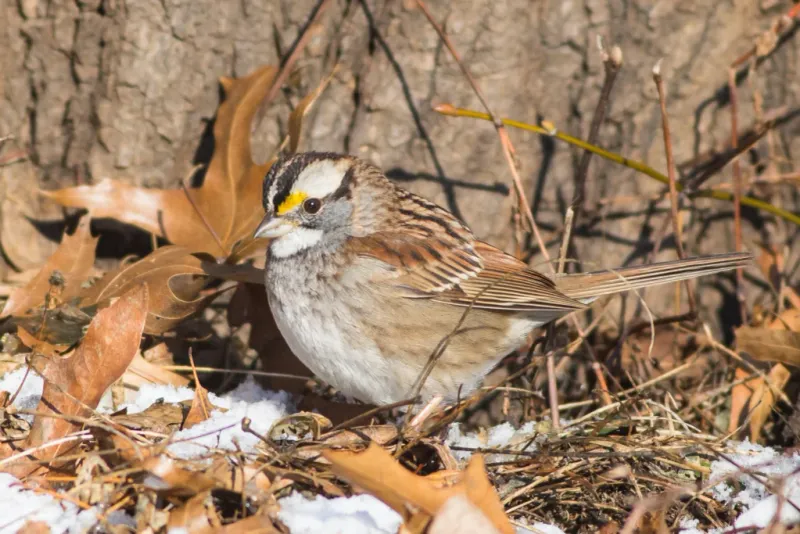
Listen for a sweet, whistled Old Sam Peabody, Peabody, Peabody drifting out of the shrubs on a cold morning. That song belongs to the white-throated sparrow, a winter visitor from Canada and the northern woods.
These sparrows spend their days scratching through fallen leaves for seeds and bugs. They stay close to thick cover, rarely venturing far from a brush pile or dense shrub.
So if they are around, your leaf habit is probably on point. Leaving leaves under shrubs and keeping a loose brush pile in a back corner gives them food and a fast place to hide from hawks.
5. Dark-eyed Junco
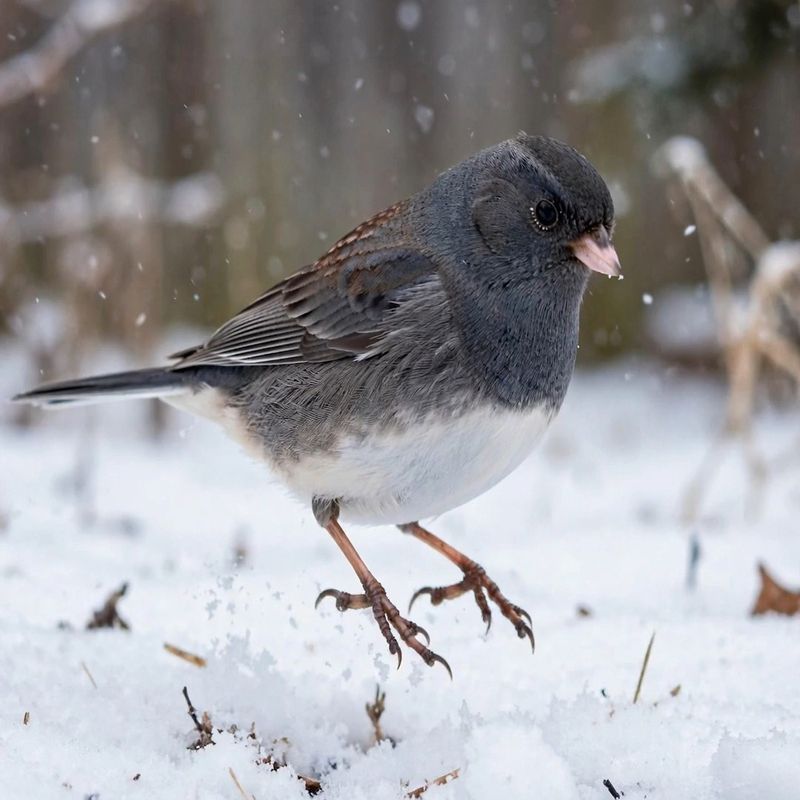
Old-timers called them snowbirds, because juncos seemed to arrive with the first cold snap. Across most of North Carolina, they show up in late fall and leave by spring, though some nest year-round in the high mountains.
Look for slate-gray backs and white bellies, plus white outer tail feathers that flash as they hop away. Juncos are ground feeders that love small seeds.
Standing seedheads from little bluestem, coneflowers, and black-eyed Susans may keep them busy all winter. Skipping the fall cleanup is one of the easiest ways to invite them, and it saves you work.
6. Hermit Thrush
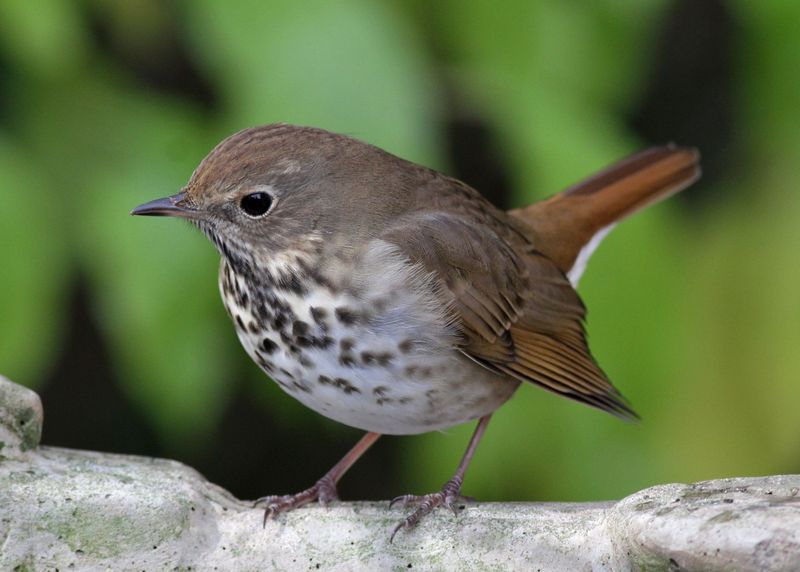
Shy and quiet, the hermit thrush is the kind of guest you only notice if you are paying attention. It flicks its rusty tail and slowly raises it while sitting low in the shade.
Winter brings this thrush down from northern forests into North Carolina woodlands and wooded yards. It feeds on leaf-litter insects plus berries from dogwood, holly, and greenbrier.
Seeing one is a quiet compliment. It usually means your yard has layers: tall trees, understory shrubs, and a soft, leafy floor instead of bare mulch.
7. Ruby-crowned Kinglet
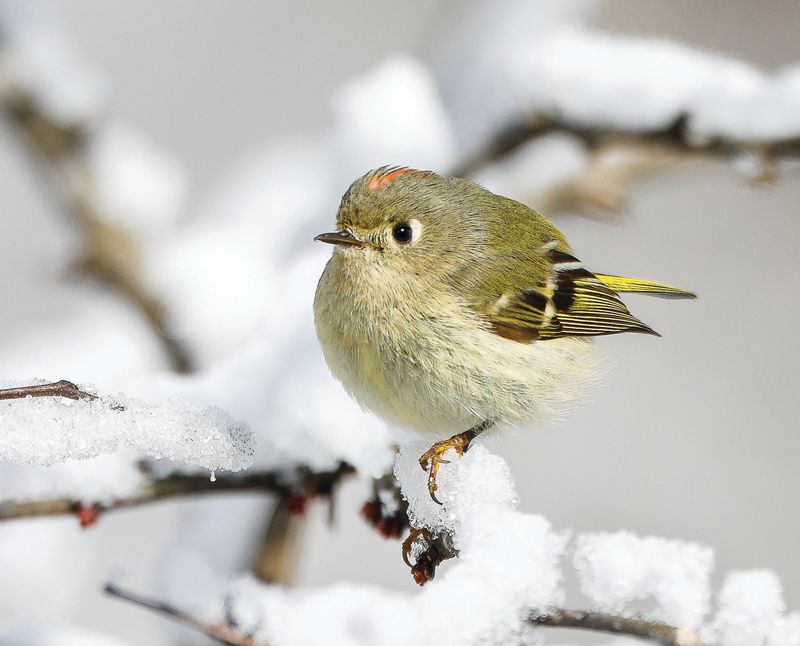
Tiny, twitchy, and constantly flicking its wings, the ruby-crowned kinglet weighs about as much as two pennies. The red crown patch usually stays hidden unless the male gets excited.
Kinglets eat insect eggs, spider eggs, and tiny bugs tucked into bark and twigs all winter. That means they visit yards where pesticides are kept to a minimum and native trees host plenty of small insect life.
Oaks, maples, and red cedars are some of their favorite hunting spots in the Piedmont and coastal plain. If a kinglet works your trees, the food web in your yard is likely in decent shape.
8. Yellow-bellied Sapsucker
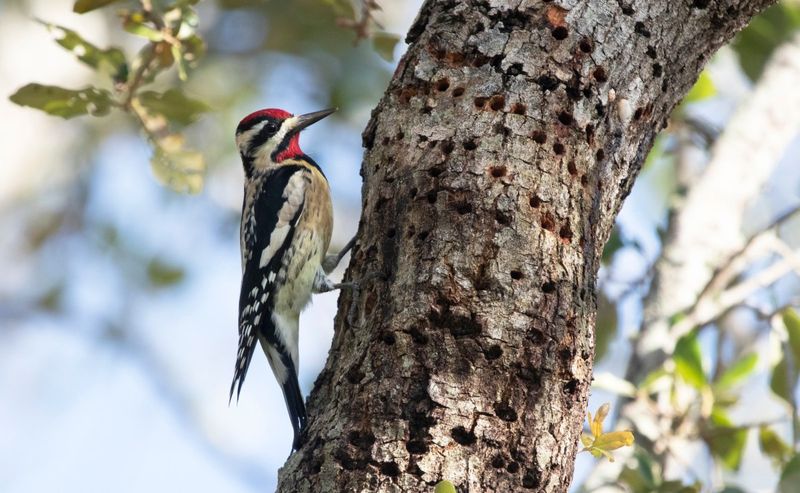
Ever notice neat rows of little holes circling a tree trunk? That tidy pattern is the calling card of the yellow-bellied sapsucker, a winter woodpecker in North Carolina.
Sapsuckers drill shallow wells, then return to sip sap and snack on insects stuck in it. Kinglets, warblers, and even early hummingbirds in other regions may borrow those sap wells too.
Healthy trees usually handle the damage fine, though heavy drilling on one young tree can stress it. A loose burlap wrap on a favorite small tree can redirect the bird while still letting your mature trees host it.
9. Brown Creeper
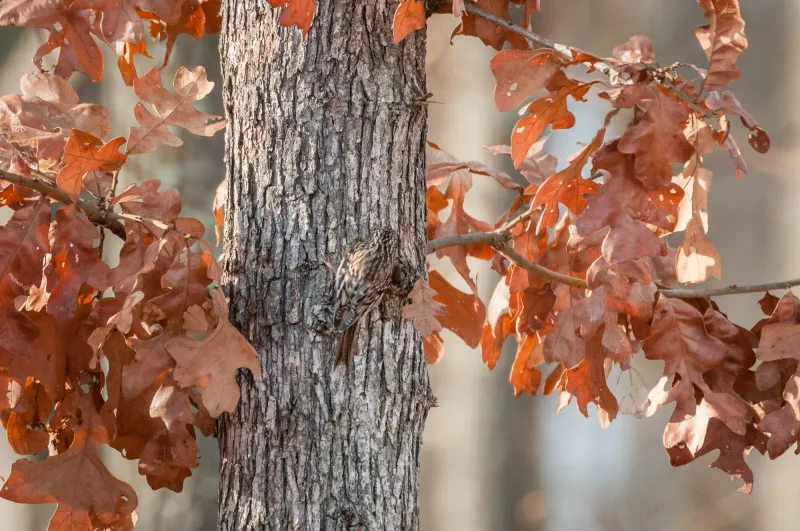
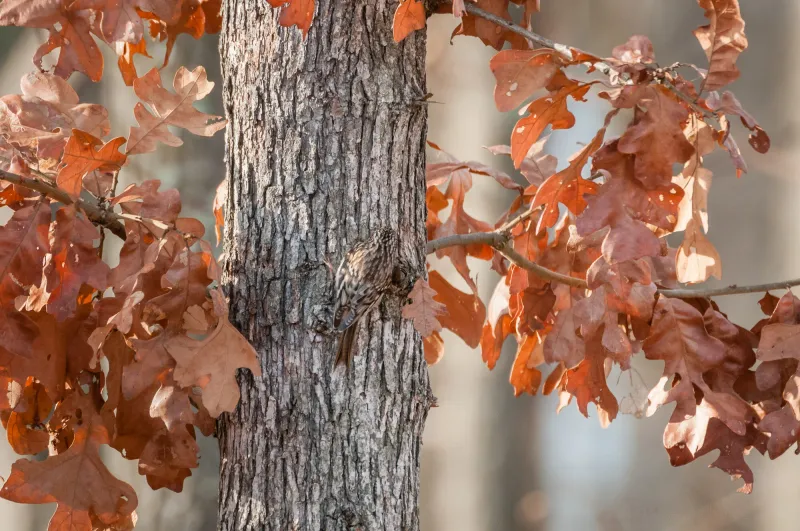
A piece of bark that suddenly moves upward? That is probably a brown creeper.
These streaky little birds blend in so well that many homeowners never notice them.
They spiral up a trunk, probe bark cracks for insects, then flutter to the base of the next tree and start over. Winter is the best time to spot them across most of the state.
Creepers favor big, rough-barked trees like oaks and pines. Keeping mature trees, and leaving a safe standing snag where it will not hit anything, can make your yard more welcoming to them.
10. Red-shouldered Hawk
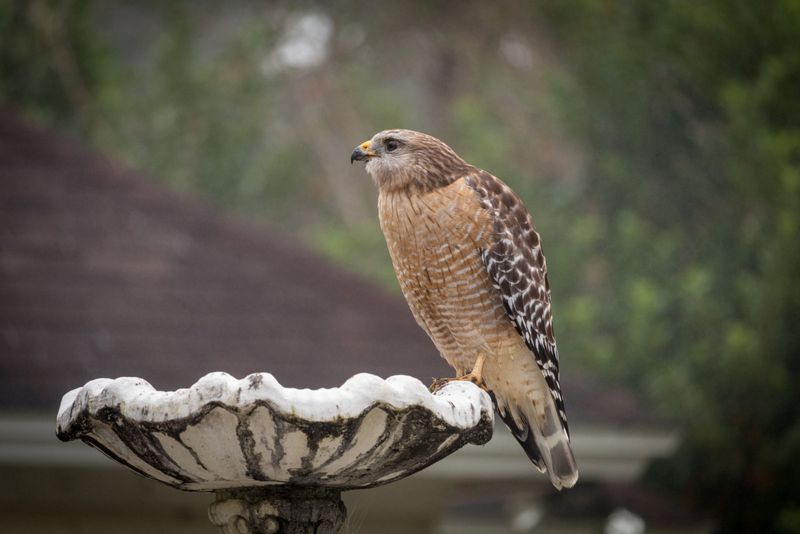
Here is a twist: one of the best signs of a healthy yard is a predator. Red-shouldered hawks hunt North Carolina neighborhoods year-round, and winter’s bare branches make them easier to see.
They eat voles, mice, snakes, frogs, and crayfish, so they need a yard with real prey living in it. That often means some unmown edges, wet spots, and native plants that support small animals.
Their loud kee-ah call is easy to learn. A hawk may help keep rodent numbers in check, and its presence suggests your little ecosystem has enough layers to feed a top predator.