
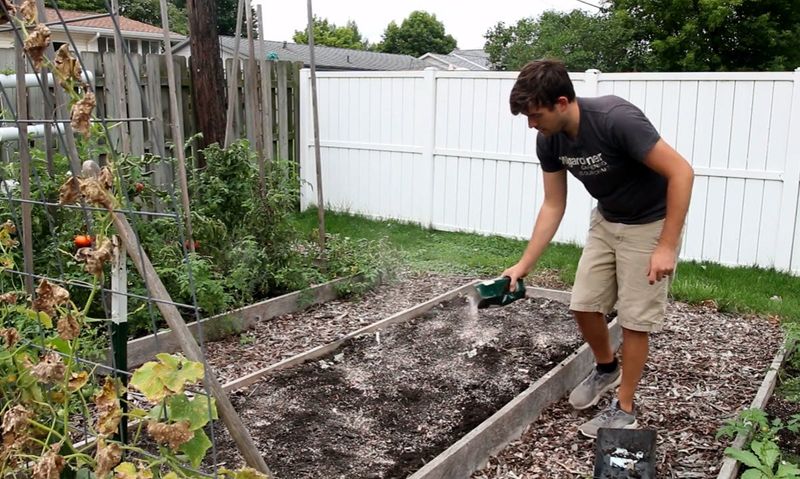
Winter is prime growing time for vegetables in Texas and Florida, but sandy soil and heavy rain can wash food away from your plants fast. If your broccoli looks pale or your lettuce stalls out, hungry roots are often to blame.
The right fertilizer, used at the right time, can turn a slow bed into one that keeps giving through spring. Here are 14 smart options and exactly how each one helps.
1. Composted Chicken Manure
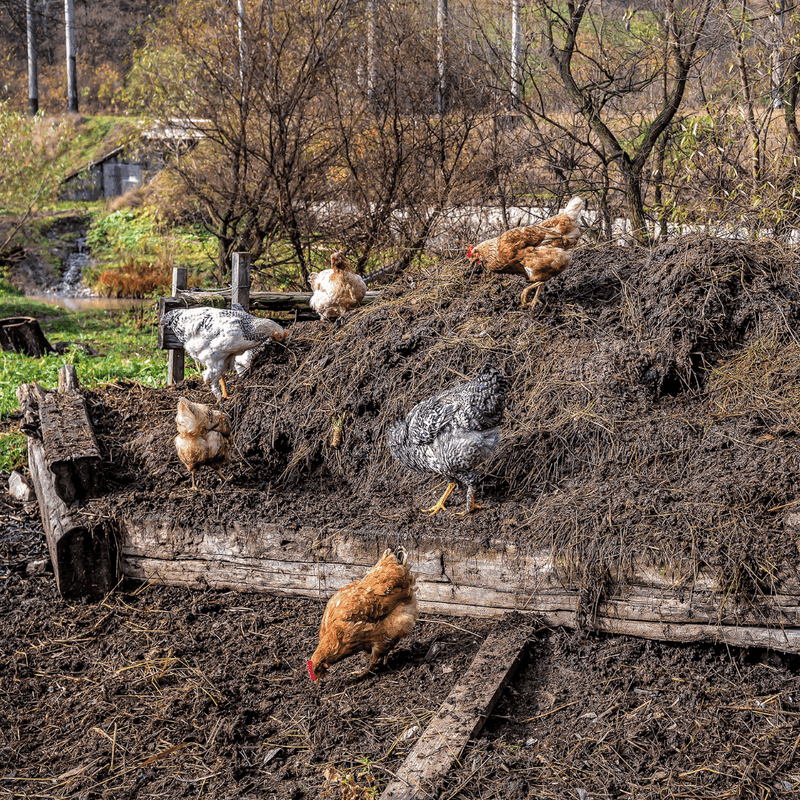
Ask any old-timer gardener along the Gulf Coast what fed their best cabbage, and chicken manure usually comes up first. Composted versions pack a solid dose of nitrogen, plus phosphorus and potassium, in a form that releases over several weeks.
For Texas and Florida winter beds, that steady release matters. Leafy crops like kale, collards, and mustard greens are hungry for nitrogen, and pale lower leaves are often a sign they are not getting enough.
Working a few inches of composted chicken manure into the top layer of soil before planting can give them a strong start.
Always choose fully composted or pelleted products. Fresh manure can burn tender roots and may carry bacteria you do not want near food you will eat raw.
Bagged versions sold at garden centers are heat-treated and much easier to handle.
A good rule is about 5 to 10 pounds per 100 square feet at planting, then a light side-dressing six weeks later. Water it in well afterward.
In sandy Florida soil especially, a little and often tends to work better than one heavy dump, since nutrients can slip below the root zone after a hard rain.
2. Fish Emulsion
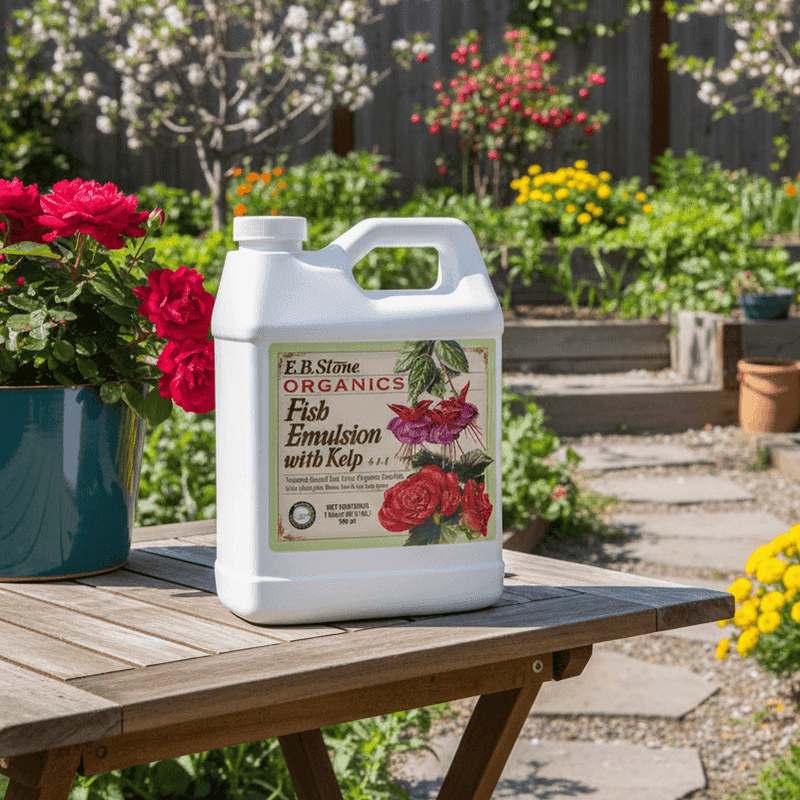
Yes, it smells like low tide. But fish emulsion earns its spot because it works fast, often greening up tired seedlings within a week.
Made from processed fish leftovers, this liquid feed delivers quick nitrogen that young plants can use right away. It shines in the weeks after transplanting, when lettuce, spinach, and bok choy are trying to settle in and push out new leaves.
If your winter greens look yellowish or stunted after a chilly spell, a dose of fish emulsion may help them bounce back.
Mix about one to two tablespoons per gallon of water and apply every two weeks. You can pour it at the base of plants or use a sprayer for a light foliar feeding in the cool morning.
Skip the afternoon sun, since wet leaves plus bright light can sometimes cause spotting.
One fun bit of history: Native Americans reportedly buried fish beside corn seeds, a trick early colonists borrowed. Today the method is just bottled.
The smell fades within a day or so, though curious dogs and raccoons might investigate. Keep the jug sealed and stored in a garage or shed.
3. Blood Meal
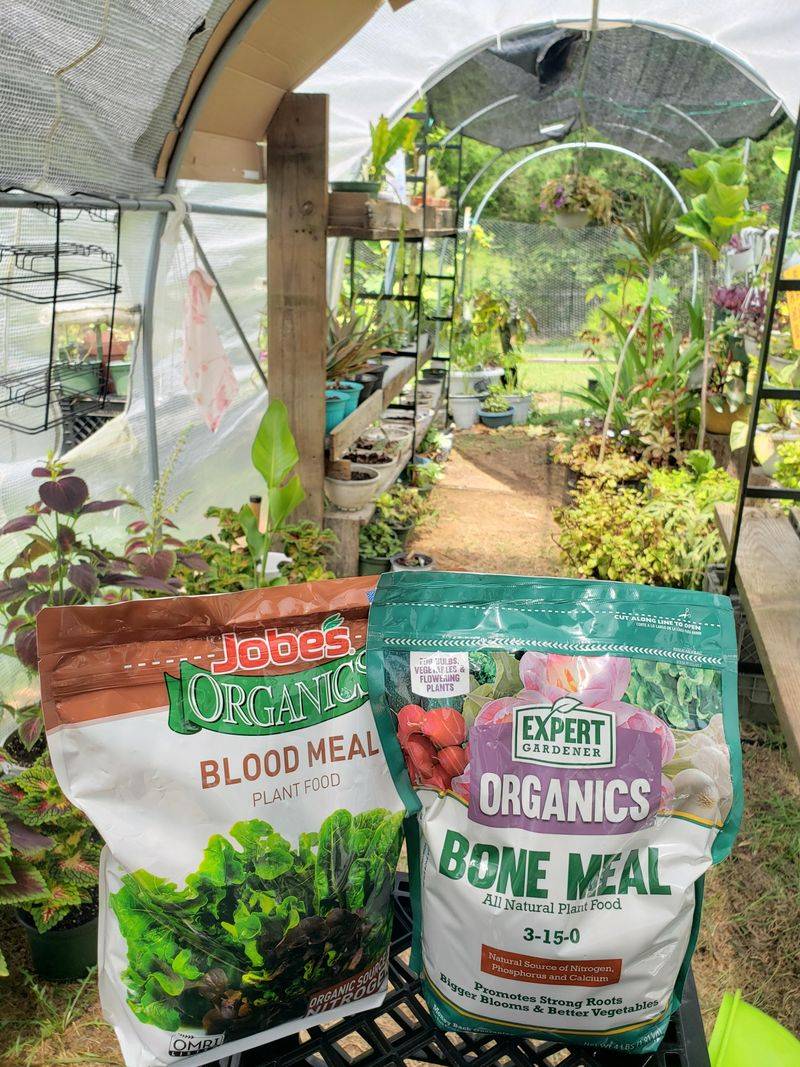
When collards or spinach stall out with pale, washed-out leaves, blood meal is the nitrogen punch many gardeners reach for. At roughly 12 percent nitrogen, it ranks among the richest organic sources you can buy.
Leafy winter crops respond to it quickly. Gulf Coast rains can strip nitrogen out of sandy beds, and a light sprinkle of blood meal can often refill what was lost.
Scratch it into the soil around plants, keep it off leaves, and water it in.
Go easy, though. Too much nitrogen can burn roots and push lush leaves at the expense of roots or heads, which is bad news for carrots, beets, and onions.
About one pound per 100 square feet is plenty, applied once or twice in a season.
A side perk some gardeners swear by: the scent may help deter rabbits and deer for a short time. Results vary, and rain washes the smell away, so treat it as a bonus rather than a fence.
Store the bag tightly closed. Dogs find it irresistible, and an opened sack in the garage can become a midnight snack.
4. Bone Meal
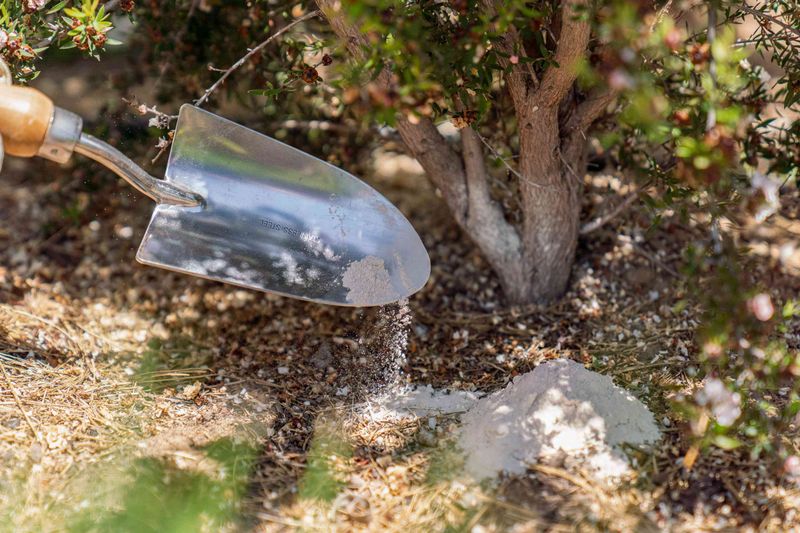
Picture pulling up a fat, sweet carrot in March. Bone meal is one of the quiet helpers behind that kind of harvest, feeding the roots you cannot see.
Its main gift is phosphorus, along with a good amount of calcium. Phosphorus supports root growth, flowering, and early development, which makes it handy for carrots, beets, radishes, onions, and the snap peas many Southern gardeners plant in fall.
Here is the catch. Bone meal breaks down slowly and works best in soil that is neutral to slightly acidic.
Much of Central and West Texas has alkaline soil, where the phosphorus may stay locked up. A simple soil test from your county extension office can tell you whether you actually need it, and many Florida soils already hold plenty of phosphorus.
If your test shows a shortage, mix about 10 pounds per 100 square feet into the planting area before seeding. Put it right where roots will grow instead of scattering it on top.
Since it releases over months, one application at planting usually lasts through the season. Pair it with a nitrogen source for leafy crops.
5. Worm Castings
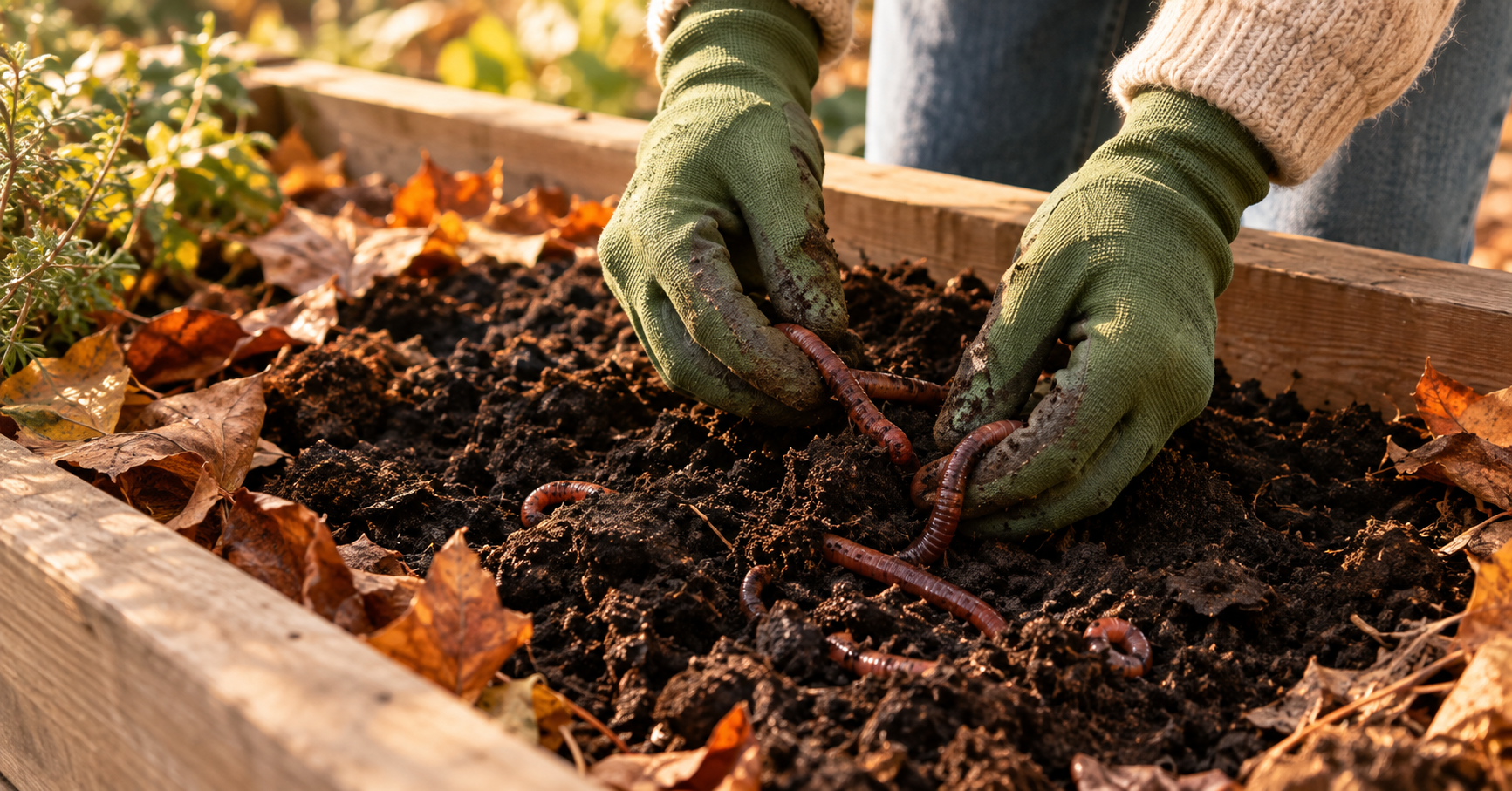
Earthworms have been building great soil for millions of years, and their castings might be the gentlest fertilizer on this list. You would have a hard time burning a plant with them, even if you tried.
Castings carry modest nutrients, but their real value is biology. They are packed with helpful microbes and organic matter that may improve how sandy Florida soil and heavy Texas clay hold water and nutrients.
Think of them as a soil upgrade more than a quick meal.
They work beautifully at seeding time. Mix a handful into each transplant hole for broccoli or cauliflower, or blend about 20 percent castings into potting mix for seed trays of lettuce and herbs.
You can also top-dress established beds with a half-inch layer.
Some gardeners steep castings in water to make a tea for a light liquid feeding. It is easy, and seedlings seem to enjoy it.
Bagged castings can be pricey, so a small worm bin under the kitchen sink or on a shady porch is a fun project. In warm Southern climates, red wigglers stay active much of the year, turning food scraps into garden gold.
6. Cottonseed Meal
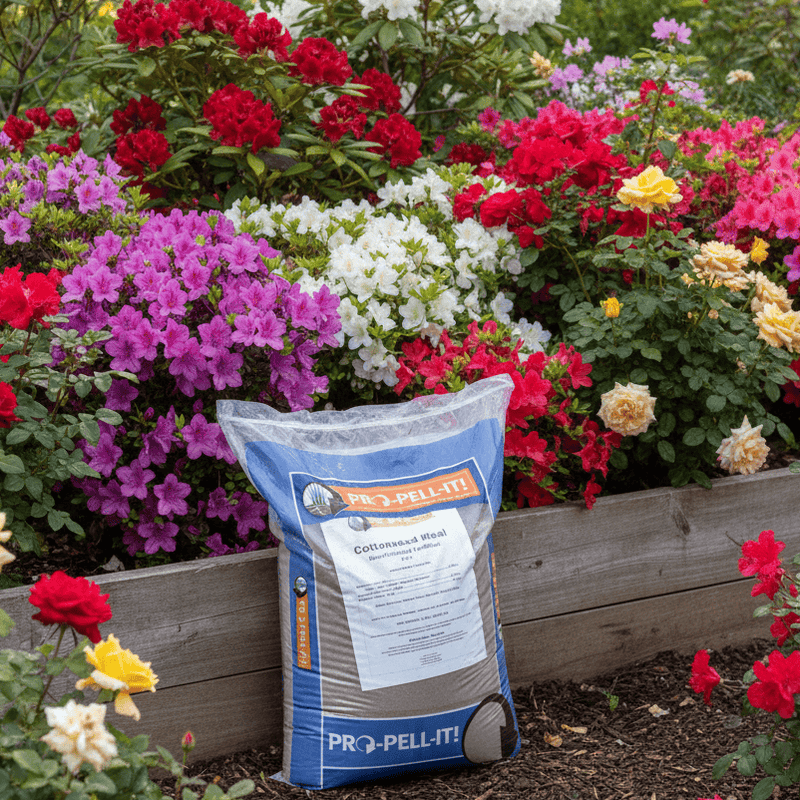
Texas grows more cotton than any other state, so it makes sense that one of its best garden feeds comes from the leftovers. Cottonseed meal is what remains after oil is pressed from the seeds.
It offers around 6 percent nitrogen plus smaller amounts of phosphorus and potassium, released slowly as soil life breaks it down. That gradual feeding fits winter crops like broccoli, cabbage, and Brussels sprouts, which need steady fuel for months before heading up.
Cottonseed meal also leans slightly acidic. For gardeners on alkaline Texas soils, that can be a small plus, gently nudging pH in a friendlier direction over time.
It will not fix strong alkalinity alone, but it does not make things worse.
Use about 2 to 5 pounds per 100 square feet worked into the soil before planting. Add a side-dressing when broccoli starts forming small heads.
Because it breaks down slowly in cool weather, apply it a couple of weeks ahead of planting if you can. A downside worth knowing: conventional cotton is often treated with pesticides, so organic growers may want to look for certified products.
7. Feather Meal
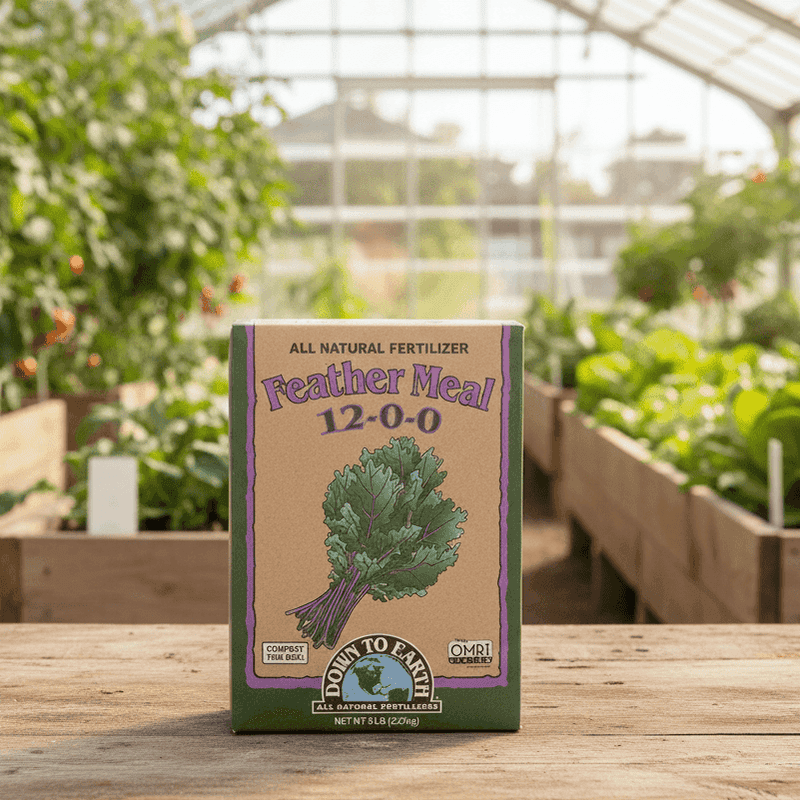
Long seasons call for patient food. Feather meal is about as patient as fertilizer gets, releasing nitrogen slowly over three or four months.
Made from processed poultry feathers, it contains roughly 12 percent nitrogen, close to blood meal. The difference is speed.
Blood meal hits fast, while feather meal trickles out nutrients as microbes slowly break down the tough keratin. For a cabbage or cauliflower crop that sits in the ground from October to February, that slow pace is a real advantage.
In Florida, where frequent showers can rinse fast fertilizers right past the roots, slow-release sources like this may help keep more nitrogen where plants can use it. Less washing away also means less runoff into springs and waterways, which matters across the state.
Mix about 2 to 3 pounds per 100 square feet into the bed at planting time. Many gardeners combine it with blood meal, so plants get a quick start plus long-term feeding.
Because it works slowly in cool soil, do not expect overnight results. Feather meal is the steady background player, not the star sprint.
Your midwinter greens will thank you.
8. Kelp Meal
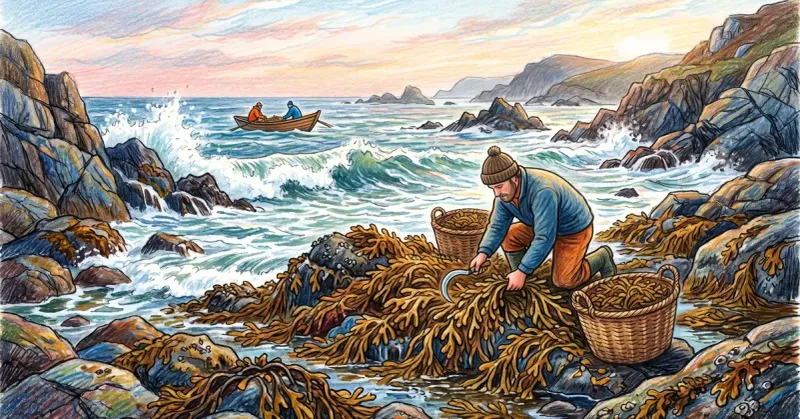
Ocean seaweed might seem out of place in a veggie bed, yet kelp meal has been feeding coastal gardens for centuries. Farmers in Scotland and Ireland hauled seaweed up from beaches to enrich thin soils.
Kelp is not a big nitrogen source. Its strength lies in potassium and dozens of trace minerals like iron, zinc, and manganese that sandy Southern soils often lack.
It also contains natural growth compounds that some research suggests may help plants handle stress, including sudden cold snaps.
That makes it a smart addition when a surprise freeze rolls through North Texas or the Florida Panhandle. While no fertilizer guarantees frost protection, well-fed plants tend to recover better than hungry ones.
Sprinkle about one pound per 100 square feet into beds at planting, or mix a tablespoon into each transplant hole. Liquid kelp extract works as a foliar spray every few weeks.
Kelp pairs well with nearly everything else on this list, filling in nutrient gaps rather than replacing a main fertilizer. Think of it as a multivitamin for your kale, chard, and peas.
9. Balanced Granular 10-10-10
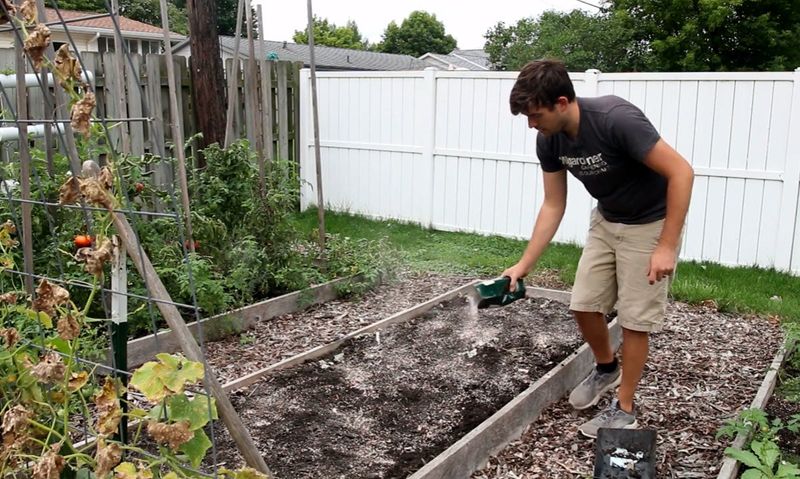
Sometimes simple wins. A bag of 10-10-10 from the farm store has fed generations of Southern gardens, and it still earns its keep.
Those three numbers stand for equal parts nitrogen, phosphorus, and potassium. That balance suits a mixed bed of greens, roots, and brassicas when you are not sure what your soil lacks.
It is cheap, easy to spread, and works fast once watered.
The trade-off is that synthetic granules dissolve quickly, so heavy rain can wash nutrients through sandy soil. Splitting your feeding into smaller doses, about one pound per 100 square feet every four to six weeks, often works better than one big application.
Keep granules a few inches from stems and water them in right away. Fertilizer resting against plants can burn tender tissue.
A quick reality check: if your soil test shows high phosphorus, common in older Florida gardens, a balanced blend may add more than you need. In that case, a formula like 15-0-15 might be a better fit.
Still, for a new bed or a gardener just starting out, 10-10-10 is a dependable, budget-friendly choice.
10. Slow-Release Coated Fertilizer
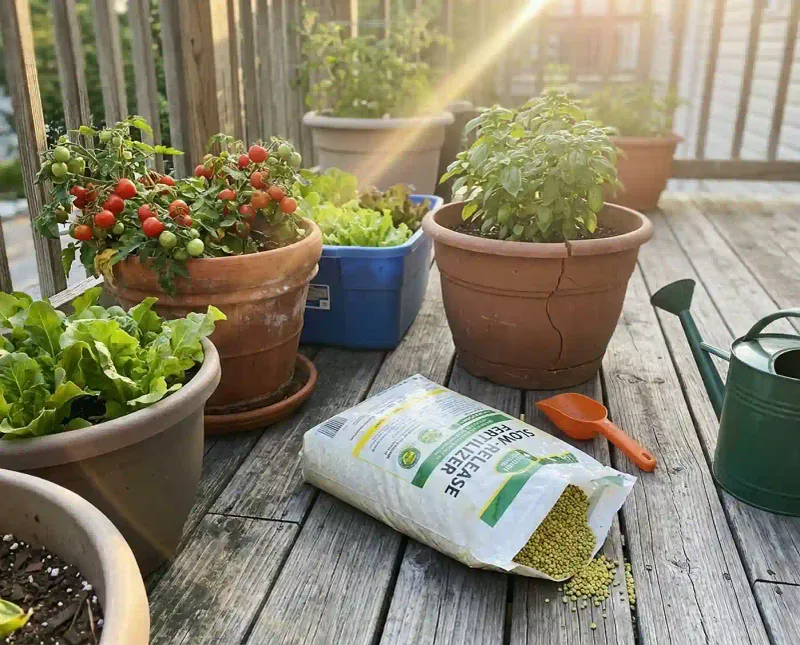
Busy schedule? Coated slow-release fertilizer might be your new best friend.
Those small round beads feed plants for three to six months with one application.
Each prill wears a thin resin or polymer coat. Water seeps in, dissolves nutrients, and they slowly leak out, with release speeding up in warm weather and slowing in cool.
That steady pace suits container gardens on patios and porches, where frequent watering would wash ordinary fertilizer out the drainage holes.
For Florida gardeners, this type often fits well with local guidance that encourages slow-release nitrogen to reduce runoff. In Texas, it shines in raised beds and pots of lettuce, herbs, and dwarf peas.
Mix the beads into soil at planting according to the label, usually a tablespoon or two per gallon of potting mix. Avoid scattering them on the surface, where they may release unevenly.
One thing to watch: in cooler winter weeks, release slows, so fast growers like mustard greens may still appreciate a liquid boost now and then. Otherwise, set it and mostly forget it until spring.
11. Garden Compost
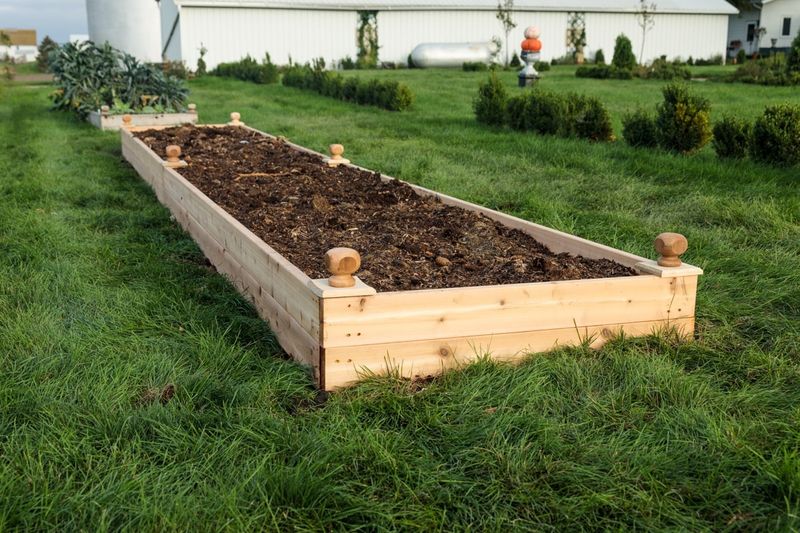
Grandma was right about her kitchen scrap pile. Homemade compost remains the backbone of nearly every productive garden, even if the label on the bag reads low in nutrients.
Compost does not deliver huge numbers of nitrogen or phosphorus. What it gives is structure.
In sandy Florida soil, it can help hold water and nutrients that would otherwise drain away. In sticky Texas clay, it may loosen things up so roots and water move more freely.
That improvement makes every other fertilizer work better. Spread two to three inches across beds before fall planting and work it into the top several inches.
Southern heat speeds up decay, which is both good and bad news. Your pile finishes faster, but organic matter in beds also burns off quickly, so adding fresh compost every season is a smart habit.
Leaves raked in late fall, grass clippings, vegetable peels, and coffee grounds all make good ingredients. Skip meat, dairy, and diseased plants.
Within a few months, you will have free, rich material that keeps feeding soil life for years to come.
12. Alfalfa Meal
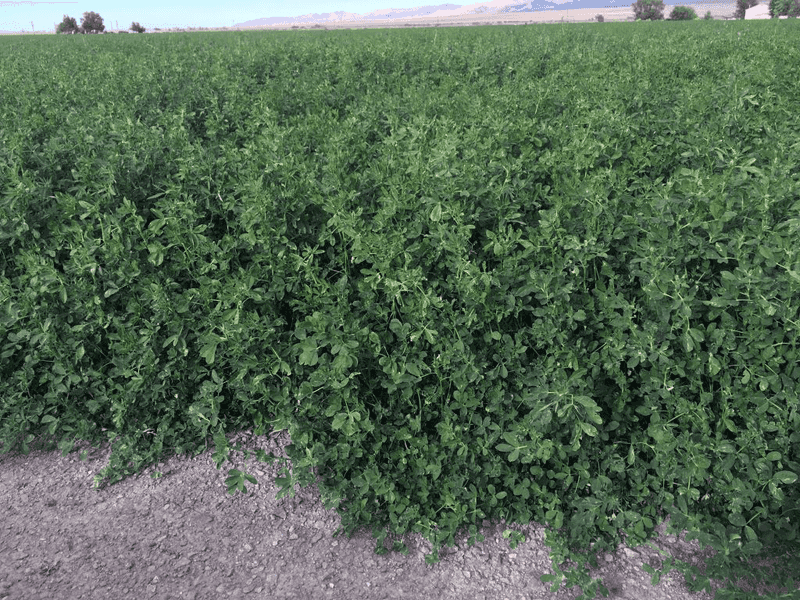
Horse owners know alfalfa as premium hay. Gardeners know it as a mild, all-purpose feed that seems to perk up almost any planting.
Alfalfa meal carries about 2 to 3 percent nitrogen along with trace minerals. It also contains triacontanol, a natural compound some growers believe may encourage plant growth.
The science is still developing, but plenty of gardeners report greener, sturdier plants after using it.
Since it is gentle, alfalfa is a good choice for crops that do not want heavy nitrogen, such as peas, which fix much of their own nitrogen anyway. It also helps feed soil microbes, which in turn keep beds alive and crumbly.
Work about 2 to 5 pounds per 100 square feet into the soil before planting. You can buy meal from garden suppliers or use plain alfalfa pellets from a feed store, which are often cheaper.
Just make sure they do not contain added salt or molasses.
It breaks down in a few weeks in mild Southern weather. Many folks mix it into compost piles too, where it helps heat things up.
13. Epsom Salt
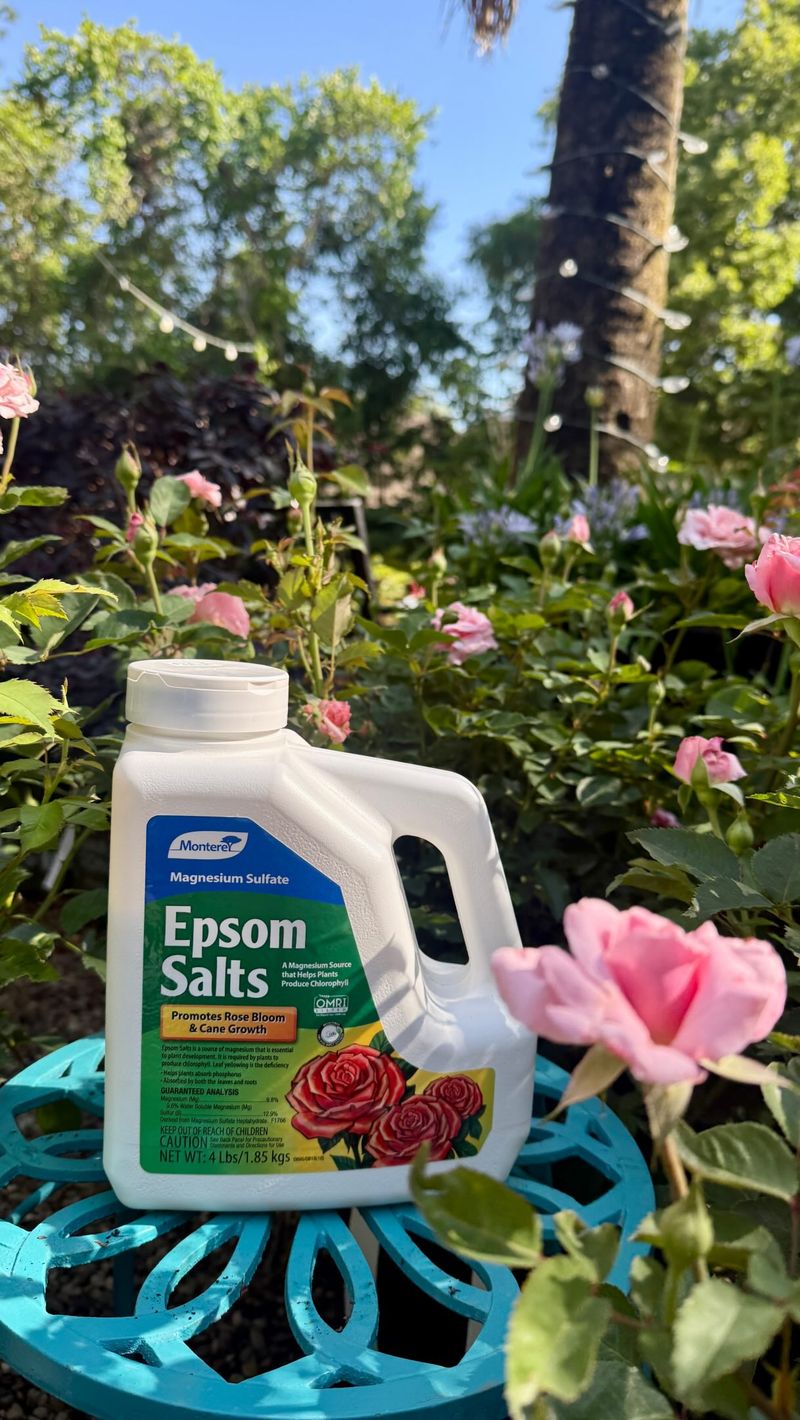
Few garden tricks get passed around more than Epsom salt. Some of the hype is overblown, yet it does have a real job in certain situations.
Epsom salt is magnesium sulfate. Magnesium helps plants build chlorophyll, so a shortage often shows up as yellowing between leaf veins on older leaves while the veins stay green.
Sandy, heavily watered Florida soils can sometimes run low on magnesium, especially after a rainy stretch.
If you see that pattern on cabbage, peppers, or tomatoes planted for a South Florida winter crop, a light dose may help. Mix one tablespoon per gallon of water and spray foliage or drench the soil once a month.
Here is the honest part. If your soil already has enough magnesium, adding more will not boost harvests and may even interfere with calcium uptake.
Many Texas soils are naturally rich in magnesium.
Treat Epsom salt as a targeted fix, not a regular feed. A soil test or a clear symptom is your best signal.
Cheap and easy, it earns its place when used with purpose.
14. Chelated Iron and Soil Sulfur
Gardeners from San Antonio to Midland know the frustration well. New leaves come in yellow with green veins, and no amount of regular fertilizer seems to help.
That symptom, called iron chlorosis, is common in alkaline Texas soils and in limestone-rich parts of South Florida. Usually the soil holds plenty of iron, but high pH locks it away from roots.
Chelated iron comes wrapped in a molecule that keeps it available, so plants can often absorb it even in alkaline ground.
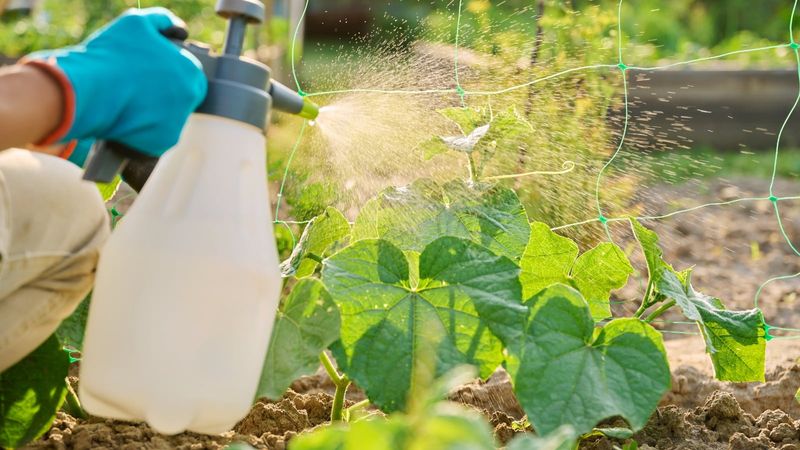
For a quick rescue, spray chelated iron on leaves following label directions. Many plants green up within a week or two.
Look for EDDHA chelates, which tend to perform best when pH runs high.
Soil sulfur is the slower, longer-term partner. Mixed into beds, it gradually lowers pH over several months as soil bacteria convert it.
Use about one to two pounds per 100 square feet, and retest before adding more.
Together, they handle both the emergency and the root cause. Raised beds filled with quality mix are another workaround if native soil is extremely alkaline.
Either way, your spring harvest has a better shot.