
When California’s winter rains arrive, most yards look neat but offer almost nothing for hungry birds and the few pollinators still flying. A clipped lawn and bare mulch can leave hummingbirds, sparrows, and native bees searching for food at the hardest time of year.
The good news is that a handful of native plants can fix that without adding much work or water. Here are eight that bloom, fruit, or shelter wildlife right when your yard needs them most.
1. Toyon
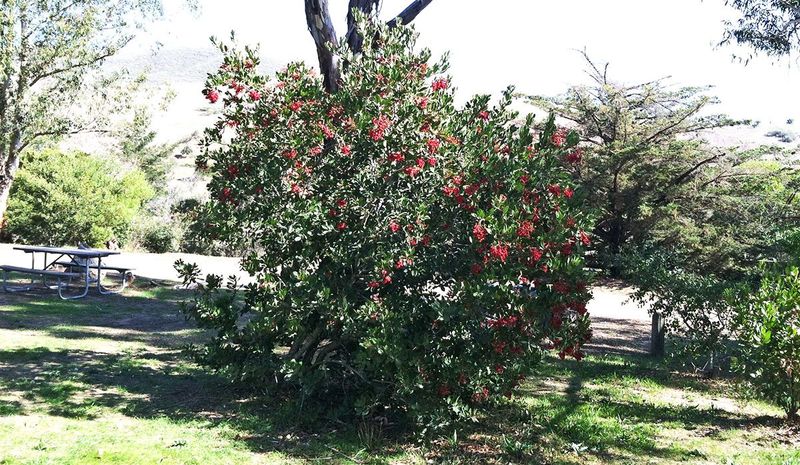
Long before Hollywood got its name, this shrub was known as California holly, and its red berries still light up winter gardens across the state. Toyon ripens its fruit from late fall into January, exactly when robins, cedar waxwings, mockingbirds, and band-tailed pigeons are looking for a reliable meal.
Once established, it can get by on little to no summer water in many coastal and inland areas. It grows into a dense, evergreen screen that gives small birds a safe place to hide from hawks and cold wind.
Plant it along a fence line or property edge where it has room to reach 8 to 15 feet. Prune lightly after fruiting if you want a tidier shape, and skip heavy shearing in fall so you don’t cut off the berry crop.
2. Manzanita
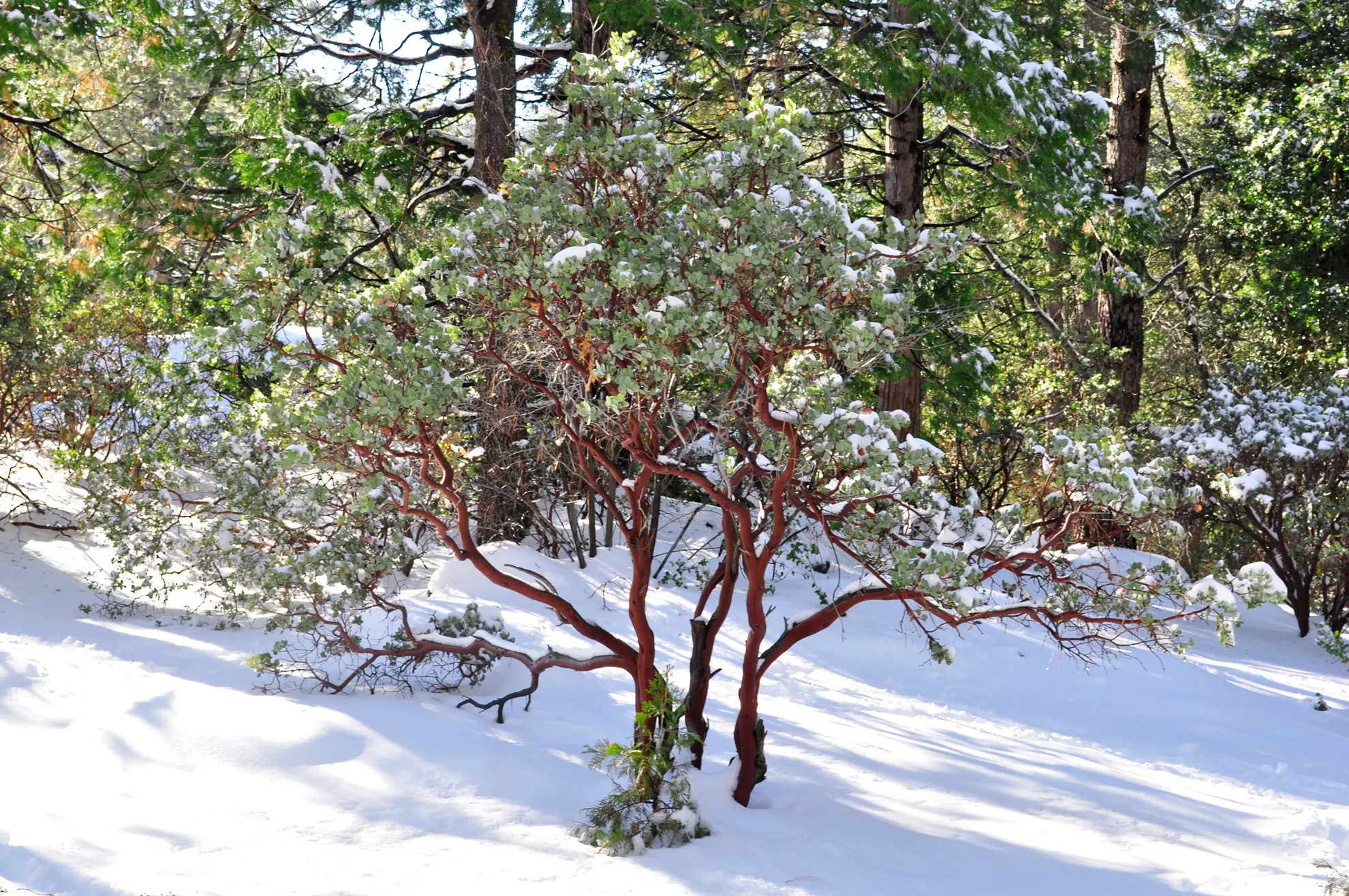
Picture an Anna’s hummingbird zipping around your yard in January. Manzanita is one of the big reasons it sticks around, since many varieties open tiny pink or white bell flowers between December and March.
Those early blooms can feed overwintering hummingbirds and the first native bees of the year, including bumble bee queens starting new colonies. The twisting red bark adds year-round beauty, too.
Manzanita wants sharp drainage and hates summer sprinklers, so keep it away from lawn irrigation. Cultivars like ‘Howard McMinn’ or ‘Sunset’ tend to be more forgiving in regular garden soil than wild species.
3. Coffeeberry
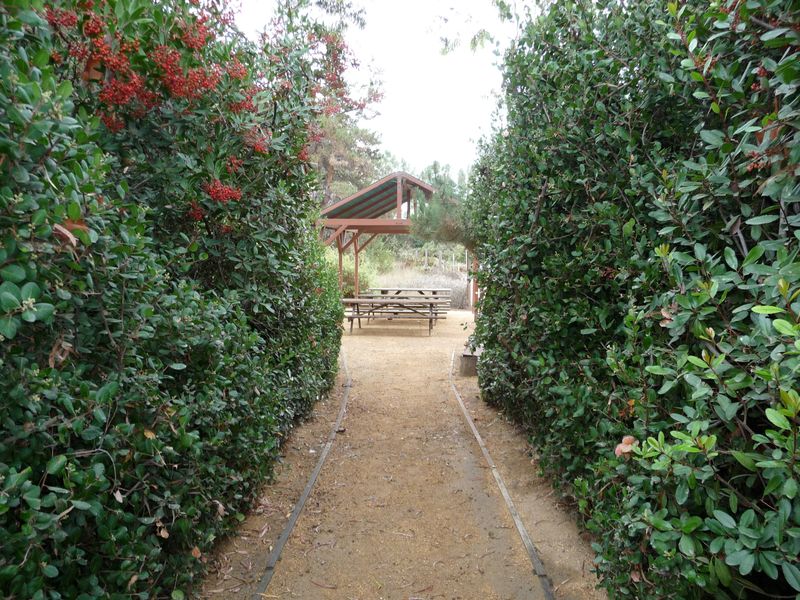
Here’s a hardworking shrub that rarely gets the credit it deserves. Coffeeberry flowers are small and easy to miss in spring, yet bees and butterflies find them quickly.
The real payoff comes later, when berries shift from green to red to nearly black through fall and into early winter. Thrushes, towhees, and jays may pick through them for weeks.
It handles sun or part shade, tolerates clay better than many natives, and stays evergreen. Compact forms like ‘Eve Case’ work nicely as a low-water hedge in smaller suburban lots.
4. California Fuchsia
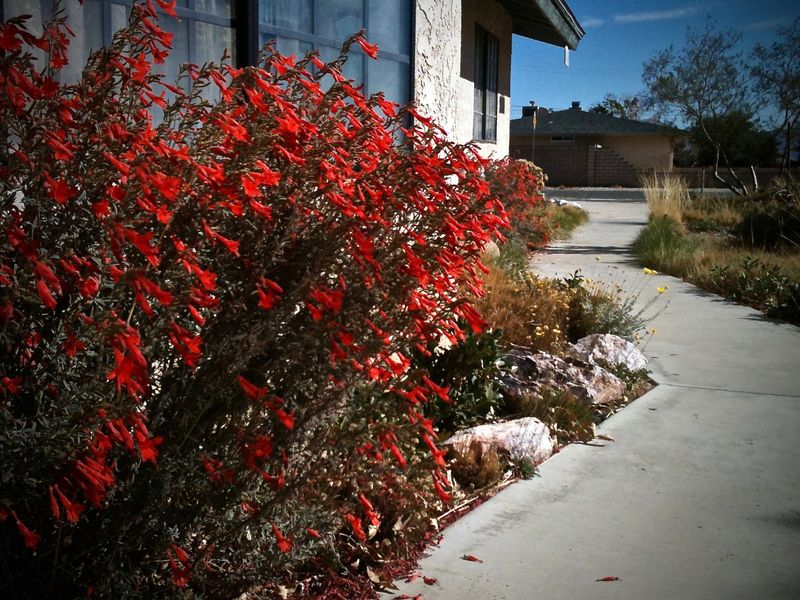
Most gardens look tired by October, and that’s when California fuchsia decides to throw a party. Its scarlet tubular flowers often run from late summer into late fall.
Hummingbirds treat it like a fueling station as they prepare for cooler months. It bridges the gap between summer bloomers and the winter flowers of manzanita and currant.
After it finishes, many gardeners cut it nearly to the ground in winter. It comes back vigorously in spring and needs only occasional summer water, which makes it a smart pick for hot, dry strips near driveways and walkways.
5. Pink-Flowering Currant
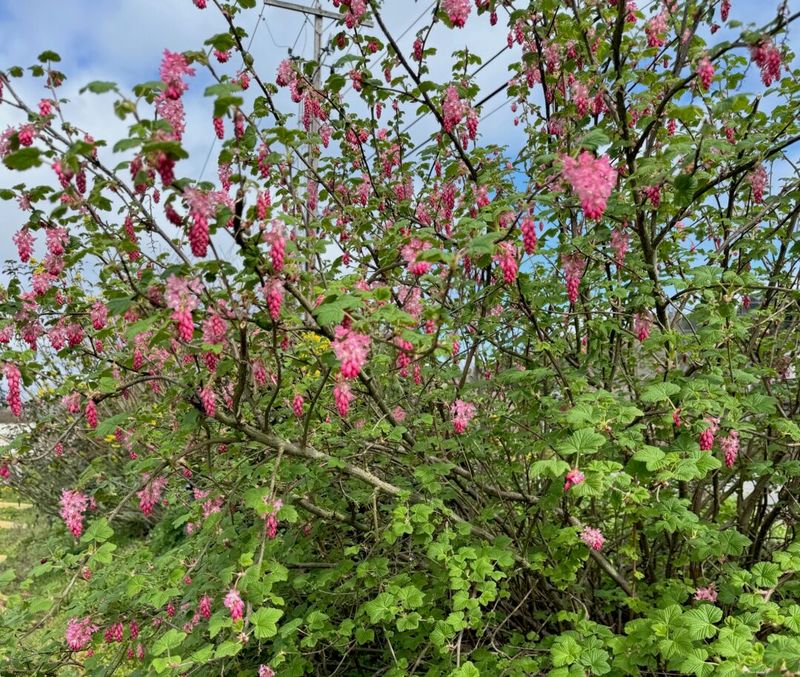
Hanging pink flower clusters in February feel almost unfair when the rest of the yard is still waking up. Pink-flowering currant blooms just as Allen’s hummingbirds begin returning to coastal California.
Early native bees visit too, and the blue-black summer berries later feed birds. It’s a two-season food source in one plant.
Give it part shade, especially in hot inland valleys, and it will reward you with very little fuss. It’s deciduous, so pair it with evergreens if you want year-round screening.
6. California Lilac
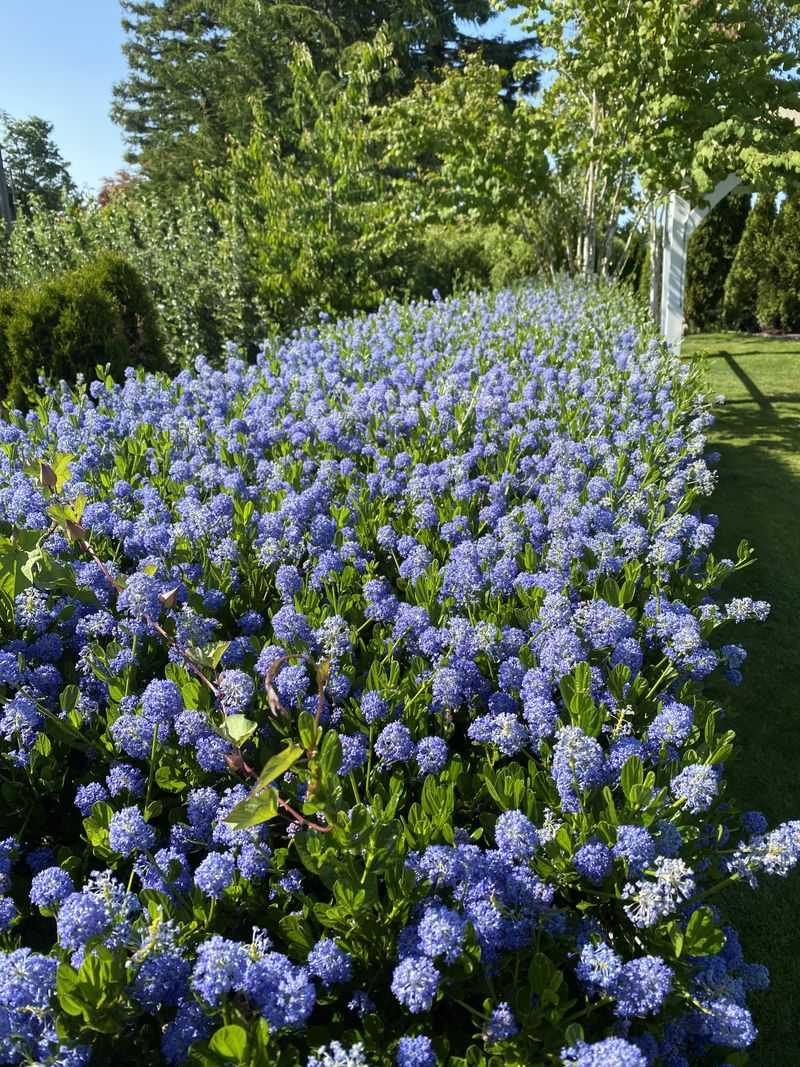
Ceanothus, often called California lilac, can turn a plain front yard into a cloud of blue from late winter into spring. The flowers pull in a surprising crowd of native bees, hoverflies, and butterflies.
Many species also host caterpillars, which become food for nesting birds a few weeks later. Quail and small birds often shelter beneath the dense branches.
Plant it in full sun with good drainage, and avoid summer watering once it’s settled in. Choose a size that fits your space, since some types stay low while others grow into small trees.
7. Coast Live Oak
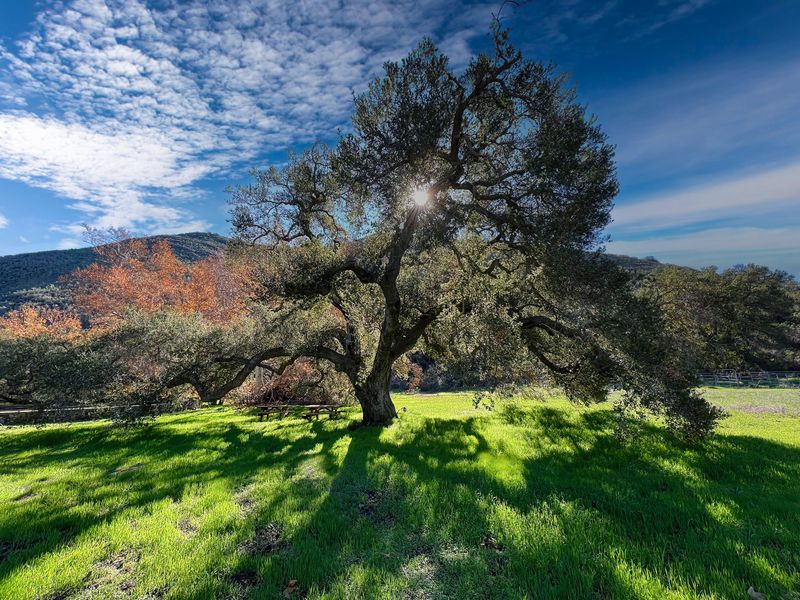
Few things in a yard support as much life as a single oak. Research on native oaks suggests they can host hundreds of insect species, which in turn feed a long list of birds.
In winter, coast live oak stays evergreen, giving titmice, bushtits, and woodpeckers shelter and a steady supply of insects to glean. Acorns feed jays, woodpeckers, and squirrels.
It’s a long-term commitment, so plant it well away from foundations. Leave leaf litter under the canopy if you can, since it may shelter overwintering insects and keeps roots cool.
Avoid regular summer irrigation near the trunk, which can encourage root rot.
8. Deergrass

Tidy yards often lose points with wildlife the moment the trimmer comes out in fall. Deergrass is your excuse to hold off.
Its tall seed plumes feed sparrows, juncos, and finches through winter, while the dense clumps shelter ground-feeding birds and overwintering insects. It looks neat and sculptural, so neighbors see intention rather than mess.
Wait until late winter to cut it back, ideally just before new growth starts. It works well as a lawn-alternative border or along a dry creek bed and needs only modest water once established.