
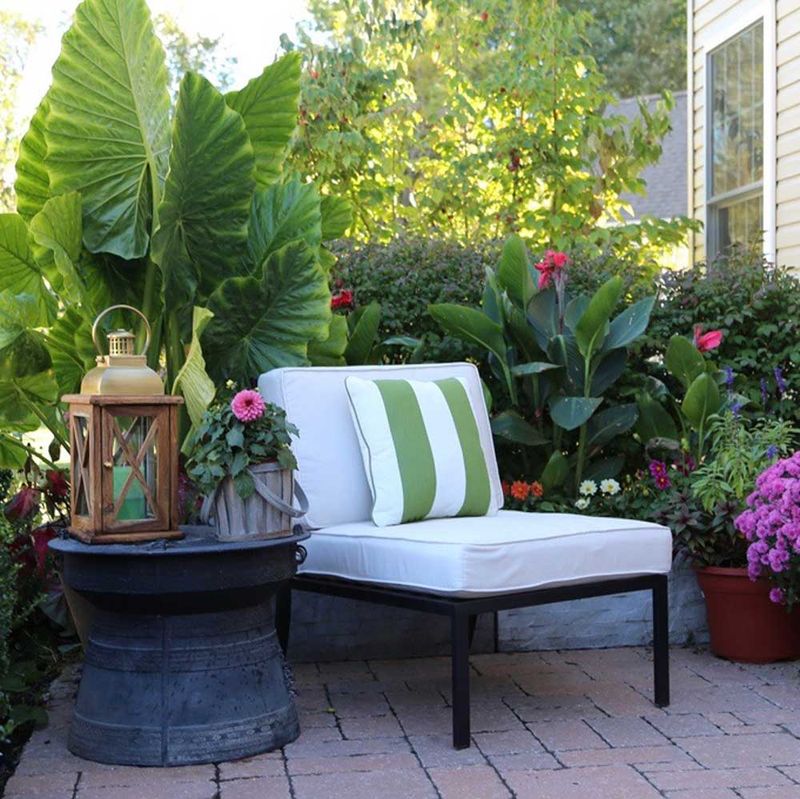
Every fall, lots of gardeners haul their patio pots inside to protect them from the cold. Some plants handle the move just fine, but others bring pests, mess, and stress into your home.
In much of the South, especially Florida and Texas, many of these plants can ride out winter outdoors with a little protection. Here are eight plants that usually cause more headaches indoors than they are worth, plus what to do with them instead.
1. Hibiscus
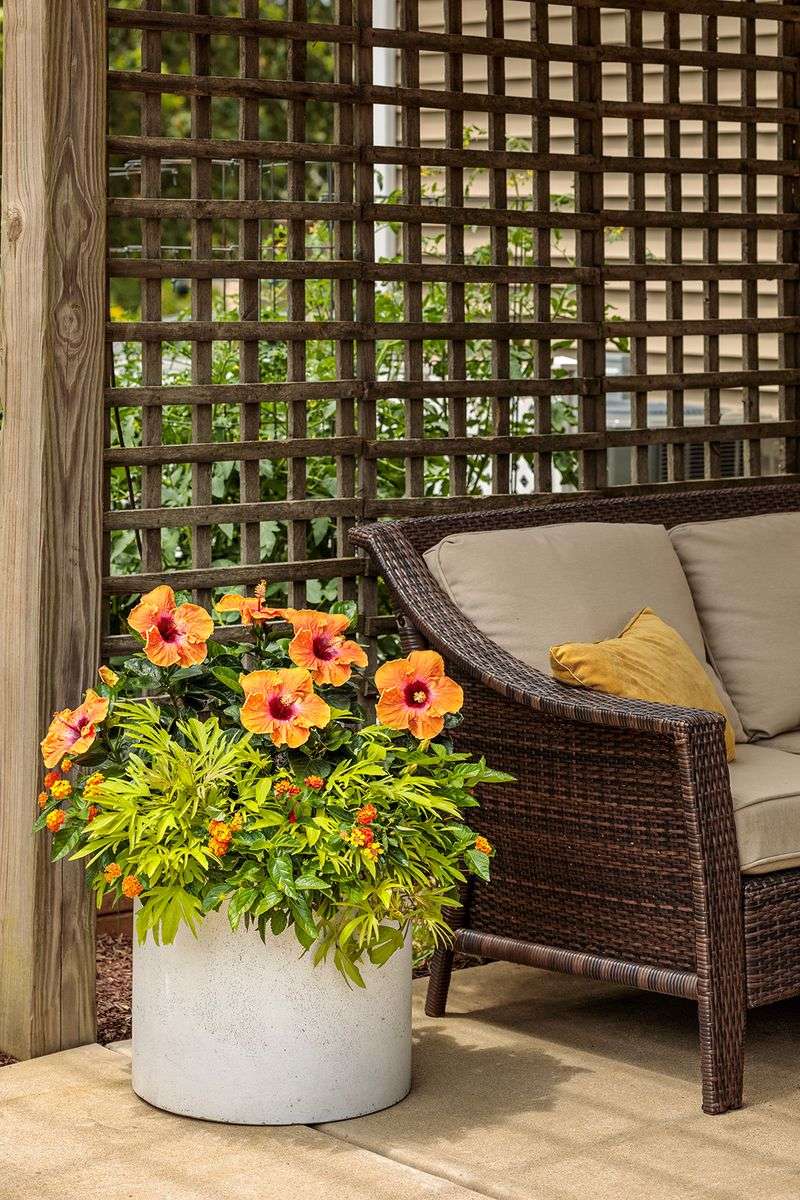
Bring a tropical hibiscus indoors and you may watch it drop yellow leaves like confetti within a week. The sudden change in light and humidity shocks it, and the leaf drop can keep going for weeks.
Many gardeners panic and think the plant is dying.
Worse, hibiscus is a magnet for whiteflies, aphids, and spider mites. Outdoors, beneficial insects often keep those pests in check.
Inside your warm, dry living room, pest numbers can explode, and they may spread to your other houseplants.
In Central and South Florida, plus coastal Texas, hibiscus often handles winter outside with little fuss. Move pots against a south-facing wall, where stored heat can help on chilly nights.
When a frost is forecast, cover the plant with a frost cloth or an old bedsheet, not plastic.
Farther north in the South, a garage with a window can work better than your living room. Cut watering way back so roots do not rot while growth slows.
Expect some leaf loss either way. Once warm weather returns in spring, a light trim and a dose of balanced fertilizer can help it push out fresh growth and new blooms.
2. Mandevilla
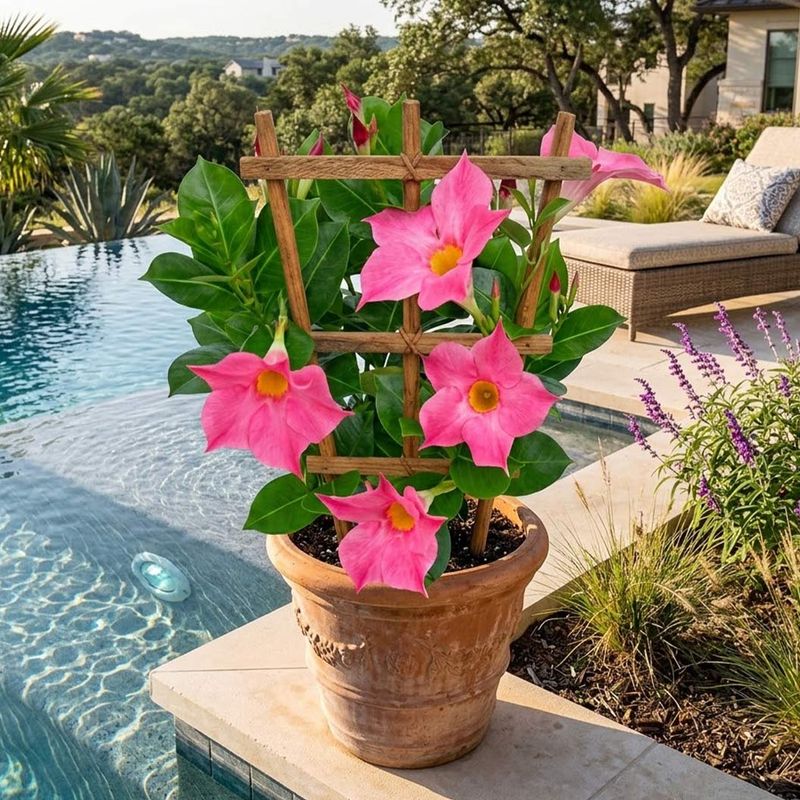
Picture a vine that bloomed nonstop all summer suddenly turning into a sticky, sulking mess in your kitchen. That is the story many gardeners tell about mandevilla.
It loves heat and sun, and indoor winter light simply cannot match what it is used to.
Once inside, mandevilla often stretches out with weak, pale growth. Mealybugs and spider mites tend to show up next, leaving sticky residue on floors and windowsills.
The long vines also tangle with curtains and furniture, which makes daily care frustrating.
A smarter plan in warmer Southern zones is to leave it in place. Mandevilla can often handle brief dips into the low 40s, especially near the house.
Mulch the base of in-ground plants with a few inches of pine straw to help shield the roots.
If a hard freeze hits, the top growth may die back. Do not rush to pull the plant.
In zones 9 and 10, roots frequently survive and resprout in spring. For potted plants in cooler areas, cut the vines back hard and store the pot in an unheated garage, watering only once or twice a month until spring.
3. Rosemary
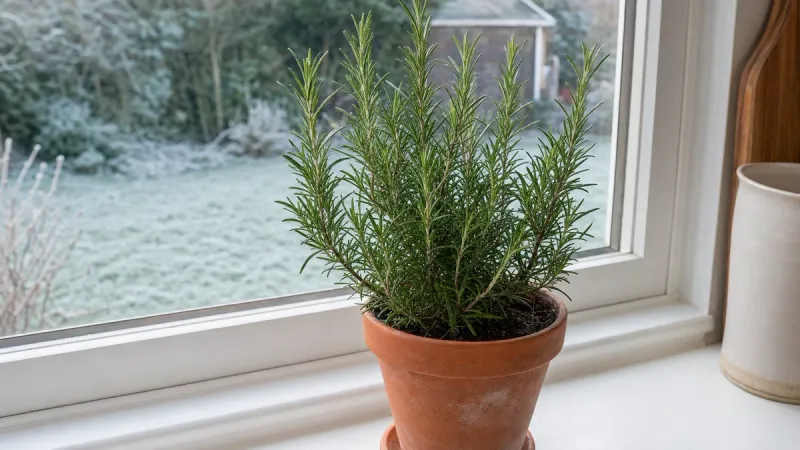
Here is a surprise for many cooks: rosemary is one of the hardest herbs to keep alive indoors. Gardeners bring it in to snip fresh sprigs all winter, then watch it turn brown and crispy by January.
The cause is usually a mix of low light, stale air, and uneven watering.
Rosemary is a Mediterranean shrub that wants bright sun and fresh air moving around it. Indoors, powdery mildew can coat the needles in white dust.
Overwatering leads to root rot, while forgetting it for a week dries the root ball beyond saving.
The good news for Southern gardeners is that most rosemary varieties are tough outdoors. Many handle temperatures into the teens or low 20s, so Texas and Florida winters rarely bother established plants.
Varieties like Arp and Hill Hardy are known for extra cold tolerance.
Keep outdoor rosemary in well-draining soil and skip extra watering during cool, rainy spells. Potted plants can be grouped near a wall for protection on the coldest nights.
You will still be able to clip sprigs for roasted chicken and potatoes all season, and the plant will likely look far better than an indoor one.
4. Bougainvillea
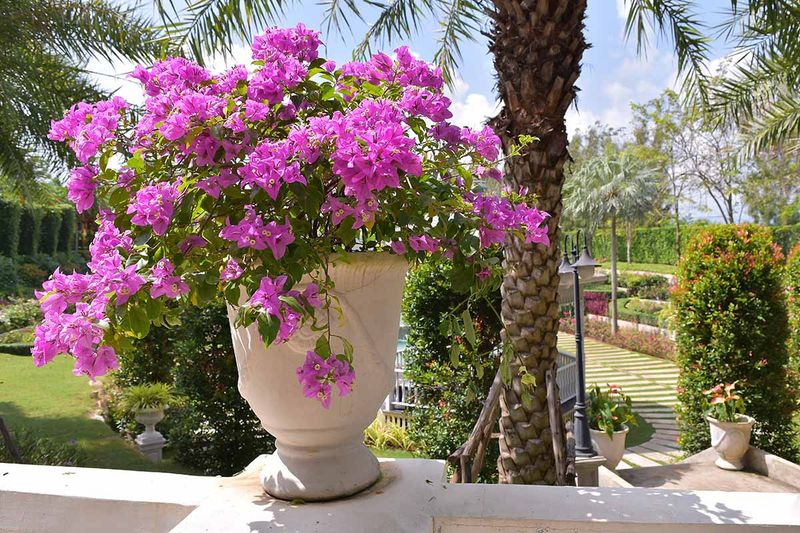
Thorns, falling bracts, and a stubborn attitude make bougainvillea a tricky houseguest. Anyone who has wrestled one through a doorway knows the scratches it can leave behind.
And that is before the papery flowers start dropping all over the floor.
Bougainvillea blooms best when it gets intense sun and a bit of stress. Indoors, it usually stops flowering and sheds leaves in protest.
Constant cleanup and scraped arms are a lot of trouble for a plant that just sits there looking bare.
Across South Florida and the Rio Grande Valley, bougainvillea often stays outdoors year-round with no special care. In slightly cooler areas, it can handle light frost if covered overnight.
Even if the tips get damaged, the woody base often recovers once temperatures warm.
For containers in colder pockets, a covered porch or garage is a better choice than the living room. Let the soil dry between waterings, since soggy roots are a bigger threat than cold.
Fun fact: those colorful parts are not petals at all. They are bracts surrounding tiny white flowers, which is why the color lasts so long outside.
5. Pepper Plants
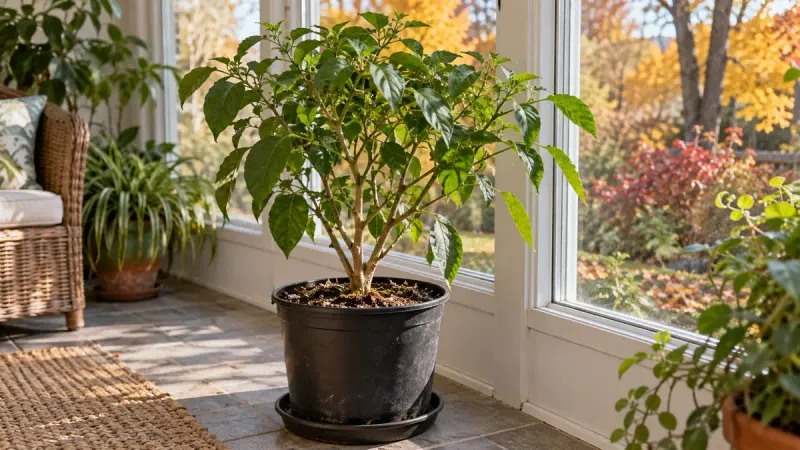
Overwintering a favorite jalapeño sounds clever, and sometimes it works. But plenty of gardeners end up with an indoor plant crawling with aphids and dropping flowers instead of peppers.
Low winter light means little to no harvest.
Peppers are actually perennials in their native tropical range, which is why the idea is so tempting. Indoors, though, aphids and whiteflies often hitch a ride from the garden and multiply fast.
The sticky honeydew they leave can lead to sooty mold on leaves and nearby surfaces.
In Florida and South Texas, fall and winter are prime pepper seasons, not a time to retreat. Plants that set fruit in October and November often keep producing outdoors until a real freeze.
Water at the base and watch for yellowing leaves, which may signal cold stress or a nitrogen shortage.
When a freeze is coming, harvest every pepper, then cover plants with frost cloth. Mulch can help keep roots a bit warmer.
If a plant does not make it, saving seeds or buying fresh transplants in spring is usually easier, and cheaper, than fighting pests on a windowsill for months.
6. Lantana
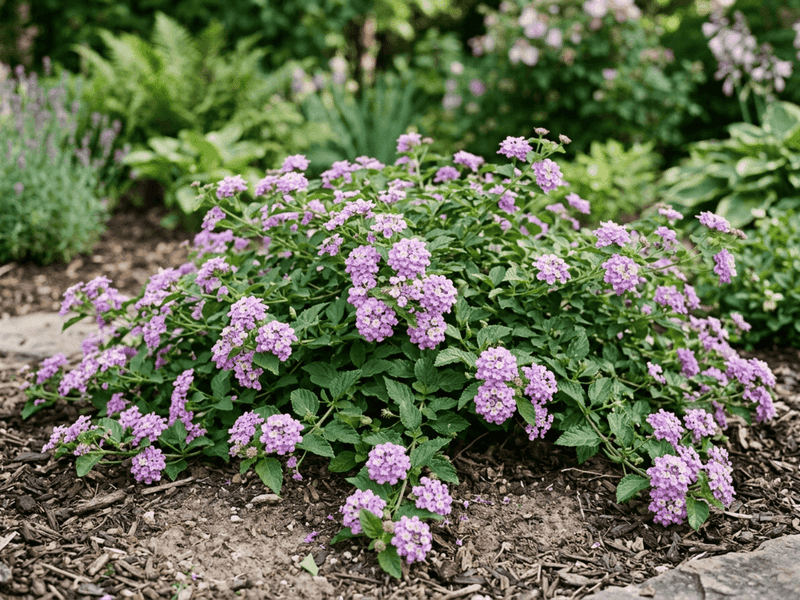
Butterflies love lantana, but your nose and your houseplants might not appreciate it indoors. The leaves have a strong scent that many people find unpleasant in a closed room.
Lantana is also toxic to pets if chewed, which is a real concern for cat and dog owners.
Inside, it tends to get leggy and drop its leaves. Whiteflies are a common problem, and they can quickly spread to nearby plants.
All that effort usually results in a straggly shrub with few flowers.
Outdoors, lantana is one of the toughest plants in Southern gardens. Many types are perennial in zones 8 through 11, dying back to the ground after frost and returning in spring.
Native options like Texas lantana are even better adapted to local conditions.
The best winter care is often doing very little. Leave the dead stems standing until spring, since they may help protect the crown from cold.
Prune them back once new green growth appears. A note of caution: in parts of Florida, common lantana can spread aggressively, so check local guidance and consider sterile or native varieties if you are planting new ones.
7. Citrus Trees
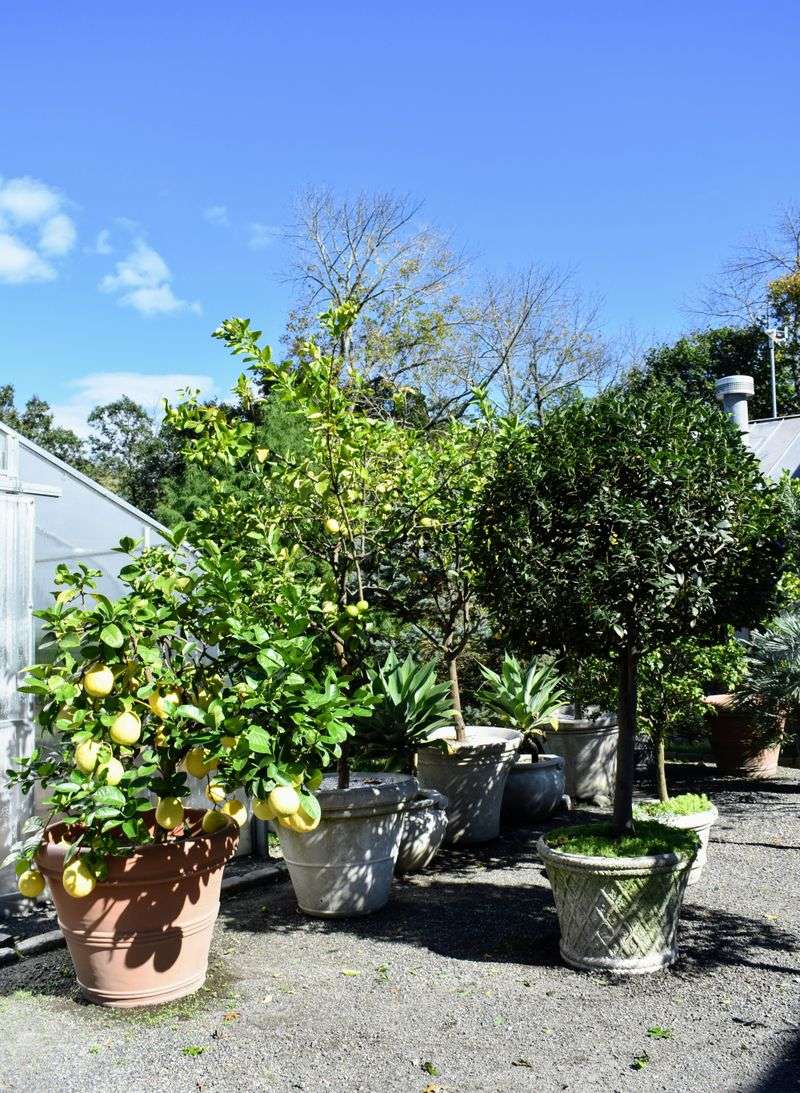
A potted Meyer lemon looks charming by the window, at least until scale insects and leaf drop take over. Citrus trees are a classic example of good intentions gone wrong indoors.
Dry heater air and dim light often stress them badly.
Common indoor problems include scale, spider mites, and sudden yellowing leaves. Blossoms may fall before setting fruit.
Large potted trees are also heavy and awkward to move, which can mean strained backs and cracked pots.
In much of Florida and South Texas, citrus belongs outside all winter. Mature trees in the ground often handle brief dips near freezing, and some types, like satsumas and kumquats, are especially cold-hardy.
Fruit actually tends to sweeten with cooler temperatures.
For potted trees, roll them close to the house on frost nights and wrap them with frost cloth down to the soil. Old-fashioned incandescent string lights under the cover can add a little warmth.
Water well before a freeze, since moist soil holds heat better than dry soil. Keep in mind that citrus rules vary by state, and Florida has quarantine restrictions, so buy trees only from certified local nurseries.
8. Elephant Ears
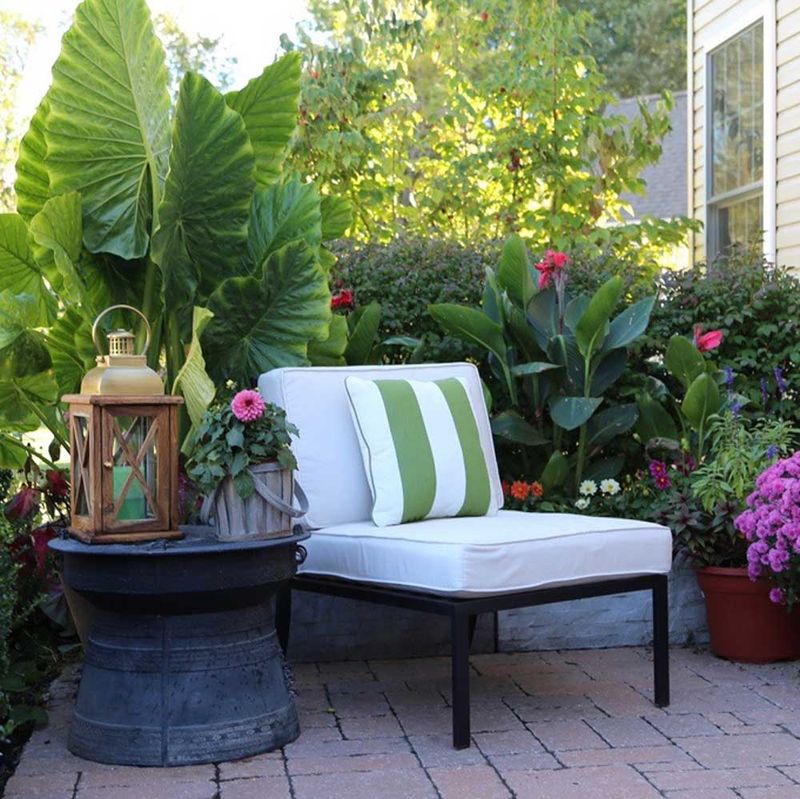
Ever tried to fit a leaf the size of a beach umbrella through a sliding door? Elephant ears are gorgeous in a backyard bed, but they make awkward indoor plants.
Their massive leaves droop, yellow, and drip water in a living room.
Spider mites love the dry indoor air, and the plants often look tired by midwinter. The sap can also irritate skin, and all parts are toxic to pets and kids if eaten.
That makes them a poor choice for crowded indoor spaces.
Across most of the South, elephant ears are happy to stay in the ground. In zones 8 through 11, the leaves usually die back after the first frost while the tubers rest safely underground.
A thick layer of mulch, about 4 to 6 inches, can give extra protection in cooler areas.
Simply cut the mushy leaves back after frost to keep beds tidy. New shoots typically return when soil warms in spring.
Gardeners in colder pockets can dig up tubers, let them dry, and store them in a box of peat moss in the garage. Either way, you skip the indoor jungle and still get those big tropical leaves next summer.