
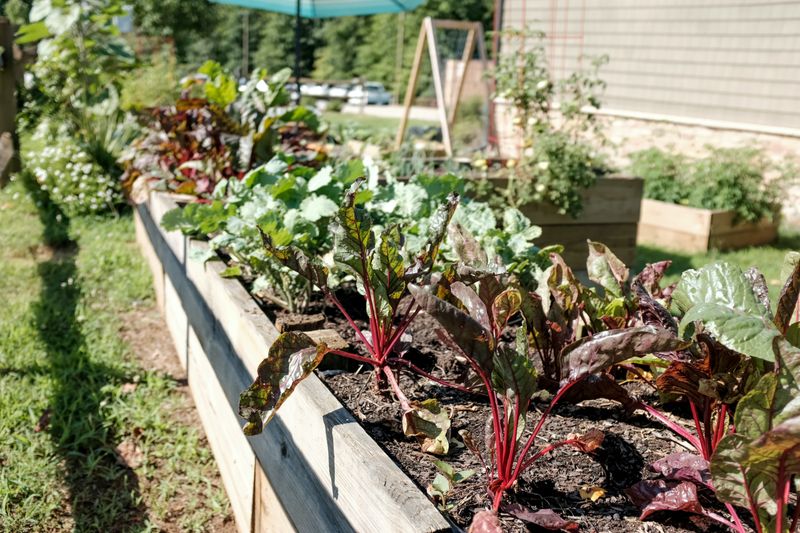
North Carolina gardens get a whole second season when the summer heat finally breaks, and fall is honestly one of the best times to grow food here. The trick is timing, because a lot of cool-weather crops need to hit the soil right now while the ground is still warm but the nights are cooling off.
Wait too long and short days plus early frost will leave you with tiny plants and no harvest. Here are seven vegetables to plant this week so your Piedmont, coastal plain, or mountain garden fills your kitchen all autumn long.
1. Broccoli
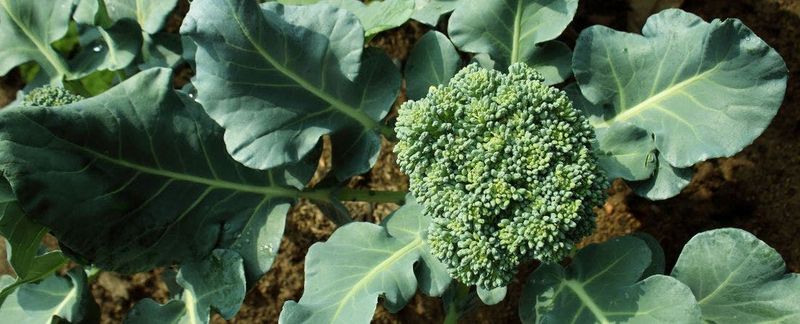
Few fall crops reward you as generously as broccoli, which loves the cool, steady weather that arrives across North Carolina in early autumn. Get transplants in the ground now and you will be cutting big central heads before the first hard frost.
Broccoli actually tastes sweeter after a light chill, so those cool October nights work in your favor. Space plants about 18 inches apart and keep the soil evenly moist while roots settle in.
Here is the part most people miss: after you harvest the main head, the plant keeps pushing out smaller side shoots for weeks. That means one planting can feed your family well past the first cold snap.
In the Piedmont, aim for transplants rather than seeds this late so the plant has time to mature before short days stall its growth.
2. Collard Greens
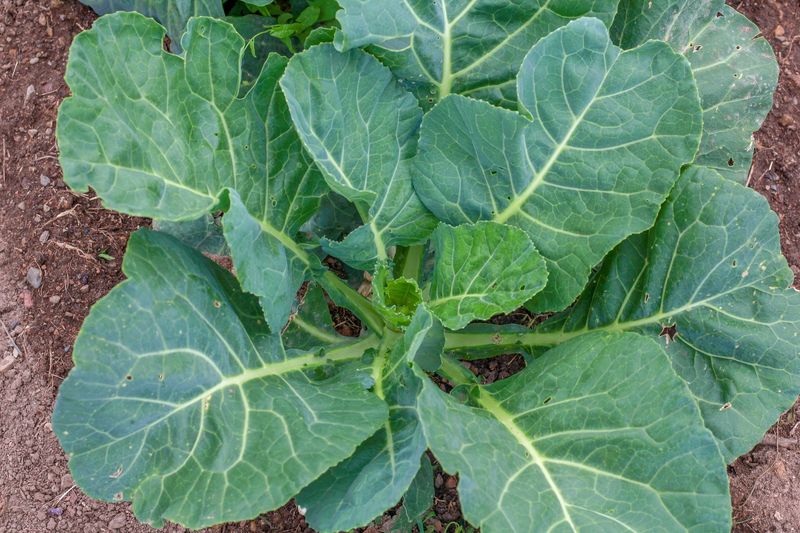
No Southern fall garden feels complete without collards, and honestly they might be the toughest thing you can plant this month. These leafy giants shrug off frost that would flatten more delicate greens, and a cold night only makes them taste better.
Collards are a true set-it-and-forget-it crop for busy North Carolina homeowners. Tuck transplants into a sunny bed, give them room to spread, and start picking the lower leaves once they reach the size of your hand.
Because you harvest from the bottom up, a single row can keep producing straight through Thanksgiving and often well into winter. Fun bit of history: collards have been a staple in Southern kitchens for generations, and gardeners once measured a good cook by how tender they could get a pot of greens.
Plant now and you will have that tradition growing right outside your door.
3. Spinach
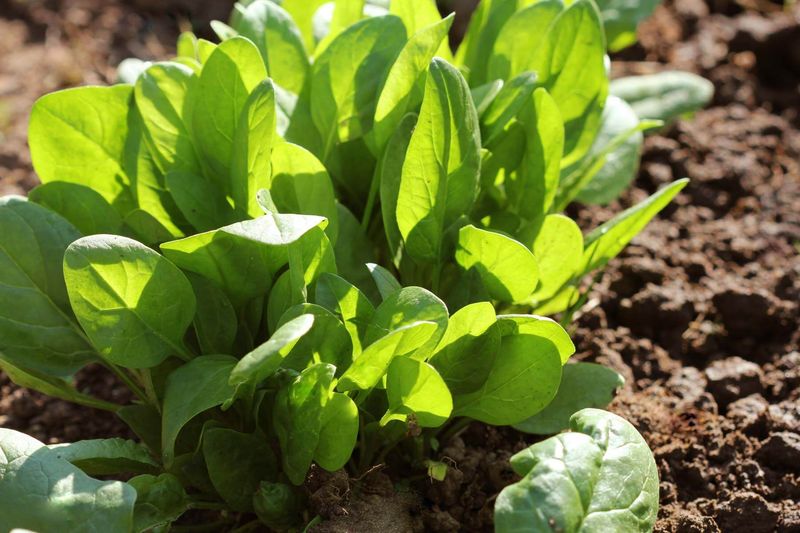
Craving fresh salads long after your summer lettuce bolted? Spinach is your answer, and the window to sow it is closing fast.
Cool soil is exactly what these seeds want, and North Carolina falls give them the mild days they crave.
Direct sow the seeds now, keeping the top layer of soil damp until sprouts appear. Thin the seedlings so each plant has a few inches of breathing room, and you will be pulling handfuls of tender leaves in about six weeks.
Spinach can handle a surprising amount of cold, and many gardeners tuck a light row cover over it to stretch the harvest deep into the season. In the mountains, that cover matters more since frost arrives earlier.
Plant a short row every couple of weeks while you still can, and you will have crisp greens for weeks.
4. Garlic
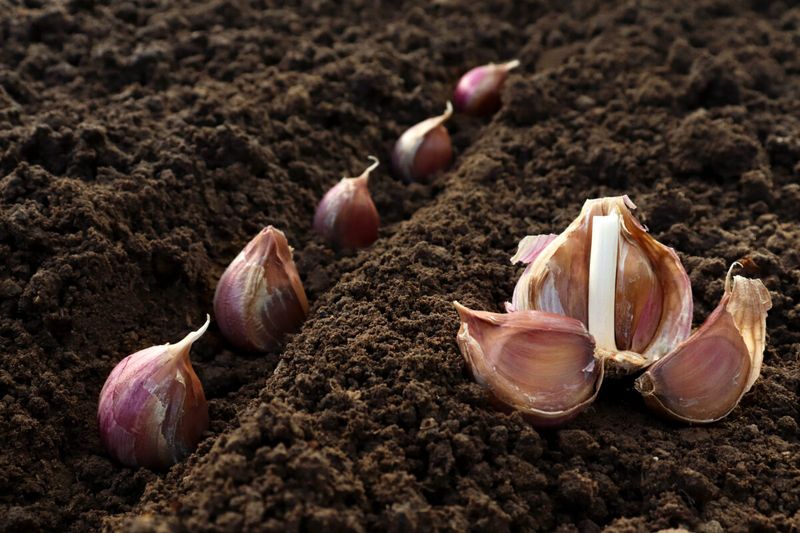
Garlic plays the long game, and that is exactly what makes it special on this list. You plant it in fall, walk away for the winter, and dig up fat, flavorful bulbs the following summer.
Break a head into individual cloves and push each one pointed-side up into loose, well-drained soil. A layer of mulch on top keeps the cloves cozy through cold snaps and helps hold moisture.
Miss this planting window and you simply will not get bulbs next year, which is why now is the moment. Choose a hardneck variety if you are in the cooler mountain counties, since it handles hard winters better than softneck types.
There is something deeply satisfying about tucking garlic into the ground in autumn and knowing future-you will be rewarded with homegrown flavor no grocery store can match.
5. Carrots
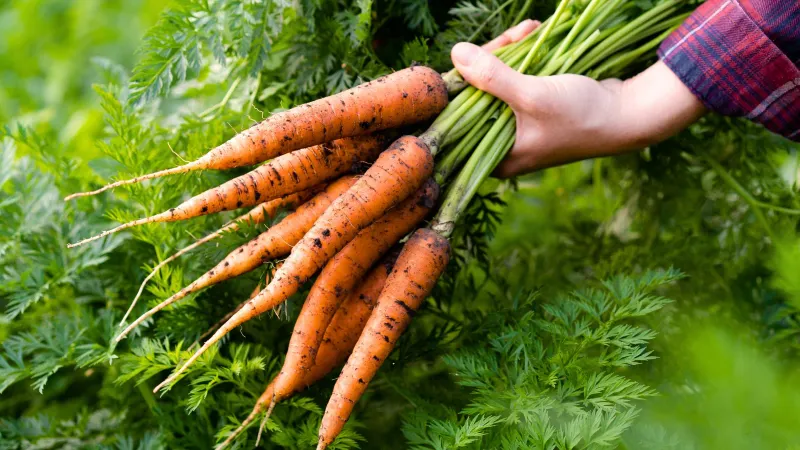
Sweet, crunchy carrots are one of fall gardening’s quiet victories, and they get downright candy-like once cold weather sets in. The plant converts starch to sugar to protect itself from frost, so your autumn carrots will beat anything you grew in spring.
Sow the tiny seeds directly into loose, rock-free soil, since anything chunky will make your carrots fork and twist. Keep the surface moist during germination, which can test your patience because carrots are slow to sprout.
Once they are up, thin them out so the roots have room to swell. In North Carolina’s sandy coastal soil, carrots do especially well, but Piedmont gardeners can loosen heavy clay with compost for good results.
Leave them in the ground through the first frosts and pull as you need them for the sweetest possible bite.
6. Kale
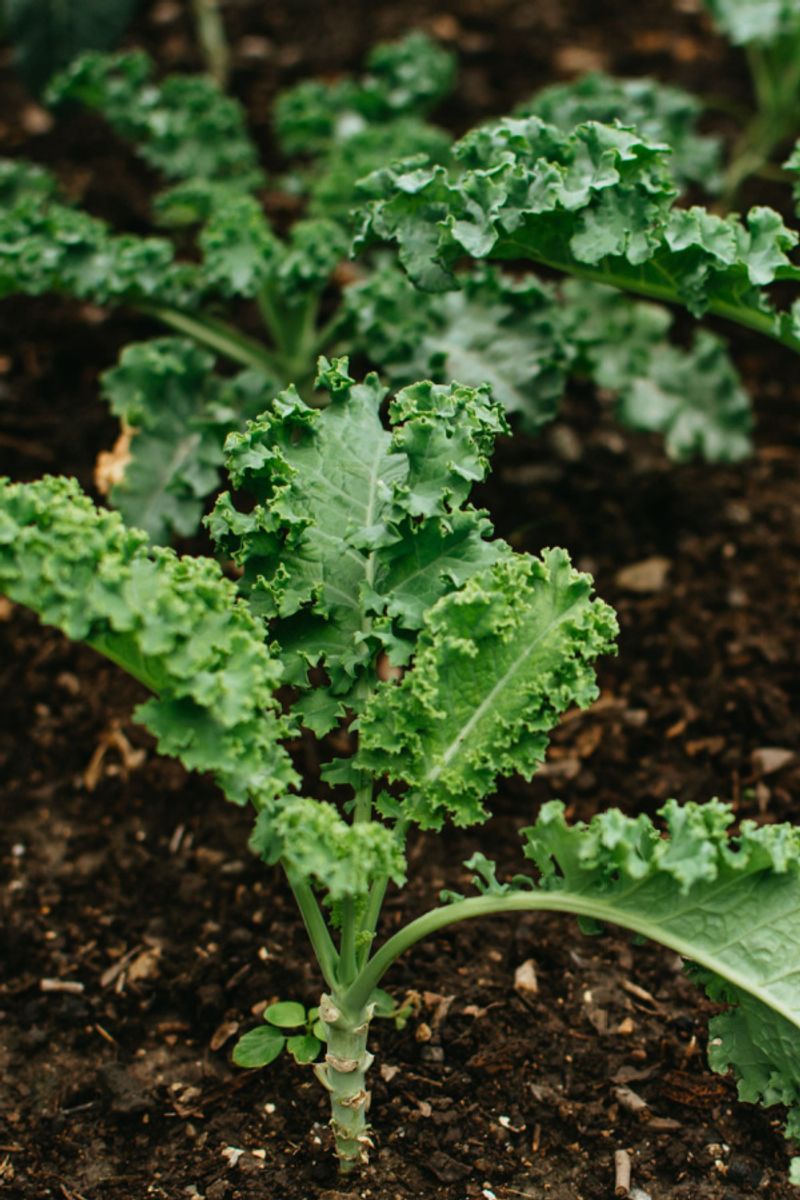
Talk about a plant that gets better when the weather gets worse. Kale is the cold-weather champion of the fall garden, and a good frost turns its leaves noticeably sweeter and more tender.
Set out transplants now and you will be harvesting long after most of your other crops have given up. Pick the outer leaves and leave the center intact, and the plant will keep generating fresh growth for months.
Kale barely blinks at the chilly nights that roll across the Piedmont and mountains, making it one of the lowest-effort greens you can grow. Curly types hold up beautifully to frost, while flat-leaf varieties cook down fast for soups.
Whether you toss it raw in a salad or crisp it into chips, a couple of kale plants will keep your kitchen stocked right through the cold months.
7. Turnips
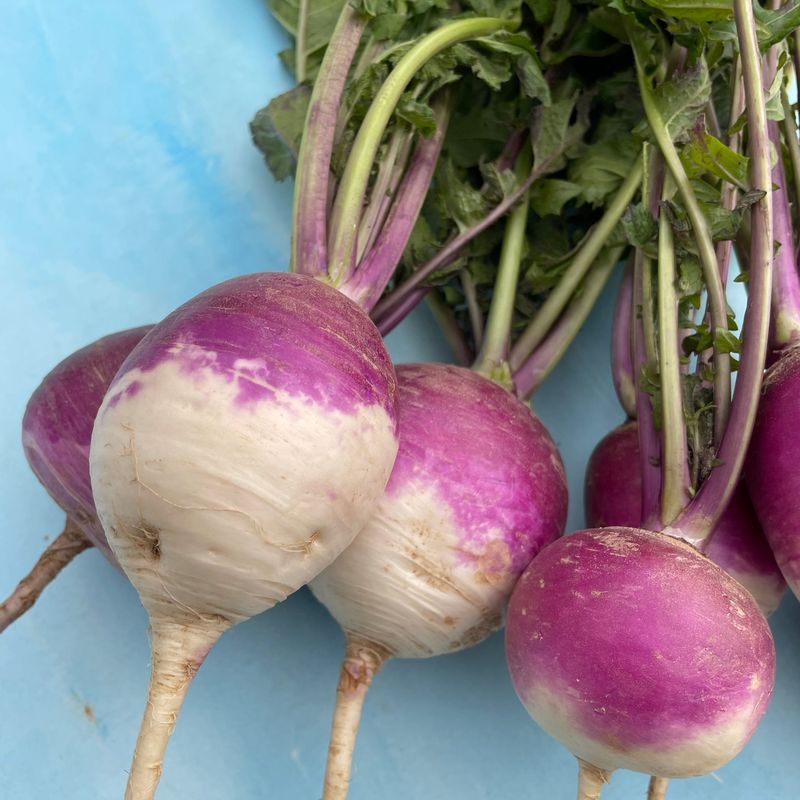
Here is a two-for-one crop that too many gardeners overlook. Turnips give you tender greens AND crisp roots from a single fast-growing plant, which makes them a smart pick when you are racing the calendar.
Scatter the seeds directly into the soil now and thin the seedlings as they come up, eating those thinnings as baby greens. In just a month or so you can start pulling small, mild roots, and the flavor stays sweet as long as the weather is cool.
Turnips practically grow themselves, asking only for steady moisture and a sunny spot. They handle North Carolina’s variable fall temperatures with ease, bouncing back from light frost without complaint.
Plant a patch this week and you will have both a leafy green and a root vegetable ready before autumn winds down, all from one humble little seed.